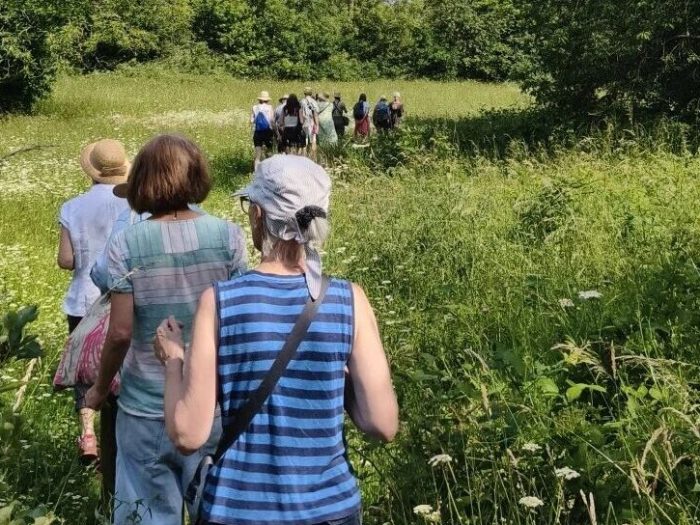
Metske, a Dutch farmer, has come from the squatting movement and a vegetarian restaurant to a 40-acre organic vegetable farm at Bore Place in Kent, and now sells lettuce and tomatoes at north London’s Growing Communities market, sustaining the business through personal networks and sales channels without applying for subsidies.
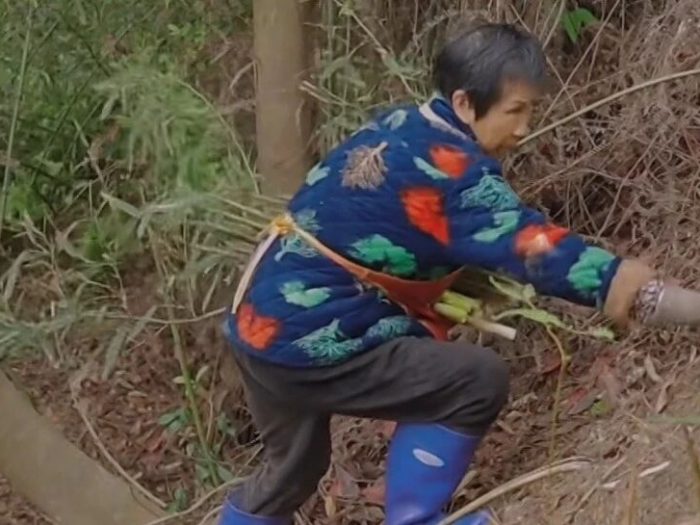
During the more than a month between Qingming and Grain Buds, in a mountain village in Hunan, Yang Xiuying and her fellow villager, Grandma Deng Lian, carry woven polypropylene sacks on their backs into bamboo groves, bring fresh bamboo shoots down the mountain, and then boil and sun-dry them into dried bamboo shoots; with village passenger services suspended and fewer companions making the climb, the elderly women still rely on this hard work for a meagre income and a measure of dignity.
Chinese Bayberry Scandal: Why Can I Still Eat Chinese Bayberries with Peace of Mind? | Grandma Kouzi
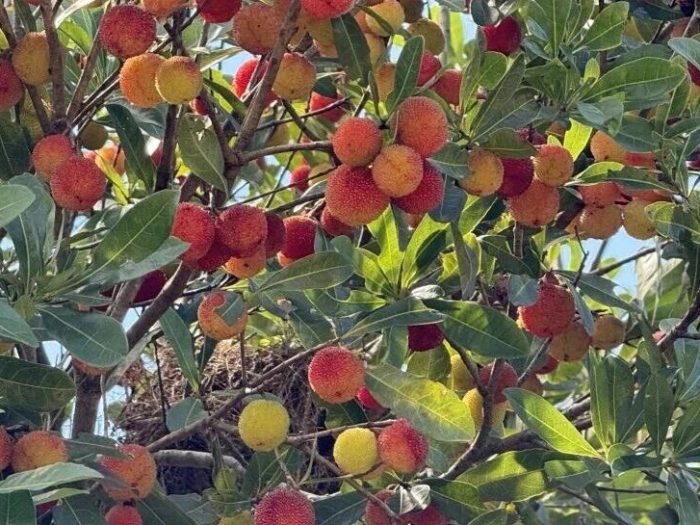
Grandma Kouzi in Fujian’s Evil People Valley quits buying fruit, eating only homegrown Dongkui Chinese bayberries caught on mesh, turned into juice, wine and compost. Her chemical-free growing shows modern shop-bought fruit largely an industrial product, shaped by selection and breeding, cold chain and marketing.
At China Agricultural University’s Science and Technology Courtyard in Quzhou, Xianzi and villagers set up an organic fertiliser plant. After more than a year, she found rebuilding the crop-livestock cycle hardest in the ledger of raw-material intake and farmers buying fertiliser, not technology.
Handing out tomato pasta on the streets of Rome and campaigning for raw-milk cheese at the Bra Cheese Festival, he turned food into a political issue of land, ecology and producer pay, while also drawing elite criticism.
Yi Fujin of Zhejiang University opens with a cow, an acre of maize, and a late spring frost, explaining how agricultural insurance works and why smallholders struggle with claims settlement during extreme weather.
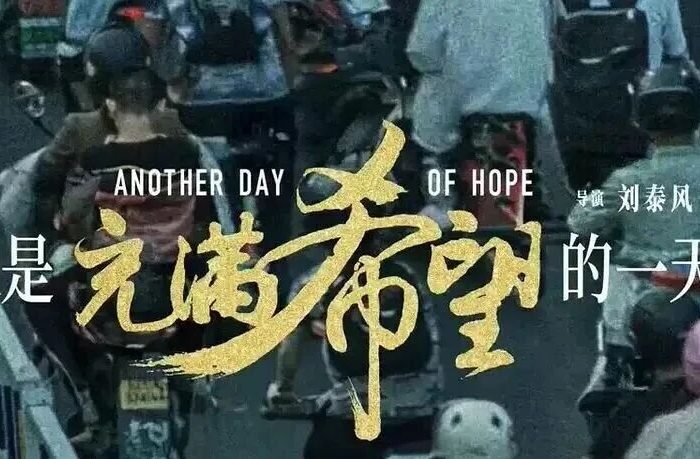
Every Tuesday evening, Foodthink hosts open-air film screenings by Tuanjie Lake in Beijing, where audiences can browse the farmers’ market and watch stories of food-delivery riders, rice farmers, herders and fermentation artisans, followed by a post-screening talk.
In the End, It Was Still Burned: What Detours Has Crop Residue Incorporation in the Northeast Taken?
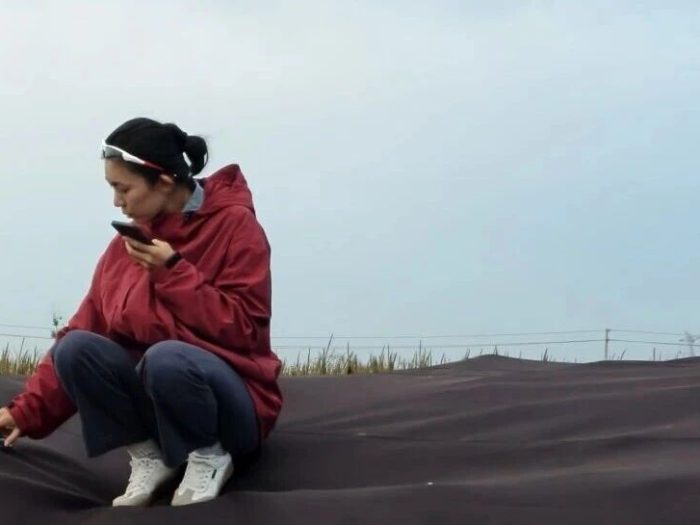
After a decade of the burning ban, maize and paddy rice growers in northeast China are still troubled by ridge boundaries, costs, subsidies and the results of incorporation, and burn crop residue within a unified window during spring ploughing.
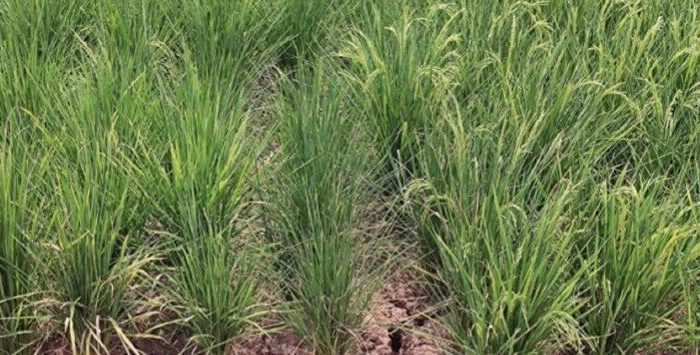
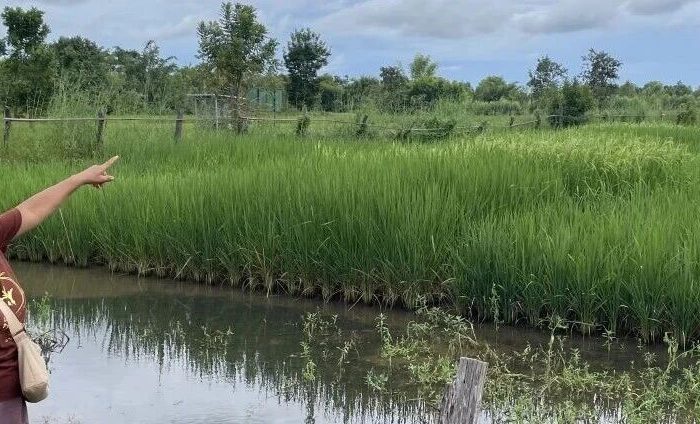
K Village in north-eastern Thailand does not chase export fragrant rice; instead, it conserves old rice landraces, practises low-input farming, and uses a credit union and direct online sales to keep earnings in the village.
Foodthink will run a three-day co-learning camp in Yangqiao Village, Lianhua County, Pingxiang, Jiangxi from 4 to 6 June, focused on hands-on practice in soil, compost and liquid fertiliser and return-to-farming case studies, helping farmers already working in or looking to move into ecological agriculture improve their techniques and make sense of yield, quality, cost and sales channels.