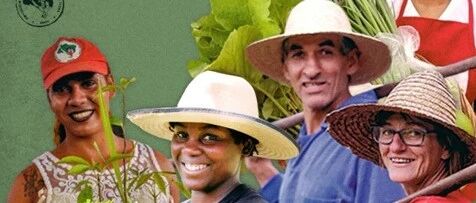
In Belo Horizonte, the Brazilian Landless Workers’ Movement has built a sales platform that centralises warehousing, order handling, certification and delivery, enabling dispersed smallholder produce to reach restaurants, shops and government food-procurement channels.
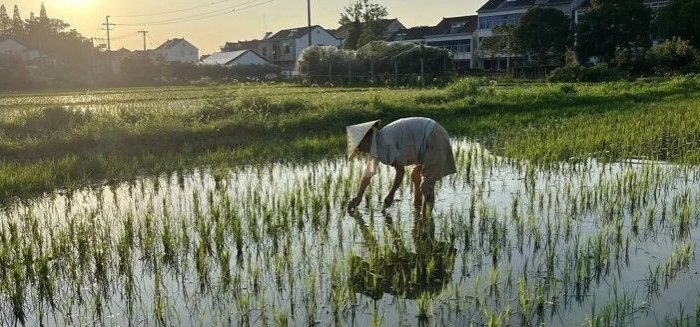
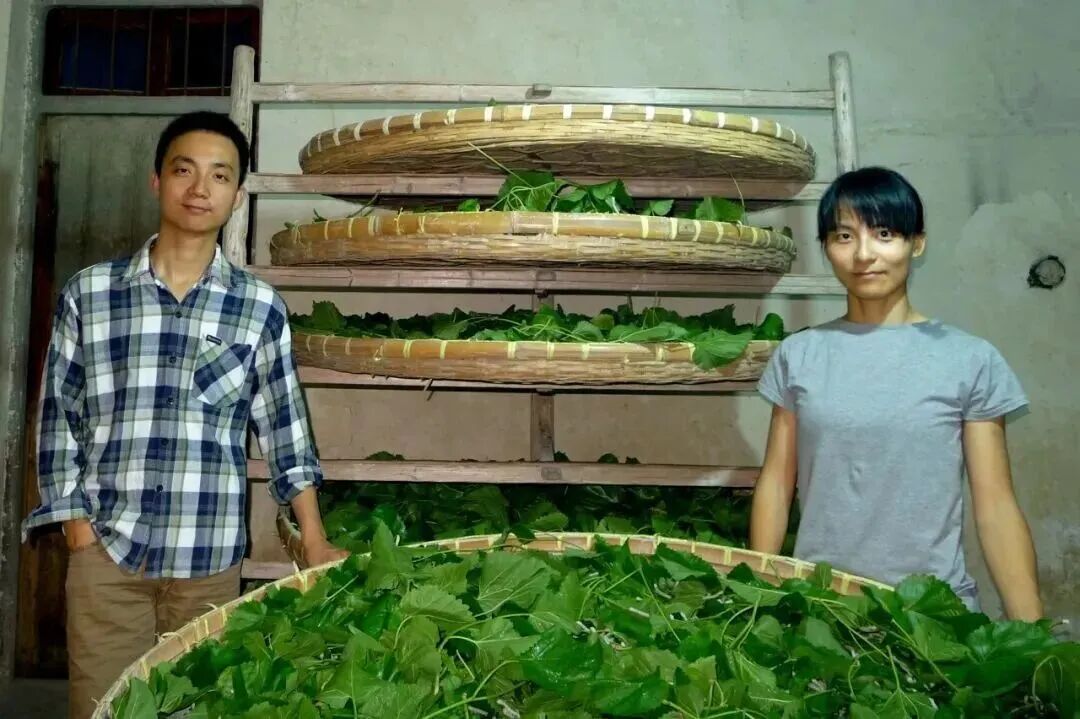
With insurance covering only a third and industrialized sericulture squeezing him, Yu Jiangang, a sericulture farmer in Tongxiang, Zhejiang Province, who has been back in his hometown for 14 years, has leased 15 mu of paddy fields to try to maintain rice-silkworm symbiosis.
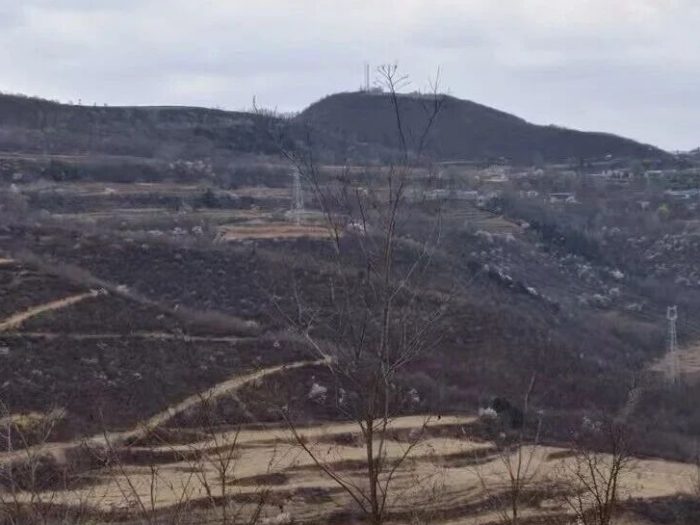
About 20 mu of land that Hongxia and her husband farmed for relatives in Tongchuan, Shaanxi, has been taken back. The more than 100 mu of sloping land they contracted, along with farm machinery worth over 100,000 yuan, now face renewed fragmentation and little chance of stopping the losses.
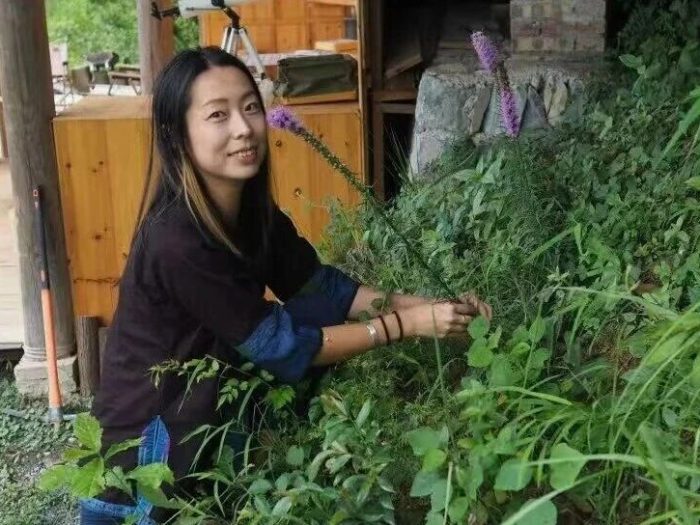
Former consultant Chen Xi now organises clan members in Yangdong Village, Qiandongnan, to grow rice on terraced fields, preserving over 20 local varieties of rice and coarse grains, and has built a children’s library through charity sales of purple rice.
Inspired by solo fruit farmer Li Baolian in Lishan, Taiwan, sixty-something Grandma Kouzi runs a one-person farm in Evil Man Valley. By year five, she is self-sufficient except salt and has calculated building and self-sufficient living costs of 100,000-plus to 500,000 yuan under different conditions.
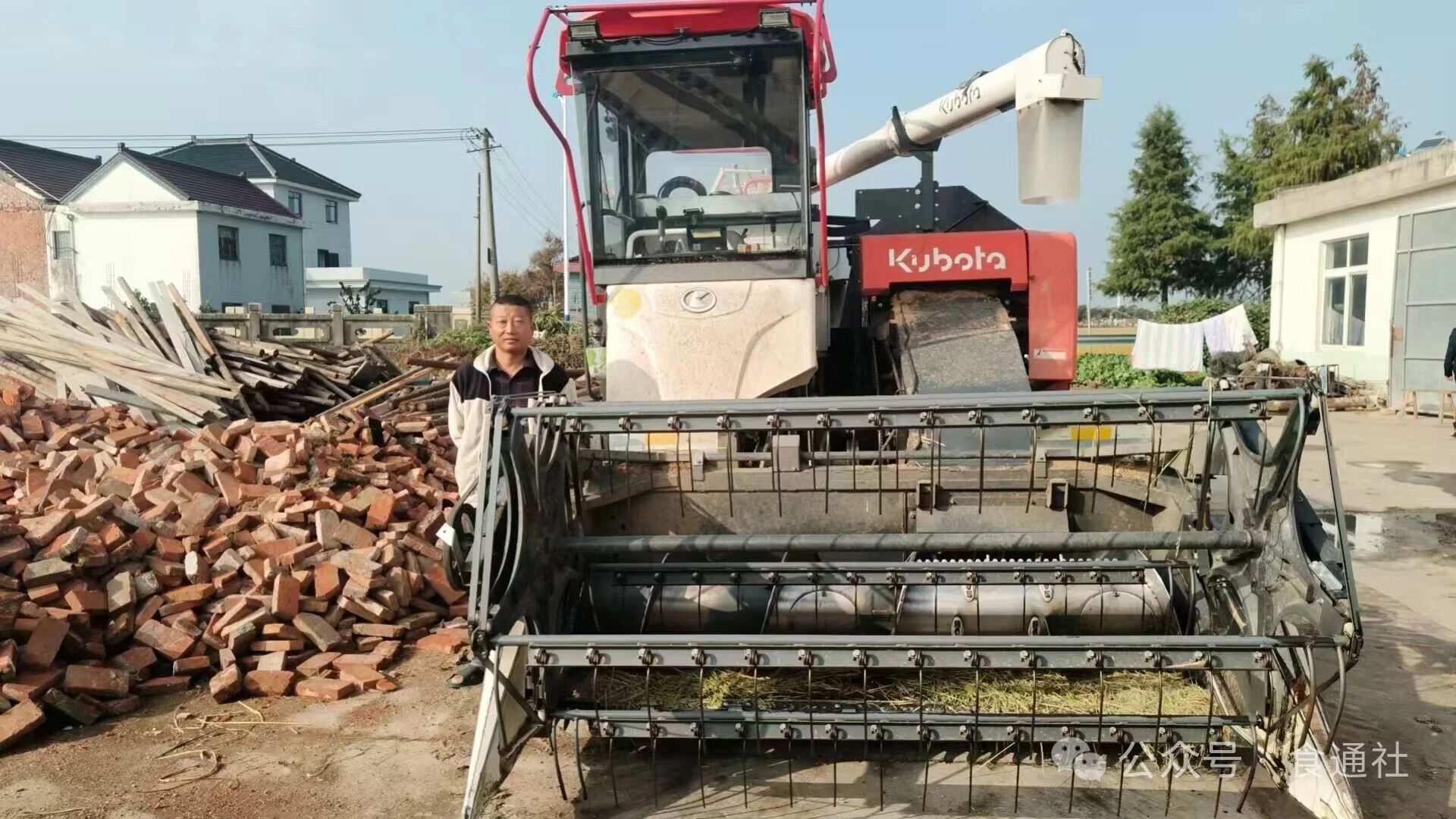
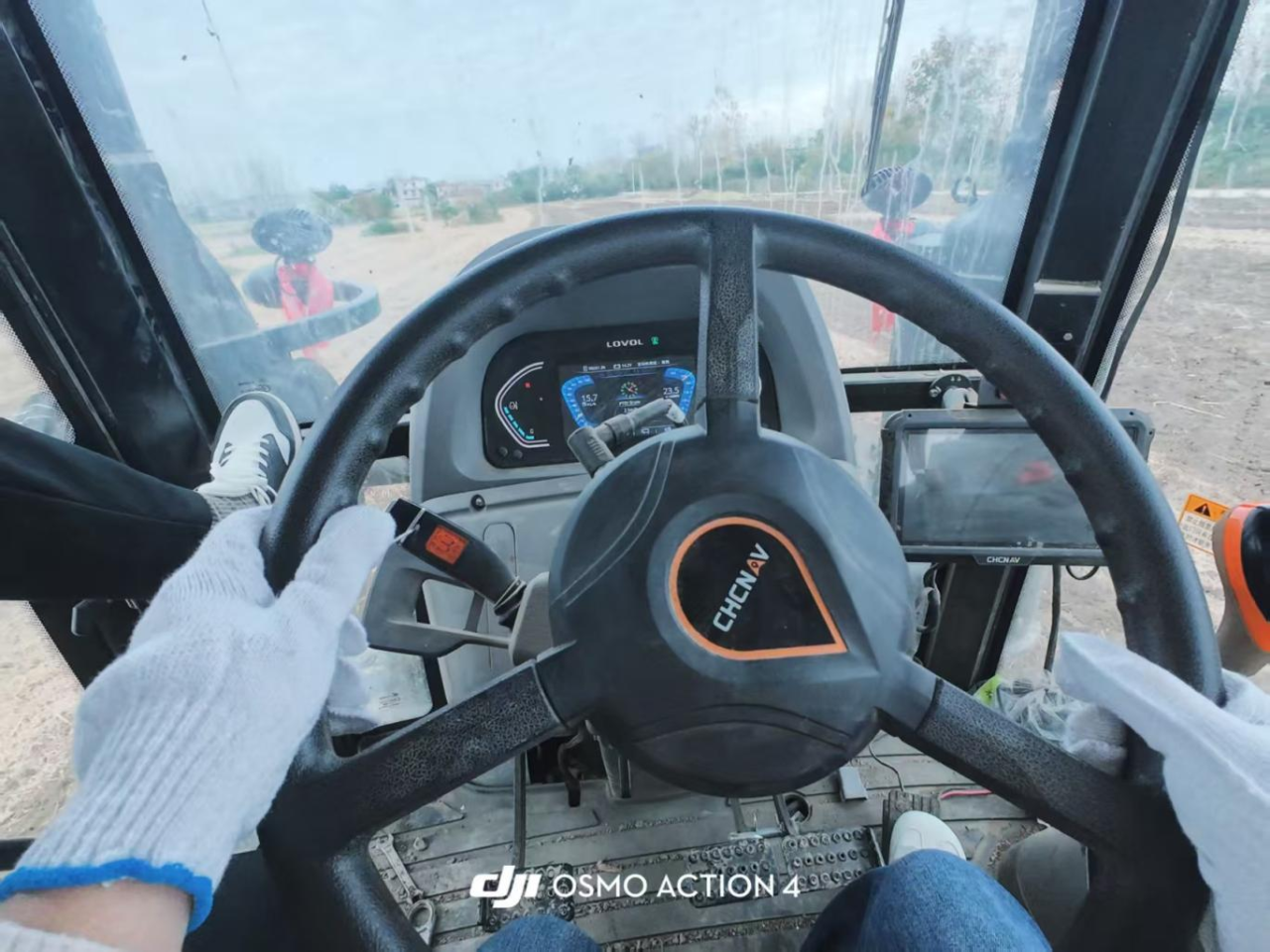
In northern Anhui, old harvesters are being replaced by new machines with large grain hoppers and air conditioning. Bag collectors and workers who spread fertiliser and spray pesticides are losing work, one after another, but high prices leave smart agricultural machinery farther from smallholders.
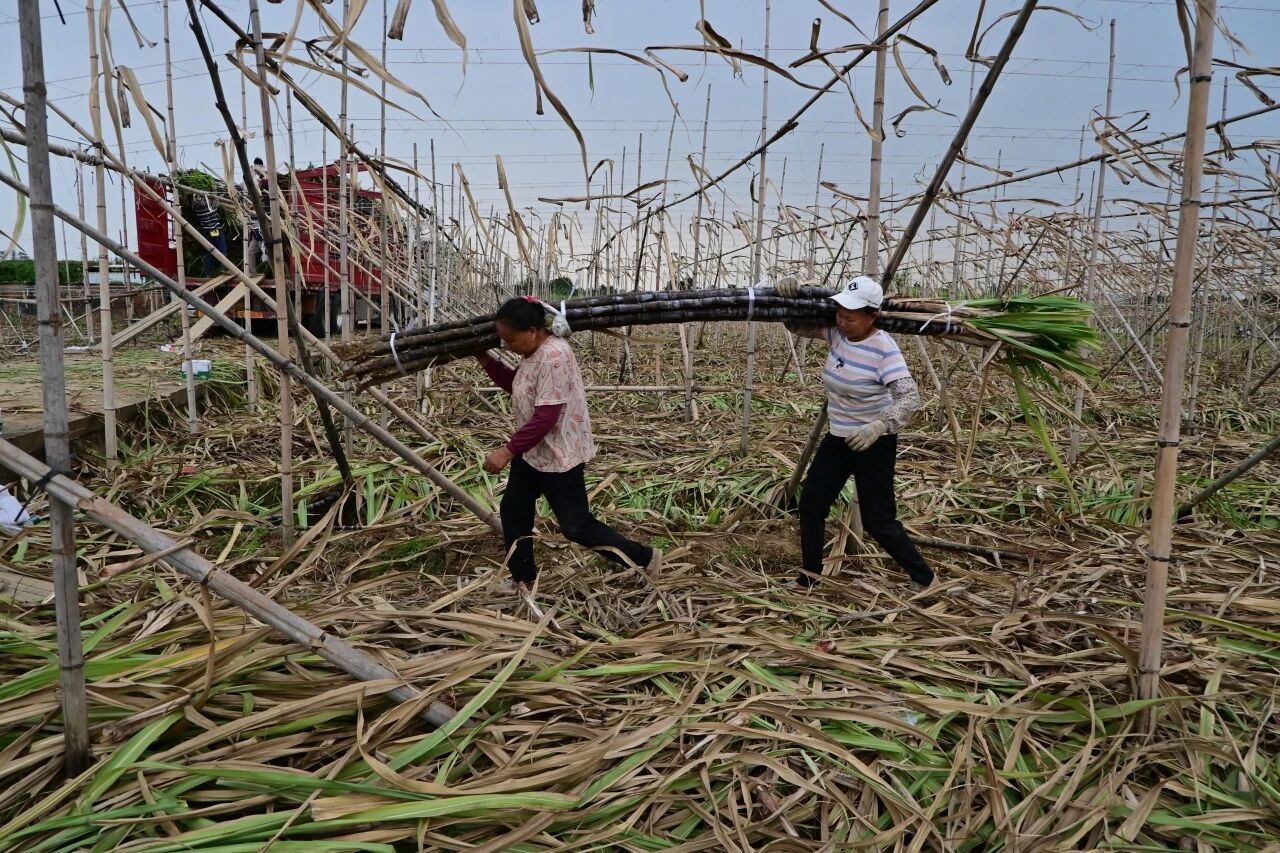
After bananas were cleared out in Nansha, Guangzhou, elderly sugarcane farmers are selling black-skin table cane for one or two yuan a stalk, relying on livestreaming, stalls and cane cutting to recover some costs, but still have to plant next season after losses.
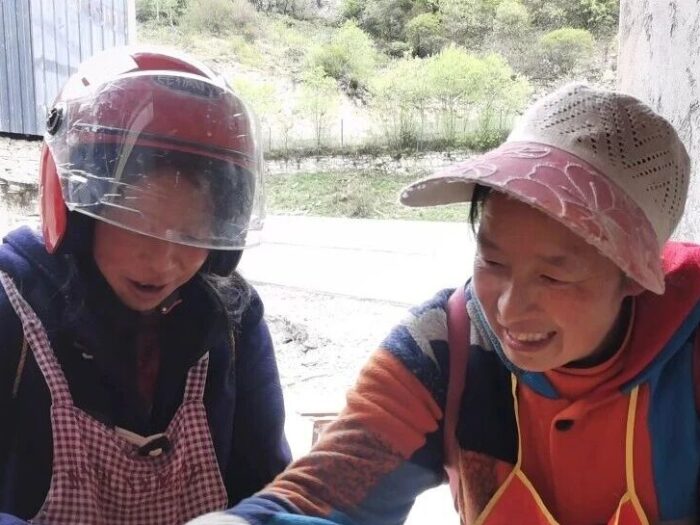
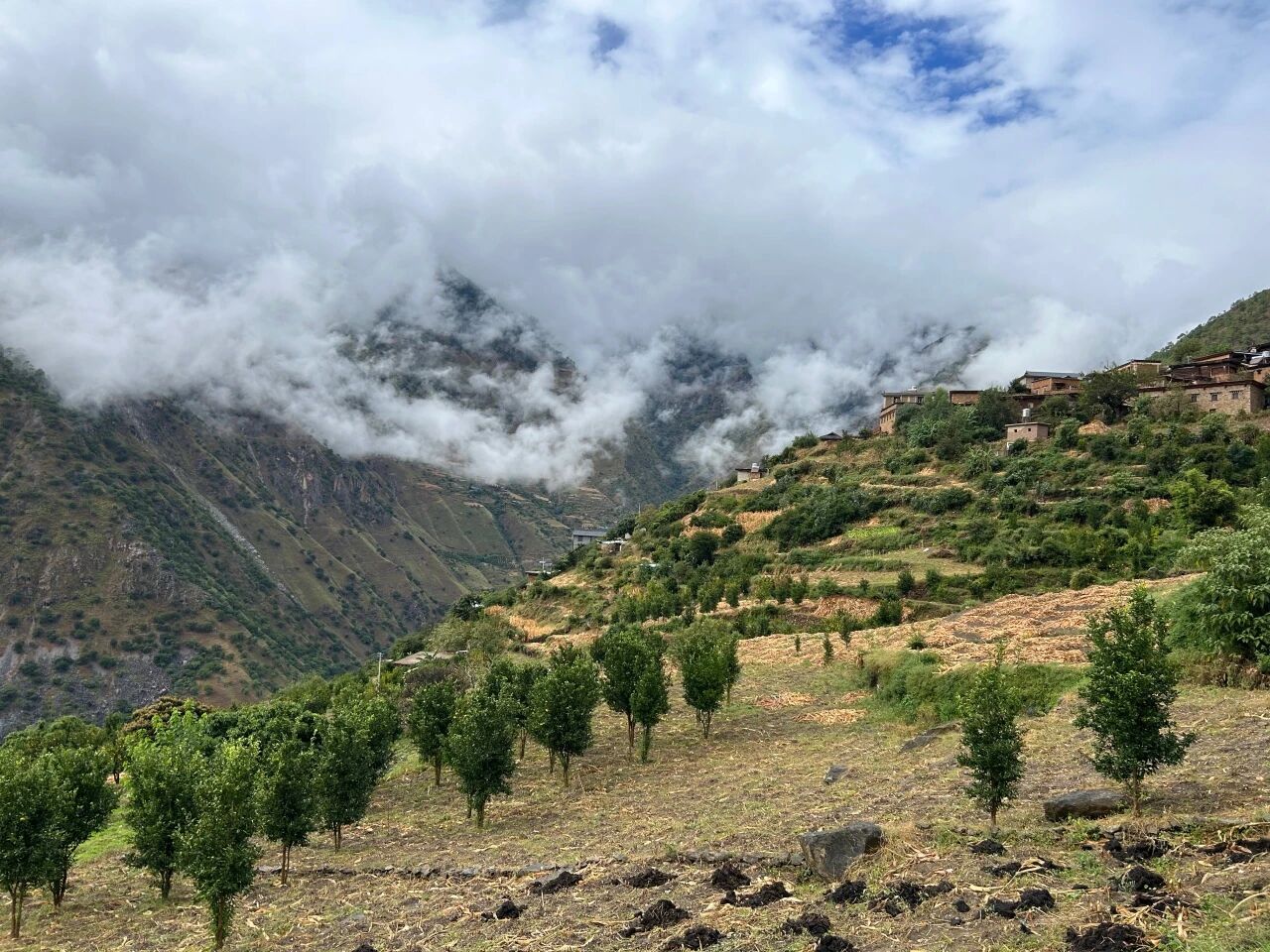
In Youmi Village, north-west Yunnan, left-behind women, including Yuting and Ga Tu, are trialling water-saving upland rice. The NGO Farmers’ Seed Network, through Jinghong-based restaurant owner Haimei, found an old Jino variety, Sickler Rice, from Xishuangbanna, leaving a spark for staple food and rice-growing culture.
At the free agricultural machinery training in Fuyang, Anhui, Wu Ting, born in the 2000s, learned to drive tractors, combine harvesters and drones. She saw female trainees hesitate, assuming that only men can drive them, and older agricultural machinery operators’ urgency to update their skills.
In the Jiangnan village of Zhenghebang, the Yu Jiangang family, who had made silk quilts for many years, had once wanted to leave. In 2024, after their Guihua silkworms were poisoned, they converted 14 mu of paddy fields beside the mulberry trees to ecological farming; along with their own 1 mu, they created a 15-mu ecological paddy field.