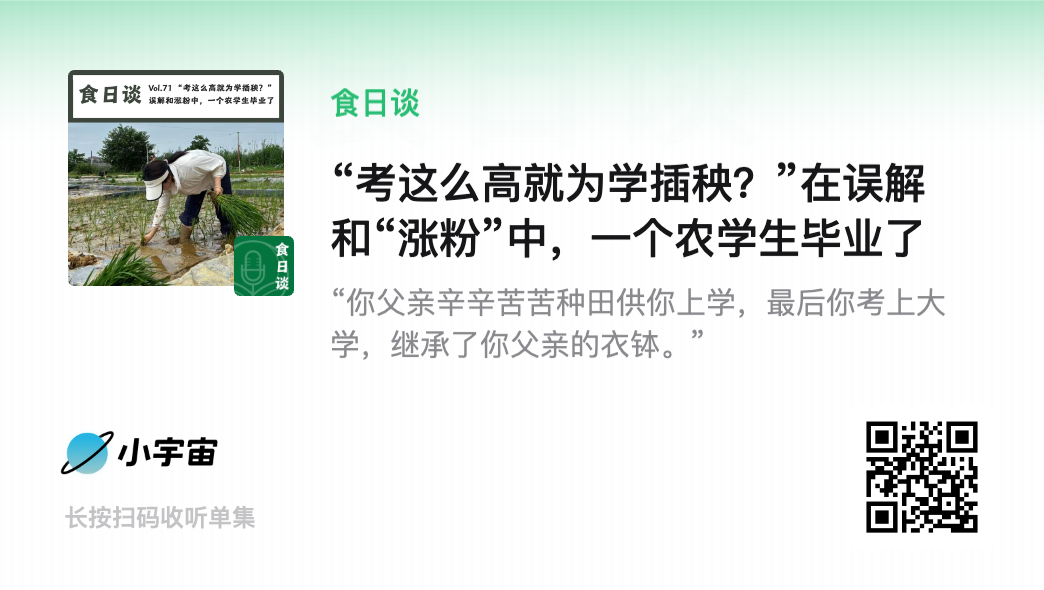
“You scored so highly just to learn rice transplanting?” An agronomy student graduates amid misunderstandings and follower growth

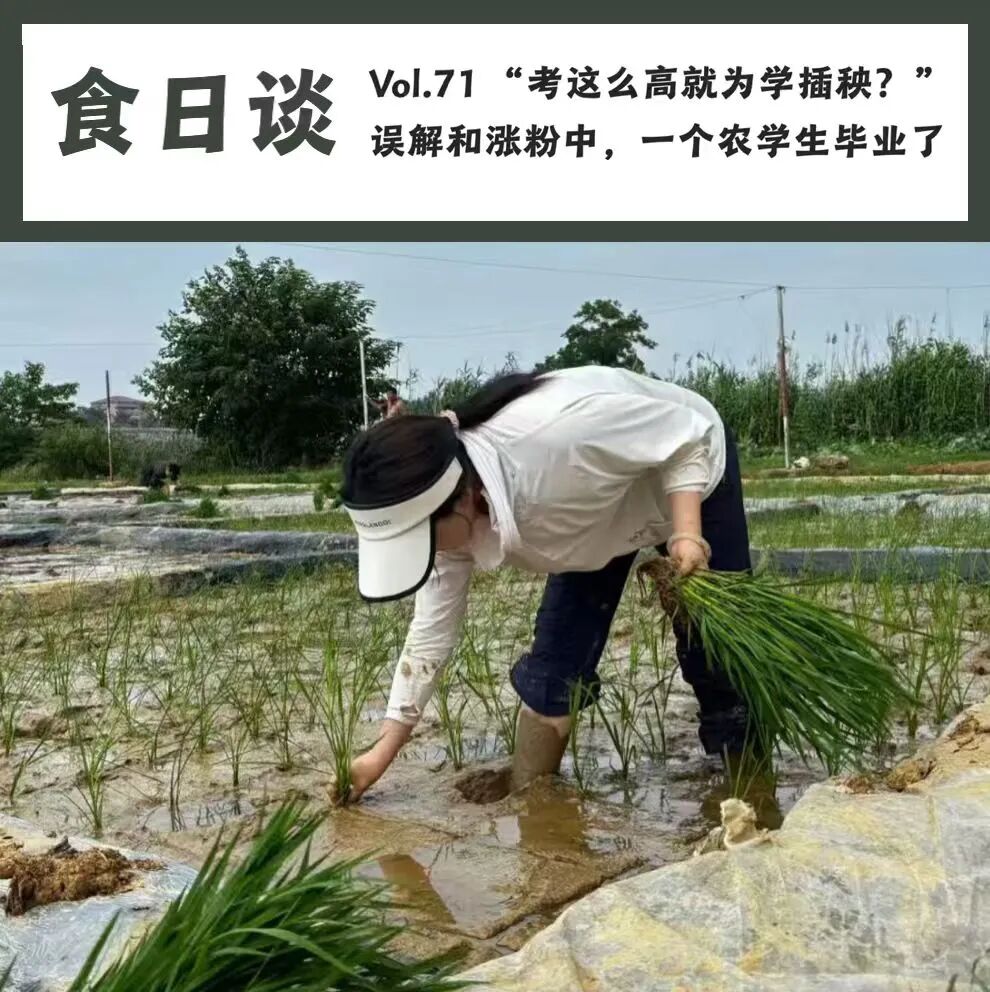
“Your father worked himself to the bone in the fields to keep you in school, and in the end you got into university to carry on his trade.”
“The way you’re doing this rice transplanting has completely disgraced your parents.”
“Xiaoxiong, you’re doing great, but remember to tie your hair up and stay safe.”
“Hello, my handsome boy was admitted to the agronomy programme at xx University last year. I wanted to ask, miss, how is the agronomy programme?”
……
Xiaoxiong is a postgraduate student in agronomy and a short-video creator, continually documenting her day-to-day life in agronomy on her phone. In a few of her viral videos on Douyin, fans offer encouragement, strangers raise doubts, and parents of gaokao candidates ask for advice about their children applying for agronomy.
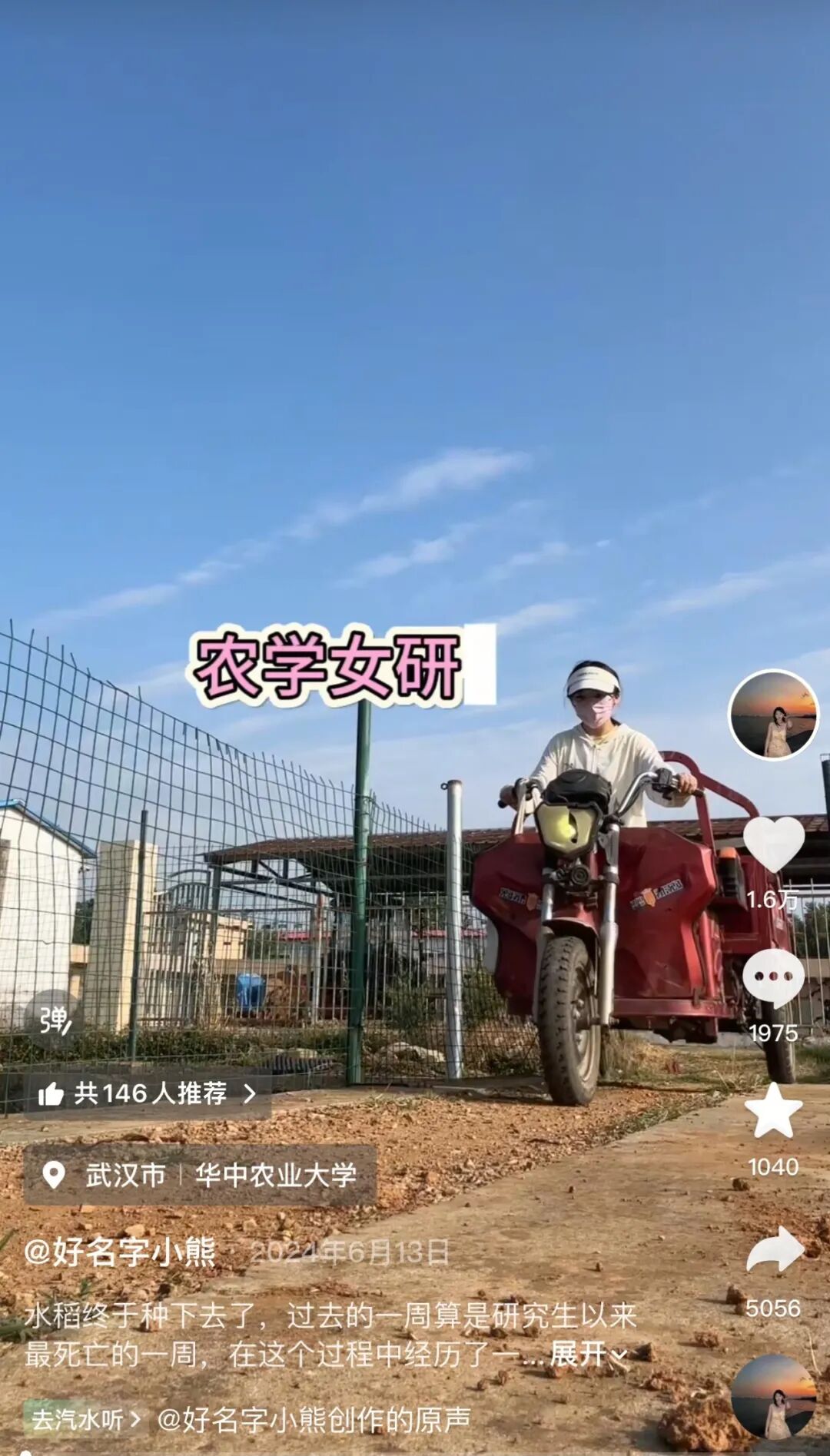
Popular videos on Xiaoxiong’s profile.
In the past two years, agronomy students have become a hot topic on the internet. Some question agronomy students, claiming that they “struggle to find work after graduation”, “can only sit civil-service exams or seek public-sector establishment posts”, or “have spent so many years studying only to go back to farming”. Others are curious about the rice, wheat, fruit, pears and peaches that agronomy students painstakingly cultivate, and praise these graceful crops along with the vitality of agronomy students.
In the face of the many debates and imaginations surrounding agronomy students, Xiaoxiong wants to present their real life as best she can, but doing so is far from easy.
As an agronomy student conducting field trials, Xiaoxiong does not shy away from showing the hardships and moments of breakdown of farm work. Her first pinned video shows her on a rainy evening, using a machine to break up the straw.
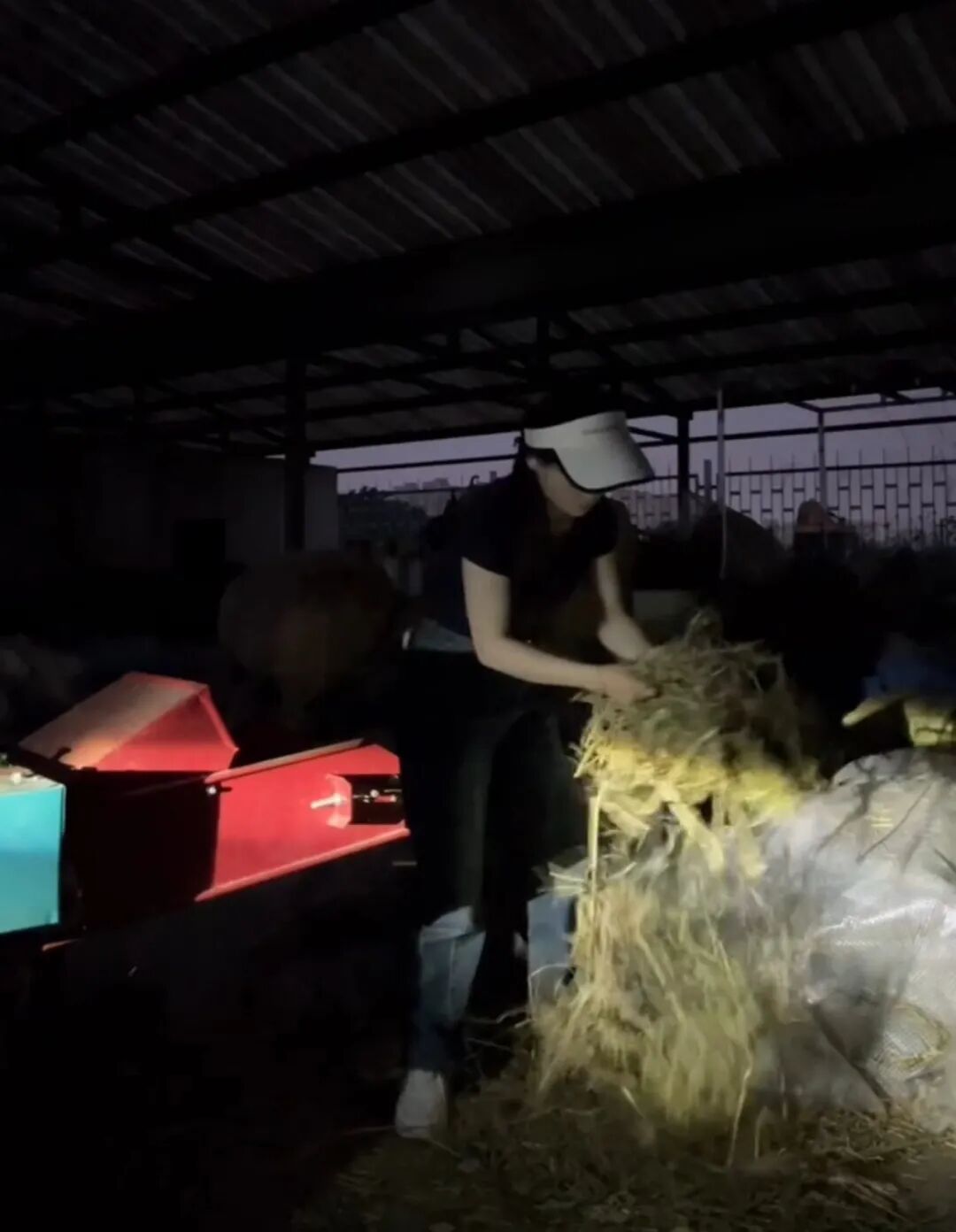
Beside the pitch-dark rice paddy, Xiaoxiong was alone, using a machine to break up the straw at a fast pace. The work was urgent, and tears were still glistening at the corners of her eyes. In the deserted rice paddy, the machine’s roar sounded especially piercing, and she calmly stuffed her ears with toilet paper.
Such difficult moments are far from rare. But when she sees that people always look upon agronomy students’ hardships with a sympathetic, pitying gaze, she also wants to convey the vitality of agronomy students. That is the state of flow that comes from physical labour, the sense of achievement from cultivating crops, the physical and mental pleasure that comes from close contact with nature, and the deep bonds forged through work with fellow students in her academic family.
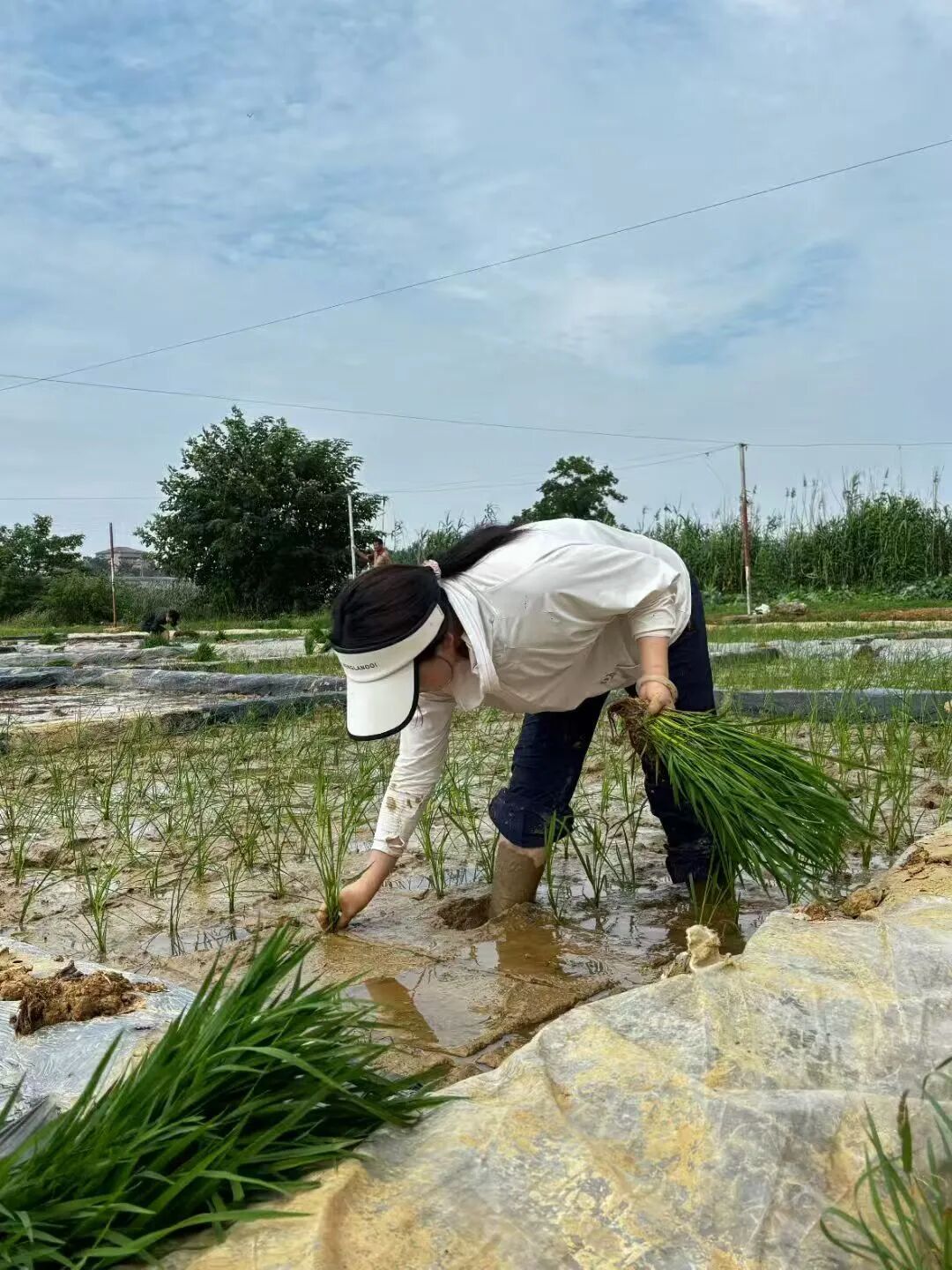
Xiaoxiong, carrying out rice transplanting.
On the other hand, agronomy is not the same as agricultural labour; the ultimate goal is still research output. Recording data on paper and pen in a rice paddy that is already difficult to walk through, and patiently taking samples and numbering them, afraid of compromising the accuracy of the experiment—such a scene may be a memory unique to agronomy students. Some have also questioned Xiaoxiong’s poor cropping and low yields. Xiaoxiong is also quite helpless about this, because her research focus is low-carbon agriculture and sustainable farming, and she needs to obtain data on the greenhouse gases emitted by rice paddies without fertiliser application.
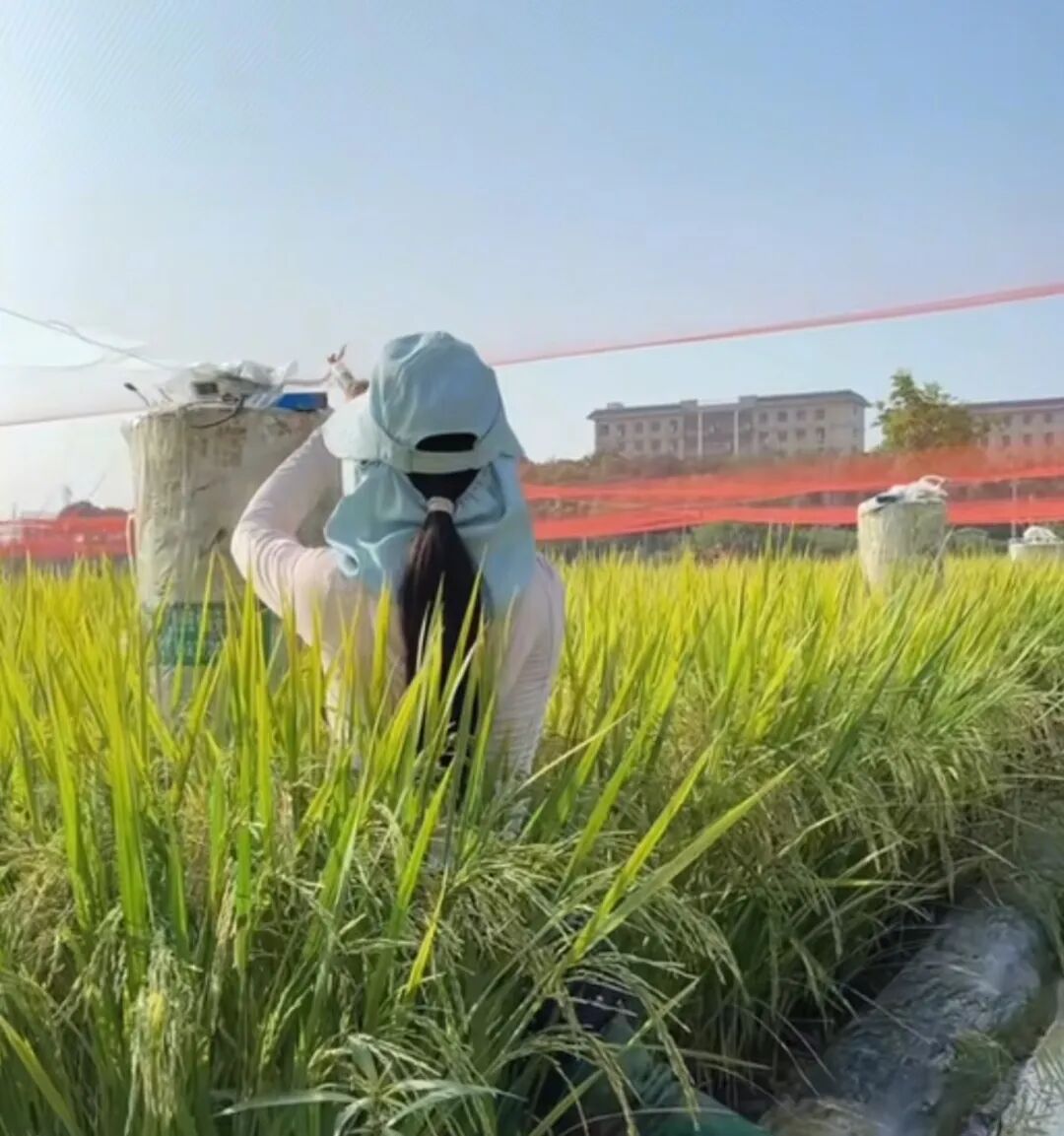
Xiaoxiong sampling greenhouse gases in the rice paddy. Xiaoxiong’s major is called Crop Cultivation and Farming System, and her specific research direction is low-carbon agriculture and sustainable farming. In simple terms, this means adjusting variables such as fertiliser application rate and planting density to reduce the greenhouse gases produced during rice cultivation.
But sometimes Xiaoxiong also doubts herself: “While carrying out field trials, I also realise that these techniques will be of little use in our future work, because we cannot out-farm actual farmers. Our research aims to reduce carbon emissions and does nothing to improve yields at all. Even if some classmates’ research is aimed at increasing yields, in the short term no agricultural company will adopt these techniques. The jobs we most commonly find in the market are still sales jobs—selling agricultural inputs such as seeds, pesticides and chemical fertilisers.”
In June 2026, Xiaoxiong graduated successfully from Huazhong Agricultural University. During her job search, she gained a deeper understanding of how difficult agronomy employment is. Sometimes she wonders whether there are now too many agronomy students. Are there any other ways out? Perhaps short videos are the most suitable self-help tool for agronomy students?
In this episode of Food Talk, we invite Xiaoxiong to chat about her agronomy experience. From the daily life of agronomy students, to short-video entrepreneurship, to the different prospects for agronomy employment, and to the difficulties and significance of the agronomy programme in our era, Xiaoxiong, who has just finished her student life, has many thoughts to share with everyone.
If you are also curious about the lives of agronomy students, please click to listen to this episode of Food Talk.
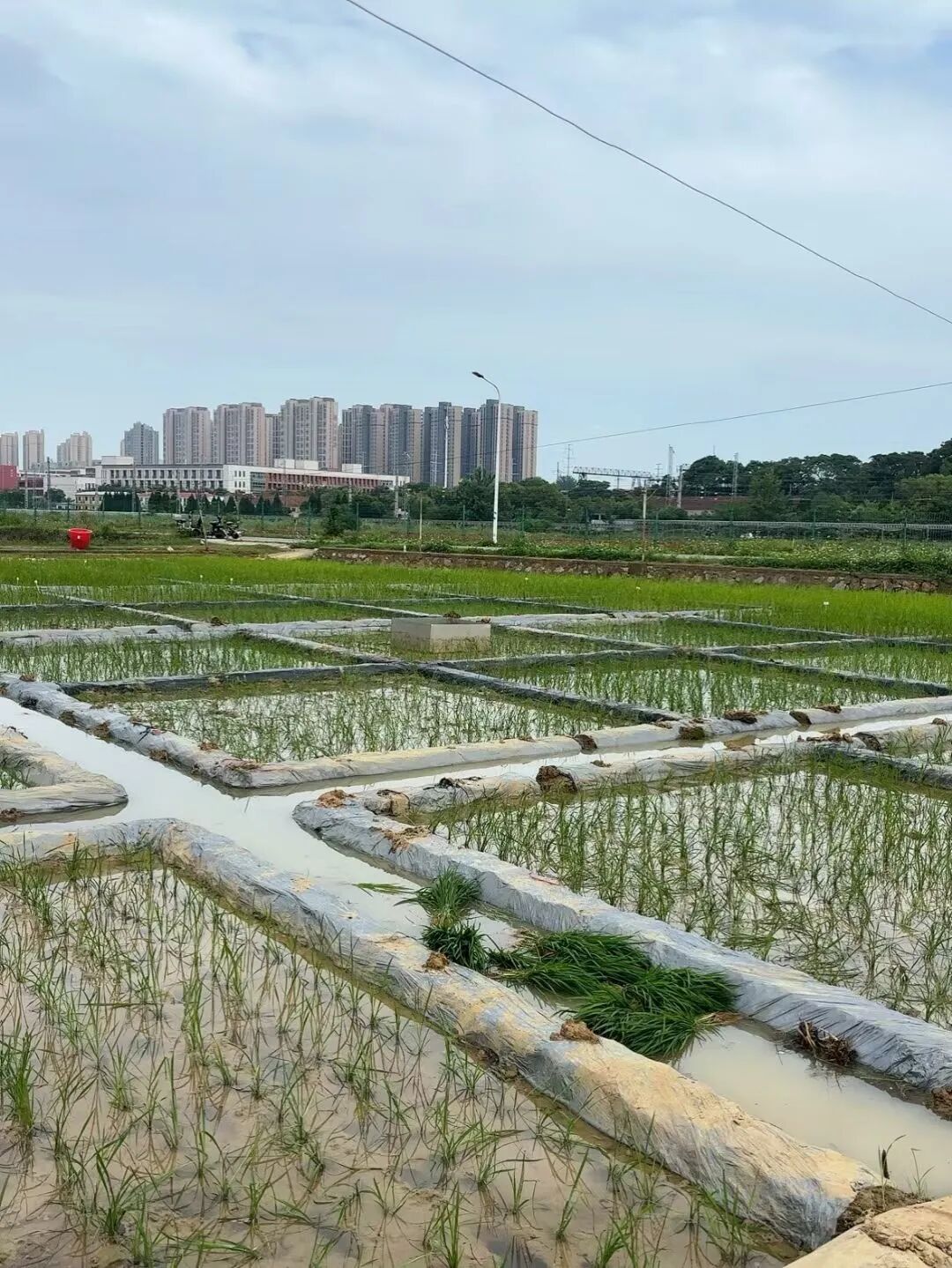
Xiaoxiong’s experimental field.
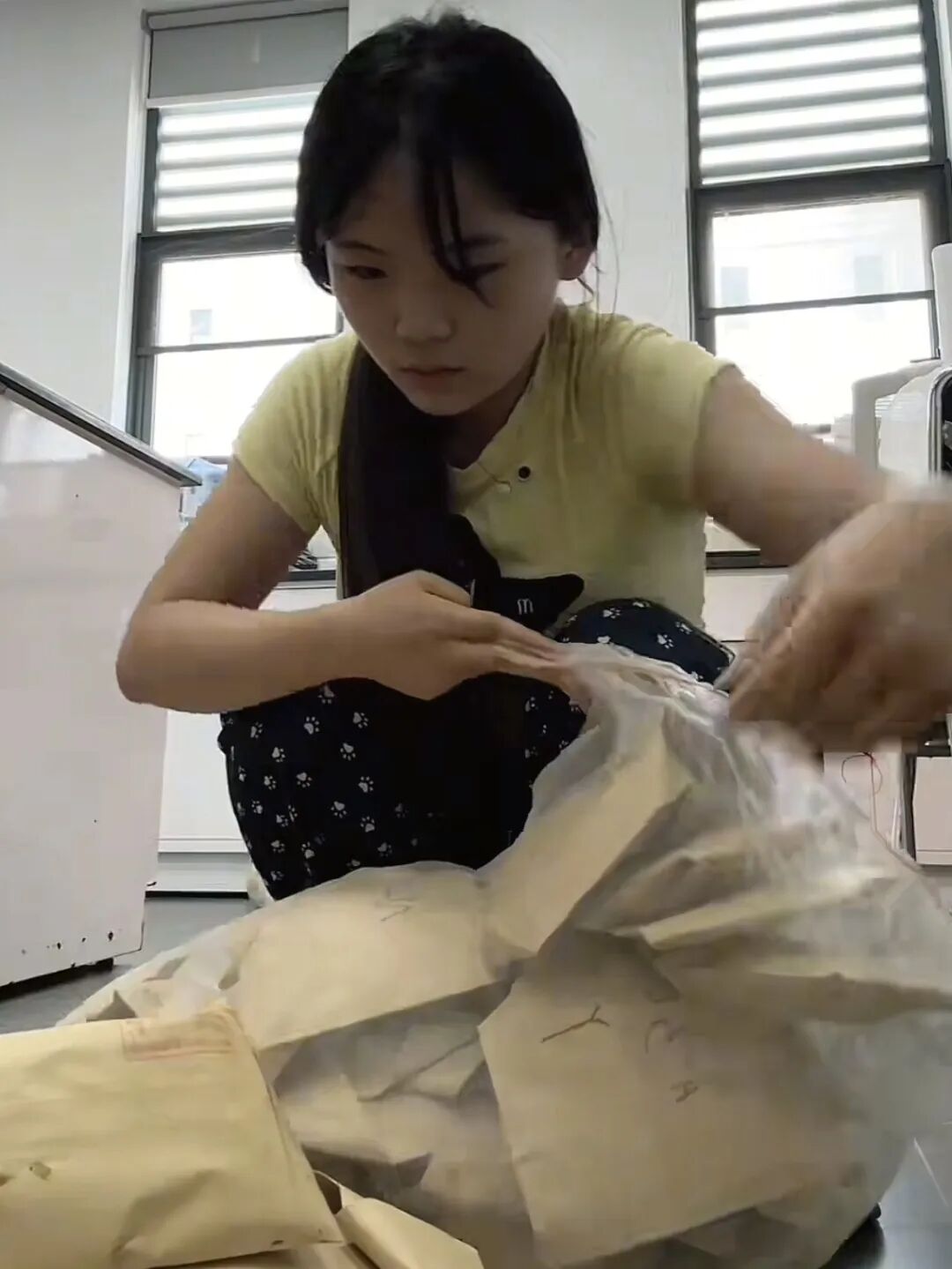
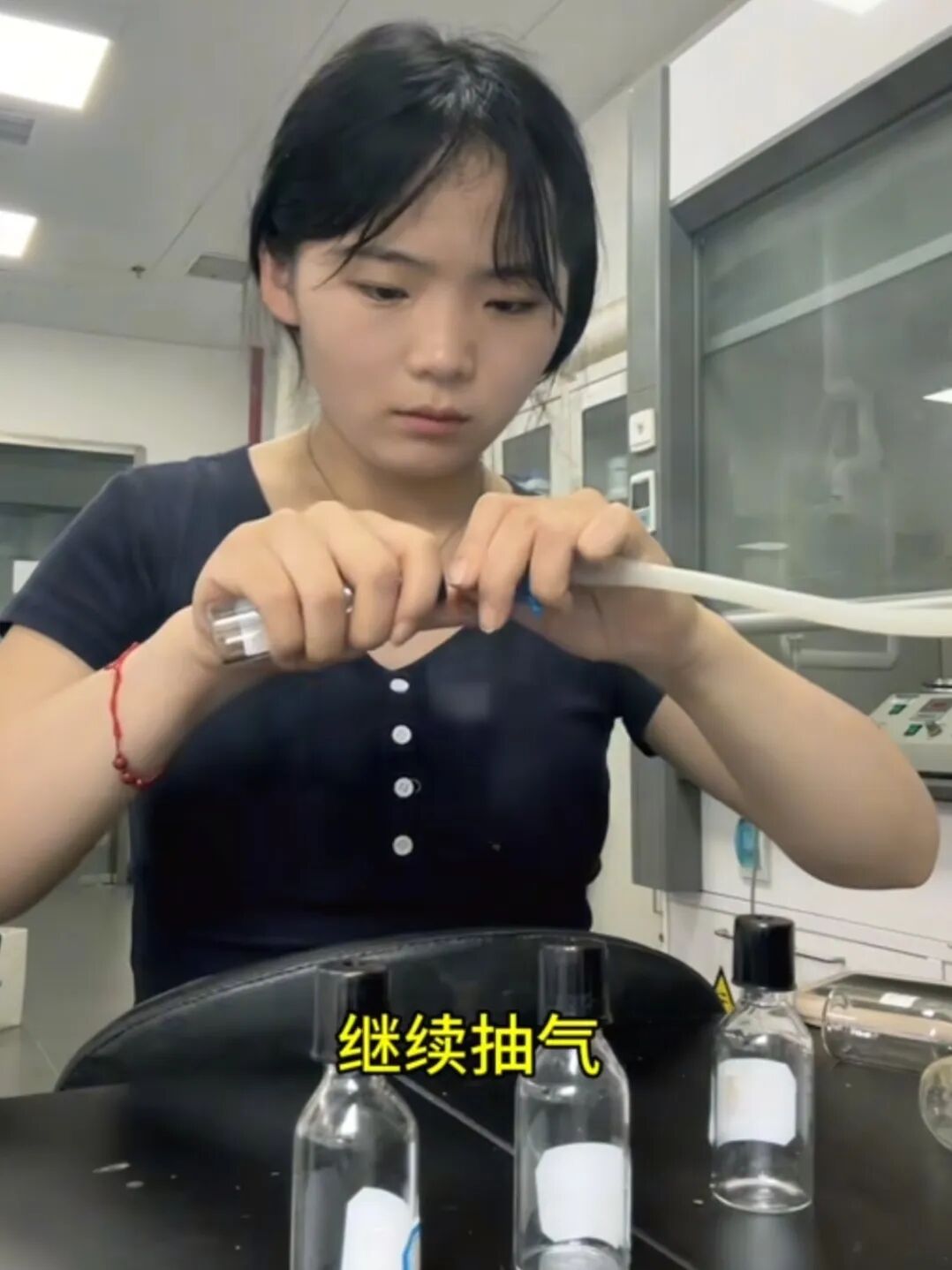
Xiaoxiong dividing up samples in the laboratory and conducting experiments.
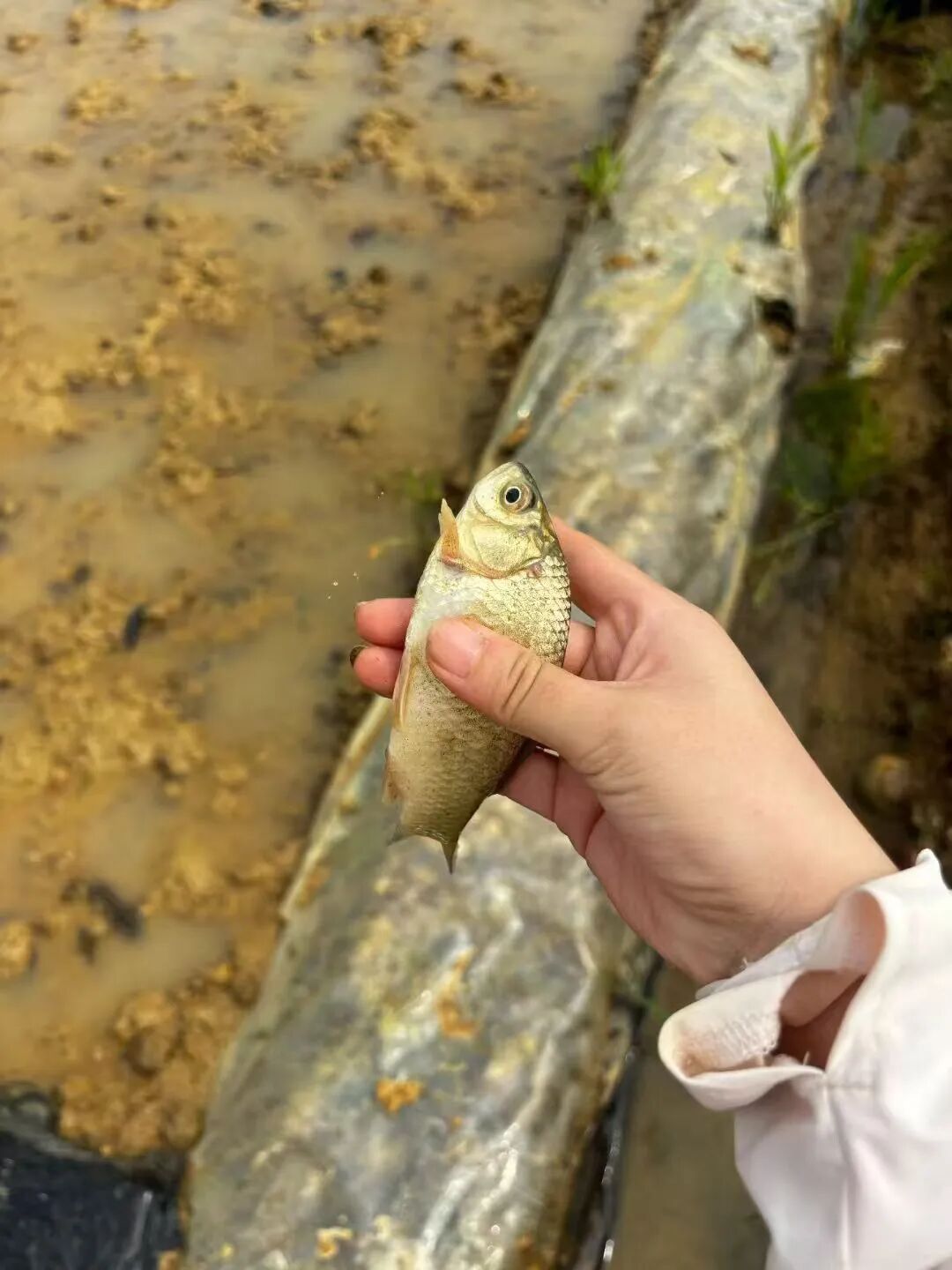
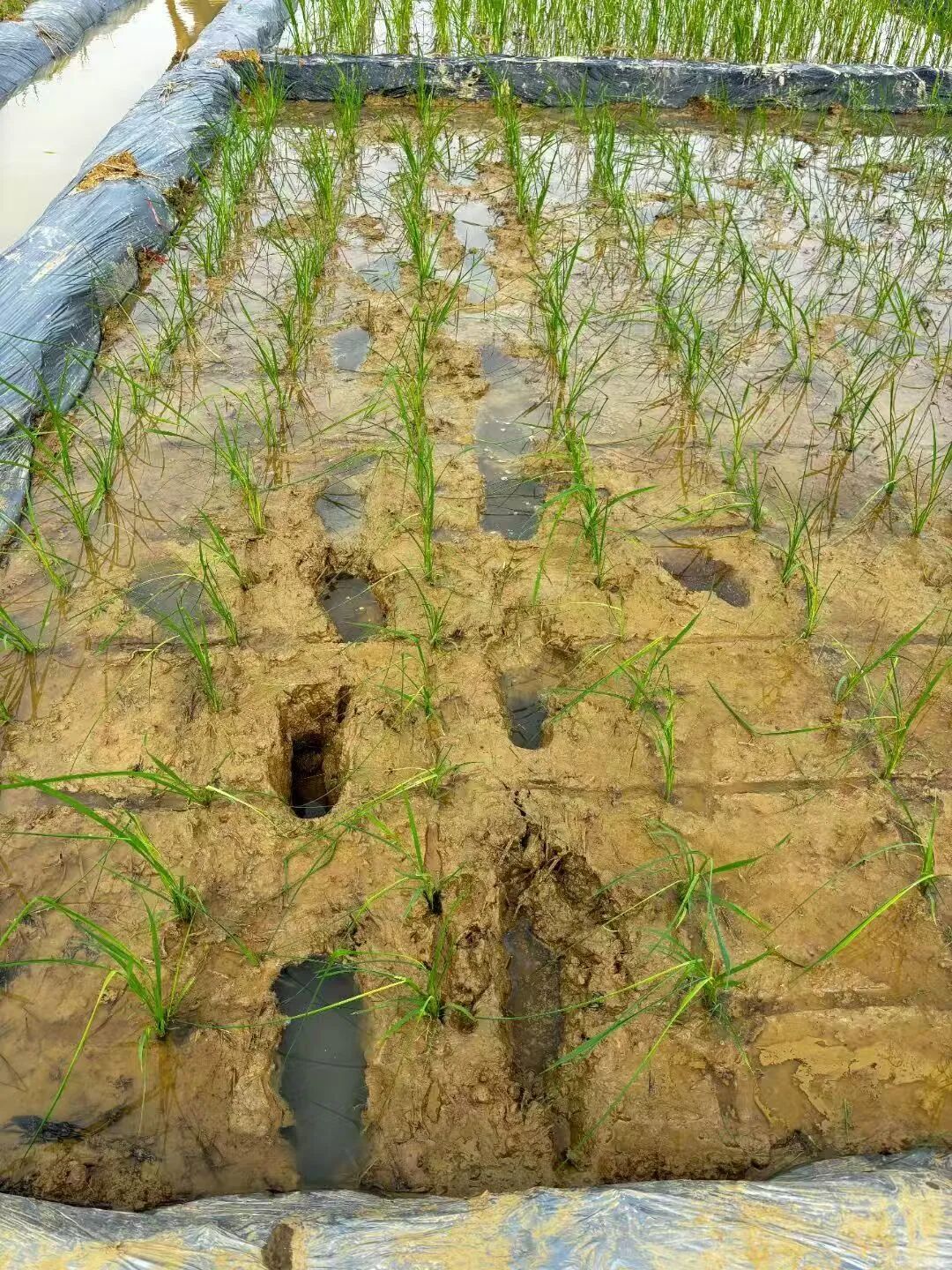
Left: touching a fish in the rice paddy. The field holds not just fish, but also prawns, and sometimes snakes. Right: looking back at the footprints left in the rice paddy.
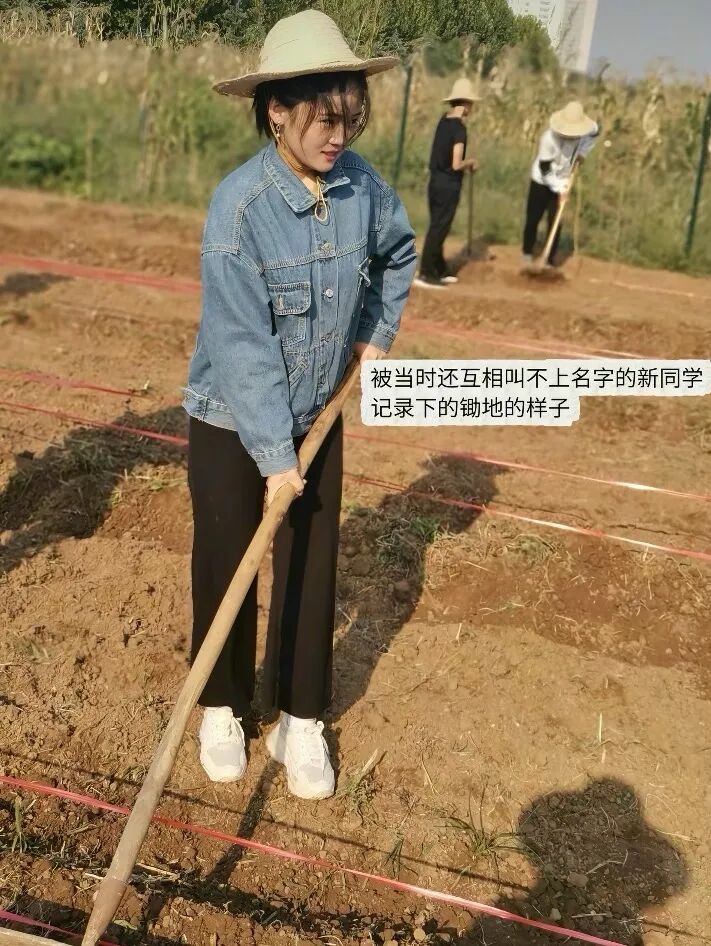
Xiaoxiong in her first year, hoeing the field with her classmates.
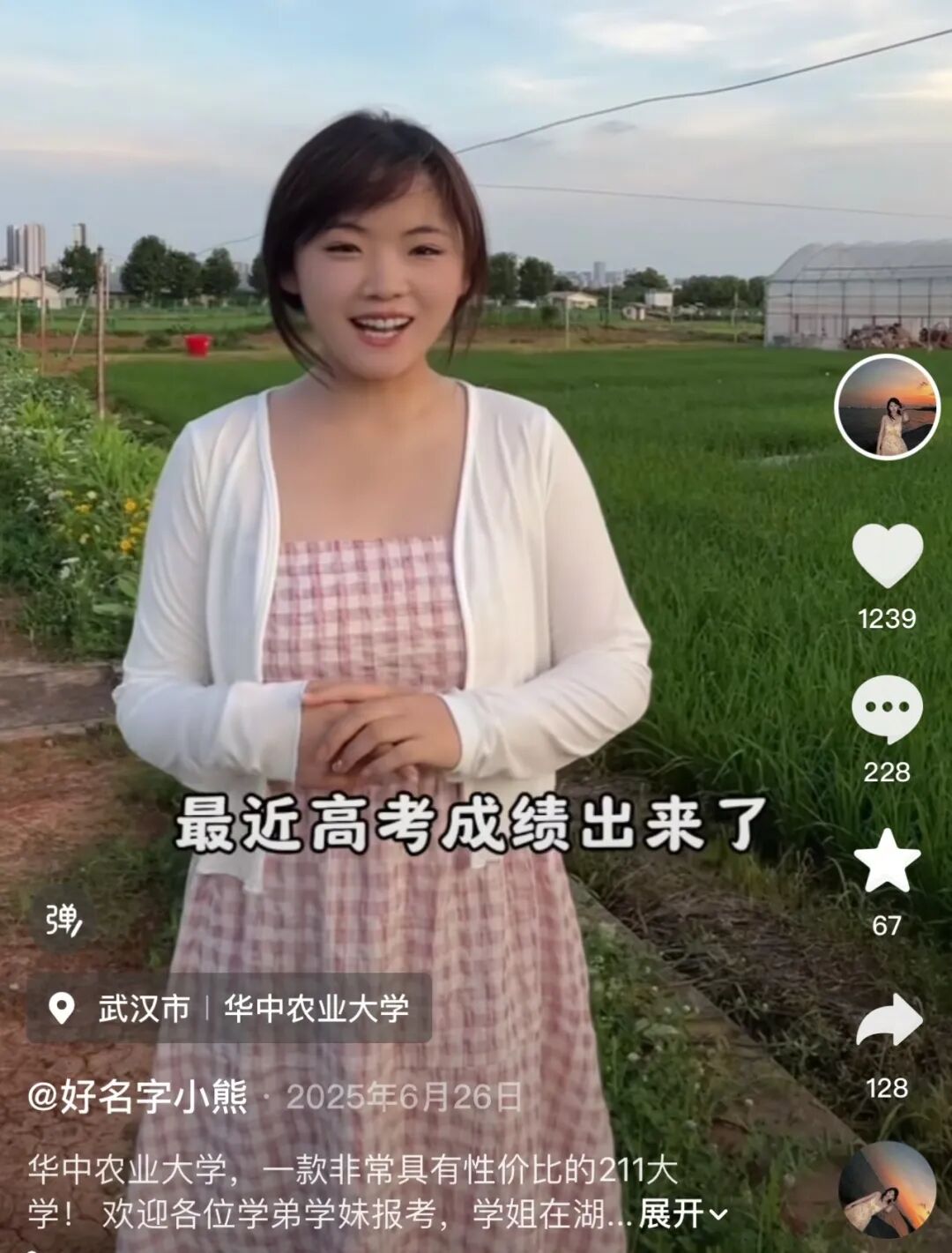
In her second year of postgraduate study, Xiaoxiong introduced Huazhong Agricultural University to junior students preparing for the gaokao. Many parents consulted her in the comments section or by private message for advice on applying, and Xiaoxiong jokingly called herself the university’s unofficial admissions customer service.
Guest / of / this / episode

Xiaoxiong | An agronomy student who can work in the field, make videos and write papers
Host / of / this / episode
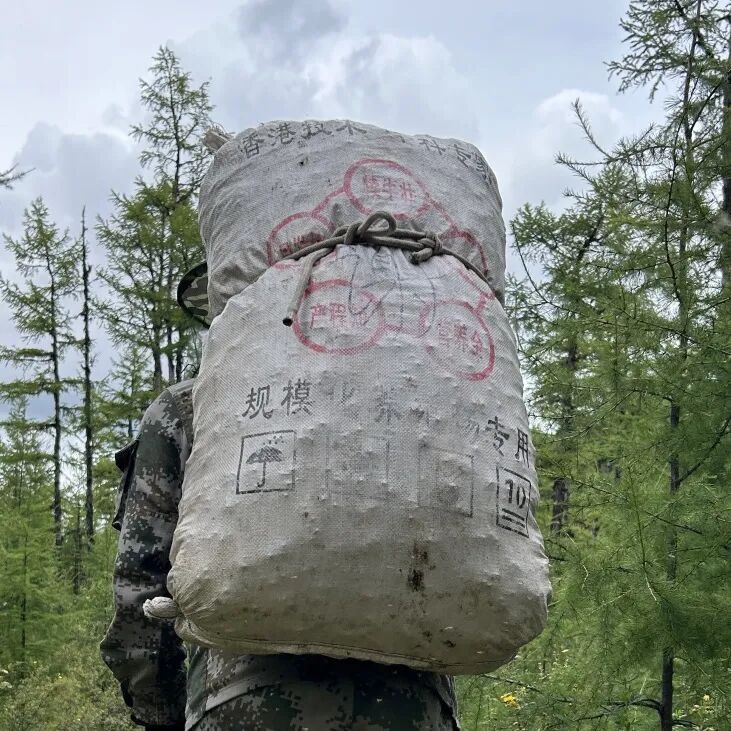
Yuyang | Food Talk host, recently collecting pine cones and mushrooms in the Greater Khingan Range.

Li Ye | Food Talk host, a beginner-level local in Stardew Valley, when can we write low-carbon agriculture into the land of our Pelican Town…
Time / line
01:23 Xiaoxiong, an agronomy student for seven years, has a dual identity: a Huazhong Agricultural University master’s graduate and a short-video creator with 26,000 followers.
03:44 When “a young girl working in the fields” becomes a recipe for viral attention, it also attracts vicious comments: “You scored so highly just to learn rice transplanting?”
05:20 Facing anxious private messages from parent followers: agronomy jobs are hard to find, the child cannot sleep, and the parents worry even more.
08:10 Cyber farmer versus independent vlogger
12:37 An MCN approaches, offering a 50/50 split and a 500,000 penalty for breach
20:50 What exactly do agronomy students do in the fields every day? From growing rice, fertilising, and irrigating to weeding and pest control, real agronomy research is far more than simply “working in the fields”.
27:53 Working until nine at night, taking notes under the street lamp; the rapeseed was stolen three times, and it isn’t worth calling the police.
33:25 With all this hardship and difficulty, why does the life of agronomy students still seem so full of vitality?
39:06 Why do agronomy students so easily form deep academic-family bonds? After everyone has worked through it together, they all find each other much more pleasing to look at.
52:41 The employment reality: it is harder for female agronomy students; starting salaries in bioinformatics are 8,000, while traditional field work offers only 5,000 to 6,000?
62:10 Perhaps one day agronomy students will also stand under the mainstream spotlight: “Xiaoxiong”, who has already graduated and found a job, offers some advice to young people currently studying agronomy or about to start it: actively find your own way forward, develop skills, and don’t draw conclusions about your future too early.
Recommended reading ▼
Scan the QR code below
On Xiaoyuzhou | Ximalaya | Lizhi | Apple Podcasts
Subscribe to the “Food Talk” podcast

Feel free to leave comments in the comment sections on podcast platforms, and we will reply from time to time. Scan the QR code below to add Shitong Jun’s secondary WeChat account, and note “Food Talk”, to join the podcast listeners’ chat group.

Unless otherwise stated, all images are provided by this episode’s guest.
Podcast music: Ba Nong
Interlude: “Rice Fields at Dawn” by Suno AI
Copy editors: Yuyang, Li Ye
Production: Xiaojing
Layout: Xiaoshu
Contact email
Scan the QR code to tip and support original food knowledge
▼

▼
Click a keyword to access more article collections.
Seeds | Agricultural Technology | Policy | Fermentation | Nutrition | Fruit | Fisheries | Events | Recruitment | Food Delivery | Wet Market | Livestock | Food Talk | Sharing Sessions | Book Club | Bumper Harvest Celebration | Smallholder Stories | Climate Change | Rural Development | Co-operative Economics | Urban Farmers | Food Safety | Digital Technology | Biodiversity | Pandemic and Food | False Solutions | Ecological Agriculture Internship Programme
Beijing | Hebei | Shanghai | Guangdong | Guangxi | Henan | Sichuan | Jiangxi | Xinjiang | Shaanxi | Hong Kong | Chongqing | Zhejiang | Jiangsu | Guizhou | Northeast China | Taiwan | Inner Mongolia | Philippines | Canada | Russia | Mexico | Italy | United States | United Kingdom | Germany | Netherlands | Thailand | Sweden | Japan