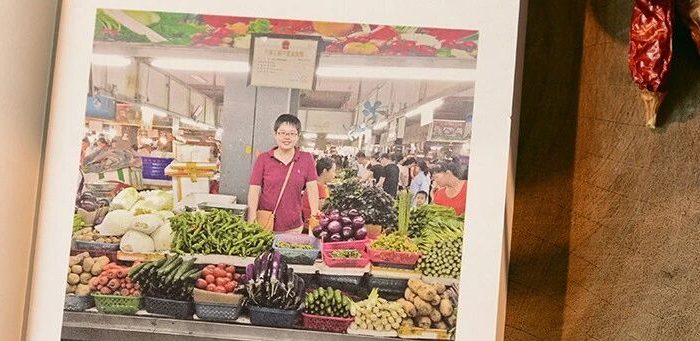
Anthropologist Shuru Zhong once sold Spanish mackerel in wellington boots at Hainan’s Yefeng Market. Later, she visited more than 50 cities and more than 200 wet markets across the country, writing stallholders’ livelihoods, trust and transactions into Chinese Wet Markets.
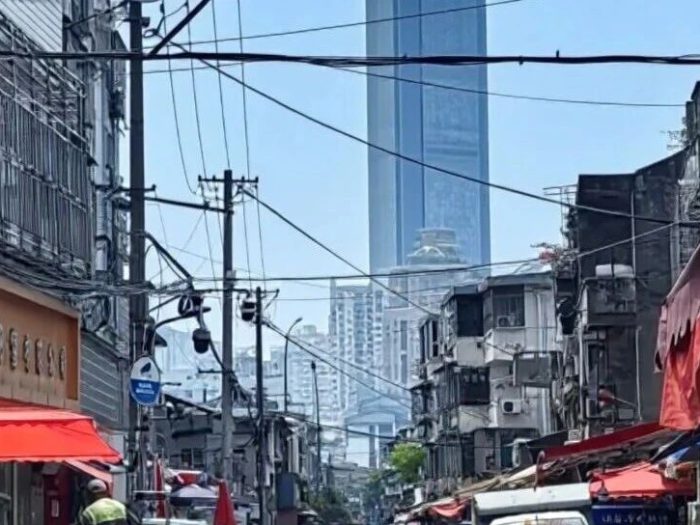
Xu Yunyan and Li Jian run a dried goods shop in Shuangjingtou wet market. Without opening an online store or running live streams, they rely on wholesale prices and regular customers’ word of mouth to support a family of four.
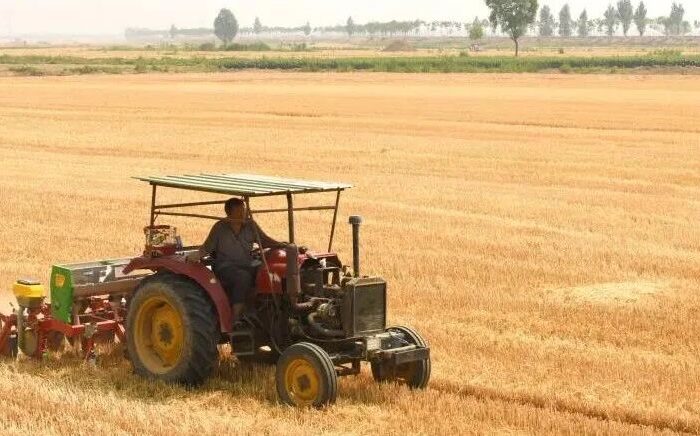
In southern Hebei’s wheat-maize rotation areas, farmers say straw incorporation makes seedling emergence harder and brings more pests and weeds. They say spraying and rotary tillage cost more, and even if they see yield losses as limited, they still want to burn the crop residue.
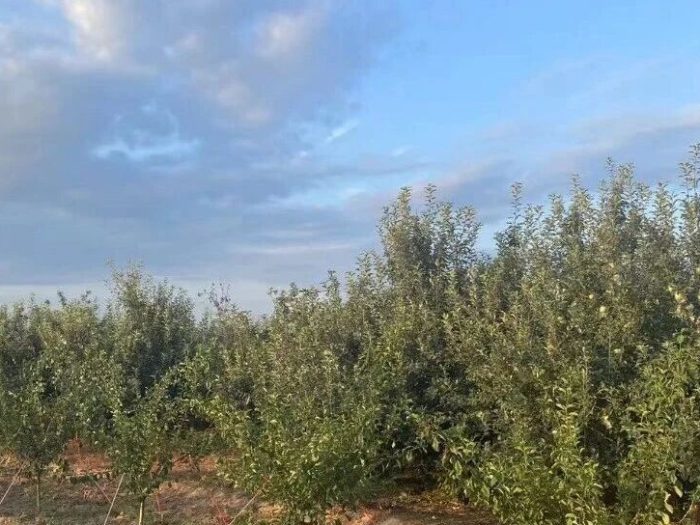
From apples and wheat to peaches and plums, a farmer nearing seventy in Liquan, Shaanxi, keeps switching crops between the wheat rows and the orchard, chasing prices and yields for a living, facing drought, labour costs and work problems after young people leave the village.
After the straw burning ban in Hunan’s Dongting Lake area, farmers pay extra for straw shredding, rotary tillage and pesticide spraying. They spend about 60 to 80 yuan more per season of rapeseed, and rice pests also raise the frequency of pesticide spraying.
A city office worker rents a 20-square-metre vegetable plot on Beijing’s outskirts, hoping to relax by working. The more they clear, the more appears from the soil: plastic twine, mulch film, drink bottles and packaging fragments, raising problems of microplastics, sorting, recycling and consumption habits.
In Fulu Shanbei, Penang, durian tours take visitors in search of old-tree kampung flavours, while an exceptional harvest leaves orchard owners facing a price crash and the tree-ripened debate.
On the eve of fresh Musang King durians entering China, from orchards in Johor and Pahang to Muar’s wholesale point and LKE Group’s investment pitch meeting, Chinese demand is changing picking, exports, frozen processing and investment in durian trees.
McDonald’s ties forecast turnover to labour hours for each time slot, letting a rostering specialist build rotas using system tags and shared store managers run several stores at once, while store staff still use experience to make up for gaps in serving and wastage.
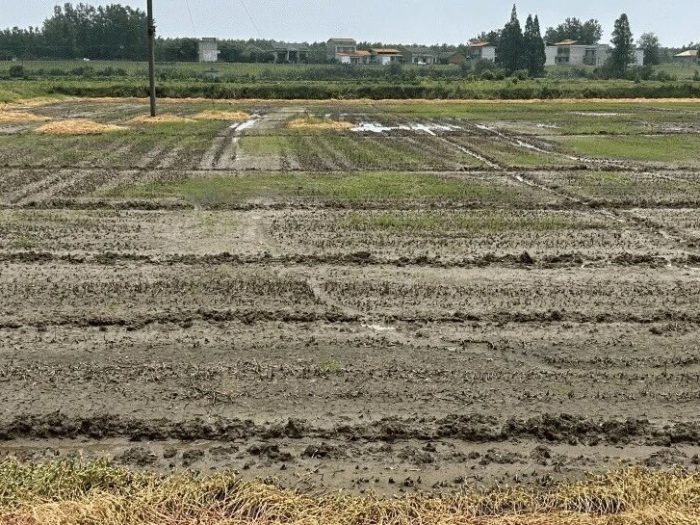
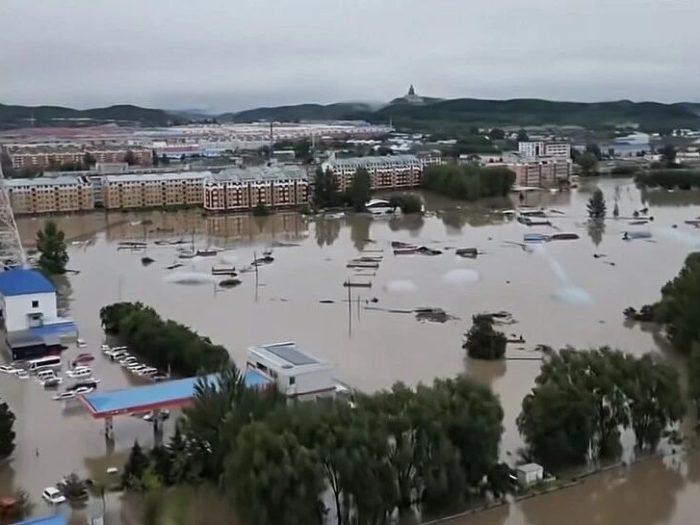
After wholesale markets, riverside villages, maize fields and ginseng fields were flooded, silt clearance and rebuilding continue; rain will persist across the northeast, and some places may suffer a second disaster.