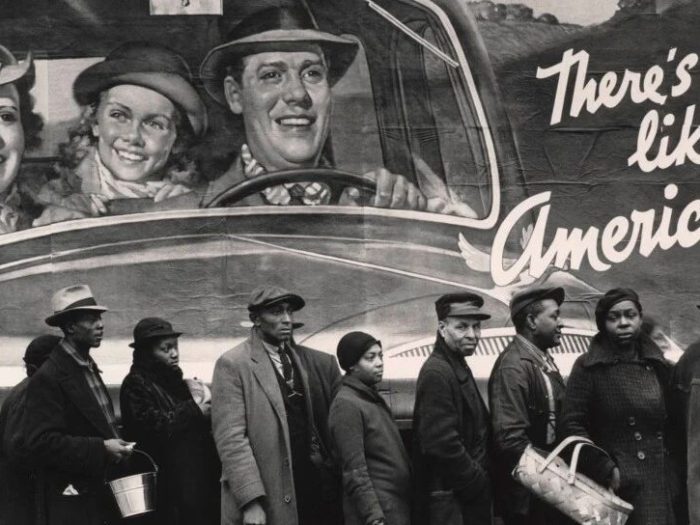
Jiang Ke, who served as a shift manager at McDonald’s for seven months, has experienced the fryer whistles, vacuum-packed shredded lettuce and order screens in the open-plan kitchen, and seen how waiting and complaints when customers collect their meals feed into the store’s score.
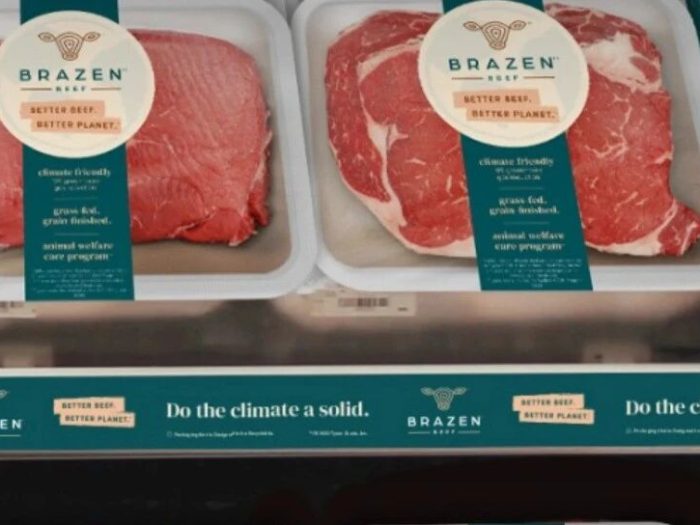
The New York State Attorney General’s Office and the non-profit Environmental Working Group sued Brazil’s JBS and Tyson Foods over misleading “climate-friendly” claims for industrialised beef; after settlements, the companies retracted or revised their net-zero pledges, but eco-labels on packaging still need verifiable evidence.
A state-owned agricultural company in a development zone on the lower Yangtze runs a mini-program for the district agricultural committee, deploying marketing calendars, brand packaging and community livestreams in turn. The one who actually moves volume, though, is a supplier selling through WeChat groups and 181 downline group leaders.
From motorways to fertilised farmland, it is a designed technological system—not personal choice—that locks modern life into oil. This system and war are two sides of the same coin, yet need not remain inseparable.
Of 58 applications, twelve projects were selected following initial screening, online interviews, and expert panel review, covering ecological restoration, community composting, low-cost disaster risk reduction for smallholder farmers, and women’s empowerment.
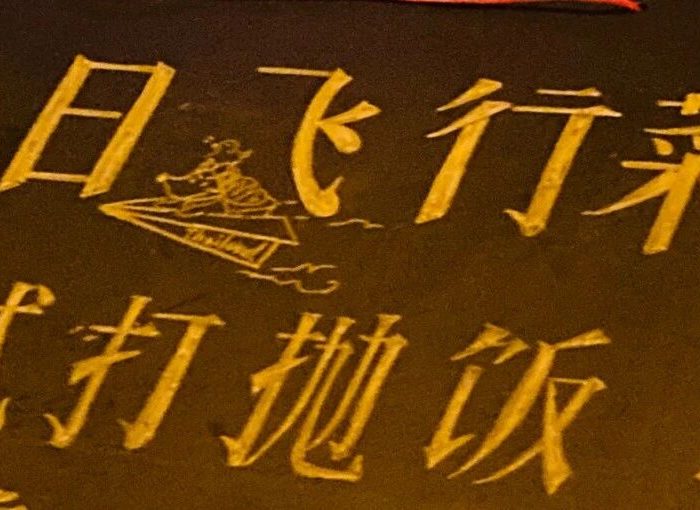
A cook flying from Chiang Mai to Shanghai for a pop-up dinner ran straight into Dianping’s rating system: one V8 user’s negative review can knock half a star off overnight, a grey bad-review deletion chain churns in its wake, and the cook at its end can only apologise.
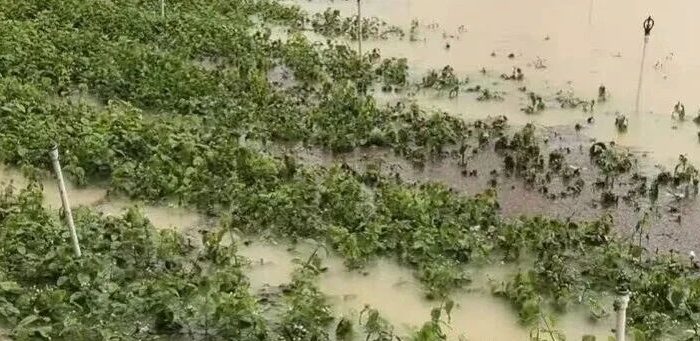
Sustained heavy rain from Typhoon Maysak breached Liulan Reservoir in Hengzhou, Guangxi, flooding jasmine fields, rice paddies and fish ponds, displacing tens of thousands, and bringing the challenges of agricultural insurance and flood resilience under extreme weather into sharp focus.
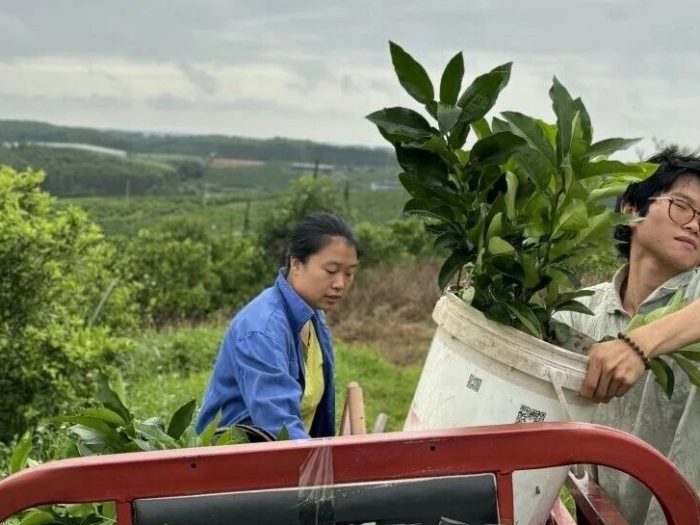
A bachelor’s graduate spends a month on an ecological agriculture internship at Baicaoyuan in Guigang, Guangxi — hoeing, carrying water, weathering a violent downpour — then leaves, unable to bear the heat, admitting they can never do without air conditioning.
Five years ago, Kouzi broke raw ground from scratch and hand-built a self-sufficient one-person farm; her health indicators are now better than they were twenty years ago. This past year, she has still been fighting a lawsuit over fabrications generated by Baidu AI.
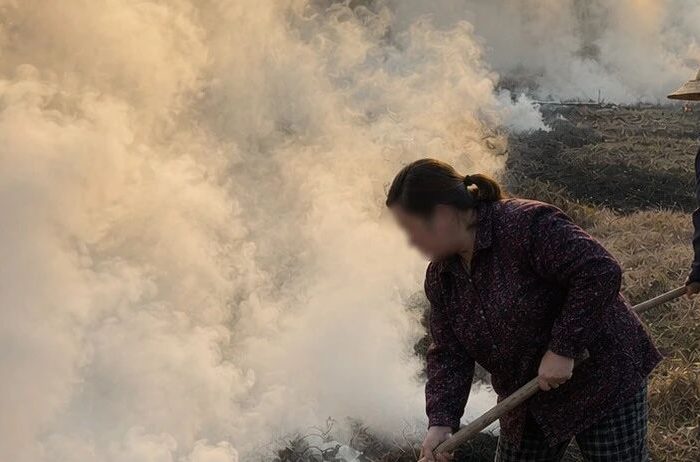
In the strictest straw-ban season of 2025, Village A in Hunan’s Dongting Lake region patrolled for three months and liaised with collection-and-storage firms to bale and transport the straw. Still, no outlet was found; villagers seized a window when tower cameras turned away, burning over a thousand mu.