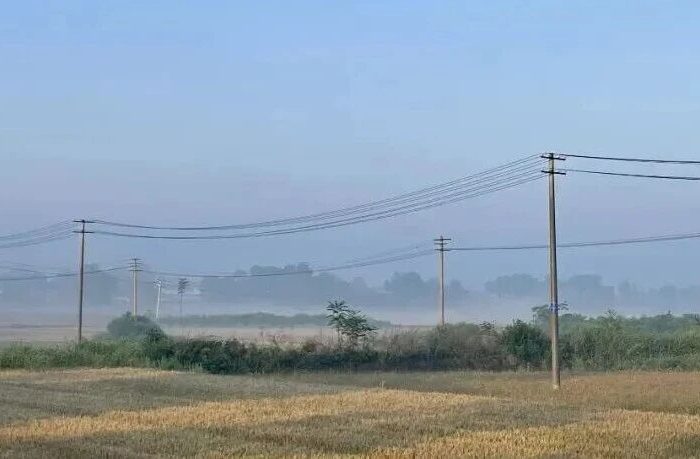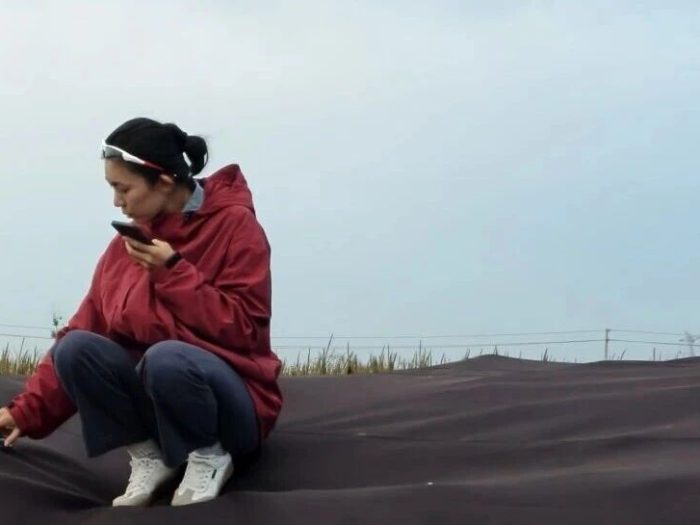

After living in the United States for eleven years, Chen Xi returned to Beijing and later put down roots in Yangdong Village, Liping County, in Guizhou’s Qiandongnan region. Over seven years, Chen Xi built a wooden house, planted old rice varieties, and established the first library for the village children.
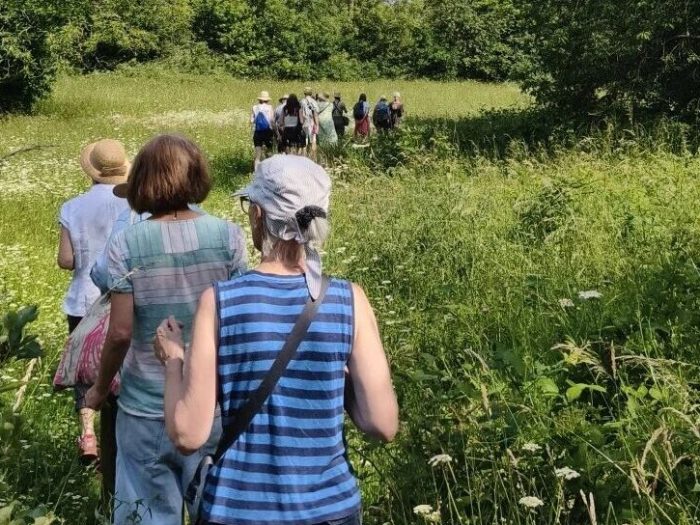
Metske, a Dutch farmer, has come from the squatting movement and a vegetarian restaurant to a 40-acre organic vegetable farm at Bore Place in Kent, and now sells lettuce and tomatoes at north London’s Growing Communities market, sustaining the business through personal networks and sales channels without applying for subsidies.
Loss survey and loss assessment, random sampling, and premium refunds mean that smallholders’ agricultural insurance payouts often fail to align with expectations; during widespread disasters, the claims-paying capacity of agricultural insurance and catastrophe risk pooling still face pressure.
From wedding banquets and longevity banquets to banquets celebrating academic advancement and funeral meals, a banquet table holds local specialties and life milestones; you can complete the questionnaire to share your hometown’s banquet dishes, wedding and funeral experiences, experiences of hosting banquets, or your thoughts on how banquets are changing.
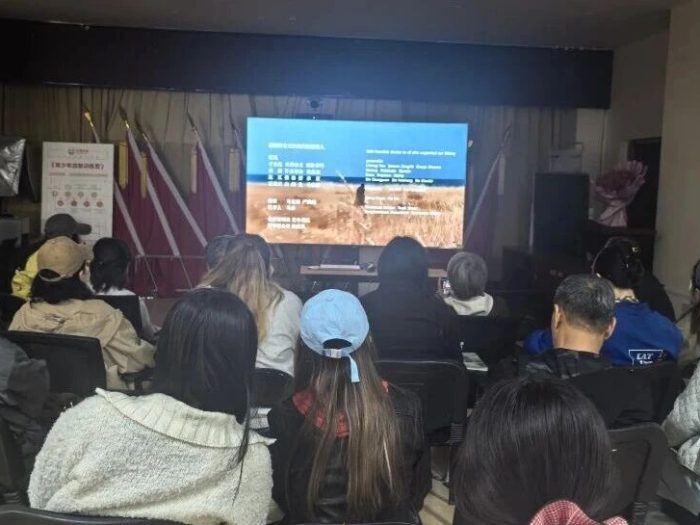
Following the Urumqi screening of the documentary “Whose Table, Whose Pasture”, Xinjiang universities, ecological organisations and animal husbandry experts discussed the impact of imported frozen meat on pastoralists’ livelihoods, grassland carrying capacity and food systems.
In Beijing’s shared flats, employers’ homes and the weekend kitchen at the Beijing Hongyan Social Work Service Centre, female domestic workers Suying, Huirong and Qiuhua have their meal times squeezed by work and family; growing vegetables and eating together, they restate their hunger and needs.
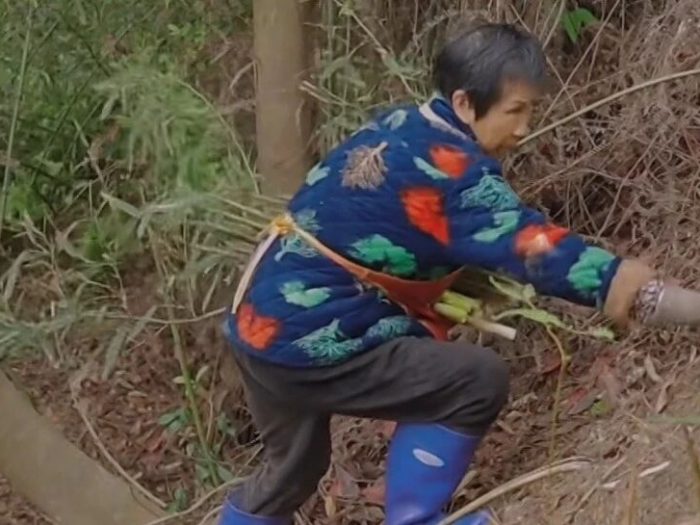
During the more than a month between Qingming and Grain Buds, in a mountain village in Hunan, Yang Xiuying and her fellow villager, Grandma Deng Lian, carry woven polypropylene sacks on their backs into bamboo groves, bring fresh bamboo shoots down the mountain, and then boil and sun-dry them into dried bamboo shoots; with village passenger services suspended and fewer companions making the climb, the elderly women still rely on this hard work for a meagre income and a measure of dignity.
From ghost food delivery and farmer-support marketing to pickers running, changes in wet markets, and plastic waste, the issues concerning workers, merchants, farmers, and the environment that go beyond the convenience of platforms are often overlooked.
Chinese Bayberry Scandal: Why Can I Still Eat Chinese Bayberries with Peace of Mind? | Grandma Kouzi
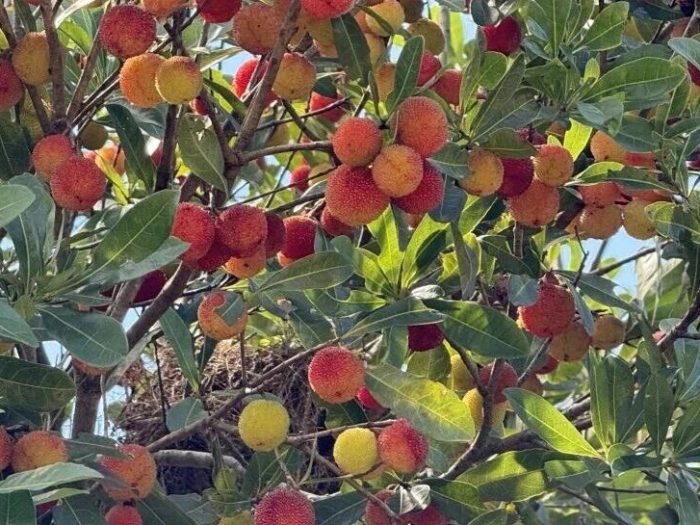
Grandma Kouzi in Fujian’s Evil People Valley quits buying fruit, eating only homegrown Dongkui Chinese bayberries caught on mesh, turned into juice, wine and compost. Her chemical-free growing shows modern shop-bought fruit largely an industrial product, shaped by selection and breeding, cold chain and marketing.
At China Agricultural University’s Science and Technology Courtyard in Quzhou, Xianzi and villagers set up an organic fertiliser plant. After more than a year, she found rebuilding the crop-livestock cycle hardest in the ledger of raw-material intake and farmers buying fertiliser, not technology.