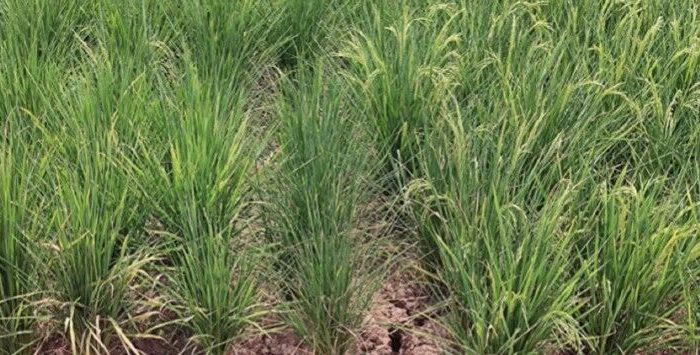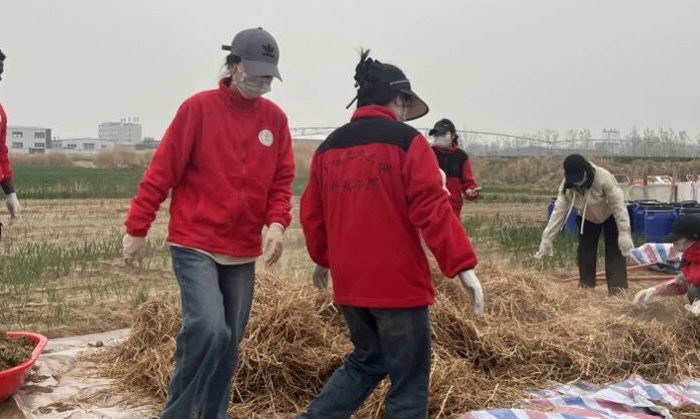
Li Yangyang, a lecturer at China Agricultural University, and postgraduate Yang Ruoxianzi at the Quzhou Science and Technology Station show that an ag student’s daily life – from composting and field experiments to career paths – is more than just growing crops.

Foodthink gathered readers’ kitchen items in use for ten to forty years: a cast-iron pot through many house moves, a Jianshui purple stoneware steam pot from mum to Japan, an enamel cup thirty-three years on since primary school military training, and pickle mother brine from Wushan to Chengdu.
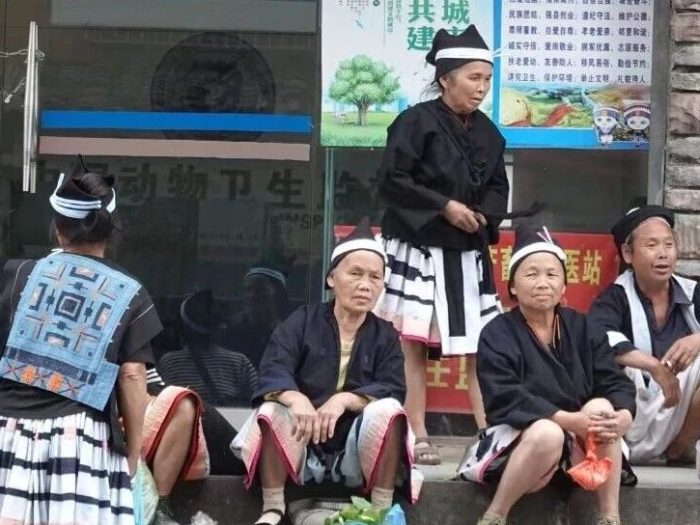
Social work volunteer Meng Fang goes to the market with friends and brings back hemp seed, sour meat and local homemade liquor, then enters the White-Pants Yao Ecomuseum to see golden-silk silkworms, yarn-running and cloth-dyeing; traditional life continues in these everyday routines.
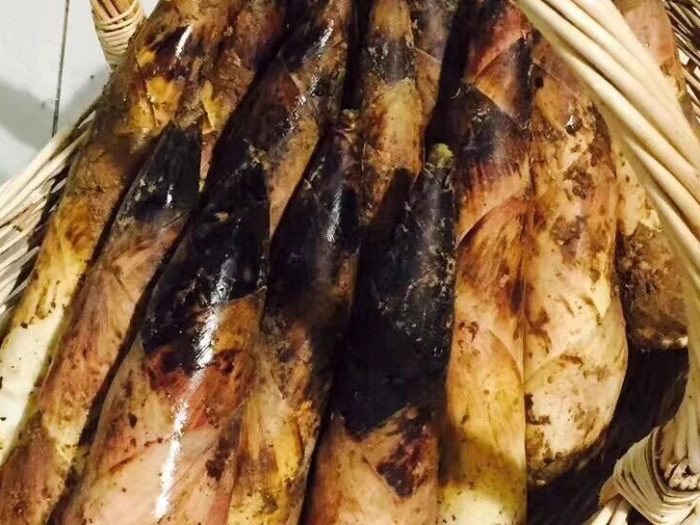
From Yan Du Xian in Jiangnan to Anji dried shoots and winter bamboo shoots in Hunan’s bamboo seas, the Chinese table carries fresh shoots, dried shoots, rural memory, the seasons, and the ache of home.
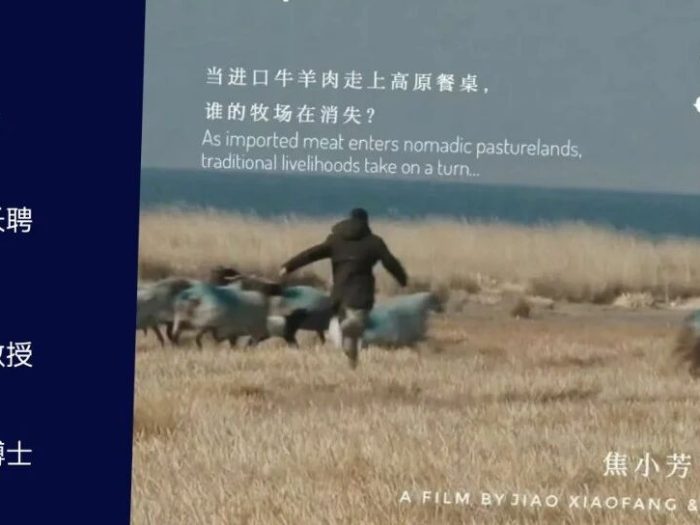
Following imported frozen beef and mutton into Qinghai Lake’s pastoral areas, the film documents the impact of falling purchase prices on herders and meat traders. Screening 12 June at Zhejiang University’s Department of Sociology, with a post-screening discussion between the department’s food systems researchers and Foodthink.
A student at the University of Food Studies in Pollenzo recalls three unbroken hours of lectures, wild greens from the fields, cheese markets, and a glass of wine on a blizzard night — how Petrini turned food into politics, and the road Slow Food has yet to walk.
Three roles – content translation, research assistant, and short-form video production – are open, based in Haidian, Beijing, with a summer internship of at least two months and the opportunity to convert to a permanent position.
Yi Fujin of Zhejiang University begins with one cow, one mu of maize and a late spring cold snap to explain how agricultural insurance works and why smallholder farmers struggle to get their claims paid in extreme weather.
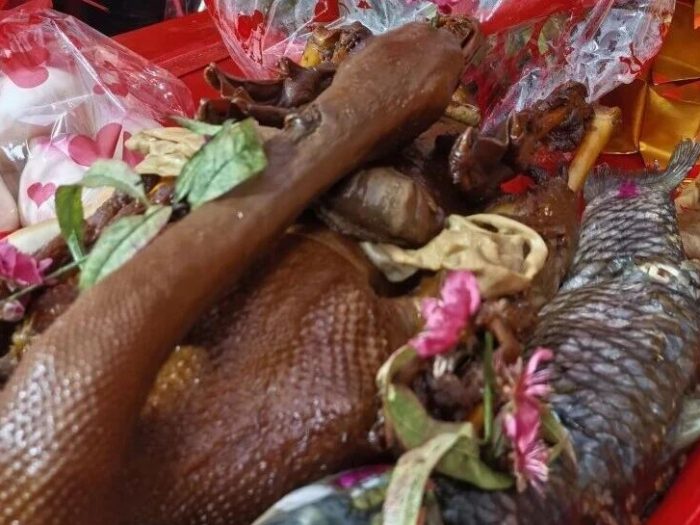
Braised goose holds the highest rank on Chaoshan ancestral offering tables. The custom of “no braised goose, no grandeur” has endured for nearly a century – from the offering-table longing of overseas Chinese in Southeast Asia to the everyday bustle of braised goose shops lining every street.
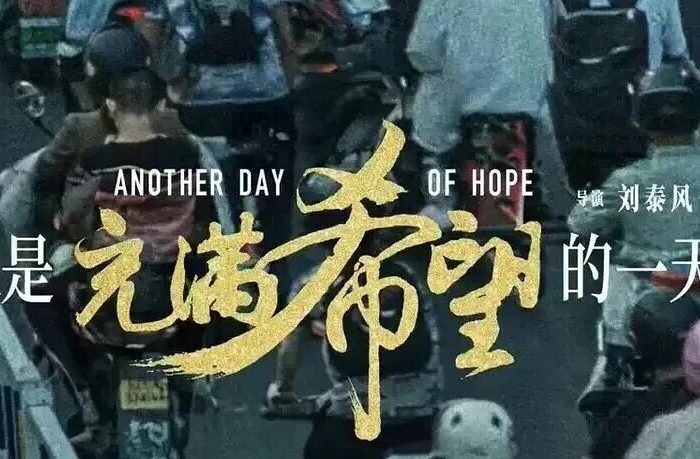
Foodthink screens four films by the shores of Tuanjie Lake, about delivery riders, rice farmers, herders and fermentation artisans. After each screening, join the directors and protagonists for a chat about the labour and cost behind food; before each one, browse the farmers’ market.