Under the 2016 straw-burning ban, village cadres hired guards and satellite-detected fires meant docked pay; ten years on, Heilongjiang farmers waited for a weather-forecasted “burning window” – simply because one pass of the deep plough for residue incorporation scrambles every plot boundary marked by ridges.
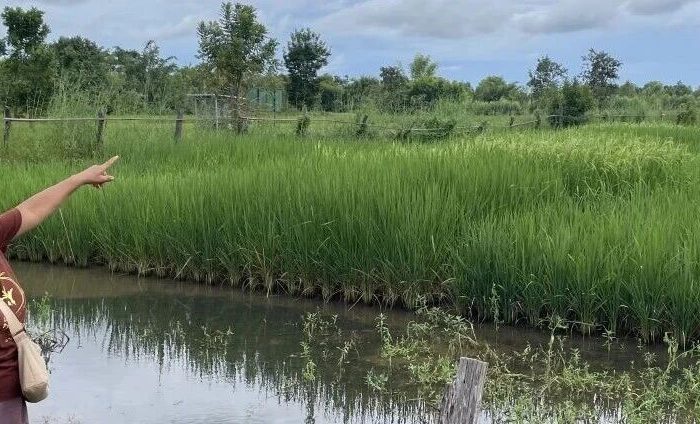
Farmers in K Village, northeastern Thailand, have self-bred more than 250 local rice varieties and sell organic rice direct via e-commerce. With their rice cooperative incubated by the village credit cooperative, they need no subsidies even as prices fell 30 per cent.
Ru has run a roujiamo shop in a small town in Exeter for six years. Dealing with delivery platforms since the Hundred Groups War, she sees two logics: UK delivery is just delivery, with transparent rates, while merchants in China lost their bargaining power after the subsidy war.
On 31 May, Foodthink invites Professor Lü Chensheng, author of The Vanishing Bees, to DT51 RDV Bookshop in Beijing to discuss the ecological and health risks of neonicotinoid insecticides, from seed to table.
After the 1922 botulism poisoning of eight people at Loch Maree, the “germ theory” swept into kitchens via the public health movement. Domino Sugar, Heinz, Nabisco and others exploited the moment to amplify microbial fear, replacing pickles and bread made at home for generations with packaged food.
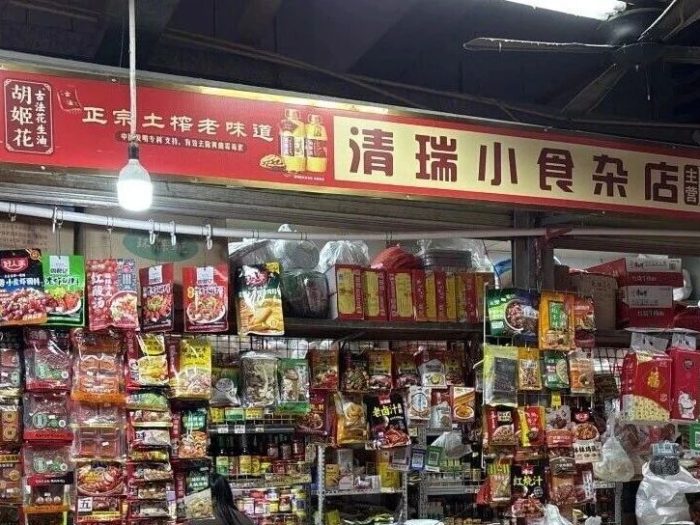
In Yijing Market, Wuzhou, Guangxi, the grandmother opened the shop in 1995. The mother later took over, and the daughter helps during the Spring Festival. The mother opens the shop early each morning and returns home in the evening to do the portioning, knowing exactly what regular customers usually buy. The little shop is unlikely to be taken over by the daughter.
Roselle with stevia, pumpkin steamed and dried three times, maltose syrup over raw nuts — a few simple steps at the stove, and a snack’s sweet aroma need not come from free sugars and refined seed oils on the shelf.
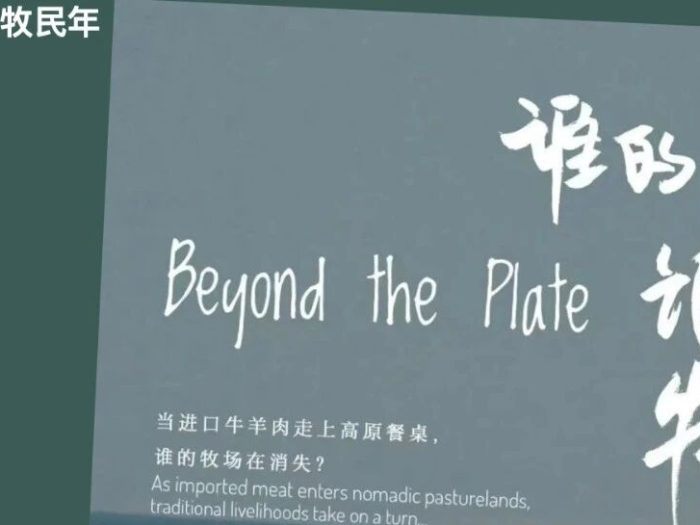
On 26 May 2026 at 19:00, Foodthink will screen “Whose Dining Table, Whose Rangeland” in Nanjing, a documentary tracing how imported frozen meat has driven down cattle and sheep purchase prices around Qinghai Lake and altered pastoralists’ livelihoods. Registration is free for Nanjing viewers.
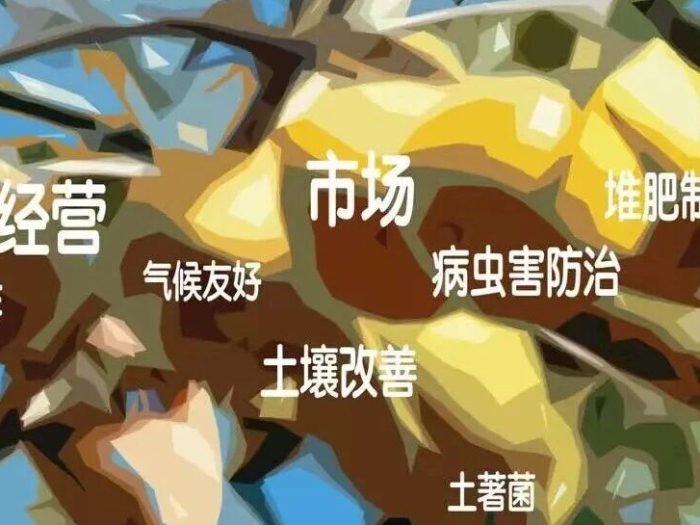
Foodthink’s three-day co-learning camp in Yangqiao Village, Lianhua County, Pingxiang, Jiangxi (4–6 June) features hands-on soil, composting and liquid-fertiliser work plus returning-home case studies, helping farming friends already in or transitioning to ecological agriculture sharpen their techniques and work through yield, quality, cost, and sales.
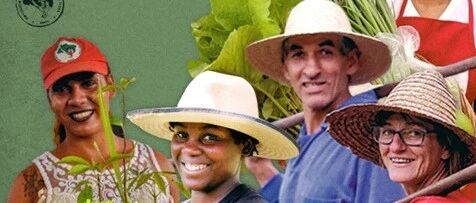
The Brazilian Landless Workers’ Movement’s Concentra platform in Belo Horizonte integrates warehousing, compliance certification, brand development and government procurement to bring dispersed smallholders’ ecological farm produce to market at scale, offering a reference for organisationally tackling smallholders’ market predicament.