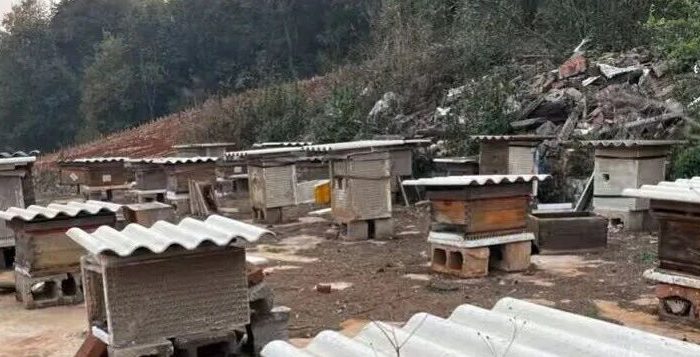
This year, during the oilseed rape flowering period, after drone spraying, nearly all honey bees died in many areas; beekeepers said they had not been notified. Without pollinating insects, average fruit crop yields in China would fall by 40%, while vegetable yields would fall by 30%.
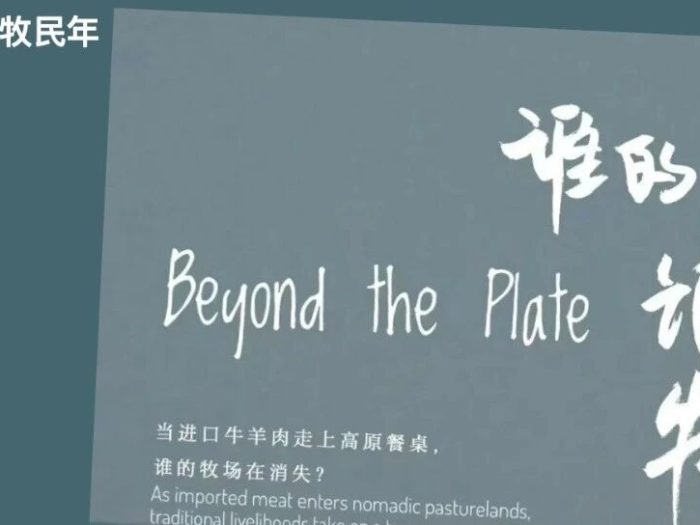
On 23 May at 16:00, Foodthink will screen the documentary “Whose Table, Whose Rangeland” at Yonghexiang Community, Tianshan District, Urumqi, with local organisations, institutions and guests in Xinjiang invited to share and discuss afterwards.
Harvard University professor Chensheng Lu, beekeeper Kenneth Walhoer and insect toxicologist Richard Kalahan tracked empty beehives, finding that sustained ingestion of low doses of neonicotinoid insecticides damages honey bees’ mitochondria and that seed coating allows pesticides to enter the environment, ultimately triggering bee colony collapse.
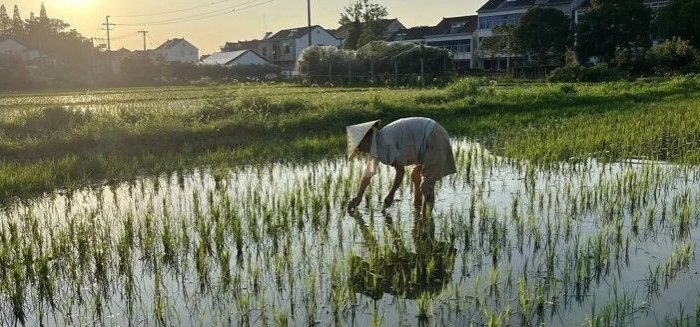
With insurance covering only a third and industrialized sericulture squeezing him, Yu Jiangang, a sericulture farmer in Tongxiang, Zhejiang Province, who has been back in his hometown for 14 years, has leased 15 mu of paddy fields to try to maintain rice-silkworm symbiosis.
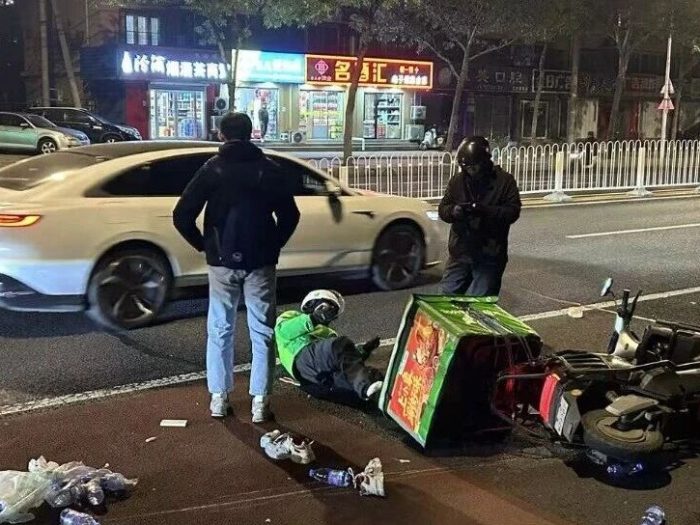
The 30-minute delivery of fresh food e-commerce platforms such as Alibaba Hema, Meituan Xiaoxiang, JD 7Fresh and Pupu puts the pressure of 3-minute picking and customer complaint deductions on pickers and delivery riders; consumers also discuss off-peak ordering, buying fewer heavy items and shopping offline in the comments.
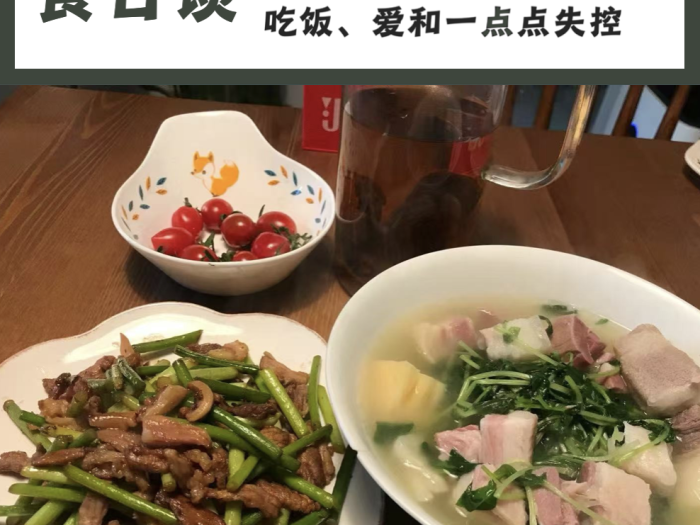
The family tables of the three mothers, Xiaoyunsheng, Lingyu and Xiaojing, stretch from a childhood spent eating only dumpling wrappers to teenage “extra meals” and a rice-ball meltdown, tying together the pressures of motherhood, women’s labour and self-identity.
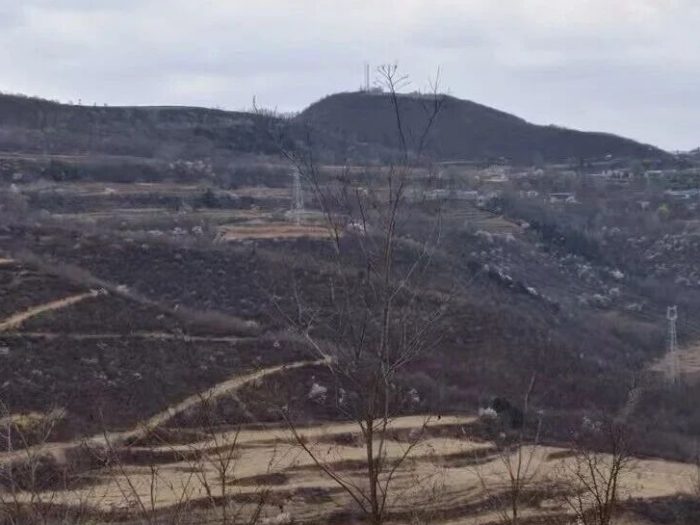
About 20 mu of land that Hongxia and her husband farmed for relatives in Tongchuan, Shaanxi, has been taken back. The more than 100 mu of sloping land they contracted, along with farm machinery worth over 100,000 yuan, now face renewed fragmentation and little chance of stopping the losses.
Former consultant Chen Xi now organises clan members in Yangdong Village, Qiandongnan, to grow rice on terraced fields, preserving over 20 local varieties of rice and coarse grains, and has built a children’s library through charity sales of purple rice.
Young people from different cities share their eating experiences and reflections on takeaway, dianzi zhacai, plastic packaging, wet market, and fermentation and fermented foods.
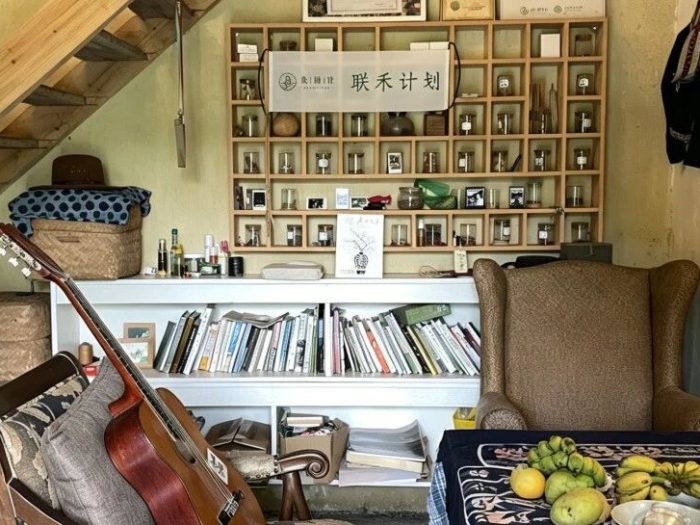
Foodthink’s sixth round of small-scale grants under the Lianhe Plan provides funding of 5,000–30,000 yuan, along with communications and professional resource support, to help farmers, communities and social organisations implement food and agriculture transition projects amid climate change. First-round applications close on 17 May.