
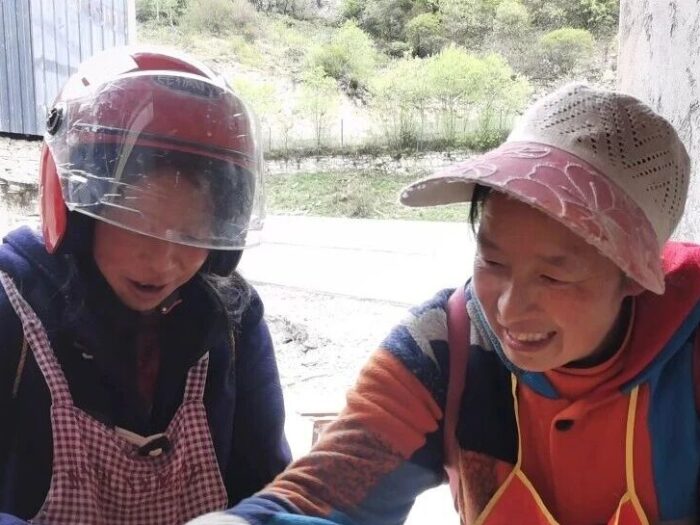
Grandma Kouzi, in her sixties, has farmed for five years in Liancheng, Fujian, and is now fully self-sufficient in food apart from salt, working toward a complete self-sufficient system — water and electricity included — by the age of seventy.
Grandma Kouzi, in her sixties, has farmed for five years in Liancheng, Fujian, and is now fully self-sufficient in food apart from salt, working toward a complete self-sufficient system — water and electricity included — by the age of seventy.
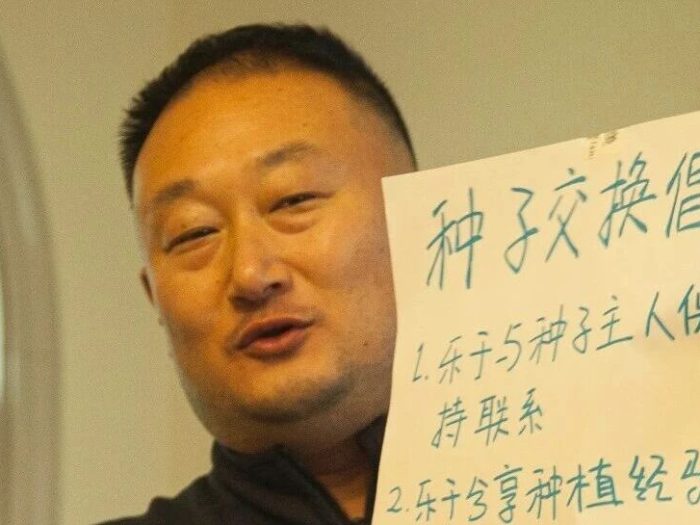
Guan Qi died unexpectedly on a business trip in Qinghai. Colleagues at Foodthink and the Farmer Seed Network remember the “study committee member” who guarded old seeds — always tossing papers into group chats, dragging friends out for lager, mailing local specialities to farming friends across the country.
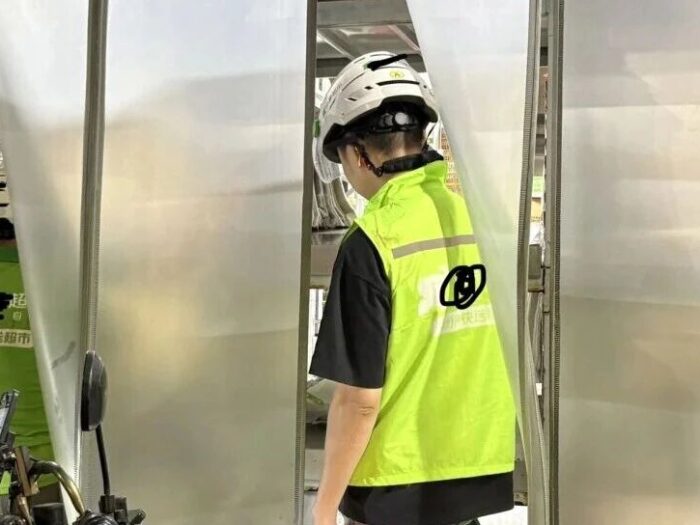
At Xiaoxiang Supermarket, pickers climb shelves, enter cold rooms, and scan items one by one under algorithmic timing and piece-rate pay. Mis-picked and missed items are an unavoidable structural problem of “speedism”—not individual negligence.
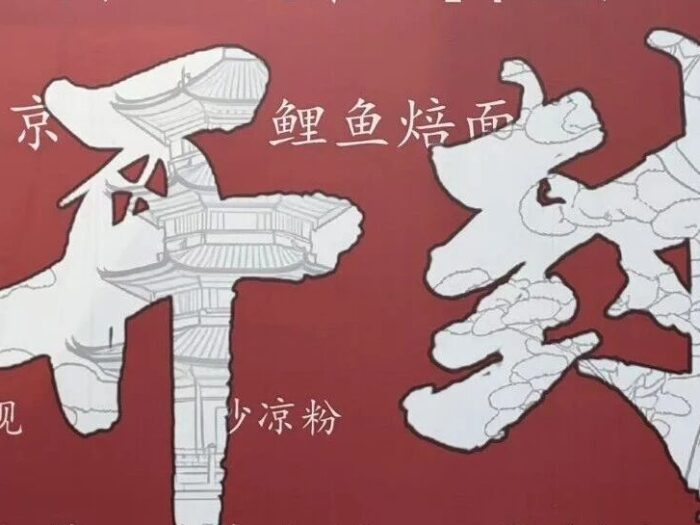
Sustainable food and agriculture content platform Foodthink resumes at Grain Rain, documenting smallholders’ livelihoods, field workers, climate change, biodiversity and policy changes. It clarifies this year’s focus: the International Year of Women in Agriculture, the International Year of Rangelands and Pastoralists and climate resilience action.
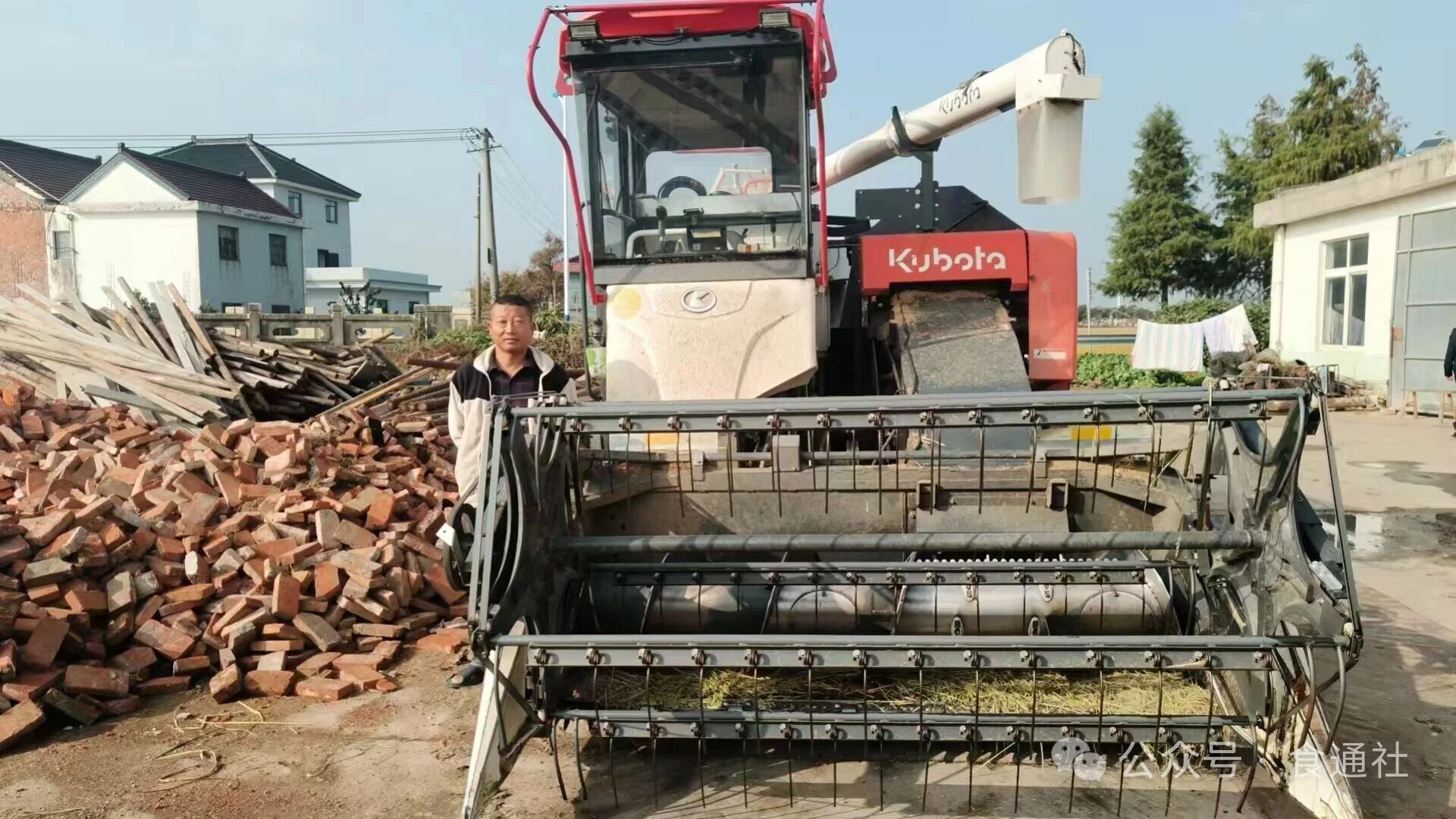
In northern Anhui, old combines are giving way to new machines with large grain tanks and air conditioning. Bag-catchers, fertiliser-spreaders and pesticide-sprayers are losing their work one after another, yet smart agricultural machinery, at its high price, remains further from small farmers.
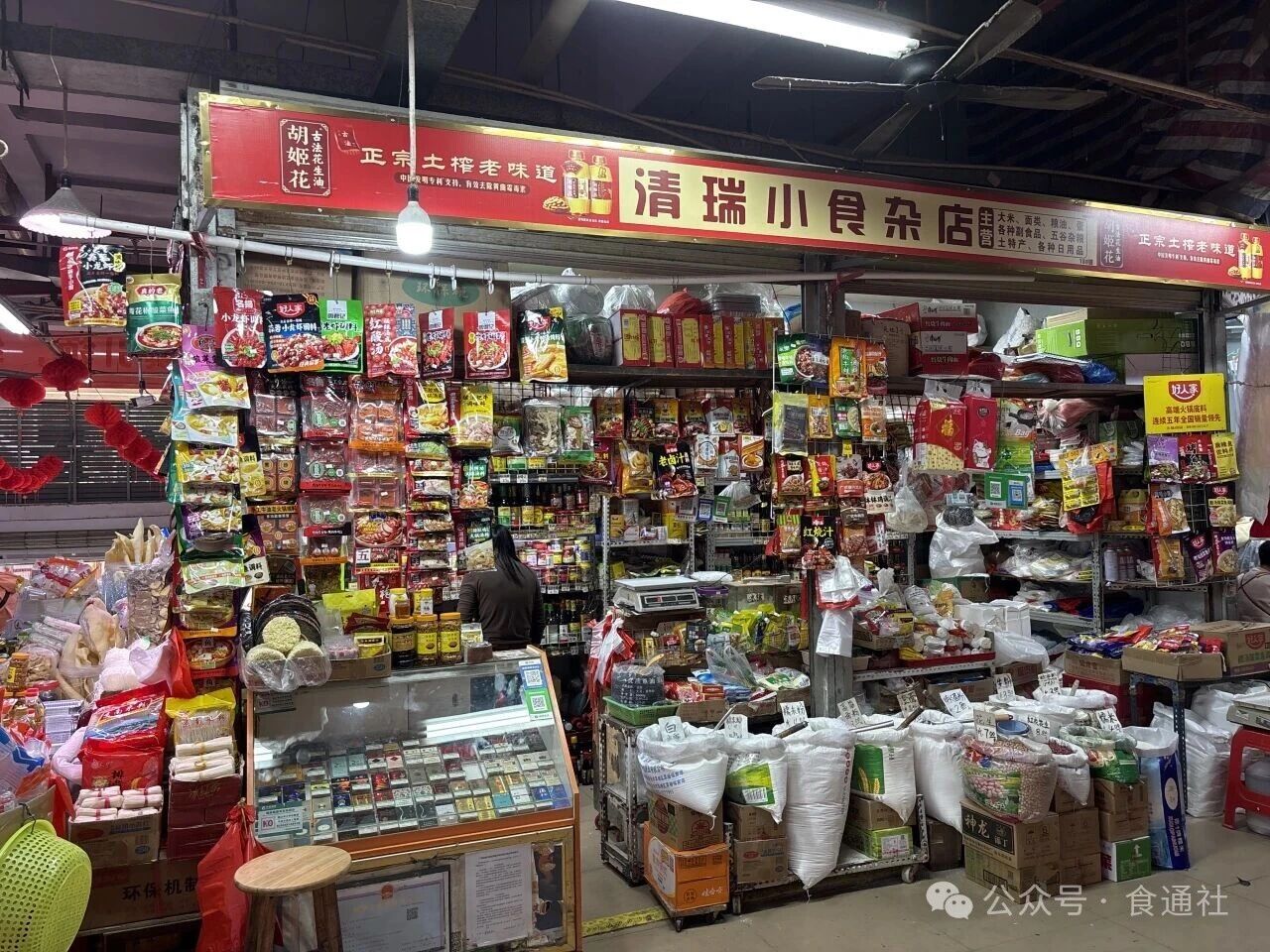
Yijing Market, Wuzhou, Guangxi: Juzi’s grandmother opened the shop with the market in 1995; Juzi’s mother now opens at dawn, portions spices late at night and wins repeat trade by remembering regulars’ tastes, as Wuzhou’s wet markets decline and the small shop awaits its fate.
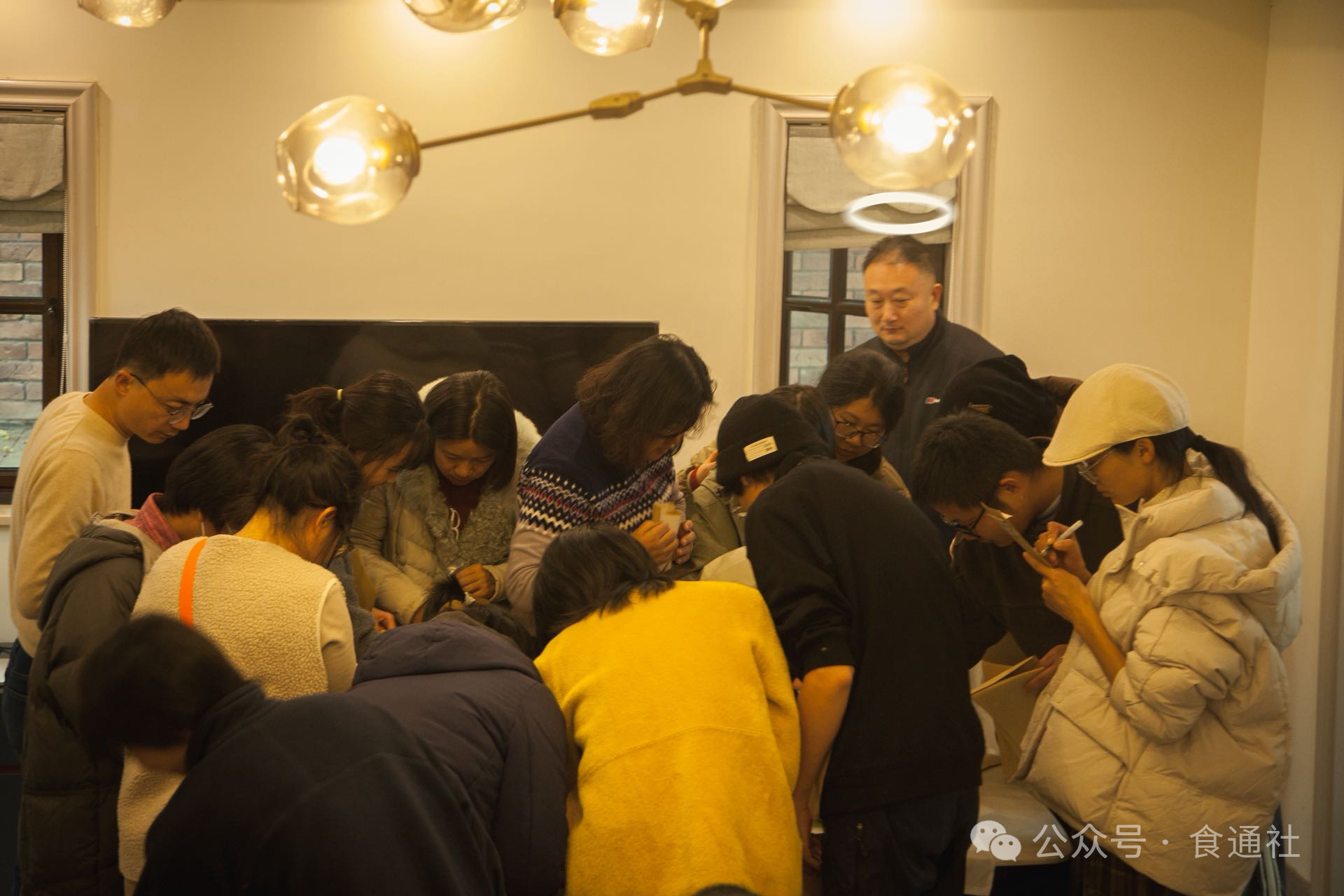
Farmer Seed Network core member Guan Qi died unexpectedly on a March business trip to Qinghai. Foodthink colleagues and partners write of a friend who bridged land and academia on the seed-conservation front line – and always dragged everyone out to try new restaurants and craft beer.

Four Foodthink articles on delivery riders, corn mould in North China, rural heating in Hebei, and high-standard farmland — none a traditionally “sensitive” topic — were successively taken down from the platform, and the space for public discussion shrank with each recurrence.
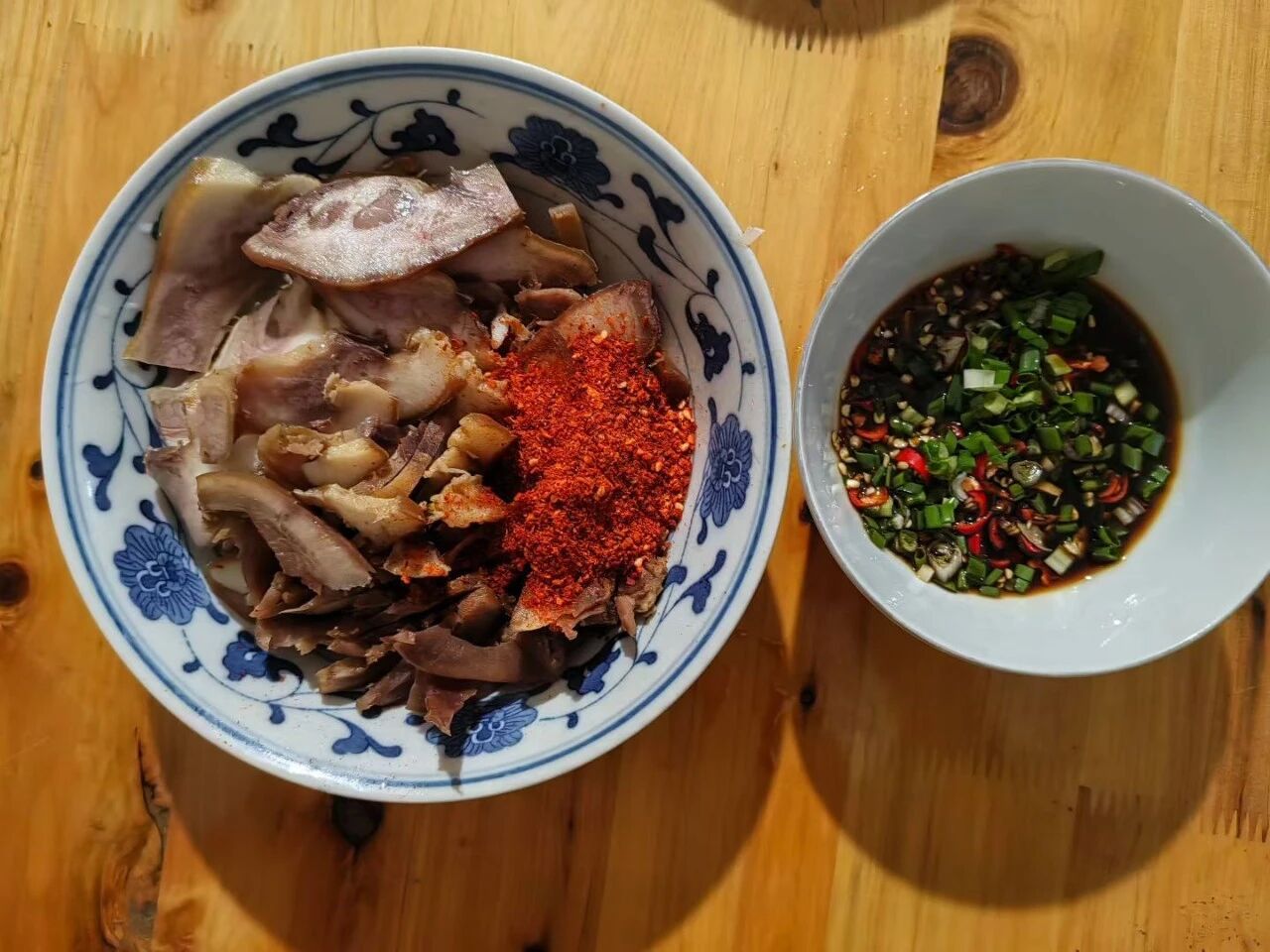
Chinese New Year in Wutong Village, Weiyuan County, Sichuan — under 3,000 residents, all elderly, growing vegetables, keeping hens. Rice steamed on a wood-fired stove, pea shoots pinched from ridges, hills crossed to buy beef tripe and aortic arch in the county town — five hours from rod to table.
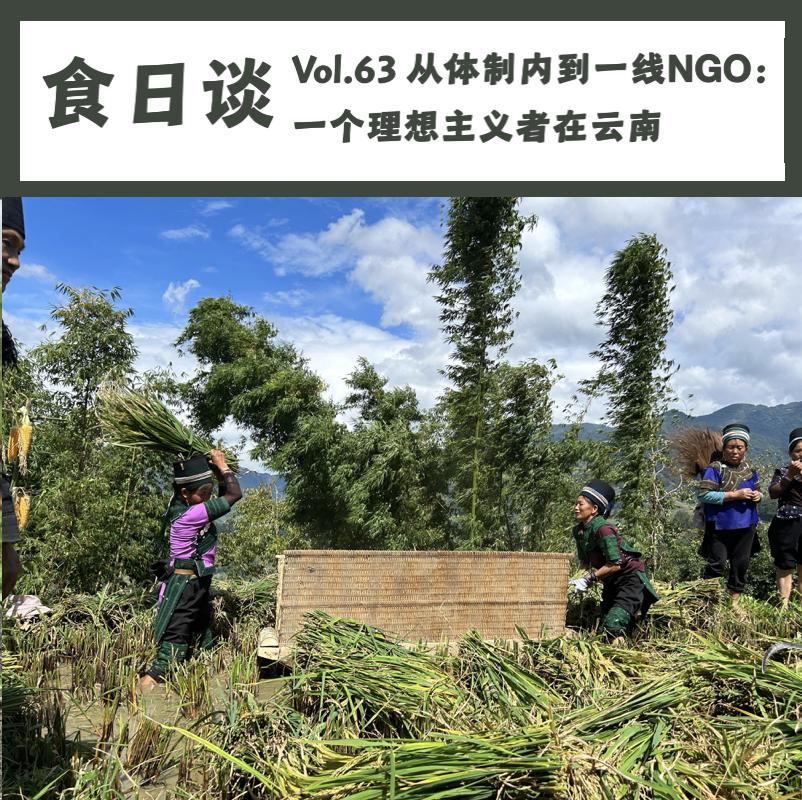
Zuo Zhi, Executive Director of the Yunnan Sili Ecological Substitution Technology Center, works in the fields teaching farmers to use fewer pesticides and grow landrace rice, building trust by “speaking in plain terms” and advancing climate-friendly rice.