
From the Public Sector to a Frontline NGO: An Idealist in Yunnan
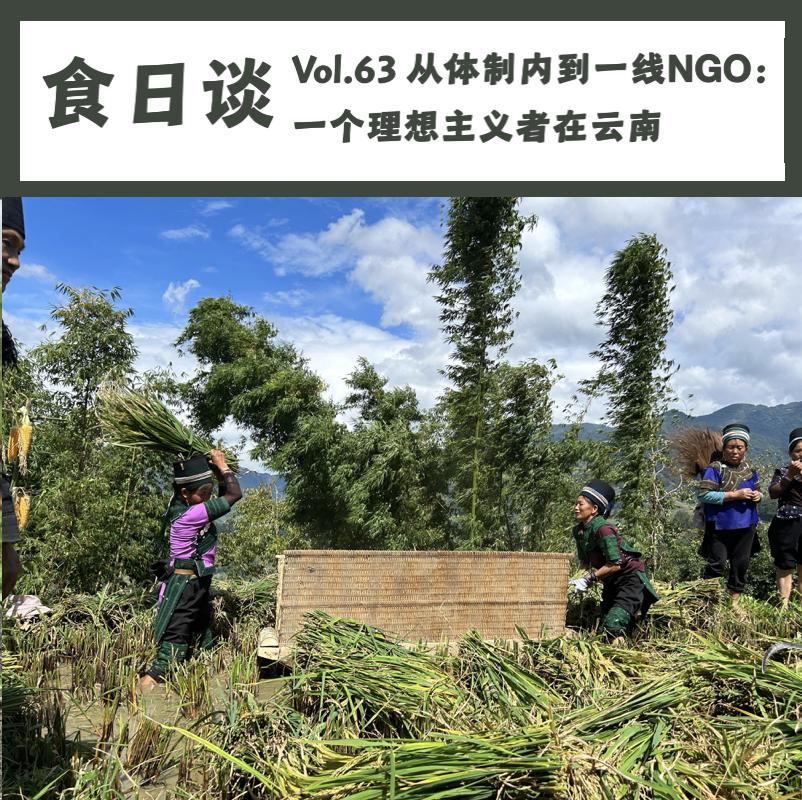
How did an organisation focused on insect ecology start caring about farmers’ livelihoods? And how did an organisation focused on farmers’ livelihoods end up composing a song called Song of the Fly?
A man from Shanxi — how did he become the village’s “male women’s committee director”? A star graduate in genetic engineering — why is he out in the fields urging farmers to grow crops without pesticides or chemical fertilisers?
How did these seemingly unrelated people and events manage to weave together so remarkably?
For this episode, we’ve invited Zuo Zhi, executive director of the Yunnan Sili Ecological Substitution Technology Center. A Shanxi native born after 1985 who walked into Yunnan’s villages, he left the public sector after university to join an NGO called “Sili” to do something that’s not the easiest thing to explain: teaching farmers to use fewer pesticides, to grow landrace rice, and trying to build a bridge between government, farmers, and technology.
You’ll hear some details that run counter to common sense: the fly turns out to be the top “matchmaker” in mango orchards, and the first step in promoting ecological agriculture was draining the glass of liquor already in the farmer’s hand. From Dali’s Rice Planting Festival to the yield-measurement fields of the Hani Rice Terraces, Zuo Zhi takes us through the interplay between agri-input shops, agricultural extension stations, and civil organisations, unpacking what “climate-friendly rice” means when it comes to maintaining yields while cutting emissions.
In this episode, we’ve walked alongside Zuo Zhi to document how an idealist gets down into the fields by “speaking in plain terms”. This is not just a popular-science piece on “climate-friendly rice”; it’s a genuine record of how, within the constraints of reality, small changes can build trust and tend to rural communities.
This/Episode’s/Guest
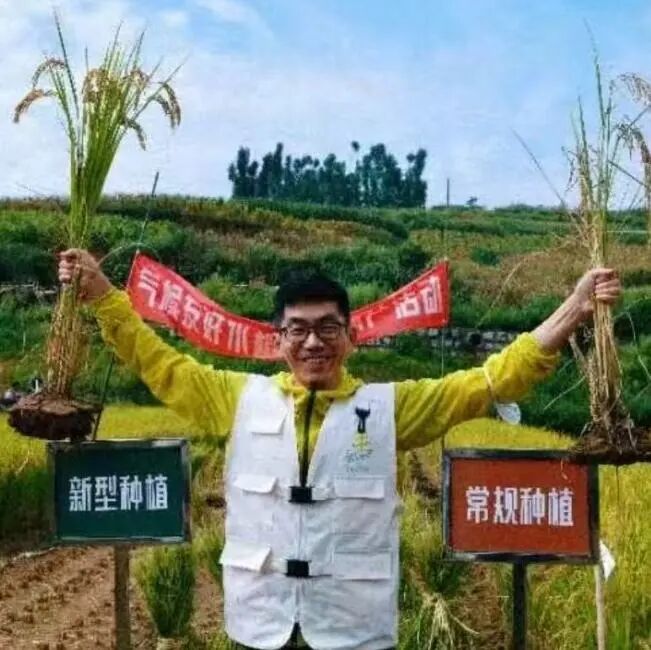 Zuo Zhi
Executive Director of the Yunnan Sili Ecological Substitution Technology Center. Currently engaged in research, extension services, and fieldwork on climate-friendly rice paddy management strategies and the screening and integration of technologies, working to advance the development of a practice network for climate-friendly agriculture.
This/Episode’s/Host
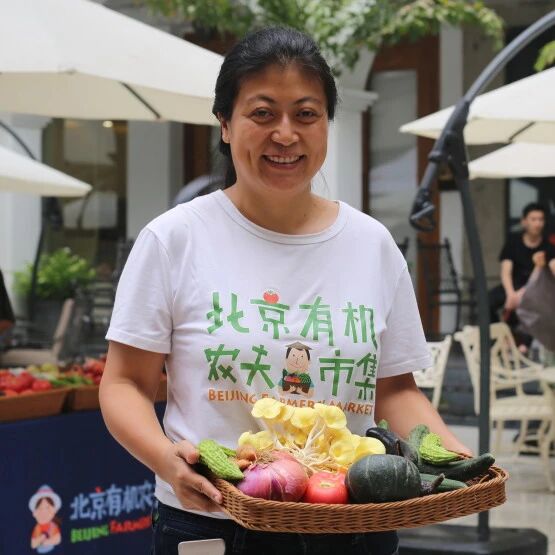 Tian Le
Founding Editor of Foodthink; Convener of the Beijing Organic Farmers’ Market.
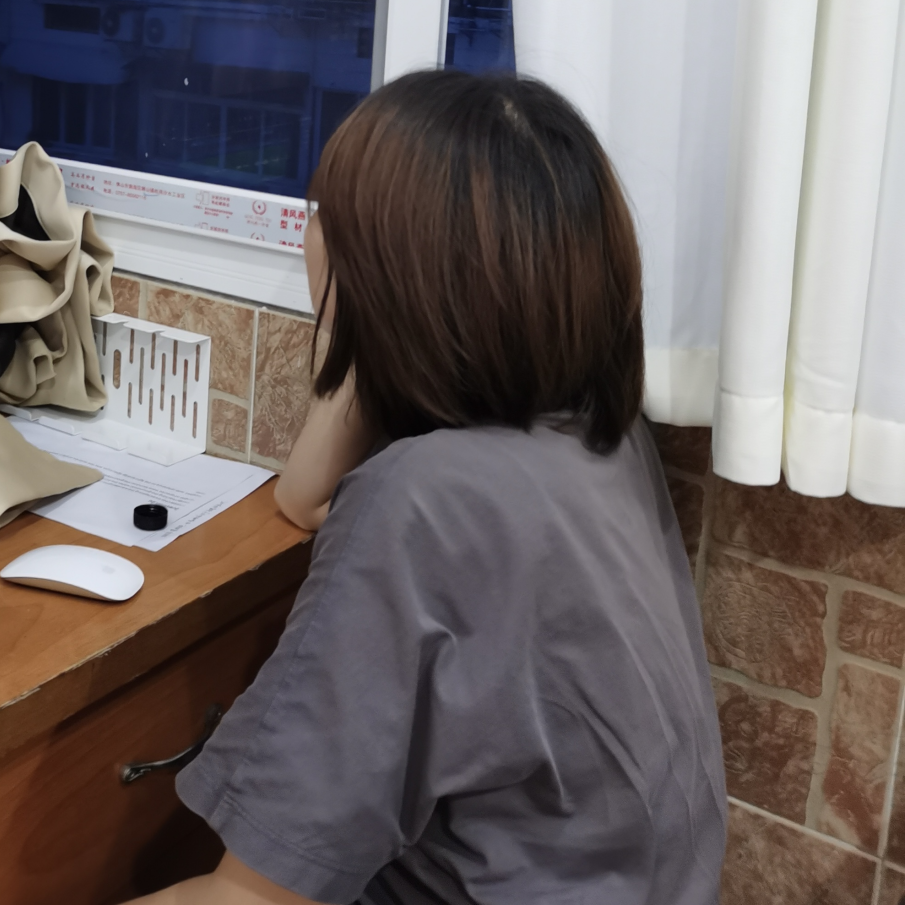 Pei Dan
A wordsmith back on the right track, writing about climate change, ecological environments, and the specific people shaped by change.
Time/line
07:13 From “landing” in the public sector to “going out to sea”: why run off to an NGO?
12:20 In the village, technology is secondary; trust comes first
23:47 Don’t turn down the drink, don’t force the talk: “home-grown ways” of working with farmers
27:09 Restoring a landrace variety, and finding a festival again
30:21 Government, agri-input shops, NGOs: who is shaping how farmers grow their crops?
38:50 Climate-friendly rice: not just growing crops, but “working in coordination” with the weather
44:18 It’s no surprise when the people selling something come to run a training; what’s odd is the ones selling nothing
49:15 Yunnan’s drought is more than just “the rain not coming”
58:22 Yield measurement, control plots, an old lady’s wisdom: technology has to “keep its feet on the ground”
68:46 If you, too, want to get a little closer to the land
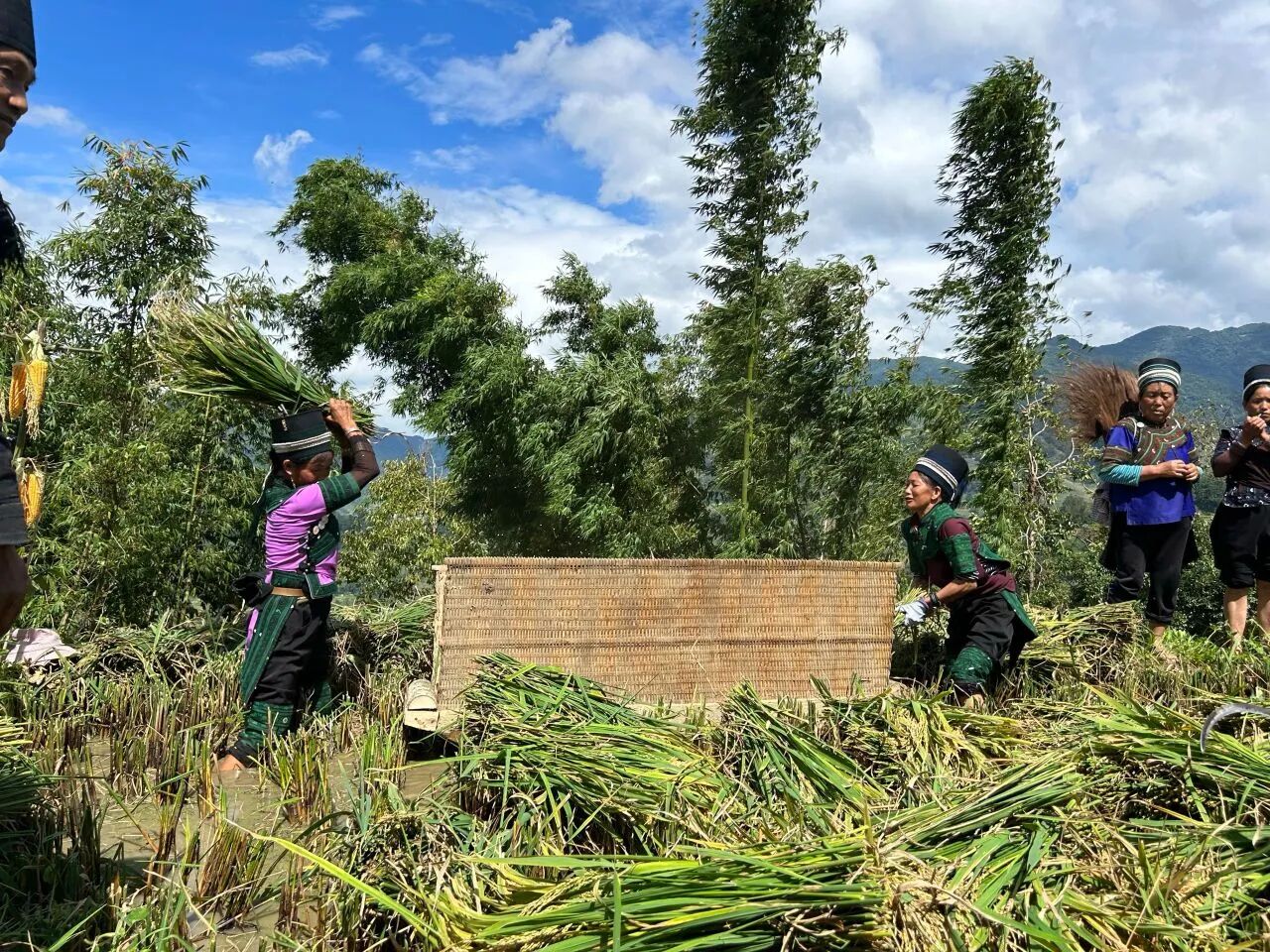
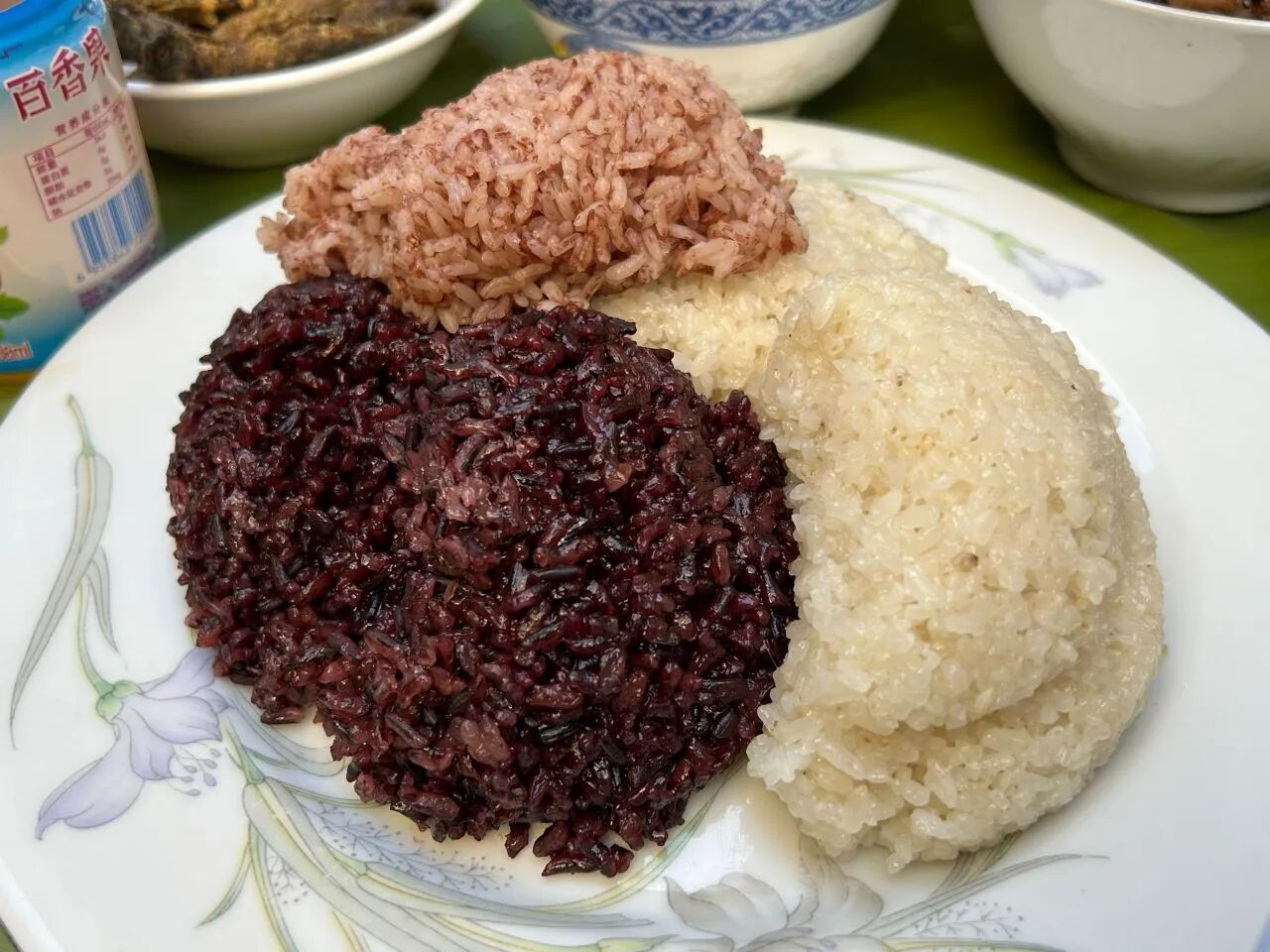
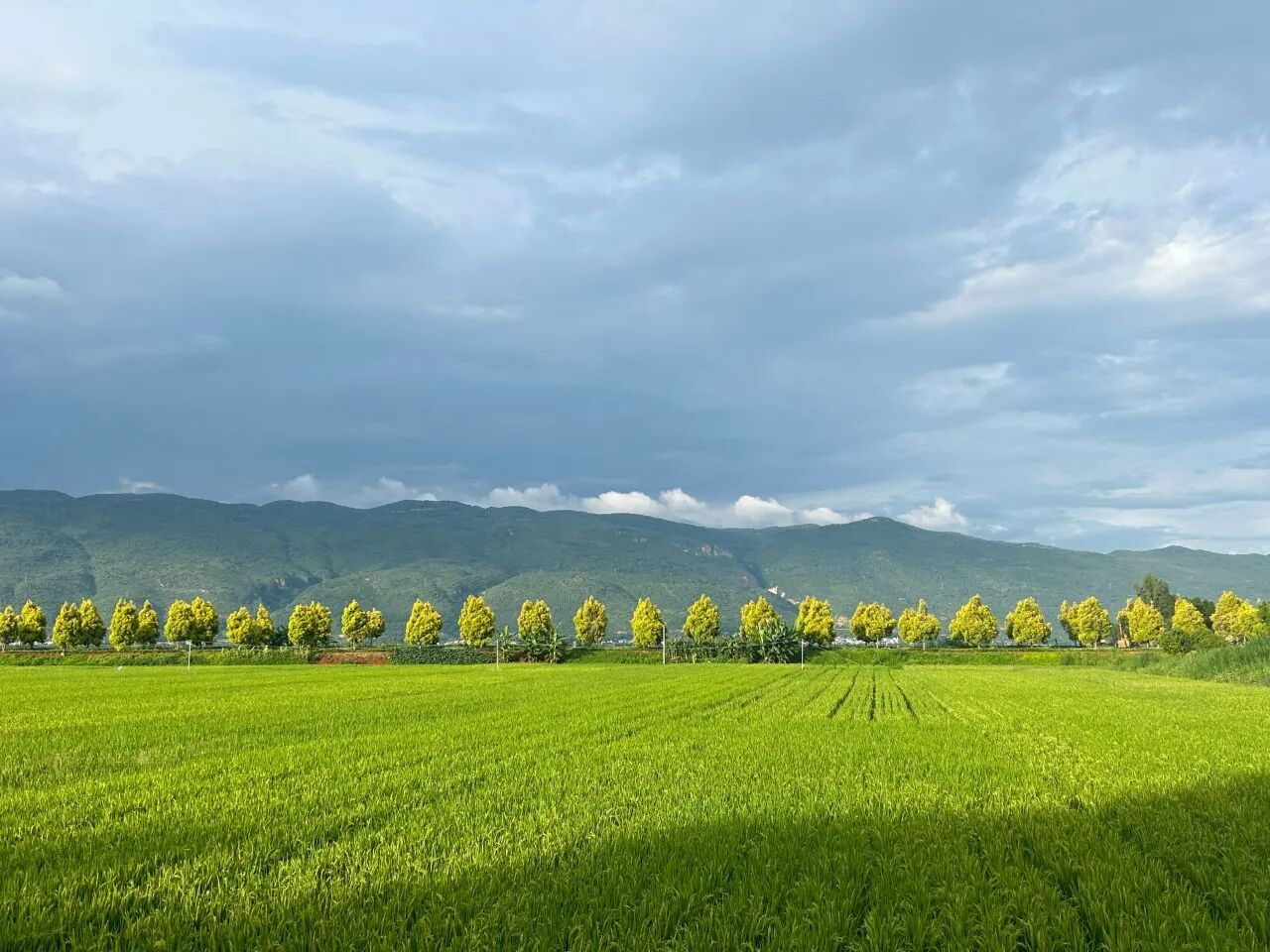
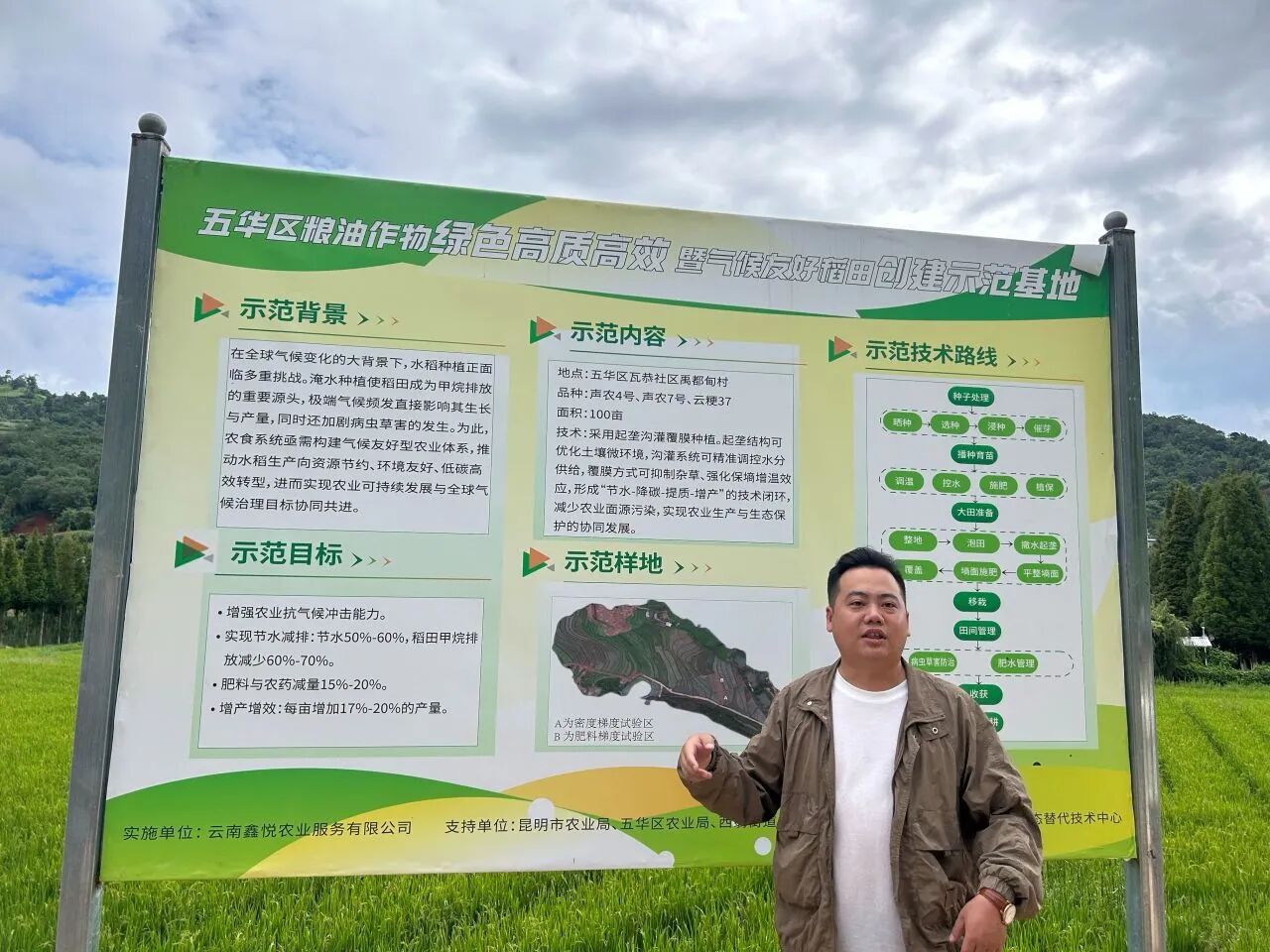
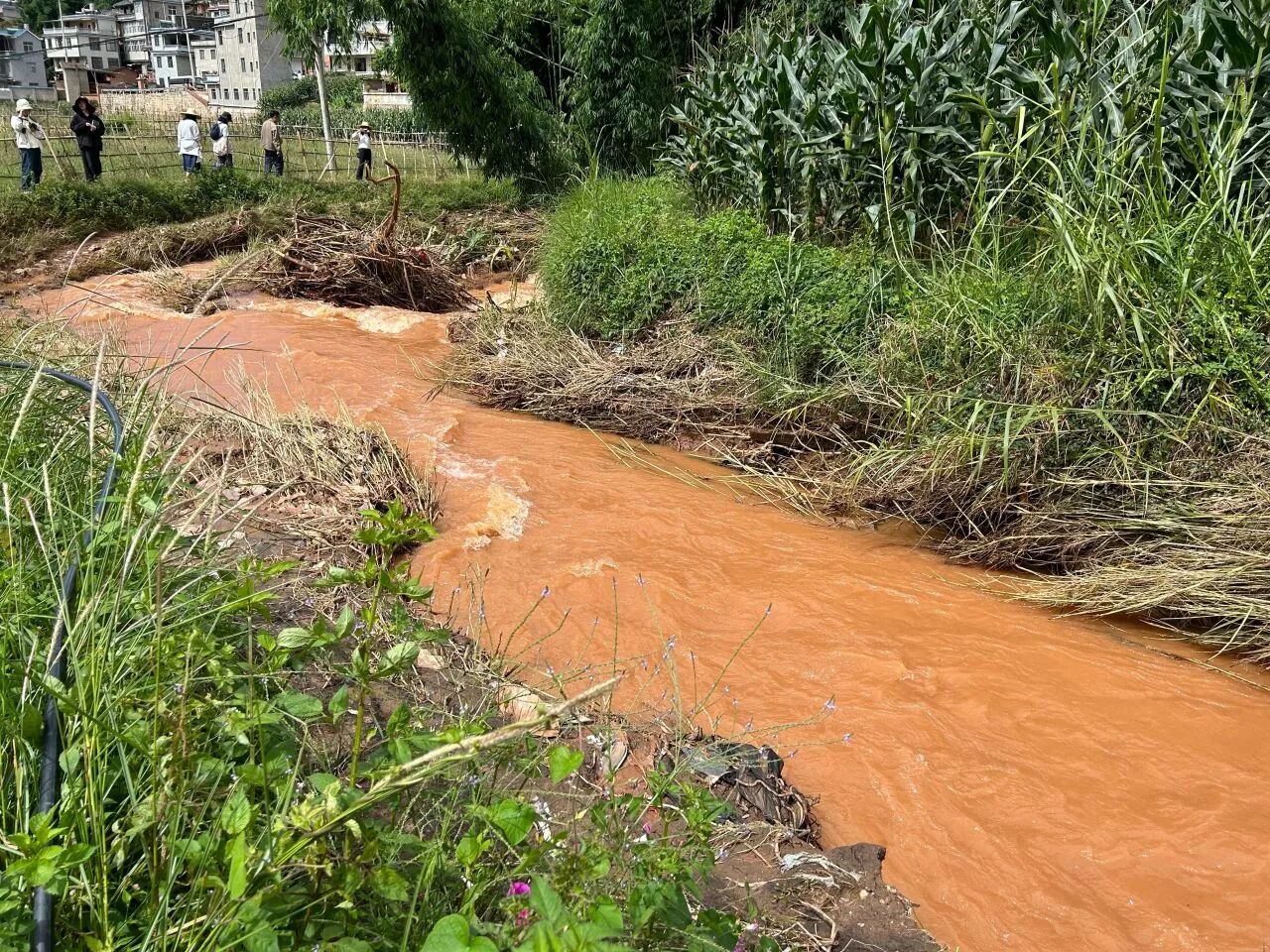
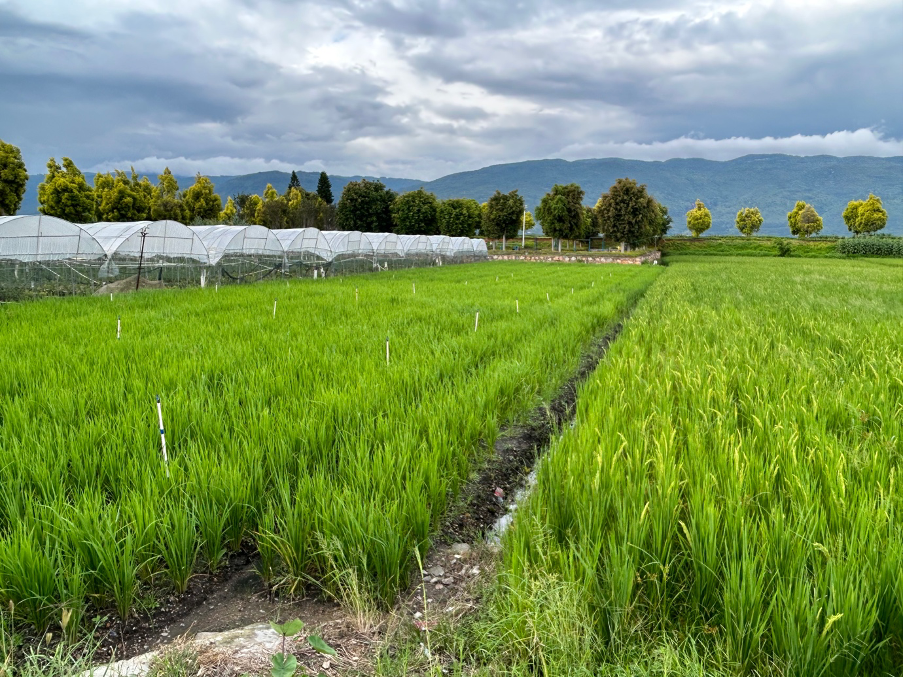
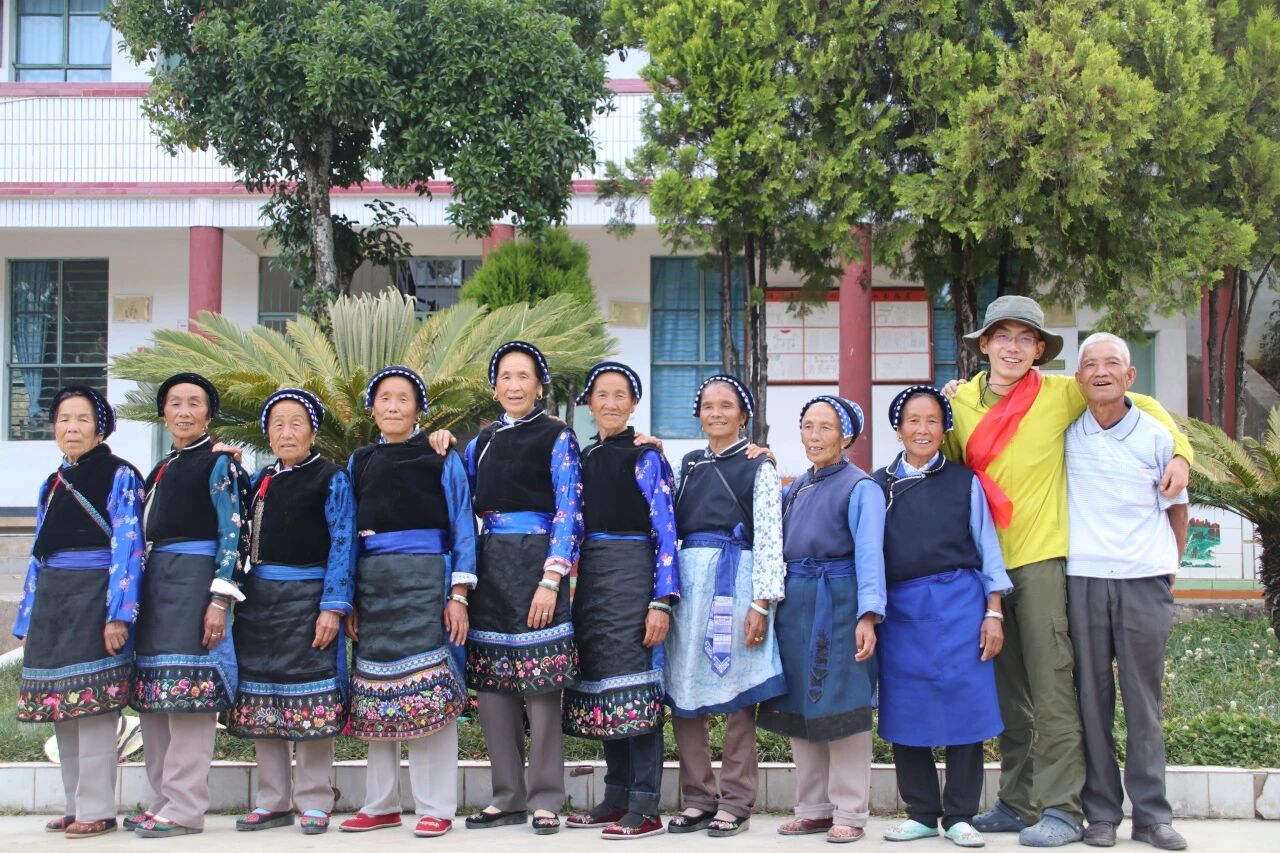
Yunnan Sili Ecological Substitution Technology Center (abbreviated as “Sili Centre”), founded in 2002, works around sustainable agricultural development, carrying out community pesticide risk management, research and extension of ecologically and climate-friendly applied technologies, agricultural biodiversity conservation, and public science outreach. It advances synergistic pollution reduction and carbon mitigation in agriculture, promoting sustainable social and economic utilisation.
Further reading ▼
The weather keeps getting drier — how can we still grow rice?
People have left, the water is running out — who’s growing the rice?
It turns out a band of insects has human food security in its grip
Sort out the basics of rural life before talking about climate change adaptation
Scan the QR code below
to subscribe to the “Food Talk” podcast on Xiaoyuzhou | Ximalaya | Lizhi | Apple Podcasts
Subscribe to the “Food Talk” podcast

Feel free to leave a comment in the comment sections on any podcast platform — we reply from time to time. Scan the QR code below to add Foodthink’s secondary WeChat account, with the note “Food Talk”, to join our podcast listeners’ group chat.

Unless otherwise noted, all images are provided by this episode’s guest
Podcast music: BaNong
Production: Xiaojing
Planning: Tian Le, Pei Dan
Editing: Yuyang
Contact email: [email protected]