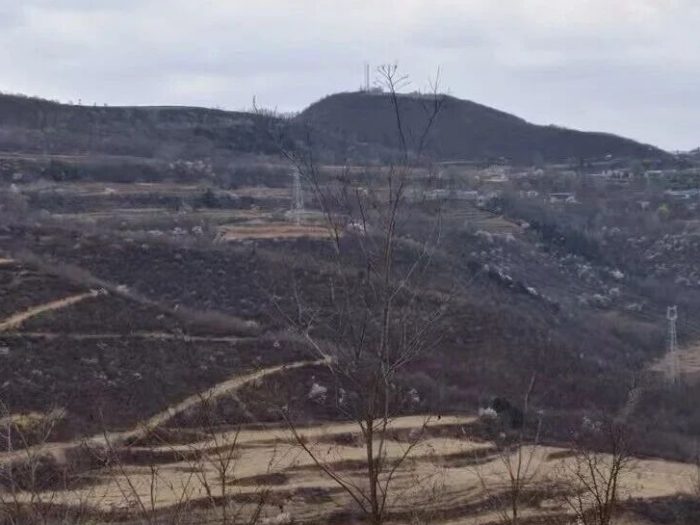
About 20 mu of land that Hongxia and her husband farmed for relatives in Tongchuan, Shaanxi, has been taken back. The more than 100 mu of sloping land they contracted, along with farm machinery worth over 100,000 yuan, now face renewed fragmentation and little chance of stopping the losses.
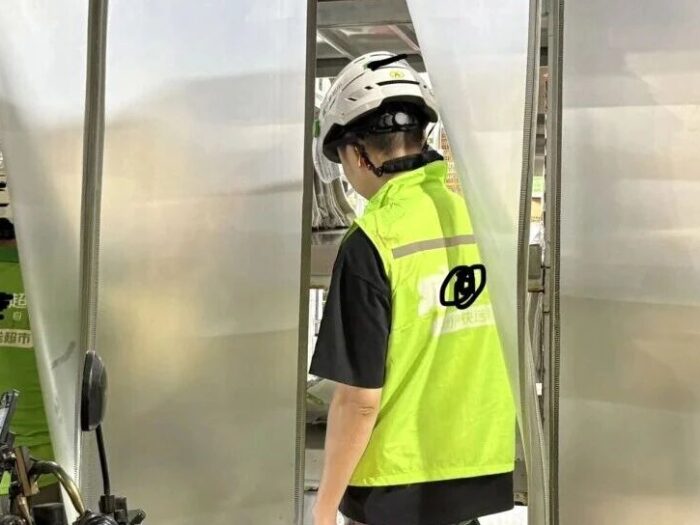
After Hema’s mistaken delivery of daffodil bulbs, Meituan’s Xiaoxiang Supermarket sorters still have to complete an order within three minutes. Cold rooms, climbing shelves and piece-rate deductions make mis-picked or omitted items a structural issue under speedism.
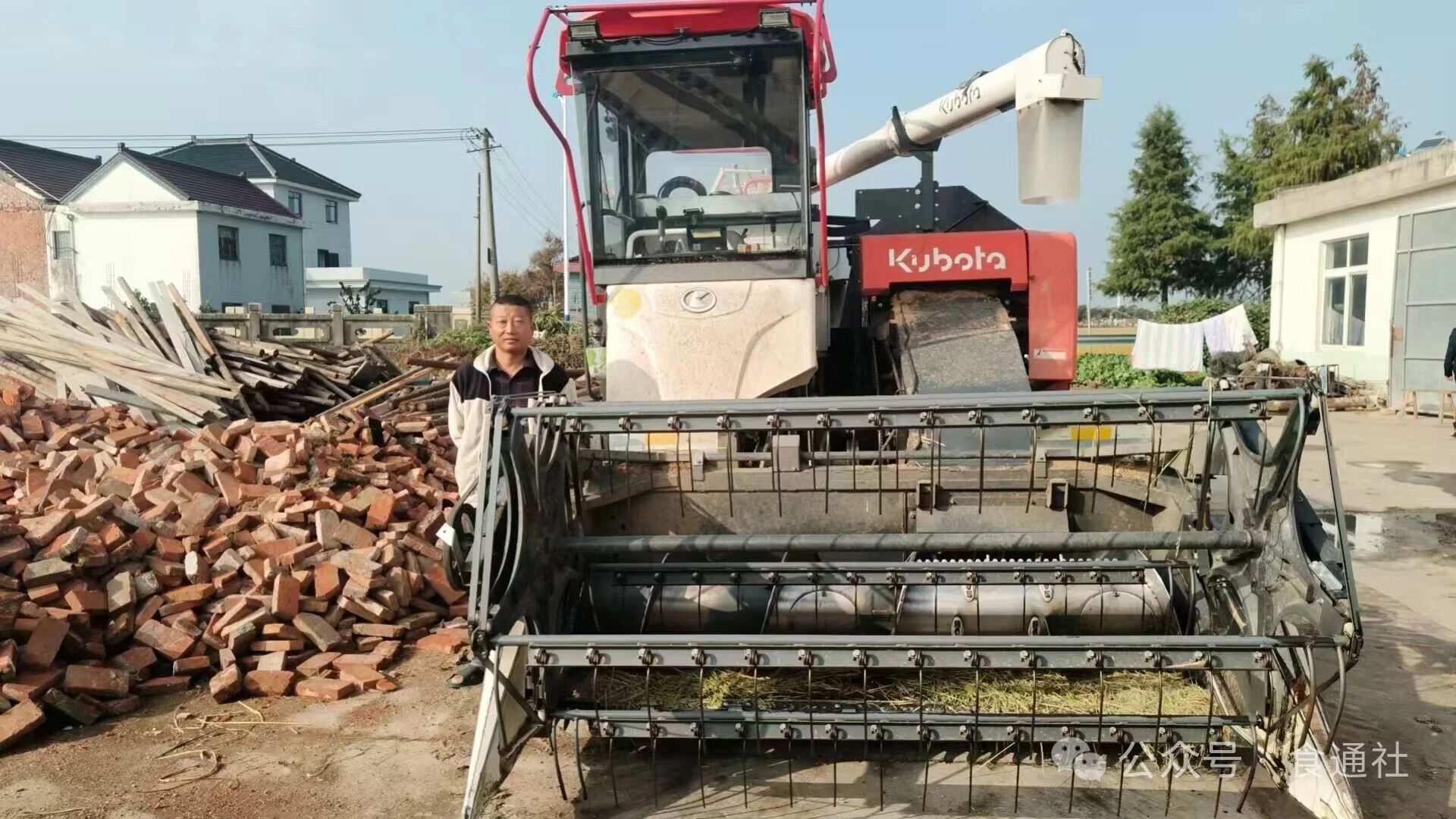
In northern Anhui, old harvesters are being replaced by new machines with large grain hoppers and air conditioning. Bag collectors and workers who spread fertiliser and spray pesticides are losing work, one after another, but high prices leave smart agricultural machinery farther from smallholders.
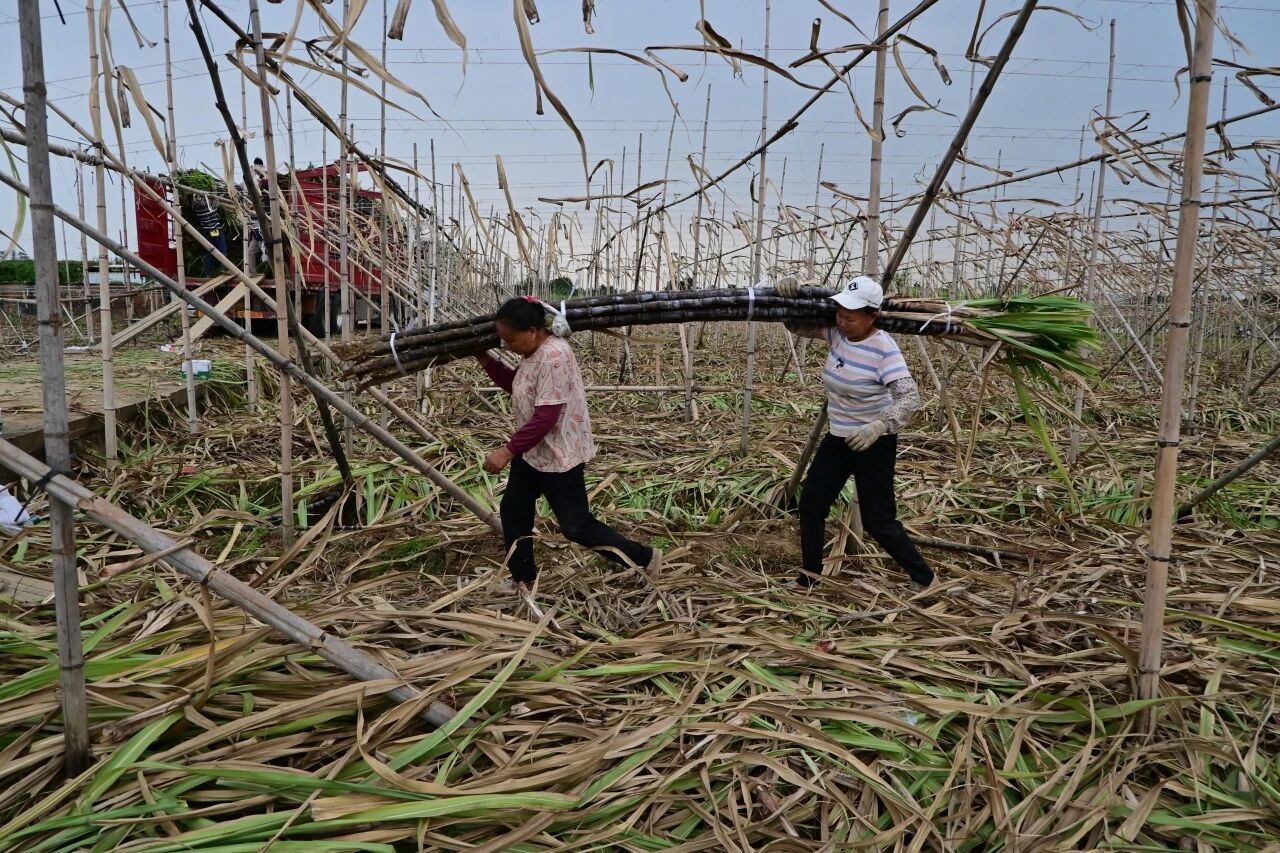
After bananas were cleared out in Nansha, Guangzhou, elderly sugarcane farmers are selling black-skin table cane for one or two yuan a stalk, relying on livestreaming, stalls and cane cutting to recover some costs, but still have to plant next season after losses.
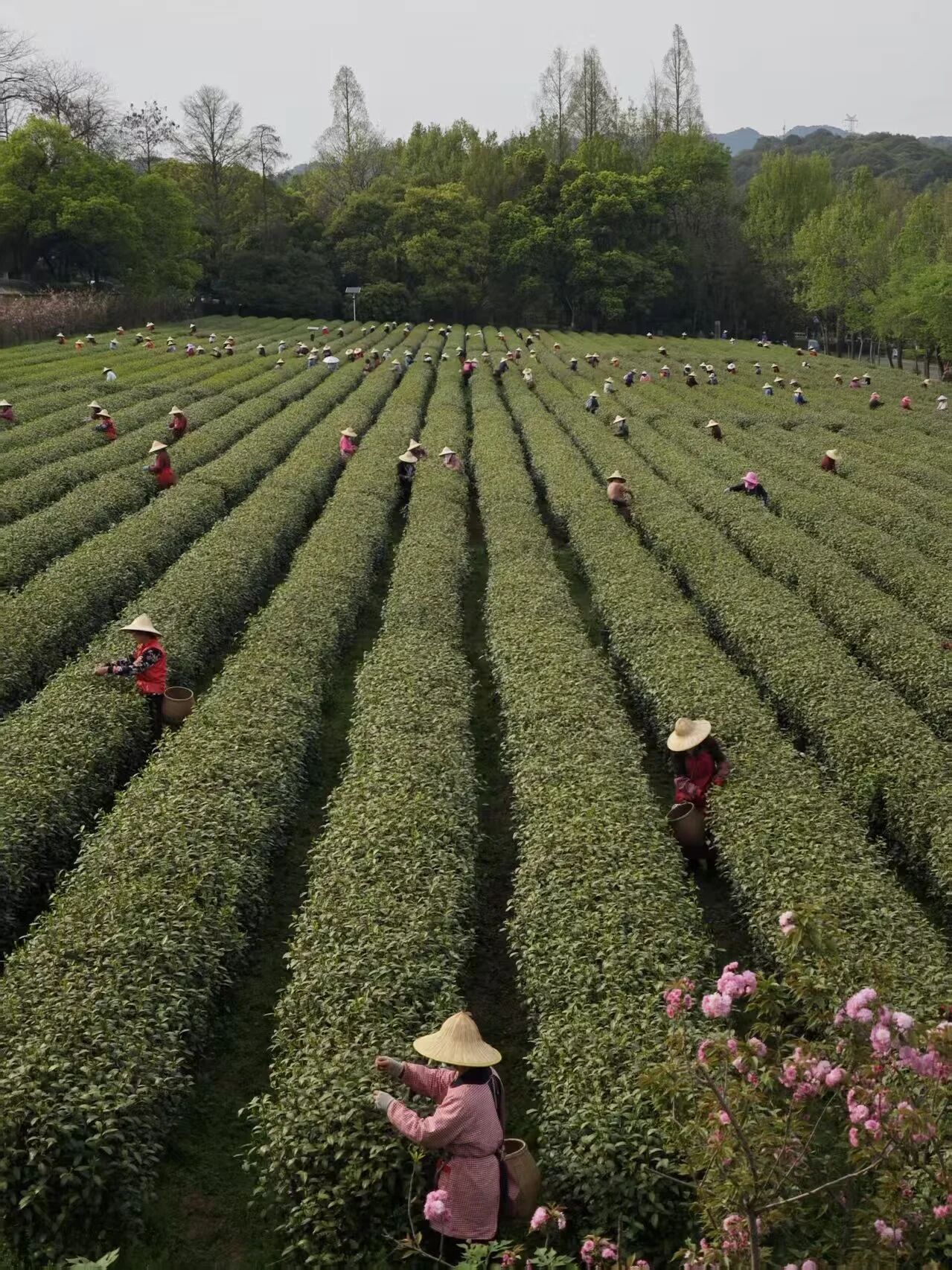
From sugarcane fields in the south, Wuhan rice fields and tea gardens to an insect lab, four agricultural science students, recent graduates or those about to graduate, share their love of crops, the disconnect between agricultural science and real-world farming, and uncertainty about employment.
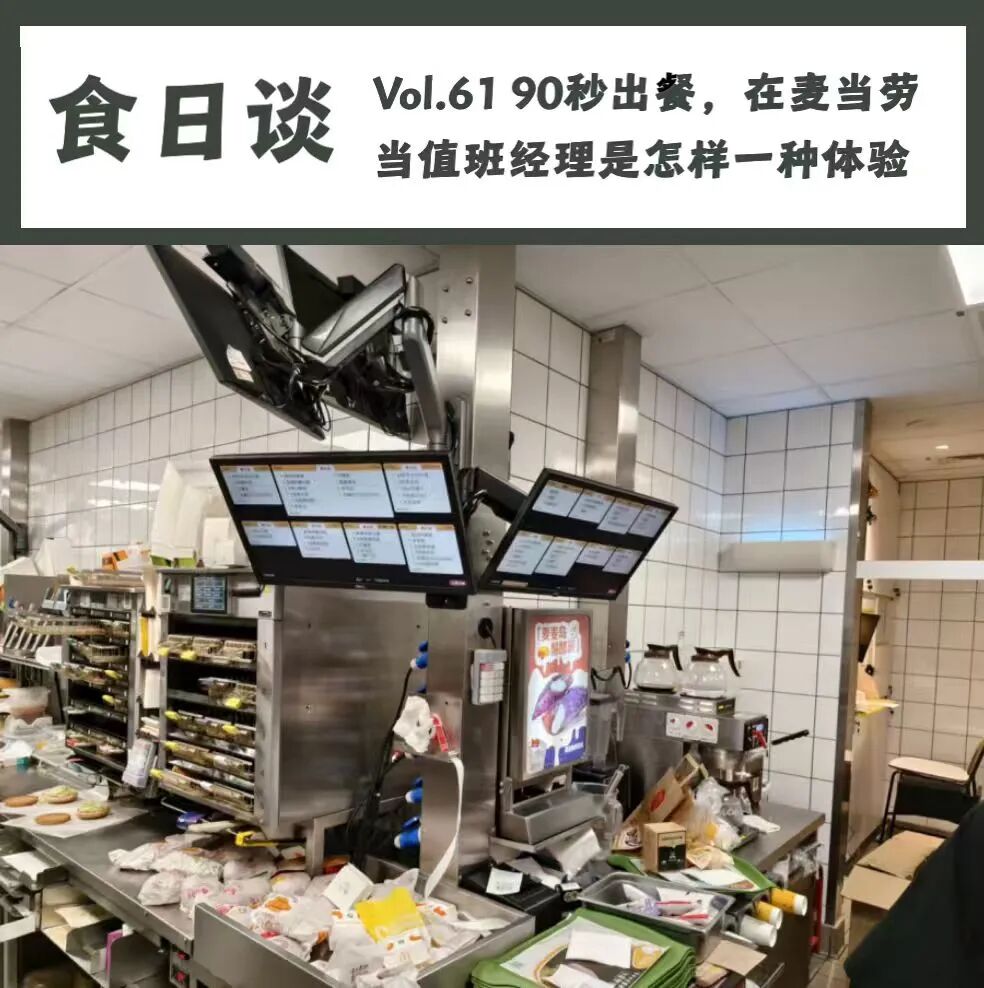
Jiang Ke joined McDonald’s with a passion for studying restaurant operations and served as a shift manager for seven months. From the 90-second service target in the back kitchen to the Smart Production System and shared store manager, she explains how McDonald’s operates like a factory and the pressure employees face.
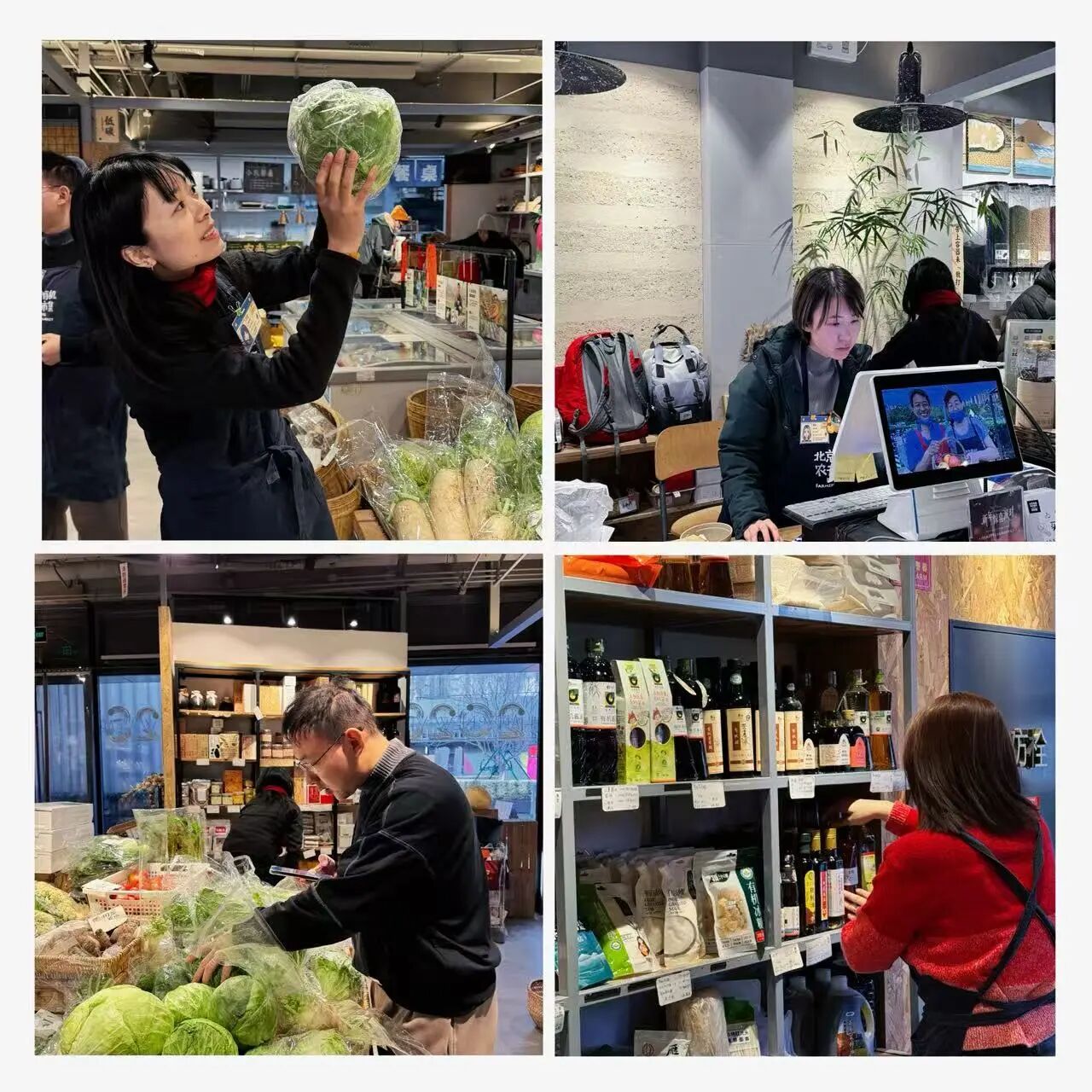
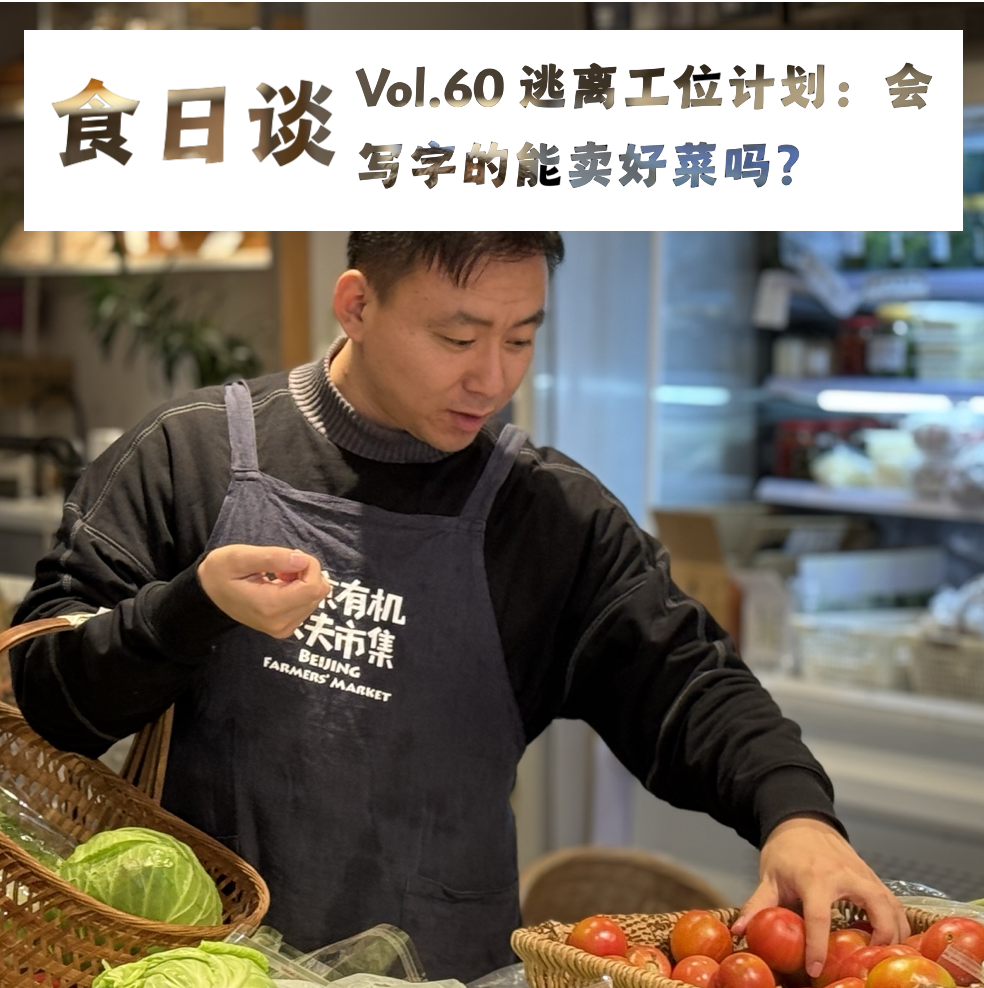
From consumers to shop assistants, eight Foodthink members worked nonstop for 12 hours at Jishi, an ecological organic vegetable shop in Beijing. Identifying produce, packing, live streaming and washing lamb soup bowls, they saw how selling vegetables links in-store service, supply chains and domestic labour.
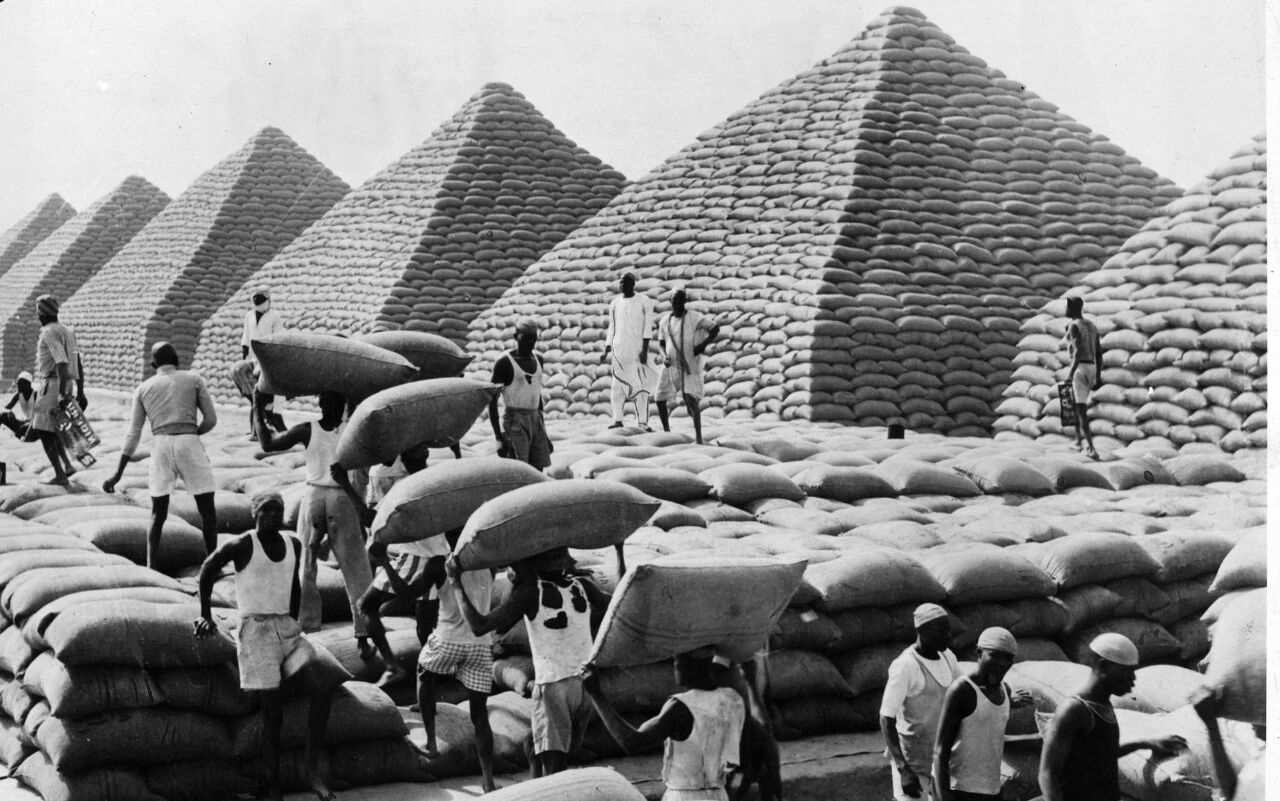
Crop Migration, co-authored by four agricultural historians, including Francesca Bray, presents the migration of crops and the expansion of plantations, bringing into view the ecological costs of large-scale agriculture and the wisdom of care in China’s agricultural traditions.
Huang Chen, a former Caixin assistant editor-in-chief, and Foodthink colleagues Yuyang and Li Ye visit a community ecological vegetable shop in Sanyuanqiao, Beijing, and, while stocking shelves, sorting produce and working the till, rediscover the tangible reality and concrete connection of labour away from screens.
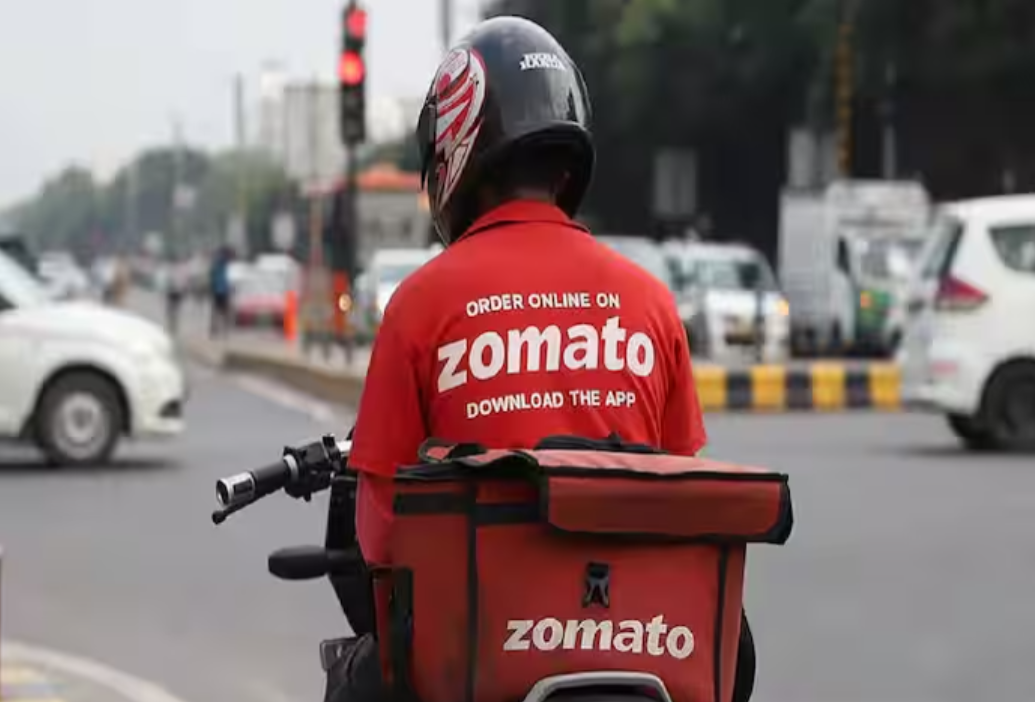
A 40,000-rider stoppage failed to paralyse New Year’s delivery, but exposed platform price suppression, small shop owners joining the rider ranks, and protection gaps, prompting regulatory deliberations in several parts of India.