
In a sixteenth-century manor in western France, a Colombian brother and sister with expired visas were working in exchange for board and lodging and waiting for residency; a month of work exchange made the fantasy of rural life collide with the reality of labour, kindness, and a lack of rights protections.
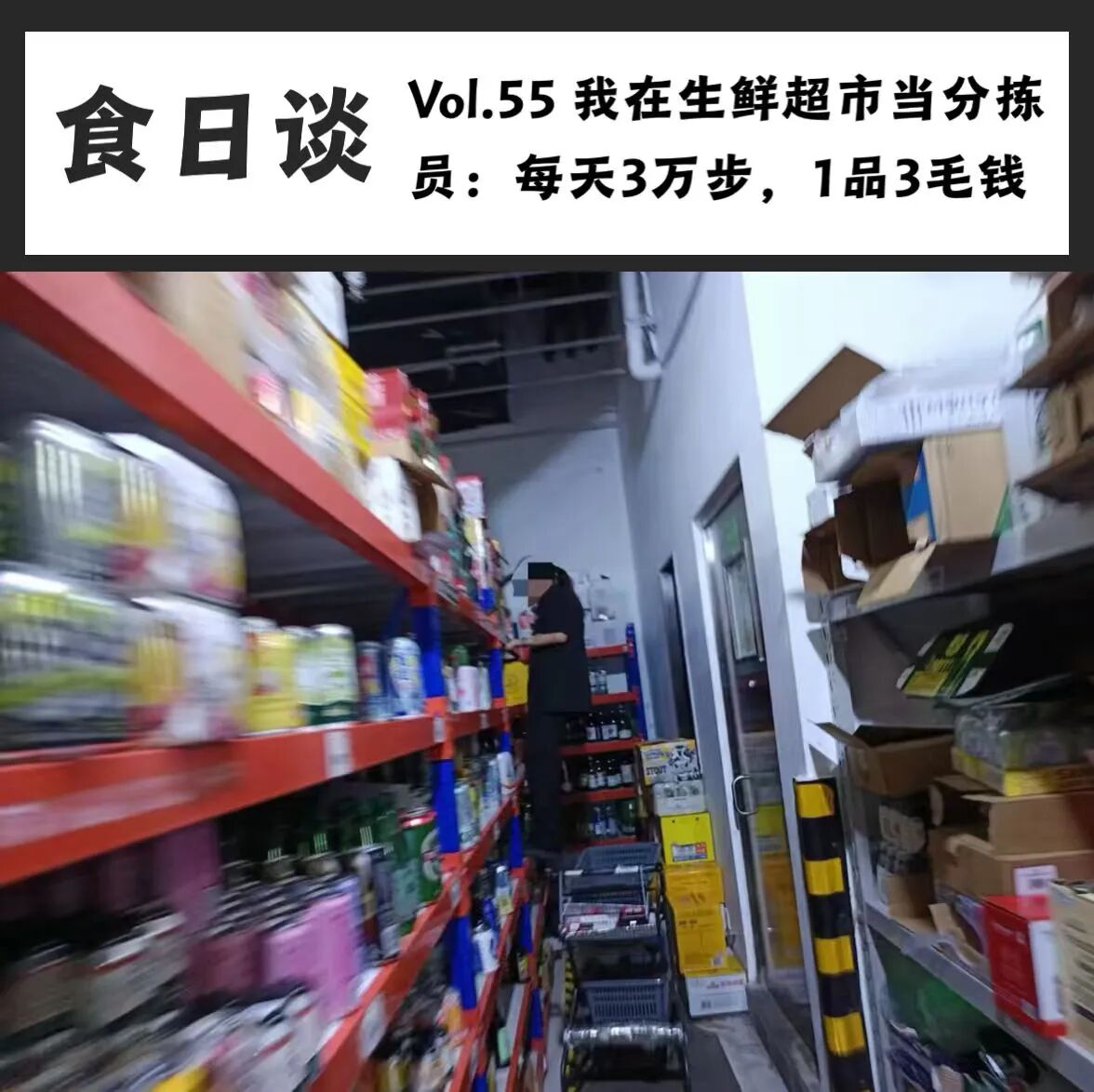
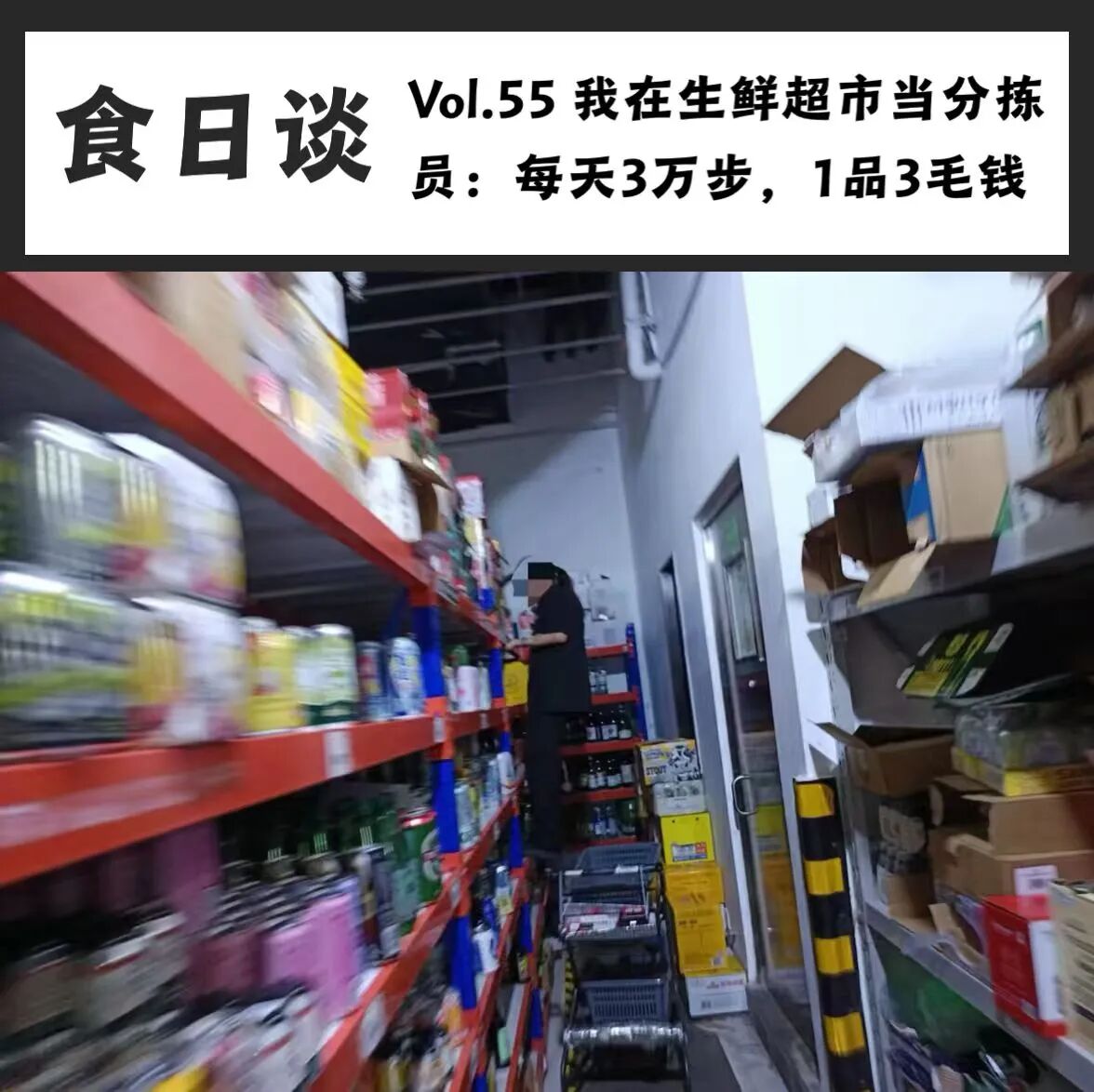
Behind 30-minute delivery, former JD 7Fresh picker He Siqi worked 31 days. He ran 30,000 steps daily, earned just 30 paise per item, had nine minutes per order, faced scolding and fines when late, and sometimes paid his own delivery fee for a supplementary delivery.
Social worker He Siqi, who focuses on workers’ rights, worked for a month as a picker in a JD 7Fresh dark store and experienced PDA countdowns, supervisors’ urging, fines for mistakes, and the algorithmic labour behind ’30-minute delivery’.
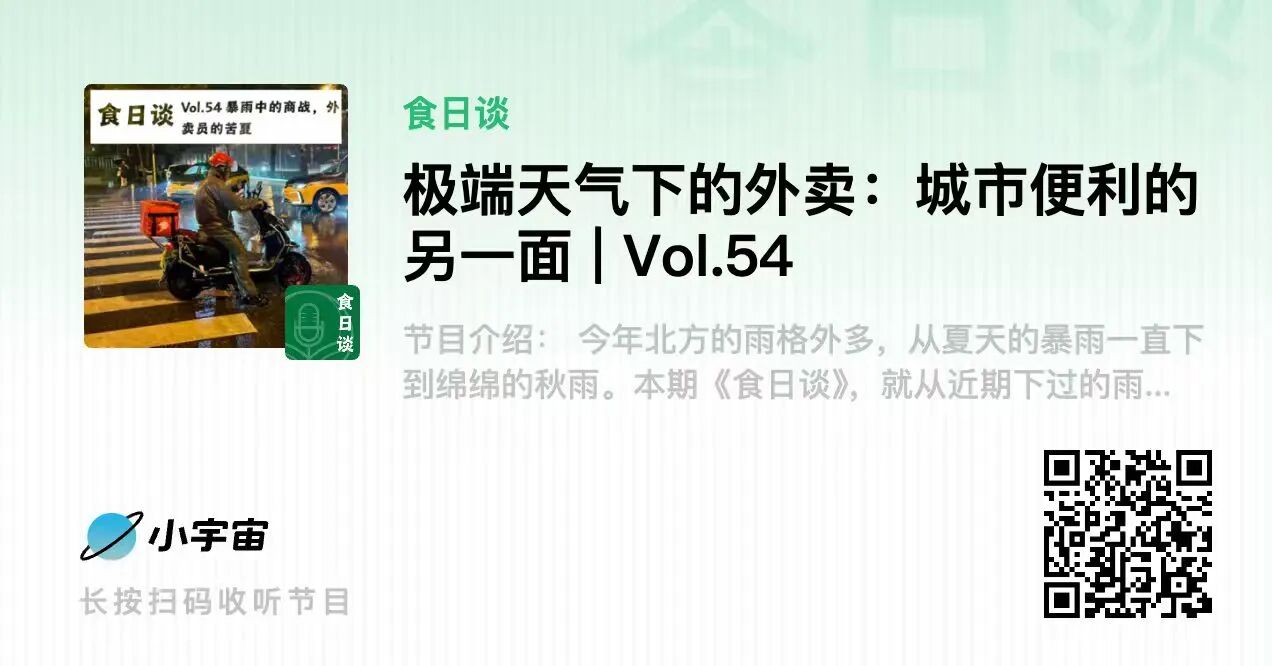
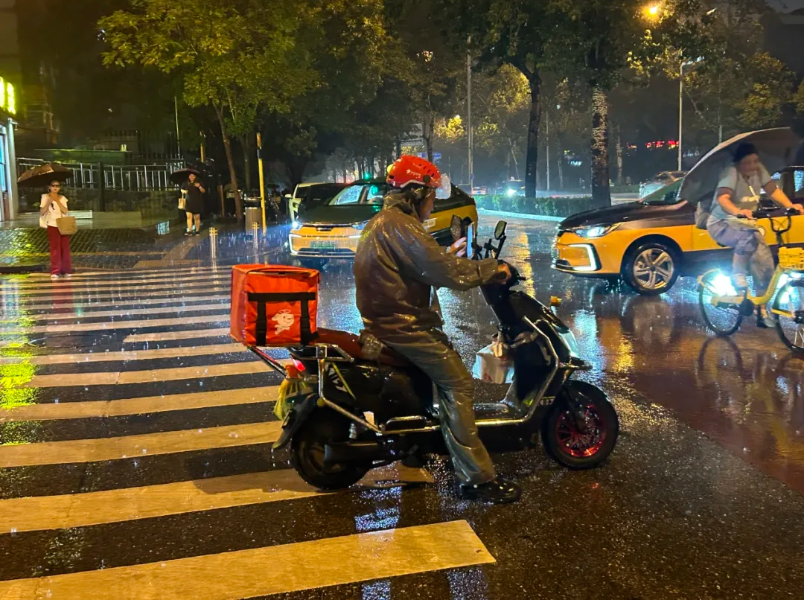
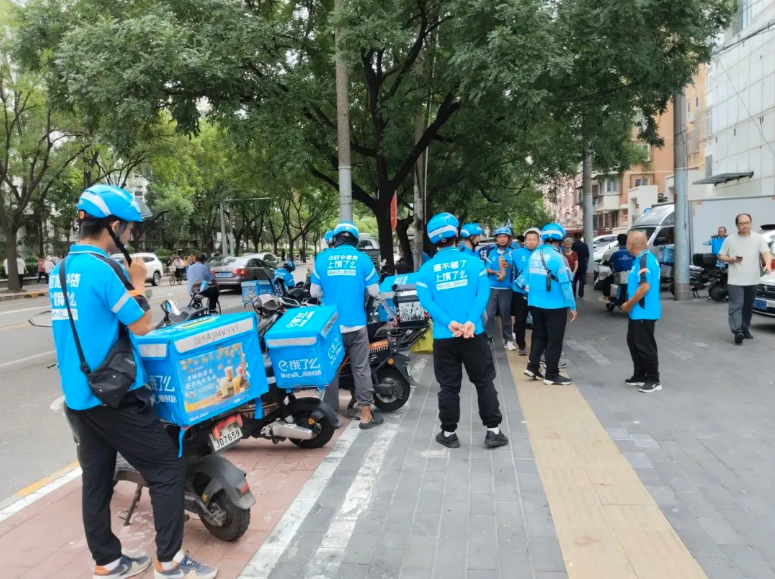
In downpours and scorching heat, delivery riders have no sick leave or circuit breaker mechanism. Delivery platforms shift more risk and pressure onto them with tiered rewards. With wet markets and small shops squeezed, consumers ask who pays for convenience and how to eat slowly.
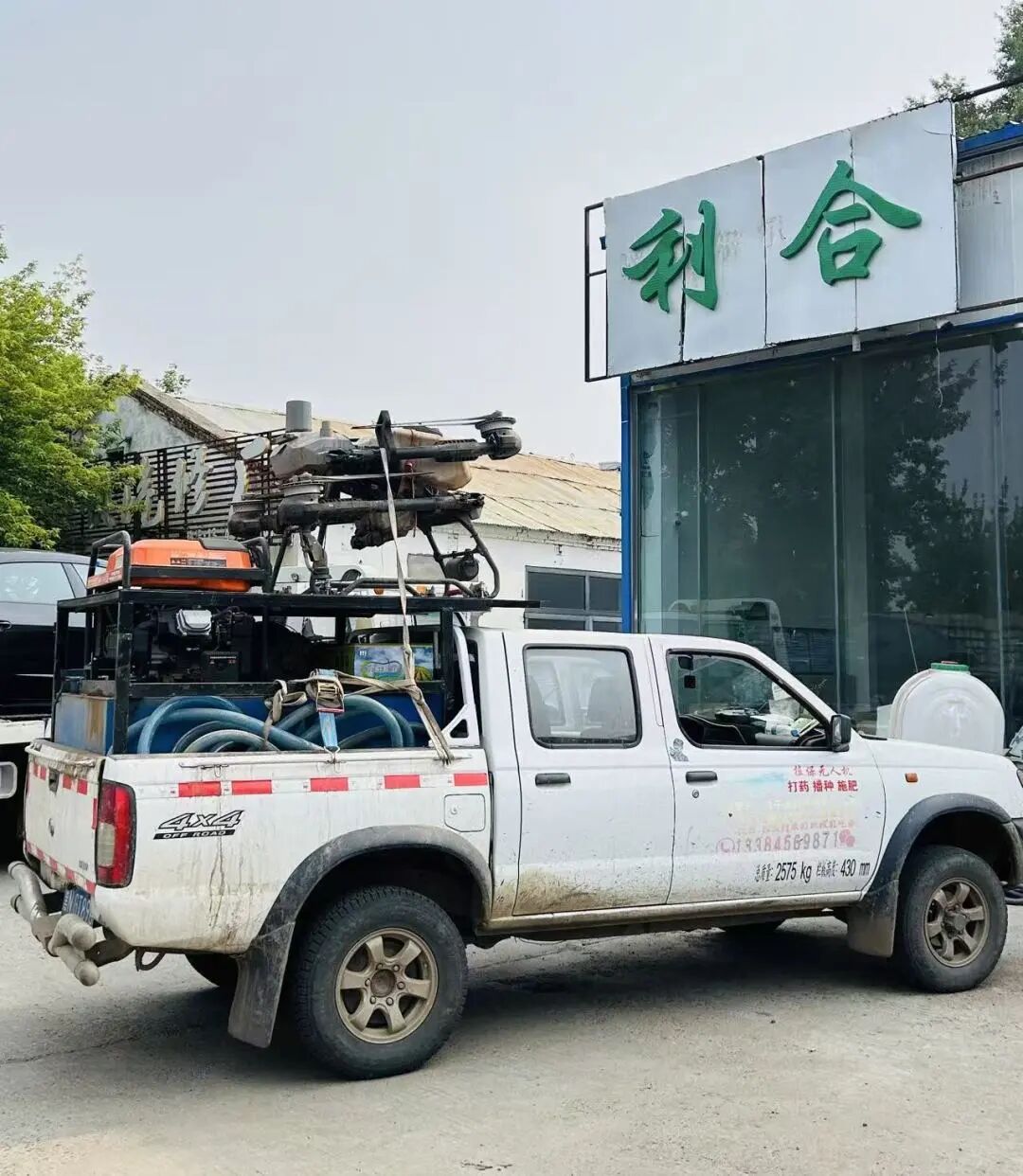
From the rice fields of the Northeast to Hainan’s orchards, cross-region drone pilot Brother Yang, drone-buying farmer Zhao Mingliang, and others are facing falling spray unit prices, pesticide damage disputes and occupational illness risks for which compensation is hard to claim.
Delivery riders take orders in the rain while facing fines and the risk of accidents. A debate over responsibility among consumers, platforms and workers also asks whether platform gig work has become a safety net for the unemployed.
In Beijing’s downpours and heat, Meituan, Ele.me and JD.com riders are pushed to keep showing up by order assignment, fines and subsidy rules, with pain in their feet, water-damaged phones and losses and risks largely borne by themselves.
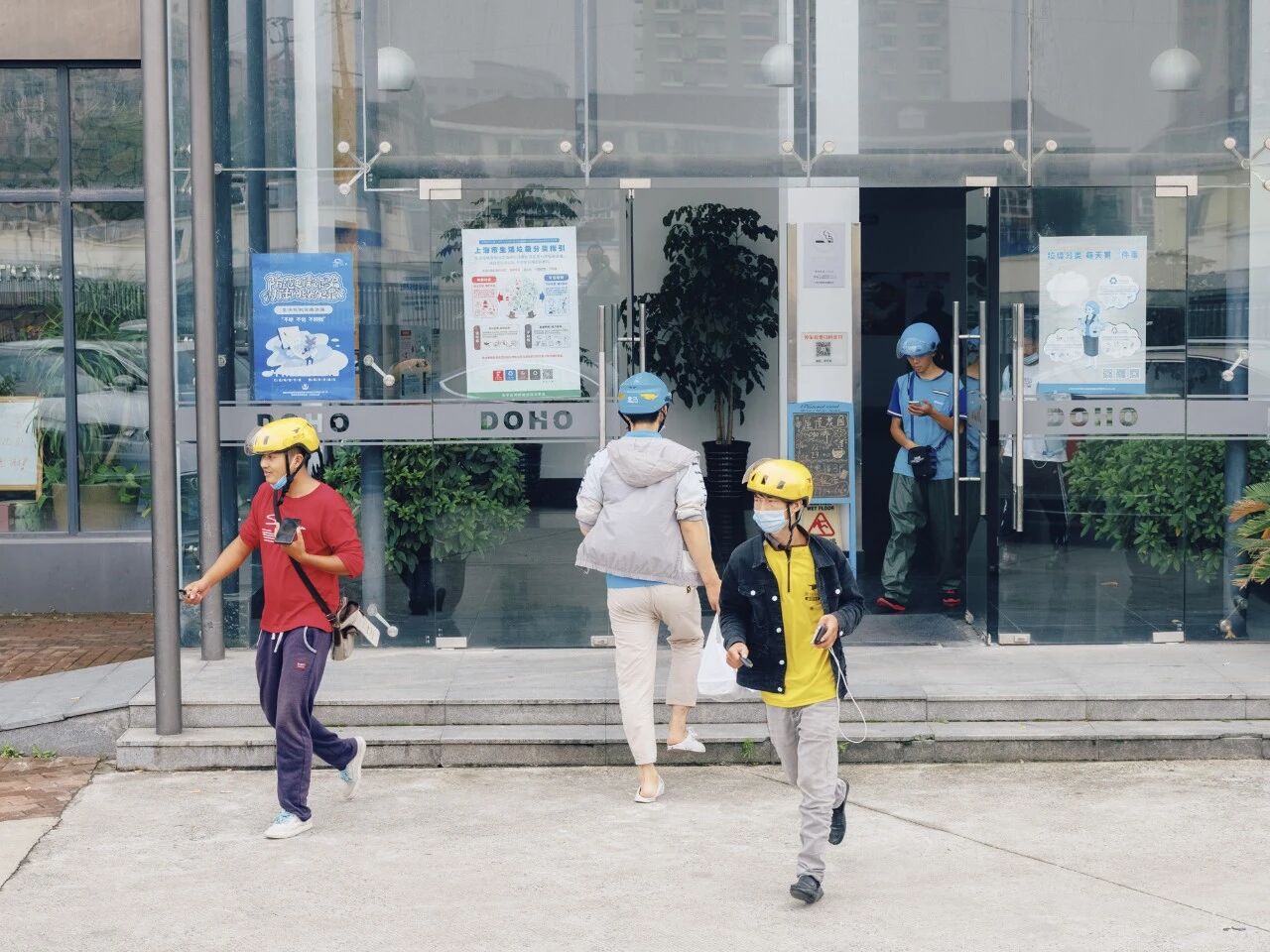
Delivery riders often skip lunch to chase orders or cook noodles on the street, missing their children’s meal times. Stomach ailments, depression and cardiovascular risks of gig work are becoming public-health and labour-protection issues the platform economy must respond to.
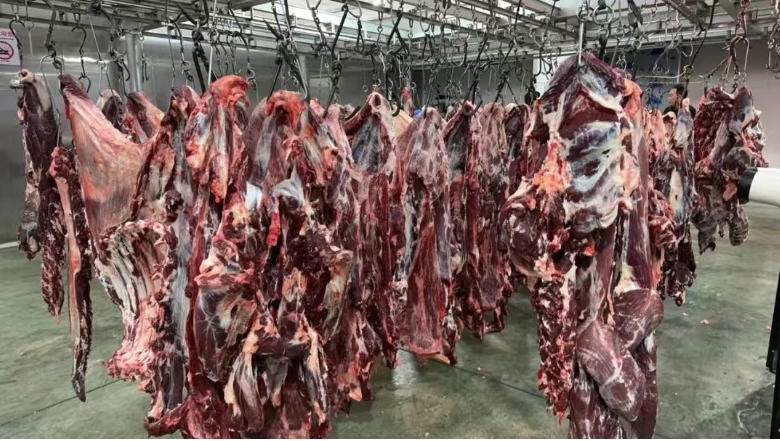
In a small town in eastern Sichuan, at a modern slaughterhouse park invested in by the author’s aunt, cattle and sheep orders, retail cuts and pre-dawn deliveries make up daily life; customer complaints and workshop smells expose how industrialised slaughter is hidden from everyday life.
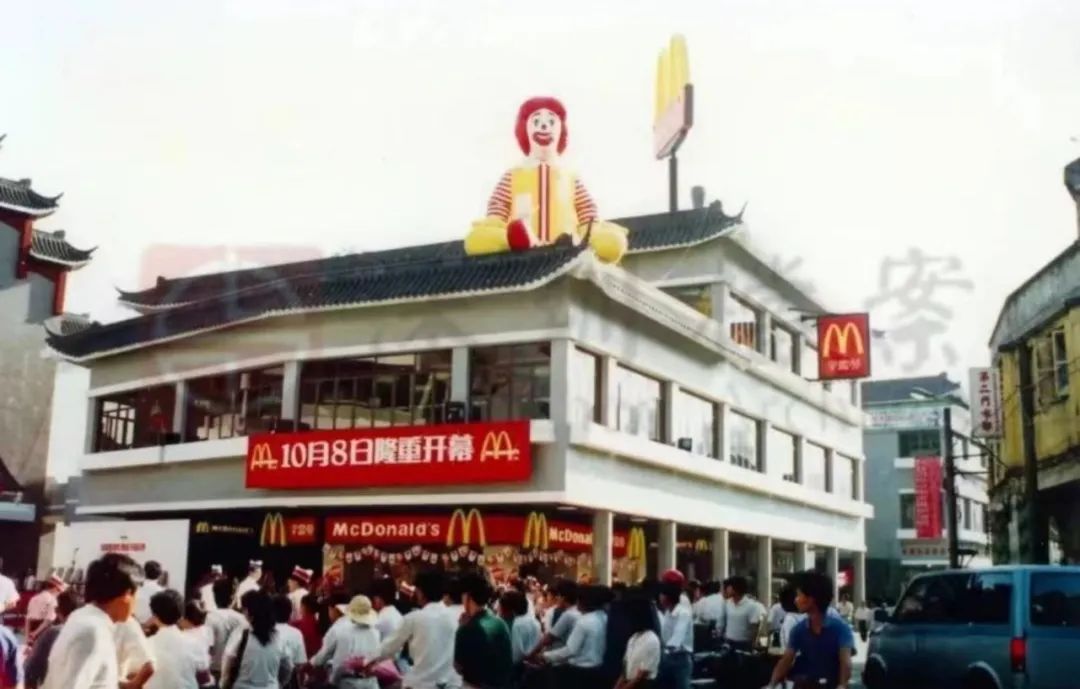
An ordinary employee at a McDonald’s in Shanghai’s Jing’an District earns 19 yuan per hour, rising to 21 yuan only after 1,000 hours. When takeaway orders surge, riders are pressed by the platform, staff are pressed by orders, and leftovers are thrown away after closing.