Over the past two years, Foodthink has received real stories from young people about eating: from being unable to break free of takeaway to community canteens, from “digital pickles” to hands-on fermentation — working people have pieced together their own solutions from the minutiae of daily life.
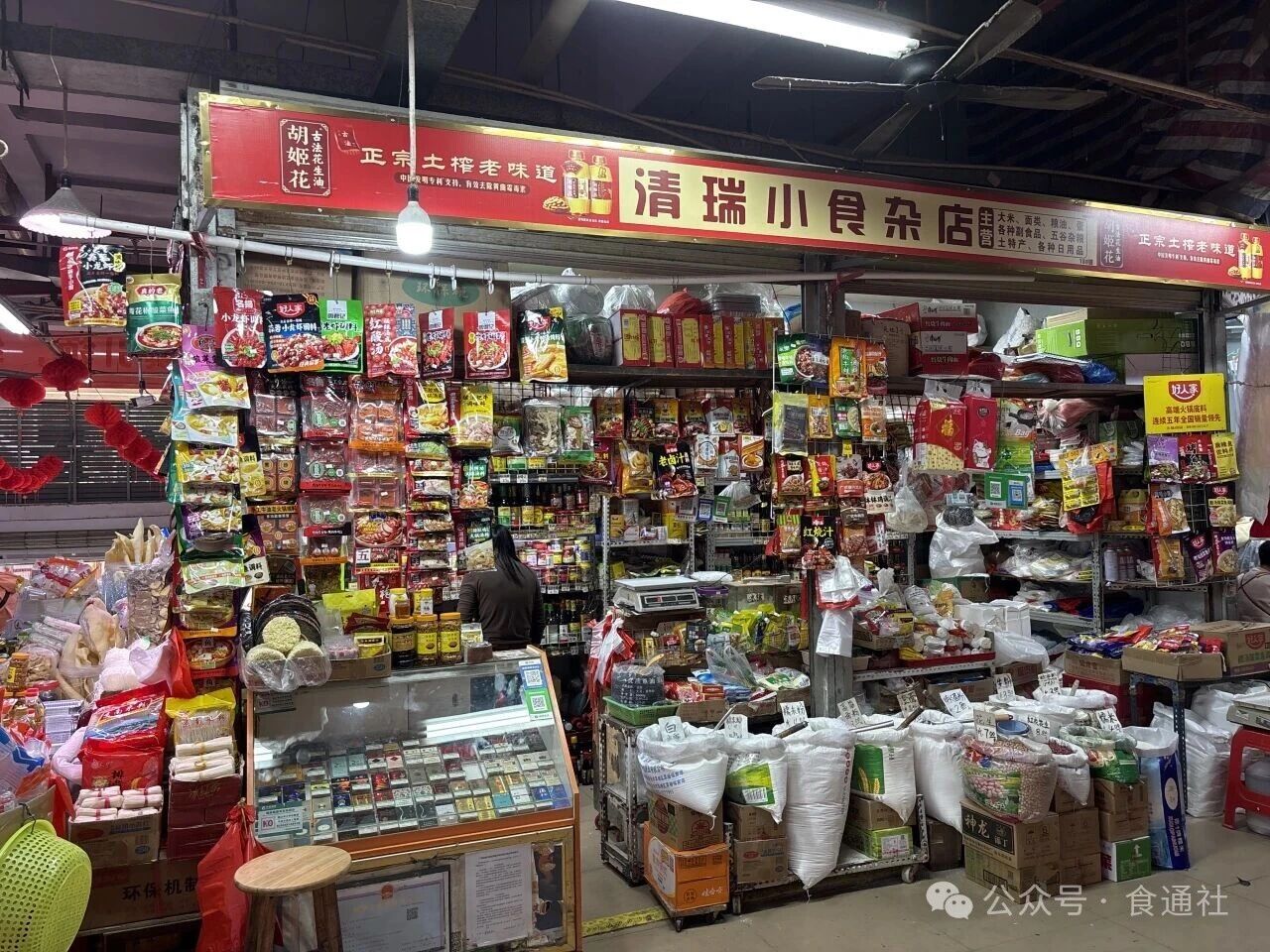
Yijing Market, Wuzhou, Guangxi: Juzi’s grandmother opened the shop with the market in 1995; Juzi’s mother now opens at dawn, portions spices late at night and wins repeat trade by remembering regulars’ tastes, as Wuzhou’s wet markets decline and the small shop awaits its fate.
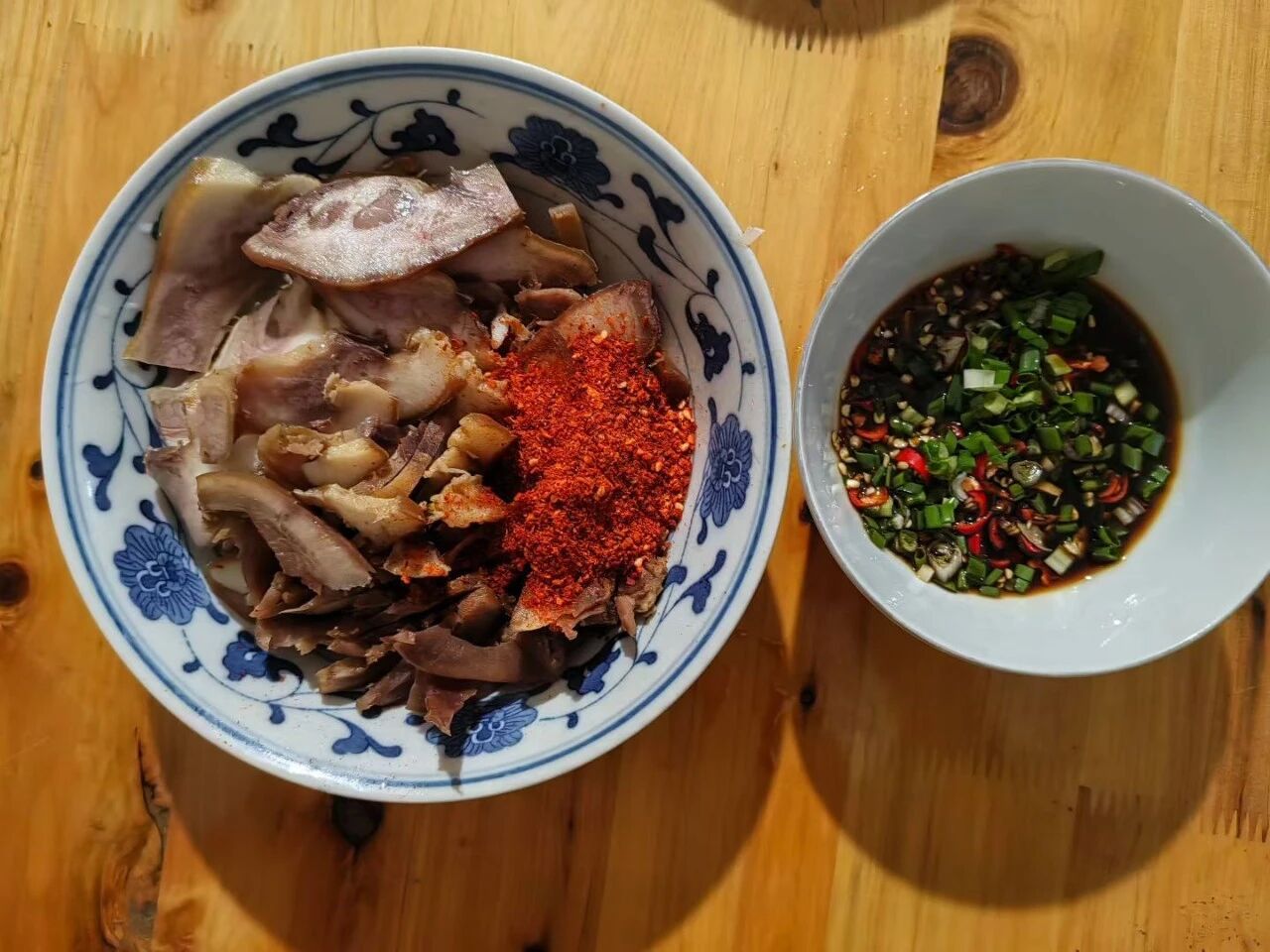
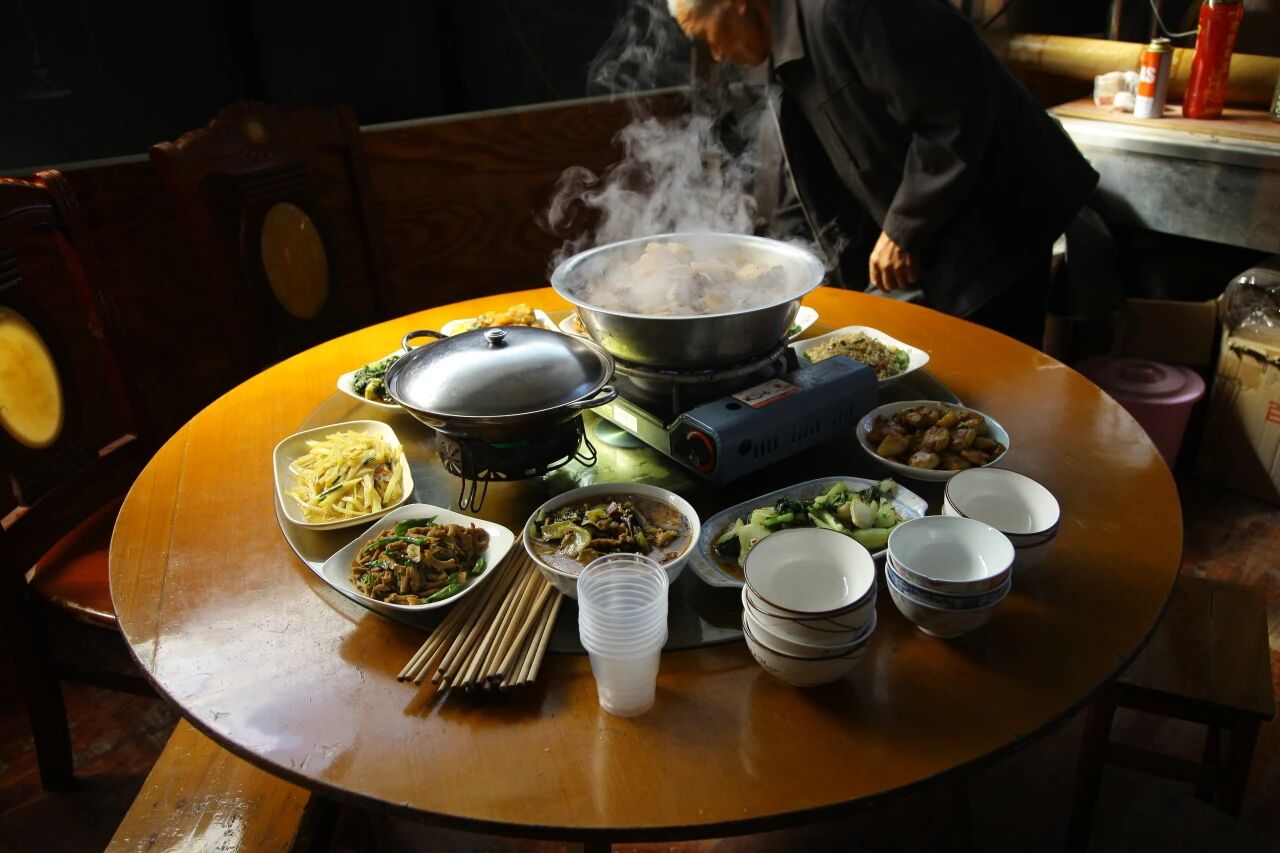
Chinese New Year in Wutong Village, Weiyuan County, Sichuan — under 3,000 residents, all elderly, growing vegetables, keeping hens. Rice steamed on a wood-fired stove, pea shoots pinched from ridges, hills crossed to buy beef tripe and aortic arch in the county town — five hours from rod to table.
Once the Start of Winter passes, Songyang dries starch, hangs persimmons, sets up wine vats for New Year’s Eve: Sister Zhuhua has steamed cakes for nearly thirty years; Xu Yeyin tends a hundred jin of glutinous rice into red yeast rice wine; Songzhuang’s feast begins, as ever, before breakfast.
On 7 February, Foodthink’s editorial team takes over the Jishi grocery shop in Sanyuanqiao for 12 hours — with a year-end review, a sharing session on selling produce as a method, a Chinese New Year provisions livestream, and a documentary-and-lamb-broth dinner, in person and online.
From two bundles of Chinese leeks picked up at the big rural market, Uncle Li has spent over twenty years saving seed and selecting, coaxing a white shank longer, whiter, and better able to weather the torrential rain and floods of the Beijing suburbs.
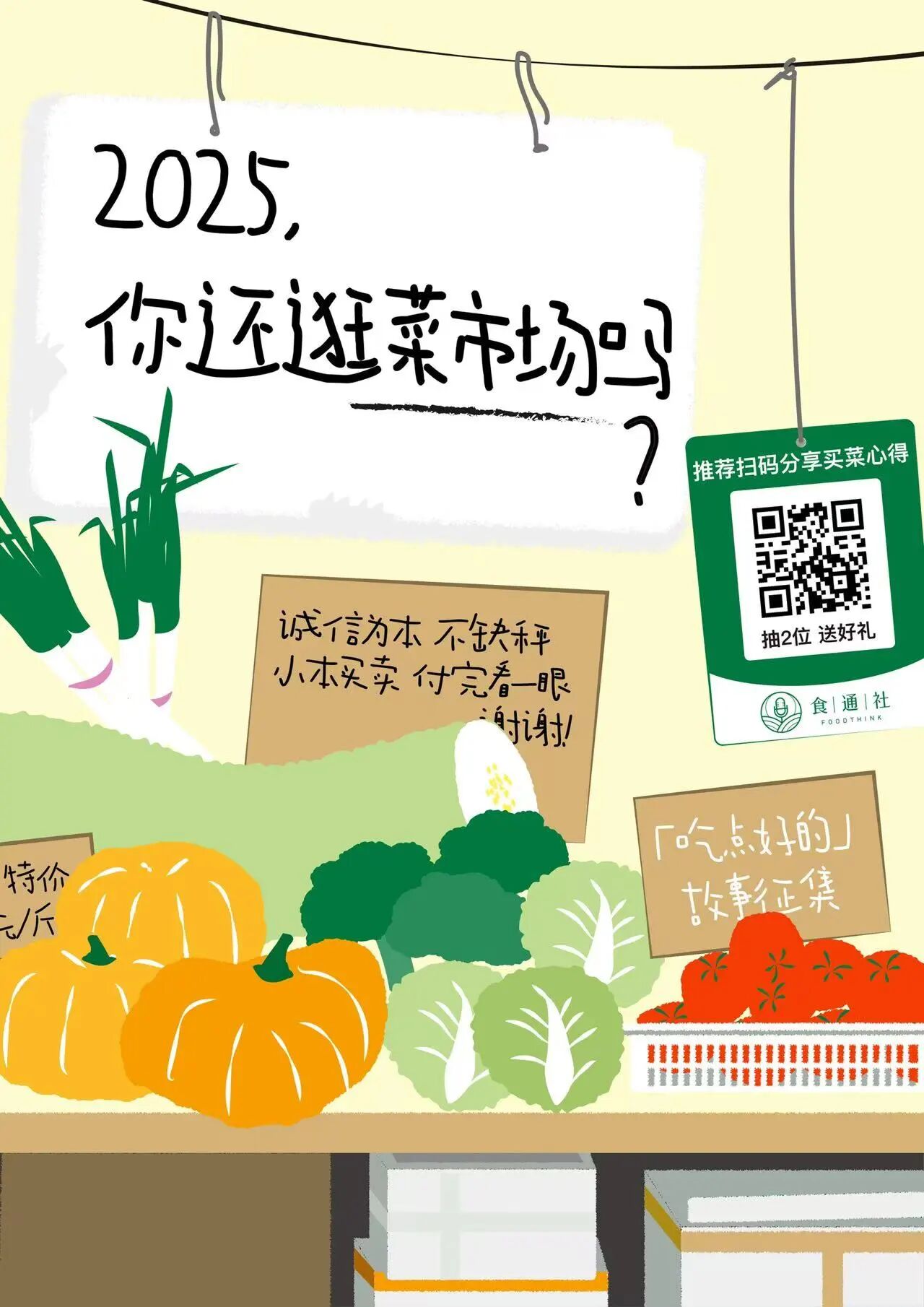
From Beijing, Guangzhou, and Kunming to Chiang Mai and Florida, readers share their days browsing the wet market: which stall has the tastiest tomatoes, how to strike up a chat with the vegetable auntie, and why the white-tiled stalls have fallen empty.
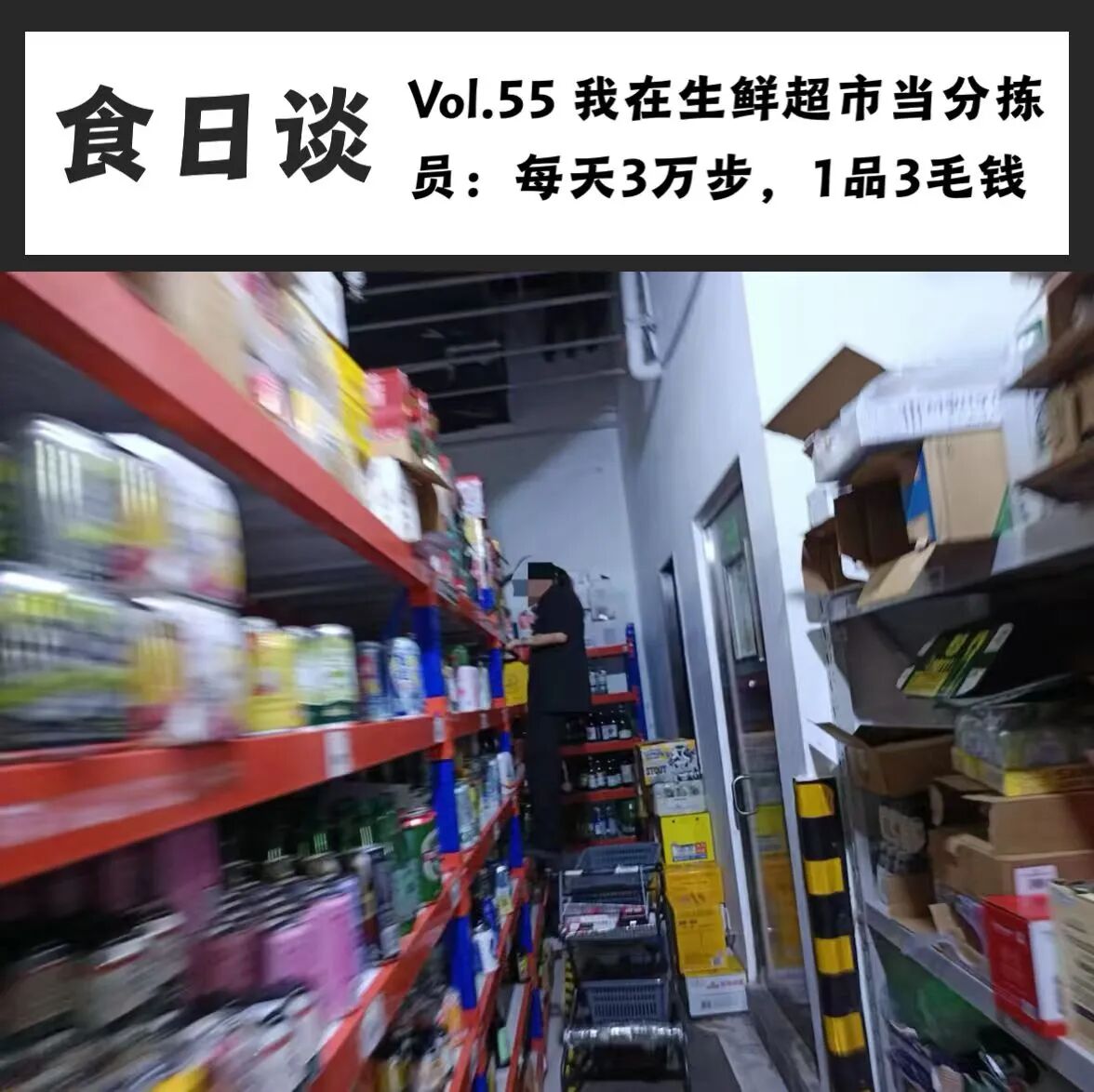
Behind 30-minute delivery, former JD 7Fresh picker He Siqi worked 31 days. He ran 30,000 steps daily, earned just 30 paise per item, had nine minutes per order, faced scolding and fines when late, and sometimes paid his own delivery fee for a supplementary delivery.
No weather allowance, and fines for not clocking in – the platform’s “tiered reward” scheme pushes risk onto riders. On downpour days there is no circuit breaker; the city’s convenience never pauses, only a person’s safety does.
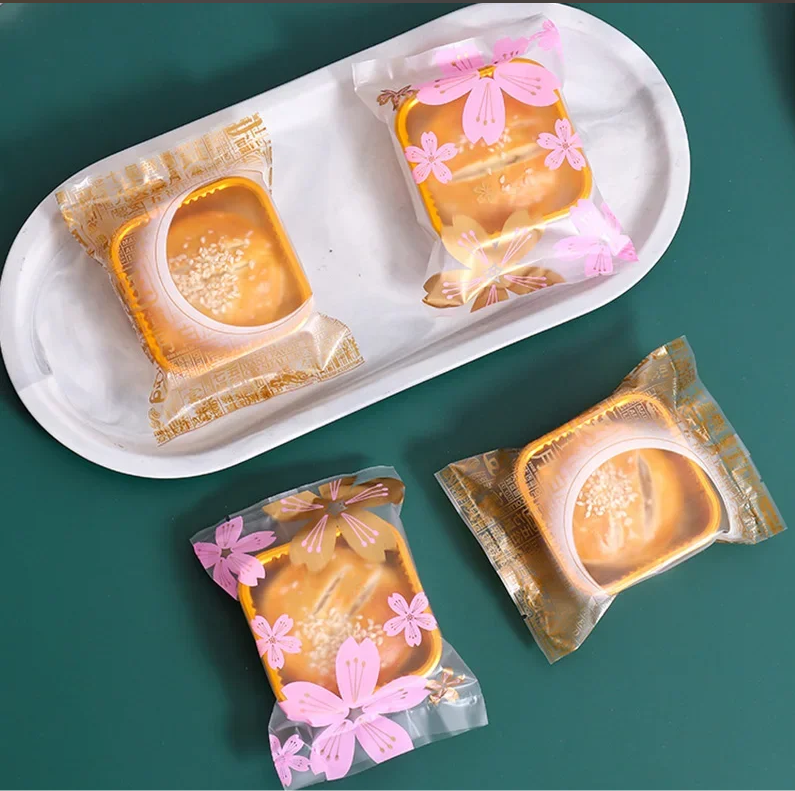
From food delivery containers and courier parcels to mooncake gift boxes, people document the layers of plastic wound around everyday life and share tips on reuse, bringing your own containers, and finding recycling points to cut back on plastic.