
Plastic Life, Trapped in Excessive Packaging
Foodthink Says
“Eat Well” is about more than just putting good food on our plates; it is also about safeguarding our planet’s ecology, so that we can move closer to true physical and mental well-being. This edition of “Eat Something Good” has collected many readers’ complaints about excessive plastic packaging on food, along with tips and tricks for recycling or cutting back on plastic use.
Some people say that waste incineration plants have recently been running short of waste to burn — is it even worth worrying about plastic waste anymore? In fact, the shortage of waste for incineration is not because waste has decreased, but because China’s incineration capacity has surged, leaving plants short of material to burn.
Moreover, whether plastic packaging is binned and sent to a landfill or incinerator, or scattered across mountains and seas before finding its way back to our dinner tables through the food chain, it inflicts enormous harm on both people and nature. Ultimately, the solution must begin at the source: reducing our plastic consumption.
For a long time now, the “use-and-dispose” lifestyle has plunged humanity and plastic into a “toxic relationship we cannot quit”. Our daily lives are saturated with excessive plastic packaging that clings to food and proliferates out of control. Confronted with layer upon layer of plastic wrapped around food deliveries, vegetables, and pastries, people feel disgust or anger — but more often than not, they feel a profound bewilderment and helplessness: “This excess plastic is not what I wanted, so why does it still exist?”

Plastic Delivery, Plastic Life

@叹息的复读机 (Male, 37, Daqing): I clearly specified “no cutlery” when I placed my order, yet they still send some. Please actually pay attention to what customers are asking for! Stop blindly sending low-quality disposable cutlery wrapped in plastic bags.
@山竹 (Female, 39, Kaifeng): Food delivery packaging is even more convoluted than getting takeaway from a regular restaurant. The food is placed in a plastic container, wrapped in cling film to prevent any soup from spilling, and then encased in yet another plastic bag on the outside.
@lmt (Male, 29): For breakfast I like ordering egg-stuffed pancakes from a certain shop. They’re absolutely delicious, but every time I see that the egg-stuffed pancakes, which could just as easily go straight into a paper bag, are also slipped into a plastic bag, it feels incredibly off, as if someone were wearing a coat under a T-shirt. I understand — slipping on a plastic bag makes customers feel the food hasn’t been soiled during delivery. But why not just seal it up properly in a paper bag?

@北极熊 (Female, 36, Jinhua): The disposable gloves and little sauce containers that come with food deliveries are absolutely over the top.
Plastic Waste Behind the Shopping Frenzy
@LTT (Female, 30, Beijing): When shopping on e-commerce platforms, long-distance shipping means there’s bound to be a lot of plastic packaging — bubble bags for shock absorption, clear tape, and so on. If we eat local, buy local, and cut back on transport, plastic packaging would naturally decrease as well.
@白日梦: I bought some strawberries from a livestream shop, and they just arrived. I peeled back the packaging — six layers, piled all over the floor. I get that strawberries are fragile and easy to bruise, but isn’t this a bit excessive? The strawberries themselves are delicious, but unwrapping all that packaging gave me an oddly strong sense of environmental guilt. I’m not buying strawberries that require small-parcel shipping online anymore.

Endless Matryoshka Gift Box Packaging
@花花 (Female, Xi’an): If you buy a mooncake gift box these days, you’ll find the packaging is like a Matryoshka: gift bag → mooncake gift box → plastic dividers inside the box → individual mooncake paper boxes → individual mooncake plastic wrapping → individual small plastic dividers for each mooncake. All that plastic packaging is bound to cause environmental pollution, and it keeps driving up the price of mooncakes.
@志超 (Male, 38, Beijing, initiator of the “Postman Slow Delivery” event): A mooncake comes in a big box. Inside the box there’s a smaller package, and inside that smaller package there’s a tray… Of course, it could equally be that the tray is inside the smaller package.
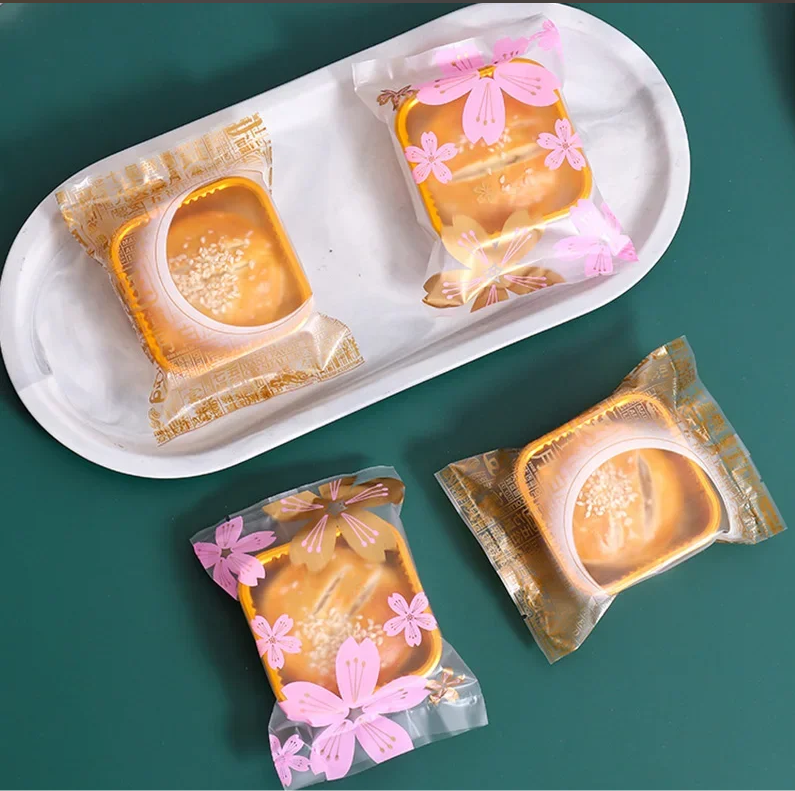
@wxy: From April 2017 to November 2019, I worked at a food company. One year, I convinced the product manager to try reducing the packaging on a bestselling mooncake gift box, only for sales to suffer as a result. The day before Mid-Autumn Festival, we had no choice but to open up the outer packaging and sell the mooncakes individually. A large share of mooncake gift box purchases are made by companies for employee welfare and client appreciation, where there is a strong demand for a presentable exterior and a sense of “value” — even with a price discount, customers simply would not buy…
Cucumbers Trapped in Cling Film

@山竹 (Female, 39, Kaifeng): When I go to the morning market to buy vegetables, I get a plastic bag for every single item. Every morning I carry home a heap of vegetables, meat, and eggs, all in plastic bags.
@LTT (Female, 30, Beijing): Fruit is definitely the hardest hit, and it varies by type. Strawberries are certainly layered with packaging — plastic film, plastic trays, foam paper, every non-recyclable material gets used. Apples, pears, watermelons, and durians are comparatively “tough.” Citrus fruits used to be mostly unsealed, but now they’re gradually becoming one fruit wrapped in one plastic bag. Here’s a “Cui Mi kumquat” I spotted in a supermarket in Beijing. A tiny little one, but each one seems to be sealed in its own shell like a “dragon pearl.” A glance around and it’s a whole ocean of shimmering plastic. Later I spotted “Cui Mi kumquat” at another supermarket, this time in different packaging — wrapped in a golden, foil-like paper. Still just a tiny little one. Placed in a gift box, they look like coffee capsules, like qing gan pu-erh, like any high-end item you’d expect in a gift box — you just can’t guess that it’s a single kumquat.

@志超 (Male, 38, Beijing, initiator of the “Postman Slow Delivery” event): When buying vegetables in a supermarket, the price label has to be stuck on the bag, which means every vegetable needs its own plastic bag. And then there’s the Cui Mi kumquat I see in supermarkets — individually wrapped in tiny bags, then sealed in plastic film inside a plastic tray.

@吴晓歪 (Female, 44, Xiamen, author of the <em>Zero-Waste Event Guide</em>): I now cook at home two-thirds of the time and eat out one-third, but I mainly rely on Sam’s Club and Pupu’s dark stores, so inevitably there will be some plastic bags, plastic packaging for fresh produce, and insulated bags and ice packs for frozen items.
@紫菜蛋花汤 (Female): When shopping in a supermarket, I’m always puzzled as to why perfectly good cucumbers have to go in a plastic tray and then be wrapped in cling film? You might not see this at a wet market, but virtually every large fresh-food supermarket does it. What’s the reasoning behind this?

@北极熊 (Female, 36, Jinhua): Occasionally when I don’t have time to shop, I use Dingdong for online grocery delivery. Every vegetable, meat, or seafood item comes with a lot of plastic packaging. Some of it is necessary, some isn’t. I feel there should be better biodegradable solutions, such as using paper-based materials for sorting or packaging.
@吴晓歪 (Female, 44, Xiamen, author of the <em>Zero-Waste Event Guide</em>): I just received a bunch of broccoli from Sam’s Club today — a set of three, each one in its own “single room,” and the plastic trays are ridiculously thick! As a former employee of a chain fresh-food supermarket, I can understand that retailers need to minimise shrinkage, and some plastic tray packaging is indeed unavoidable. But Sam’s Club’s trays are generally far too thick.

Snacks Dressed in Layer After Layer
@北极熊 (Female, 36, Jinhua): Snack packaging is all in individual single-serving portions — there’s just too much plastic. And then there are the seasoning packets for things like luosifen (river snail rice noodles), which are absurdly numerous. It’s to the point where I don’t dare buy these kinds of foods anymore, yet making them myself seems impossible because I can’t source all those tiny quantities of separate ingredients.
@kly: Individually wrapped portions are very common. If they’re for foods like coffee and tea, where there’s a genuine need for small, portable packets, I can see the logic. But why do jujubes like these need to be grouped a few together and then individually packaged?

Do You Have “Plastic Packaging Hoarding Syndrome”?
@芋泥波波 (Female, 31, Zhengzhou): I remember as a kid often hearing my mum and aunties gripe about my grandma’s “quirk” of hoarding plastic bags. Every time I saw those crumpled-up bundles of bags being swept out the door, I secretly felt a little thrill. And now I run my own little household and have unknowingly hoarded a lot too, always thinking I’ll need them later. But in the end, these plastic bags always seem to get thrown out when I’m feeling frazzled.
@北极熊 (Female, 36, Jinhua): I collect plastic bags. I use mineral water bottles to make enzyme or wash them out and sort them before dropping them off at the recycling station. I collect cardboard boxes as well, so that people who scrap for a living can take them for recycling more easily.
@Stella (Female): Just finished folding up a bread bag. I used to bring my own bread bags to the bakery, but I’ve noticed most toast comes with its own packaging, so sometimes I opt for the unwrapped bread instead.
The day before yesterday, a colleague at the office went out to Haidilao. I washed out and collected the fruit boxes they’d bought to go — really clean boxes, and PP5, no less. The takeaway boxes we used in the office before were also PP5 — I washed those out too. Plus plastic boxes from fruit or cakes I’ve bought — I wash them all and set them aside. I really can’t bear to throw them out.
At my old office I’d saved up loads of these, and in the end my colleagues said it’d be a nightmare to carry them all when moving, so we just dumped them in the bin. I hope the cleaner at least takes them to sell as scrap. My family can’t understand why I collect all these boxes either. I really can’t bear to throw them out, but when I go out to shop, so much stuff already comes in boxes or bags, so I can only try to choose things that don’t come in packaging.


@雨轩 (Female, Beijing): I reuse what I can — like when sending parcels or picking up deliveries. If online orders or products arrive over-packaged, I give feedback to the seller and suggest they cut back on the packaging. But a lot of the time I just end up throwing it all away.
@Yawen (Female, 36, Beijing): I collect the outer bags from takeaways and all sorts of plastic bags for reuse — usually as bin liners, so I don’t need to buy separate bin bags. I use reusable plastic containers instead of single-use plastic bags (for instance, when I buy meat and need to portion it into single servings for freezing). The produce bags supermarkets use to portion vegetables are fairly sturdy, so I collect those too and use them as kitchen waste bags. In short, in situations where it’s genuinely hard to avoid plastic, I try to make the most of what I have and get as many uses out of each item as possible.
Discover Plastic Recycling Points Near You

@wxy: My previous role involved packaging design and procurement for our company’s own-brand products. Back then, some loyal customers reached out to say they had accumulated a whole pile of egg cartons and plastic boxes for fruit and vegetables — all washed and stacked neatly — and they would love for us to take them back for reuse. But in line with food safety regulations and our company’s quality management requirements, I had to politely decline. Over time, I came to feel that driving plastic reduction from the corporate side was simply too difficult. Every department, every role has its own KPIs, and those priorities far outweigh anything to do with cutting plastic. So I tried advocating from the consumer side, starting with reducing the use of large plastic bags.
At first, I set up a shared shopping bag box in the checkout area of the store, where customers could drop off bags they no longer needed at home, and anyone who had forgotten their bag could grab one for free. Some people voiced concerns about using other people’s bags, after all they would be in contact with food. For those voices, we simply let them be — if you don’t want to use one, you don’t have to. Later, I collaborated with a factory where one of our customers worked, and we made some shopping bags from stroller offcuts, sold at zero profit and also redeemable with loyalty points.

@黄小猫 (Male, 30, Beijing): Some post offices collect parcel packaging so they can provide it free of charge to people who come to send parcels.
@志超 (Male, 38, Beijing, initiator of the “Postman Slow Delivery” event): I started an event called ““Postman Slow Delivery” event, built through the co-creation of cycling enthusiasts, environmental advocates, and green businesses, to create a zero-carbon transport recycling platform. Simply put, it is about using cycling to keep second-hand bags in circulation, supplying them to businesses that need them.


➋Beijing Organic Farmers’ Market @ Shangri-La Hotel: Ground level, No. 29, Zizhuyuan Road, Zizhuqiao, West Third Ring (Every Saturday, 9:00–12:00)
➌Beijing Organic Farmers’ Market @ Lecheng Centre: No. 22 East Third Ring Middle Road (Every Sunday, 10:00–13:00)
➍Guanshe: B1, South Zone, Guanshe at Liangmaqiao (Every Saturday/Sunday, 12:00–18:00)
➎Shantao, Beijing Xueyan Building Branch: Room 103, Block B, Xueyan Building, No. 33 Shuangqing Road, Haidian (10:00–19:00)
➏New Guomao Hotel: Public areas / Lian Gongchang reception / Aimer Sport (Daily, 9:00–21:00)
➐Three Rabbits Second-hand Recycling Shop: Floor 2, Building 19, Chaoyangmen Beixiao Street (Daily, 10:00–21:00)
➑Xingye Mini Shop: Xinzhuang Village, Changping (Daily, 8:00–20:00)
➒Baixing Convenience: Xiayuan Village, Changping (Daily, 8:00–20:00)
@三个毛: I keep some takeaway containers and plastic boxes from fruit and vegetables bought at the supermarket to use as storage boxes, or I place them under flower pots to catch water — they are just the right size. I recently also learned to use a screwdriver to poke holes in bubble tea cups and turn them into flower pots. When you buy furniture they give you a bunch of screwdrivers, so you just heat one over a flame and poke the holes and that’s all it takes.
A Few Clever Tips for Cutting Back on Plastic
@北极熊 (Female, 36, Jinhua): Use a reusable bag when shopping at the market; order less takeaway; try to buy foods in glass jars or cardboard packaging.
@芫茜 (Female, 35, Dongguan): Cook at home; bring my own food container, cutlery, and water bottle when going out; bring bags for shopping; cut back on snacks; make the most of what I already have and avoid unnecessary purchases. Sometimes, when I travel to another city, I specifically pack bottles and jars to shop at bulk goods stores.
@北京有机农夫市集 (Beijing): Our market community shop has opened a “bulk section”— everyone is welcome to bring your own containers and shop in bulk! On a scorching summer day, why not pick up some red beans, mung beans, dried lily bulbs, dried white fungus, and yellow rock sugar to make a refreshing, cooling sweet soup.

@雨轩 (Female, Beijing): Try to eat at home as much as possible, shop less, and bring your own packaging when buying things out—say, a glass lunch box. Skip single-use cutlery when eating out, and add a note saying “no packaging needed” when ordering takeaway.
It is also worth stepping up as a watchdog: report businesses that break the rules. For example, if a restaurant is handing out single-use cutlery in violation of the regulations, call the comprehensive law enforcement office for the street where it is located—they will be there to inspect and correct the issue very quickly. We should put together a list of common violations along with the corresponding complaint hotlines—single-use cutlery issues, public pollution, private pollution—and share it widely online so that more people can exercise their right to oversight.
@Yawen (Female, 36, Beijing): Use silicone bowl lids instead of cling film; bring my own bags to the supermarket and skip the paid plastic bags; try to avoid single-use items like disposable face wipes and underwear.
@摆脱塑缚 (Guangzhou): If you are curious about ways to break free from a life of single-use plastic, come along to this fun, plastic-reducing “Eco Reuse Day” market! You can try out reusable coffee cups, professional sports gear repair, casual pop-in shopping, second-hand swaps, and many other green living ideas. Together with the various stallholders, discover a sustainable lifestyle that works for you.

Thank you to all the readers who shared their tips. We will select five of you to receive a gift and invite one more to join us for lunch at the Foodthink office. If you have your own gripes about excessive plastic packaging, feel free to leave a comment below. And please do pass along any of the recycling or plastic-reduction tips mentioned in this article to your friends—let us all break free from our unhealthy dependence on plastic and head together towards “Zero-Waste Planet.”
Planner: Kai Rui
Editor: Yu Yang