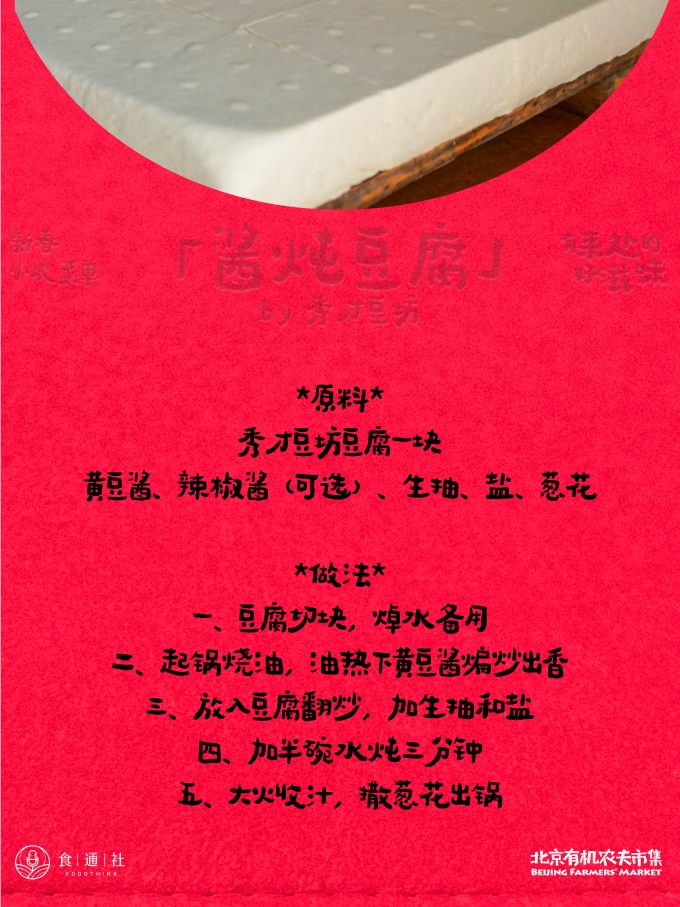
This dish from Xiucai Doufang braises a piece of tofu with a name in yellow soybean paste, light soy sauce and half a bowl of water for three minutes, reducing the sauce. It is one of the farm friends’ New Year dishes launched by Foodthink together with Beijing Organic Farmers’ Market.
Beijing Huairou Snail Farm shares a New Year dish recipe: slow-cooked free-range rooster with beer and spices, easy to make at home in about two hours.
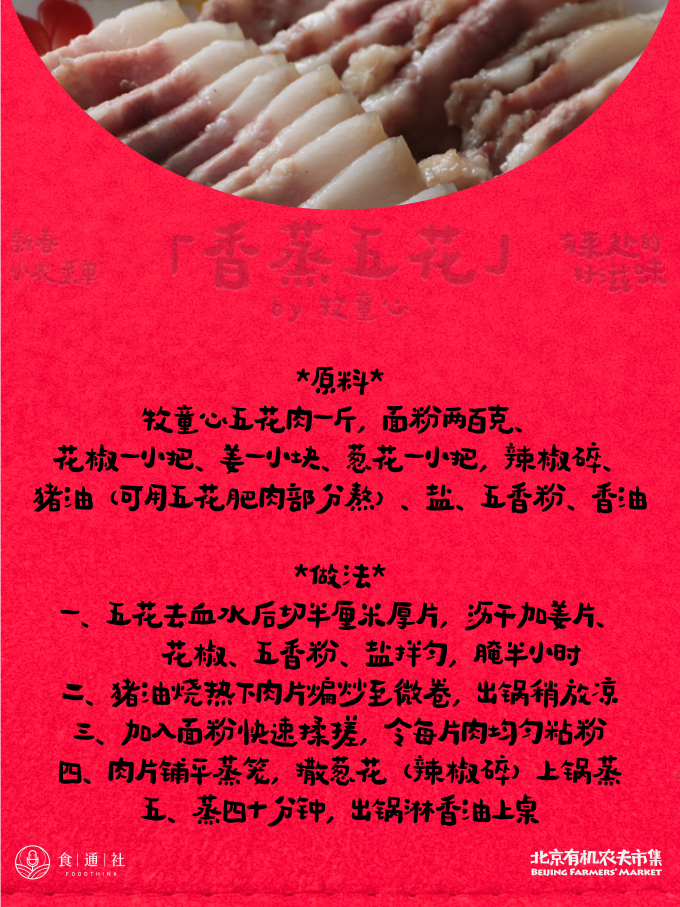
Wu Longlong shares a steamed pork belly recipe using Mutongxin Farm’s free-range pork: marinate the pork belly with Sichuan pepper and five-spice powder, stir-fry until slightly curled, dredge it, then steam for 40 minutes.
From the second to the seventh day of the Lunar New Year, Foodthink is teaming up with farmers from Beijing Organic Farmers’ Market to share six New Year recipes made with their own ingredients, helping use up leftovers while adding a new dish to the table each day.
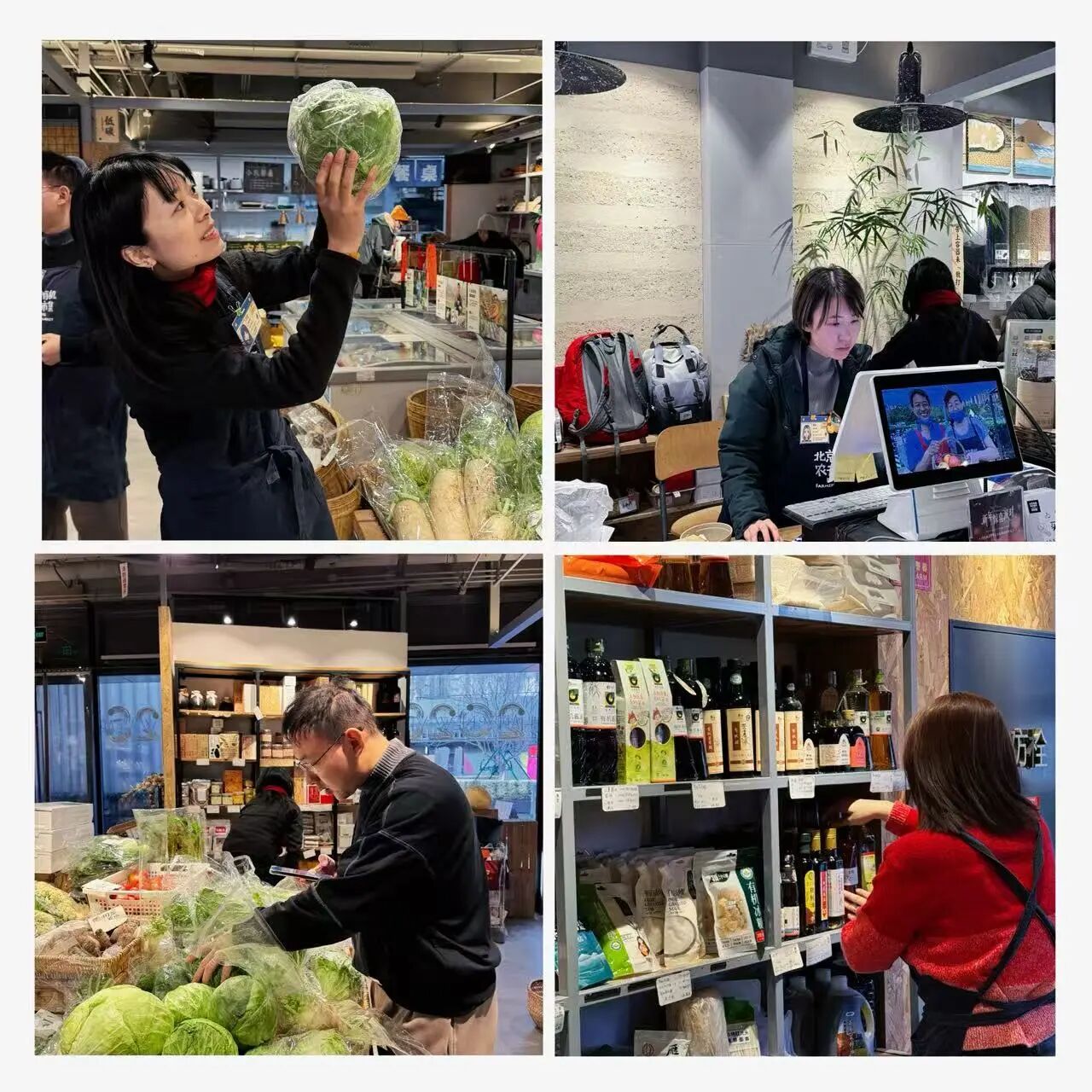
From consumers to shop assistants, eight Foodthink members worked nonstop for 12 hours at Jishi, an ecological organic vegetable shop in Beijing. Identifying produce, packing, live streaming and washing lamb soup bowls, they saw how selling vegetables links in-store service, supply chains and domestic labour.
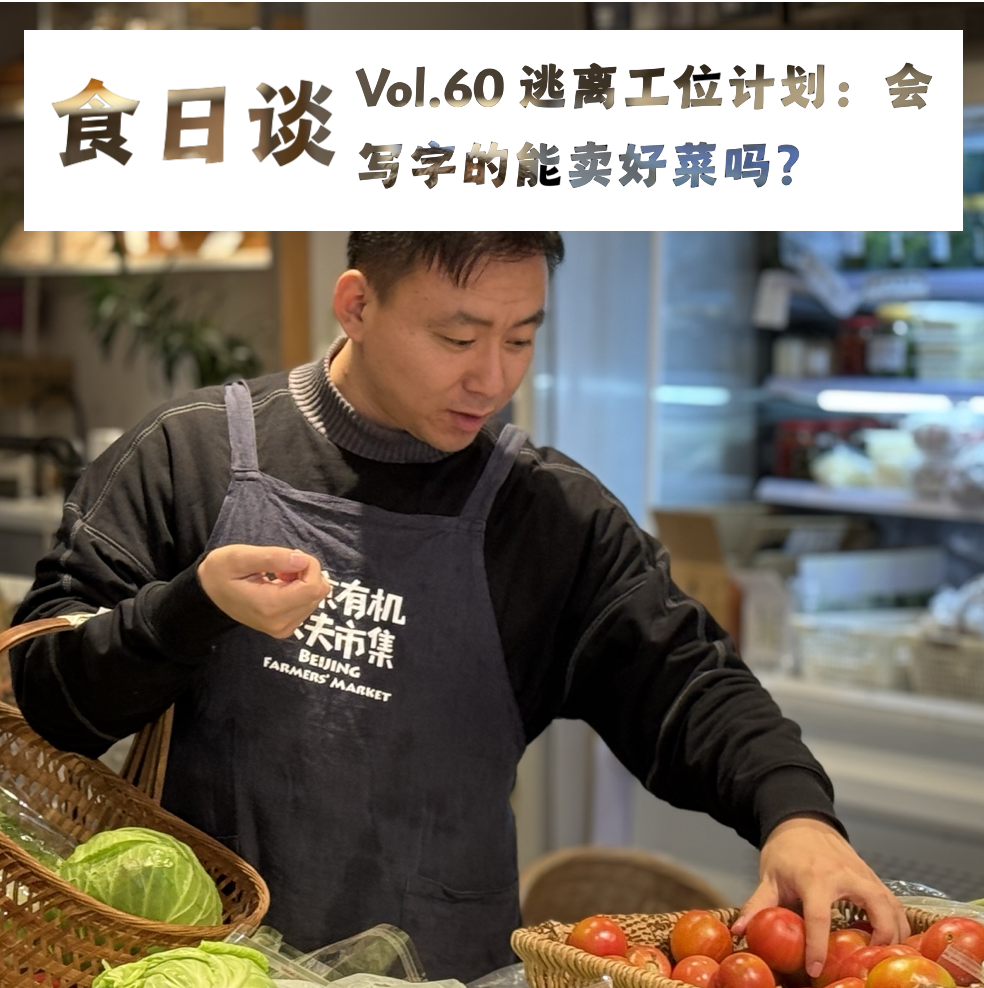
Huang Chen, a former Caixin assistant editor-in-chief, and Foodthink colleagues Yuyang and Li Ye visit a community ecological vegetable shop in Sanyuanqiao, Beijing, and, while stocking shelves, sorting produce and working the till, rediscover the tangible reality and concrete connection of labour away from screens.
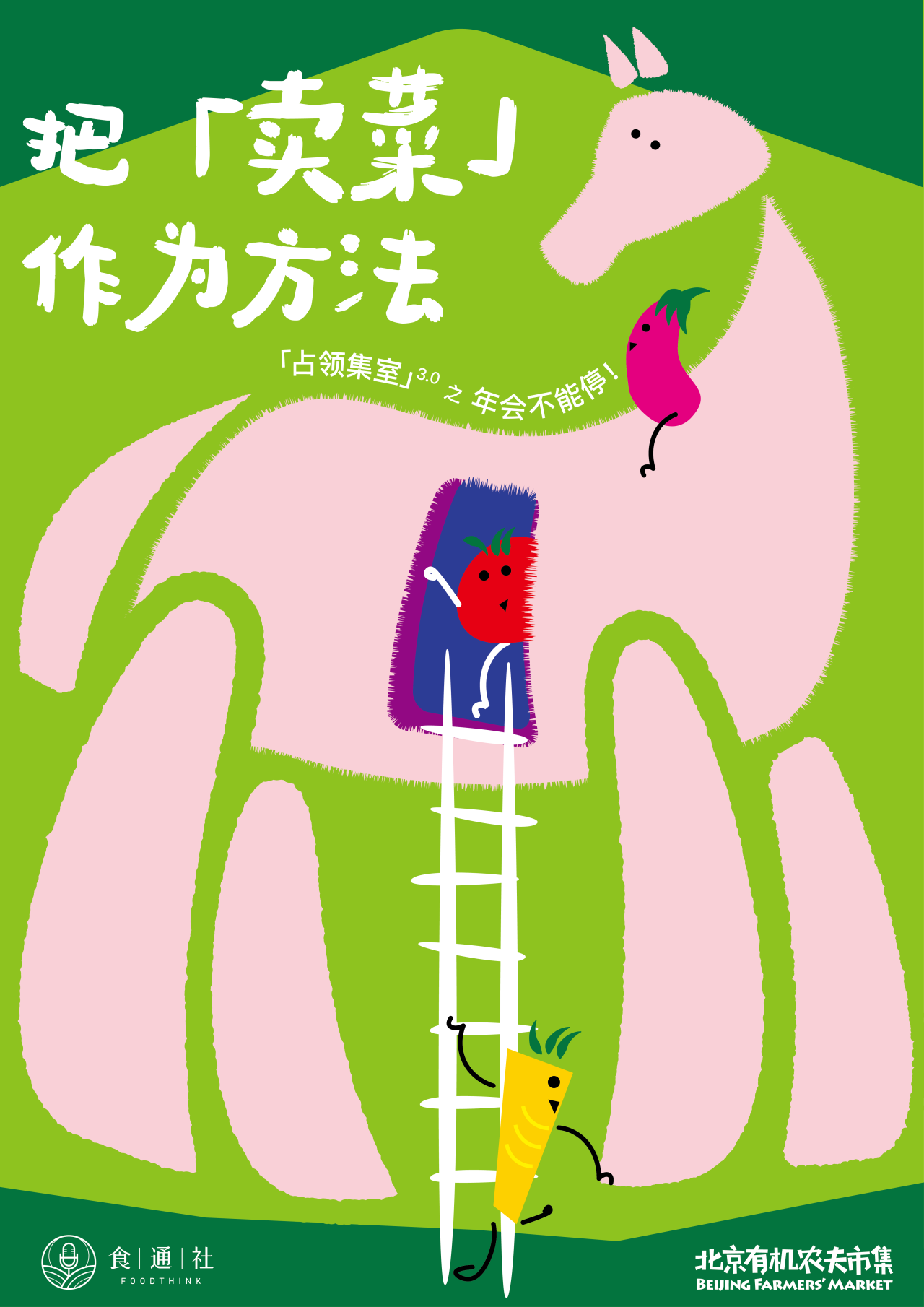
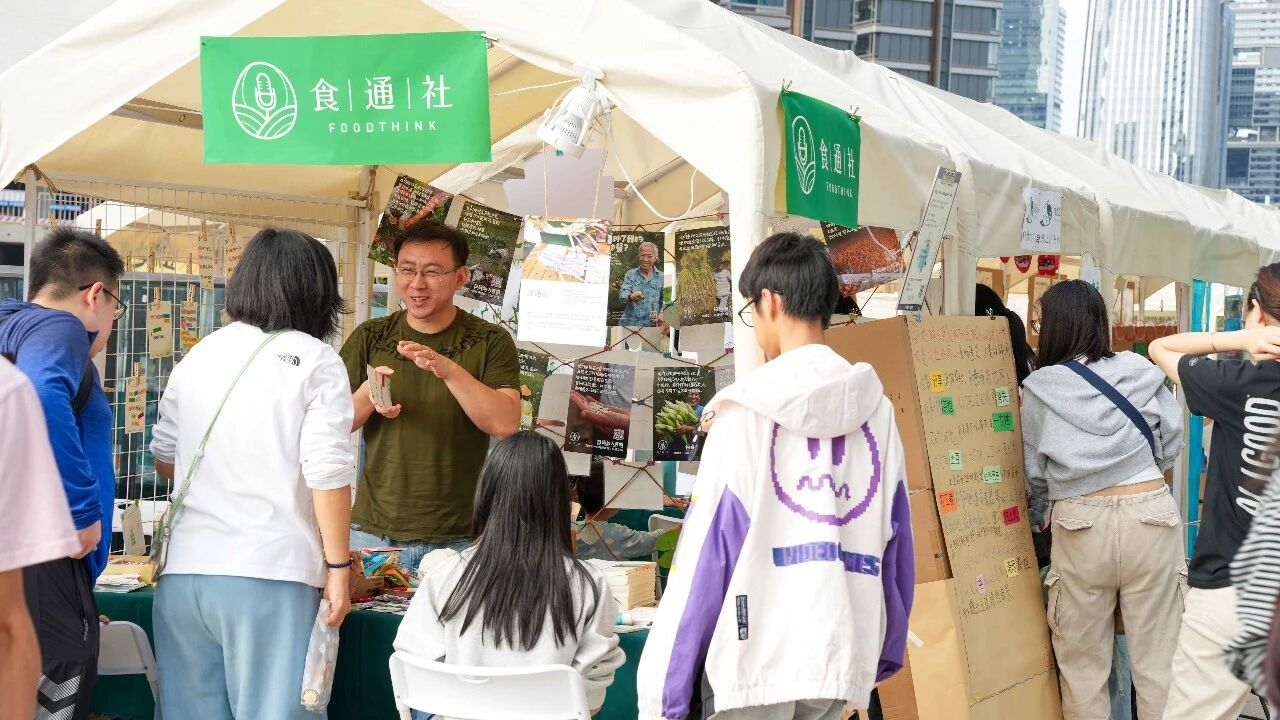
On 7 February, Foodthink’s editorial team will take over Jishi, the Sanyuanqiao community store of Beijing Organic Farmers’ Market, to sell vegetables for 12 hours. There will also be a year-end review, a sharing session, a New Year’s goods livestream and a documentary screening. Readers can attend in person, and some events can be watched online.
Nearly a hundred participants in Guangzhou chained article titles and Cantonese cuisine in a relay, creating eight climate science-fiction stories; the documentary “Whose Table, Whose Pasture” and sharing from rural visits probe imported frozen meat, rural disasters and Guangzhou’s extra-long summer.
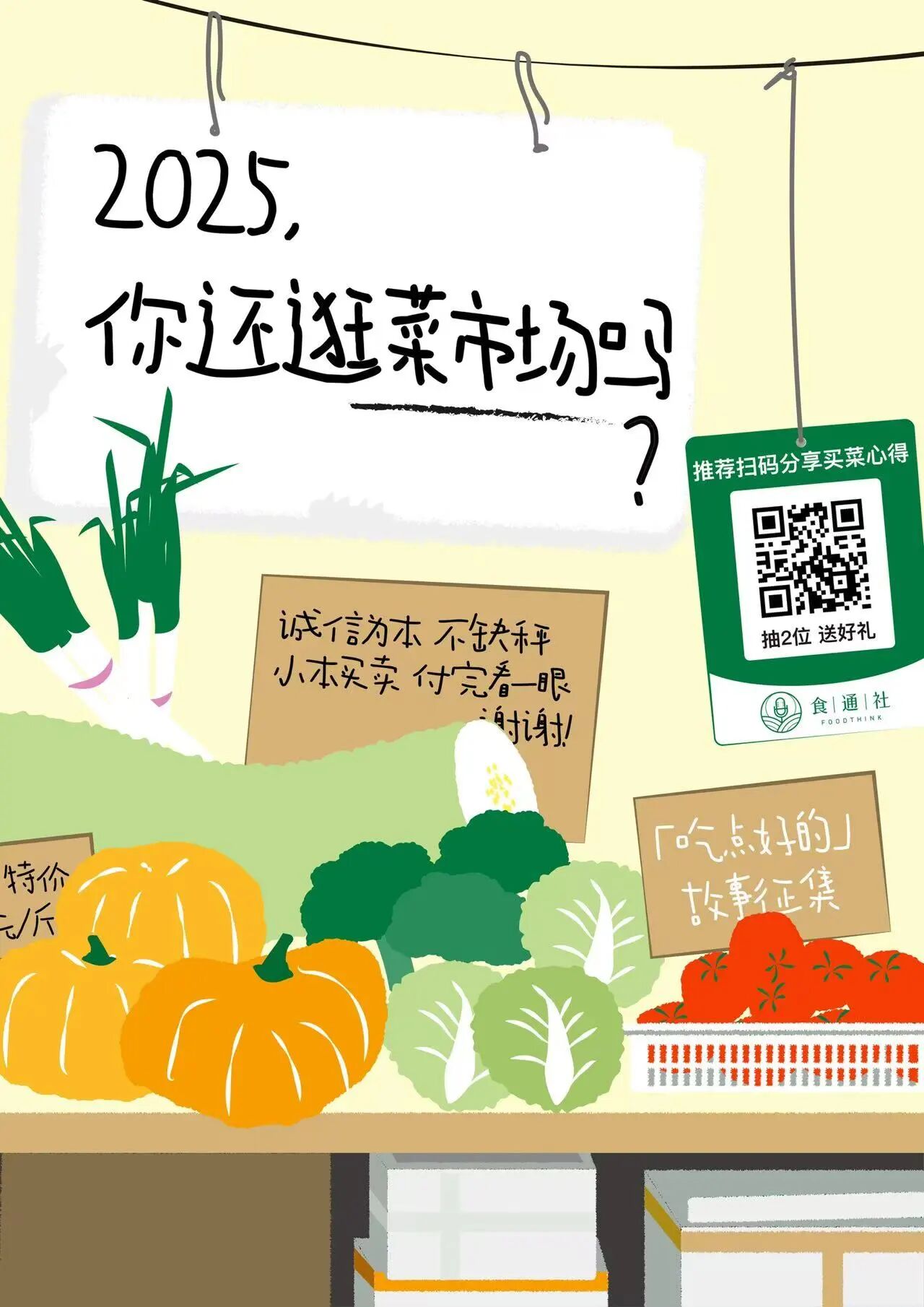
Beyond supermarkets and fresh-food e-commerce platforms, grocery shoppers in Beijing, Tokyo, Guangzhou, Chiang Mai and elsewhere see wet markets as still tied to local human touch and livelihoods through memories of stalls, know-how for choosing vegetables, and trade with acquaintances.
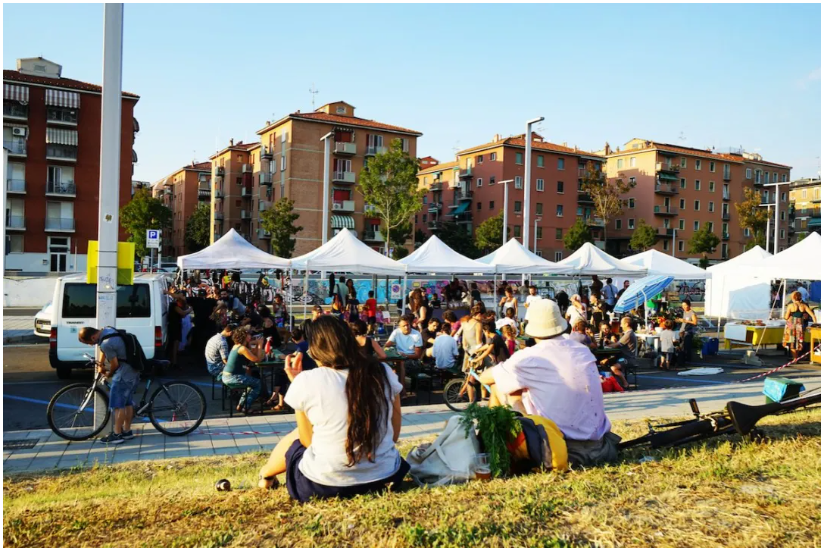
A commons in the suburbs of Florence, a student-initiated farmers’ market and an independent certification network extend agroecology from farmland into cities, bringing residents, farmers and consumers together to advance ecological restoration and food sovereignty.