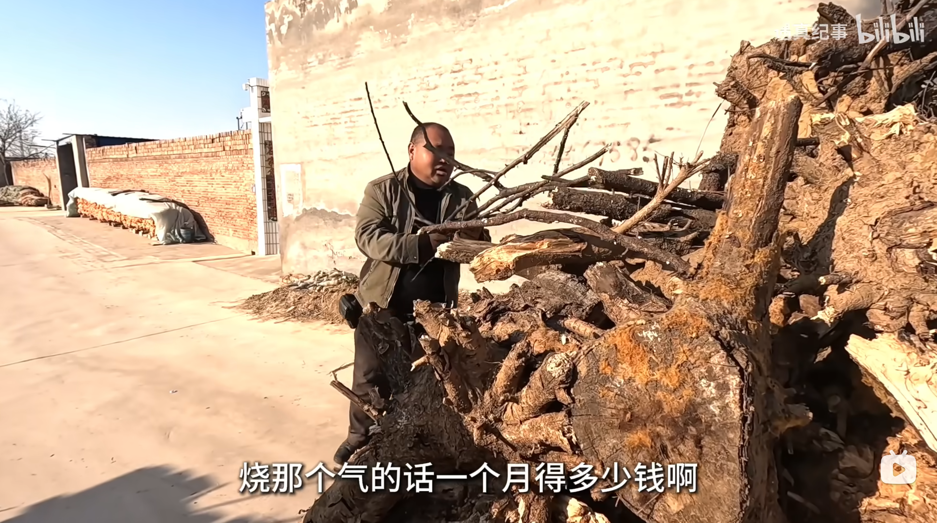
From Hebei to Shandong, subsidy phase-downs, equipment failures and high heating costs make rural clean heating hard to sustain, while the straw burning ban has led some farmers to burn straw secretly at night or push it into ditches; why does the cost of the green transition always fall on farmers?
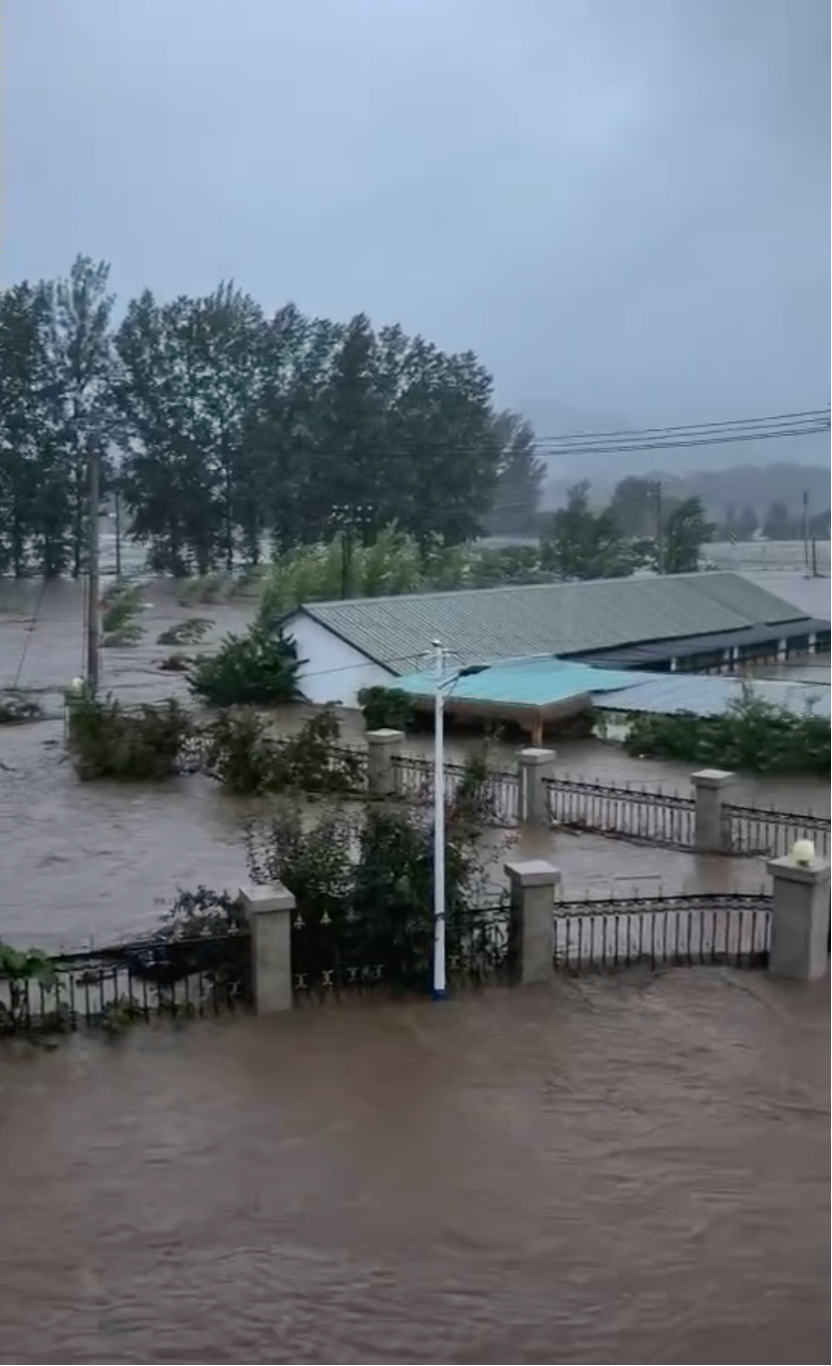
Disaster relief worker Hao Nan led disaster relief organisation Zhuoming’s team back to the Miyun and Xinglong disaster areas to reconstruct how abnormal mountain floods formed and how the grassroots judged evacuation timing. Grassroots disaster prevention and reduction still lack funding, staff and technical calculations.
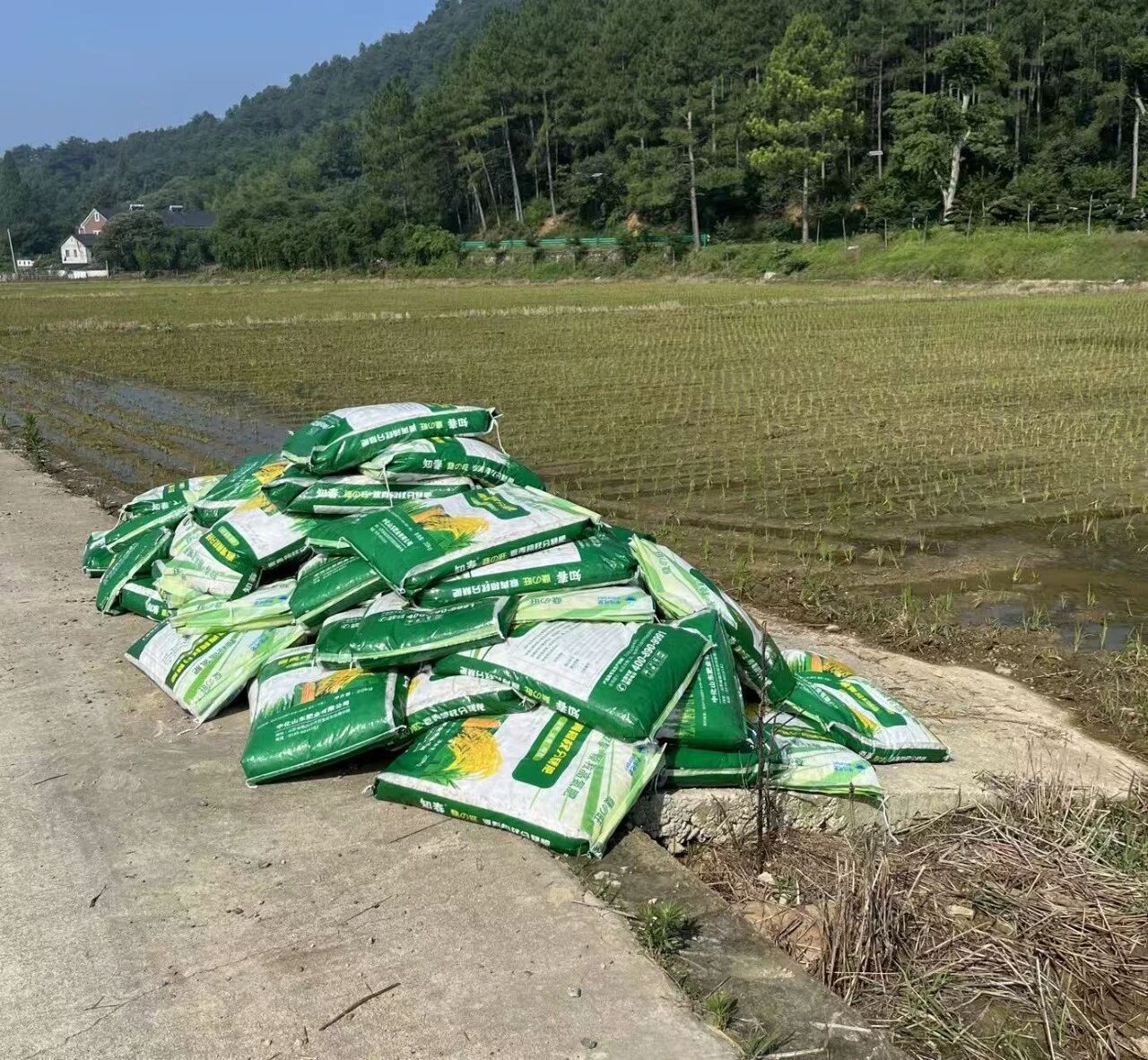
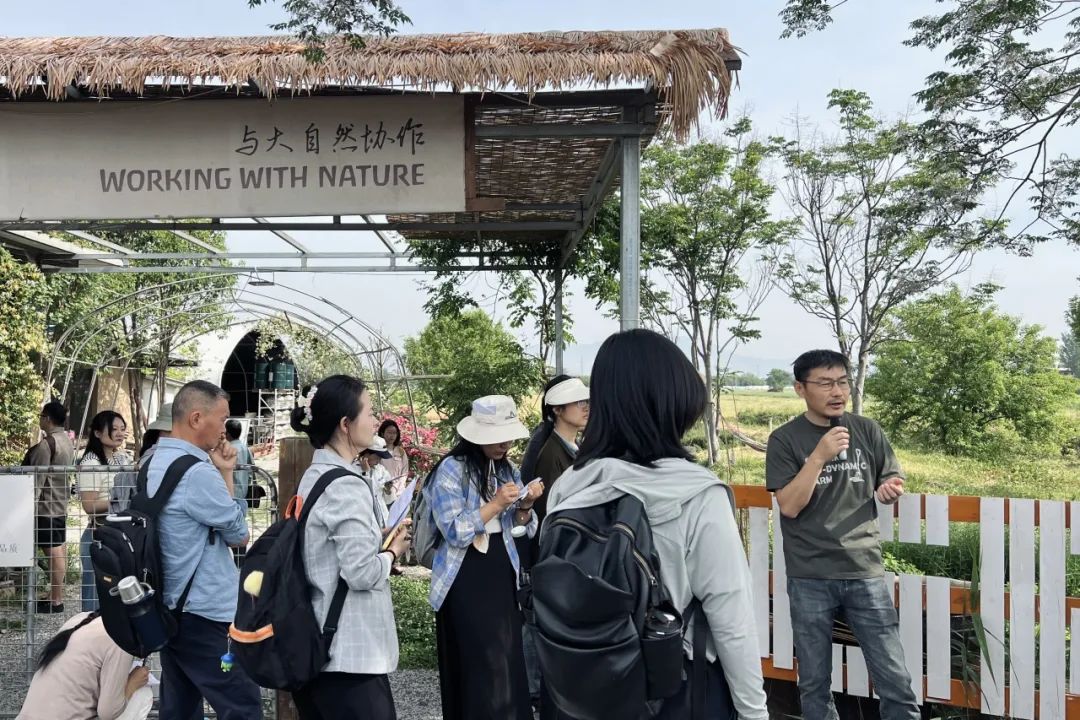
From water-source protection to a celebrity village, Lvshui Village has turned its houses, roads and fields into an ecological landscape that can be explained, but leaves chemical fertilisers and pesticides in the rice fields, an energy-intensive lifestyle and the tourism economy outside the display.
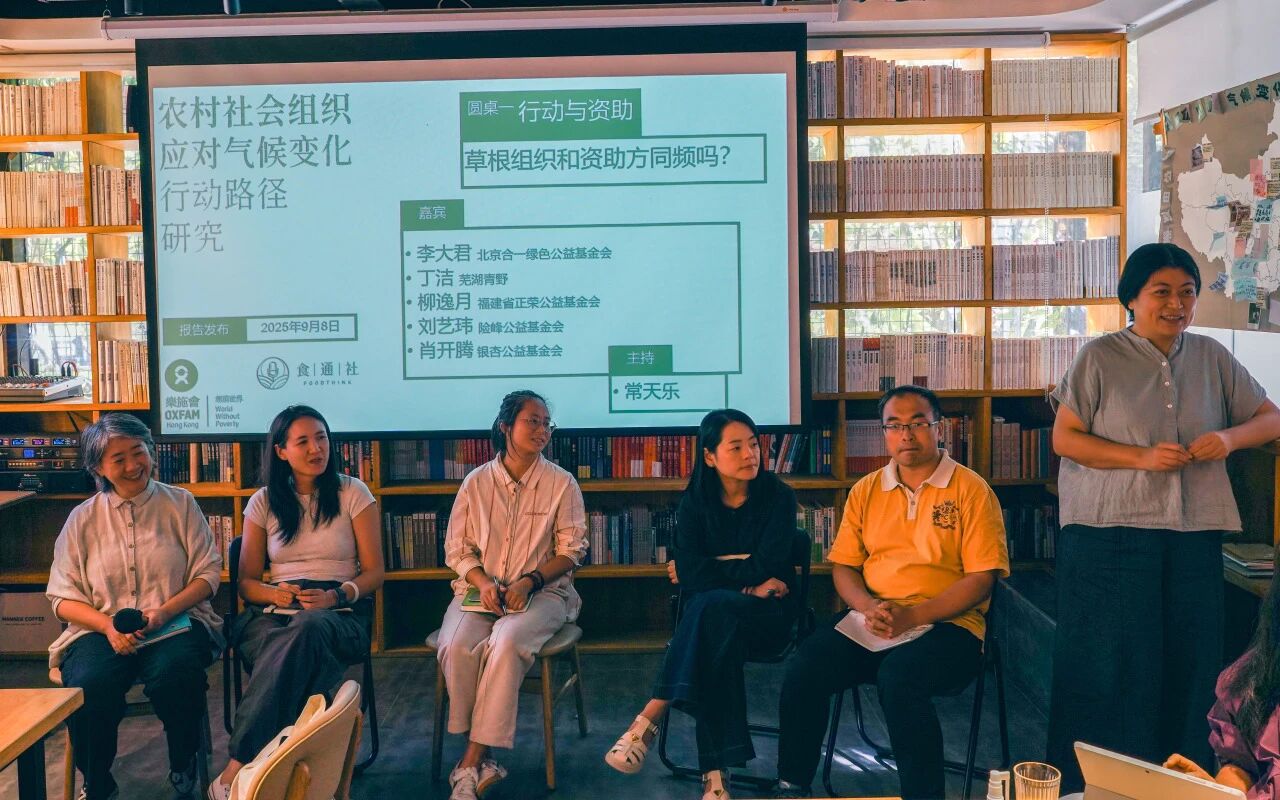
Foodthink’s research shows that rural social organisations need more than emission reduction accounting and risk assessment to build climate resilience. They must tackle livelihood issues such as hollowing out, ageing and water conservancy, and work with agricultural technology departments and grassroots governance.
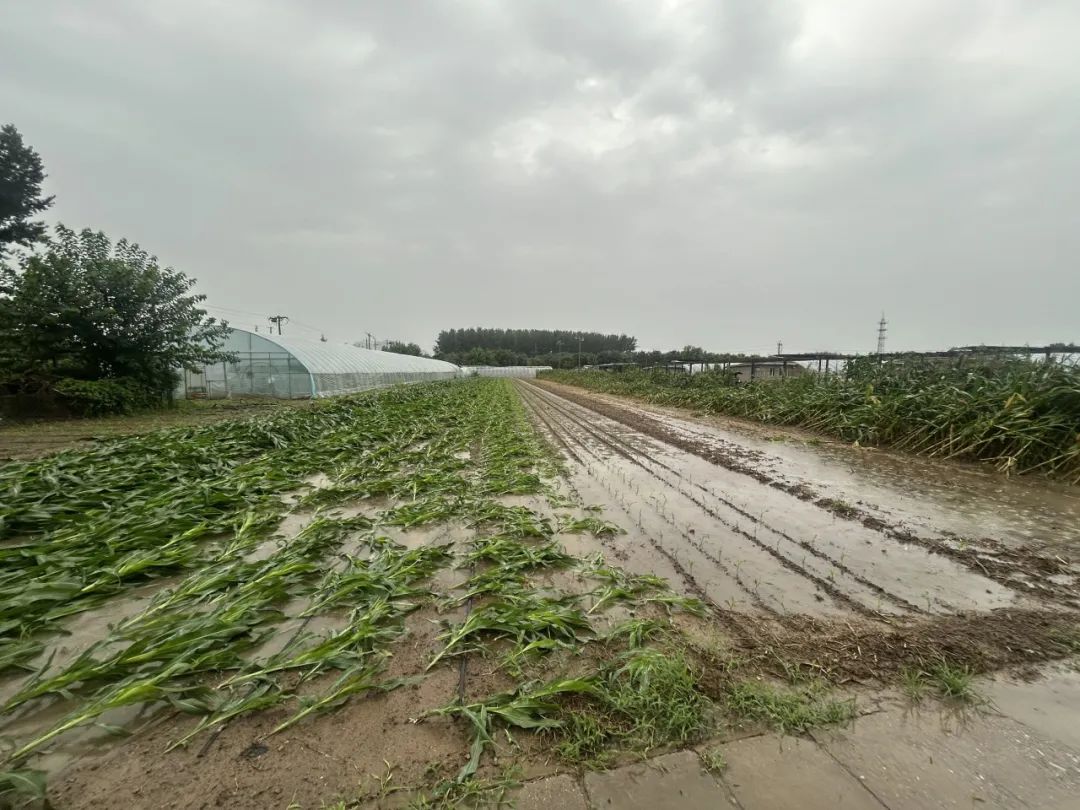
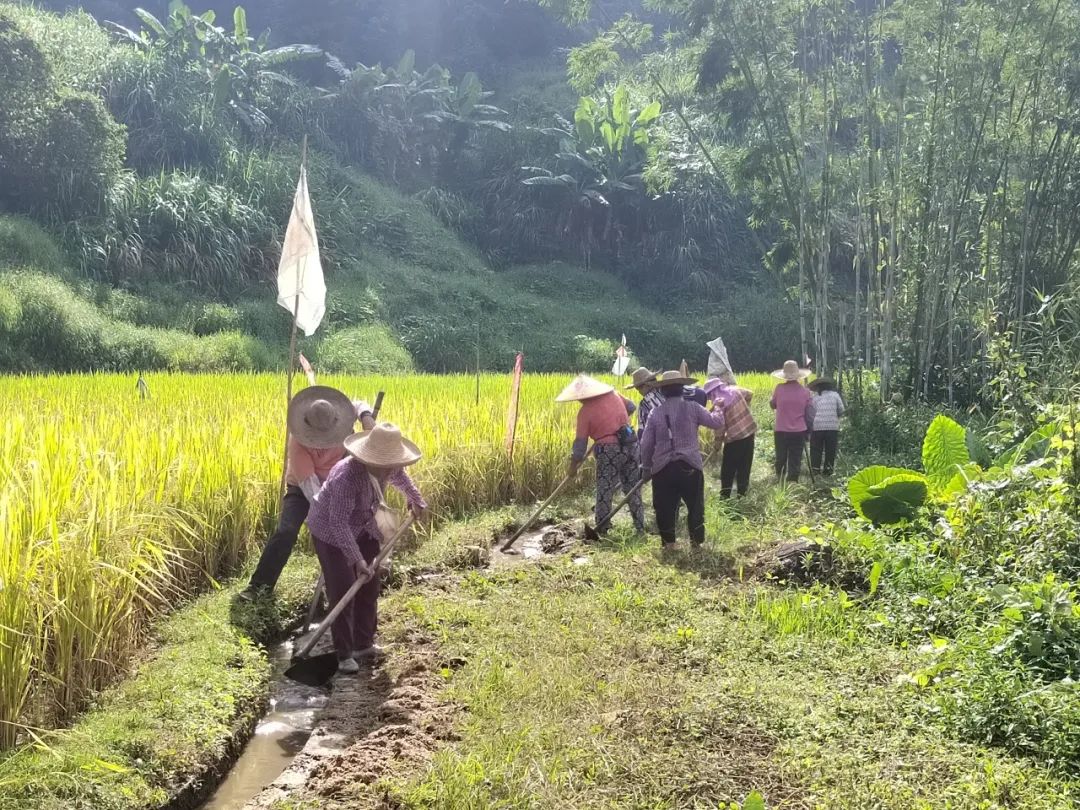
Ecological farmers in Beijing and Hebei have reshaped fields, repaired drainage channels and adjusted crops after consecutive downpours, trying to limit losses while facing added pressure from labour, facilities and public drainage.
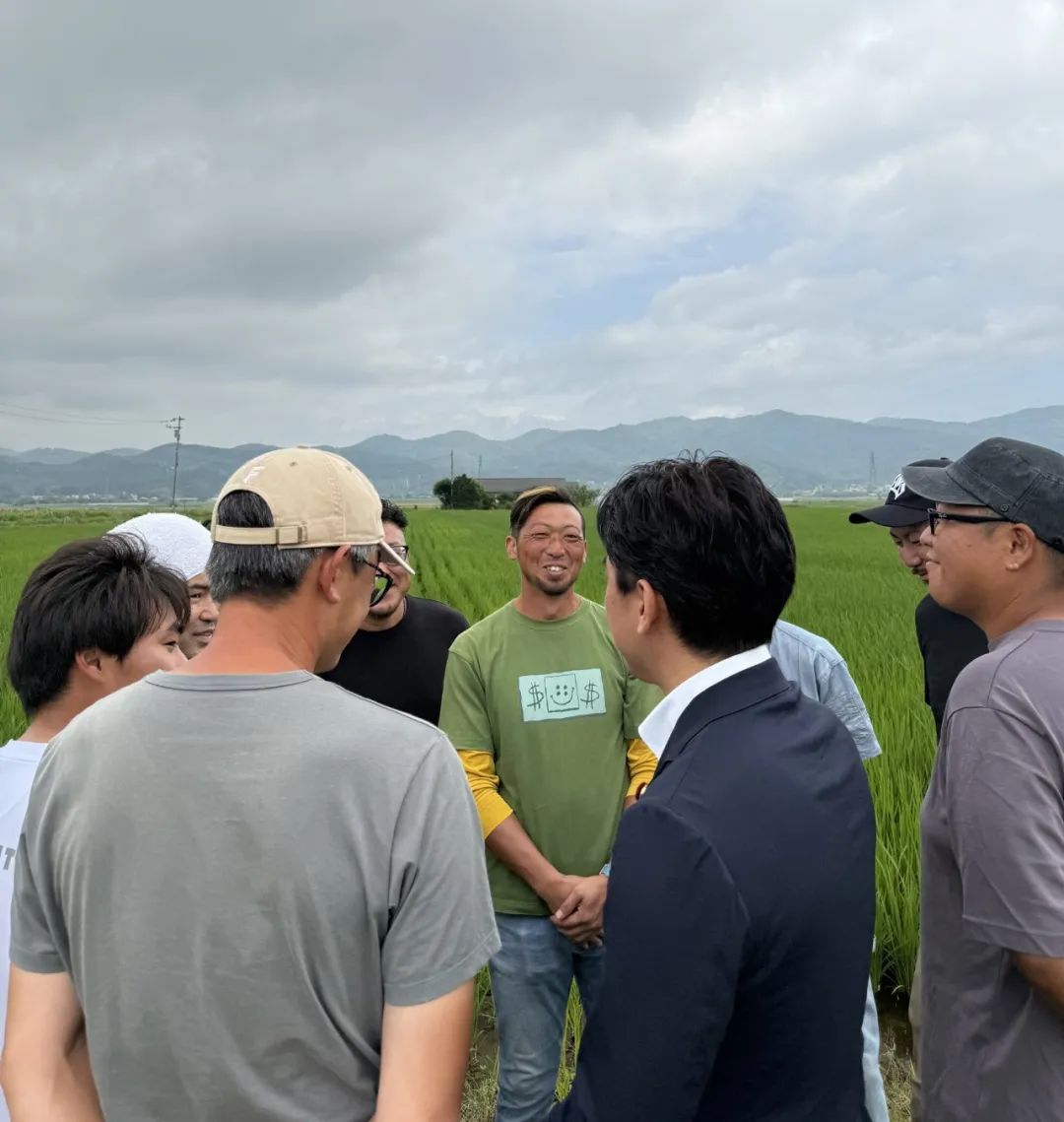
Japanese government intervention is still struggling to bring rice prices down. The acreage-reduction policy, JA’s price-setting and rural ageing leave rice farmers with meagre incomes, without successors, as paddy fields keep disappearing.
Foodthink Says Since this spring, Shaanxi has experienced its most severe drought since 1961. Combined with extreme weather such as high temperatures, strong winds, and sandstorms, these compound disasters have seriously threatened agricultural production and rural livelihoods. In May, with the support of the Oxfam Hong Kong Beijing office, Foodthink…
Foodthink’s Take When discussing the impact of climate change on rural areas, we often say that “farmers are at the mercy of the elements”. But is it really as simple as that? What kind of agricultural systems and rural realities do today’s farmers actually live in? How should the macro-issue…
For World Book Day, Foodthink’s editors, authors and peers recommend books that connect food, land and the natural environment, including Bruno Latour’s ecological politics, French rural transformation, China’s environmental movement, vanishing foods and industrial additives.
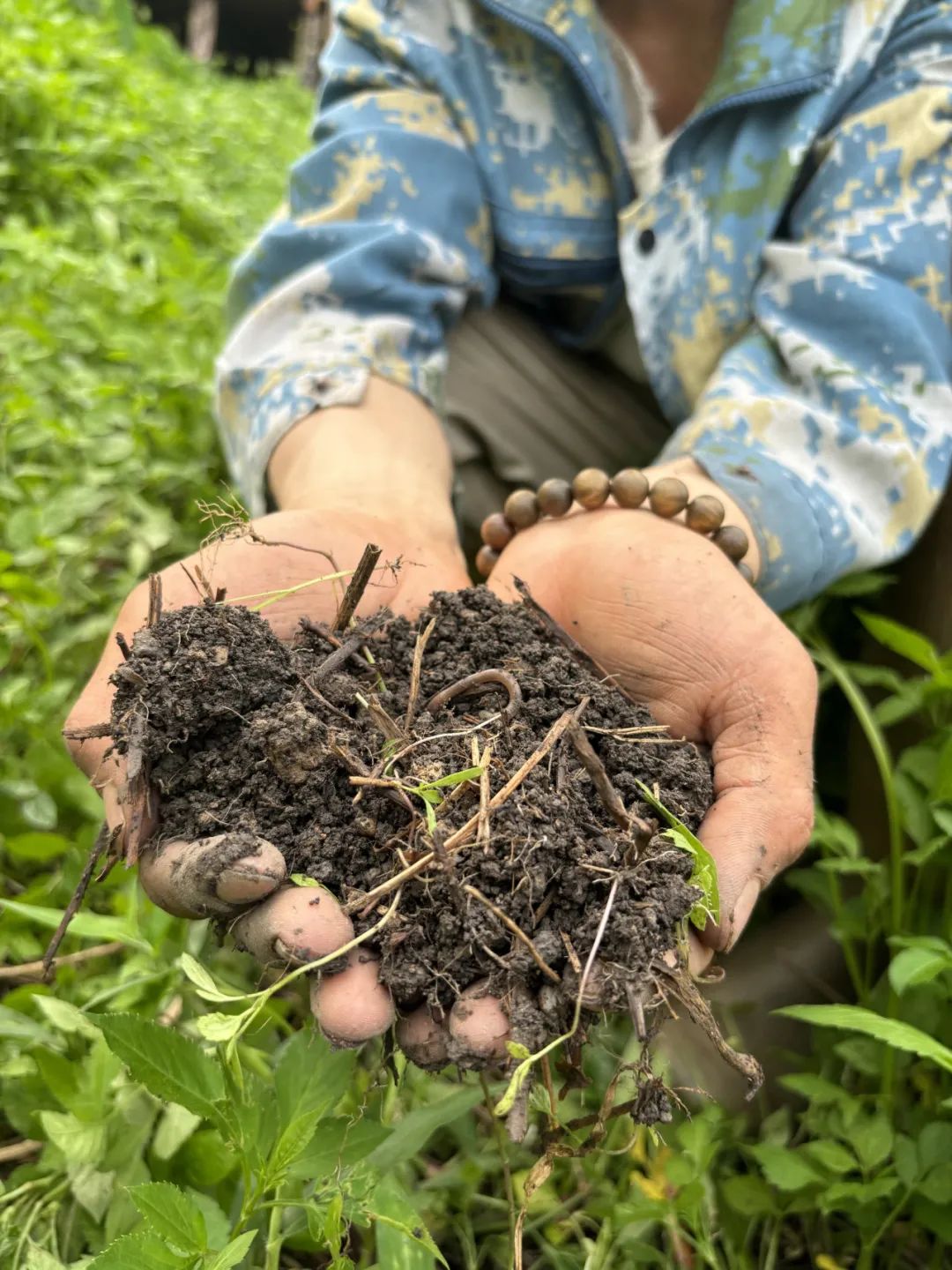
Last April, I arrived at Baicao Garden through Foodthink’s ecological agriculture internship programme. In Wule Town, Guigang City, Guangxi Province, where we were based, almost everything outside of Baicao Garden is chemical-based agriculture. On the drive into town, the sight of people spraying herbicides is a constant presence. I remember…