
Tough celery: is climate change the scapegoat?
Foodthink’s Take
This article has been edited from his presentation. We hope these vivid examples provide a deeper understanding of the complex interplay between farmers, crops, and the weather.
You are welcome to click the link below to watch the full replay of the Fengnianqing session.

At the farm, consumers often ask us: “Why does the produce look like this?”, “Why are the vegetables so tough?”, “Why are they so sweet?”, “Why are there insect holes?”
More often than not, the answer is related to the weather. As climate change intensifies, ordinary consumers can now sense its effects directly through their food.
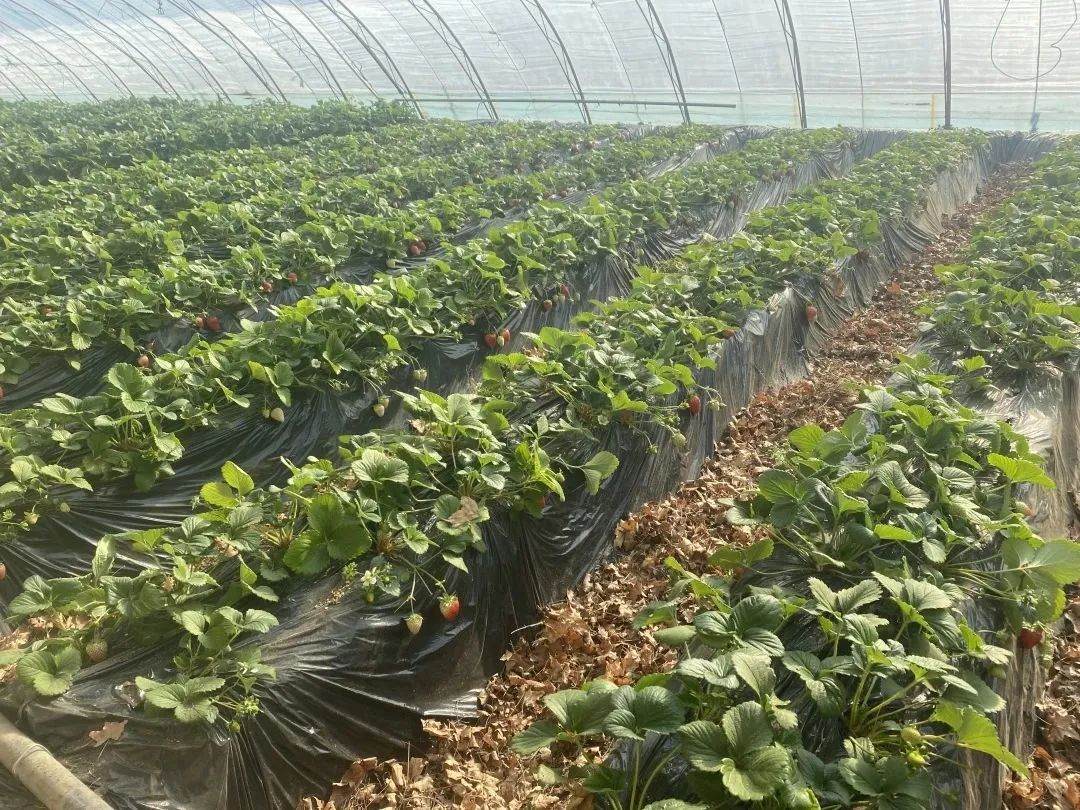
Let’s start with the strawberries currently in season. Temperatures were higher than usual in October 2022, leading to vigorous growth. However, this wasn’t necessarily a good thing, as the strawberries focused on foliage growth rather than flowering. This pushed back the overall time they hit the market, moving from December last year to January this year.
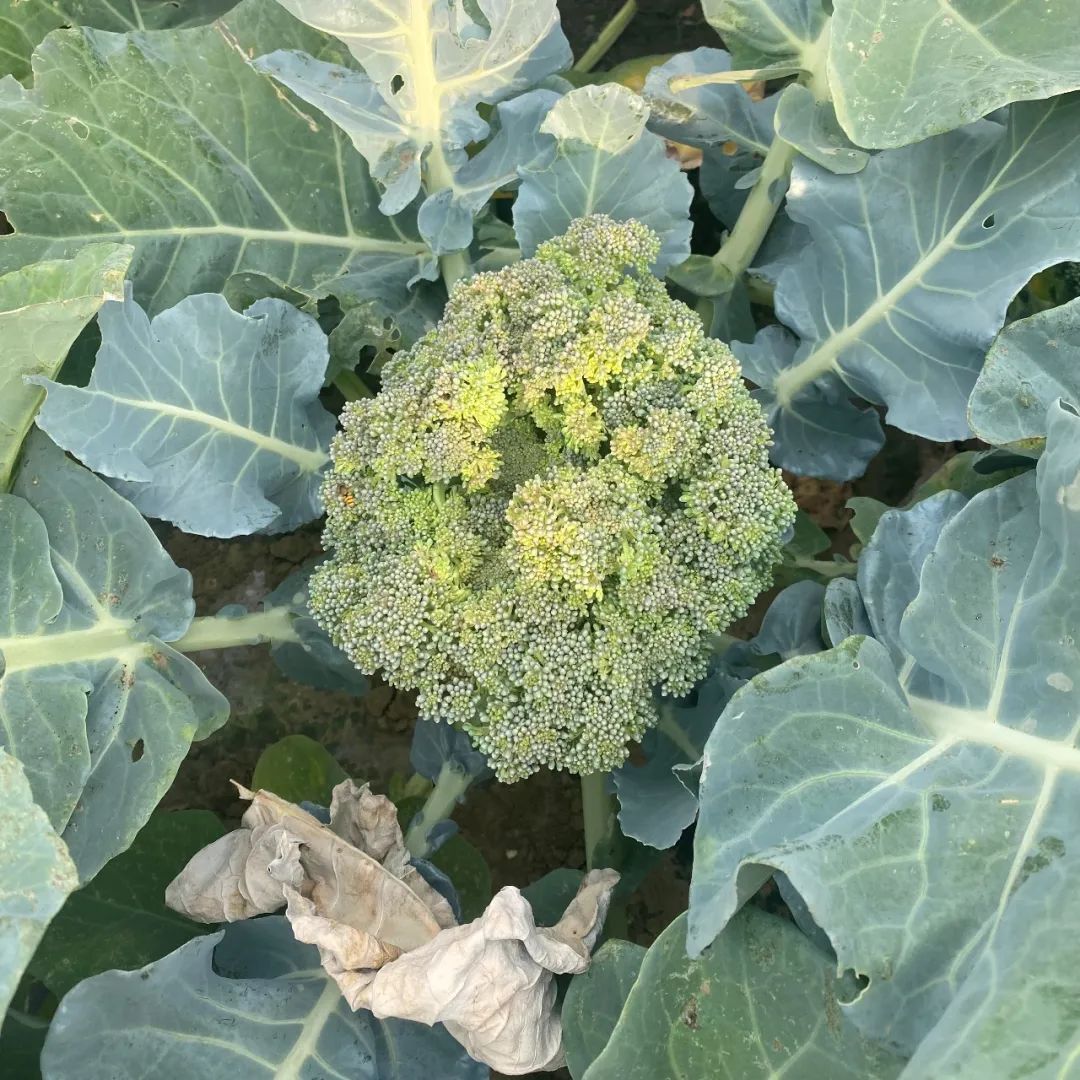
In the spring of 2022, the broccoli we grew in Changping became weathered and yellowed under the sun; neighbouring farmers fared no better than in previous years. In the past, we always worried about temperatures being too low, but last year they were actually too high. A few abnormal, brief heatwaves were enough to change the colour of the broccoli heads.
Customers taking such produce home would notice that the layer of “waxy powder” on the leaves is thicker than usual. This is the plant’s way of protecting itself from solar radiation to prevent water loss caused by high temperatures.
I. “The whims of nature”: No longer possible to simply rely on the heavens for a harvest
When I was a child, my grandfather often told me: “Rain on the twenty-fifth of last month, and no dry soil next month.” This is a farming proverb from my home province of Anhui; it means that if it rained on the twenty-fifth day of the previous lunar month, the following month would bring persistent rain. Another says, “Gloomy during Grain Rain, drizzling during the Start of Summer”—overcast weather during the Grain Rain period signals that the next forty-five days will be wet. These are all pieces of wisdom distilled from generations of observing the seasonal shifts in weather.
Nowadays, there is much debate over whether climate change is ultimately beneficial or detrimental to agriculture in different regions. Regardless, whenever the climate becomes disrupted and unpredictable, the traditional knowledge of farmers is put to a severe test. We are left to discover new patterns through trial and error in the field.
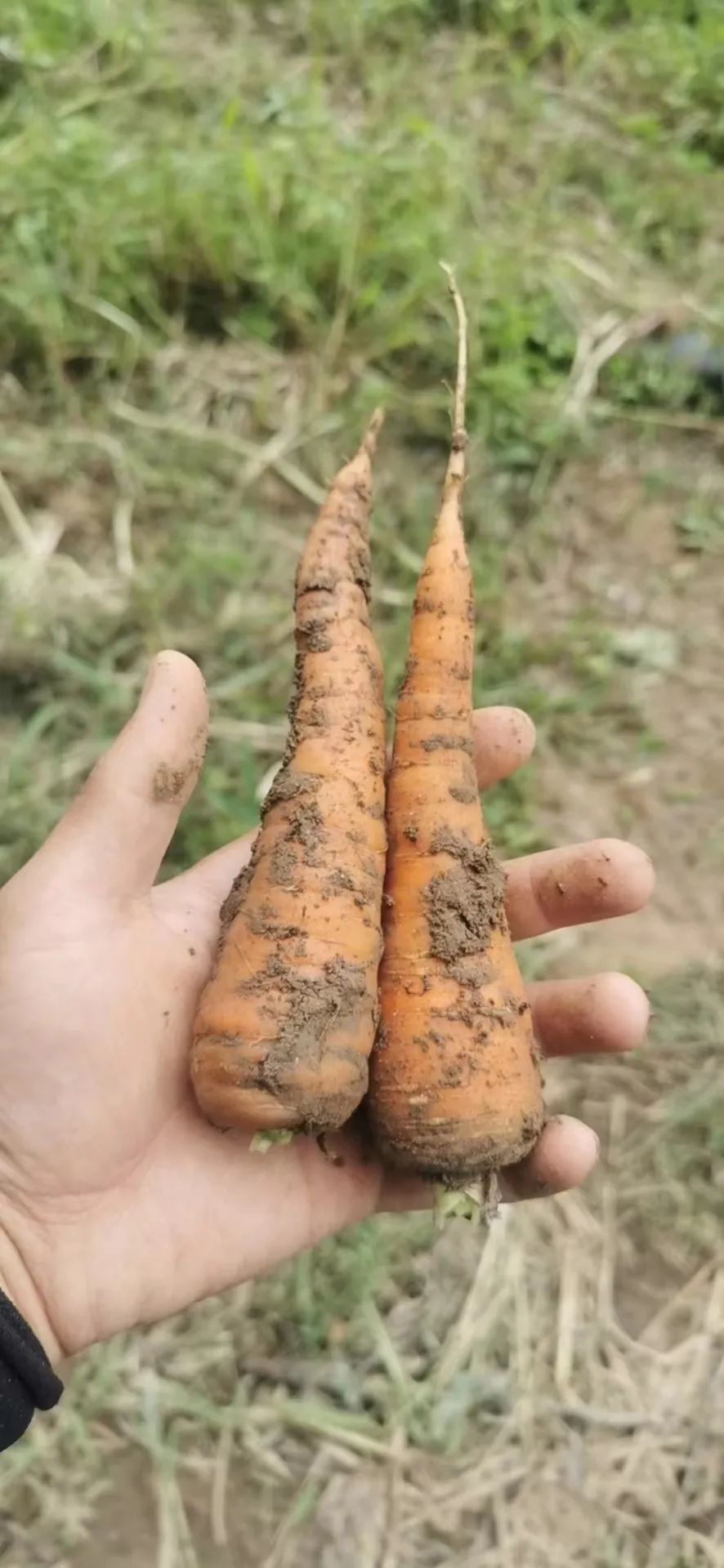
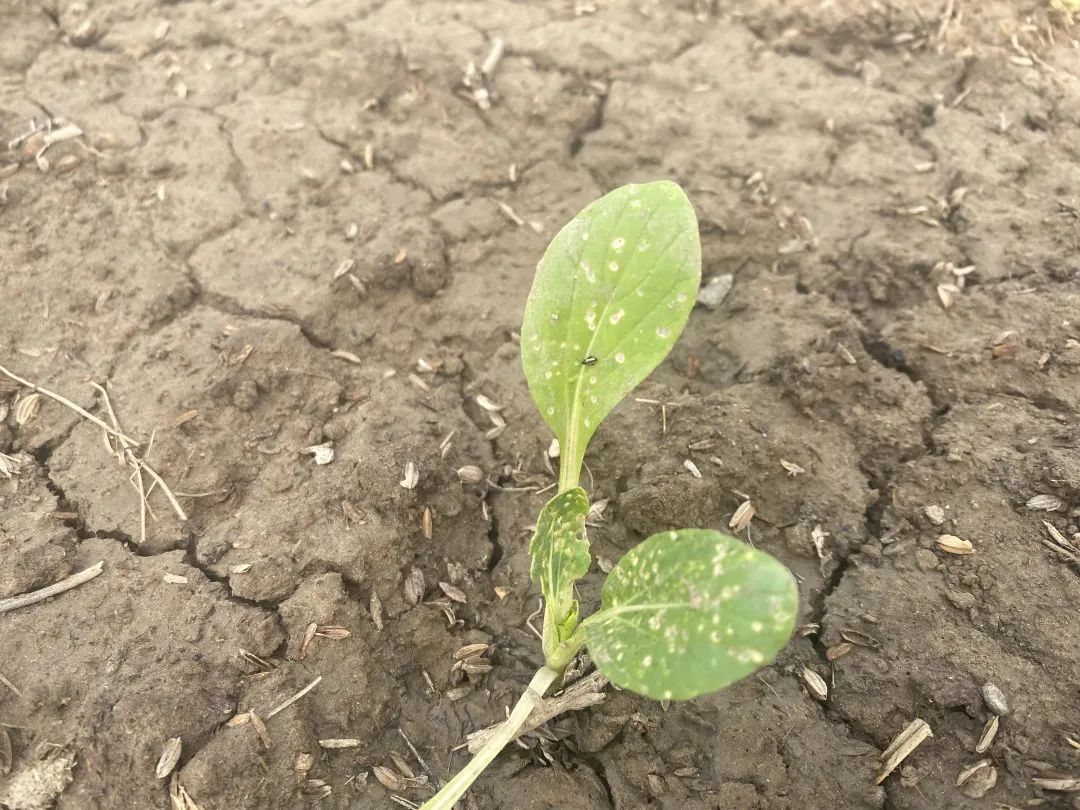
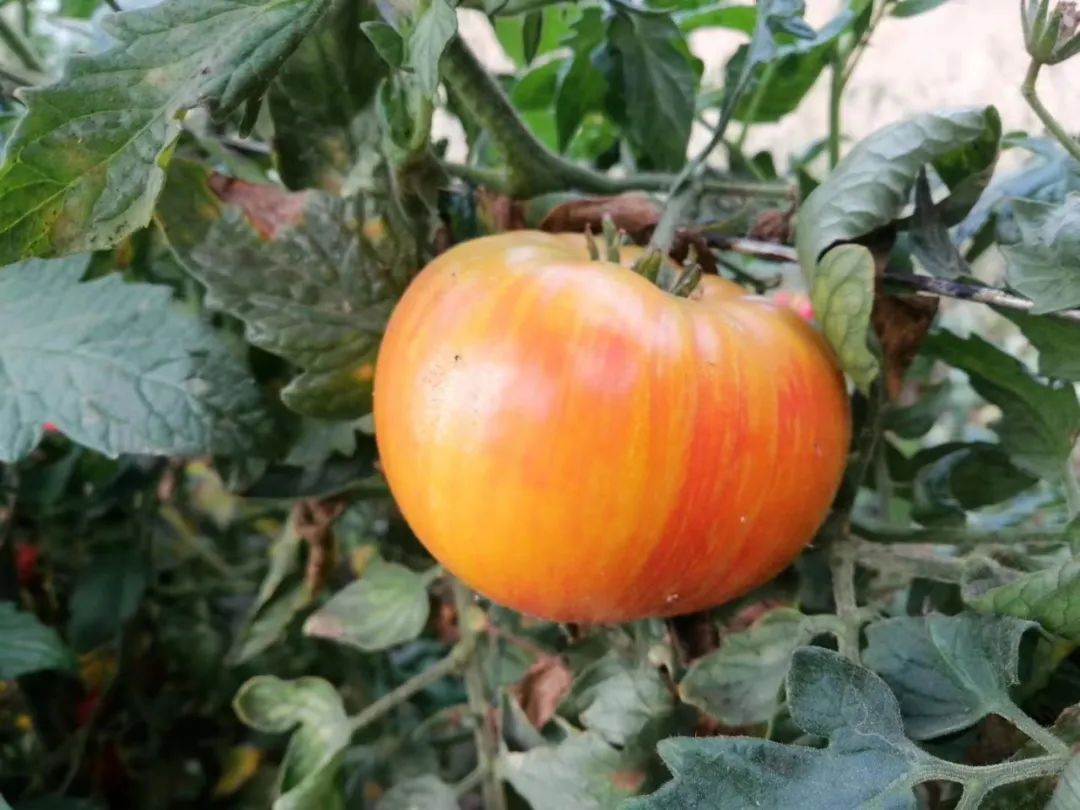
II. Extreme Weather Events
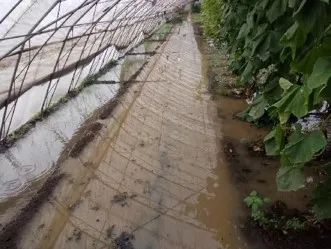
Before I joined Pingren Farm, it hadn’t been flooded for seven years. But since I arrived, the farm has already been inundated three or four times; at the worst of it, almost the entire farm was submerged in water.
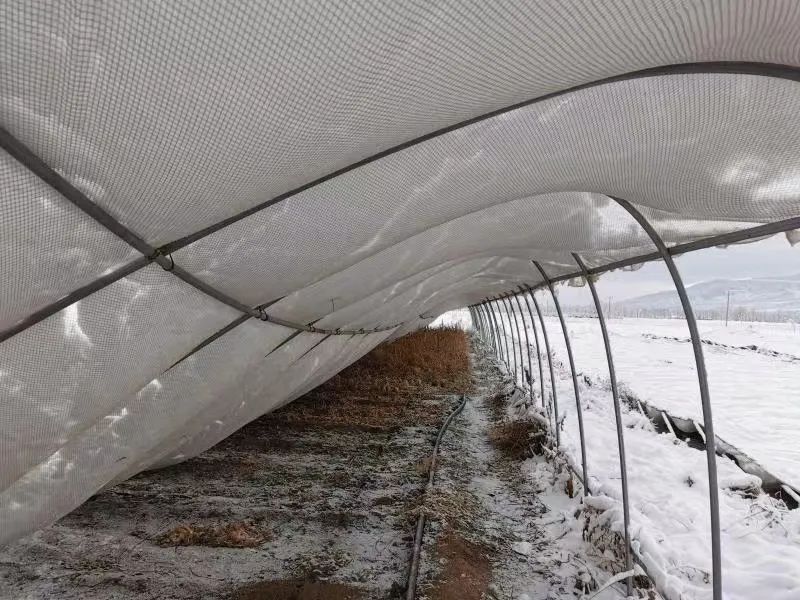
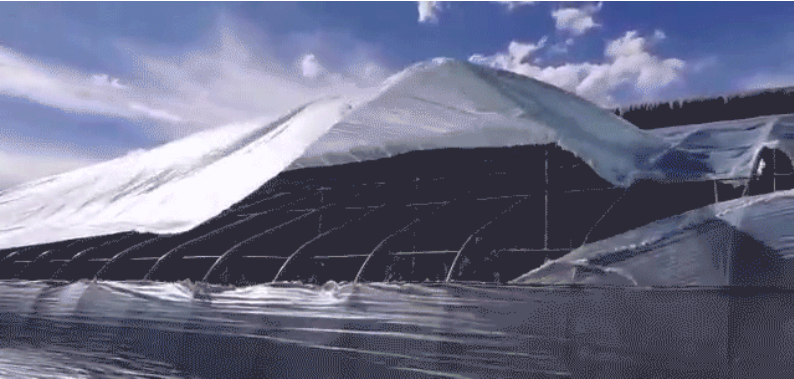
When faced with minor mishaps, such as frost, we can manage using our facilities or simple methods like lighting heating blocks. However, a single major disaster can mean that a year’s—or even several years’—work has been for nothing.
We have considered agricultural insurance, but in reality, it only covers certain types of damage. For example, ‘rain damage’ as defined by the insurance refers specifically to short-term torrential rain. The continuous rainfall of 2021 saturated the soil, and because our land is low-lying, saline groundwater rose to the surface, leading to soil salinisation. Prolonged rain also caused water to seep into the greenhouses, leaving the soil too damp for vegetables to be sown—yet none of this falls under the insurance coverage.
Because rainfall has increased, the farm has to dig drainage ditches every year, and they have grown deeper over the last few years. However, the terrain of our farm is higher at the edges and lower in the centre. Although there are drainage ditches nearby, they have been largely abandoned due to a lack of maintenance and no longer connect to the nearby river channels. No matter how deep we dig our own ditches, it is pointless; in fact, it may even cause rainwater to flow back into the fields.
Consequently, these broader environmental issues cannot be resolved in isolation, and it is difficult for a single farm or farmer to fight this battle alone. This year, we paid to help clear the public drainage ditches, and we are looking for ways to work together with several neighbouring farms to solve the problem.
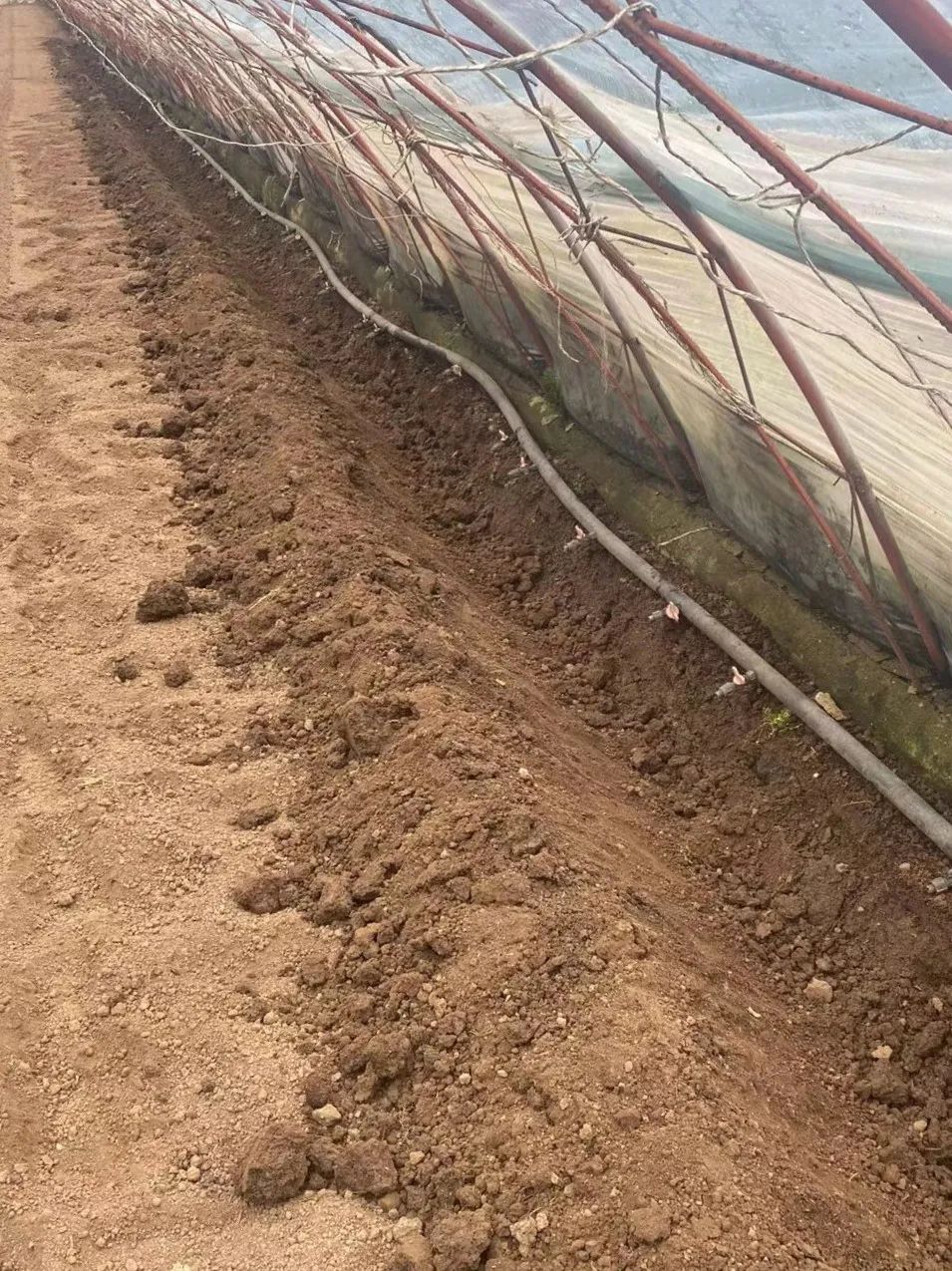
III. How Farms are Adapting
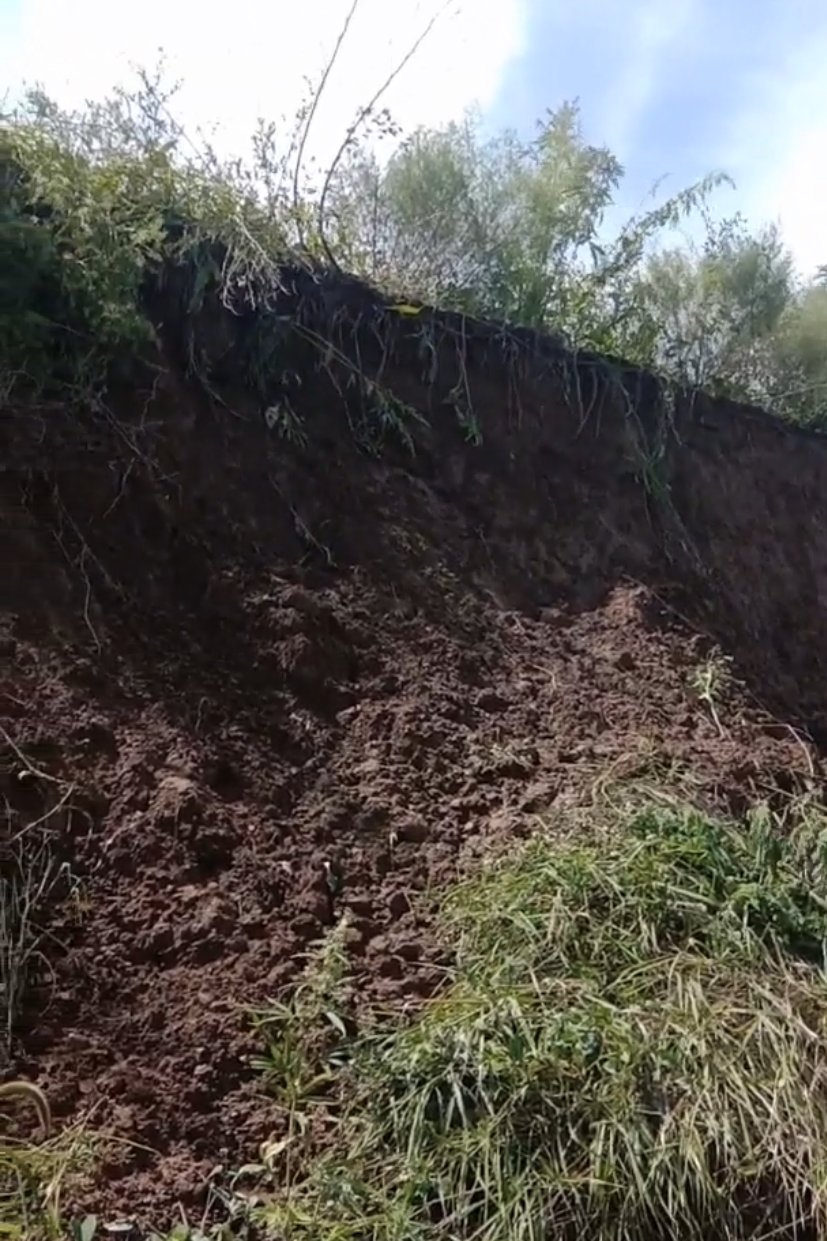 In 2021, persistent rainfall caused some of the earthen bunkers to suffer minor landslides and collapses. This was only manageable thanks to the abundance of weeds behind the slopes; their roots anchored the soil. Without them, the collapse could have been far worse, potentially rendering the entire year’s work pointless.
Previously, we viewed excessive weed growth as a risk; the dryness of winter made them a fire hazard, so we covered the areas with plastic sheeting to prevent growth. However, with the increase in rainfall over recent years, the benefit of using vegetation to stabilise the slopes has become clear. As our earth walls are quite thick, the roots have not yet penetrated fully; I hope to encourage them to grow deeper over time.
Similarly, we are “planting grass” on bare land where no crops are grown. Following the mentions of ryegrass in Foodthink’s Regenerative Agriculture lecture, we have been experimenting with open-field planting this winter—not for the harvest, but to protect the soil with the root systems. Since intensive tillage causes significant soil degradation, we are also trialling no-till cultivation methods this year.
Previous articles ▼
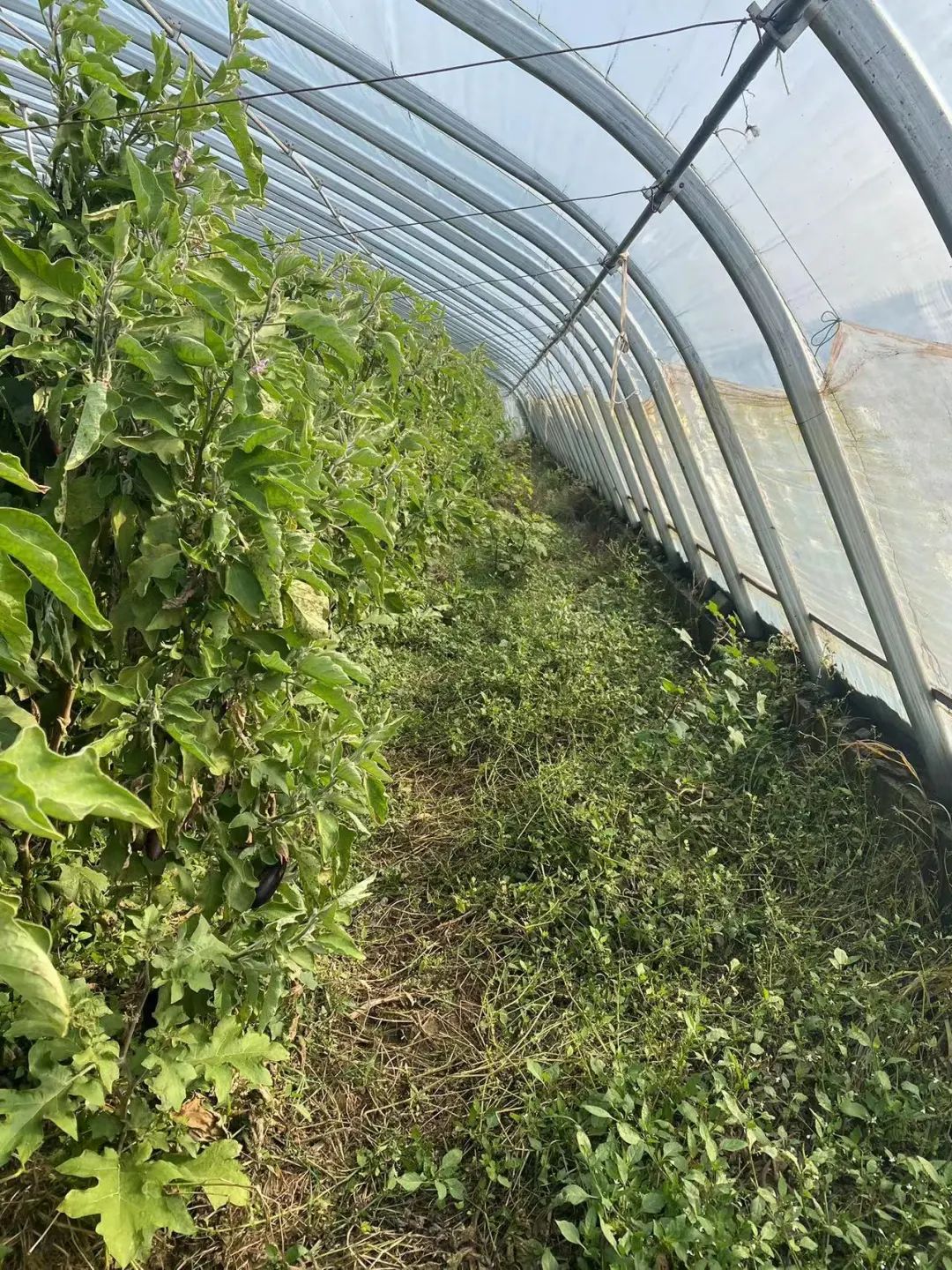
These are our greenhouses in Lingqiu, Shanxi, where we have experimented with planting species such as *Cyperus rotundus*. Insects are highly sensitive to temperature, and climate change can easily trigger unexpected pest outbreaks. By encouraging these “weeds”, we hope to provide a suitable habitat for natural predators, thereby keeping pests under control.
We also plant aubergines in the greenhouses. They provide a dense, sheltered cover where sensitive insects can dwell, creating an ideal environment for natural predators. The aubergines shown here grew from December 2021 to December 2022; during that year, we noticed an abundance of aphid parasitoid wasps, aphid flies, and lacewings. Since introducing the aubergines, I have stopped worrying about pests such as aphids.
In the past, growing cucumbers in the greenhouses every year was a constant struggle against aphids. To cope, we relied on a cycle of rapid planting and harvesting, always keeping a stock of seedlings on hand to quickly replace any that had been decimated by the aphids.
Last year, however, we tried a new approach: we first planted a section of chillies and aubergines to act as a lure for the aphids. Both aubergines and chillies have a strong ability to branch and regenerate quickly. Soon, the natural predators of aphids appeared on their own, without the need for artificial introduction. It was only then that I planted the cucumbers alongside them.
While these predators do not entirely eradicate the aphids, they keep them in check. Because the aphid population remains controllable, they no longer cause significant damage. Free from the interference of aphids, the cucumbers were able to produce fruit from December right through to July.
Moving forward, we intend to experiment with intercropping aubergines with “weeds” that attract natural predators, such as *Cyperus rotundus* and pyrethrum.
IV. Flexibility and Diversity
Flexible and diversified agriculture will undoubtedly prove its value in the face of climate change.
Unless otherwise noted, images are provided by the author
Compiled by: Wan Lin
Edited by: Wang Hao