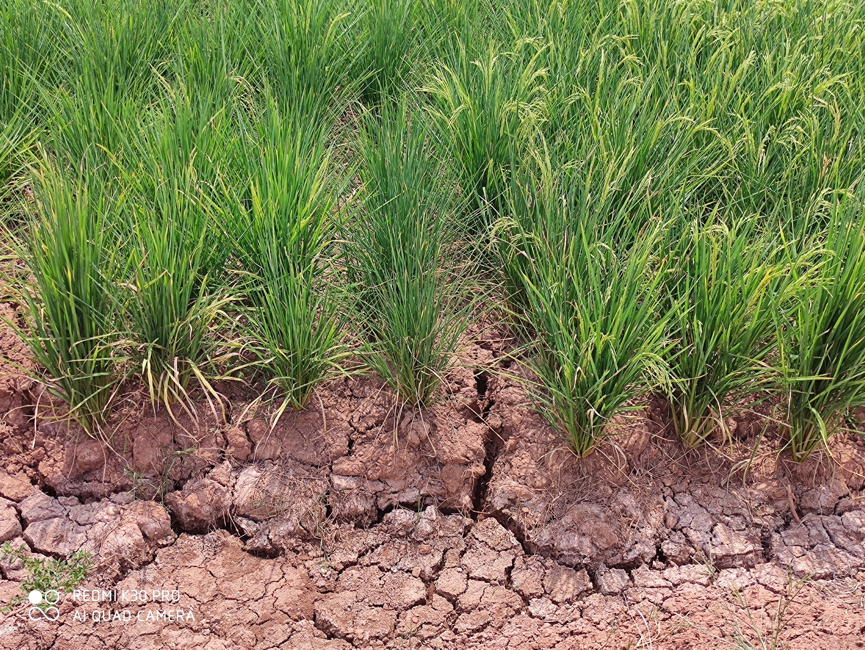
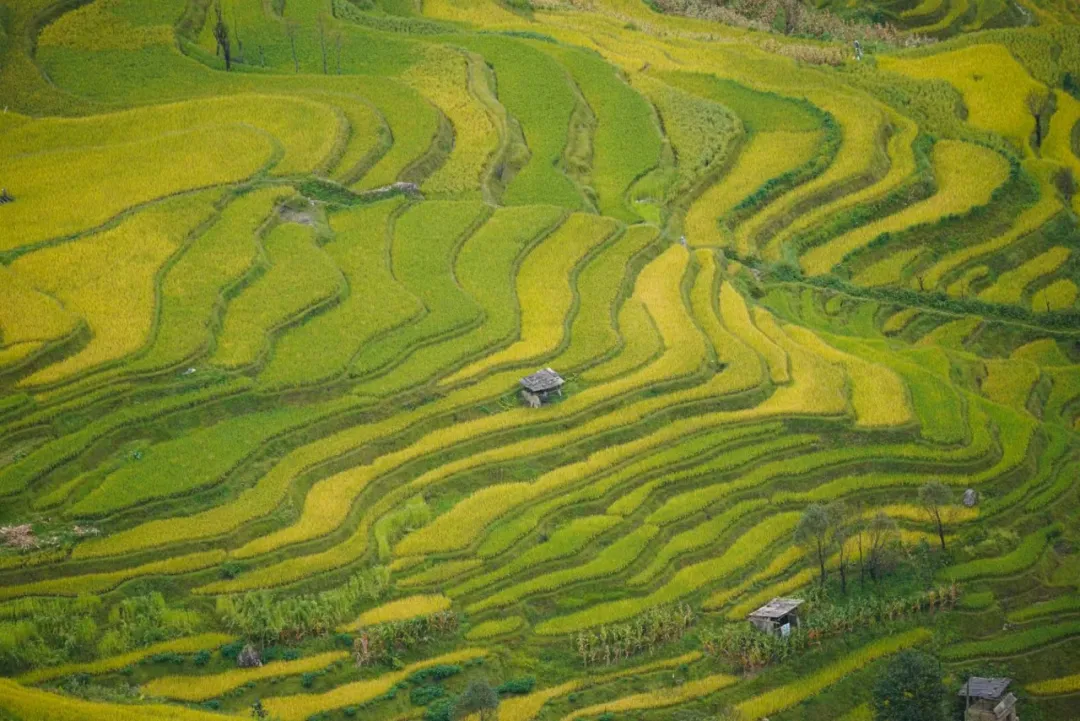
Farmers from Panzhihua, Sichuan; Wuhu, Anhui; and Fuyuan, Heilongjiang visited Sili’s project sites in Kunming, Pu’er and Honghe, Yunnan, examining whether water-saving rice methods, including ridged furrow irrigation and upland rice direct seeding, can save water and grow good rice in drought-stricken villages and terraces.
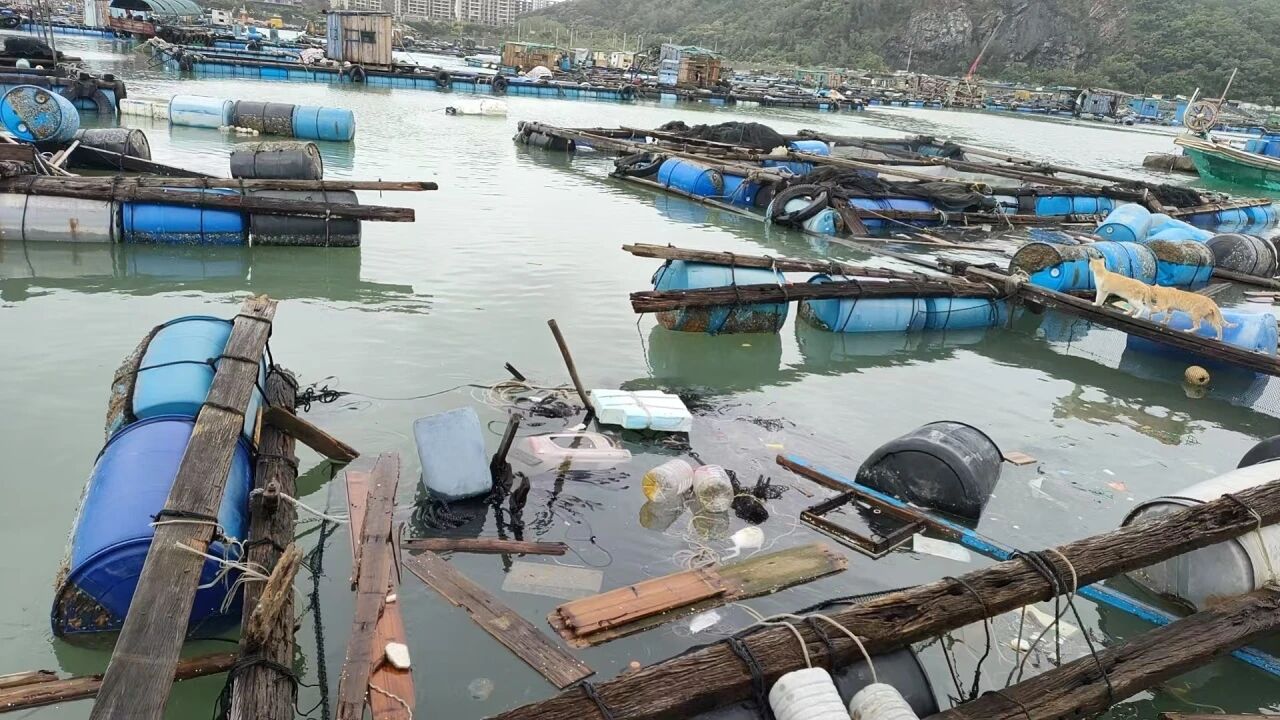
Typhoon “Kajasa” made landfall on the coast of western Guangdong, and Golden Pomfret, citrus, bananas, sugarcane and mud crabs that farmers planned to sell during Mid-Autumn Festival and National Day suffered extensive losses, while seawater inundation may salinise coastal farmland.
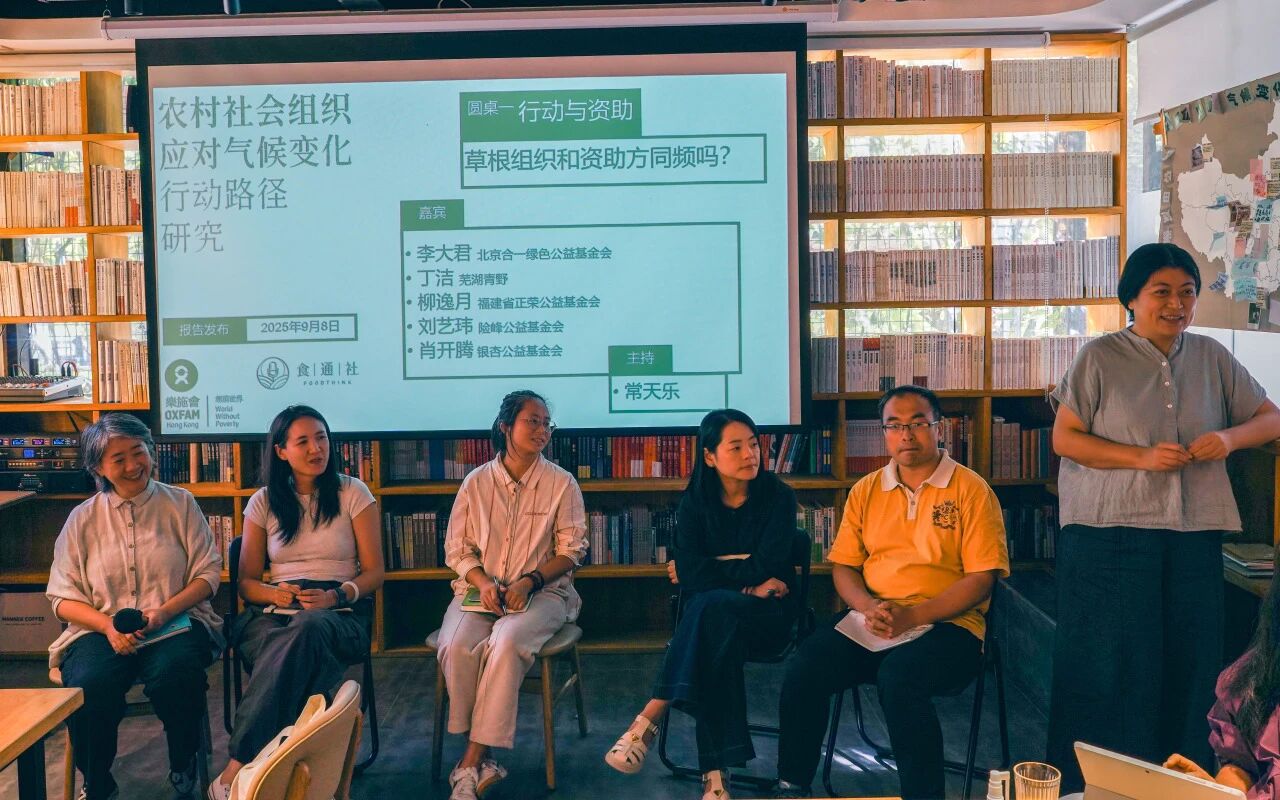
Foodthink’s research shows that rural social organisations need more than emission reduction accounting and risk assessment to build climate resilience. They must tackle livelihood issues such as hollowing out, ageing and water conservancy, and work with agricultural technology departments and grassroots governance.
In Pu’er, Yunnan, South American production cuts have kept green bean prices rising for a year, but erratic rainfall and extreme weather still threaten yields. Some coffee farmers are deep-processing beans, planting green manure and shade trees to adapt to climate and seek steadier prices.
In some villages in Sichuan, farmers and the public-interest organisation Home Action are trialling low-input, low-pesticide methods that retain local heirloom varieties, helping families eat healthily first and keeping seeds for the community to cope with heat and drought.
In Jianyang, Ya’an and other places in Sichuan, farmers including Yang Xiuyou and non-profit organisation Home Action use no-till cover, heirloom varieties and experience in storing grain to cope with harvest risk in persistent drought, while also sustaining village life for the left-behind elderly.
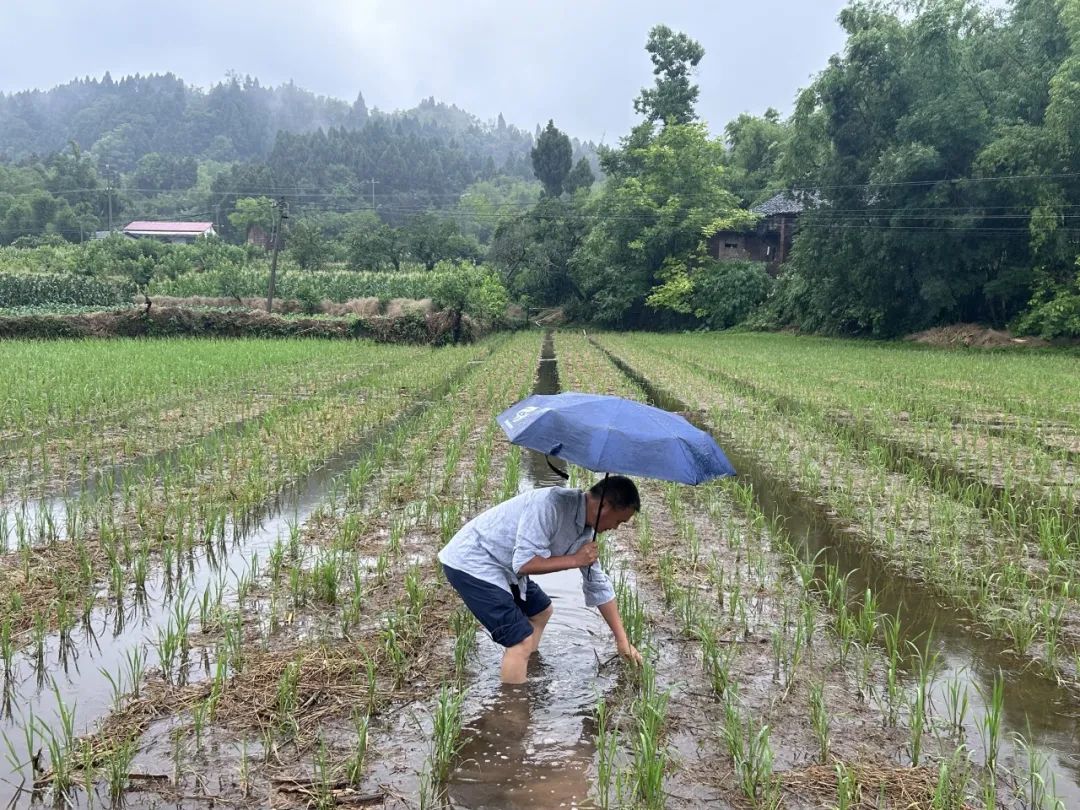
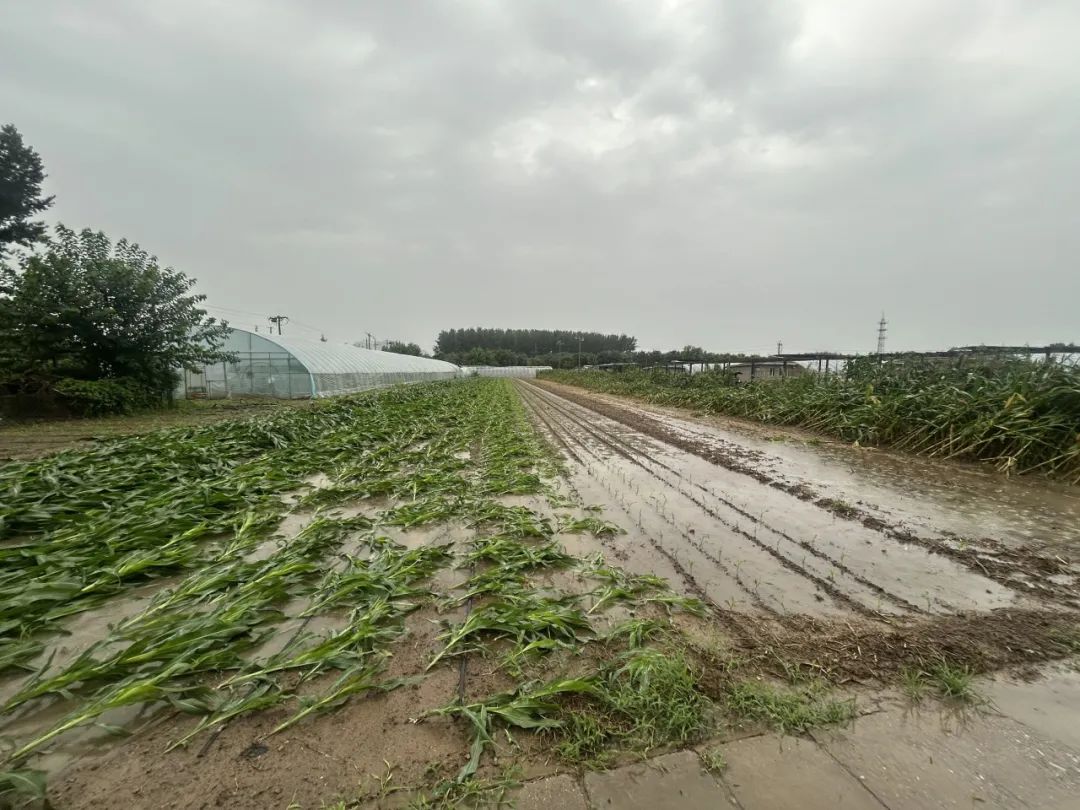
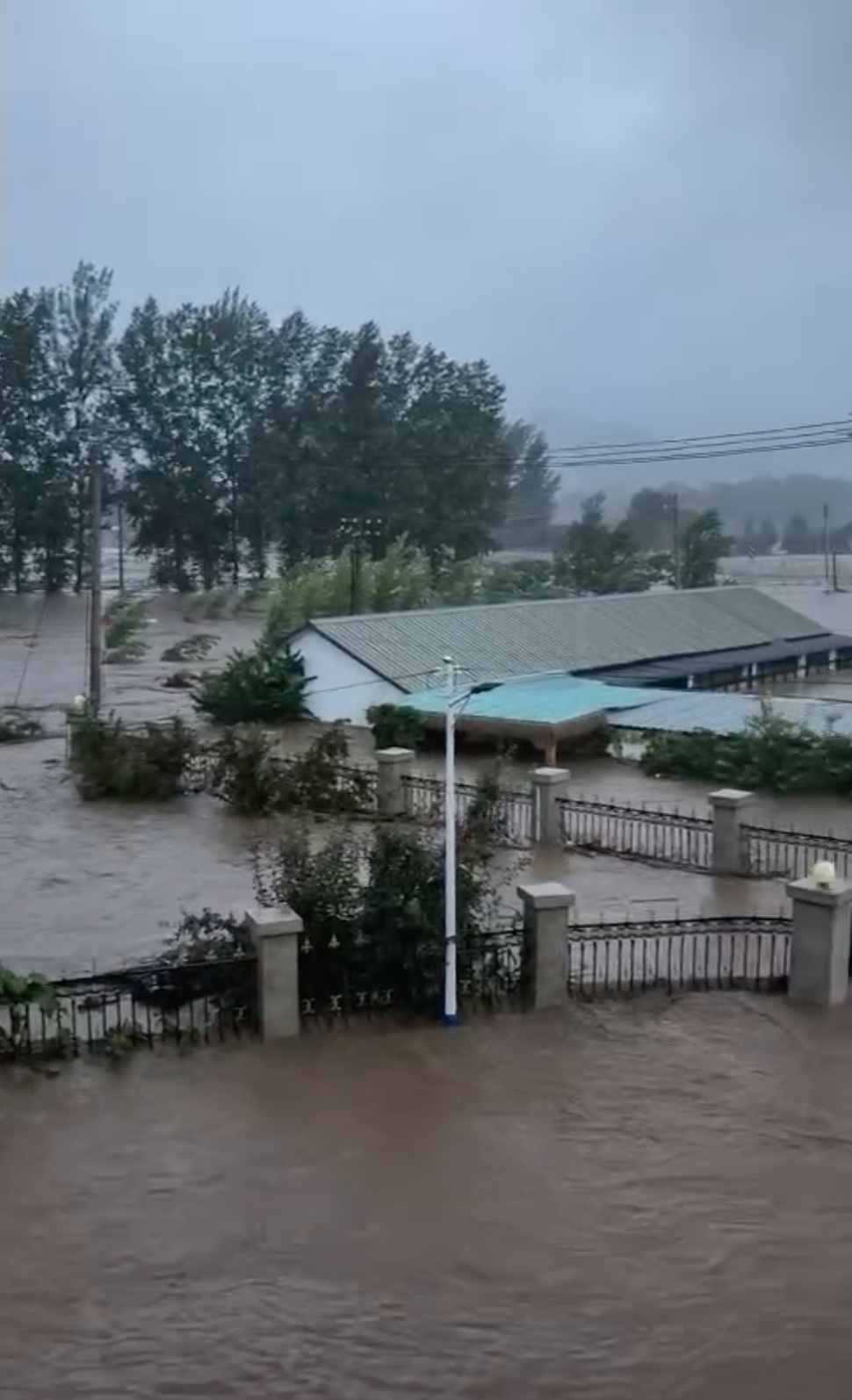
Ecological farmers in Beijing and Hebei have reshaped fields, repaired drainage channels and adjusted crops after consecutive downpours, trying to limit losses while facing added pressure from labour, facilities and public drainage.
Zhen Rui, owner of Sohu Farm, Beizhuang town, Miyun, had 450 mu of land washed away, and his investment of nearly 30 million was wiped out overnight. Two colleagues narrowly escaped death, and a weakness in early warning for extreme rainfall was fully exposed.
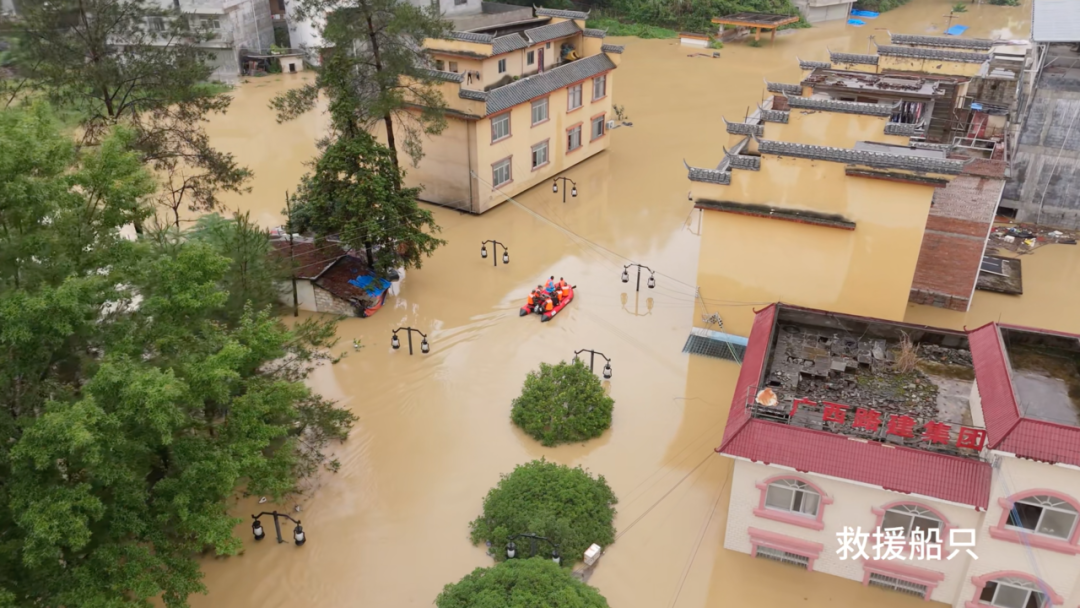
In heavy rain after the drought, rural residents in Sanjiang, Liuzhou; Lihu, Nandan; and Du’an, Hechi, faced water and power outages, washed-out roads or damaged crops. A mother and daughter in Lihu also moved Baiku Yao ceremonial dress to the fourth floor.
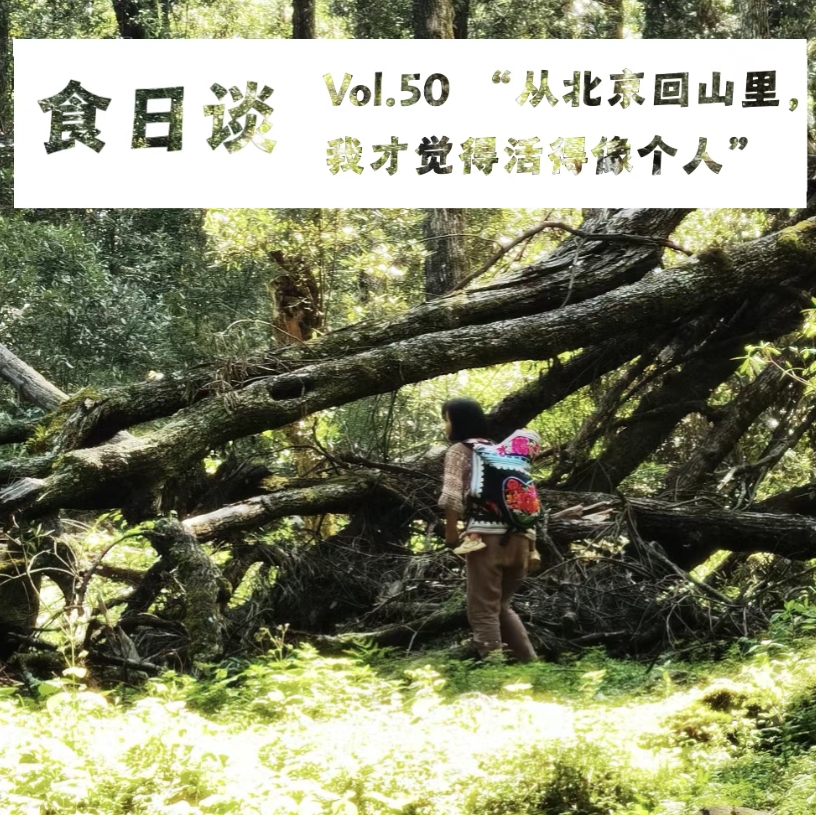
In a dialogue at the Beijing Organic Farmers’ Market, Kang Li, an Yi woman from Chuxiong, Yunnan, and Jin Peng, a Greater Khingan Mountains forager, describe returning to the mountains to pick mushrooms and selling wild mountain produce, discussing mountain village labour, climate change and pricing logic.