
Scandal After Scandal: What’s Wrong with the Organic Industry?
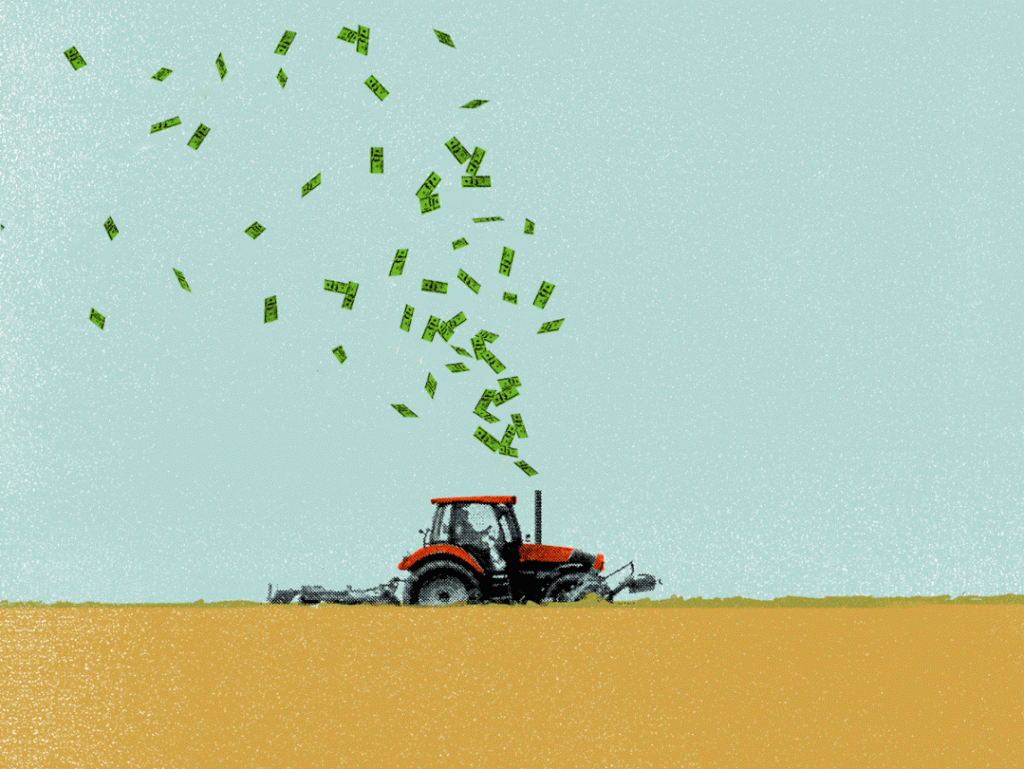
This is the largest fraud case in the history of American organic agriculture.
In August 2019, a federal judge sentenced 61-year-old Missouri farmer Randy Constant to ten years in prison for fraud, finding that he had spent years selling conventional products as organic in a scheme involving more than $140 million. According to court documents, between 2010 and 2017, the Missouri Organic Land Management Company run by Constant sold over 11 million bushels of grain (approximately 240,000–280,000 tonnes), more than 90 per cent of which was falsely marketed as organic grain. While buyers and consumers were being deceived, Constant used his enormous profits to gamble in Las Vegas and maintain relationships with multiple women. Days after the sentencing, Constant died by suicide at home.
At the end of last year, The New Yorker published a long-form investigative report on the Constant case, conducting in-depth research and interviews into a fraud scheme that spanned multiple layers of people, institutions, and processes. Beyond telling the story of the case, the article goes to a more fundamental question: Why did regulators fail to detect and prevent the fraud at multiple stages? What is causing the organic certification system to break down?
I. I. No Certification, No Organic
When you hear the word “organic”, what comes to mind? No chemical fertilisers, no pesticides? In fact, there is no single definitive answer to how organic products are produced, because in the marketplace, “organic” is a labelling term referring to certified foods, animal feed, clothing, and personal care products under each country’s organic production regulations. Generally speaking, meeting organic product standards means using non-GM seeds and forgoing most of the chemical fertilisers and synthetic pesticides widely used in conventional agriculture, particularly those inputs harmful to humans, animals, plants, and the ecosystem. That said, each country’s organic standards vary to some degree. Below are some common national or regional organic certification logos.
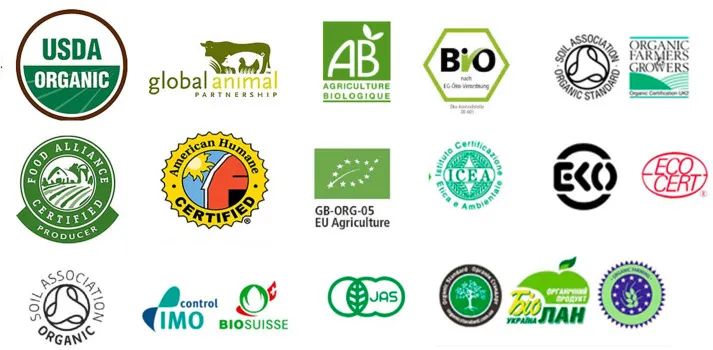
Under each country’s organic regulations, private companies, industry associations, or government bodies can conduct “organic certification” for producers. Those who meet the requirements are issued a certificate, and manufacturers can then affix the relevant national or corresponding organic label to their products and sell them as organic. This model, in which producers pay the certifying body, is also widely used in certifications well beyond the organic sector. From the familiar ISO standards to the proliferation of environmental and climate-change-related certifications in recent years, nearly all follow this form of “third-party certification”.
Understanding this also makes clear why the certification system is essential to the organic industry, and why its failure is tantamount to self-destruction for the sector.
II. Just Issuing Certificates
US Organic Certification That Ignores Production Volume
The New Yorker’s report on the Constant case describes a dramatic moment: in 2006, grain trader Duane Bushman, who had long been buying organic corn from Constant, went to Constant’s business partner Glen Borgerding with questions about how much corn Constant’s company actually grew. Borgerding replied, “about 1,500 acres.” Bushman immediately realised that the corn yield from an area that size was far less than the volume Constant had been selling him. In that instant, “it was as if you could hear a pin drop.”
A flaw so obvious it could be spotted with a simple calculation—how did it go undetected for years? What is perhaps more astonishing is that the systemic loophole enabling it is just as absurdly simple.
US organic farm certification is valid for one year, but the certificate does not lapse once the organic produce has been sold through. A farmer with only a dozen or so organic apple trees can still sell over a million organic apples, because a buyer cannot simply check the organic certificate and spot the discrepancy. As one senior grain trader put it: “Some certificates list the acreage, and some don’t. (Because) the United States Department of Agriculture (USDA) has not made that a requirement. It’s absolutely insane!”
Constant spotted this and exploited it. Under a system like this, fraud is almost too easy: as long as he controlled some fields certified as organic, he could sell unlimited quantities of “organic grain” and no one would be able to tell whether the grain actually came from certified organic land.
The power dynamic between farmers and certifying bodies also created a latent vulnerability. Chris Barnier, who had previously been responsible for monitoring Constant’s company’s financial records, observed that to obtain certification, farmers had to pay the certifying body—sometimes as much as several thousand dollars. For the certifying body, a farm was more like a client than a subject of scrutiny. Given such a conflict of interest, certifying bodies were reluctant to expose fraud. Besides, no matter how principled the inspectors were, oversights were inevitable.
Barnier had himself served as an inspector for a time and explained that during farm inspections, if an inspector lingered too long, pored over the paperwork, or pressed a few extra questions, it could come across as a provocation to a busy farmer. Under such conditions, the certifying body was often left without real authority or effectiveness.
III. Longer, More Chaotic Cross-Border Supply Chains
As a local farmer who grew and sold entirely within the United States, Constant exploited the system’s loopholes to run a brazen scam for nearly a decade before being brought to justice. By now, major organic-consuming markets such as the United States and Europe are increasingly reliant on imports—so how effective is certification for overseas farmers in places where, as the old saying goes, “the emperor is far away”? As it turns out, the certification system only grows more chaotic across the long, cross-border supply chain stretching from farmer to shopper.
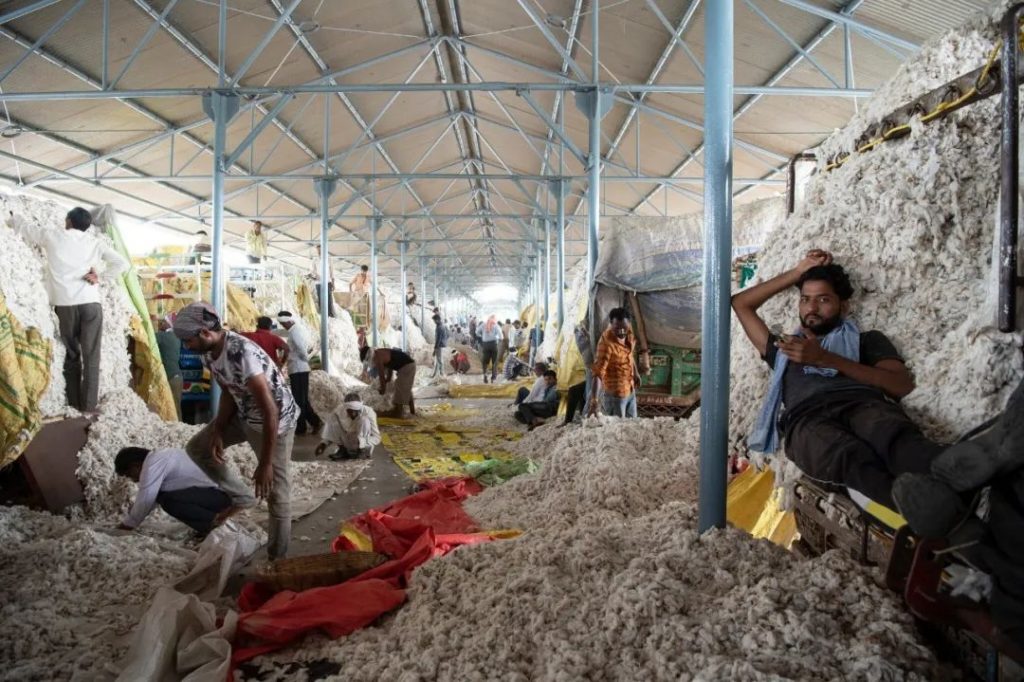
In 2017, The Washington Post reported a case in which a shipment of some 16,000 tonnes of “organic” soybeans was transported from Ukraine to Turkey and then to California, only to be discovered later that it had been fumigated with a prohibited pesticide. In February this year, The New York Times reported a massive scandal in the organic cotton industry. Estimates suggest that 20 to 80 per cent of the so-called organic cotton that India, the world’s largest supplier of organic cotton, sells around the globe is fake organic.
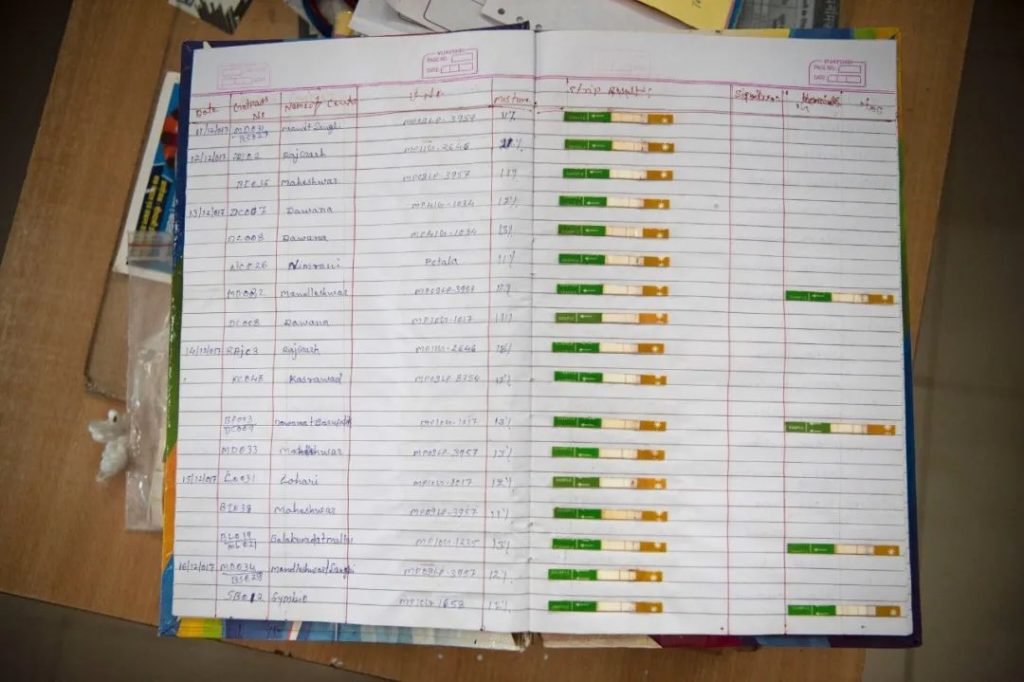
Beyond the issues mirroring the US fraud case—using conventional cotton to pass as organic cotton—the multiple processing stages and longer production chain in textiles create opportunities for fraud at every link. From raw cotton to ginning, spinning, weaving, and finished garments, in principle each stage carries its own organic certification and certificate. Yet investigations by The New York Times and other media outlets have found that the entire process in India’s organic cotton industry is riddled with loopholes: organic certifications issued by the local offices of international bodies rest on a single annual inspection or a handful of random farm visits, and paper certificates can be easily altered to match the volume of “organic” product a factory wants to sell.
Meanwhile, the industry also lacks a unified database to verify the process, making it impossible to confirm whether a particular batch of cotton has already been carried forward to the next stage to obtain certification for organic yarn or fabric. This results in a situation similar to the US fraud case: a single organic cotton certification can serve as the basis for certifying countless quantities of yarn and fabric.
IV. Market-Driven, Pulling Up the Seedlings
The cross-border organic scandals also reveal another, more complex issue: the impact of major brands entering the industry. Western organic agriculture was largely pioneered by hippies in the 1960s who cared about environmental issues and opposed capitalism and consumerism. For the two decades that followed, organic food, as a niche product, was mainly traded in local markets, typically sold by farmers directly to consumers.
But over the past few decades, as consumer awareness of the environment, food safety, and health has risen, and as conventional farmers have also begun making the transition to organic, it has grown into a market worth tens of billions of dollars. Retail giants eager to expand their organic product lines have played a dominant role—conventional supermarkets such as Walmart and Costco, fast-fashion brands such as H&M, and Whole Foods Market, the “organic health”–focused chain acquired by Amazon, among others.
The entry of large corporations has driven a sharp surge in market demand for organic products, spawning a cross-border chain of production, certification, transport, and sales. In this chain, the farmers who actually improve soil, use organic seeds, and maintain biodiversity bear the highest costs in learning, research and development, and production, yet are often the least to benefit.
This is all too familiar in India’s organic cotton growing sector. Because no pesticides or chemical fertilisers are used, organic cotton often has lower yields; limited by the availability of organic seeds, it also tends to have shorter fibres and lower quality. Large brands have exploited their market power to drive down the purchase price of organic cotton, pushing many organic cotton farmers into bankruptcy. The disappearance of genuine, legitimate organic growers has in turn created space for speculative middlemen, who buy conventional or even GM cotton from elsewhere and sell it as organic cotton, reaping enormous profits.
Moreover, the cross-border organic industry increasingly involves international political factors. For example, NGOs in the organic sector once worried that exposing the Indian organic cotton scandal would invite criticism from the Modi government, as his administration has been cracking down on those who dare to criticise the country. Similarly, as a major supplier of organic grain, Ukraine—recently caught up in war—will also leave a huge vacuum in the market.
V. V. Breaking Free from the Shackles of the Existing System
In the closing section of the New Yorker’s report on the Constant case, the author cited a series of telling emails and phone records: from 2012, several grain traders had grown suspicious of Constant and repeatedly filed complaints with the National Organic Program (NOP), the regulatory body for the US organic industry, demanding that an investigation be launched. Yet NOP either failed to respond or simply brushed the complaints aside. This attitude was partly a product of the agency’s limited resources and its backlog of complaints—in 2019, the entire NOP had just 37 staff—but a more significant factor appears to have been a quiet ambivalence within the organic industry toward violations.
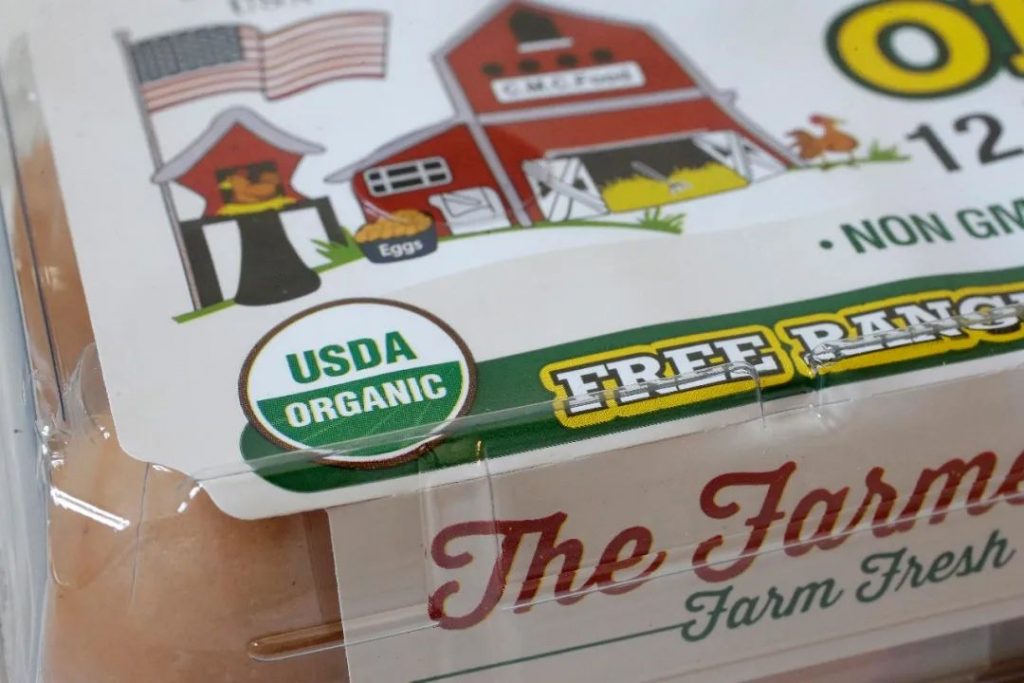
Some industry insiders believe that across the organic sector as a whole, there is a widespread fear of breaking something fragile: does openly discussing fraud help the industry move forward, or does it erode consumer confidence and deal it further damage? Could it stifle the organic movement? Would it undermine the very market that countless practitioners are working to improve?
After all, for many practitioners, the draw of the organic industry lies in its environmental and social values: converting farms to organic methods can boost biodiversity, reduce energy consumption, and improve the health of workers and livestock. Compared with conventional food laden with chemicals, organic produce is also healthier and more nutritious. It also represents an idyllic vision of pastoral harmony between humanity and nature: a deeper connection to the land that benefits both people and the natural world. Within such a worldview and culture, whether to expose the industry’s ills becomes a complex question of values.
There are more practical considerations, too. Whether American media outlets or law enforcement agencies, all went to great lengths—conducting thorough investigations—before exposing industry parasites like Constant and bringing them to justice. Ordinary farmers and traders without access to such resources, even when they suspect something is off, find it difficult to build a solid evidentiary case to publicly call out non-compliant practices within the industry.
If the existing certification system appears increasingly unable to uphold the integrity and legitimacy of the entire industry, is there a better way to safeguard it?
From within the system, the United States Department of Agriculture (USDA) issued a proposed rule as early as 2020, intending to advance a comprehensive plan to prevent fraud within the industry. On the other hand, the slow pace of policy implementation and the loopholes that still persist have led many practitioners to seek answers outside the establishment.
For instance, while the USDA’s logo remains the authoritative national certification, many other certifications are now emerging as complements. Some non-profit organisations have also begun offering farms a new tier of secondary certification, applying standards stricter than those required by the USDA—such as pure-soil cultivation, for example.
More options, more voices at the table, and more stakeholders all help the organic industry break free from the shackles of the existing system—without the fear that any change might destroy the entire industry. As Dave Chapman, executive director of the non-profit The Real Organic Project and himself an organic tomato grower, put it: “We can’t say the organic label is losing its shine just because people express doubts. People question it because they should question it.“
Further Reading
https://www.newyorker.com/magazine/2021/11/15/the-great-organic-food-fraud
https://www.nytimes.com/2022/02/13/world/organic-cotton-fraud-india.html
https://civileats.com/2022/02/14/what-is-the-future-of-organic/
http://www.cnca.gov.cn/zw/jd/202009/t20200904_63988.shtml

Foodthink Author: Tang Shuhua
Media professional and home cook. A graduate of the London School of Economics and Political Science, with a love of traditional markets and a focus on food and agriculture issues.
Editor: Tianle