
Learning to Grow Rice in the Village: 2.6 Mu of Ecological Rice and Nearly 5,000 Yuan in Losses
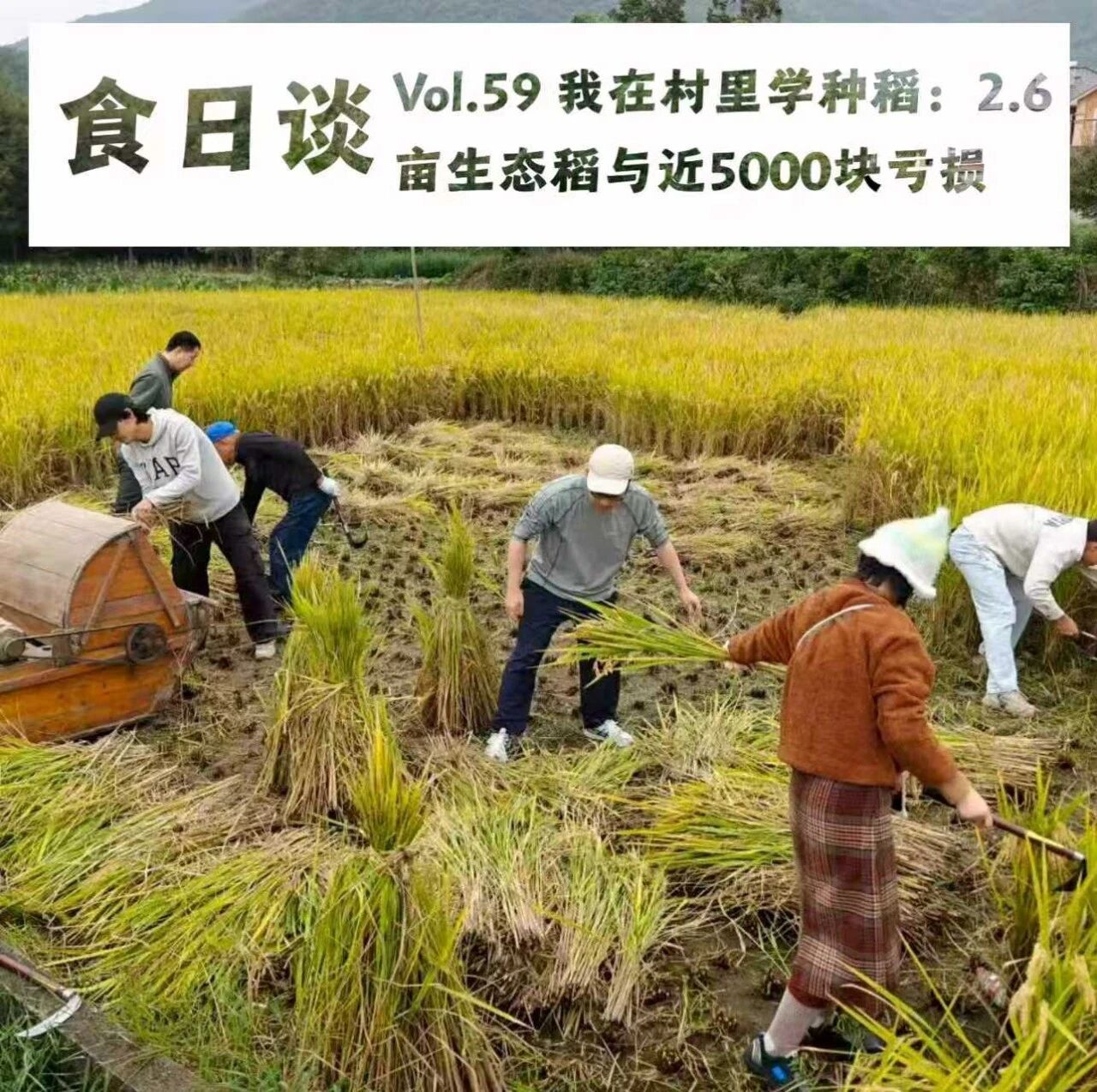
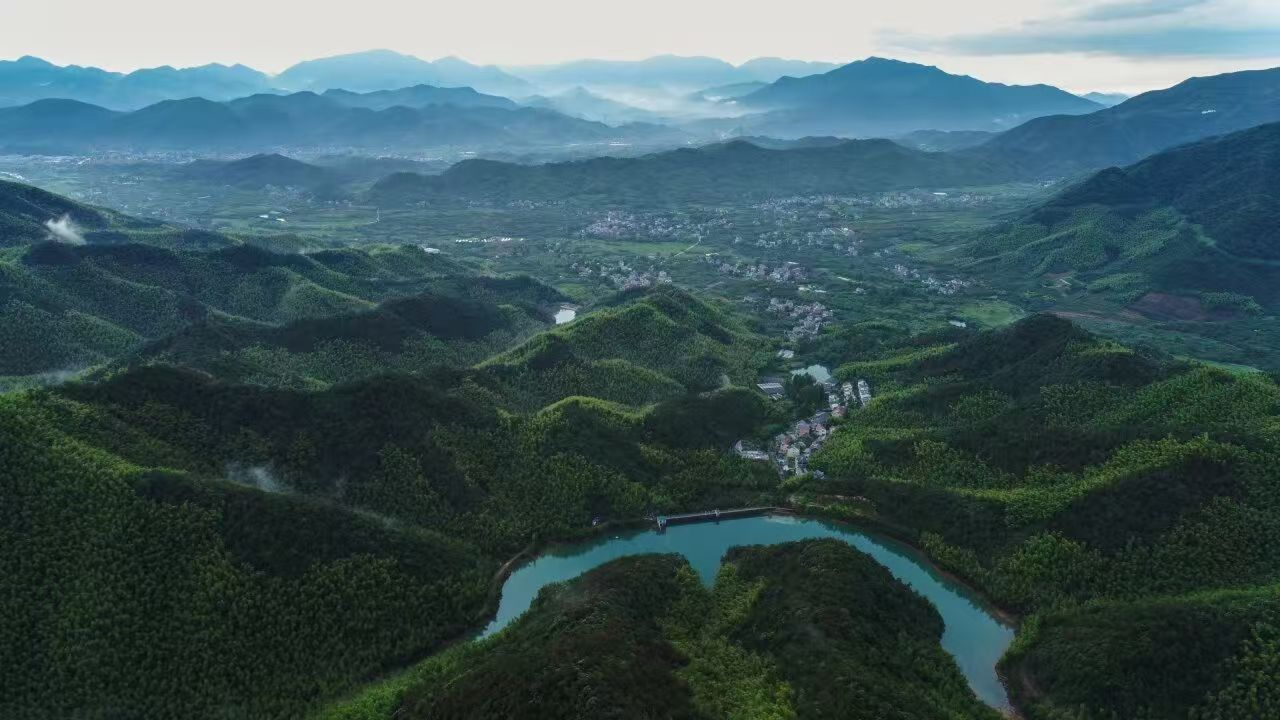
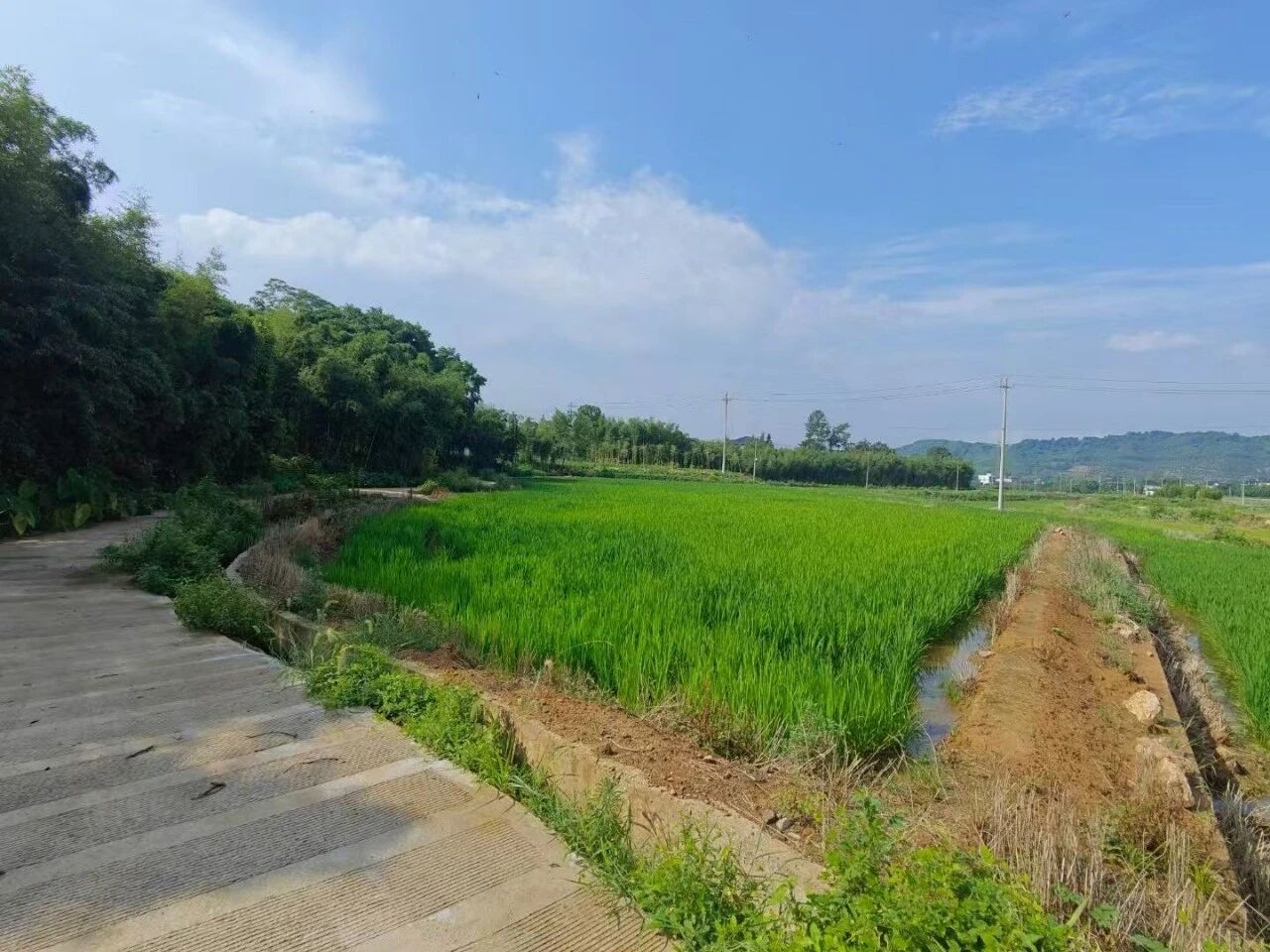
Chen Jingjing, a formally trained graduate of China Agricultural University who has long been engaged in rural construction research, made a “counterintuitive” decision this year: to put down roots in Qingshan Village, Hangzhou, and take on a full season of authentic ecological rice cultivation.
This is far from a superficial conceptual experiment—it is a head-on collision between ideals and reality.
Chen Jingjing is not entirely unfamiliar with rice farming. He has spent almost his entire life engaged with the countryside. Born in a small mountain village in central Zhejiang, he grew up in a family that raised silkworms, cultivated paddy, and processed candied dates. But getting his hands into the soil to grow rice was a first for him.
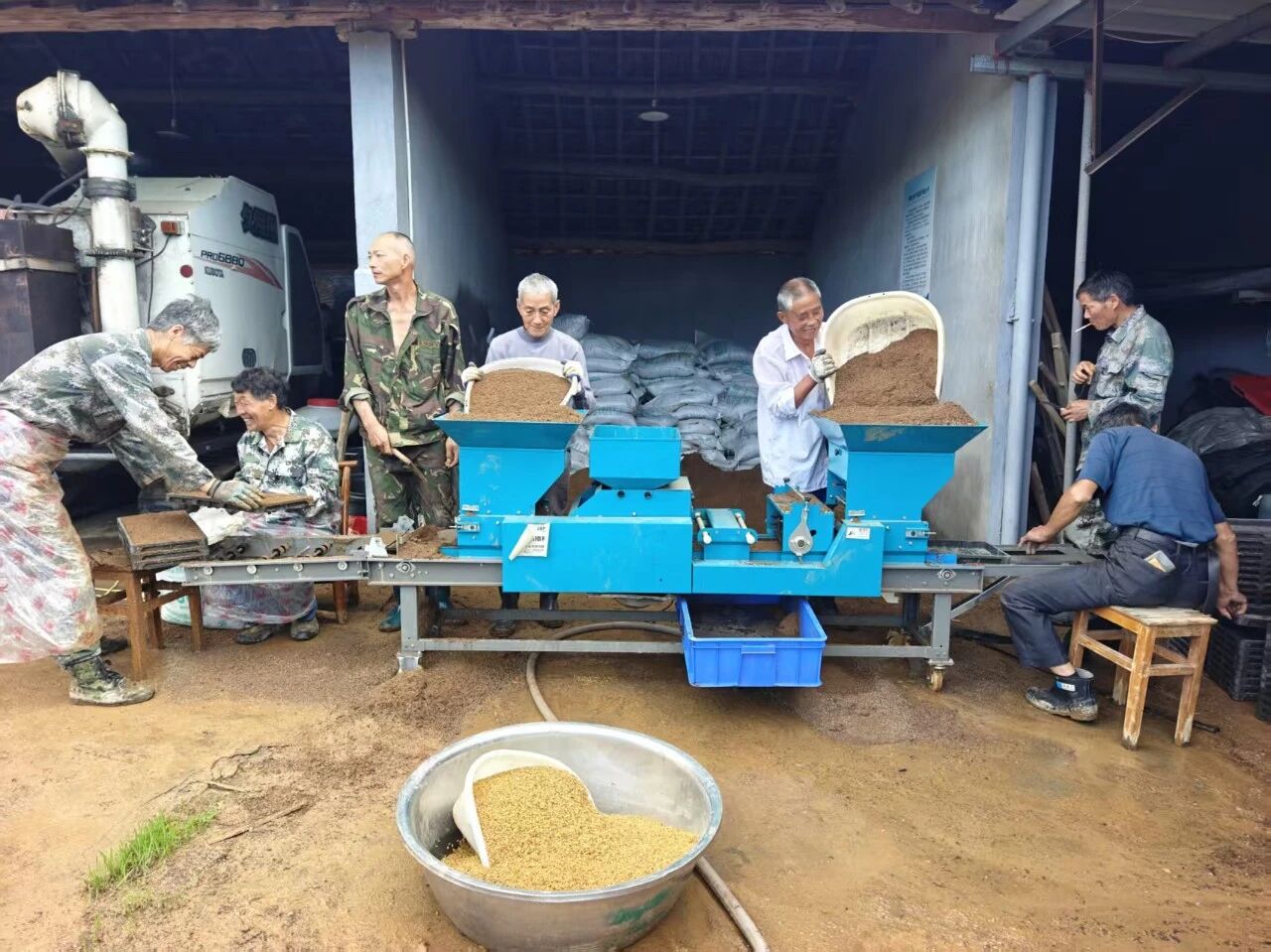
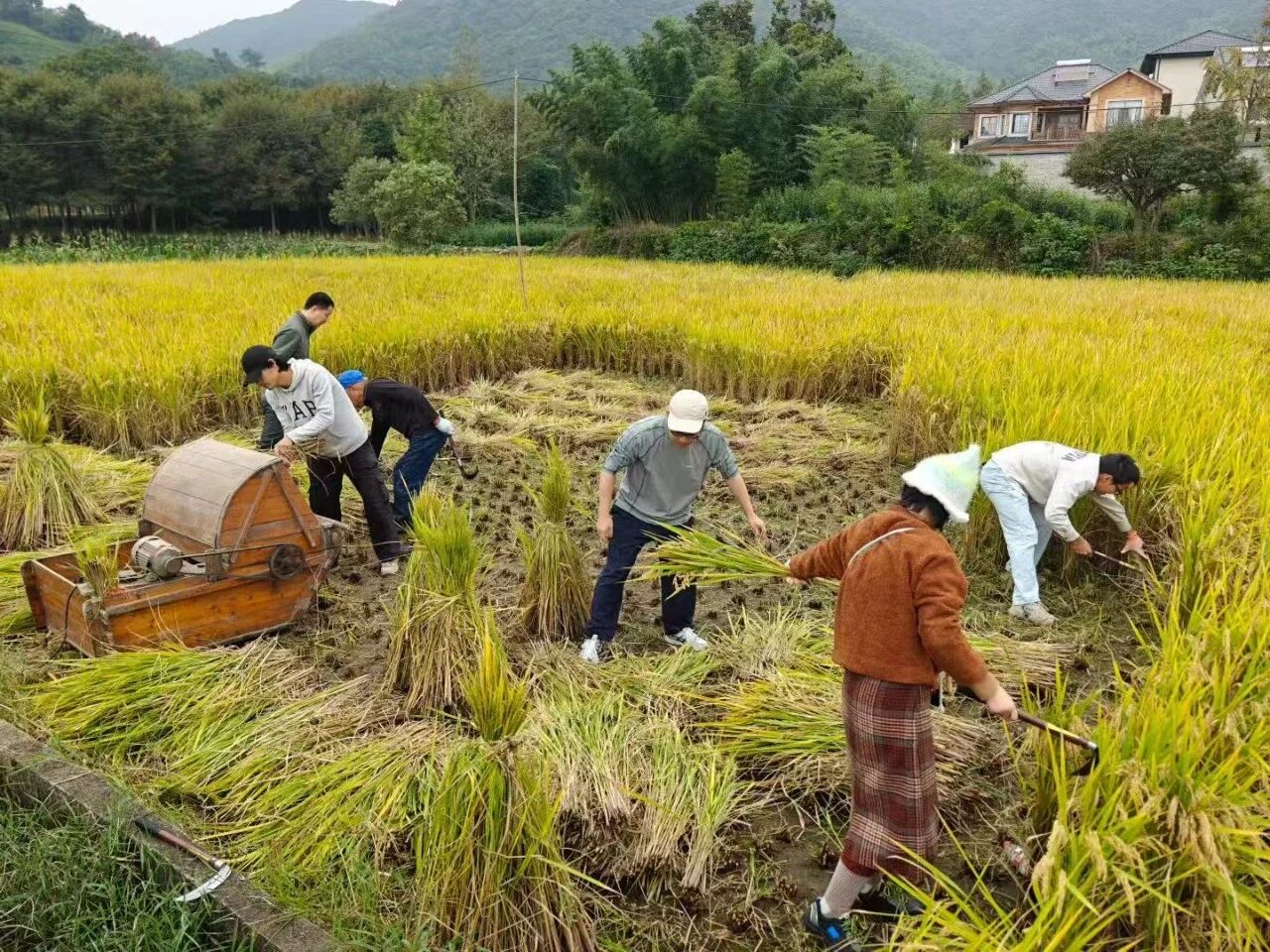
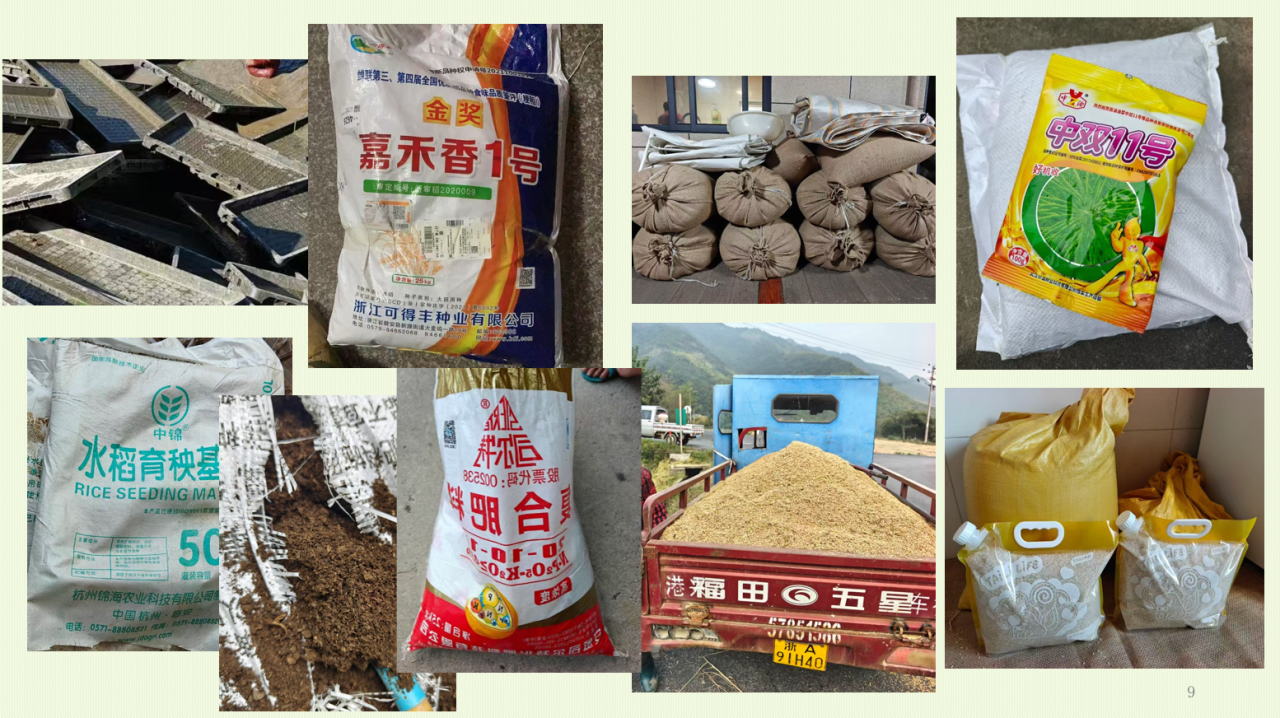
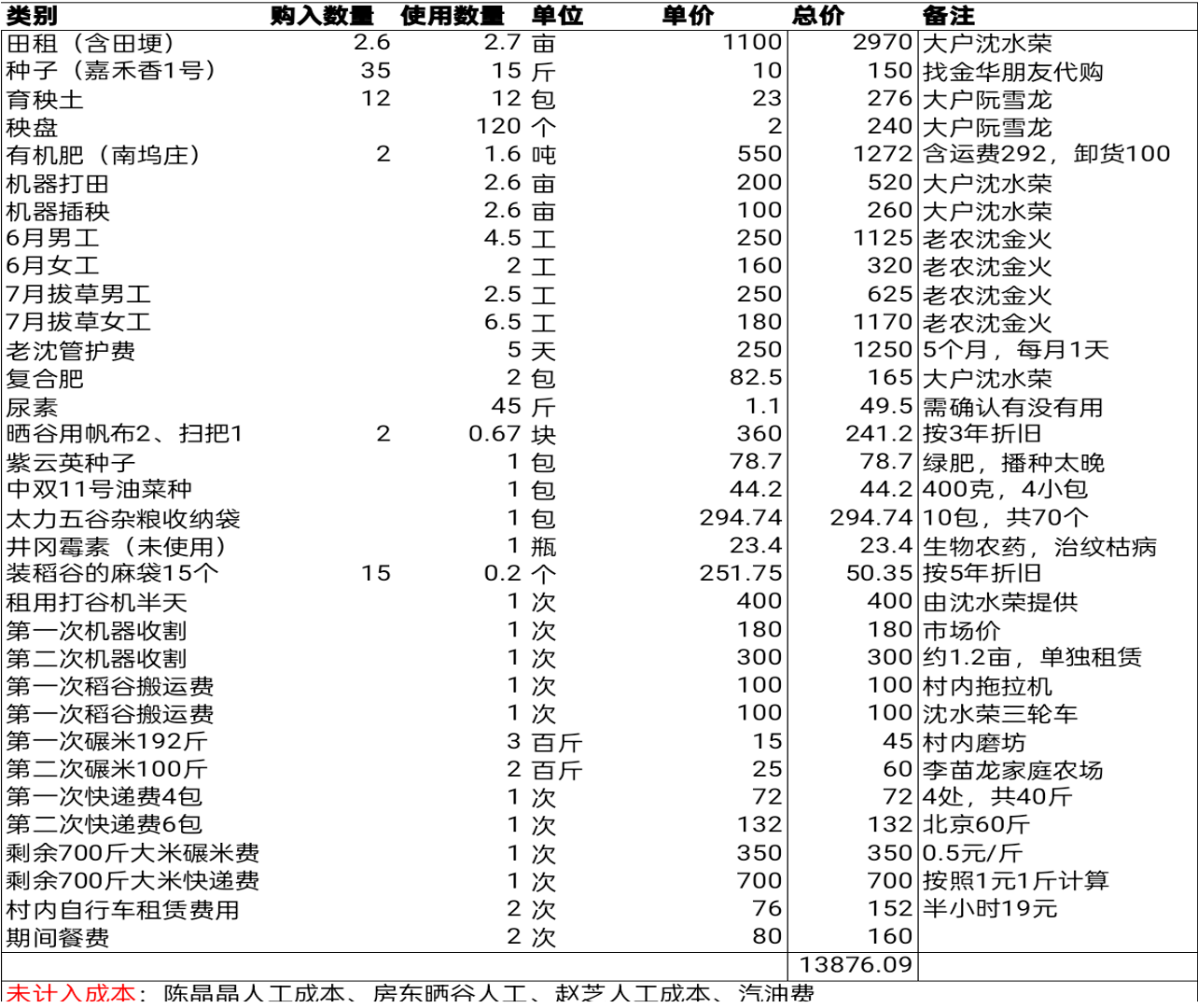
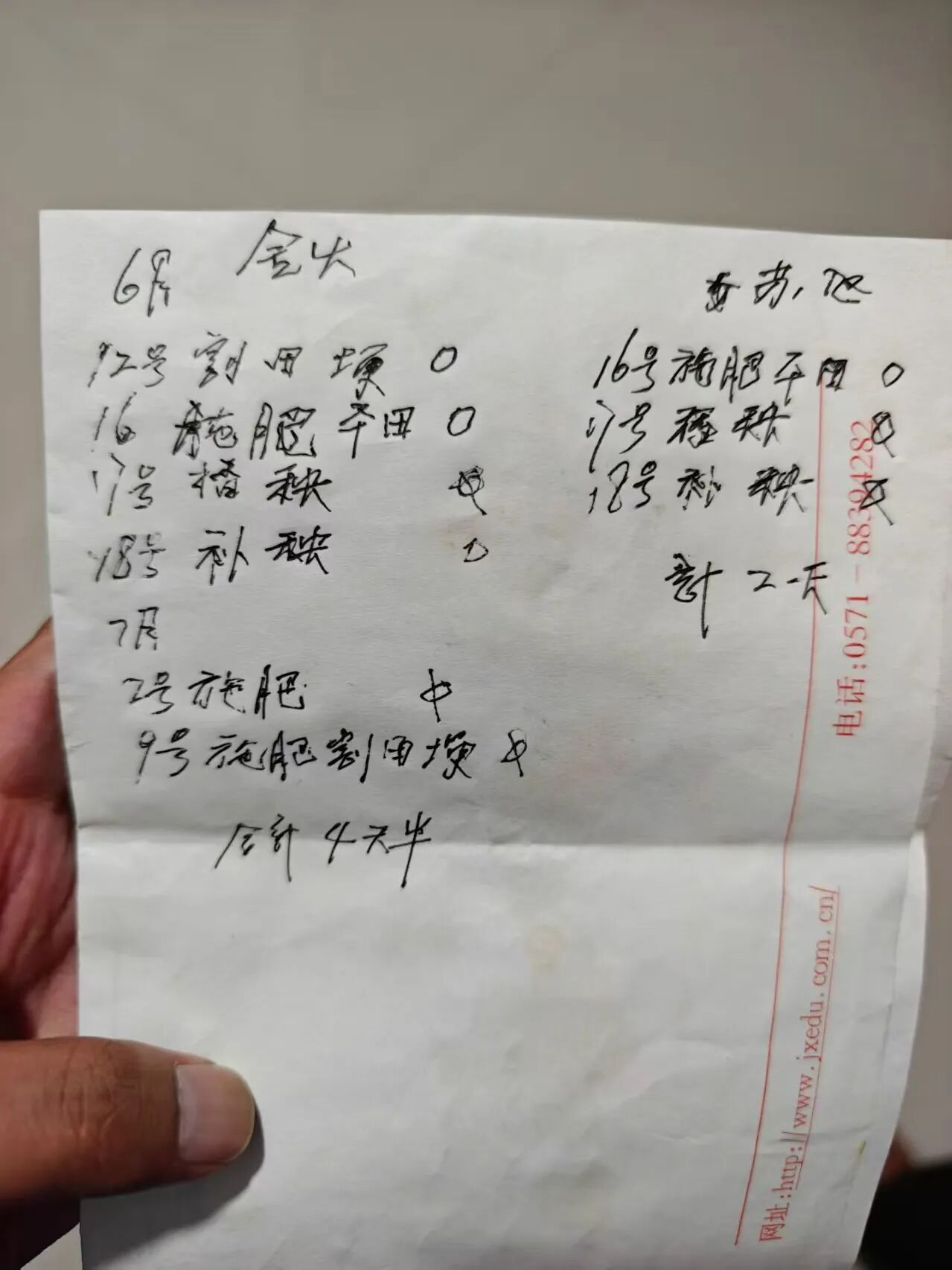
From selecting land and raising seedlings to processing and logistics, every single step gave this “seasoned expert” a harsh lesson in reality. To hold the line on not using herbicide, he paid staggering labour costs. To preserve the taste of the grain, he chose sun-drying, only to be worn down by the gruelling logistics of organising workers. Meanwhile, the bills kept piling up: seed, organic fertiliser, chemical fertiliser, combine harvester hire, hired labour, transport, drying, packaging…
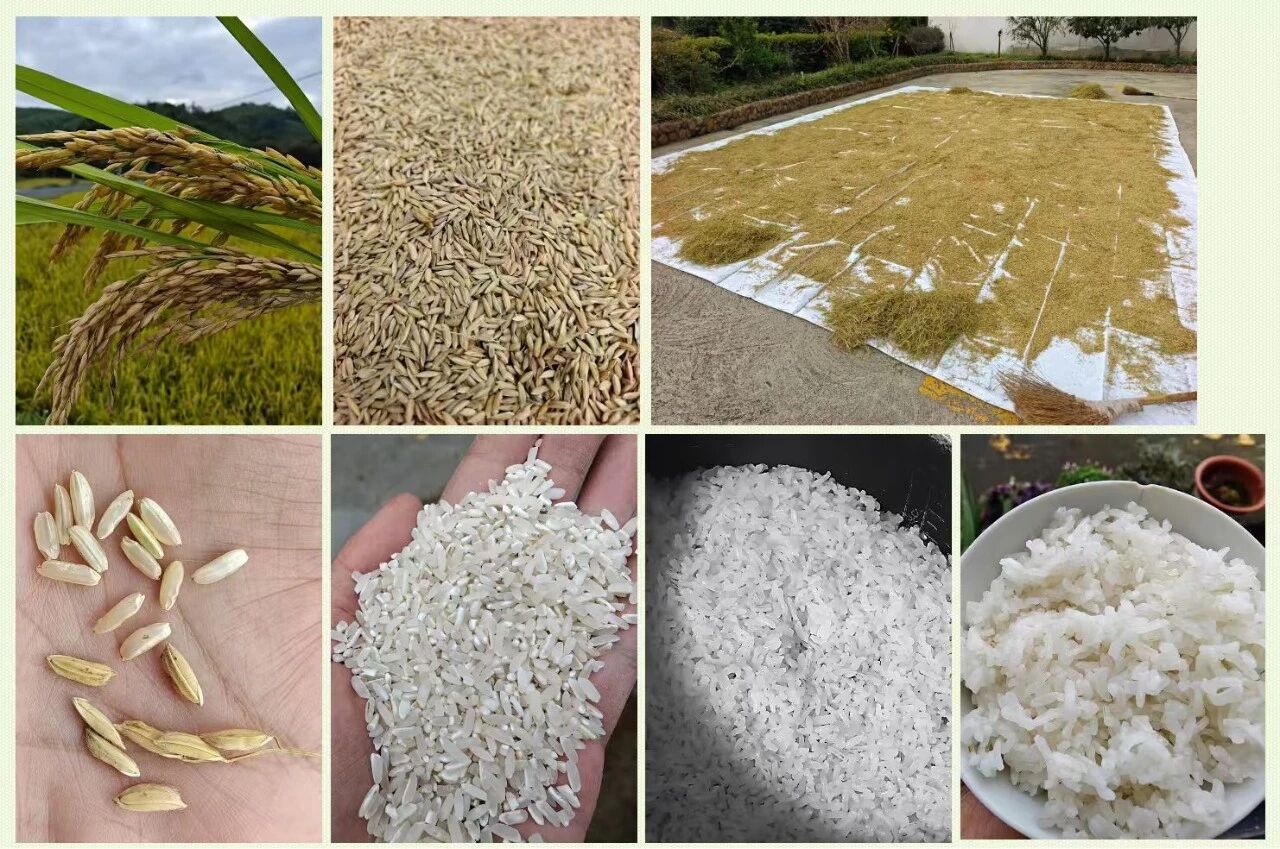
At the end of last October, the rice was finally harvested, and Chen Jingjing sat down to eat milled rice grown by his own hands. But when the numbers were added up, the production cost per jin (500 g) of milled rice turned out to exceed 30 yuan, with a loss of nearly 5,000 yuan for the entire season.
What exactly happened along the way? This episode of the podcast grew out of an in-person sharing session, in which Chen Jingjing candidly opened up his weighty, unvarnished farming ledger for everyone to see. It is far more than a loss figure—it reads like an extraordinarily honest lesson on contemporary Chinese agriculture:
- The Clash of Ideals and Reality: Why does farming “without chemical fertilisers or pesticides” prove so impossible within a real agricultural system?
- The Power of Structure: How do land-rent logic, grain subsidies and the modern division of agricultural labour “educate” idealists, step by step?
- Rebuilding Relationships: What structural shifts are reshaping the bond between modern farmers and the land?
- Questioning Value: In a society where solitude and relentless acceleration coexist, what does it truly mean for one person to grow food with their own hands?
This Episode’s Guest
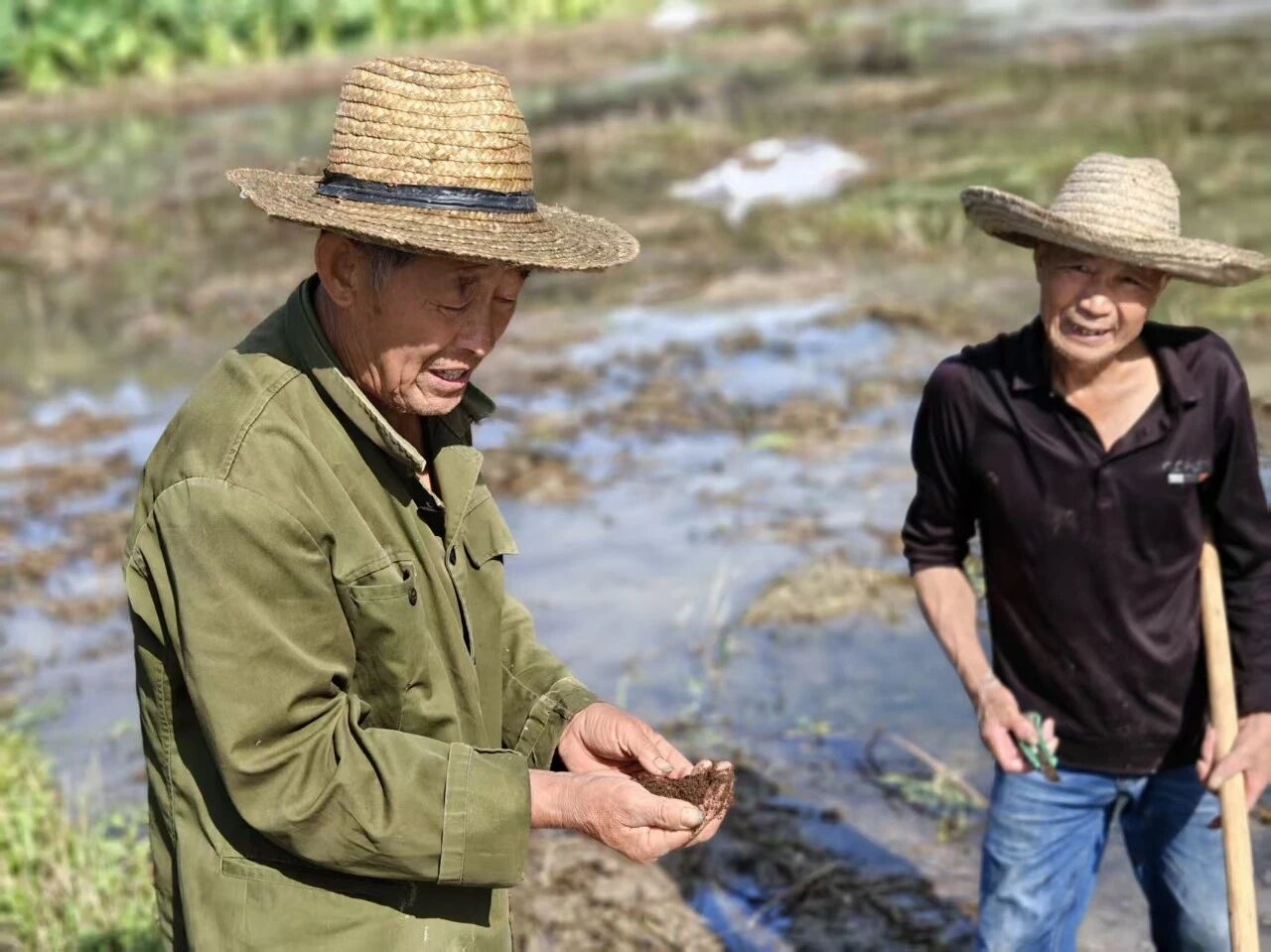
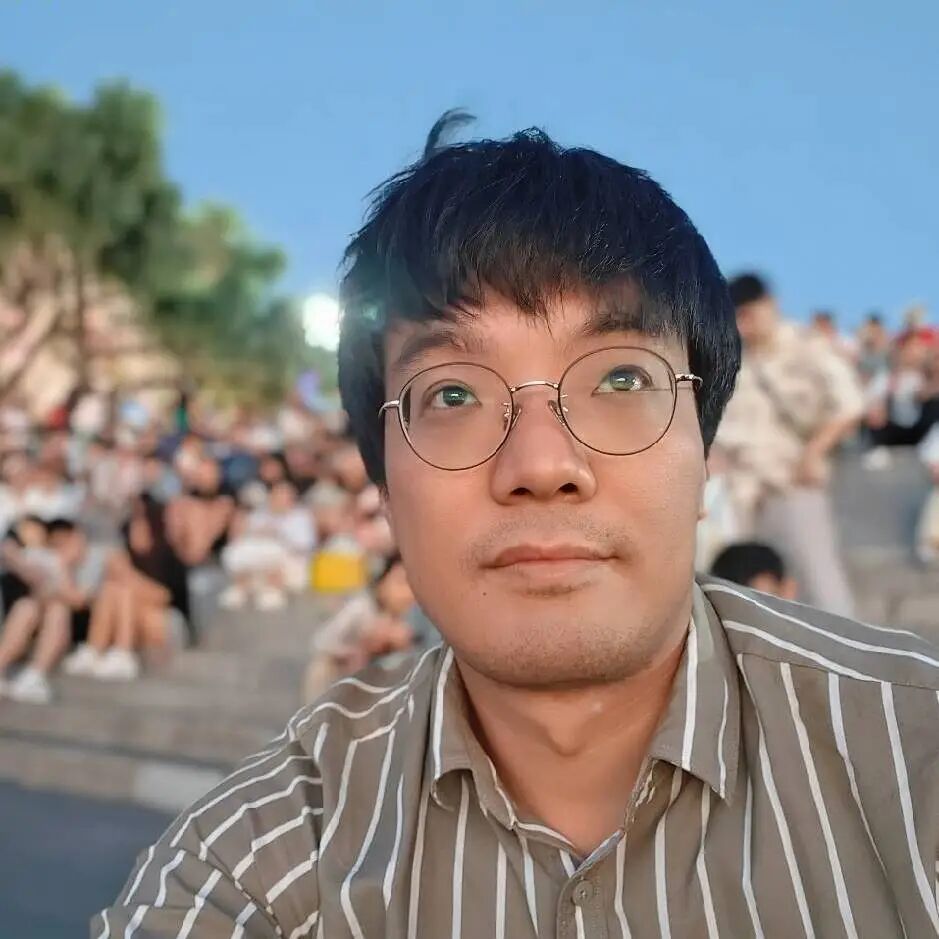 Chen Jingjing
A graduate of China Agricultural University and a practitioner with 20 years of experience in rural construction, Chen Jingjing has spent long stretches stationed in villages across different regions, dedicated to research on agricultural and rural reform and to the practice of rural revitalisation.
This Episode’s Host
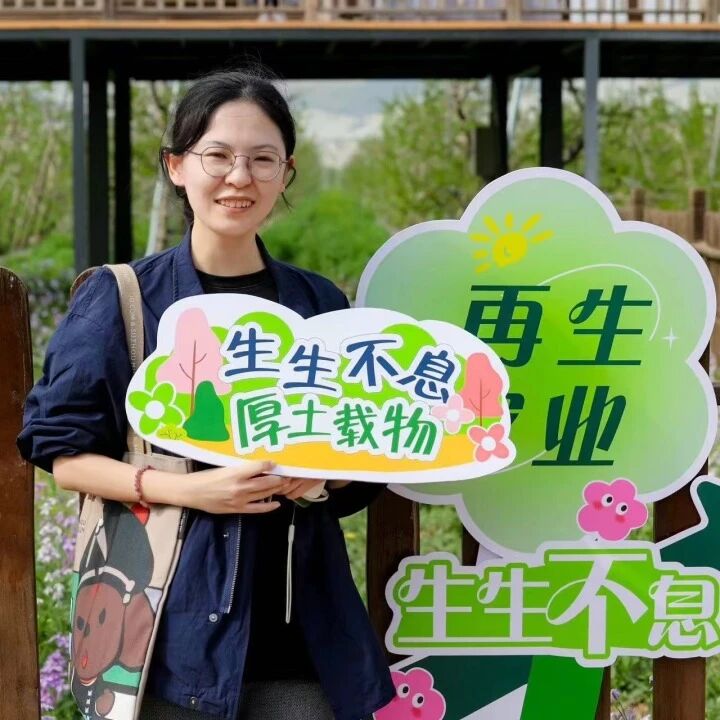 Xiaodan
Former agriculture journalist with 20 square metres of land to farm in 2026.
04:28 Can an “arts village” that attracts designers, environmental organisations and new villagers still take food production seriously?
11:15 Why did someone who has spent 20 years in rural construction decide, on his very first attempt to grow rice himself, to “do things off the beaten track”?
11:41 Of all the crops he could have tried, why did he choose the hardest, most exhausting and least profitable—rice?
15:47 Chinese agriculture is shifting from the “smallholder’s imagination” toward a real structure driven by large-scale farms, mechanisation and subsidies.
19:22 Modern-day new tenant farmers: why do the best paddy fields never go to those “who truly want to work the land”, and where exactly does the land transfer process get stuck?
22:52 From raising seedlings and rice transplanting to harvesting, 2.6 mu of paddy sits atop an entire web of division of labour.
30:54 When organic fertiliser actually reaches the field, was idealism given its first head-on lesson from reality?
32:00 Is going without chemical fertilisers or pesticides a matter of holding principles, or is it an abdication of responsibility for yield?
32:32 Manual harvesting, carrying sheaves of rice on your back—the body’s limits arrive faster than any principle.
32:41 A year of hard work yielded “good rice”, but why did nine people come to “collect straw” while only two wanted to buy milled rice?
35:04 From sun-drying the grain to rice milling, every step from paddy to milled rice quietly swallows cost.
36:34 When the true cost per jin of rice is calculated, can “ecological”, “ideal” and “perseverance” still stand up?
45:37 Is this ultimately a failed agricultural experiment, or a necessary act of hands-on immersion?
46:22 Once you have genuinely grown a season of rice, your relationship with the land, the villagers and the countryside changes entirely.
53:07 You have invested so much and lost so much—will you farm again next year?
Related Reading▼
A Year of Painstaking Rice Farming, Only for Costs to Exceed the Price of Rice? | Event Announcement
Three Months Farming, and My Ecological Farm Dream Pressed Pause
Those Two Young Teachers Who Quit Without a Plan to Farm—How Are They Doing Now?
Seven Years in the Hills with a Knowledge Farmer | Sign Up for the “Earthy but Never Dull” Book Club
After Ten Years as a Beijing Drifter, This Shandong Girl Decided to Learn to Farm
Scan the QR code below
on Xiaoyuzhou | Ximalaya | Litchi | Apple Podcasts
subscribe to the “Food Talk” podcast
You are welcome to leave comments on any podcast platform’s comment section; we will reply from time to time. Scan the QR code below to add Shitong Jun’s WeChat account, note “Food Talk” in the message, and join our listener community.

Unless otherwise noted, all images are provided by this episode’s guest.
Podcast music: Banong
Production this episode: Xiaojing
Edited this episode by: Yuyang
Contact email: [email protected]