
In downpours and scorching heat, delivery riders have no sick leave or circuit breaker mechanism. Delivery platforms shift more risk and pressure onto them with tiered rewards. With wet markets and small shops squeezed, consumers ask who pays for convenience and how to eat slowly.
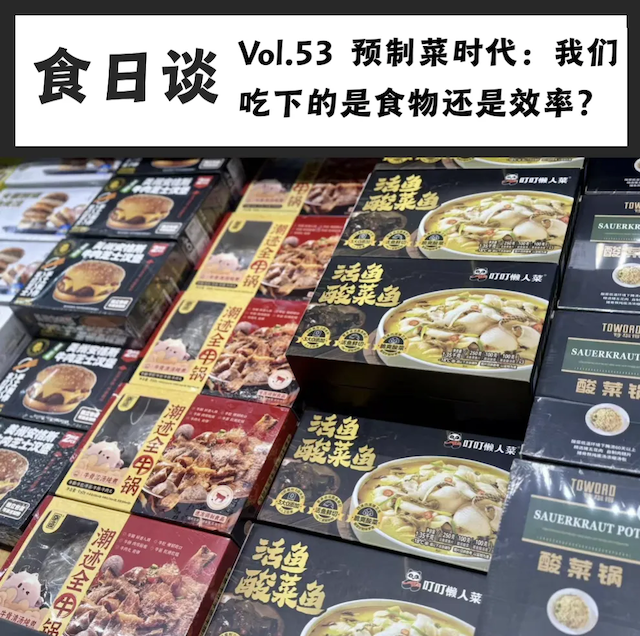
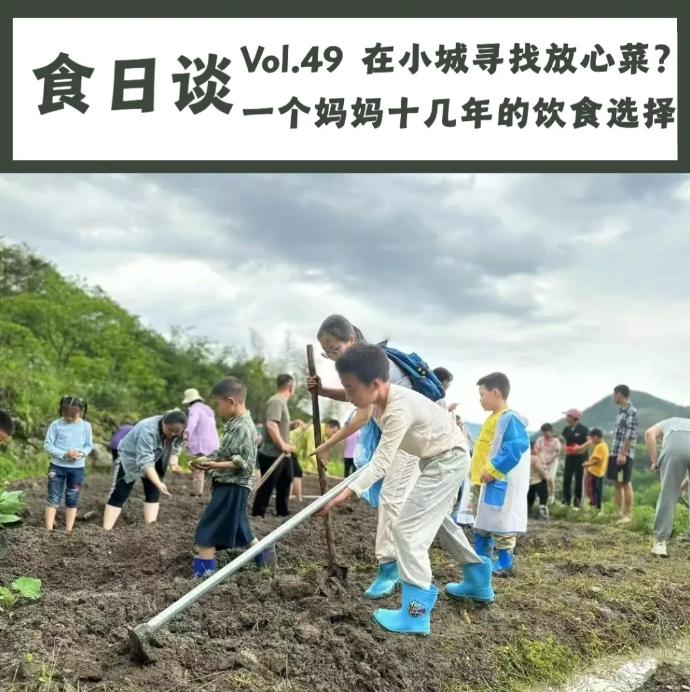
After Xibei’s chain-restaurant incident, takeaway, supermarket and freezer ready meals have put the breath of the wok, prices and the feeling of being deceived back on the table. Small eateries’ fresh stir-frying, international students’ dinners and homemade meals offer another path between convenience and freshness.
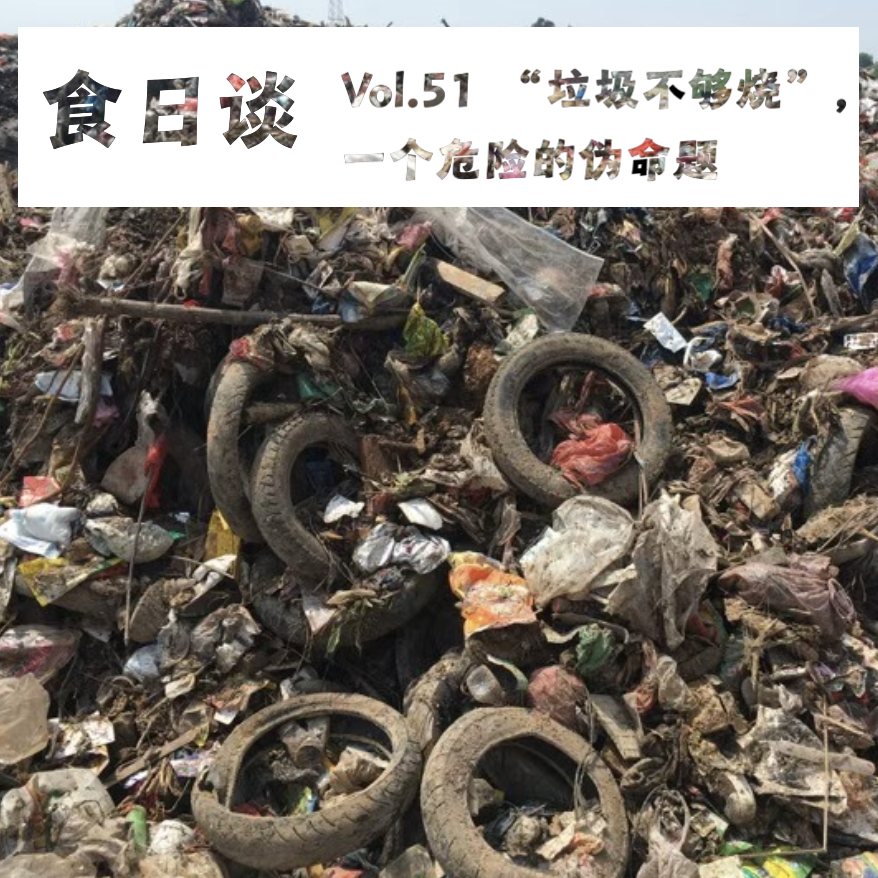
A video claiming China has “not enough rubbish to burn” sparks excitement. Mao Da, environmental history PhD, and Sun Jinghua, director of Friends of Nature’s Waste Reduction Project, believe waste hasn’t shrunk, incinerators have excess capacity, dioxin monitoring is limited, and reduction, reuse and recycling matter more.
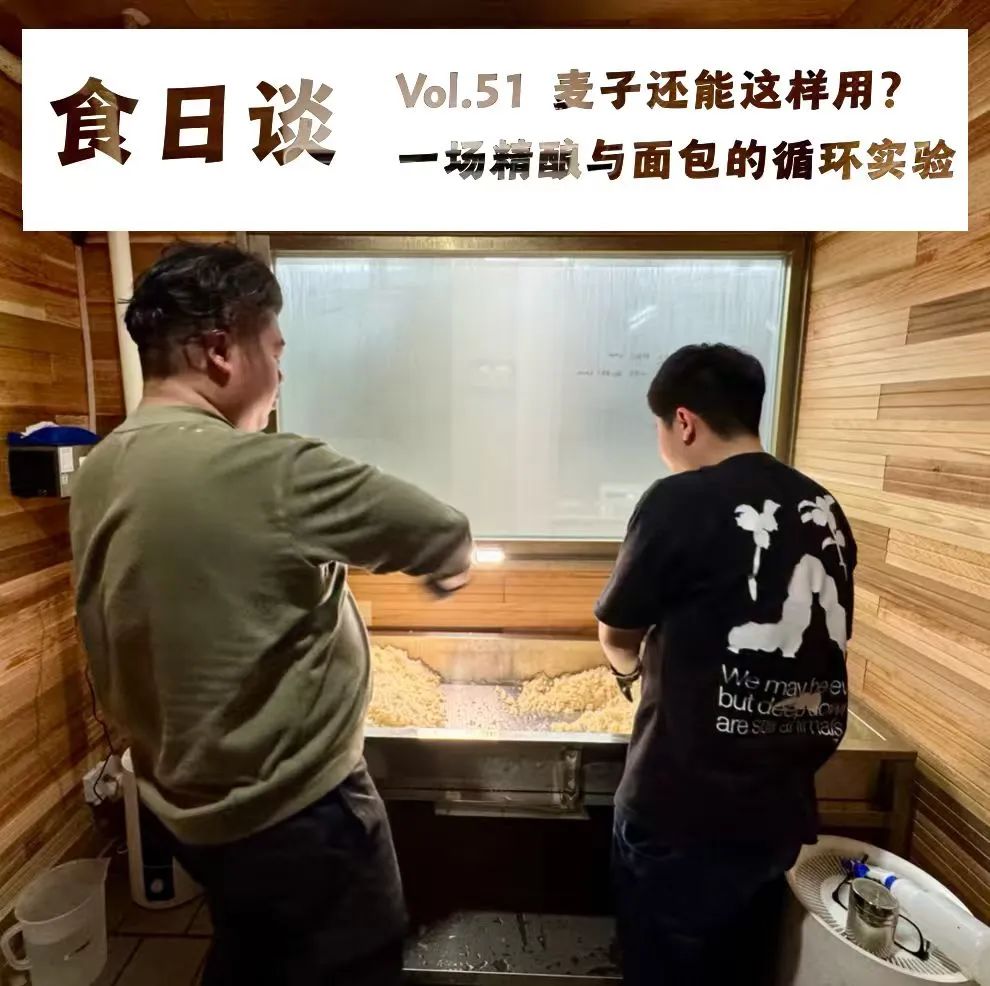
Brewer Zhang Kai of Fenyu Brewing and Mars Elephant Lab co-founder Xu Xin bridge brewing and baking through fermentation experiments using the same grain, from inoculating corn with sake koji to brewing beer from leftover bread, and address practical challenges in China’s grain supply chain.
After a short video about Zhejiang and Shanghai incineration plants ‘competing for rubbish’ went viral, incineration cannot replace waste sorting; dioxins, microplastics and waste reduction at source remain unavoidable issues.
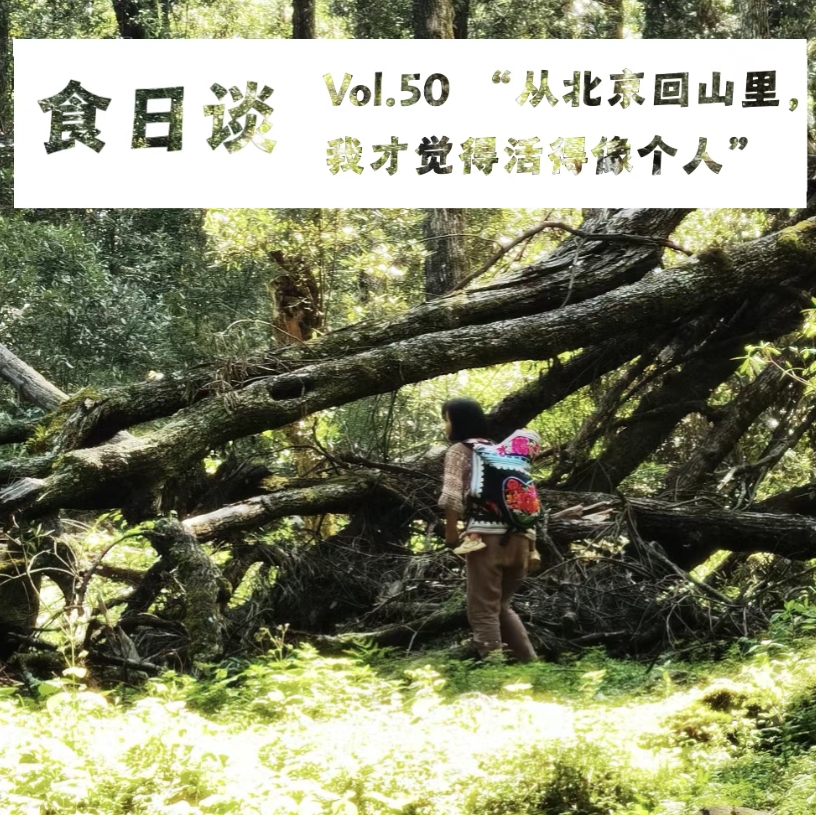
In a dialogue at the Beijing Organic Farmers’ Market, Kang Li, an Yi woman from Chuxiong, Yunnan, and Jin Peng, a Greater Khingan Mountains forager, describe returning to the mountains to pick mushrooms and selling wild mountain produce, discussing mountain village labour, climate change and pricing logic.
During the first decade of the 21st century, triggered by a series of food safety crises, a group of Chinese consumers began exploring better agricultural practices and ingredients. Across the country, the first wave of farmers dedicated to organic cultivation gradually emerged. Cao Xiaohong, a guest in this episode, was…
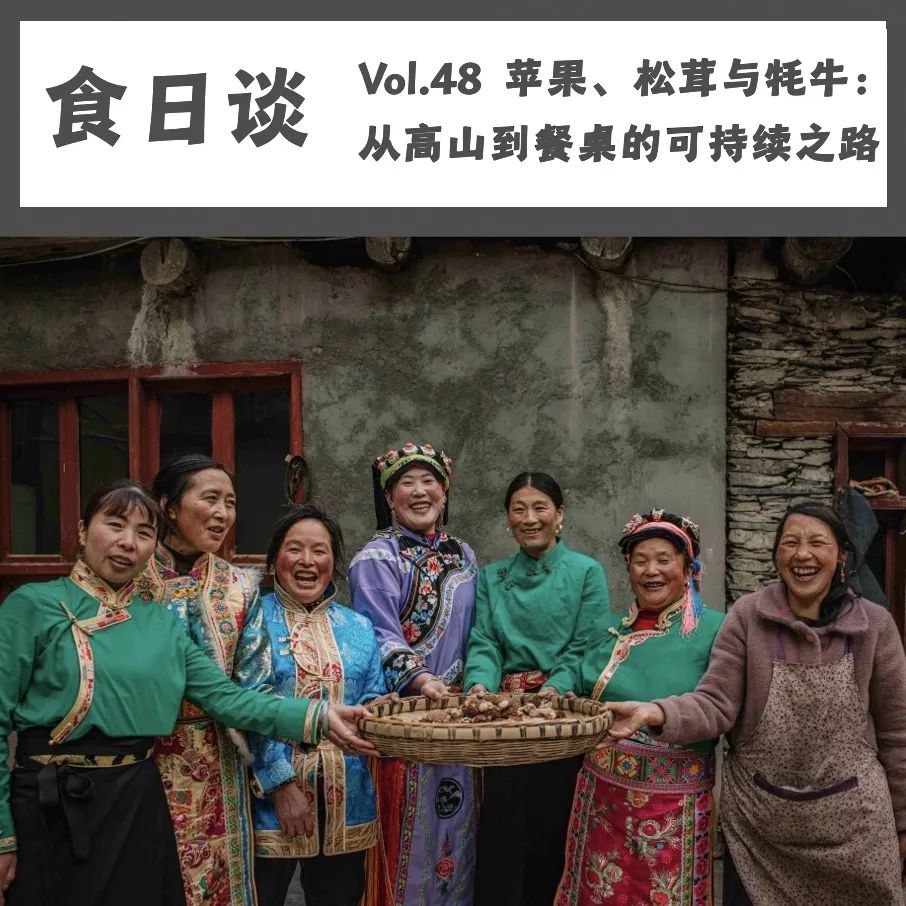
This episode visits Xiaojin County in Aba Prefecture, Sichuan, and shows how social enterprise Muyunpo builds trust with villagers, protects resources while collecting matsutake and letting yaks graze freely, and returns the sales surplus to the community.
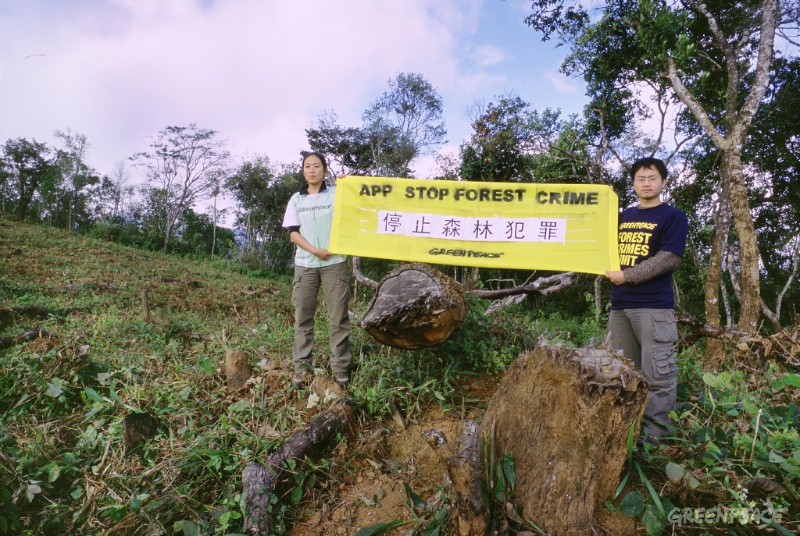
Sun Shan, Shanshui Nature Conservation Centre co-founder, and environmental advocate Ma Tianjie begin with Meituan-funded environmental organisations and the Asia Pulp & Paper deforestation scandal, discussing how companies use charitable funds, algorithms and rules to shape environmental agendas, and how non-profits can maintain oversight boundaries.
In the 2025 Lunar New Year film *Nezha: The Demon Boy’s Havoc*, the leopard spirit Shen Xiaobao won the hearts of many with his witty and adorable personality. However, his severe injuries and uncertain fate in the film bring to mind the real-world plight of the endangered North China Leopard…