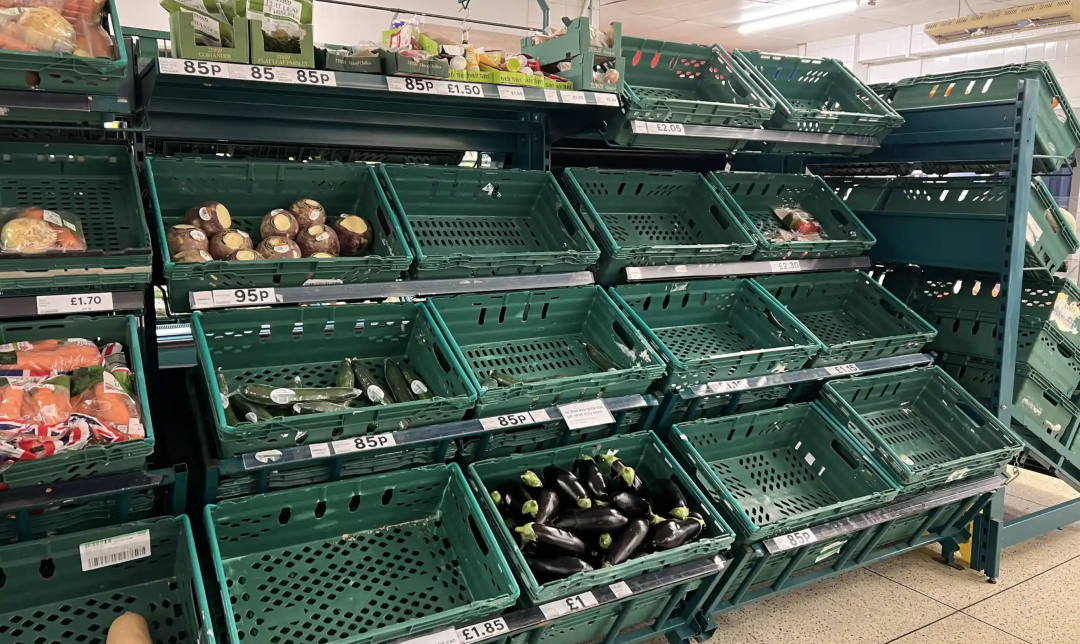
In the UK news of 2022, alongside the death of the Queen, the accession of King Charles, skyrocketing heating and electricity bills, and the revolving door of Prime Ministers, there was also the “egg shortage” towards the end of the year. For several weeks between November and December, egg supplies…

Author’s Note My husband, Mr Panghu, and I live in a small town in the Great Lakes region of the American Midwest. The local farmers’ market has been running for nearly thirty years, and we have witnessed more than a decade of its history. This series of short pieces aims…
Yu Jiangang left advertising in Beijing to rear silkworms and make silk quilts in his Jiangnan village. Twelve years on, commercial agriculture and capital have pressed closer, and the question of whether a rural identity can survive outside the marketplace remains open.
Grain that once shipped from Odesa to Africa and Asia is now funnelled into EU markets, prompting farmer protests in Poland, Romania and Bulgaria, while the developing nations that depended on Ukrainian wheat have received a smaller share.
From Missouri’s $140 million-plus grain fraud to India’s organic cotton supply chain, a ‘pay-for-certification’ model and untraceable cross-border production chains have left the organic label repeatedly failing at multiple stages.
Starting with the small grocery shop opened by 28 textile workers in Rochdale in 1844, this piece traces how the seven co-operative principles took shape in the workers’ daily operations, and why the co-operative economy has regained attention after the financial crisis.
At a farmers’ market in a small American Midwest town, a pig and cattle farmer running eight hundred mu of land single-handedly still sells meat, fixes machines and climbs trees on a still-healing hip – because farm income cannot keep a family afloat.
Tang Liang of Jintang County, Chengdu, returned home with 30,000 yuan in starting capital to farm for six years, tending 30 mu of ecologically farmed land with nine family members, earning roughly 2,000 yuan a month each and reuniting a family scattered for over a decade.
Argentine journalist Caparrós travels to seven countries, turning 800 million people’s statistics into lived reality — beans boiling in a thatched hut, fried chicken rummaged from a rubbish mountain — and traces the root cause to the financialization of food and power, not insufficient production.
From Laughingstock to Eye of the Storm: A Small Machine Wreaks Havoc on California’s Tomato Industry
Deployed as the Bracero Programme ended, the UC Davis harvester saw 4,428 of California’s 5,000 tomato farms collapse, displaced 32,000 workers, and replaced hand-picked fruit with a bland, machine-friendly variety still in most American ketchup.