
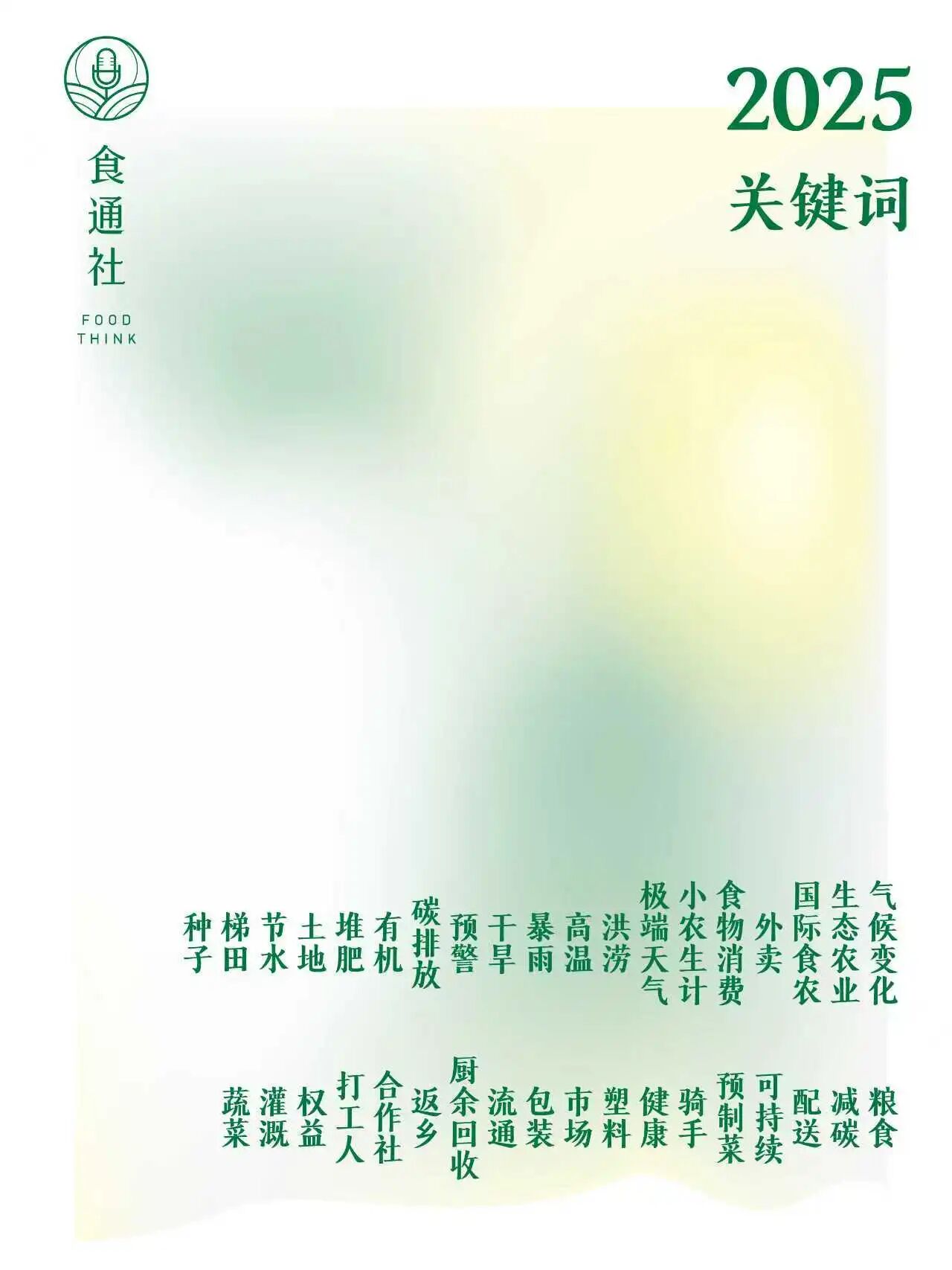
Food and farming media outlet Foodthink’s 2025 hot topics cover climate disasters, the food-delivery wars, imported meat, smallholders’ plight, returning home to farm, ecological agriculture and the pre-prepared food controversy.
Platform economies, food delivery workers, and urban consumption behavior.
Food and farming media outlet Foodthink’s 2025 hot topics cover climate disasters, the food-delivery wars, imported meat, smallholders’ plight, returning home to farm, ecological agriculture and the pre-prepared food controversy.
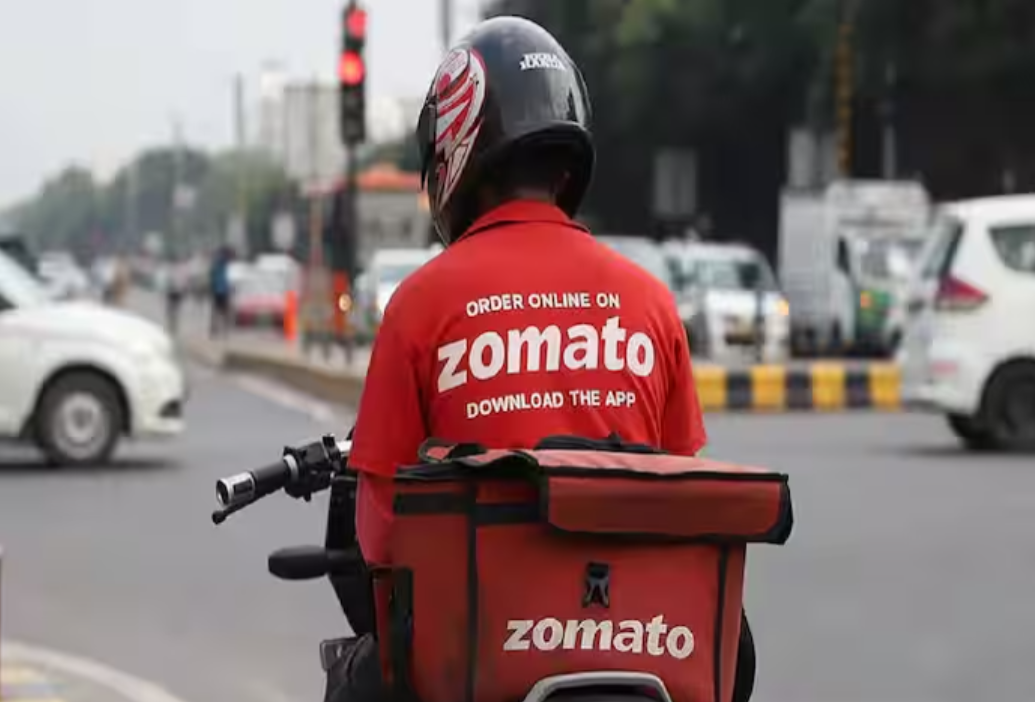
A 40,000-rider stoppage failed to paralyse New Year’s delivery, but exposed platform price suppression, small shop owners joining the rider ranks, and protection gaps, prompting regulatory deliberations in several parts of India.
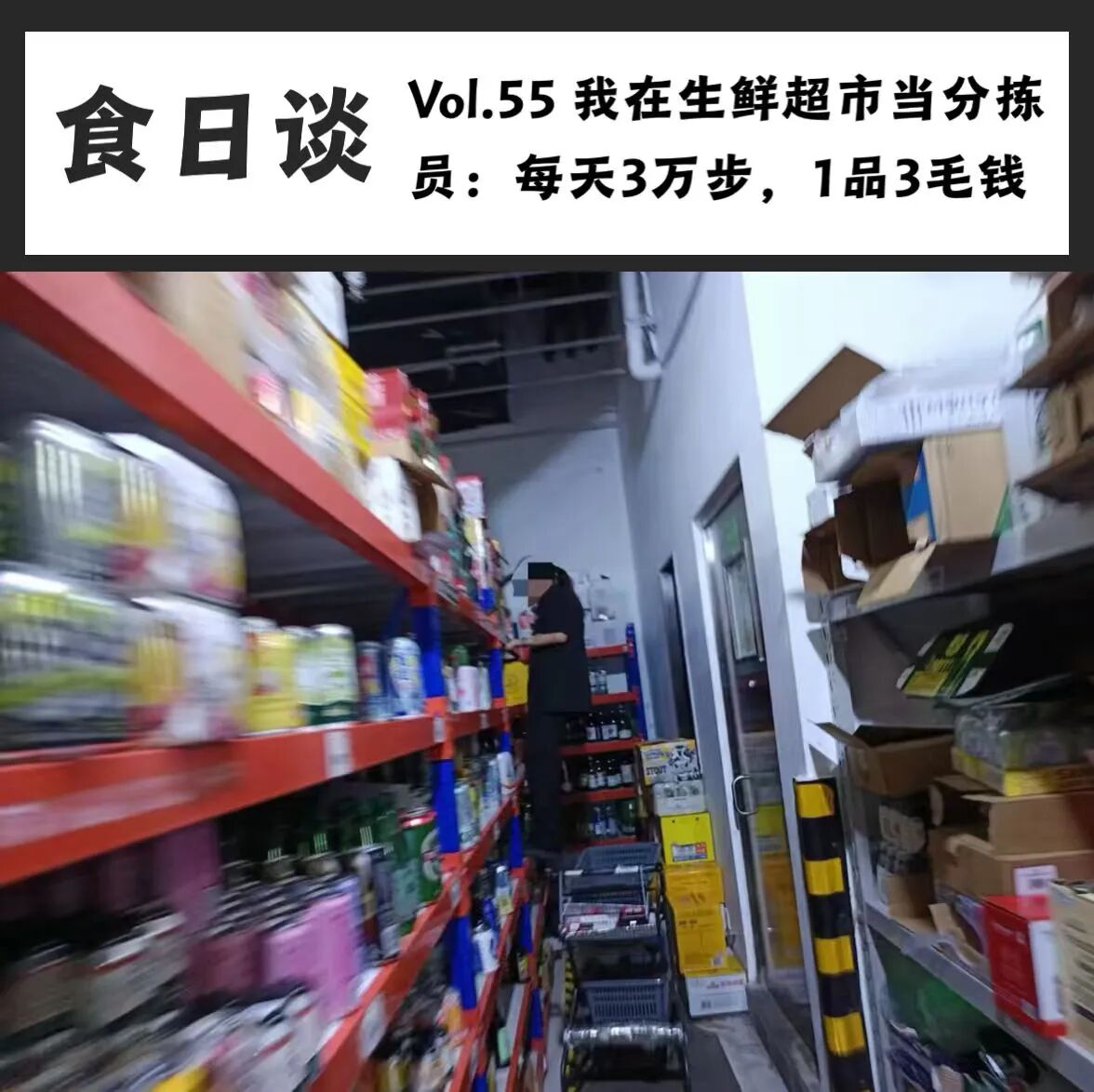
Behind 30-minute delivery, former JD 7Fresh picker He Siqi worked 31 days. He ran 30,000 steps daily, earned just 30 paise per item, had nine minutes per order, faced scolding and fines when late, and sometimes paid his own delivery fee for a supplementary delivery.
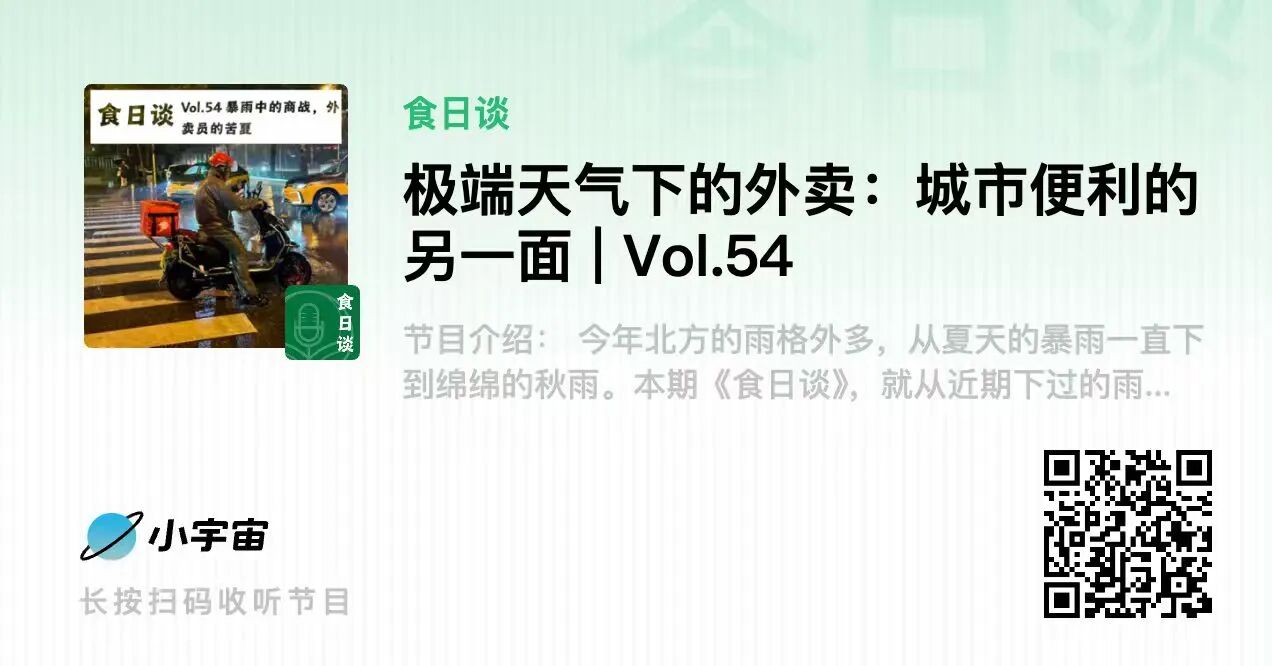
In downpours and scorching heat, delivery riders have no sick leave or circuit breaker mechanism. Delivery platforms shift more risk and pressure onto them with tiered rewards. With wet markets and small shops squeezed, consumers ask who pays for convenience and how to eat slowly.
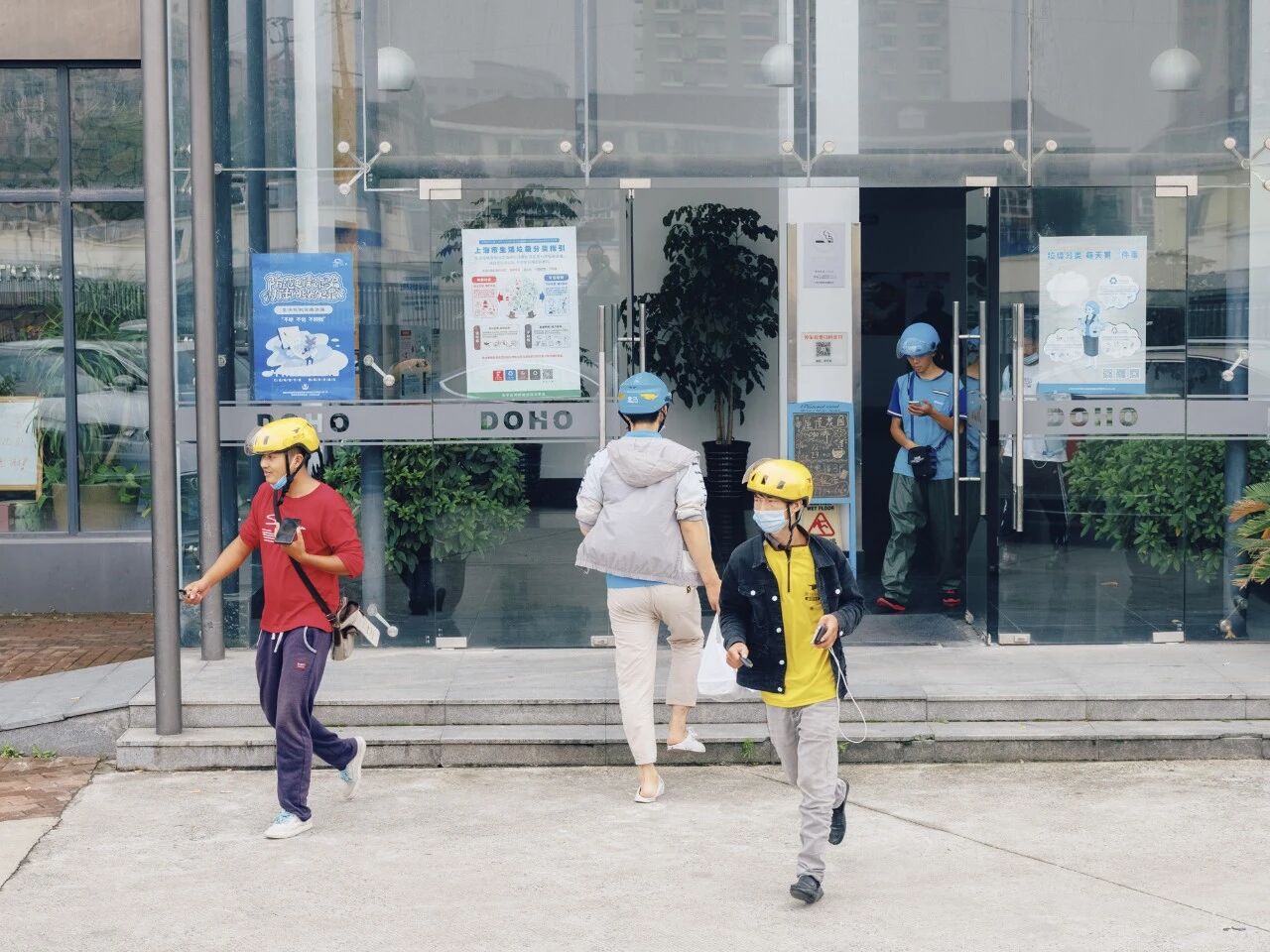
Delivery riders take orders in the rain while facing fines and the risk of accidents. A debate over responsibility among consumers, platforms and workers also asks whether platform gig work has become a safety net for the unemployed.

A video claiming China has “not enough rubbish to burn” sparks excitement. Mao Da, environmental history PhD, and Sun Jinghua, director of Friends of Nature’s Waste Reduction Project, believe waste hasn’t shrunk, incinerators have excess capacity, dioxin monitoring is limited, and reduction, reuse and recycling matter more.
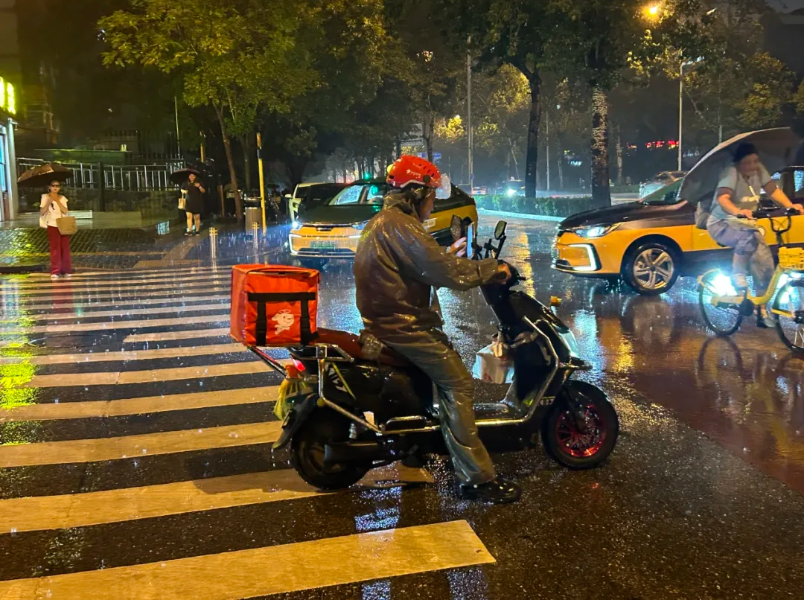
In Beijing’s downpours and heat, Meituan, Ele.me and JD.com riders are pushed to keep showing up by order assignment, fines and subsidy rules, with pain in their feet, water-damaged phones and losses and risks largely borne by themselves.
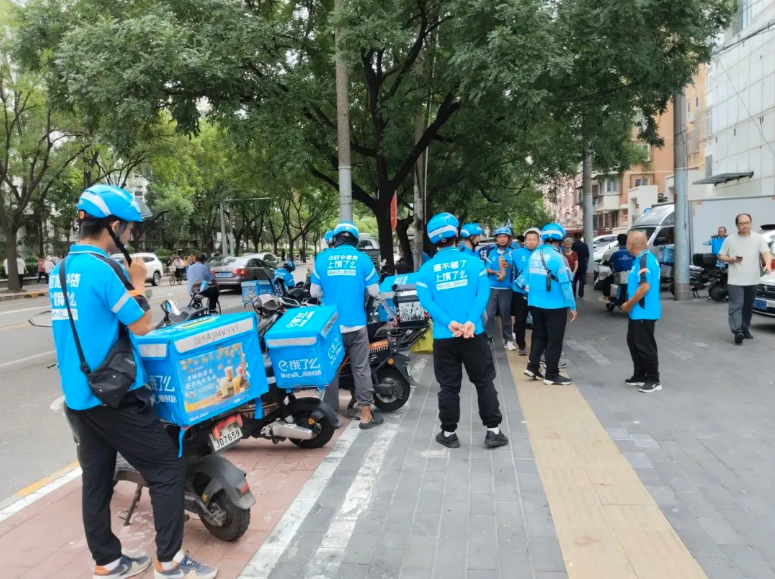
Delivery riders often skip lunch to chase orders or cook noodles on the street, missing their children’s meal times. Stomach ailments, depression and cardiovascular risks of gig work are becoming public-health and labour-protection issues the platform economy must respond to.
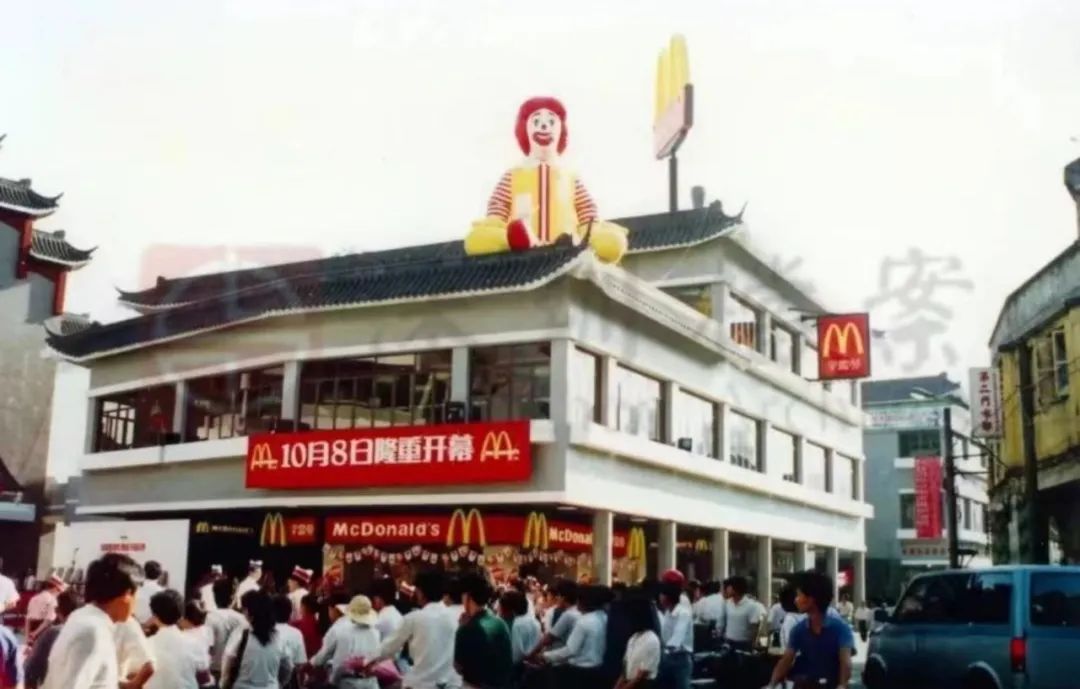
An ordinary employee at a McDonald’s in Shanghai’s Jing’an District earns 19 yuan per hour, rising to 21 yuan only after 1,000 hours. When takeaway orders surge, riders are pressed by the platform, staff are pressed by orders, and leftovers are thrown away after closing.

From takeaway containers and courier parcels to mooncake gift boxes, people document the layers of plastic wrapped around everyday life. They also share experiences of reducing plastic by reusing it, bringing their own containers, and finding recycling points.