
Heading to the dacha with the whole family: were the Soviets really just there for the summer?
In Russian, summer is also known as the ‘dacha season’. Maxim Gorky wrote a short play, translated into Chinese as *The Summer Guest*, but originally titled *Dachniki* in Russian—which more literally translates to ‘the dacha people’. In 1995, the same story was adapted into a film titled *Summer People*.
The dacha is inextricably linked with memories of summer.
‘Dacha’ is a transliteration referring to a country house or cottage in the suburbs. Historically, the term first appeared in Tsarist Russia in the early 18th century, originally referring to land on the outskirts of Saint Petersburg granted to the nobility by the Tsar (the root of ‘dacha’ comes from the verb ‘to give’). However, it only entered common parlance—and eventually became synonymous with summer—after World War II, when the Soviet government allocated suburban plots to ordinary working-class families by administrative decree, allowing the common people to have dachas of their own. During the material shortages that lasted for over forty years in the post-war Soviet Union, it was the produce from these dacha plots that fed almost every Soviet family.
Consequently, life and labour at the dacha became a collective memory spanning several generations.
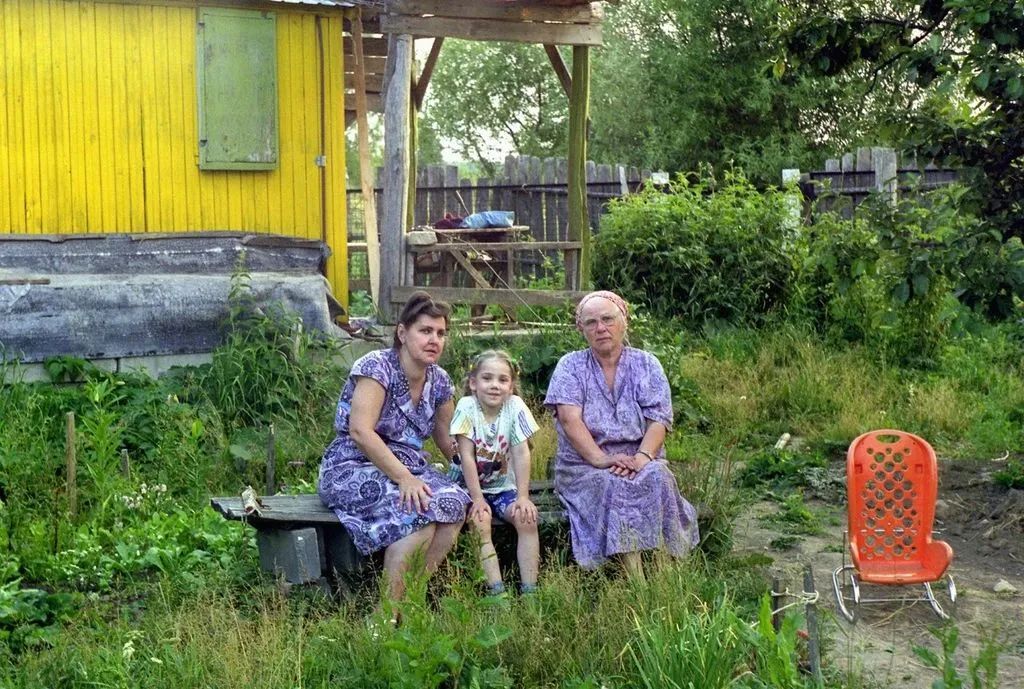
I. From Noble Estates to Ordinary People’s Summer Houses
In eighteenth-century Russia, the journey from Moscow to Saint Petersburg was arduous and costly, making frequent travel between the two impractical. To ensure the prosperity of Saint Petersburg, Peter the Great required his courtiers to establish a proper foothold there rather than merely visiting, granting them lands in the surrounding areas. This marks the earliest origin of the term “dacha” and the primary source of its meaning as a “temporary residence on the outskirts of the city”. However, the most striking difference from today’s popular version was that the dachas of the time often spanned hundreds or even thousands of hectares—they were true estates and villas.
Over time, the concept of the “dacha” expanded, and about a century later, it became established as a rural retreat for city dwellers to spend their summers. This idea was even more warmly embraced in the old capital, Moscow, than in the aristocratic stronghold of Saint Petersburg. As Moscow entered the early stages of urban modernisation in the 19th century, many single-storey private houses with courtyards were demolished, replaced by multi-storey “revenue houses” rented to visitors from all over. City life became uncomfortable, a feeling that peaked during the summer—historical records and paintings suggest that trees were either non-existent or extremely rare in Moscow at the time. With the city choked by dust and the summer heat intensifying the stifling atmosphere, the countryside was viewed as a healthier alternative, making the rise of the dacha inevitable.
Not everyone had the means to own and maintain a country villa used solely for the summer. For the peasants of Tsarist Russia, renting out their homes to city dwellers became a lucrative business. Simultaneously, the aristocratic summer life in the country became the backdrop and inspiration for a vast body of artistic work, evolving into a uniquely Russian cultural phenomenon: in the stories of Turgenev, Tolstoy, and Dostoevsky, the dacha appears time and again. Tolstoy’s two masterpieces, War and Peace and Anna Karenina, were both written within his family’s renowned country estate in the Tula region.
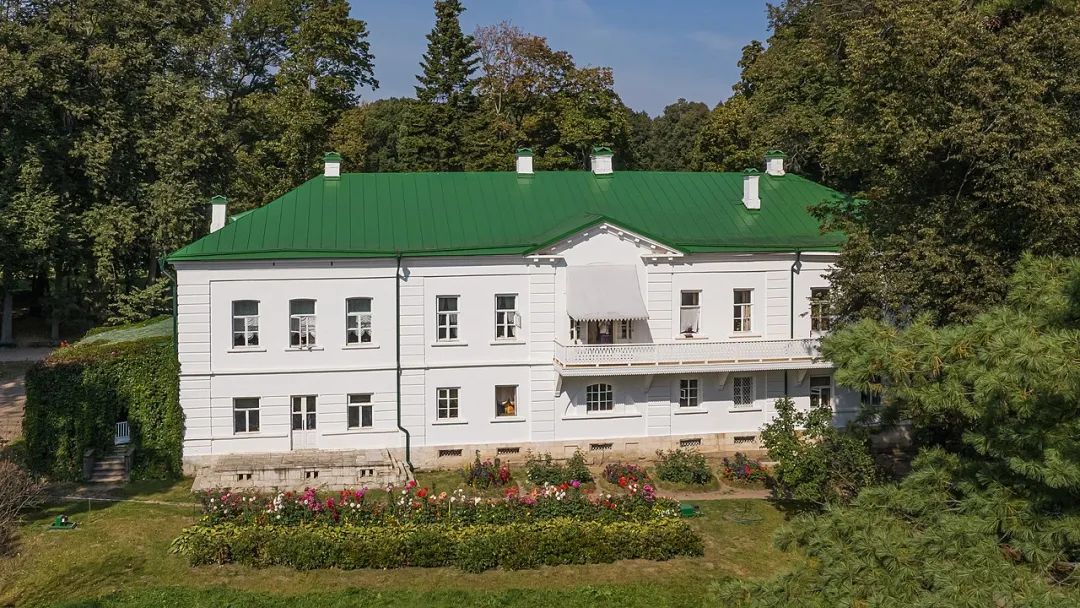
Despite this, the dacha remained a luxury reserved for the middle and upper classes, a fact reflected in their sheer scale: until the Revolution of 1917, the concept of a dacha implied at least several hectares of land. Conversely, dacha life back then was strictly not about farming; while tending to ornamental gardens was fashionable, it was far more common to spend one’s time reading, boating, conversing, and playing musical instruments.
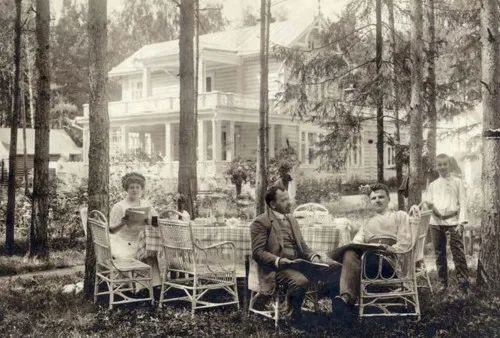
This era of leisure was short-lived. The outbreak of the First World War rapidly triggered the Russian Revolution, and the nascent Soviet government immediately nationalised the holiday villas surrounding the major cities.
By the 1930s, the Soviet government sought to revive the tradition of spending summers at a dacha through administrative allocation, assigning country retreats to families within the Party and state apparatus. Inevitably, while senior officials enjoyed opulent villas, ordinary Party members often found themselves in the awkward position of sharing a single dacha with several other families.
At the same time, the Soviet Union aggressively pursued urbanisation through administrative decree, transforming vast numbers of peasants into industrial workers. Yet, amidst prevailing food shortages, these new urban dwellers had not forgotten their agricultural skills. The land attached to dacha cooperatives—which nominally belonged to various ministries, agencies, and local governments—became their primary means of improving their standard of living.
In February 1949, the Council of Ministers of the USSR adopted a resolution ‘On Collective and Individual Gardening for Workers and Employees’, marking the point at which the dacha became accessible to all Soviet citizens. Over the following years, further decrees were issued as the government began allocating plots on the outskirts of cities. It is widely believed that these decisions were driven primarily by post-war food shortages. Although, under the socialist ideology of abolishing private ownership, these plots nominally had to be part of a ‘kolkhoz’ (collective farm), in practice, they were undoubtedly the private property of the families, and the produce was not subject to any redistribution.
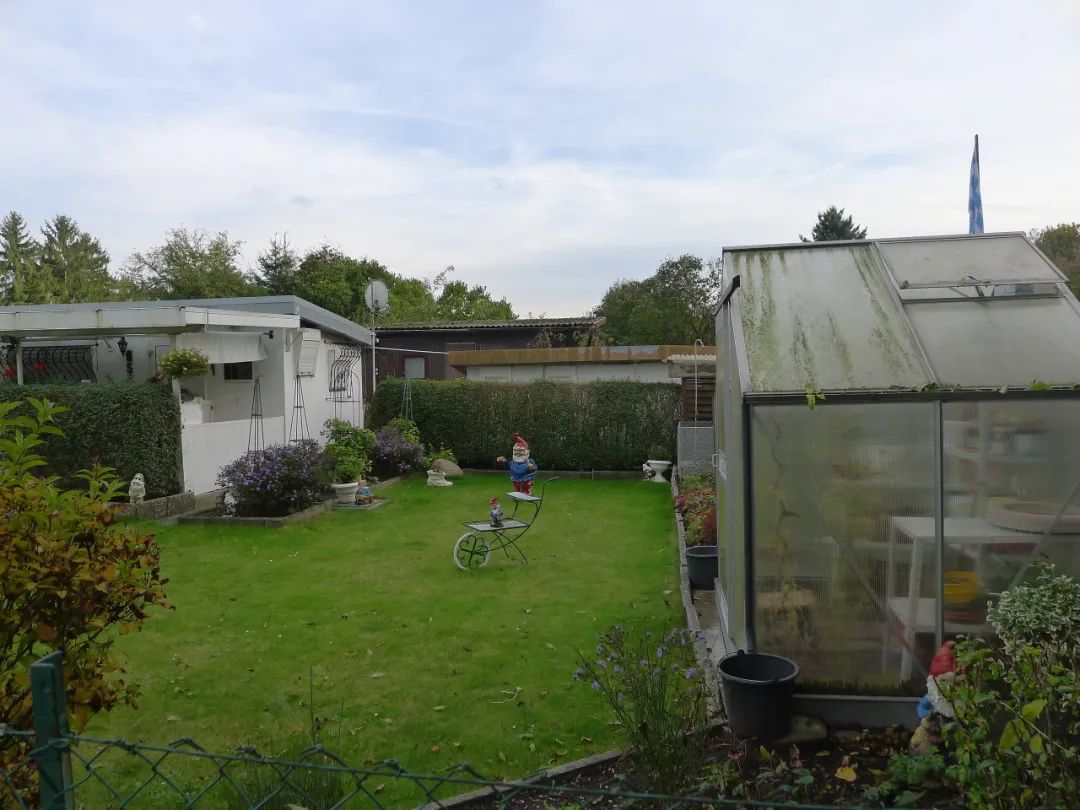
During the ‘Thaw’ under Khrushchev, the allocation and construction of dachas were vigorously promoted, as they were seen as a direct solution to food shortages. These policies were continued under Brezhnev, who also lifted the previous ban on erecting houses on dacha plots. By 1966, the regulations governing dachas were further refined, and the dacha became emblematic of the modest Soviet way of life: plot sizes were capped at 600 square metres, and no structure, including greenhouses, could exceed 25 square metres.
In the late 1980s, restrictions were further eased, and the construction of multi-storey houses on private plots was permitted. This marked the zenith of the Soviet dacha, though it also heralded its end. By June 1986, over 6.6 million workers held 426,000 hectares of land, with more than 20 million people spending their summers at a dacha each year. Following the collapse of the Soviet Union, land became a tradable commodity and suburban property prices soared; gentrification even reached these rural fringes. While many sold or transferred their plots, others embraced country living with renewed passion. A 2011 survey indicated that approximately 48% of the urban population in Russia still owned a dacha.
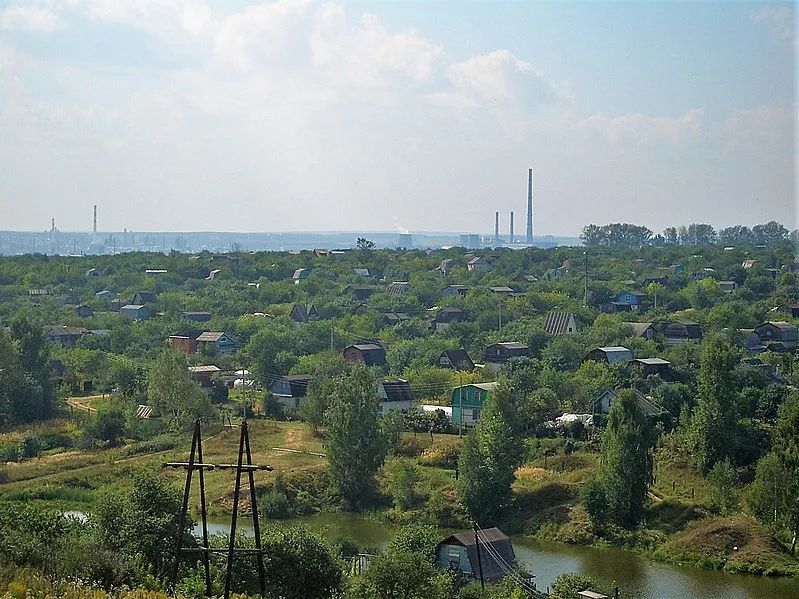
II. Vegetables, Potatoes and Jam: Typical Dacha Life
The first problem facing everyone was transport: dachas were typically scattered across the countryside or deep within forests. Given that many families had to transport farming tools and daily necessities to the dacha, and subsequently carry harvests and equipment back to the city, the journey was inevitably arduous. Road conditions were consistently poor, and trains usually only reached stations a considerable distance from the cottage. The remainder of the trip required everyone to carry their own loads; it was not uncommon for entire families to trek several, or even over ten, kilometres on foot.
Then there was the daily routine, fraught with difficulties under strict administrative restrictions. Dachas had no running water or electricity, and heating was forbidden; water had to be drawn from nearby streams or wells. Due to building regulations, cottages were limited to a single storey. Consequently, people built sloping roofs to create makeshift attic spaces—a practice that officials soon began to turn a blind eye to, provided it stayed within certain limits. Even so, living conditions remained primitive, and it was common to find three generations of a family crammed together. Families brought old furniture from their city homes, and virtually anything else they could fit, to the dacha.
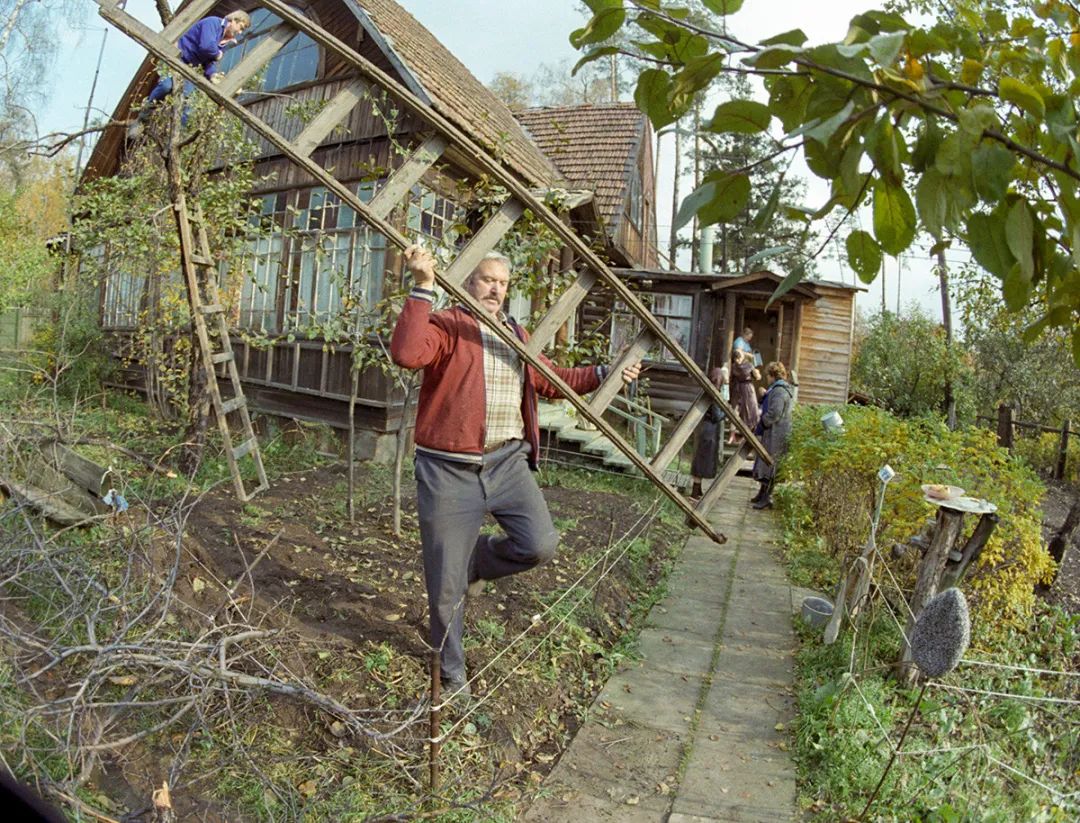
Nor should we forget that, under the pressure of food shortages, people had to produce enough food at their dacha within four or five summer months to sustain the entire family through the long winter. What awaited them was not a leisurely holiday, but a rigorous labour schedule.
The 600-square-metre land limit of the dacha made any attempt at mechanisation impossible. Furthermore, in the Soviet Union, where even building materials were perpetually in short supply, the idea of an individual finding mechanised tools for small-scale farming was nothing short of a fantasy.
Consequently, all farm work had to be done by hand. In a Soviet Union that encouraged, and even idolised, labour, such grueling toil was regarded as an honour, rather than something in need of improvement. One joke from the Soviet era went: “From morning till night, people spend their time resting hard and carefree on their little plots.”①
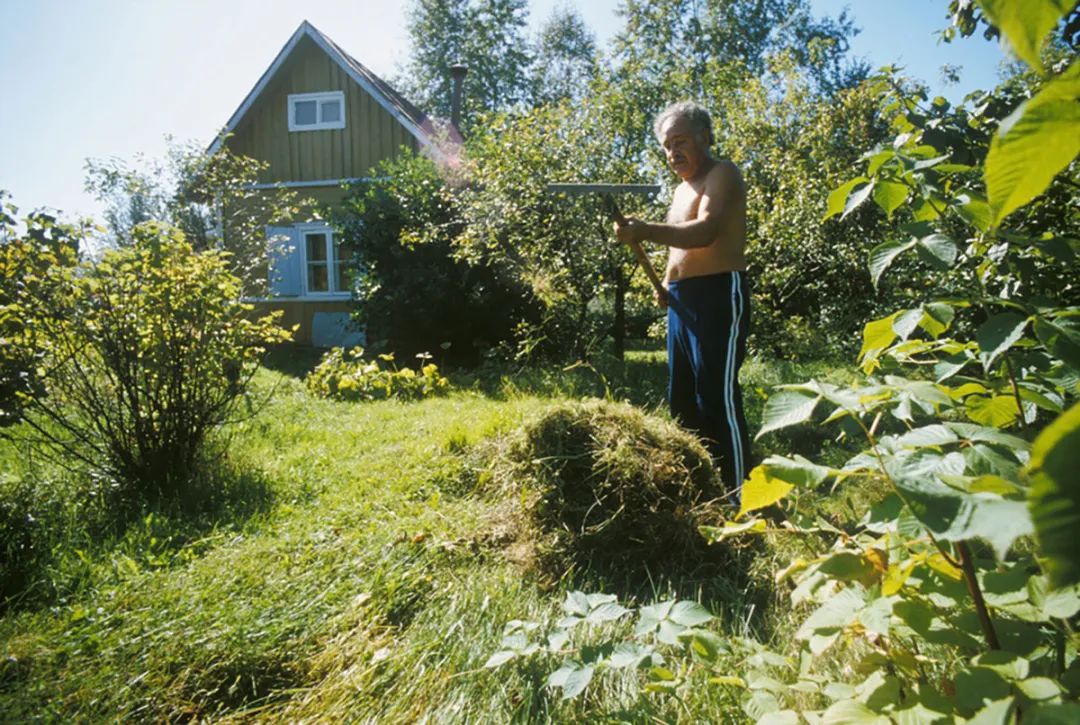
Incidentally, as the land was allocated specifically for “cultivation”, leaving it fallow or repurposing it for other uses was illegal.
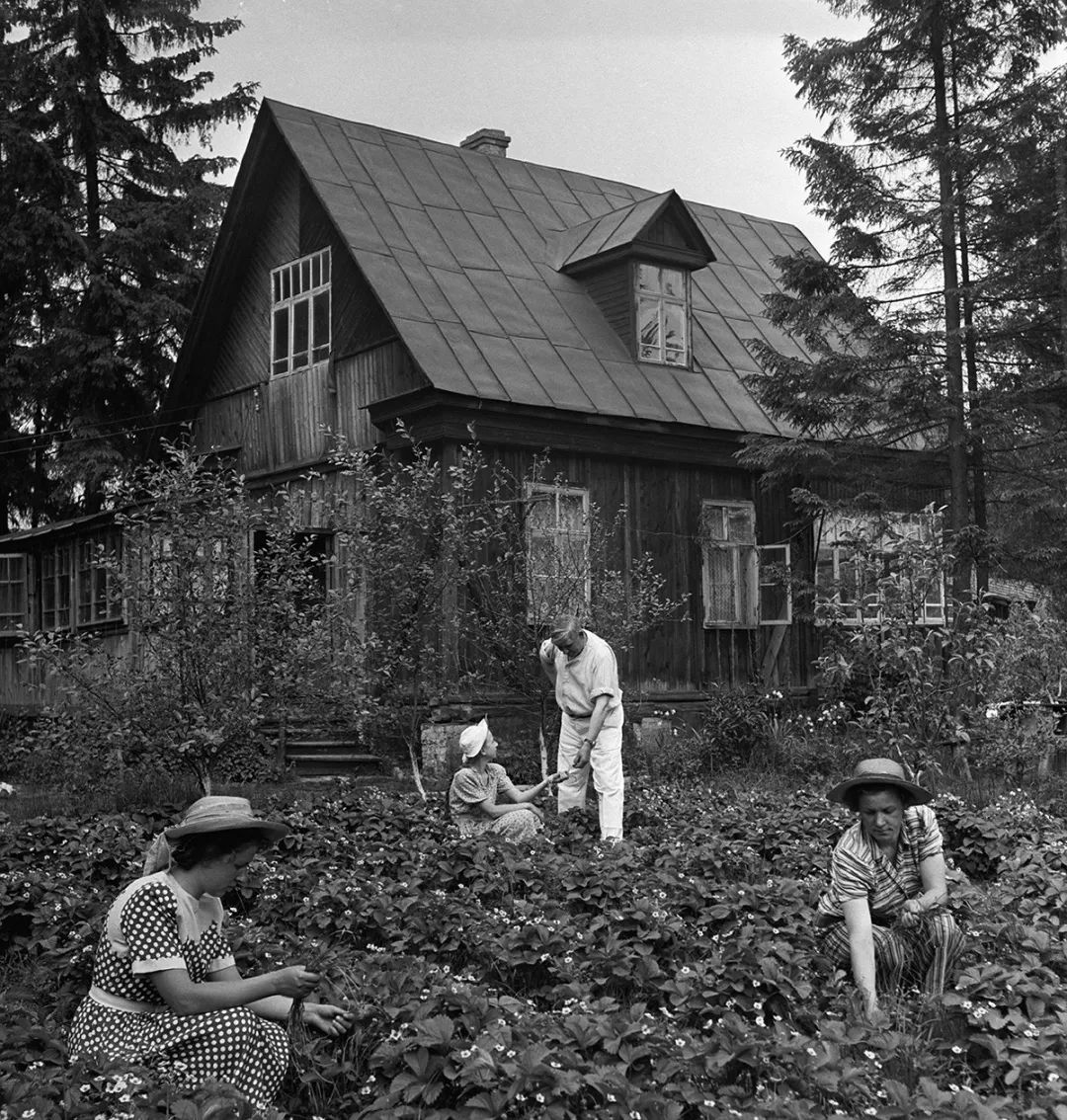
The primary crops were potatoes and vegetables; the former served as the staple food, while the latter were almost impossible to buy in shops, making dacha produce the only way to obtain them. Planting fruit trees was another popular pursuit; at times, this was a legal “grey area”, while at others, it was simply ignored. Consequently, almost every Soviet housewife became an expert in boiling jams and preserving them in old canning jars. Bound by a shared schedule and common goals, neighbours maintained very close ties, exchanging seeds, seedlings, cultivation methods, and recipes. Many accounts mention that there were no fences or hedges between the plots—partly because they were unnecessary, and partly because it was impossible to find the materials to build them.
However, as with everything in the Soviet era, the dacha—which seemed homogeneous and fostered such intimate social bonds—was not in fact so simple or idyllic. Not all allocated plots were suitable for farming; in truth, the Soviet government gave this no consideration when distributing dachas. Hilly, marshy, or barren land was common, while the prime, most fertile plots were always reserved for the leadership. Friction was inevitable within the same workplace as people vied for slightly better pieces of land.
Although everyone needed to buy food, it was forbidden to devote all one’s time to agricultural production in an attempt to make a living by selling the surplus—another classic Soviet idiosyncrasy. The criminal code included clauses against “parasitism” and “illegal business”; any act of full-time farming with the intent to sell produce was defined as “business”, requiring a licence and the payment of heavy taxes. Furthermore, such activity was politically perilous; under ever-shifting policy lines, it could easily become a target for political campaigns.
Even so, the dacha remained one of the three hallmarks of a happy Soviet life: “an apartment, a car, and a dacha”. For nearly forty years, from 1949 until the late 1980s, it provided almost everything necessary for survival: from potatoes, vegetables, and jams, to the joy of the harvest and hope for the future.
III. A Fading Symbol of a Bygone Era
As the urgent need for food security has diminished, the modern dacha is increasingly reverting to its original purpose as a summer retreat. More people are planting ornamental gardens, and some have used the rural space to build leisure facilities, such as Russian saunas. Of course, this is merely a budget alternative to more expensive forms of holidaying.
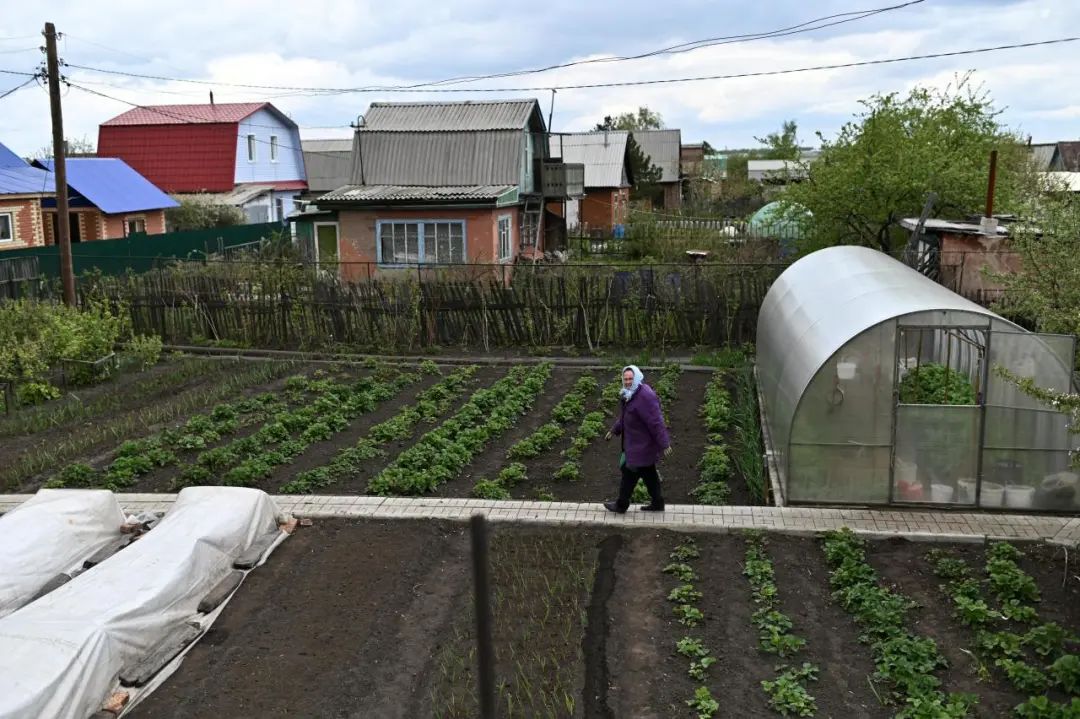
The dacha, as a legacy of the past, is also facing ongoing challenges. Most dacha plots allocated during the Soviet era remained unregistered after the collapse of the USSR. In 2018, the State Duma passed a law intended to simplify registration to encourage residents to formalise their suburban land holdings. However, because registration was linked to property tax, this instead triggered a wave of dacha sales.
Statistics from 2019 show that the proportion of the urban population owning a dacha has fallen to 42%. Other surveys suggest that fewer than a third of respondents still choose to reside in a dacha, whether permanently or seasonally.
Amidst these drastic shifts in reality, the dacha is crystallising into a traditional cultural landscape found in books and films.
Last spring, at an unsuitable time of year, a friend of mine escaped to his dacha on the far outskirts of Moscow, where he spent over two months reading Dostoevsky and Blok. By 2022, his dacha had been equipped with water, electricity, and basic heating. Yet, as far as I know, he didn’t so much as glance at the plot of land in front of his door during those seventy-odd days.
For him, the dacha was no longer about holidays or agricultural toil, but a temporary sanctuary for escaping reality—true to its original meaning as a “temporary residence”.
Note: ① The “six-unit plot” refers to 6 *sotkas*. A *sotka* is one-hundredth of a hectare, meaning the plot measures 600 square metres.

Editor: Wang Hao