
Seven Days and Seven Nights Sealed in the Office with Six People (Supplies List and Health Tips Inside)
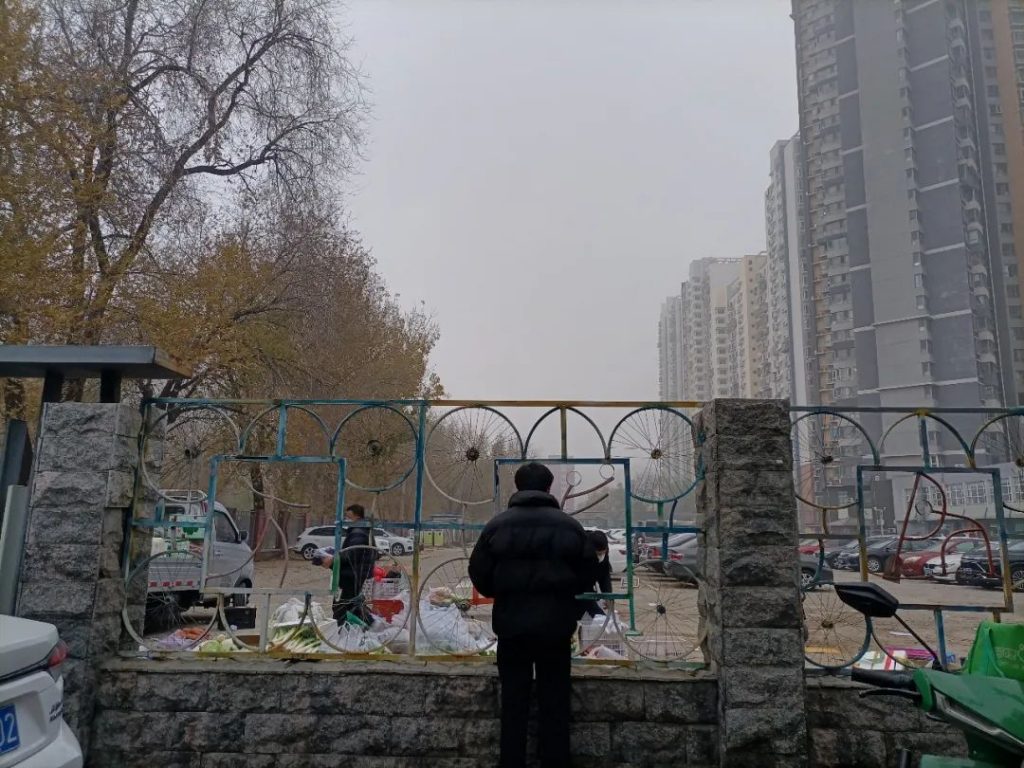
Living in Beijing lately is like opening a blind box every single day. No one can predict whether, when they wake up the next morning, their compound will be sealed off, or whether they will still be able to get home after stepping out the door.
Over the past three years, Foodthink has published more than a dozen articles on the pandemic and food-and-agriculture issues, and everyone on the editorial team had already stockpiled ample supplies at home for lockdowns.
But we never expected that we would end up having our own “first lockdown experience” together in the office — five colleagues and one office flatmate, sealed in for seven days and seven nights.
Below is a retrospective from these five colleagues on the past seven days, covering five areas: provisioning, cooking, division of labour, work, and mental health. We hope it will be helpful to readers who have already been through, or are about to face, a similar situation.
Of course, we would far rather see scientific, precise, reasonable, lawful and humane measures in response to Omicron, because life should not have to be like this.
I. I. Urgent Provisioning
Fang Yuan
A Foodthink newcomer, responsible for coordinating the Beijing Fengnianqing, and the illustrator for this post’s comic. Less than two months on the job, and I had already had an unforgettable week with my new colleagues.
Rewind to last Thursday, 17 November. We had just wrapped up the Fengnianqing co-creation meeting in the office and were waiting for lunch when Xiao Chao, who was running late, dropped a message in the group chat: “The office is in but no out now — have you heard?”
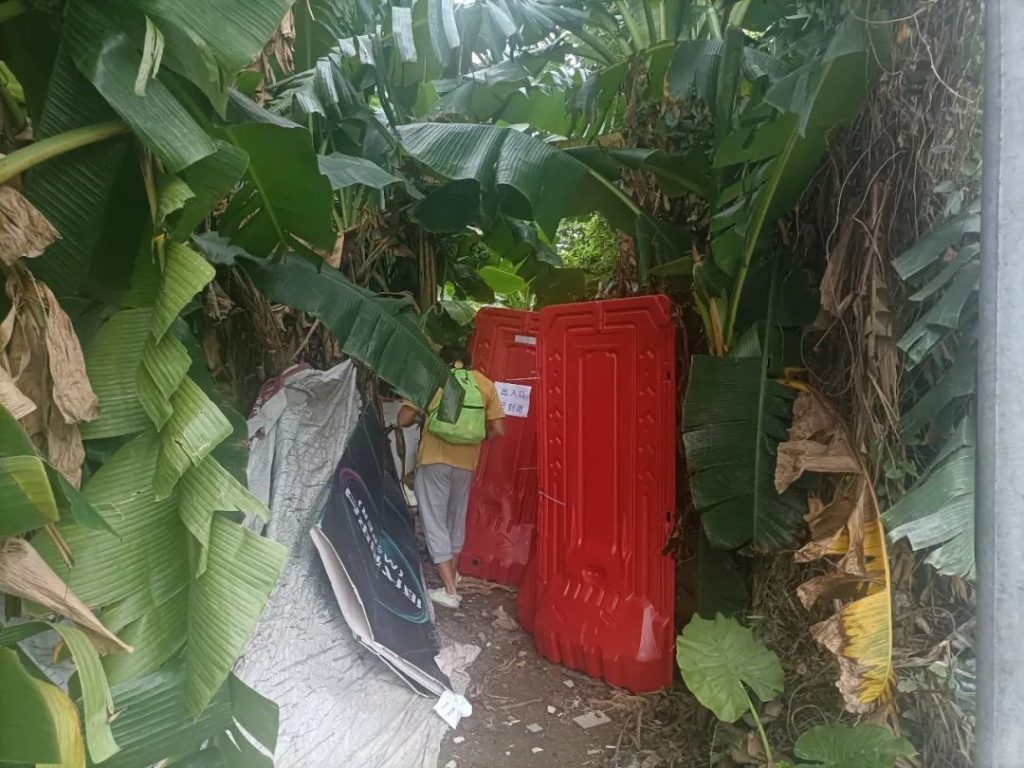
The quick ones immediately grabbed their things and rushed downstairs, but they were still a step too late. Before long, we learned that a positive result had come up in a ten-person pooled sample in the office building, requiring individual retesting.
Once the initial panic had subsided, everyone gathered themselves and figured: the odds were only ten per cent — surely it wasn’t going to be us?
Sure enough, it was.
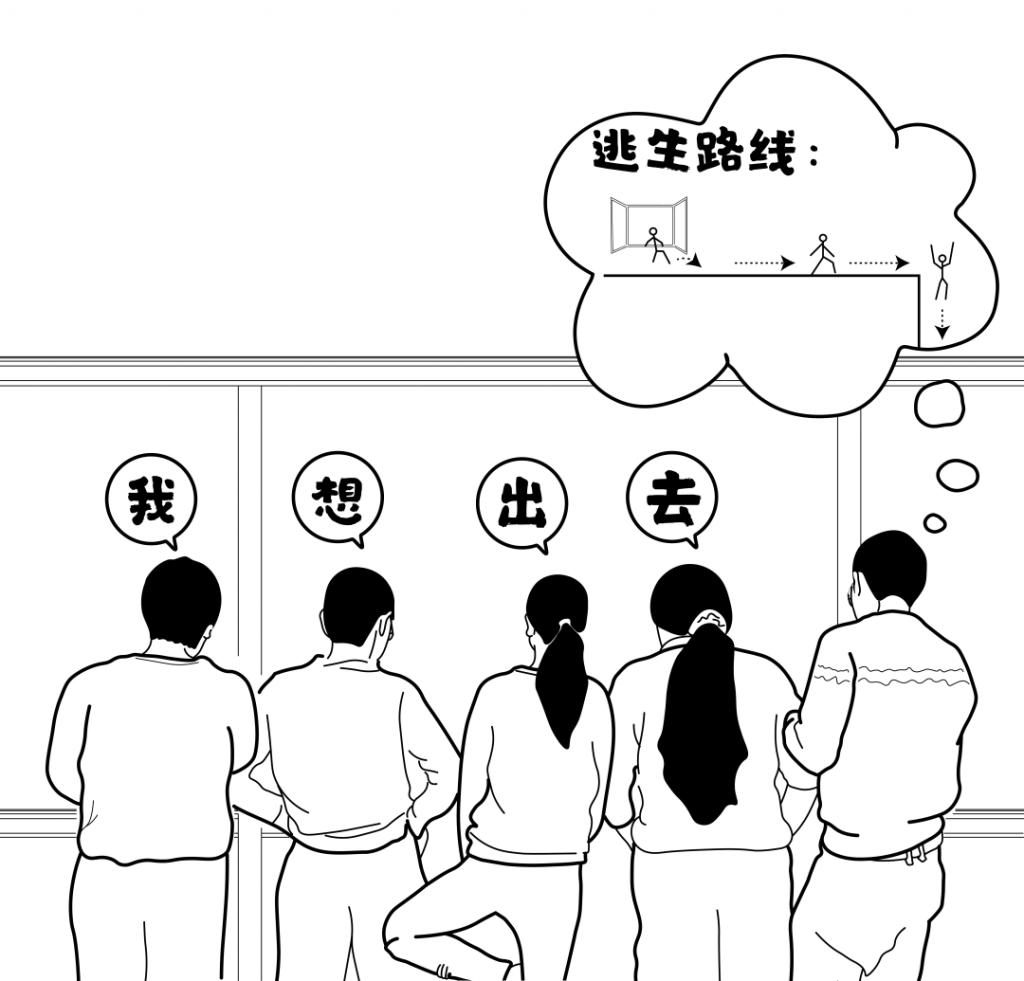
How long the lockdown would last hung over us like a stone. If it was just one day, we could muddle through, but what about five days? What would we eat, wear, and where would we sleep?
The quicker among us immediately went through the office supplies: “The small sofa can sleep two people,” “You can also sleep on the desks,” “We still have a bag of lamb chops, four persimmons, and the rice, flour, and seasonings will definitely last”…
At the same time, colleagues started reaching out to family and friends to help gather and deliver things. Before long, we had toothbrushes, hangers, slippers, soap, combs, dental floss… and even playing cards and a Bluetooth speaker!
The two colleagues who had been running late or were on leave were lucky not to be sealed in with us, but they played a key role in delivering supplies and gathering intelligence.
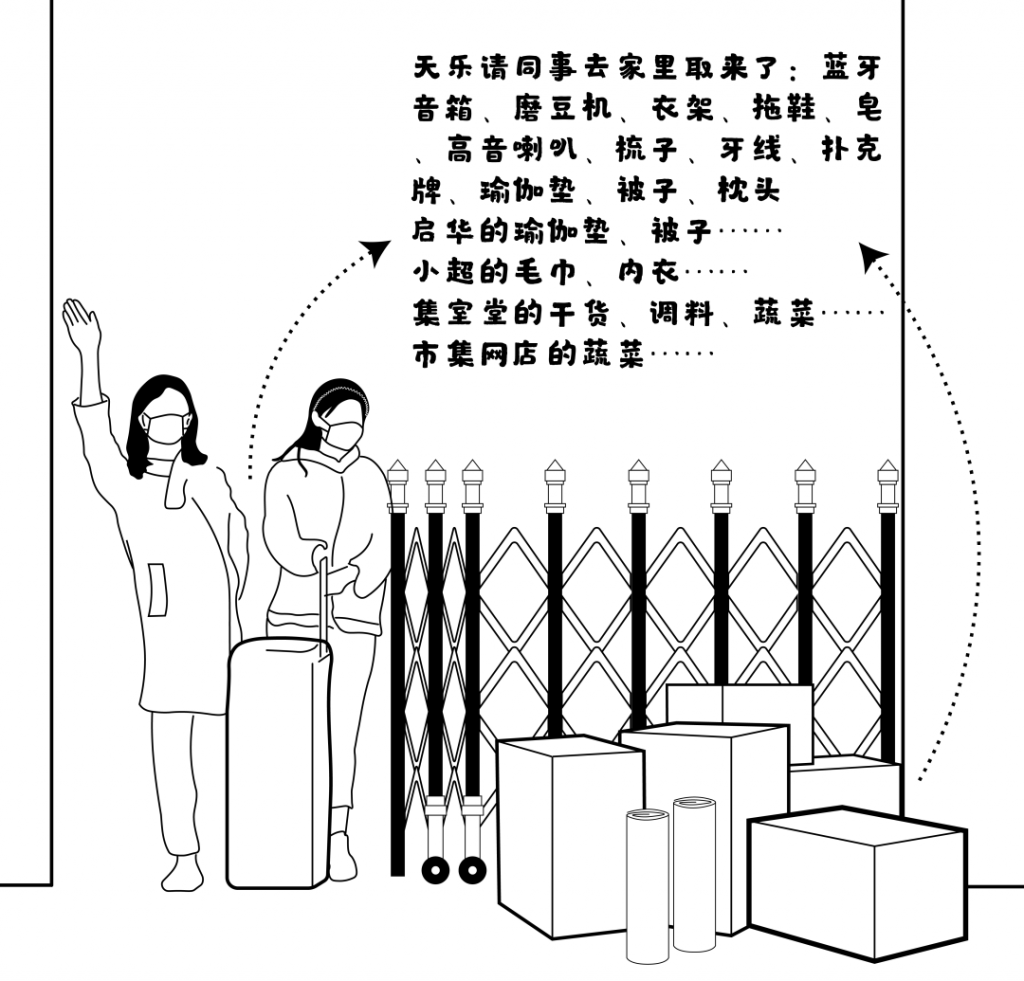
Xiao Chao kept us posted from outside the building: “The sliding doors have blocked off the entrances and exits.” “The workers in full white PPE suits have come in for nucleic acid testing.” “Oh, they’re only doing the floor with the outbreak.” Once the dust had settled, she popped to the supermarket to pick up underwear, toothbrushes, and towels for us.
Qihua and her family brought over newly purchased sleeping bags, duvets, and even a thermometer!
One colleague mused: “This really drives home the importance of diversity: if everyone on a team is too eager and too punctual, you’re easily sealed in one go…”
And indeed — thanks to our late-arriving colleagues, all six of us at least had a duvet to sleep under and fresh clothes to change into every day.
While the washing and sleeping arrangements were being sorted, Tianle, who works part-time at the Beijing Organic Farmers’ Market, was in charge of coordinating with the market’s community shop and online store. Ingredients from farming partners were delivered over two days: vegetables, fruit, eggs, meat, and mixed-grain staples — a complete spread.
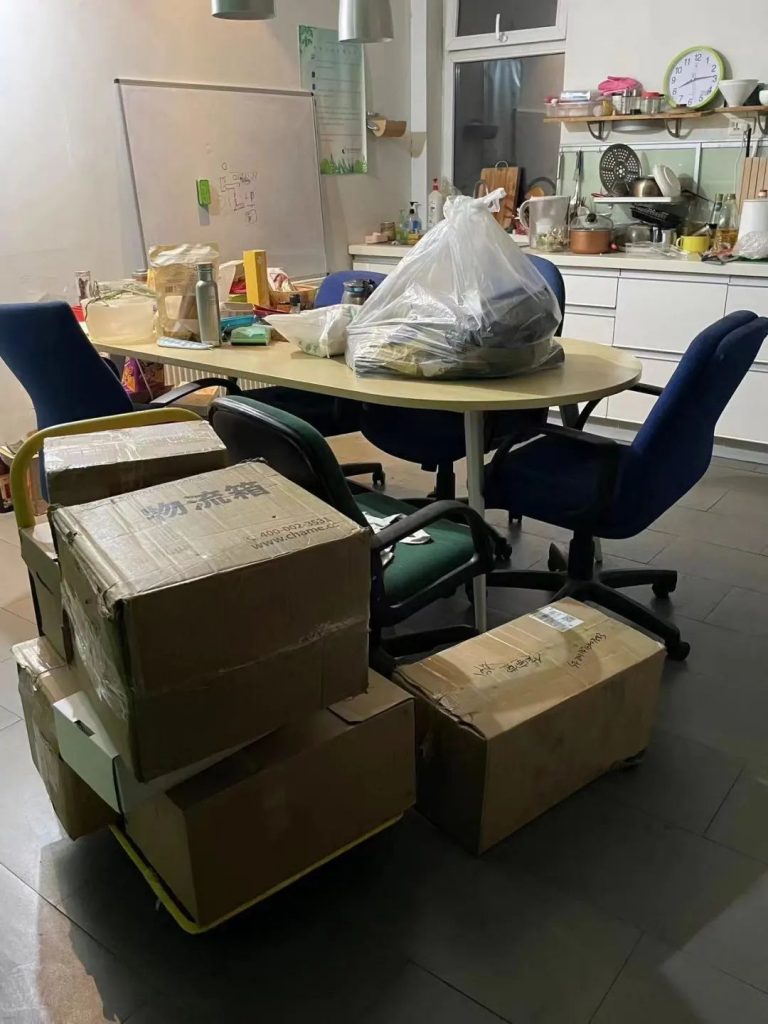
With all the support we received, our worries shifted from how we would manage to eat and sleep to what we would do with all this food once the lockdown was lifted. Fortunately, with an unspoken division of labour and a well-organised routine of three meals a day, we managed to enjoy the food without wasting a thing.
II. Meals
Wan Lin
Project officer in charge of public events, Foodthink’s go-to cook and household whiz. New codename acquired during this lockdown: Wanica (Friends fans, you’ll get it).
A team of foodies — our criterion for an office was that it had to have a kitchen. Even on normal workdays we take turns cooking; we rarely eat out and don’t order takeout. Handling 21 meals over seven days was a breeze.
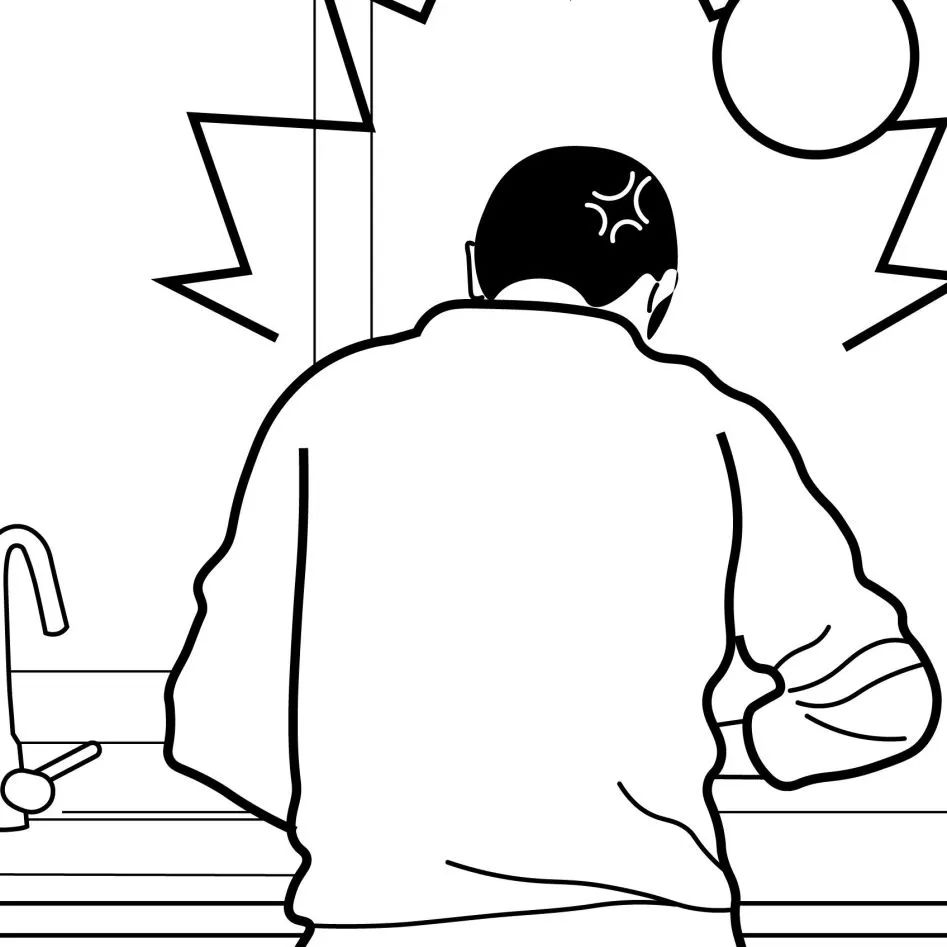
But I still jumped at the chance to cook more eagerly than anyone else — I probably made about half the meals — and I also love tidying up the kitchen, which is how I earned the new nickname: Wanica…
Actually, the reasons are rather personal. For someone like me — a self-professed introvert who normally gets plenty of exercise — I was worried that all this eating without moving would see me put on weight quickly, and I’m not exactly used to being cooped up with this many people. Standing up to cook meant I could sit a bit less, stare at a screen a bit less, say a few fewer words, and have a little more time to myself.
Also, when I eat on my own I tend to just make do — I don’t go all out with elaborate meals, because I can’t finish a lot and I hate leftovers. But now, with so many hungry mouths waiting to be fed, I could cook whatever I fancied without worrying about having too much, and my motivation went right up.
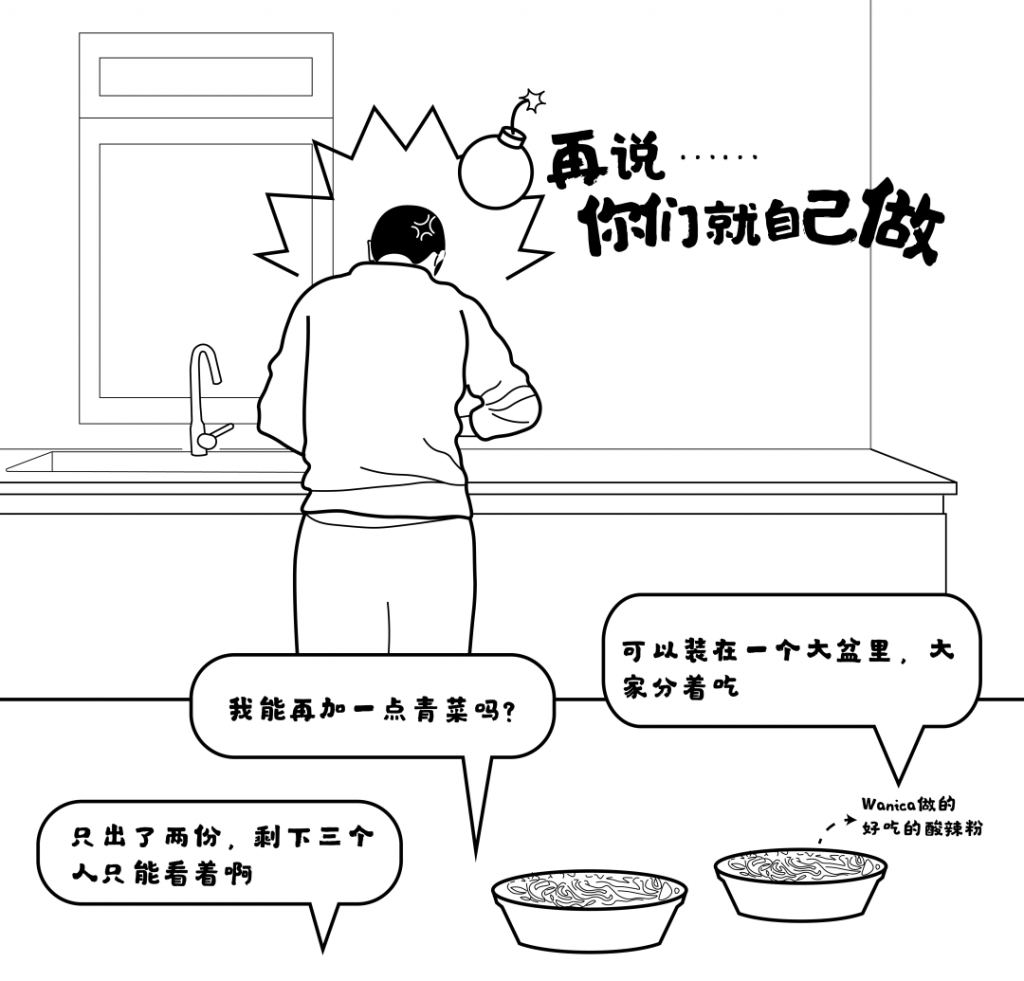
But compared to cooking for one or two people, cooking for six really tests my repertoire, and I do feel the pressure. If the results don’t meet my own standards, I get a bit miffed — which is probably where the grumpiness comes from.
When stress hits hard, it is easy to fall into binge eating. Eating properly at main meals can effectively keep the between-meals snacking at bay.
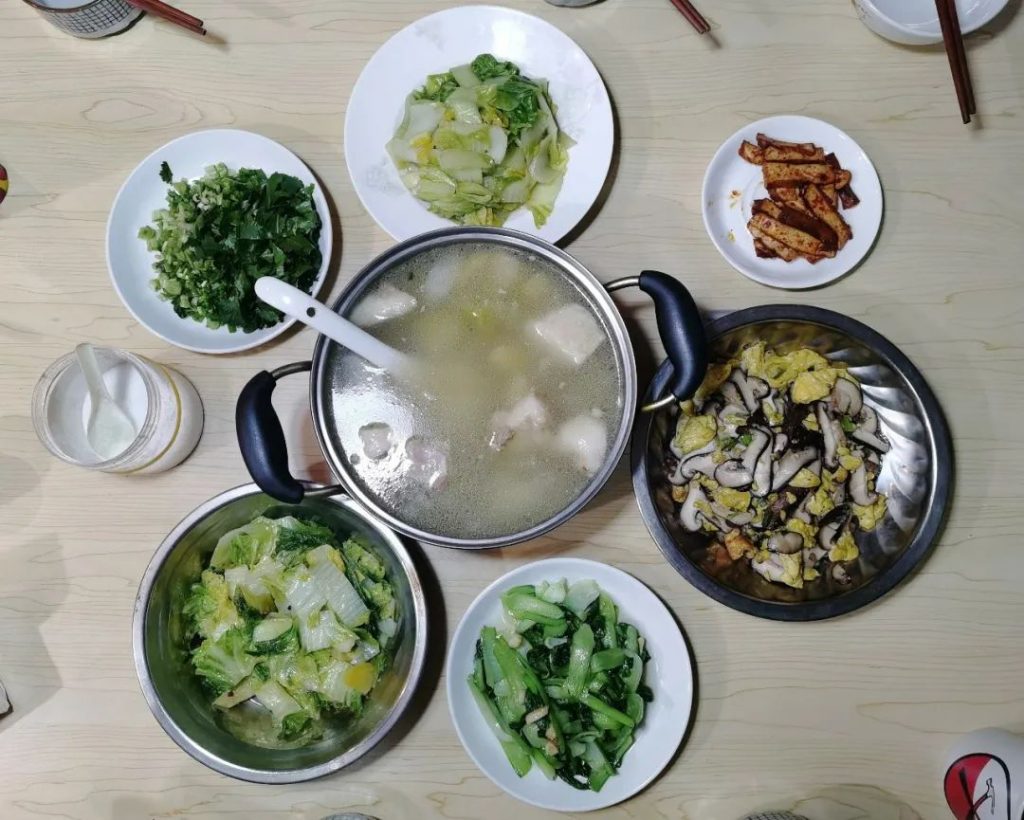
Heavy fish and meat have been in short supply on our table these past few days — basically at most one meat dish per meal, plus soy products or eggs, and the rest all vegetables. I would say we have met the Dietary Guidelines standard, at least. Everyone has been most gracious with their appetites, too: every meal, not a shred of food left, just a little rice. What a shame we did not have any pickles or fermented tofu this time — a few spoonfuls of something pungent to whet the appetite and make the rice go, and we probably would not have had any rice left either.
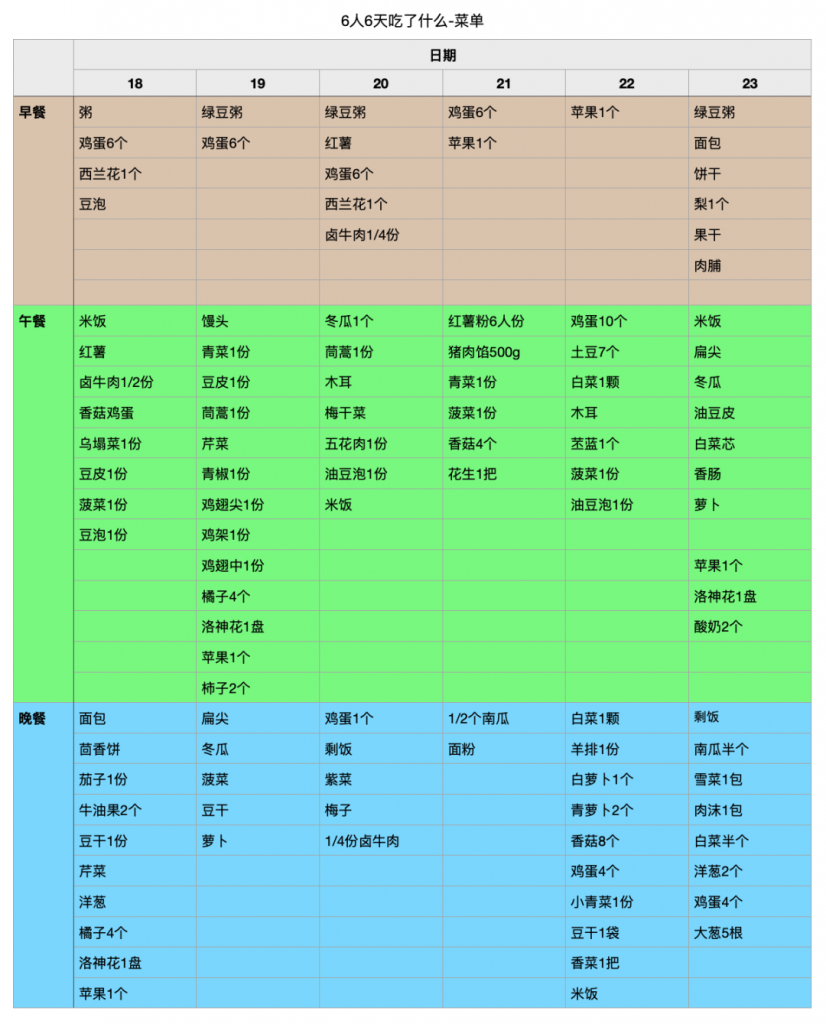
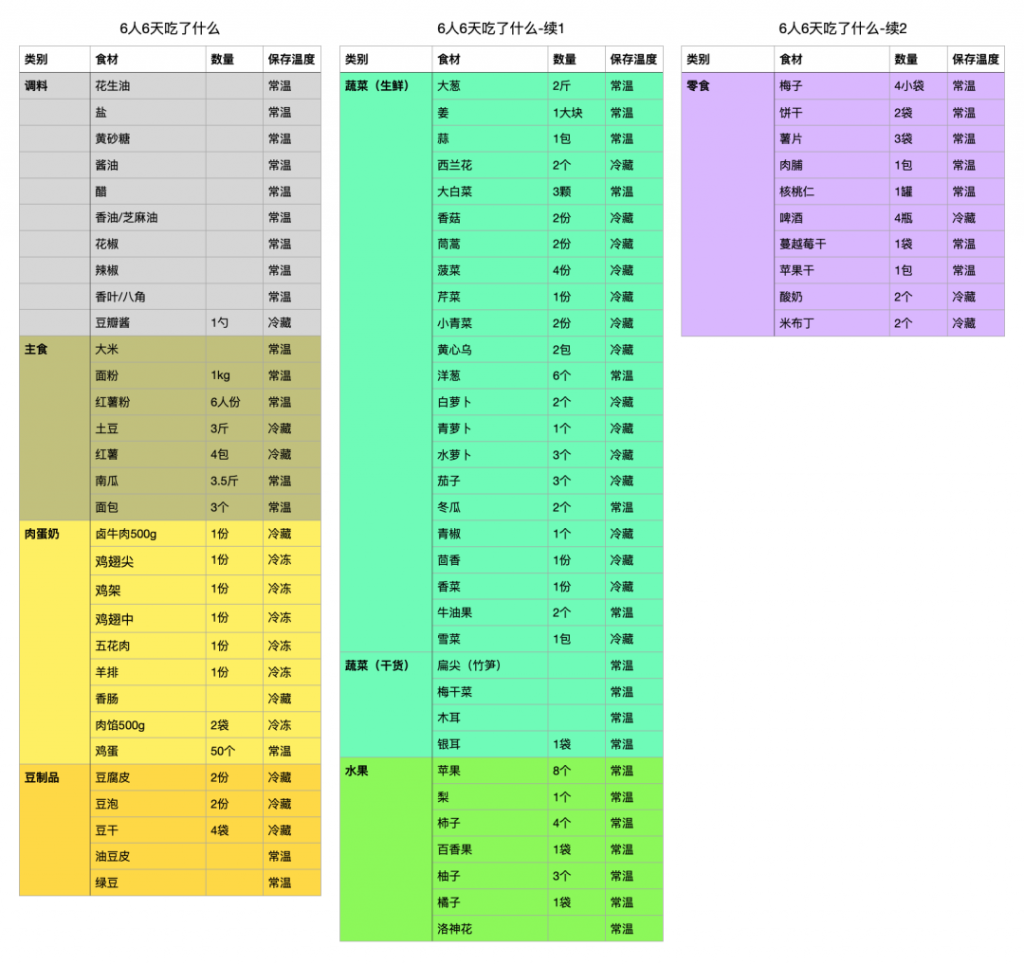
Someone commented: “You’re not sharing hardship — you’re sharing the good life.”
When it comes to the food, that is certainly true. Most of our ingredients were either purchased from the Beijing Organic Farmers’ Market or gifted to us as cosmetically imperfect produce and stock cleared from the shelves. A friend even sent over napa cabbage she had grown herself — even a quick stir-fry with just a splash of oil and a pinch of salt would make it taste wonderful. It truly proves the saying: good ingredients save a lazy cook.

III. Do Six Monks Have Water to Drink?
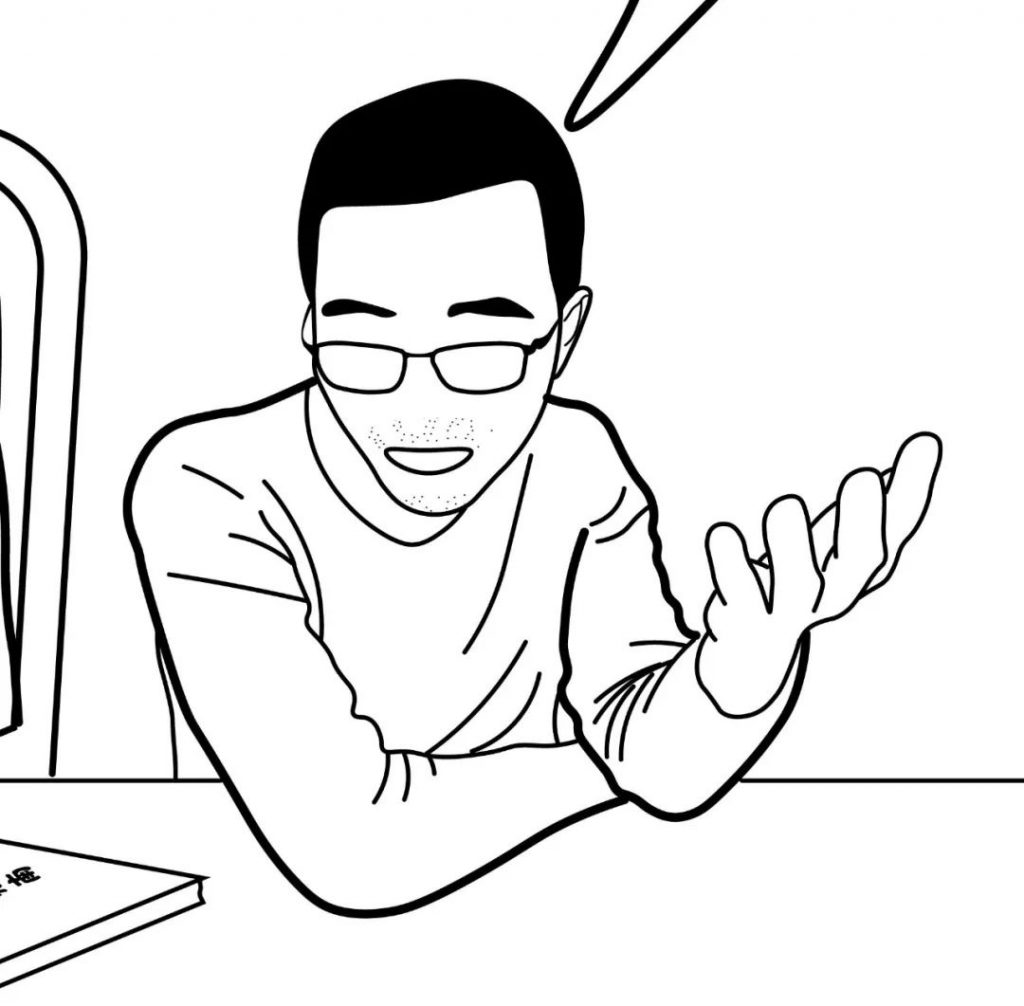
Wang Hao
The only man at Foodthink. Coughing and running a low fever throughout the lockdown — thankfully, every nucleic acid test came back negative. Brimming with energy every day and diving into all the activities, he did pick up a new catchphrase: “I’m a patient.”
Making good colleagues doesn’t guarantee you’ll make good flatmates, and living together as a makeshift household calls for a division of labour first. So on the very day the lockdown began, Tianle started tapping the whiteboard: three meals a day, washing up, taking out the bin, doing the cleaning — we’re going to need a rota, aren’t we?
After a few days of working things out, it seemed everyone had found their natural spot. I was in charge of cooking congee every night just before bed; Ze’en and our reinforcement, Judy, took on all the cleaning; and after every meal, someone would always volunteer to do the washing up.
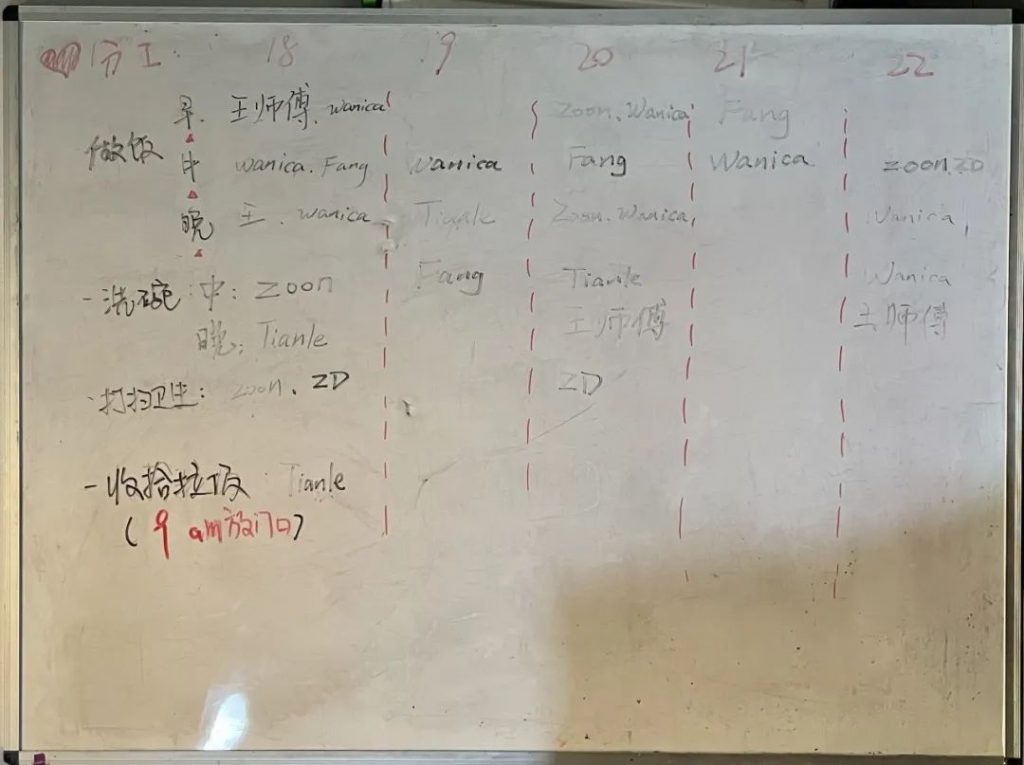
Wan Lin, the most popular cook in the group, is naturally the backbone of our cooking, but everyone loves to drift into the kitchen. Beyond just lending a hand, people are either steaming buns or making desserts — no chance to turn every cooking session into a collective labour exercise is ever missed.
A single batch of pumpkin buns calls for one person to steam, one to mix the dough, one to roll into balls, and finally one to style them. Even when there is nothing else to do, it is still one person cooking and three hovering over their shoulder. Even with half an hour still to go before mealtime, everyone vanishes from sight and clusters in the kitchen.
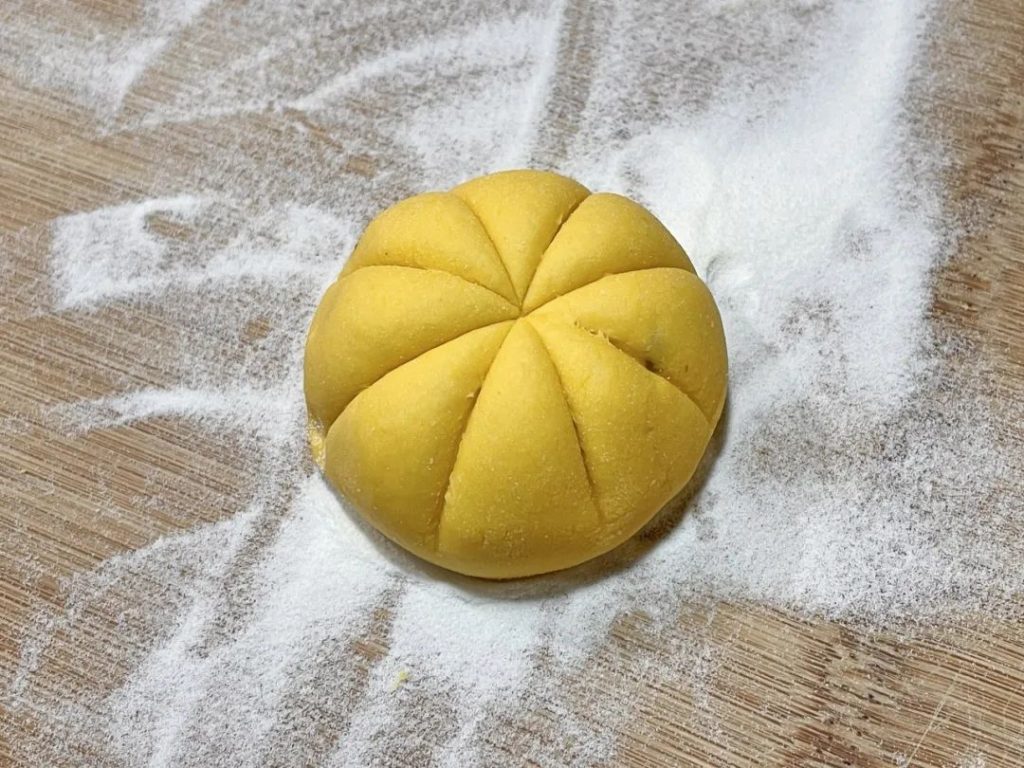
If we compared our six to the cast of Friends, everyone would agree Wan Lin is the Monica — the one who cooks and loves tidying up — while I’m probably the Joey, because I eat the most, and even more than I usually do.
But looking back, the one thing we did better than those six was that we didn’t just watch Wanica bustle about on her own. If Foodthink fielded a football team for the World Cup, our defence wouldn’t be half bad — everyone is pretty good at covering for each other.
Of course, the details of daily life go far beyond what I’ve mentioned. Just as the lockdown was drawing to a close, someone in the residents’ group chat was complaining: eleven people sealed in a single office, eating takeaway every day, not even enough room to lie down at night.
We’re only six, but it’s still not exactly spacious. Laying out a few yoga mats on the floor in the evening still makes things feel tight. Wanica even swatted Ze’en on the head in her sleep.
The right number of people, seamless teamwork — put alongside others, we really were a bit too lucky.
IV. Does This Count as… a Bit of Action?
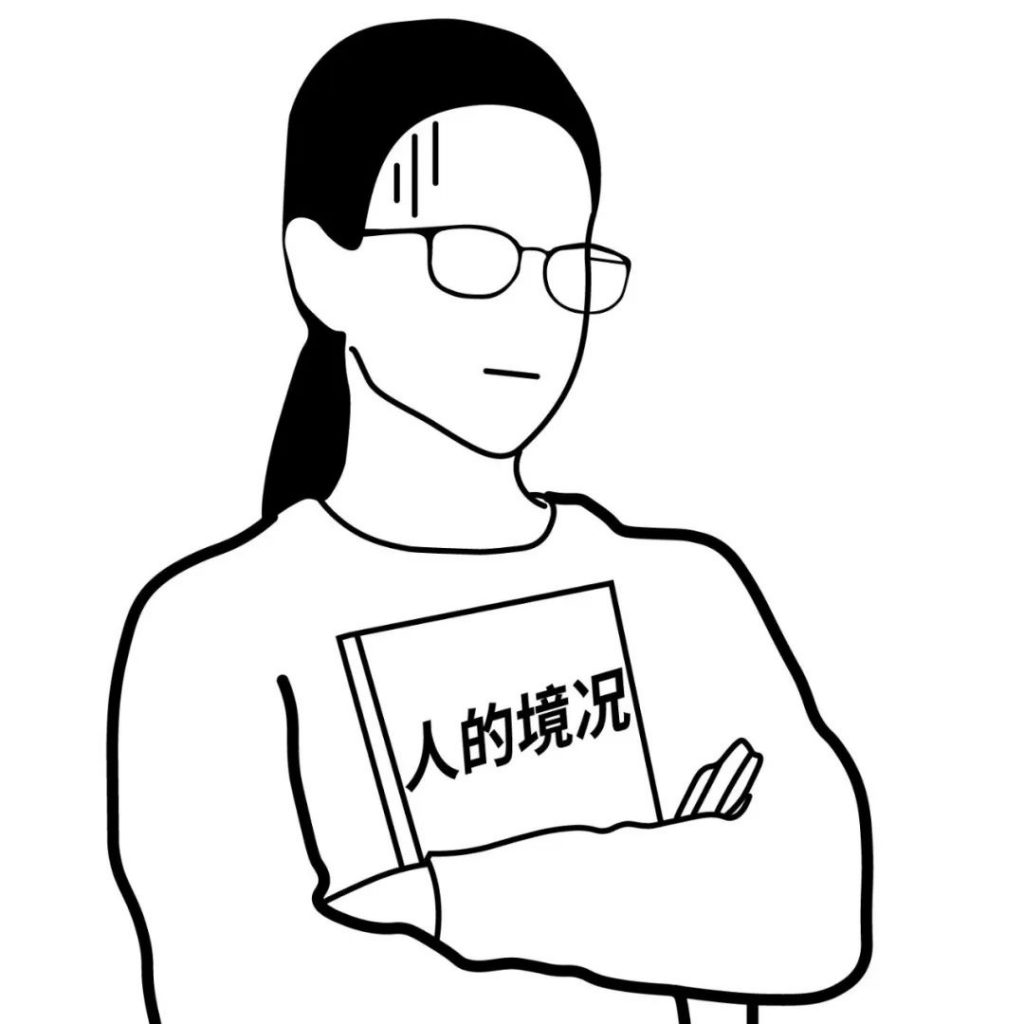
Ze’en
The player closest to the post-2000s generation. Joined Foodthink thirteen months ago. Normally an editor, she makes guest appearances as Shipingtongjun; these past few days she has been the cleaning lady. Her specialties: covering for others, lending a hand, and pulling off a few flashy tricks.
One week into the lockdown, on top of keeping up our daily updates as best we can, we have not stopped posting on WeChat Moments or Douban either. We share all three meals every day, with the odd side-splitting interlude now and then. No wonder people keep leaving comments on Moments: how come you seem to be enjoying the lockdown so much?
To be honest, those happy moments are real, but so is the anxiety of losing your freedom — of six people forced to share the same room. Still, these past few days, not a single conflict or quarrel has broken out.
One reason is that everyone is still working hard to keep their daily routine going and trying to rebuild some sense of boundaries and order within the limited space.
Take the second day of the lockdown, for instance, which fell on a Saturday. At 1:30 p.m. sharp, I opened Tencent Meeting for my choir’s online rehearsal — more eager about it than I am about attending in person, even. With borrowed headphones on and the kitchen door shut, aside from the occasional knock from someone coming in to boil water, this room was almost entirely mine. I treasured that fleeting freedom of “being somewhere else.”
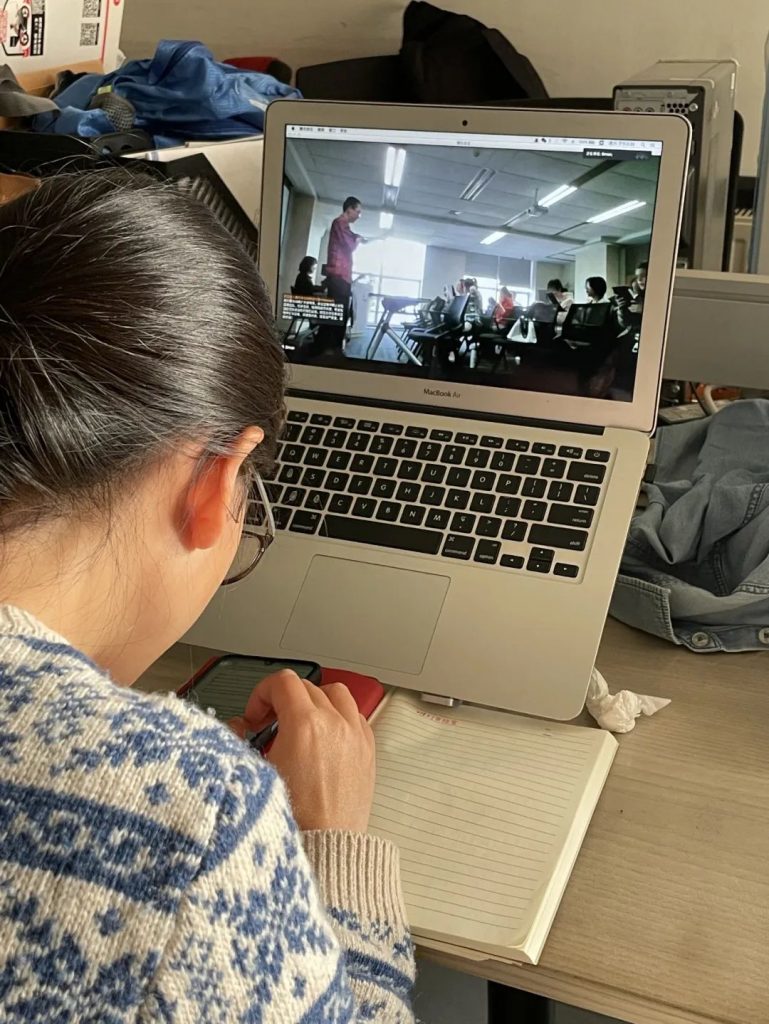
Secondly, everyone’s mood dips and peaks on its own curve, so we are never all in the dumps at the same time. When someone is frowning and feeling low, there is always another person stirring up something to liven the atmosphere.
On Saturday evening we finished a documentary about rural revitalisation while snacking on late-night food. The absurd soundtrack and baffling editing provided a steady stream of laughs. After dinner on the fourth day of the lockdown, we set up a game of Cheat, and the room rang with laughter and chatter once more. The gloom may well have crept back in once the laughter faded, but at least we can say we shared a moment of joy together.
Now, about this photo.
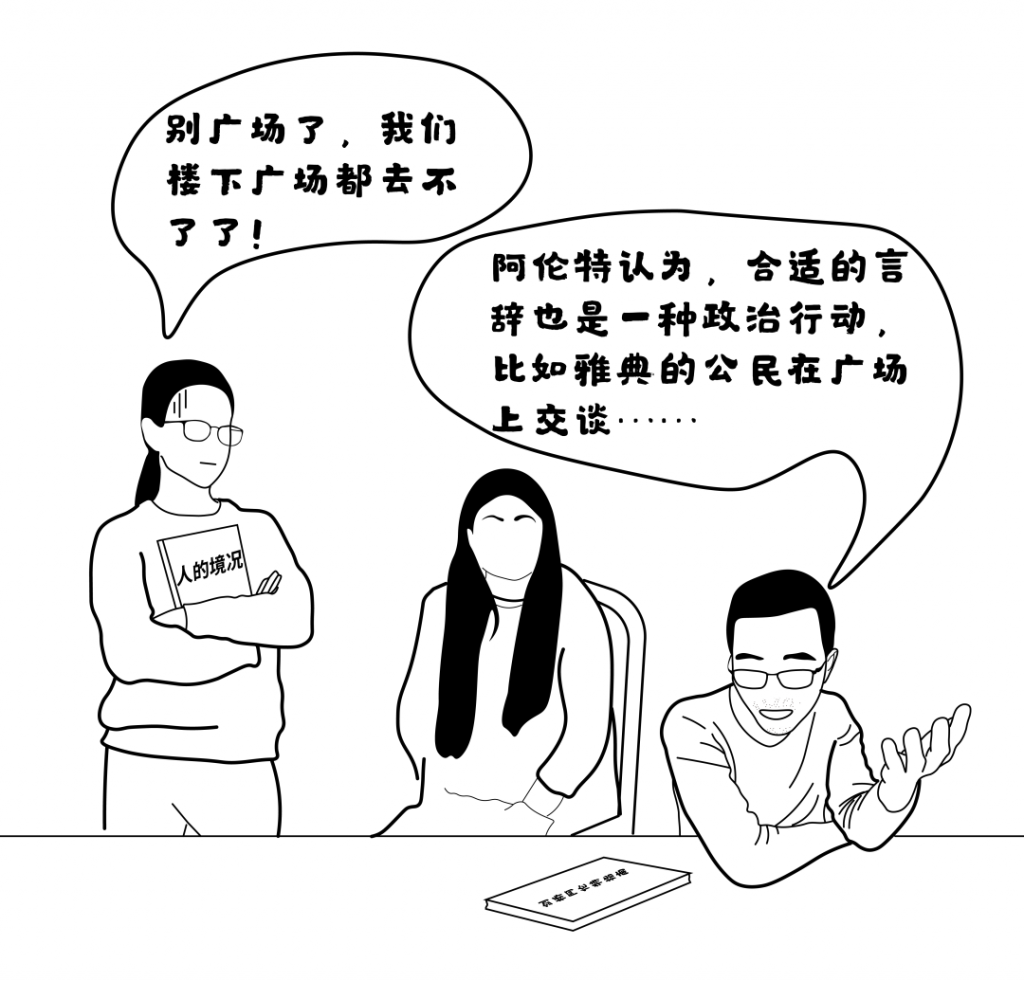
The evening of the card game, the four of us got thoroughly animated in the kitchen, debating the upcoming Arendt reading group. As a philosophy graduate, the language of The Human Condition and the questions it raises pulled me back into a subtle, almost elusive sense of familiarity. Watching Chef Wang get more and more fired up, I suddenly found myself wondering: why was it Arendt who cured his political depression?
Of course you could say this chat, which ran until midnight, was merely our death throes before the deadline — a last-ditch attempt to make the work deliverable. But for me, it genuinely crossed beyond the scope of work and pointed toward a space of action. As for how well the action turns out — well, stay tuned for the reading group!

V. V. Working Normally Without Leaving Home
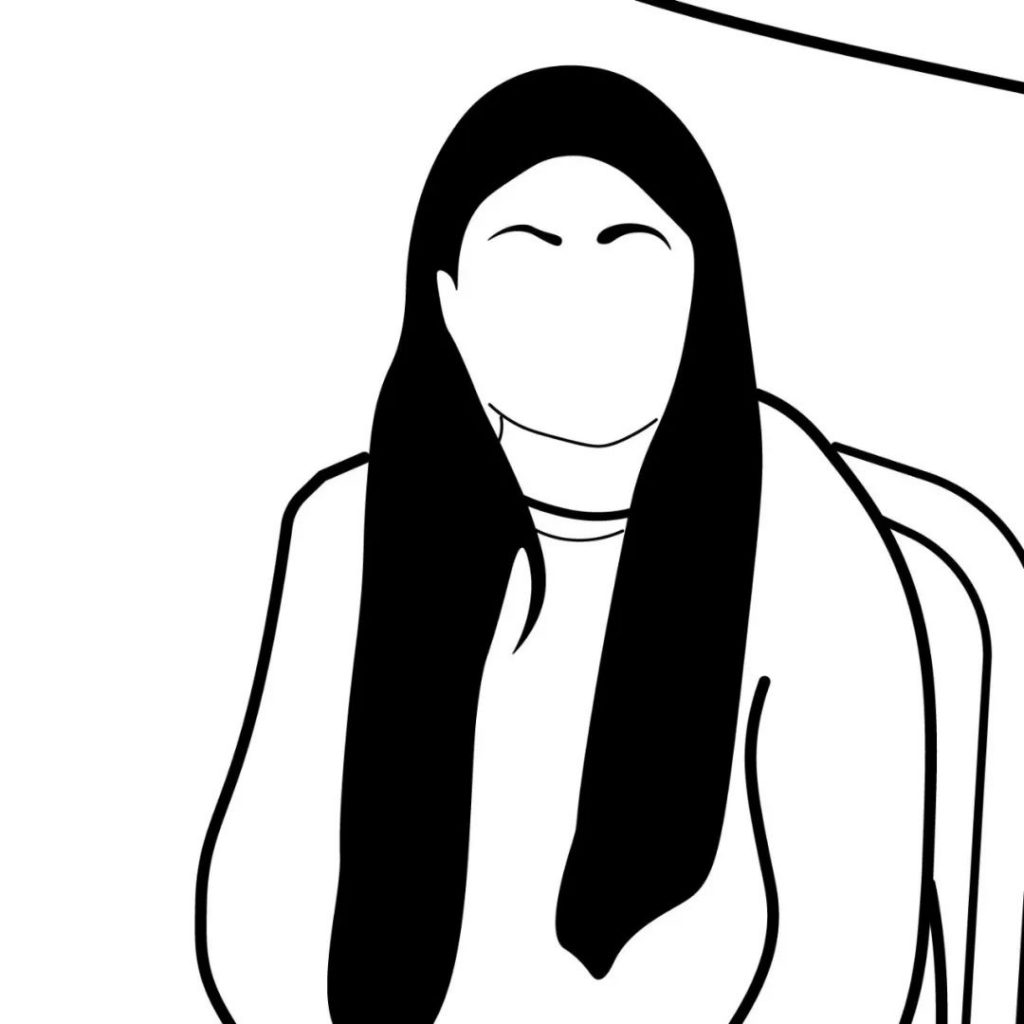
Tianle
Foodthink’s most senior colleague, who worried the entire time about whether she and her colleagues could eat well, drink well, sleep well, have fun — and, well… work well.
A bunch of colleagues sealed in the office — my first reaction was: are we here to work together or to live together?
Normally we work from the office two days a week, which mostly just means grabbing lunch together. Sure, at other times we also get together for meetings, research, interviews, and online conferences, and the line between work and life isn’t exactly razor-sharp — but at least we had some spatial separation.
Well, now work and life are all crammed into one space. Under peer pressure, are we really going to start grinding?!
Before long, reality slapped me in the face. Foodthink’s colleagues lived up to the “Eat Well” slogan — the first few days could best be summed up as: at work, a worm; in the kitchen, a dragon.
During what should be perfectly normal working hours, the office is often a ghost town — the kitchen is always the liveliest spot. Either everyone pitches in to prep and cook, or one skilled cook is at work while a few less experienced ones hover and watch, or one greenhorn is at the stove while a few others of indeterminate skill level stand by pointing, poking, and delivering unsolicited commentary.
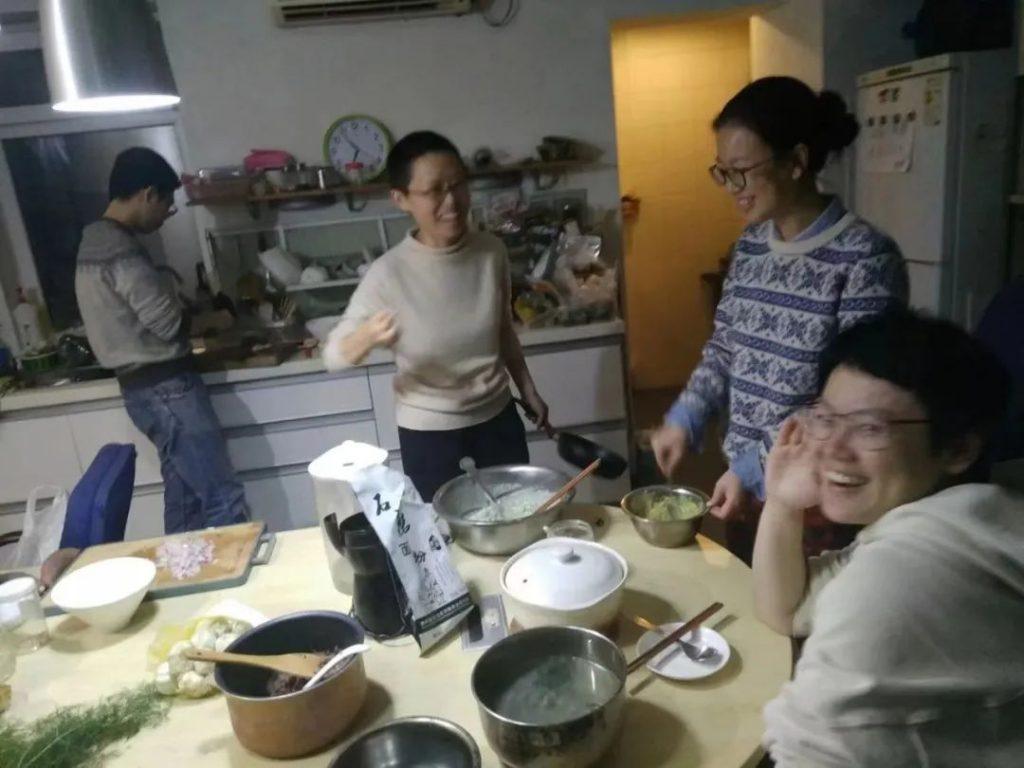
After roasting my colleagues (and myself), I have to admit: when the food is this good, you at least have to pull your weight at work.
Apart from internal meetings, the most time-consuming thing this week was all the various online calls. Normally, everyone works from home and takes their calls separately; when schedules clash, you have to pick and choose. But with everyone in the same office, it’s simple: each person puts their call on speaker, and if you fancy joining in, you just wander over and catch an earful.
The most outrageous instance: four different meetings running simultaneously across three rooms — two of them in the kitchen, one projected on the screen, one on a phone. There is a silver lining, though: colleagues from different departments, each liaising with different partners on different topics, finally got a chance to find out what meetings everyone else was in and who they were dealing with.
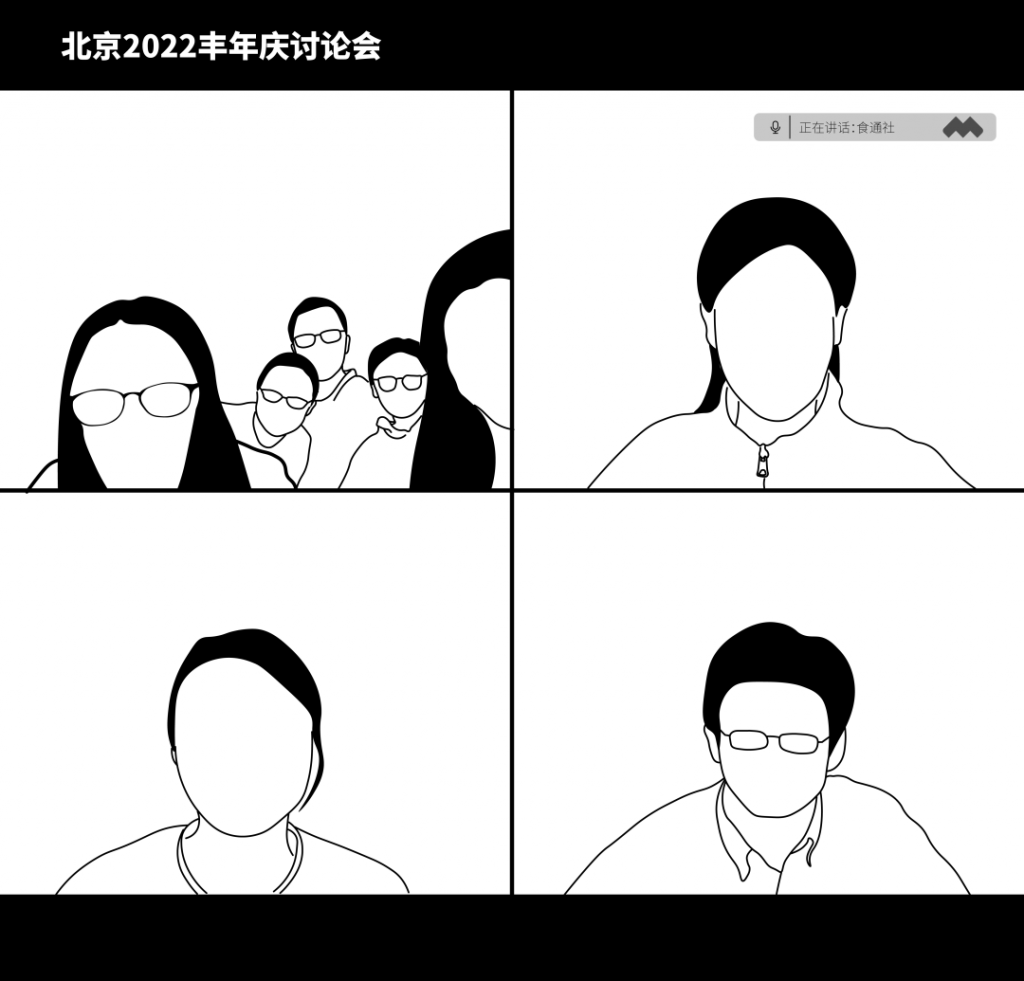
Apart from daily work, the biggest thing this week has been the preparations for the Beijing Fengnianqing.
As luck would have it, we had just wrapped up meetings with all the co-creation partners on Thursday when the lockdown hit. I had no choice but to pin it on the rightful organisers of the Guangdong Fengnianqing: “Look at that unfortunate name you’ve come up with — I’m afraid this year it’s going to be a seal-off Qing instead.” Our Guangzhou peers, locked down in Haizhu and elsewhere, are too tied up with their own problems to bother firing back.
More often than not, people were there for the show. The moment a call started, the first thing out of the other side’s mouth was always: “Oh my, sealed in the office — how’s it feeling?”
That said, there were advantages. Their video calls: one person, one frame. Ours: five people could cram into a single frame, which made us considerably more imposing in any argument. Too bad we never got the chance to put that to use.
The most classic exchange was between two colleagues:
A, attempting empathy: “You’ve at least been going through the hardship together.”
B, visibly green with envy: “Look at their food budget — that’s not “sharing hardship,” that’s “sharing blessings!””
At Foodthink, you can only work well if you eat well. Or rather — if you can’t even give yourself a proper meal, then what is work even for?
VI. After the Lockdown Was Lifted
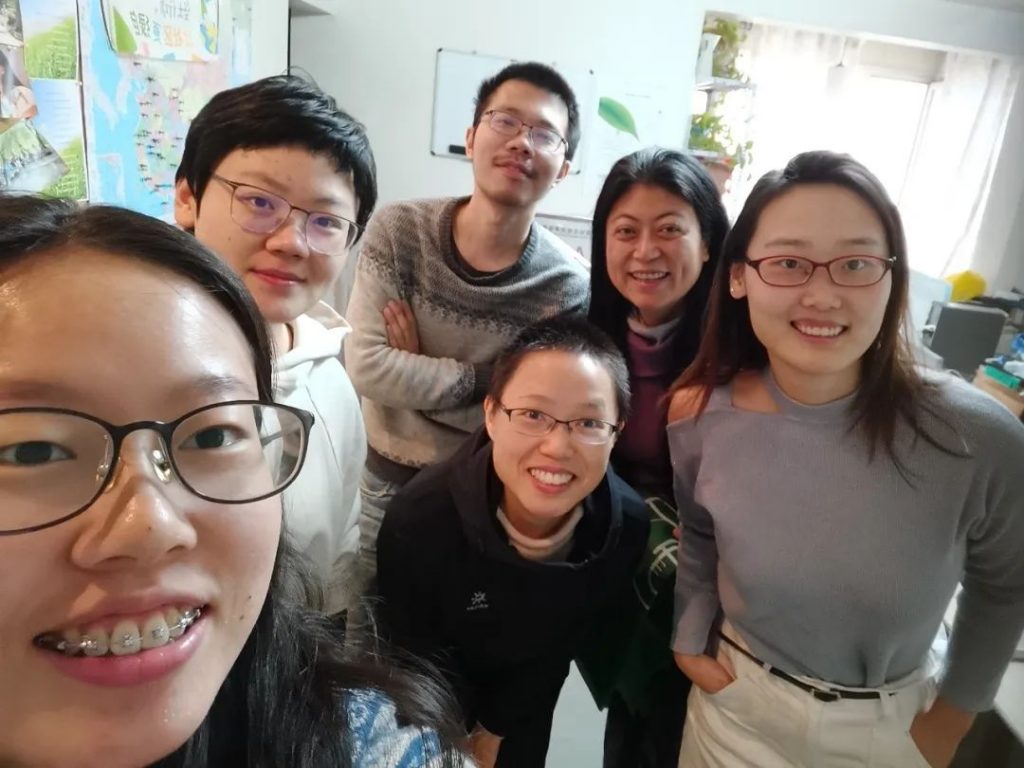
On 24 November, after seven days and seven nights together, we could finally leave the compound and head back to our own homes. Oh, wait — no, one of our colleagues’ compounds has been sealed off, so she has decided to stay put in the office.
By the time this goes to press, two more colleagues have had their compounds sealed off…
On the bright side, these seven days have given us a much clearer sense of our own needs and mindset under lockdown. More importantly, the week taught us something viscerally: when pressure and crisis converge, if like-minded people band together, all manner of action becomes possible.
Wishing you all freedom, health, and safety. Eat well, and live with intention.
Editor: Foodthink Jun
Comics: Fang Yuan