
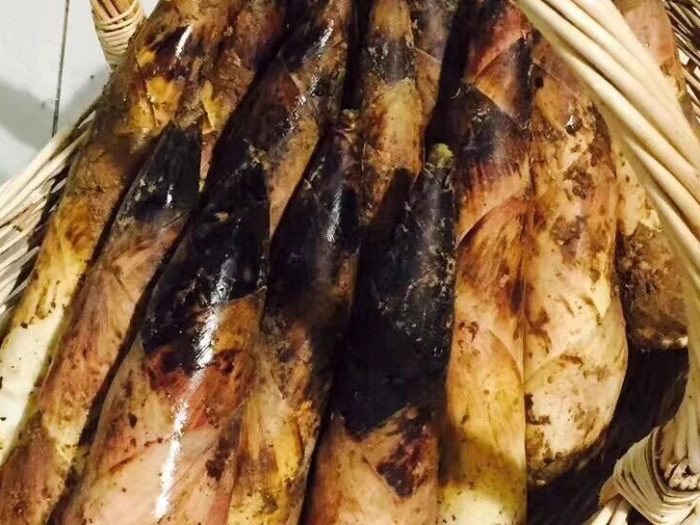
From Yan Du Xian in Jiangnan to Anji dried shoots and winter bamboo shoots in Hunan’s bamboo seas, the Chinese table carries fresh shoots, dried shoots, rural memory, the seasons, and the ache of home.
Family food culture, local food memories, workers’ table stories, and personal relationships with food.
From Yan Du Xian in Jiangnan to Anji dried shoots and winter bamboo shoots in Hunan’s bamboo seas, the Chinese table carries fresh shoots, dried shoots, rural memory, the seasons, and the ache of home.

A student at the University of Food Studies in Pollenzo recalls three unbroken hours of lectures, wild greens from the fields, cheese markets, and a glass of wine on a blizzard night — how Petrini turned food into politics, and the road Slow Food has yet to walk.
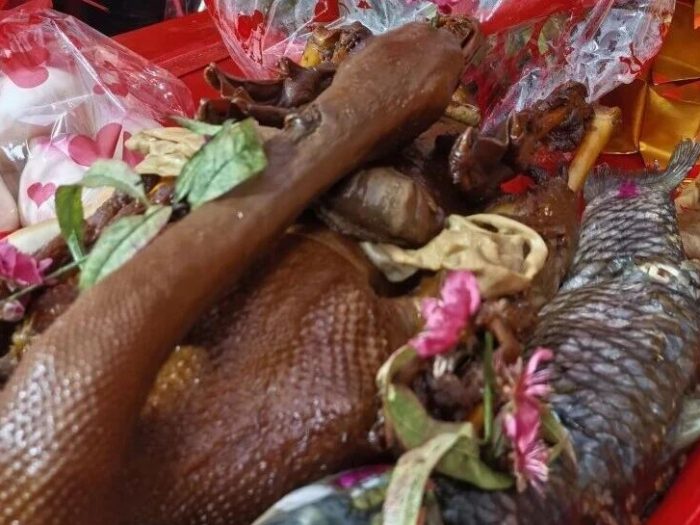
Braised goose holds the highest rank on Chaoshan ancestral offering tables. The custom of “no braised goose, no grandeur” has endured for nearly a century – from the offering-table longing of overseas Chinese in Southeast Asia to the everyday bustle of braised goose shops lining every street.
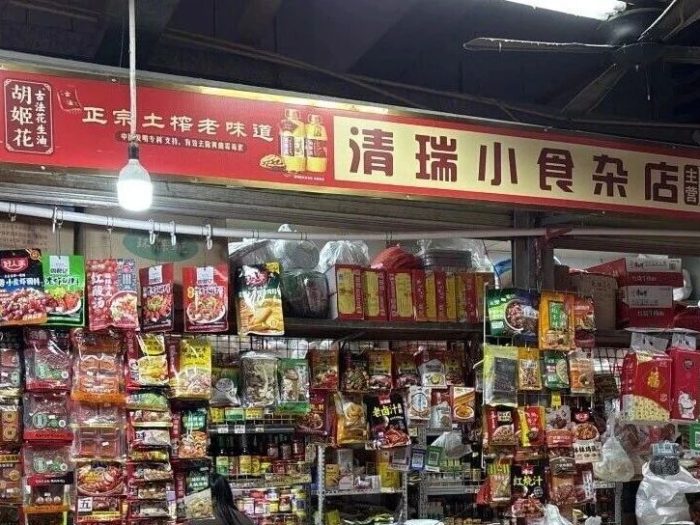
In Yijing Market, Wuzhou, Guangxi, the grandmother opened the shop in 1995. The mother later took over, and the daughter helps during the Spring Festival. The mother opens the shop early each morning and returns home in the evening to do the portioning, knowing exactly what regular customers usually buy. The little shop is unlikely to be taken over by the daughter.
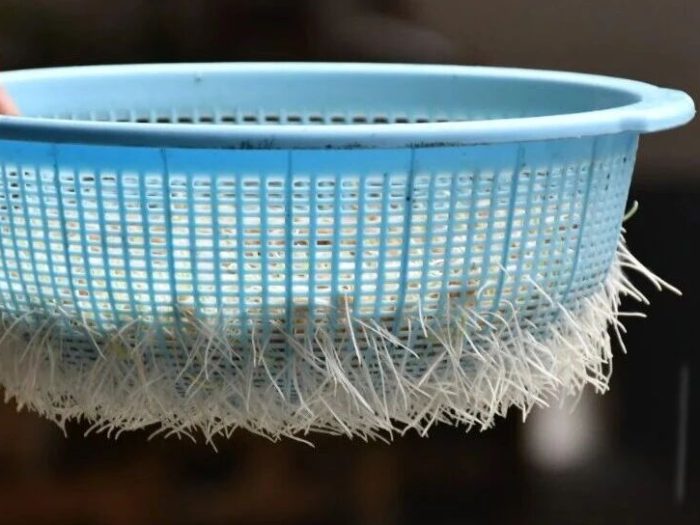
Roselle with stevia, pumpkin steamed and dried three times, maltose syrup over raw nuts — a few simple steps at the stove, and a snack’s sweet aroma need not come from free sugars and refined seed oils on the shelf.
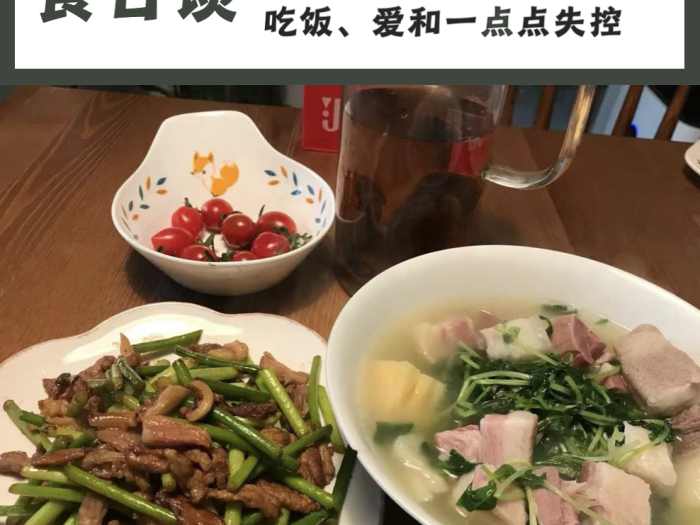
Three mothers talk about what’s behind the “fussy eater”: from a childhood of eating only the dumpling wrapper, to a rice-ball experiment meltdown, to a teenager “eating dinner three times a day” — intergenerational memory, invisible emotional labour, and that first mouthful to feed yourself, hidden within picky eating.

Over the past two years, Foodthink has received real stories from young people about eating: from being unable to break free of takeaway to community canteens, from “digital pickles” to hands-on fermentation — working people have pieced together their own solutions from the minutiae of daily life.
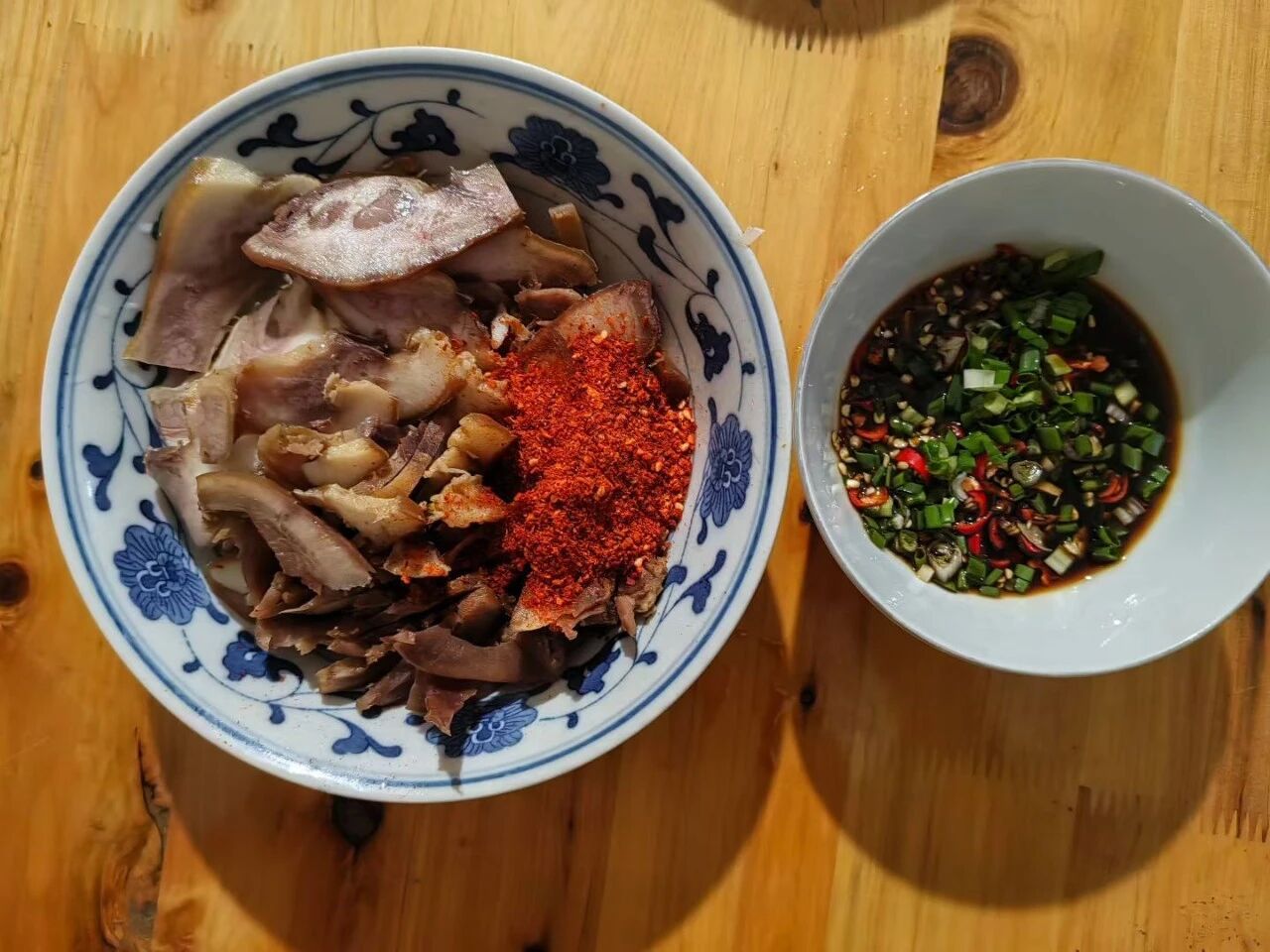
Chinese New Year in Wutong Village, Weiyuan County, Sichuan — under 3,000 residents, all elderly, growing vegetables, keeping hens. Rice steamed on a wood-fired stove, pea shoots pinched from ridges, hills crossed to buy beef tripe and aortic arch in the county town — five hours from rod to table.
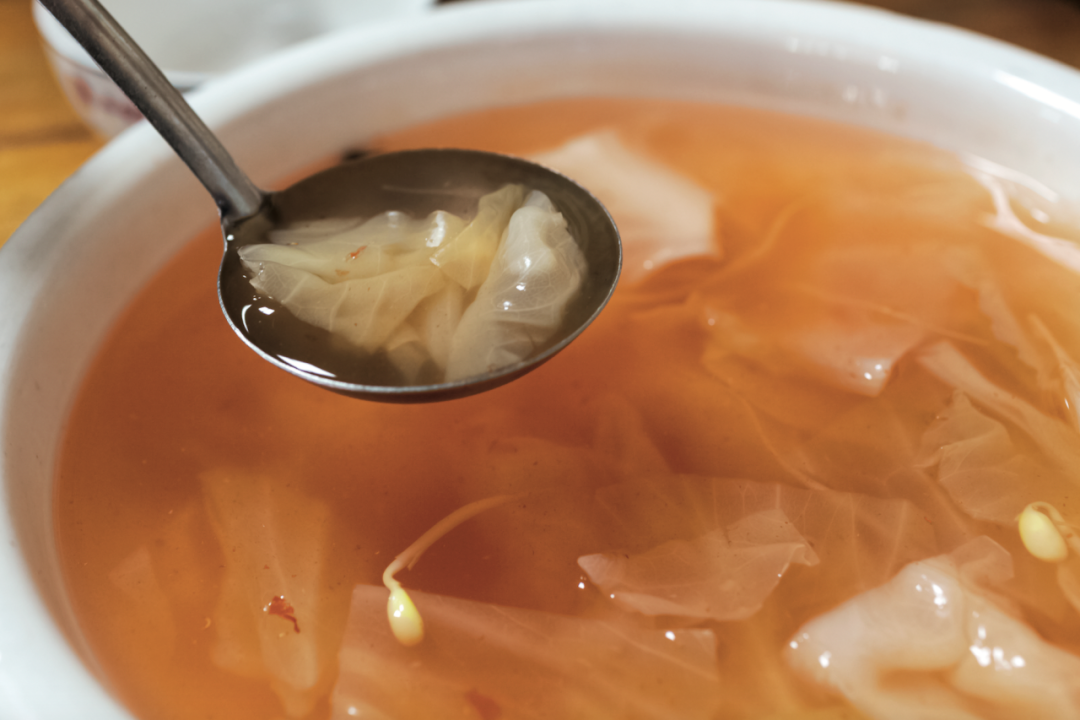
The old village in Heilongjiang holds only seven or eight households; my mother wept before the dish shelf and soured-cabbage crock in the collapsed-back-wall courtyard. Those left in Beijing try—with a crock, a bag of salt, a few cabbages—to re-stitch days bound to land and neighbours.
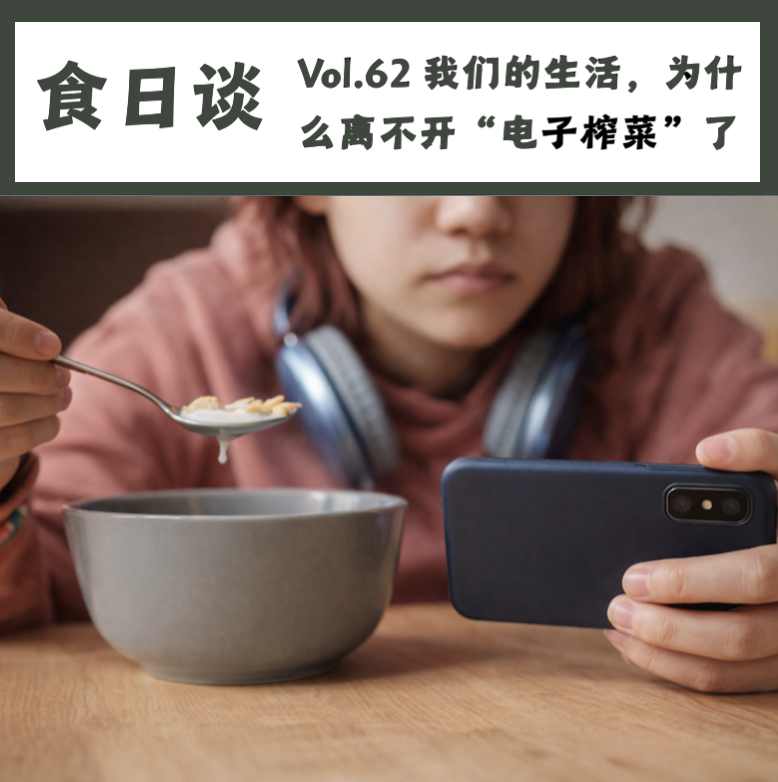
The three Food Talk hosts reveal their own mealtime viewing lists and, drawing on research showing that being absorbed in devices during meals increases calorie intake by 15%, ask whether this virtual side dish is healing loneliness or quietly eroding health.