
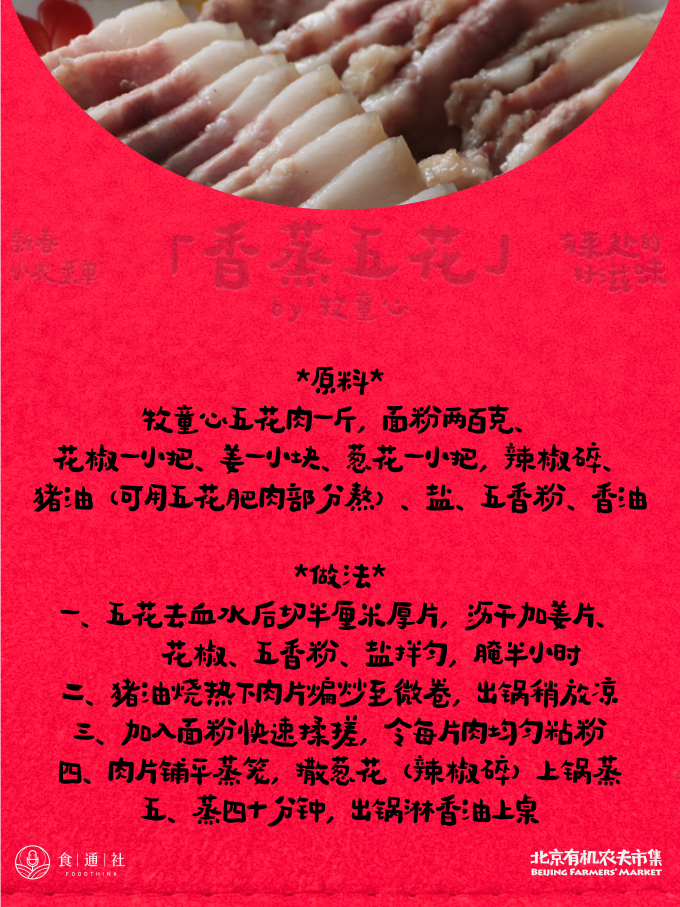
Wu Longlong shares a steamed pork belly recipe using Mutongxin Farm’s free-range pork: marinate the pork belly with Sichuan pepper and five-spice powder, stir-fry until slightly curled, dredge it, then steam for 40 minutes.
Family food culture, local food memories, workers’ table stories, and personal relationships with food.
Wu Longlong shares a steamed pork belly recipe using Mutongxin Farm’s free-range pork: marinate the pork belly with Sichuan pepper and five-spice powder, stir-fry until slightly curled, dredge it, then steam for 40 minutes.
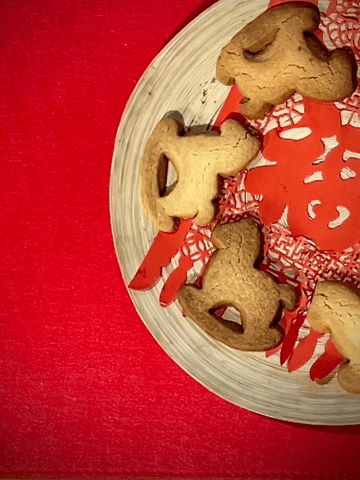
From the second to the seventh day of the Lunar New Year, Foodthink is teaming up with farmers from Beijing Organic Farmers’ Market to share six New Year recipes made with their own ingredients, helping use up leftovers while adding a new dish to the table each day.
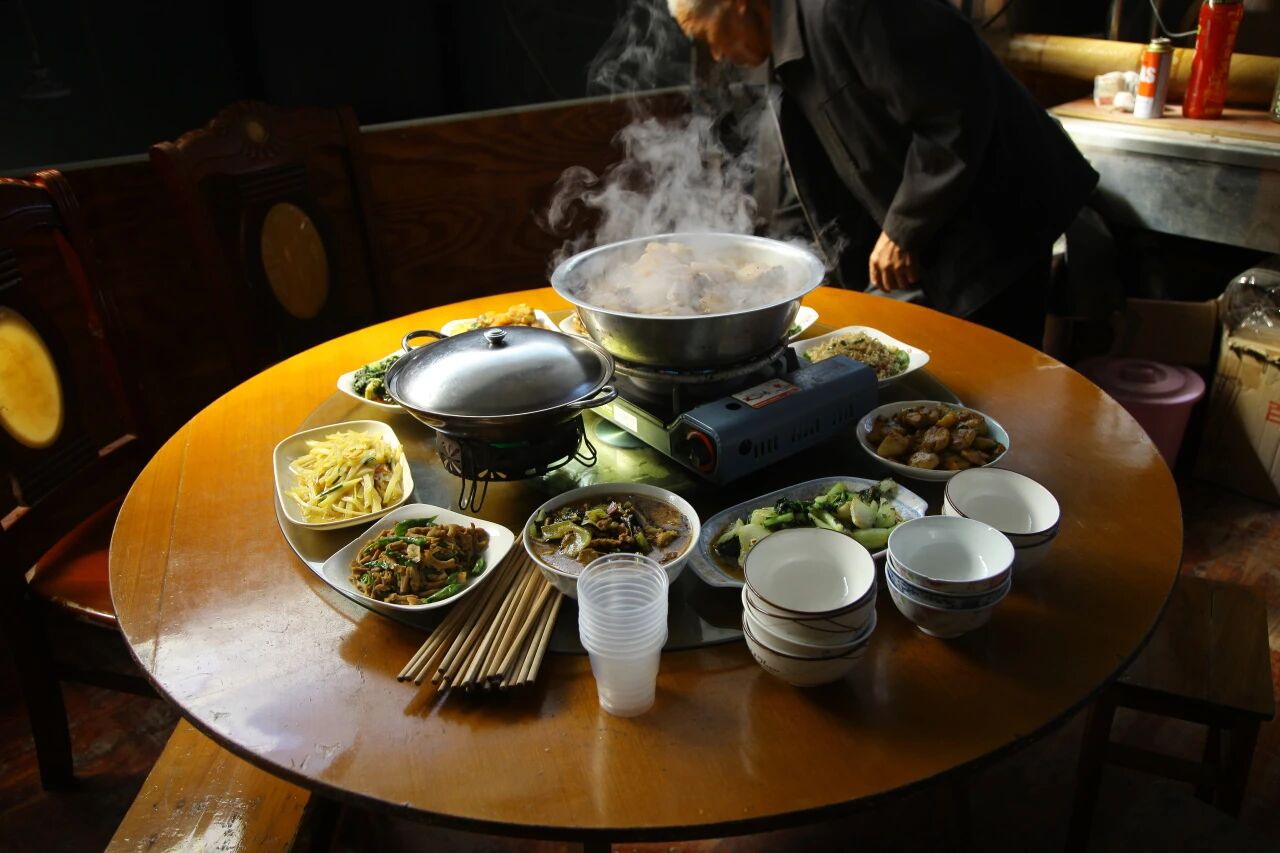
In Songyang, south-western Zhejiang, from the streamside to the ancestral hall offering table, locals sun-dry sweet potato starch, hang persimmons, steam tang gao, brew qu-based red yeast rice wine, and set out pig heads—mountain produce and New Year customs for a reunion dinner.
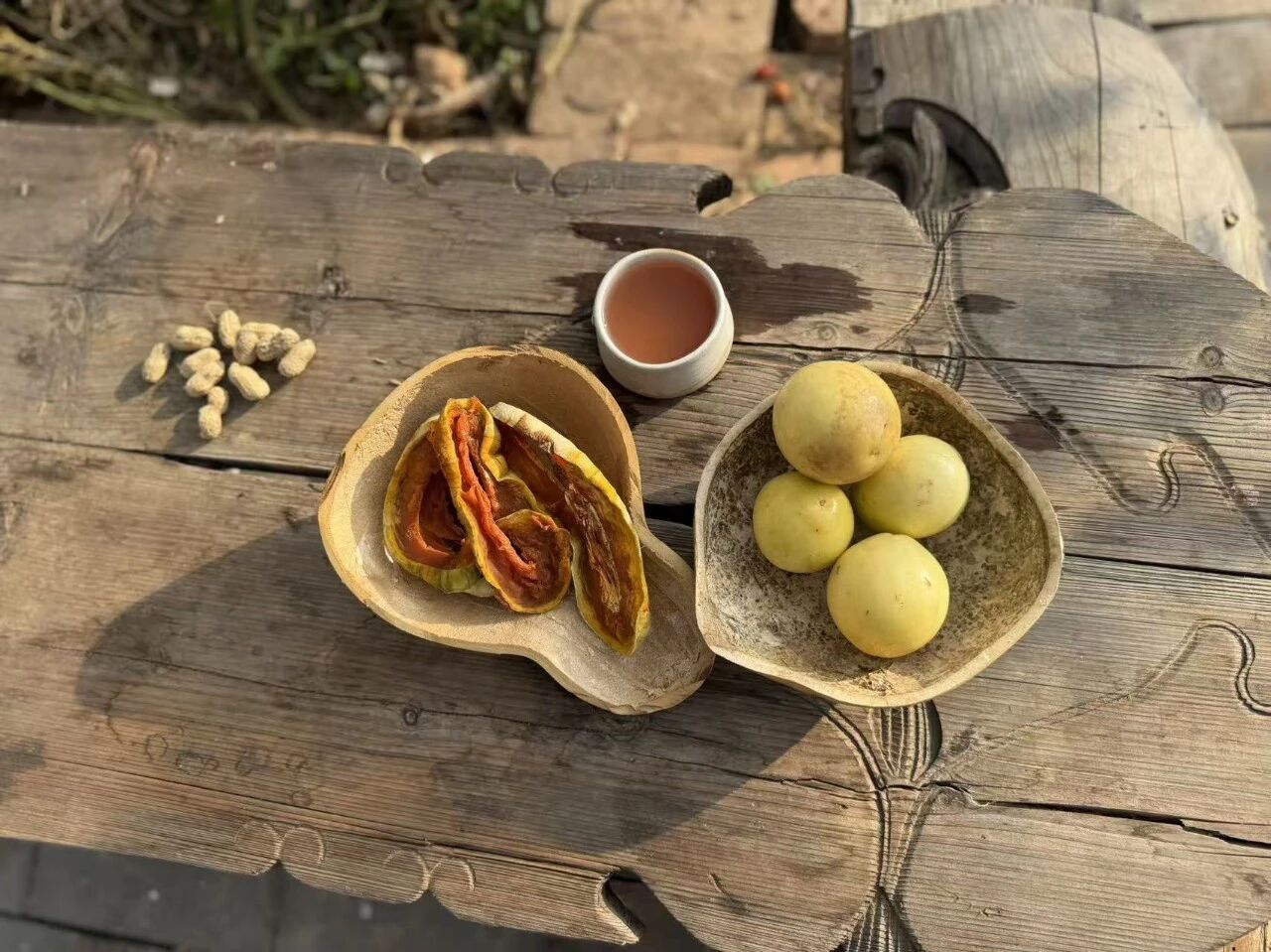
Kouzi’s sixth winter in rural Fujian puts the rocket stove and the big kang, the polytunnel and the old granary, radish, ginger and jujube soup, and dried pumpkin to work, turning the damp cold into warm, easy days.
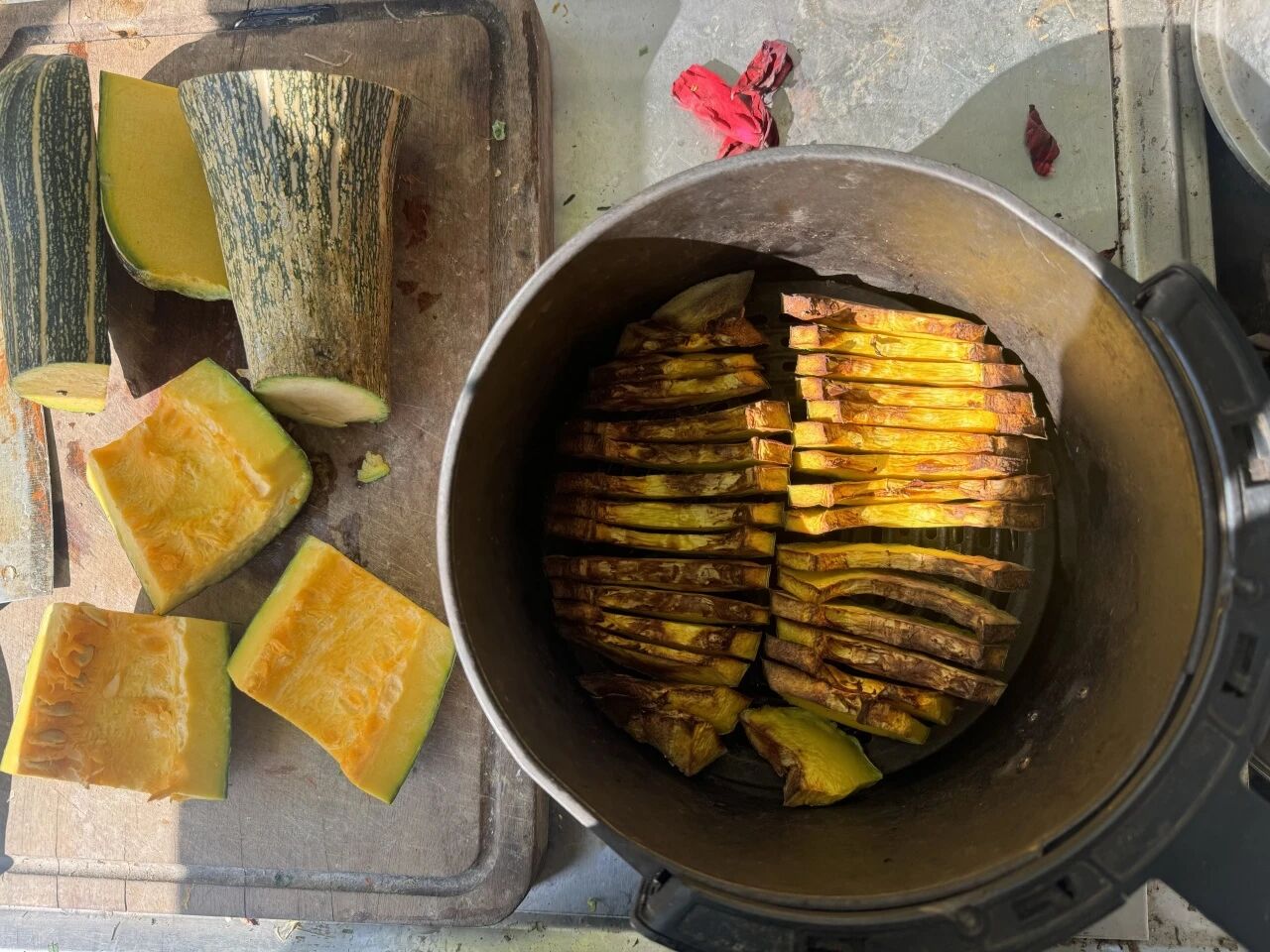
In Èrén Gǔ, Kouzi served roasted pumpkin, maize and homemade tempeh at the table, using an air fryer and a high-speed blender to make seasonal harvests into everyday staple foods.
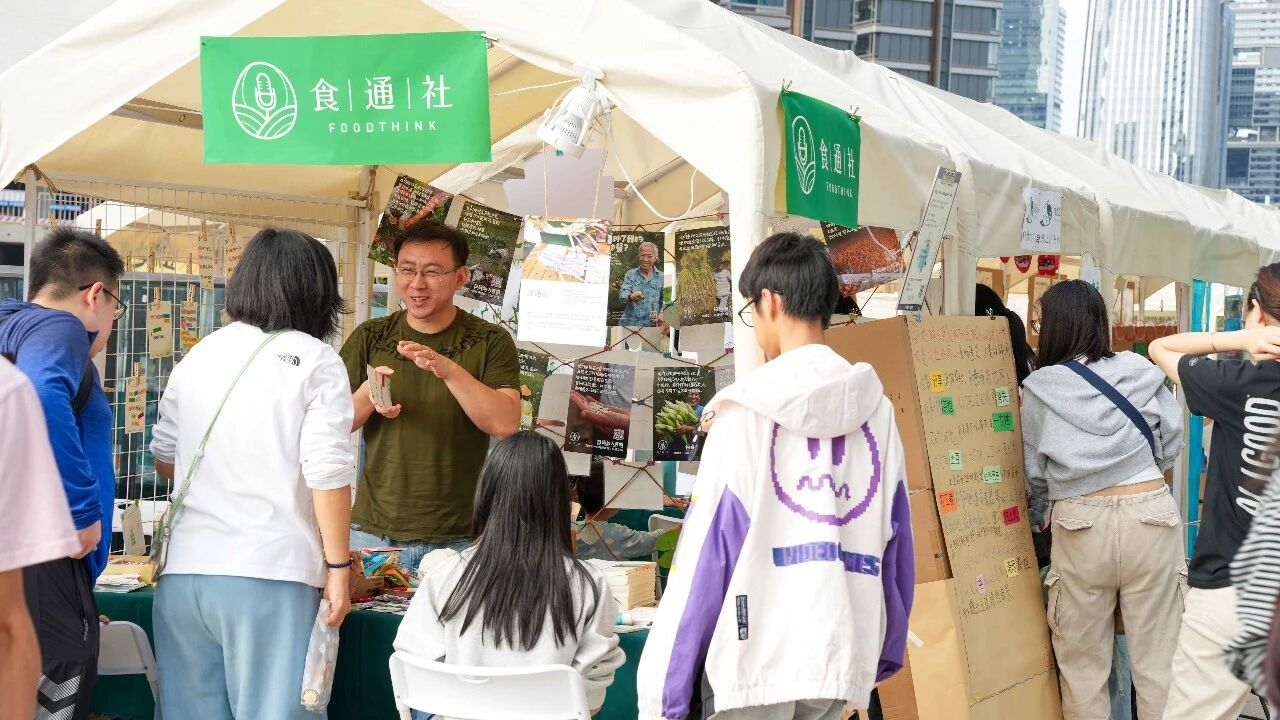
Nearly a hundred participants in Guangzhou chained article titles and Cantonese cuisine in a relay, creating eight climate science-fiction stories; the documentary “Whose Table, Whose Pasture” and sharing from rural visits probe imported frozen meat, rural disasters and Guangzhou’s extra-long summer.
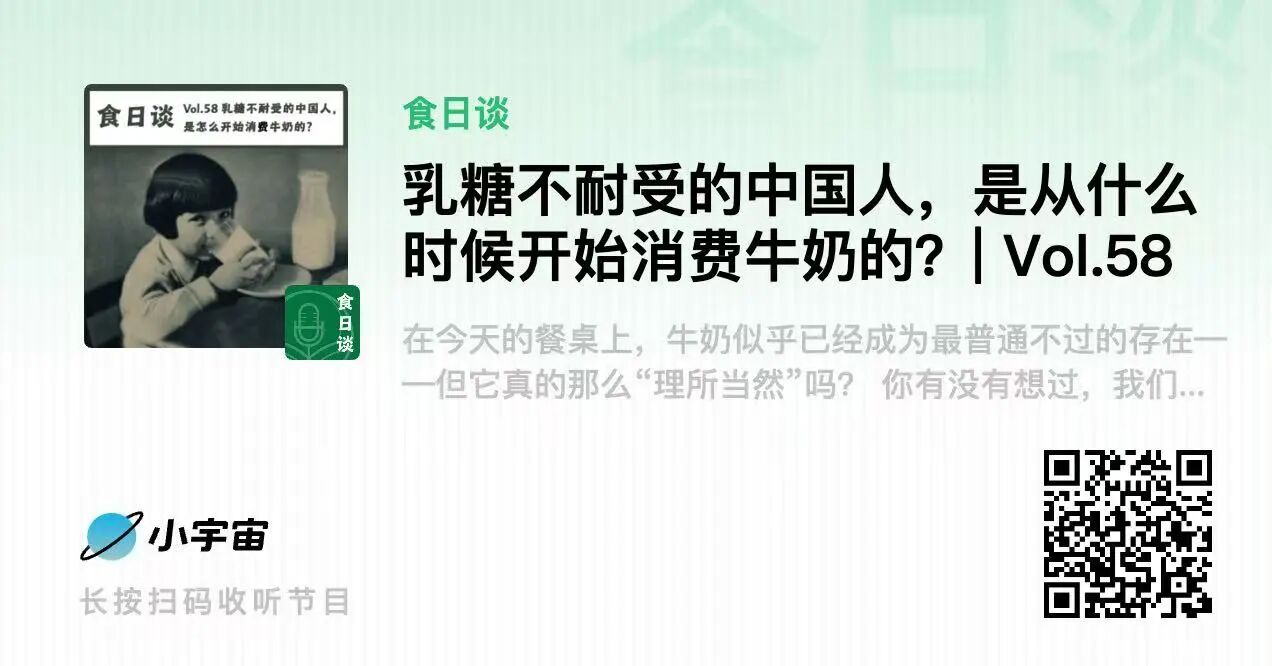
Milk travelled the world on Dutch merchant ships, came to the table in Shanghai, and over more than a century was shaped by advertising, scientific discourse and nationalism into a drink for strengthening the nation and the race; after the melamine incident, Chinese people with lactose intolerance still put it on their everyday table.
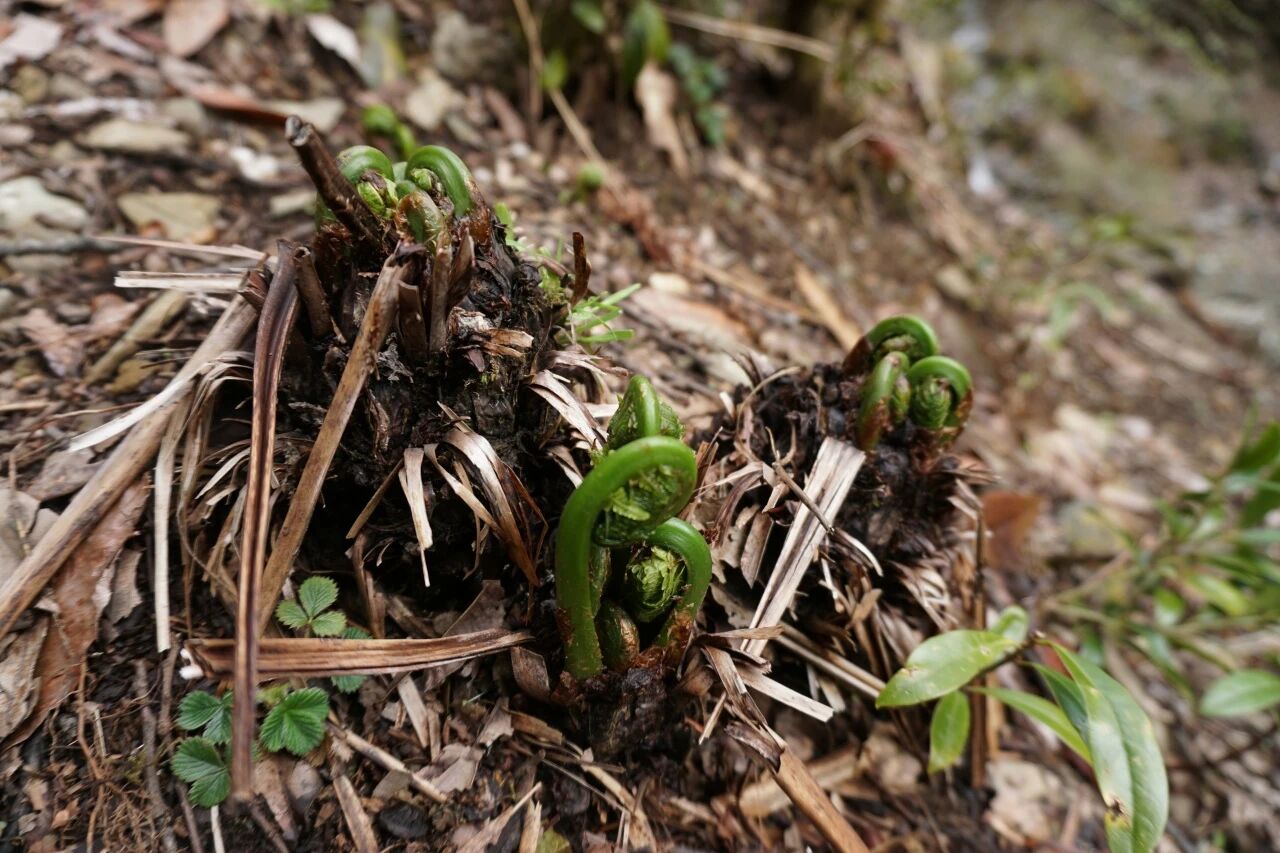
Botanist Mr Shen asks a question in Shangri-La’s spring. Li Yun, a young woman from Tacheng in Weixi, picks broom blossoms and shepherd’s purse, also buys bamboo-leaf greens, and prepares a table of omelettes, dumplings and ham soup.
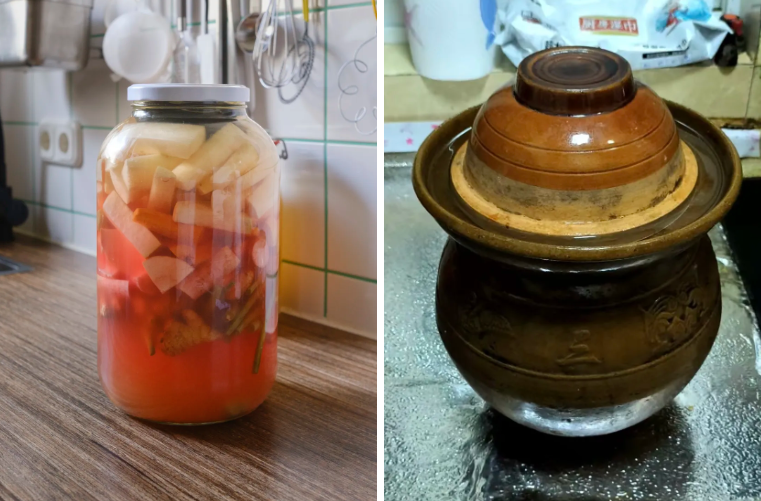
Changsha-born designer Xu Xijing tends pickles, makes bread and cultivates kombucha in a Berlin kitchen; she also borrows a ladle of jar water from Hunan and the yeast shared by friends, and feels seasons and regions again in the cycles of microbial communities.
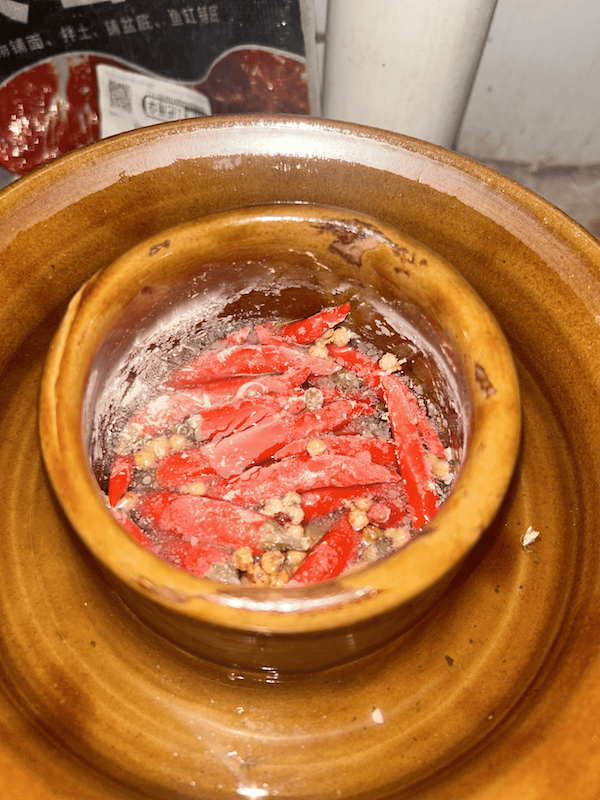
From kombucha and Sichuan pickles to Guizhou’s jiuqu starter and sour soup, successes, failures and local flavours from many places form a map of household fermentation, and comments can supplement hometown methods.