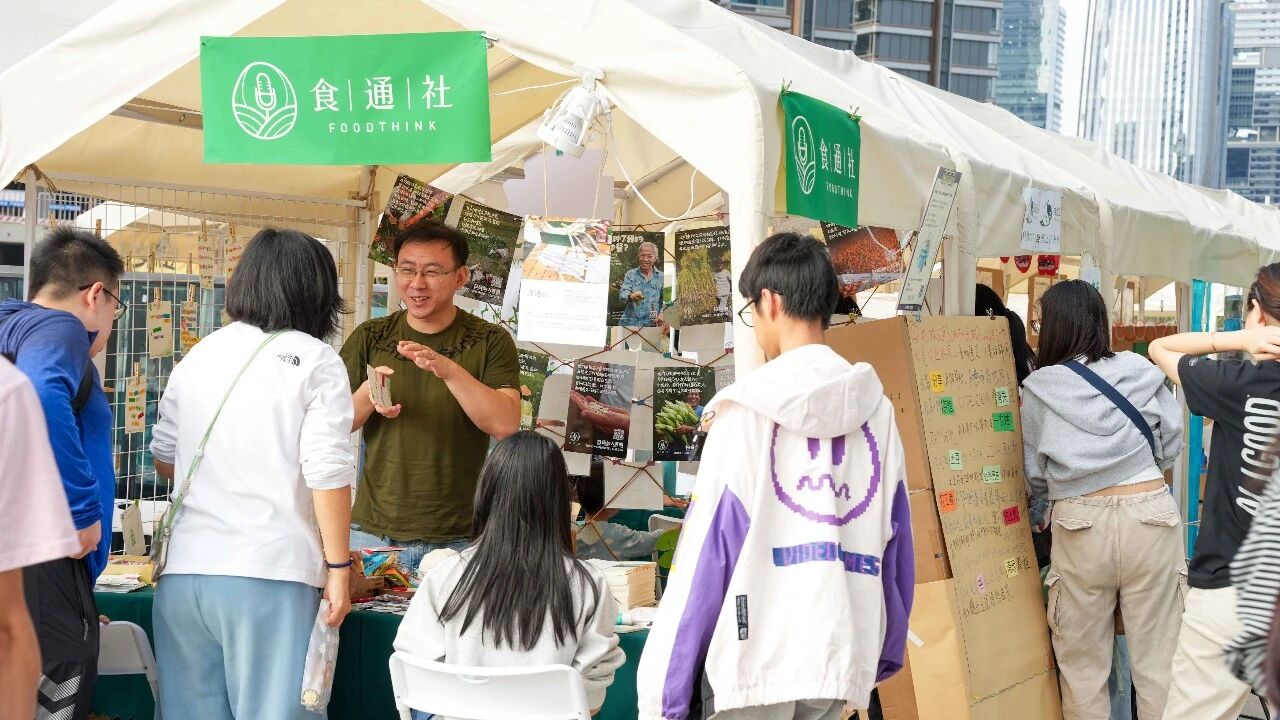
Nearly a hundred participants assembled article titles and Cantonese dishes into eight climate science fiction novellas; a documentary probes imported meat’s impact on the pastoral regions around Qinghai Lake; a forum examines extreme weather’s cascading changes to agriculture and the dining table.

Milk travelled the world on Dutch merchant ships, came to the table in Shanghai, and over more than a century was shaped by advertising, scientific discourse and nationalism into a drink for strengthening the nation and the race; after the melamine incident, Chinese people with lactose intolerance still put it on their everyday table.
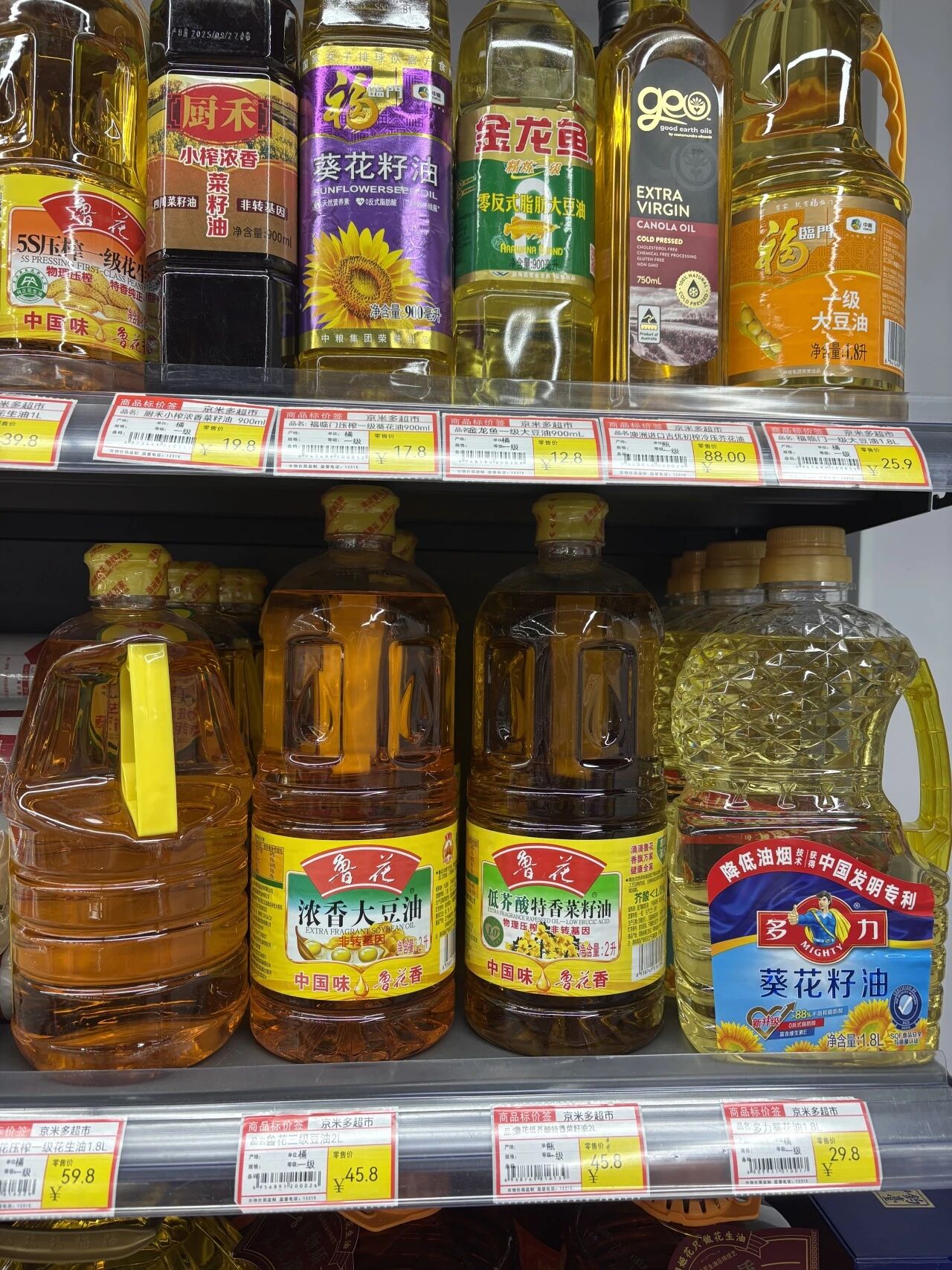
Mixed-loading in tankers is only the surface issue. Supermarket vegetable oil – n-hexane-extracted, refined through two rounds of high heat – still harbours solvent residue, trans fat and excess ω-6. Low-temperature cooking and eating nuts plain are a stupid way around them.
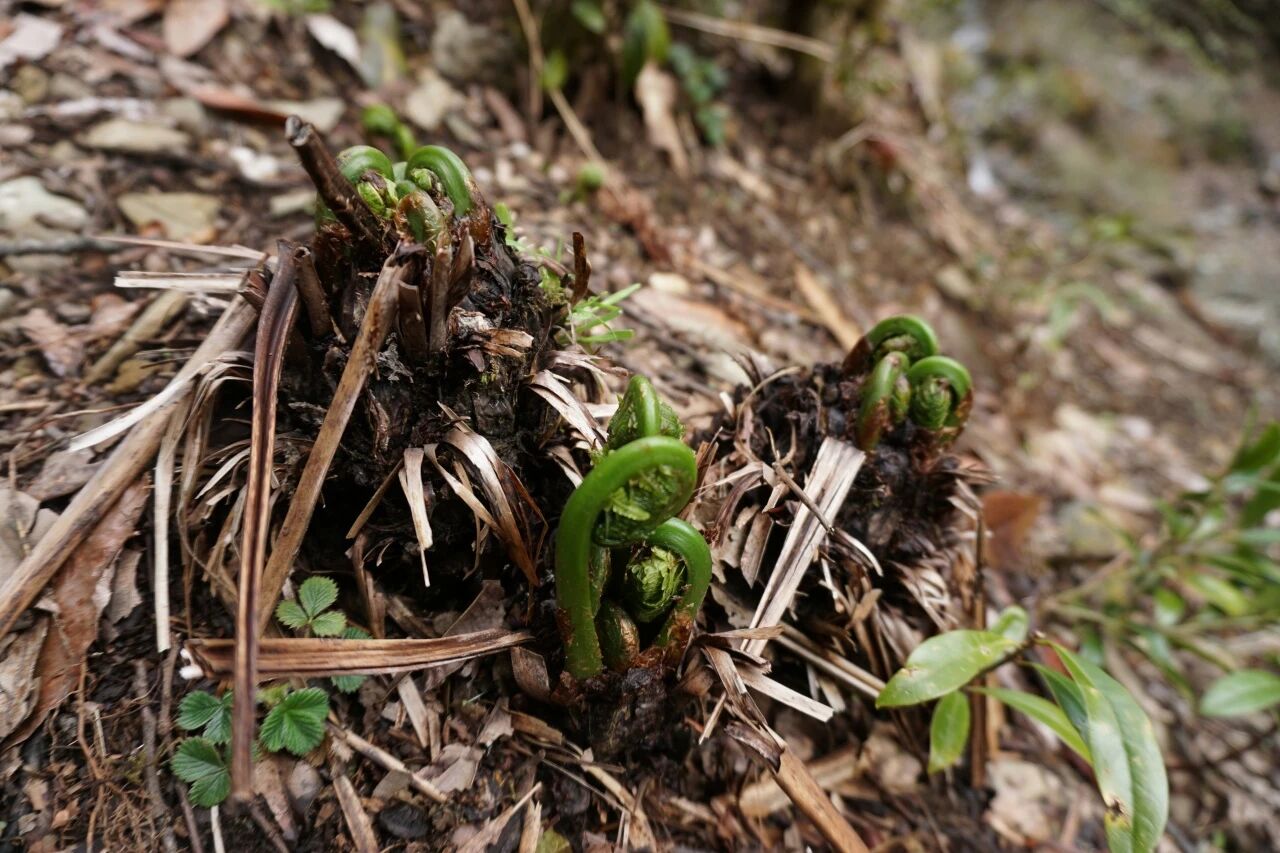
Botanist Teacher Shen poses his riddle in Shangri-La’s spring, while Lin Yun of Tacheng in Weixi picks Caragana and shepherd’s purse, buys zhuyecai, and sets a table of omelettes, dumplings, and ham soup.
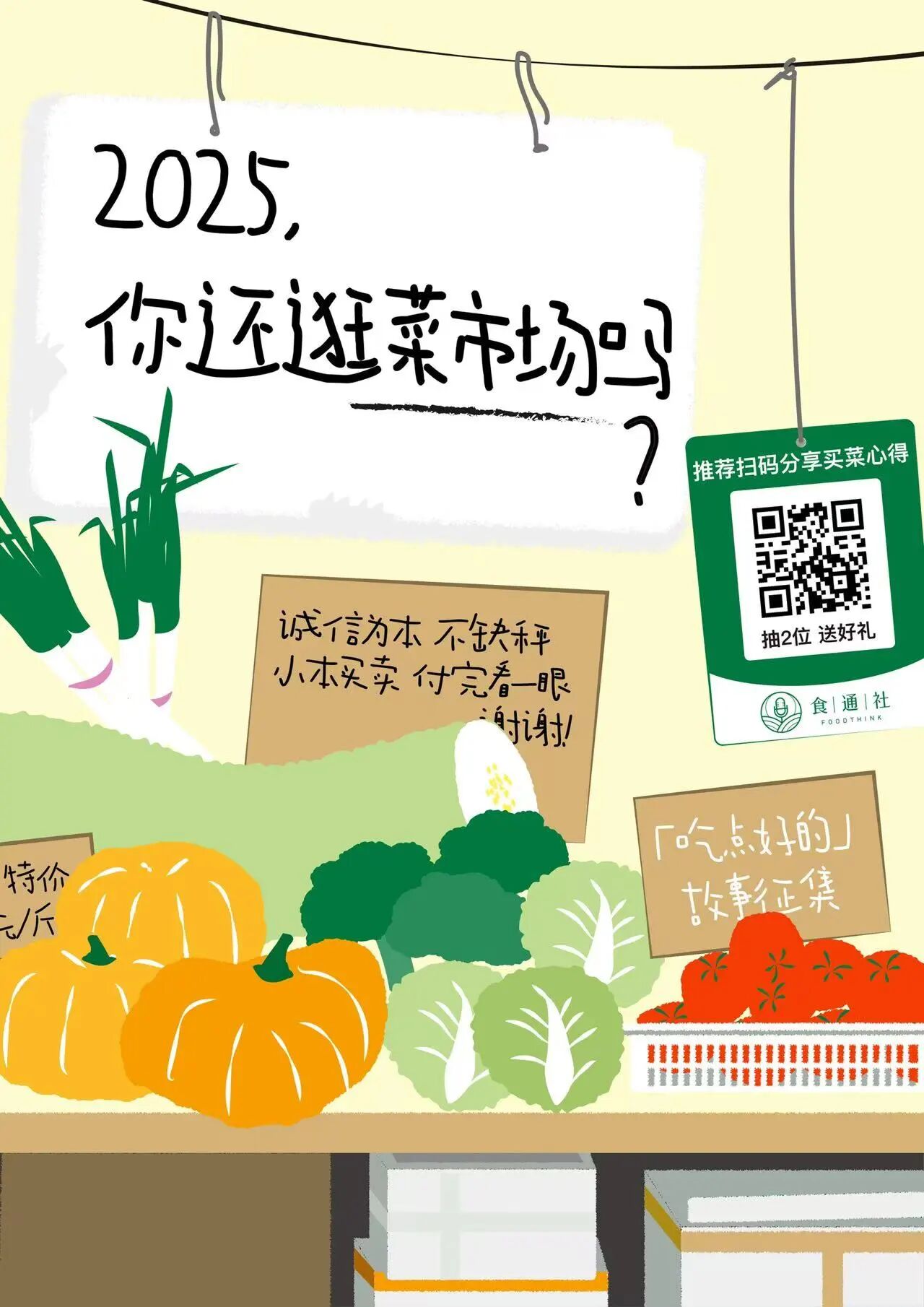
From Beijing, Guangzhou, and Kunming to Chiang Mai and Florida, readers share their days browsing the wet market: which stall has the tastiest tomatoes, how to strike up a chat with the vegetable auntie, and why the white-tiled stalls have fallen empty.
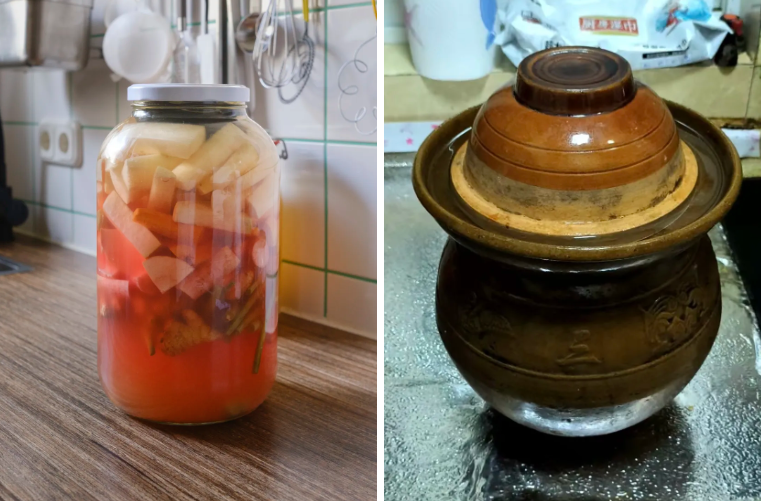
Designer Xu Xijing’s Berlin kitchen shelters a twenty-year-old brine from Changsha, a three-generation sourdough starter, and moulds and yeasts that turn with the seasons. The days and nights of tending microbes have anchored her to those seasons, and tethered her to people a thousand miles away.
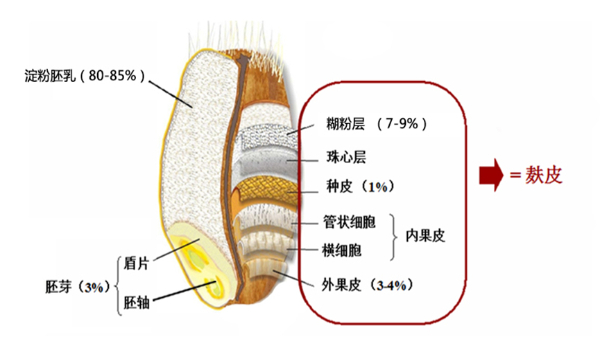
Wheat bran sifted out during milling, repackaged as “wheat germ flour”, suddenly doubles in value; today’s rice and flour, fine-milled and laced with additives, are already ultra-processed foods — yet a home grain mill and mixed-grain and bean porridge can still restore staples to their original form.
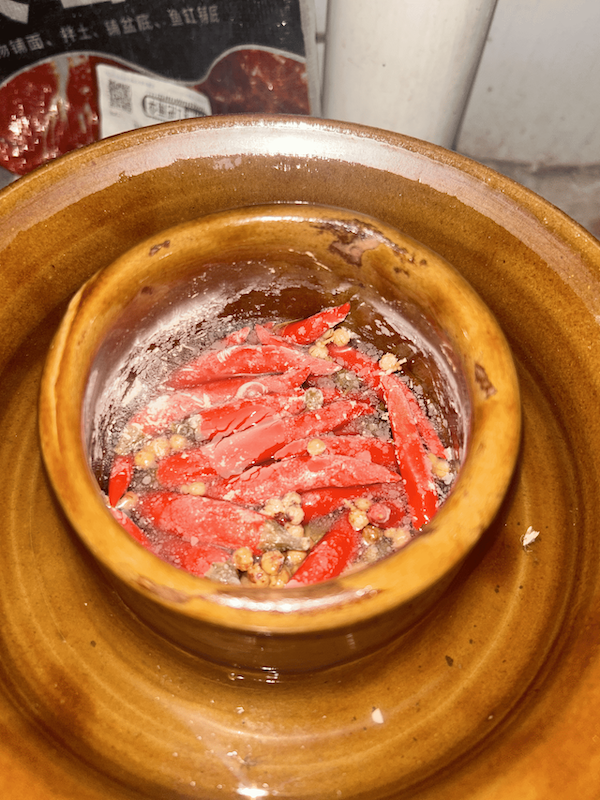
Nearly twenty readers share stories of success and failure from their pickle jars, starter cultures, and bran beds – from Guizhou’s White sour soup to Shanxi’s tousu, Kunming’s aubergine zhā to Hunan’s chopped chillies – local character and human warmth, pickled into flavour.
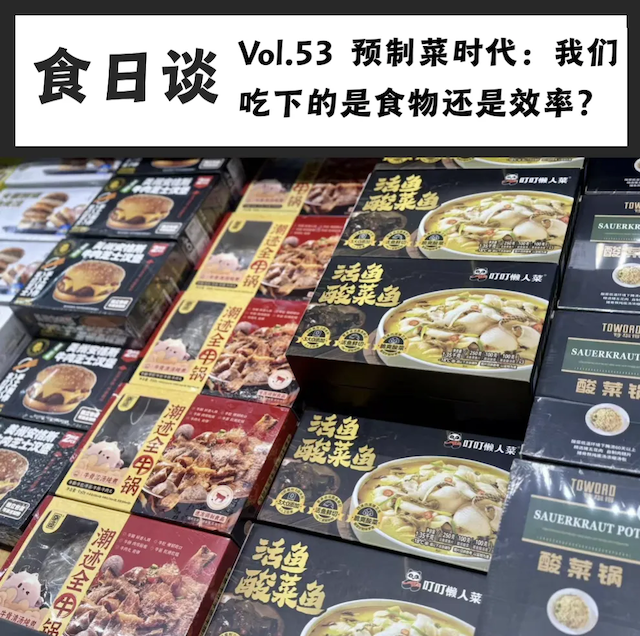
After Xibei’s chain-restaurant incident, takeaway, supermarket and freezer ready meals have put the breath of the wok, prices and the feeling of being deceived back on the table. Small eateries’ fresh stir-frying, international students’ dinners and homemade meals offer another path between convenience and freshness.
From the Miao ancestors’ long migration south and the mountains’ salt scarcity, the piece traces white sour soup’s rice-water fermentation, red sour soup’s evolution through tomatoes and chillies, and the place sour soup holds in marriages, ancestral rites and festivals.