
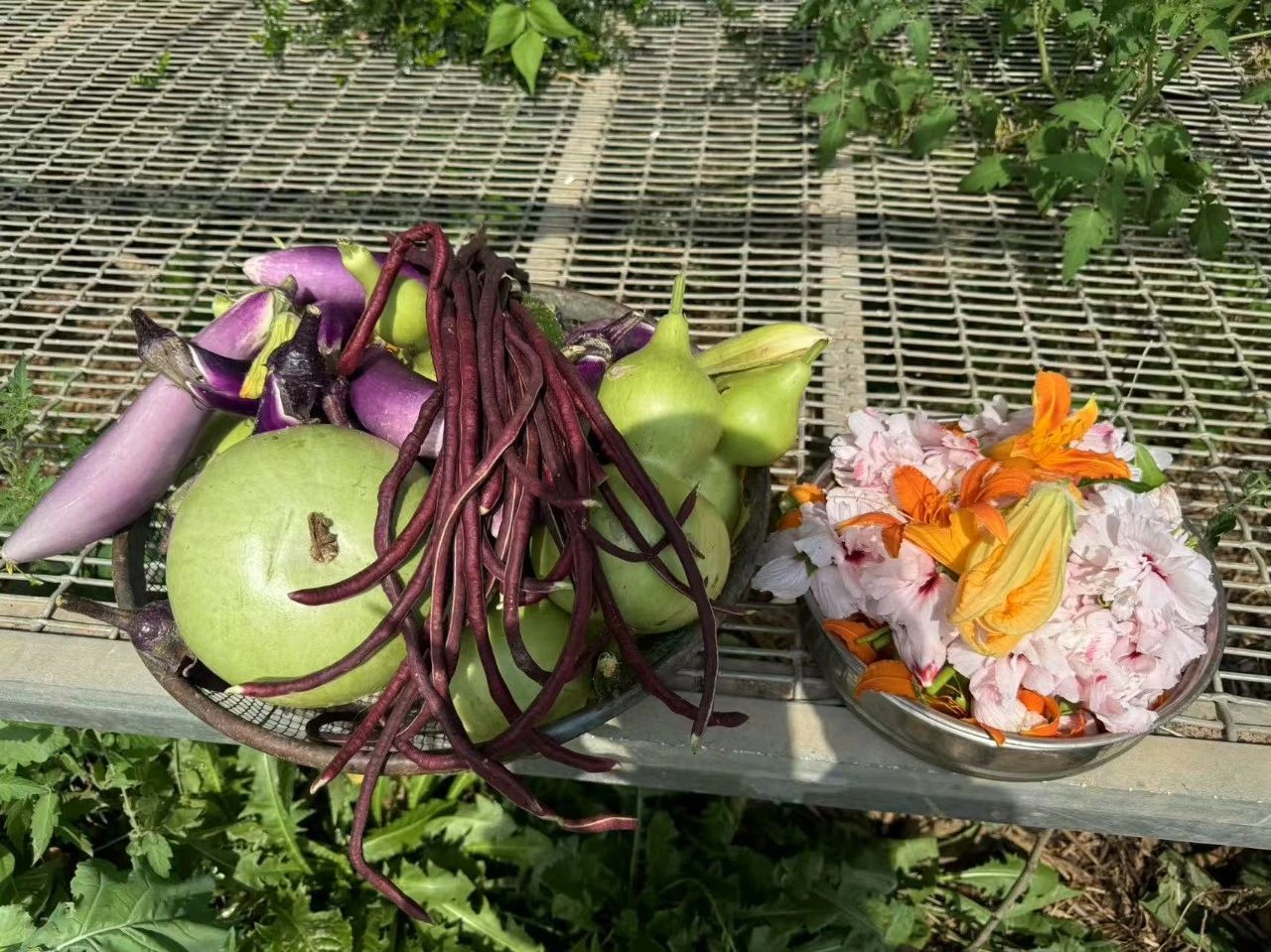
After her parents died in the ICU, covered in tubes, she grows beans and runs marathons in the village. She has decided to sign an advance directive — refusing CPR and a ventilator — to live sunlit and go cleanly, decisively.
Family food culture, local food memories, workers’ table stories, and personal relationships with food.
After her parents died in the ICU, covered in tubes, she grows beans and runs marathons in the village. She has decided to sign an advance directive — refusing CPR and a ventilator — to live sunlit and go cleanly, decisively.
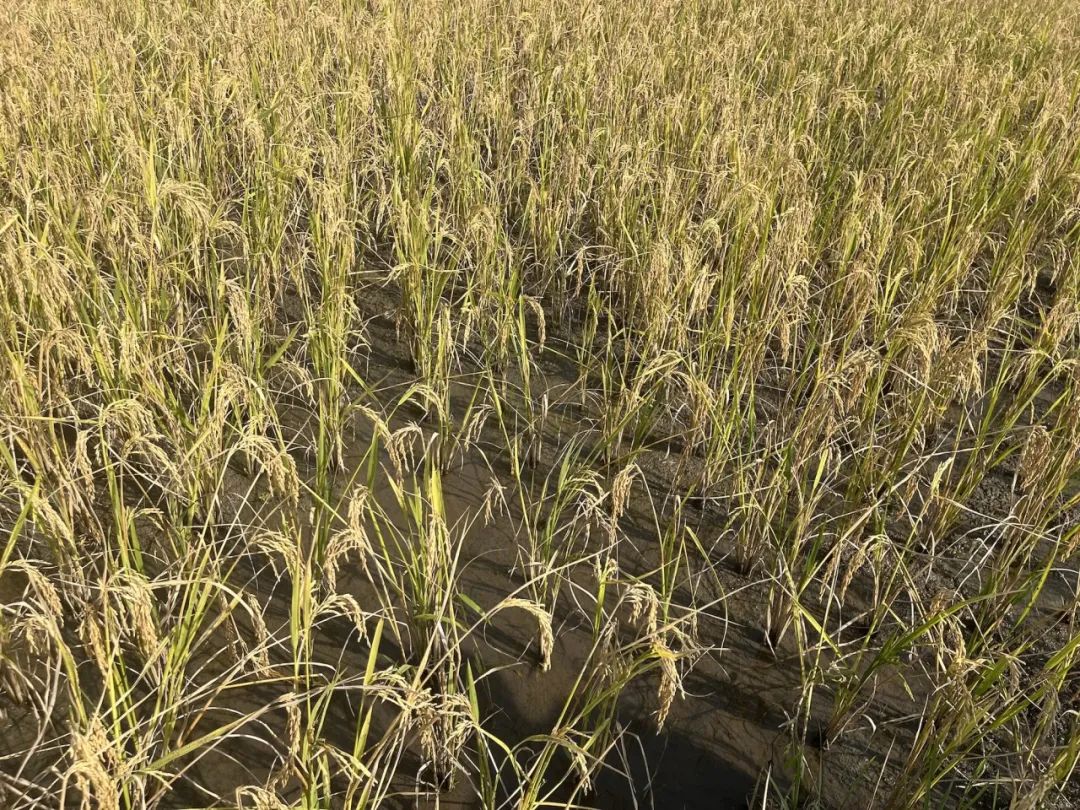
Former agriculture reporter Xie Xiaodan spent two and a half years at a financial media outlet, drawing most stories from listed companies’ earnings reports. A chance lead on abscessed pig meat proved impossible to trace; a ten-square-metre vegetable plot was destroyed by torrential rain; she lost her job.

Young solo diners’ feelings about “digital pickles” are far more conflicted than “cure” implies: some endure loneliness through danmaku, others reduce eating to mechanical chewing – yet with someone at the table and food you cooked yourself, the phone gets put down.

Over four years in Fujian’s Eren Gu, Kouzi hired six excavator operators, was repeatedly slapped in the face by soupy mud, wild grass, and the neighbours’ ducks—until a valley once choked with bamboo roots and wild grass finally spilled with gardenia fragrance.
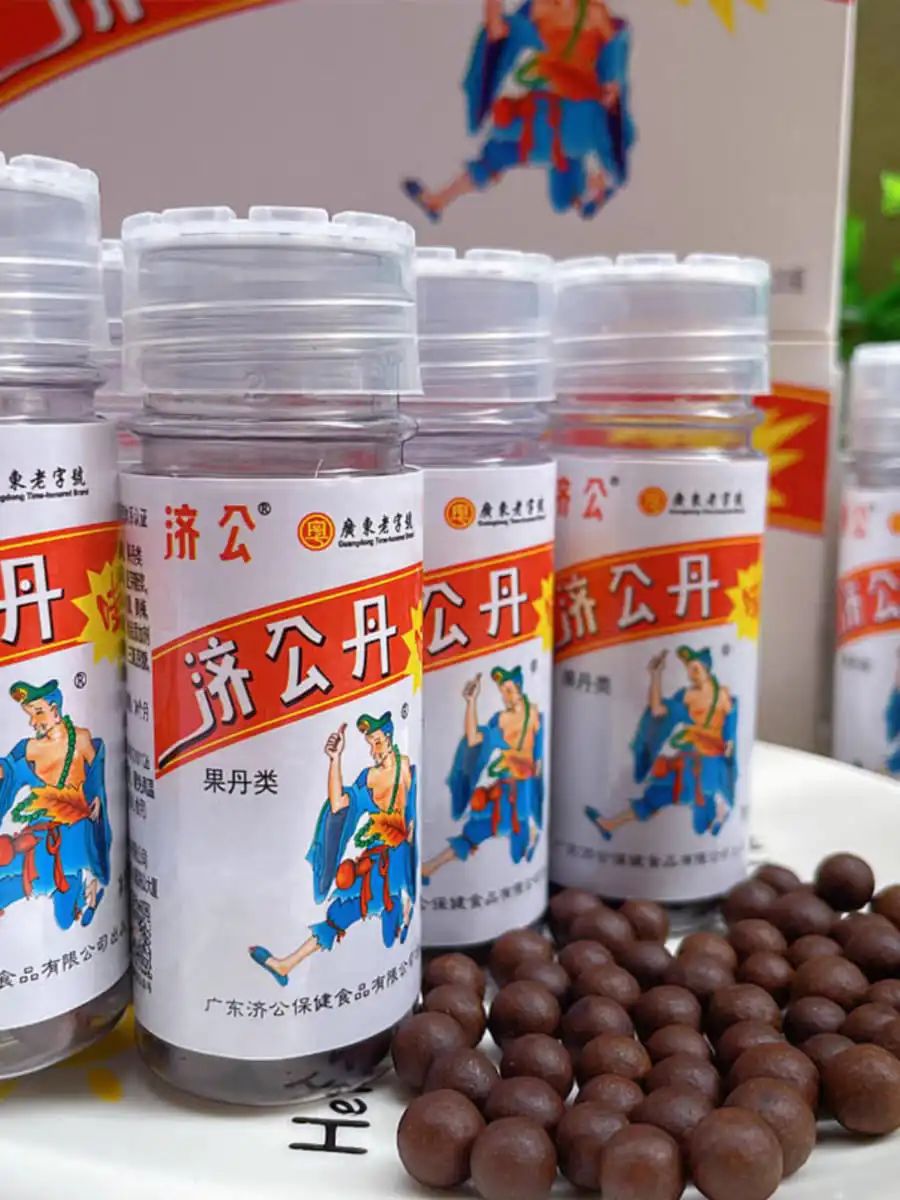
Zhang Fulan, a Jieyang native in Chaoshan, recalls her childhood food memories from school-gate sweet potato starch cubes and stationery-shop ice lollies to grandmother’s Pig Trotter Rings and mother’s handmade rice cakes, linking local traditional foods, industrialised snacks and body changes linked to emotional eating.

Renso, a Chinese woman on a Working Holiday Visa, delivers food on foot for Uber Eats in Melbourne – over 80 orders and 1,200+ AUD in her first month. No fixed deadlines, no docked pay, no impatient customers: this laid-back rhythm gradually cured her anxiety.

Miantuan Jingjing worked in insurance in Shenzhen, with overtime so relentless she spent even her birthday calculating payroll. Browsing the wet market, making chicken soup noodles, growing roses on her balcony – these small things gradually pulled her out of takeout and burnout until she finally quit.
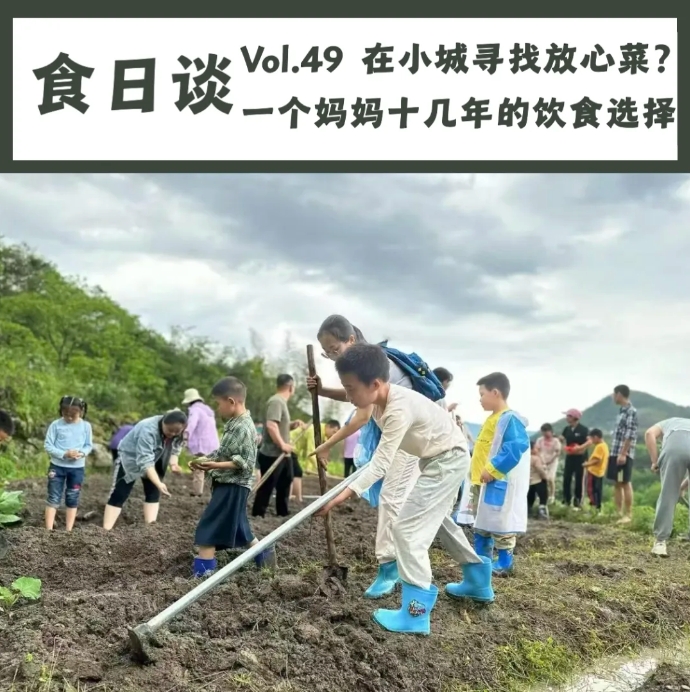
In 2008, Cao Xiaohong built a grocery-buying group in a small Hunan town with email and cash. Xiaoyunsheng has sold at the Beijing Organic Farmers’ Market for over a decade. Both have gone from “die-hard organic” to “laid-back shopping”, keeping the seasoned feel for market picking and sustaining trust.

Passed down since the collectivisation era by farmers saving their own seeds, Guanzhong’s “Baituwa” melon helped growers make fortunes in the 1980s. Now unable to withstand storage and transport, and not “attractive” enough, it has retreated from city shop shelves, glimpsed only at rural markets.

Dozens of readers have shared their hands-on tips for breaking free from takeaway: One-Pan Fried Rice, weekend batch-cooking a week’s meals, slipping into community canteens, browsing the wet market after work… there’s bound to be a trick for you.