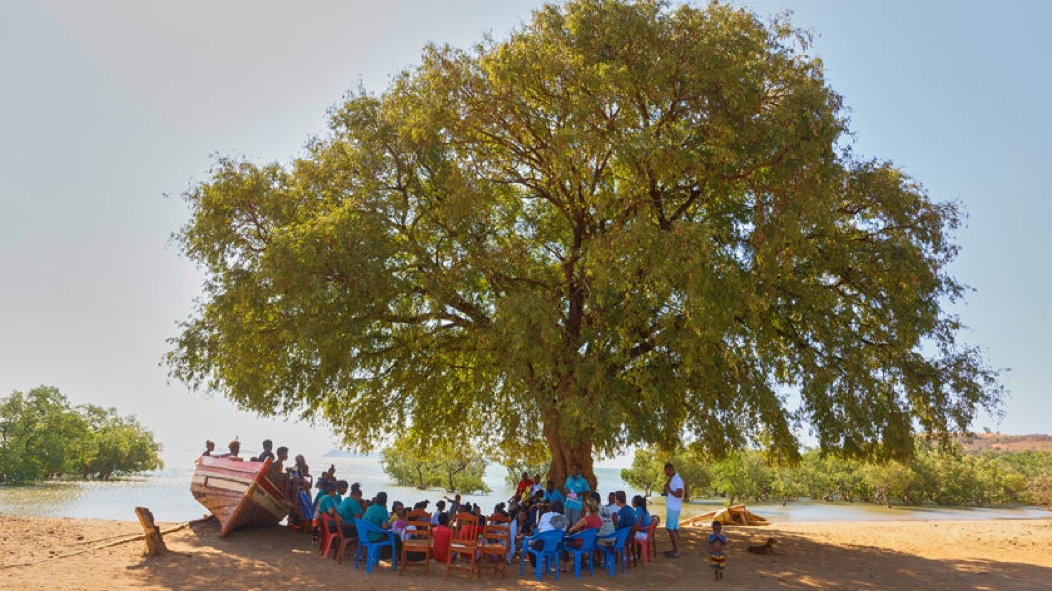
In fishing villages on Thailand’s Andaman Sea coast, fishers and environmental organisations such as the Save Andaman Network use community-managed conservation areas to protect mangroves, seagrass and blue swimming crabs, while resisting dredging works and carbon sink projects that erode resources and livelihoods.

As the EU–Mercosur free trade agreement was about to be signed, EU farmers in Brussels hurled potatoes at the EU headquarters building, asking who should bear the costs of the grain-price shock and green transition; Chinese smallholder farmers also face a similar cost-sharing question.
From Trang Province to Satun Province, fishers’ associations and grassroots NGOs are working together to establish community conservation areas. They combine anti-trawling action, patrols and fisheries-legislation advocacy to balance conservation and livelihoods, and are now planning a response after the fine-mesh provision was approved.
Extreme weather in the north, including flooding and successive droughts, has pushed the No. 1 Document to strengthen disaster prevention. The first appearance of low-carbon agriculture moves the climate agenda from adapting to risks to emissions reduction; the key remains involving small farmers and ensuring they benefit.
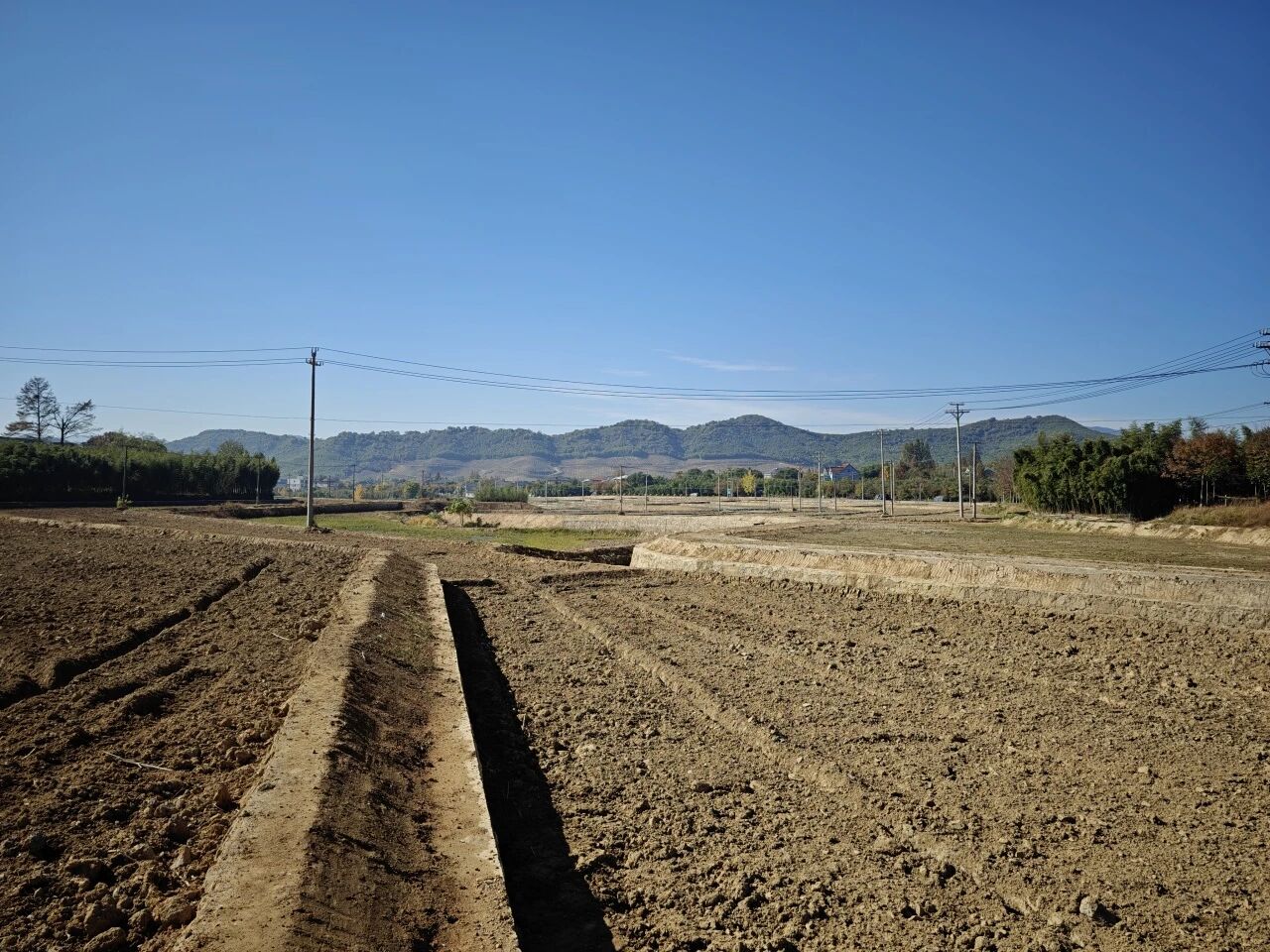
Farmers, construction contractors and researchers in villages in the southwest, northwest and central regions recount how some high-standard farmland has been abandoned because of water shortages, levelling and soil damage; they also discuss subsidies, acceptance inspection and squeezed profit margins, asking how food security can truly be safeguarded.
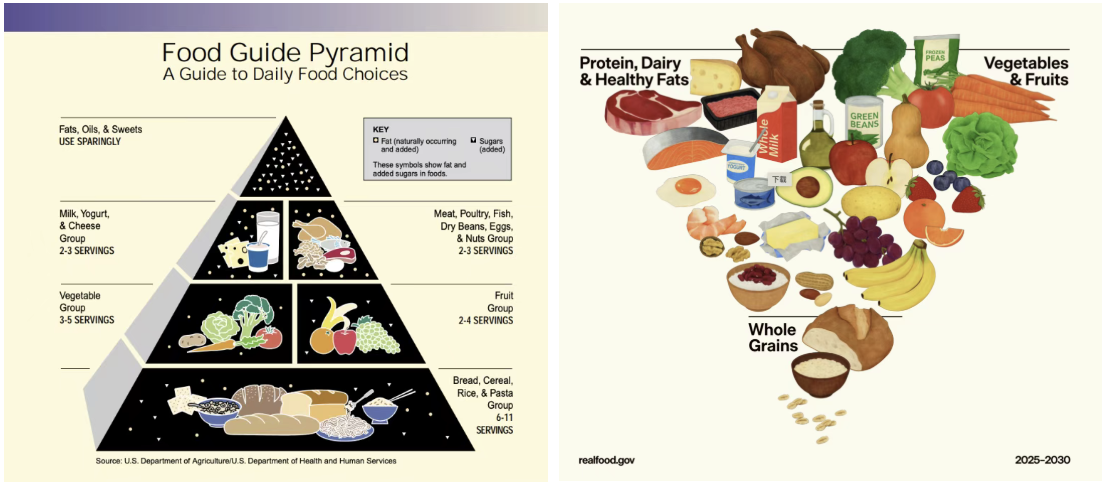
Research funded by the US Sugar Association, the selection of data in the Seven Countries Study led by Ancel Keys, and the promotion of low-fat guidelines collectively shaped the food industry’s trend of replacing fat with sugar, while the new Dietary Guidelines for Americans explicitly advise against consuming any amount of added sugar.
A 40,000-rider stoppage failed to paralyse New Year’s delivery, but exposed platform price suppression, small shop owners joining the rider ranks, and protection gaps, prompting regulatory deliberations in several parts of India.
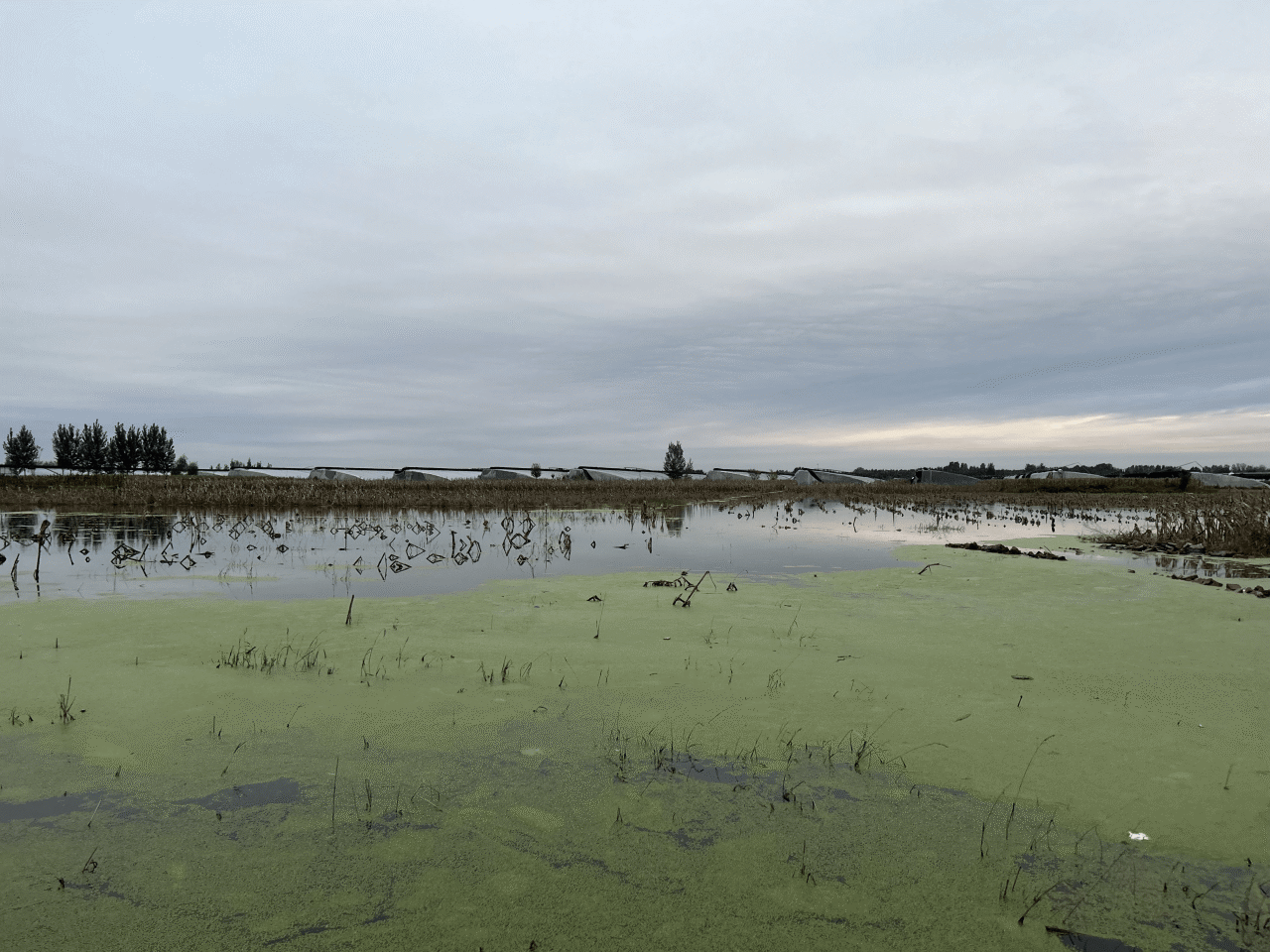
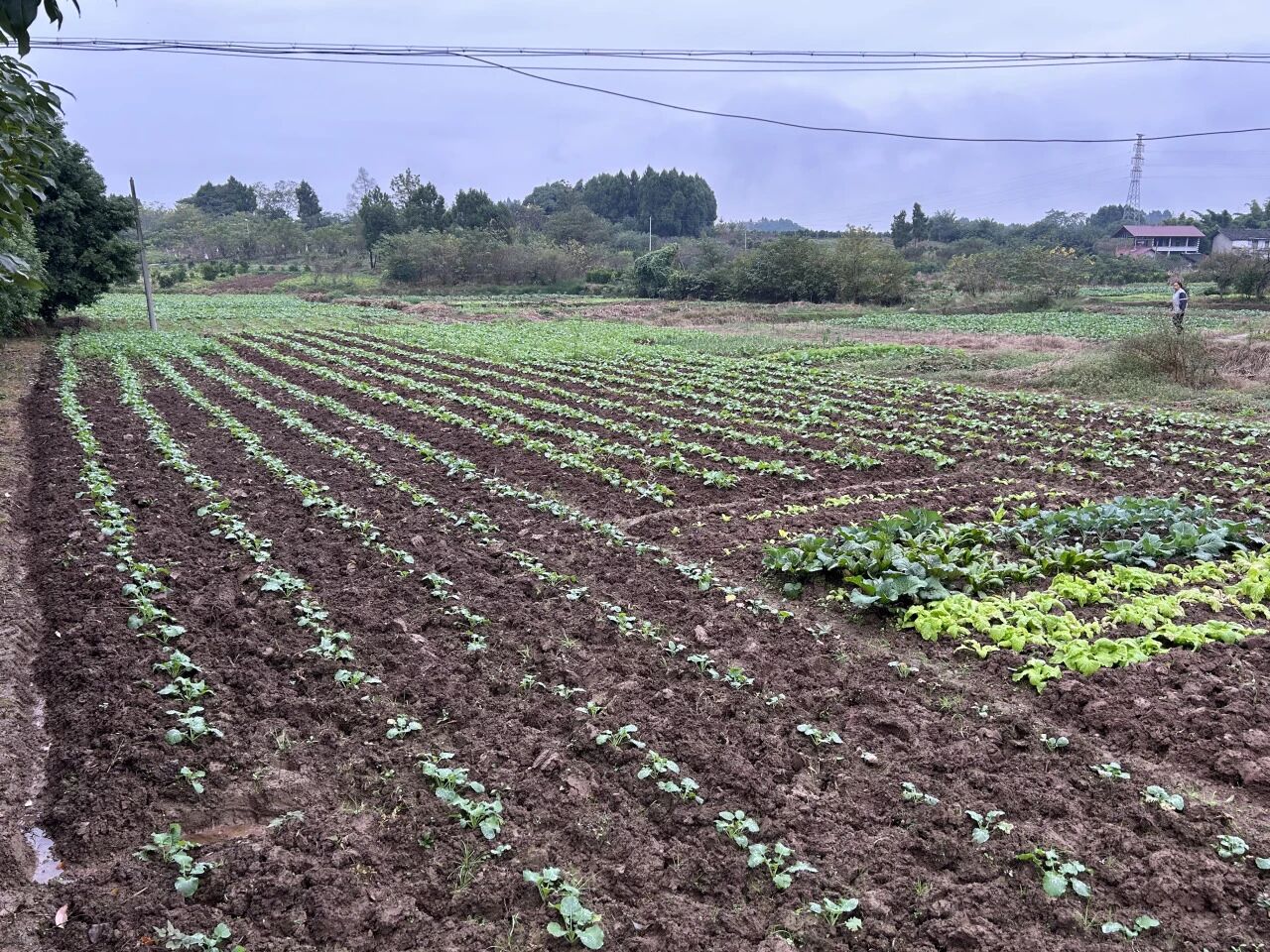
From unharvested rice fields in Meishan to villages around Chengdu where land preparation is being redone, the good topsoil is turned over and buried by excavators, some water conservancy facilities have failed, and some large fields under unified land transfer are left uncultivated after outside contractors leave. High-standard farmland has even become a reason for farmers to abandon cultivation.
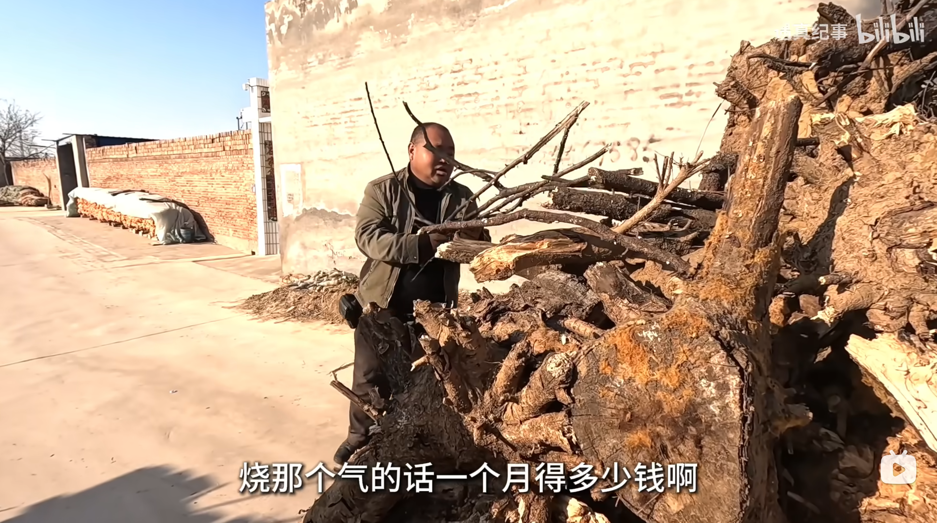
From Hebei to Shandong, subsidy phase-downs, equipment failures and high heating costs make rural clean heating hard to sustain, while the straw burning ban has led some farmers to burn straw secretly at night or push it into ditches; why does the cost of the green transition always fall on farmers?
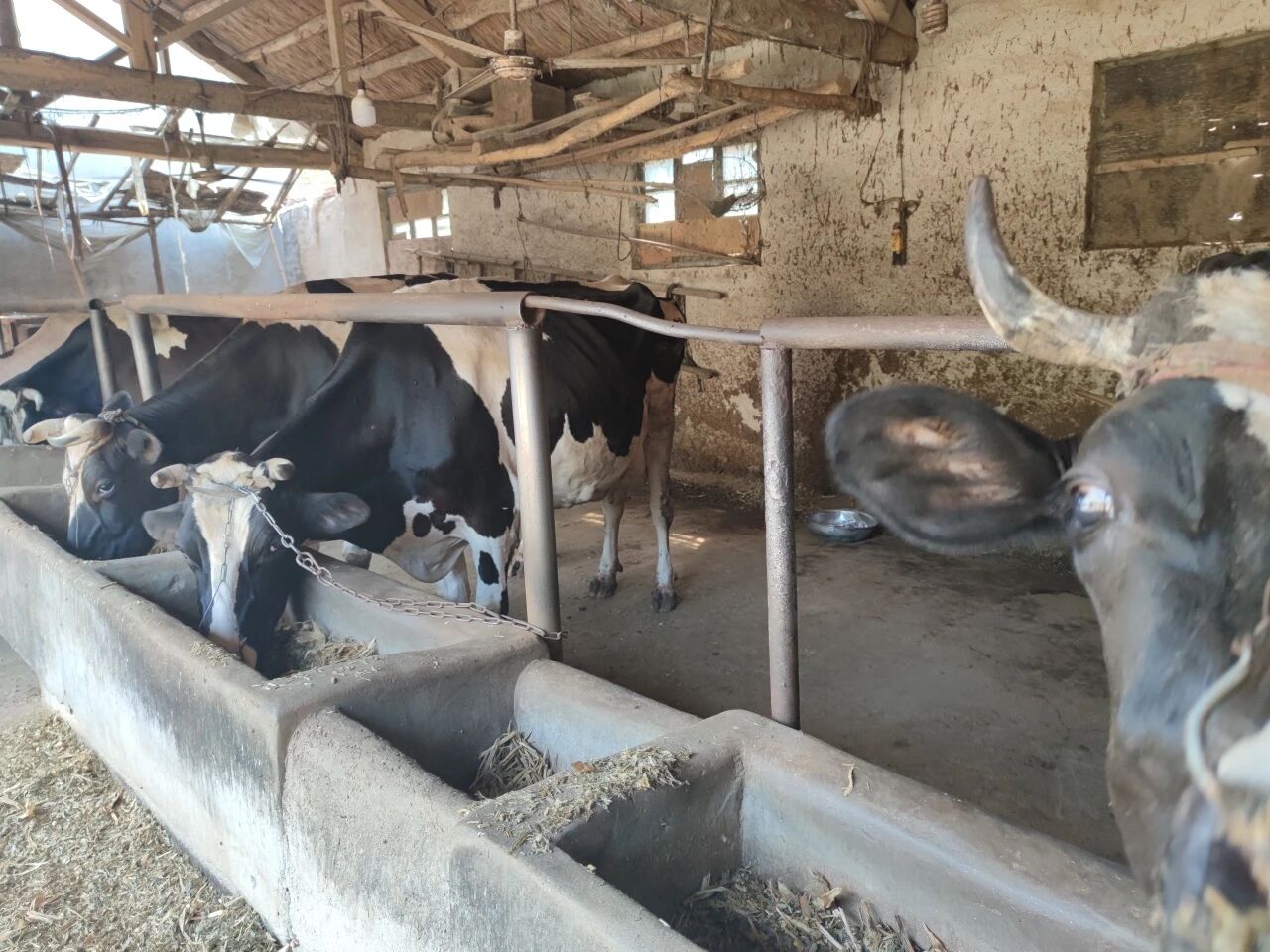
After surveying a major dairy cow farming county in Shandong, Feng Xiaojun’s team at China Agricultural University believes smallholder family dairy farms should be supported as a priority, and that the disadvantaged position of small dairy farmers can be changed by regulating dairy companies’ purchasing and supporting dairy farmers to jointly establish processing operations.