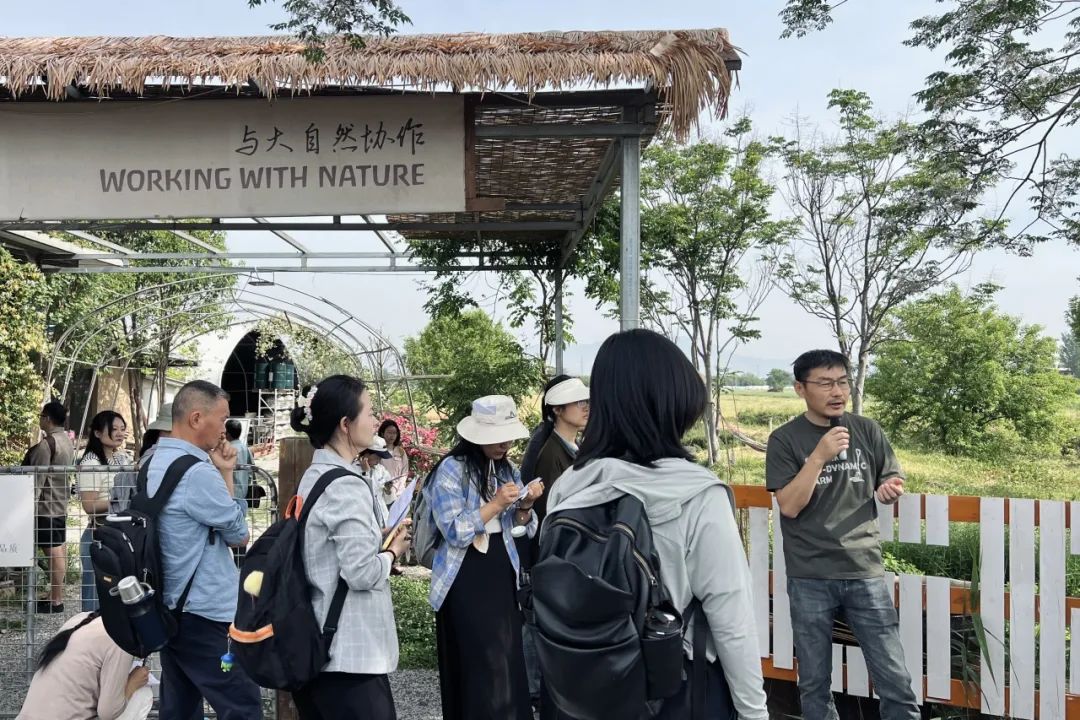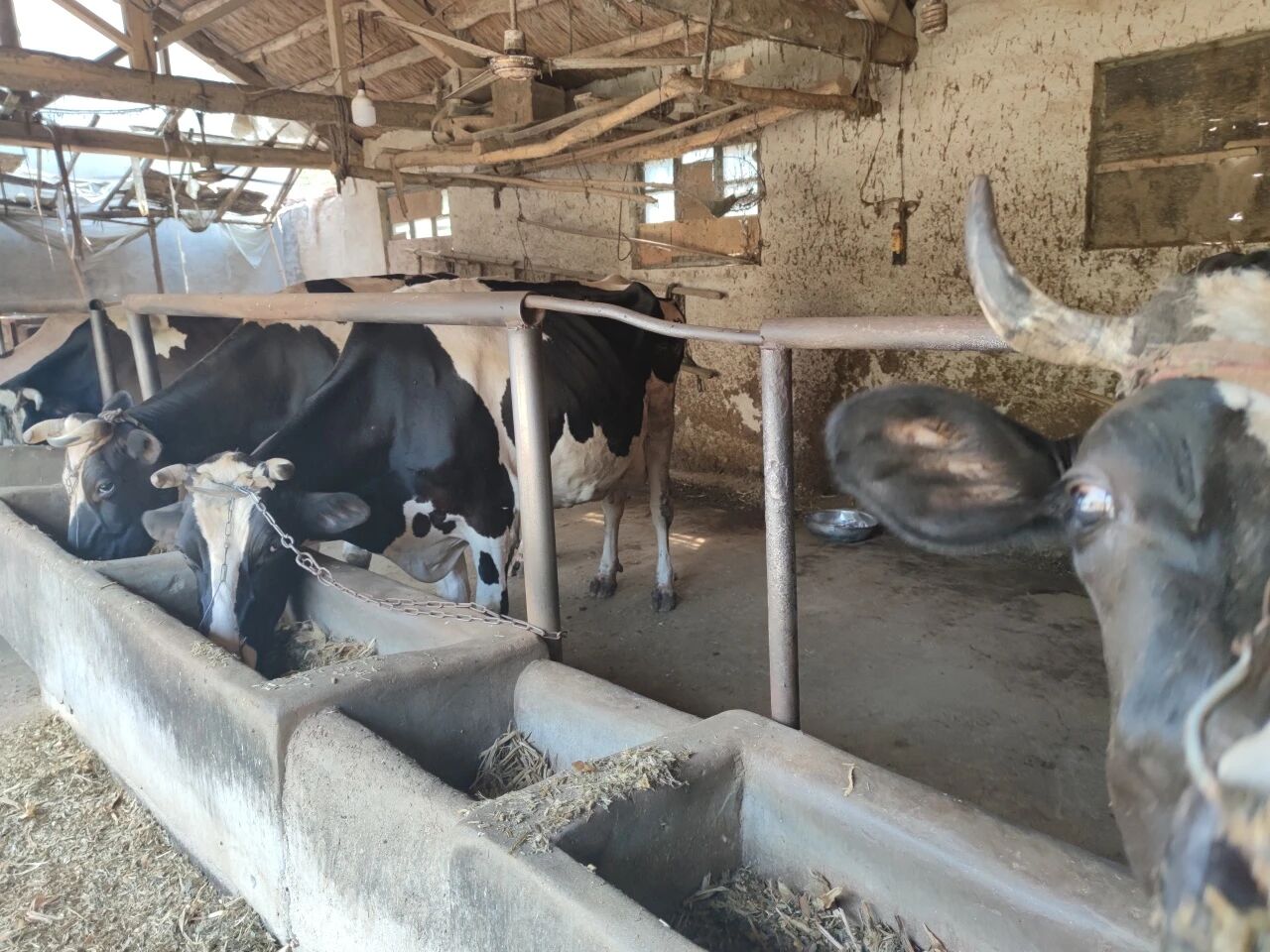
Field research by Feng Xiaojun’s team at China Agricultural University in a major dairy-cattle county in Shandong finds family dairy farms outperform large-scale dairy farms in farmer income, import resilience, environmental protection, and cow welfare; seven policy recommendations cover funding reform, small dairy farmer organisations, and farmer-run processing.
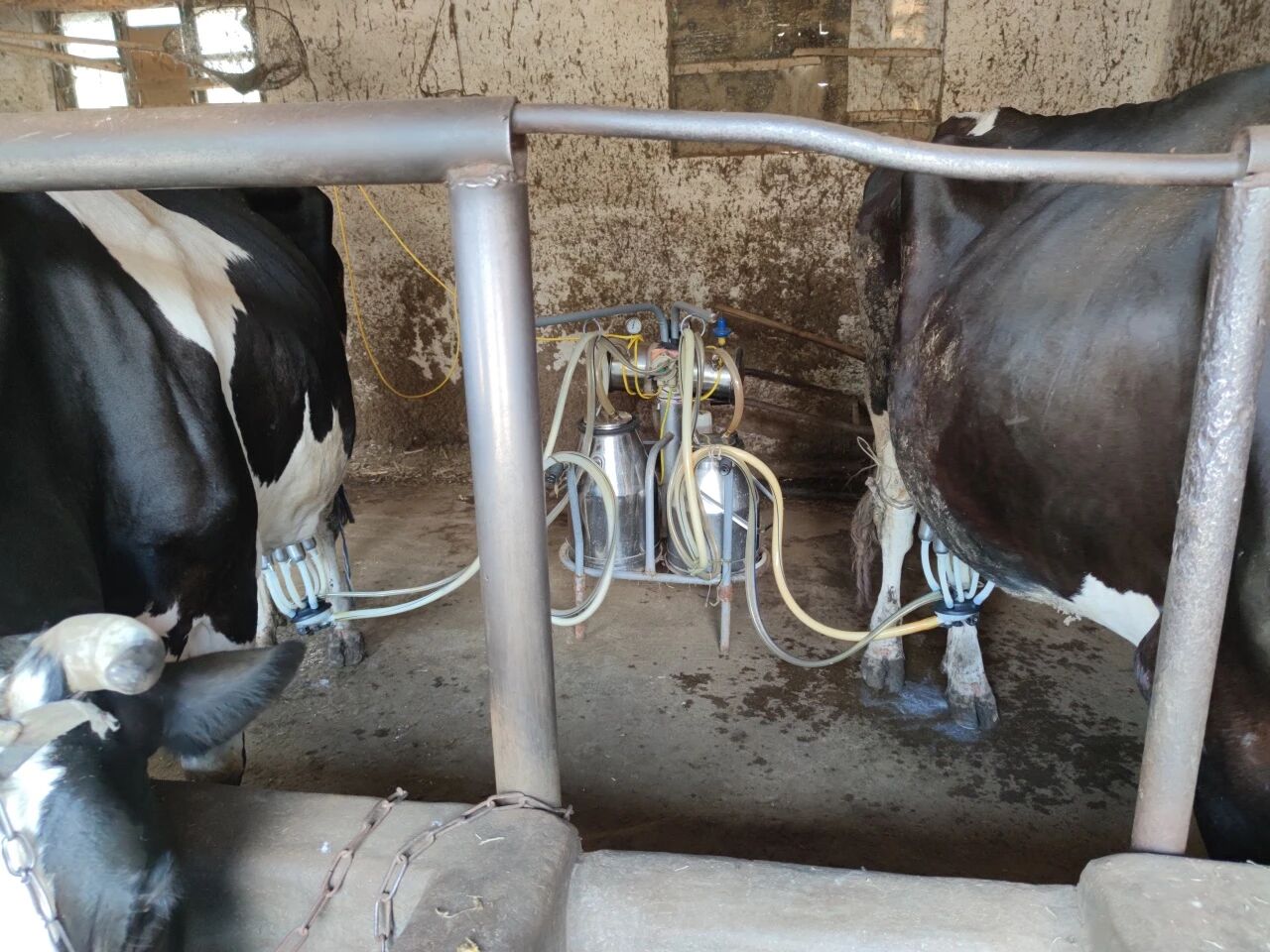
Smallholder farms were not the main cause of the 2008 melamine incident, and large farms hold no advantage in feed management, cattle disease prevention, or processing transparency. The roughly 0.2 g protein gap per 100 g is negligible for Chinese residents whose protein intake is already adequate.
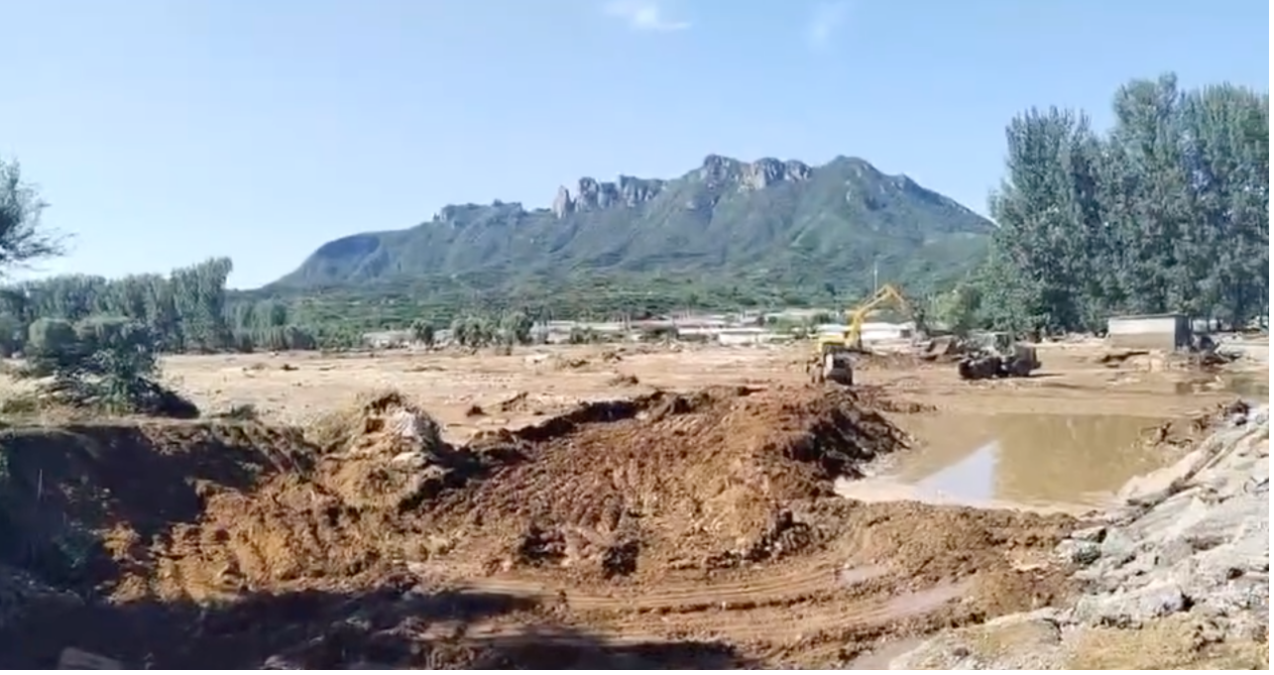
Zhen Rui’s 450-mu farm – thirteen years of cultivation – turned to silt overnight, wiping out at least 30 million yuan. He has replanted sweet corn in heated greenhouses two kilometres away, but whether the land can be farmed again and where the money will come from remain open.
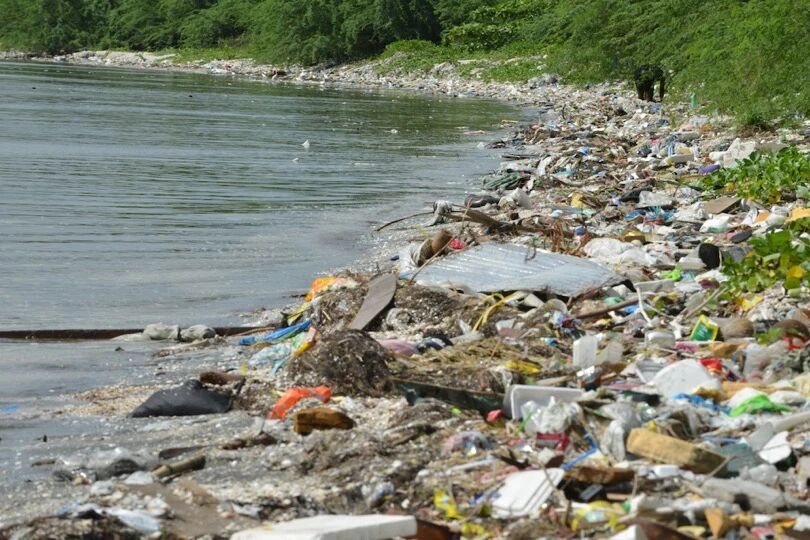
The “not enough waste to burn” video sparked debate, but China’s incinerators face overcapacity, not a waste shortage. Statutory dioxin monitoring occurs only annually, and food-contact plastic additive risks have long been underestimated. Zero-waste and waste-reduction practitioners urge cutting at source, not simply burning the problem away.
Secretary of Health and Human Services Robert F. Kennedy Jr. has led 3,500 FDA layoffs, slashed $400 million and suspended food spot checks – adding insult to injury for an already fragile system whose food regulation budget is barely half that of pharmaceuticals and authority scattered across multiple agencies.
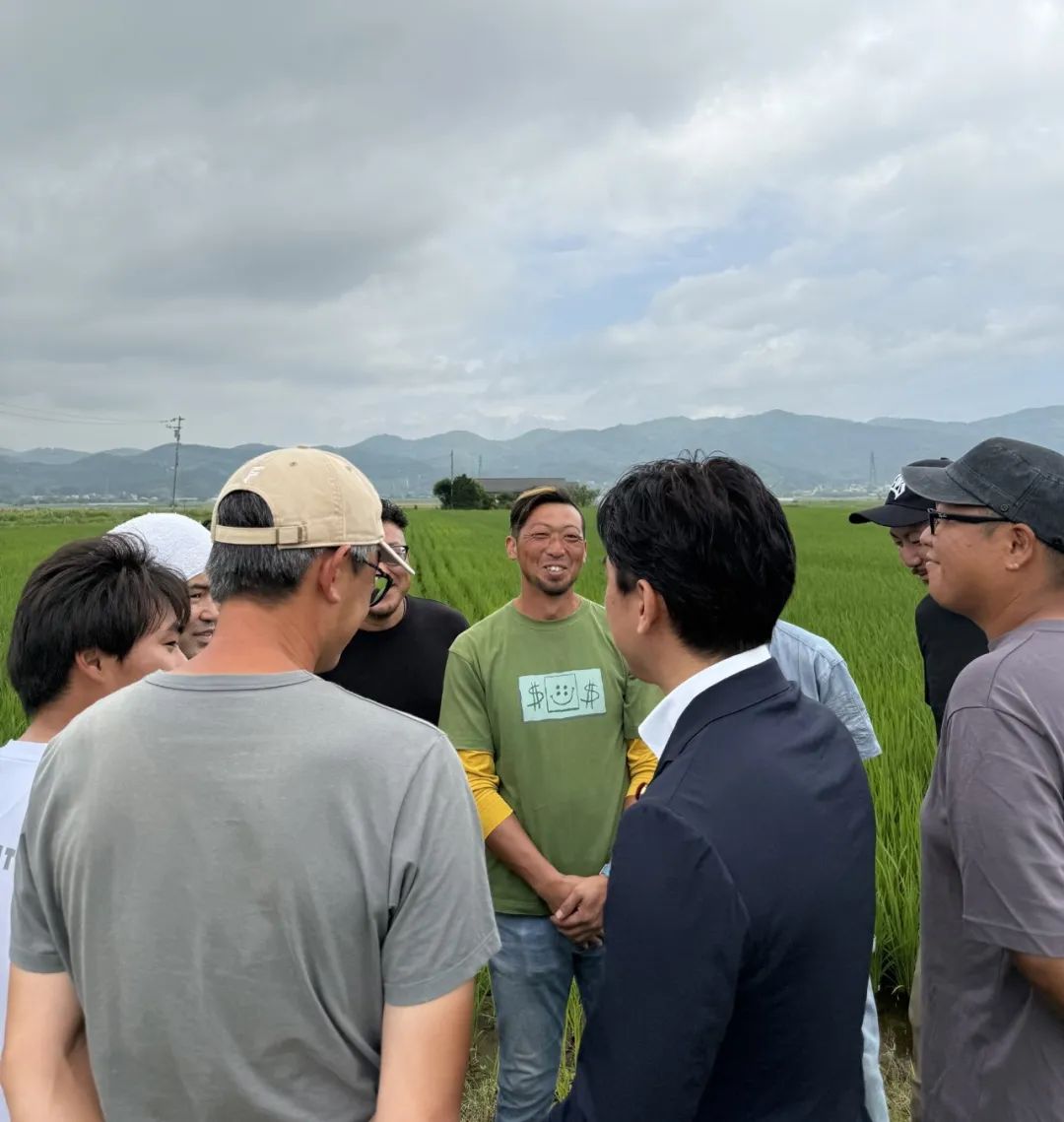
The “Reiwa rice riot” pushed 5 kg of Koshihikari to ¥5,072, yet doubled prices cannot save Japan’s paddies: decades of the acreage-reduction policy have kept prices depressed, 70% of farmers are over 65, more than 10,000 hectares vanish each year, and young people won’t take over.
Tracing how cattle from rancher Heller, whom Brazilian police called “the greatest destroyer of the Amazon rainforest,” moved from illegally deforested ranches to legal abattoirs, then to four Hong Kong trading companies — while import checks focused on food safety, with no requirement to trace the source of deforestation.
Foodthink Says Since this spring, Shaanxi has experienced its most severe drought since 1961. Combined with extreme weather such as high temperatures, strong winds, and sandstorms, these compound disasters have seriously threatened agricultural production and rural livelihoods. In May, with the support of the Oxfam Hong Kong Beijing office, Foodthink…
I. Flowers in Early Bloom On 3 May, in Jinqu Town, Mei County, Shaanxi, Xu Yuanlin spotted the messenger flower in his vineyard first thing in the morning. He was stunned. The so-called messenger flower is the first blossom of the season; like a herald, it warns farmers to begin…
JD recognises riders’ employment relationship and bears the full cost of social insurance and housing provident fund contributions, costing riders just 525 yuan a month; Meituan sidesteps employment status, subsidising only flexible-employment pension and medical at 1,500 yuan. “Losing 0.39 yuan per order” ignores commissions – food delivery is actually profitable.