
This Gastronomic Paradise Sweeps Up Half of Brazil’s Beef Offal Exports
Foodthink Says
How can the origin of beef be traced to determine whether it comes from deforested land? Do businesses and consumers have adequate awareness of the social and environmental impacts of their products? What environmental costs are embedded in everyday consumption? These are the questions this report sets out to answer.
*This article was co-published by “Repórter Brasil” and Hong Kong Free Press. It was first published on 31 March 2024, with Tom Grundy as editor. Foodthink has been granted permission to translate and republish. Click the “link” to read the original report.
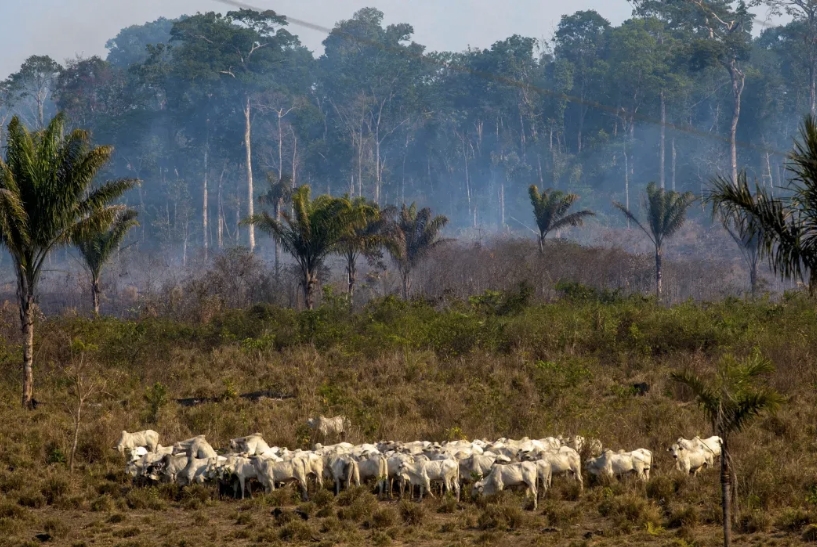
At first glance, a few unremarkable office spaces in Hong Kong seem to have nothing to do with the world’s largest tropical rainforest. But according to supply-chain data provided by the non-profit organisation Repórter Brasil to Hong Kong Free Press (HKFP), at least four businesses in Hong Kong imported beef products from a rancher whom Brazilian police have called “the greatest destroyer of the Amazon rainforest.”
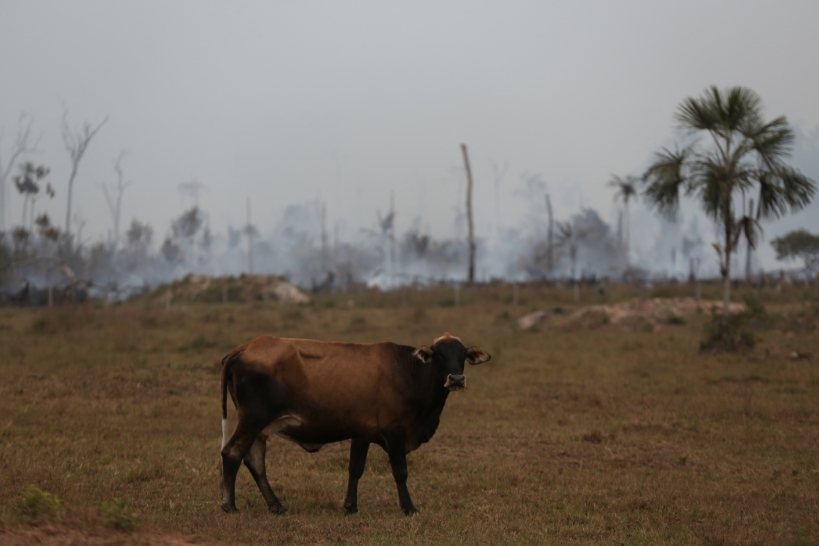
The World Wide Fund for Nature (WWF) states that “in nearly all Amazon-region countries, livestock farming is the number one driver of deforestation.” Approximately 17 per cent of the Amazon rainforest has undergone a change in land use — forests cleared to make way for grazing land and roads, to ship Brazilian beef to markets worldwide.
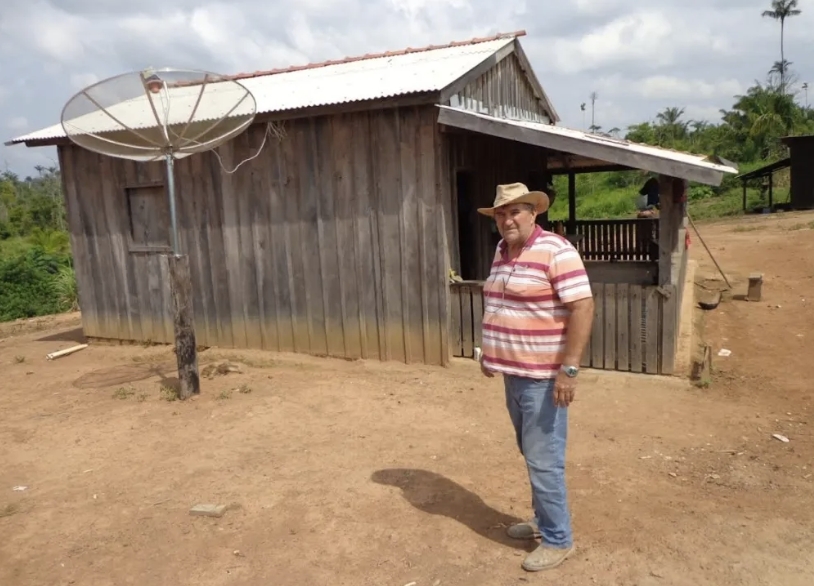
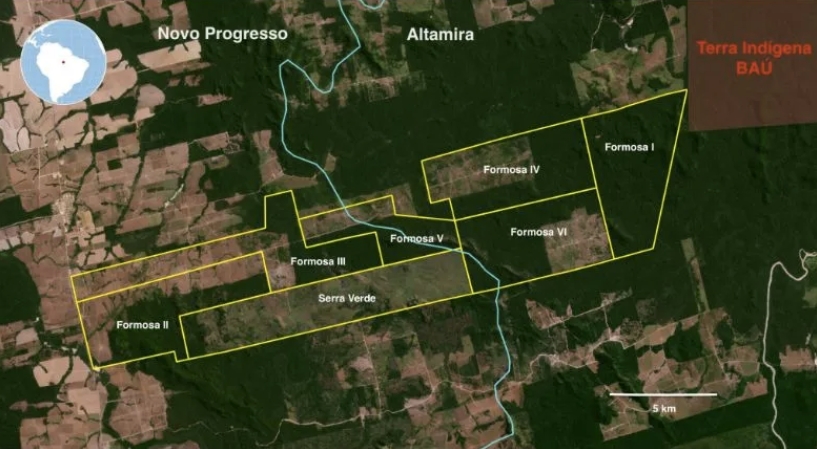
Rancher Bruno Heller has profited from illegal clearing of the Amazon rainforest. Farms under the Heller family name have been fined US$5 million for illegal deforestation, and Heller himself has been charged by the Federal Police of Brazil with having cleared 6,500 hectares of forest vegetation — nearly five times the area of Lamma Island in Hong Kong.
I. Traceability: Is It Sustainable?
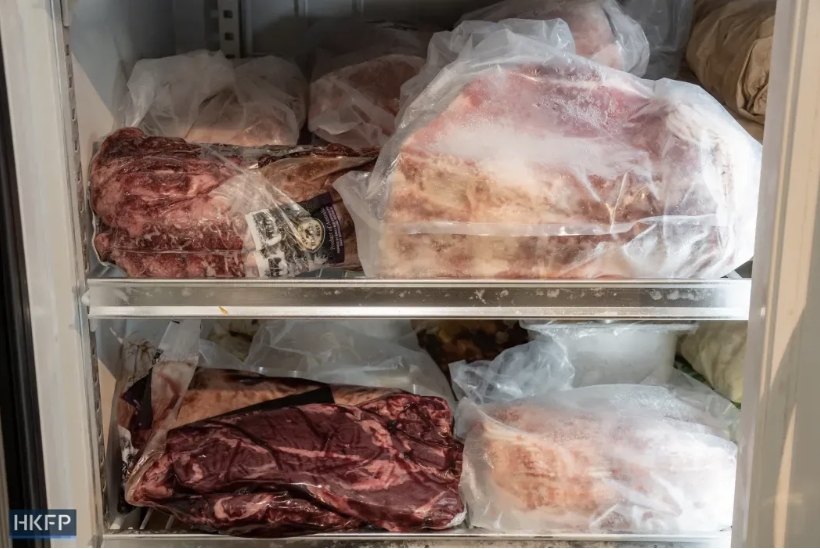
In late January 2024, a CFS spokesperson told the publication that these processing plants “must comply with food safety requirements relevant to imported products, such as the product being fit for human consumption and complying with the regulations of the exporting country and Hong Kong.”
When asked whether the sustainability of imported agricultural products was taken into consideration, the CFS responded the following month: “Sanitary conditions, humane slaughter, meat handling, processing, production, storage, and transport should also be regulated.” But it provided no detailed explanation of the assessment process.
“At present, there are not yet many requirements in Brazil’s international trade regarding the social and environmental impacts of products,” said Marina Guyot, public policy manager at the non-profit organisation Imaflora, in a telephone interview from Brazil in February 2024.
To prevent the import of products at risk of having contributed to deforestation, the EU Deforestation Regulation (EUDR) was introduced in 2023, with the aim of “reducing the EU’s impact on global deforestation and forest degradation.” The regulation covers commodities such as beef, soy, and palm oil exported to the EU from areas deforested after 31 December 2020, and will take effect at the end of 2024.
Although the policy has been widely welcomed, it is not expected to have a significant impact on Brazilian export demand, as much of Brazil’s exported produce is sold in Asia. “European consumption accounts for only 5 per cent of Brazil’s total exports, and an even smaller share of total production,” Guyot said.
By contrast, Hong Kong has enormous demand for Brazilian beef. Despite its small area and a population of 7.5 million — far smaller than the EU’s 448 million — Hong Kong is the largest buyer of Brazilian beef offal.
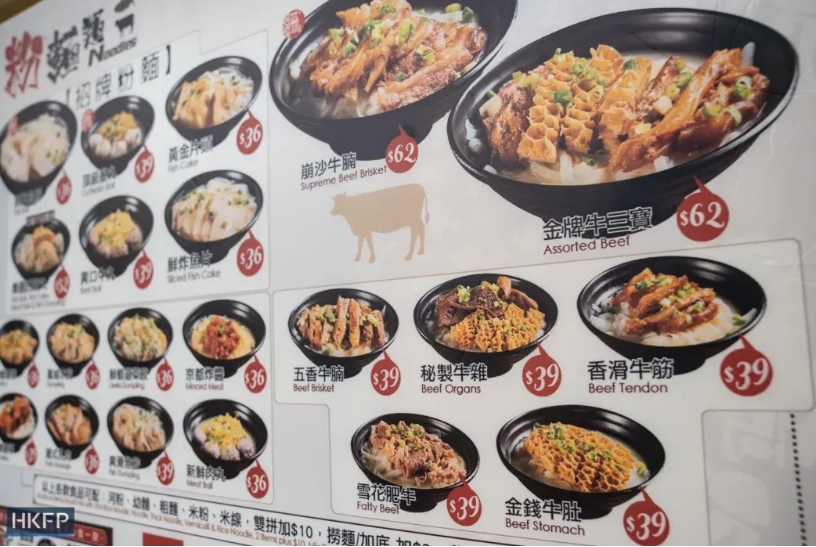
According to Brazilian trade data, in 2022 Hong Kong imported US$253.65 million worth of frozen beef offal from Brazil, accounting for 48 per cent of Brazil’s total exports of such products.
II. Murky Origins
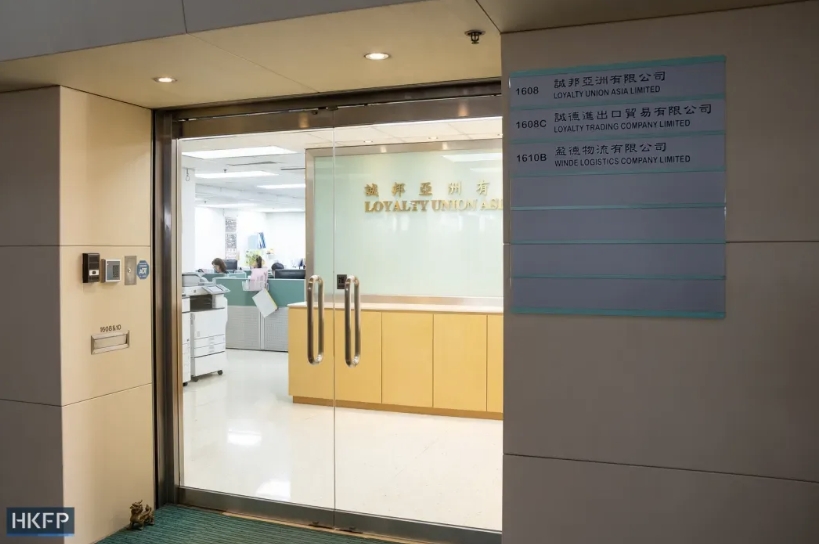
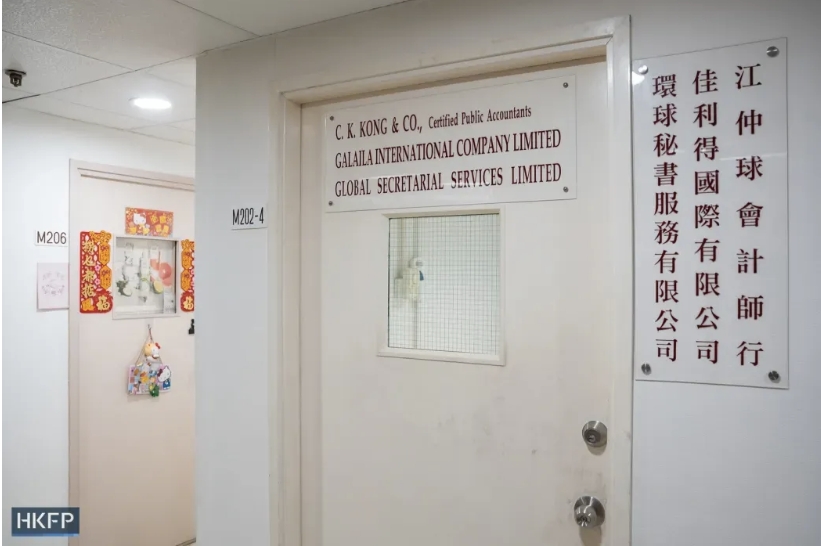
In late November 2023, the publication visited these companies and received very little information. Galaila International is housed in an ageing office building from the 1980s in Central, while Loyalty Union Asia overlooks Hong Kong’s main container port from an industrial building. Only these two companies could be located by following their signage to an operational entity.
Harvest Charm’s address is in an ordinary office building in Sheung Wan, and Uni Shining’s is in an industrial space in Tuen Mun. However, there were no signs on site indicating the presence of these corporate entities. Uni Shining’s office space appeared to be occupied by a wedding florist.
Records from the Hong Kong Companies Registry provided no further information about the activities of these companies. Of the four, only Galaila International had a website, which appeared to belong to a leather supplier. The remaining three had no website, no social media presence, and no brand identity.
Requests for comment sent to all four companies went unanswered. An employee at Galaila International said by telephone that she would pass on the publication’s contact details to her supervisor, after which there was no further contact. A letter sent to Uni Shining International Trading was returned, stamped “Unclaimed”.
In 2019, Greenpeace (Greenpeace) found that nearly one-third of the beef in Hong Kong came from ranches in areas of deforested Amazon rainforest, and called on major supermarkets to stop selling “deforestation meat.”
Major supermarkets including AEON, Aldi, and City’Super responded to Greenpeace by saying they did not, or rarely did, sell Brazilian beef. ParknShop subsequently stated that once its existing (Brazilian) meat stock was sold through, it would switch suppliers.
“After years of campaigning… it is truly heartbreaking that such meat products are still available in Hong Kong,” Mr Ng (Tom Ng) of Greenpeace’s Hong Kong office told the publication in late January 2024.
“Hong Kong is one of the largest importers of deforestation meat. We have been asking retailers to stop importing it — at the very least, to stop importing products that have been identified as problematic,” Mr Ng said.
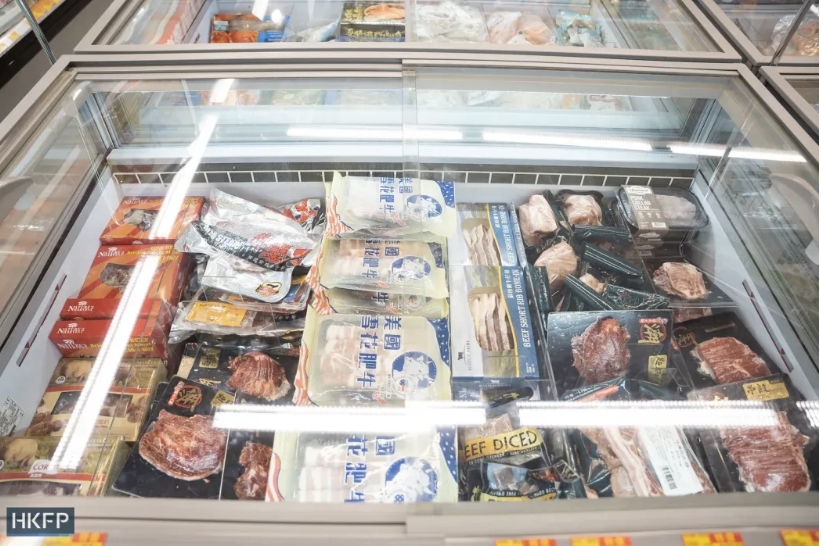
In February 2024, of the supermarkets visited during the publication’s field research, only Wellcome sold Brazilian beef. In early March, Wellcome’s parent company, DFI Retail Group, responded to an inquiry by email, stating: “Wellcome’s sourcing complies with local regulations and is committed to sustainability.”
The group added that it was “aware of the growing discussion around environmental issues” and was “seriously reviewing its supplier network.”
We subsequently verified online that ParknShop also sells Brazilian beef products. The publication has contacted the supermarket chain for a response.
According to data from the Hong Kong Census and Statistics Department, Hong Kong imported 316.7 million kilograms of Brazilian meat products in 2023, of which 34.9 million kilograms were “beef” and 8 million kilograms were “meat and edible offal.”
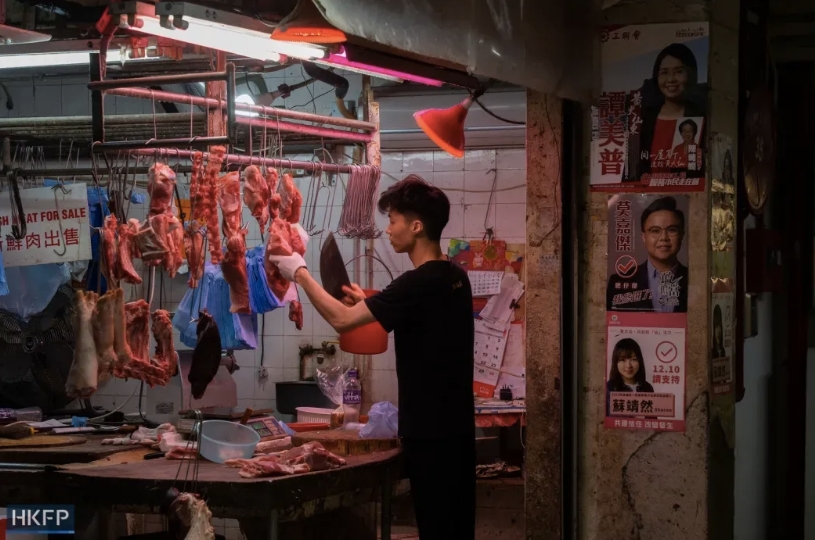
In February 2024, when asked why Hong Kong’s demand for Brazilian beef offal was so high, Mr Chan (Louis Chan), Deputy Director of Research at the Hong Kong Trade Development Council, told Repórter Brasil that Hong Kong is “renowned worldwide for its open and free trading system… which makes it an ideal international commodity trading hub.”
Mr Chan wrote in an email: “It goes without saying that Brazilian beef offal… enjoys a strong market in Asia. Offal can be consumed directly, or used in processing for the food industry, the pet food industry, and feed production for local agriculture and livestock farming.”
He also mentioned Hong Kong’s per capita meat consumption. A 2018 study by the Department of Earth Sciences at the University of Hong Kong found that per capita meat consumption in Hong Kong stood at 664 grams per day, “the equivalent of two 10-ounce steaks,” Mr Chan added.
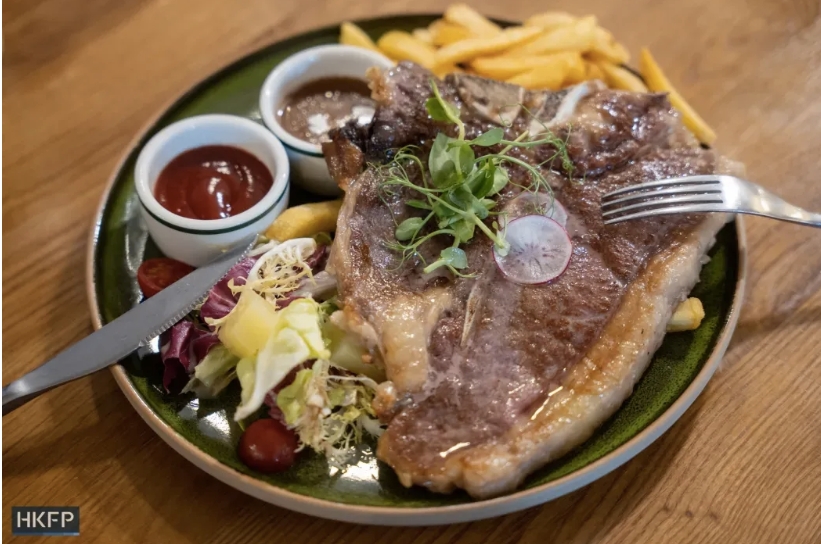
However, not all imported Brazilian beef stays in Hong Kong. Citing government data, Mr Chan said that US$342 million worth of Brazilian beef offal was re-exported from Hong Kong, with 50.3 per cent sold to Vietnam, 29.9 per cent to Taiwan, and 15.4 per cent to South Korea.
III. Final Destination: Mainland China?
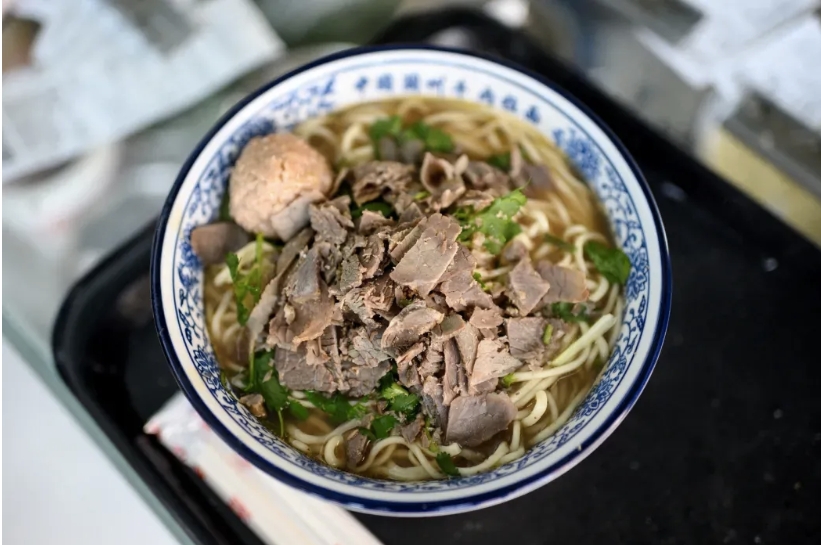
“Hong Kong not only consumes Brazilian beef, but also serves as an entry point for products destined for mainland China… but this process has not been adequately tracked,” she said.
In December 2023, Alcides Torres, of Scot Consultoria — one of the largest consulting firms in Brazil’s meat industry — expressed a similar view in an interview with Repórter Brasil: “Some products exported to Hong Kong may be transshipped to mainland China.”
According to data from the World Bank’s World Integrated Trade Solution (WITS), in 2022, China’s imports of beef offal came mainly from Uruguay, the United States, and New Zealand. Brazil was not among them, as Brazilian products of this type have not yet been approved by the General Administration of Customs of China.
CFS regulations stipulate that meat products re-exported from Hong Kong to mainland China or Macau “must be accompanied by an official health certificate issued by the country of origin, clearly stating that mainland China/Macau is the final destination of the consignment.” Macau is the third-largest re-export market for Brazilian beef and beef offal from Hong Kong; mainland China does not appear on the list.
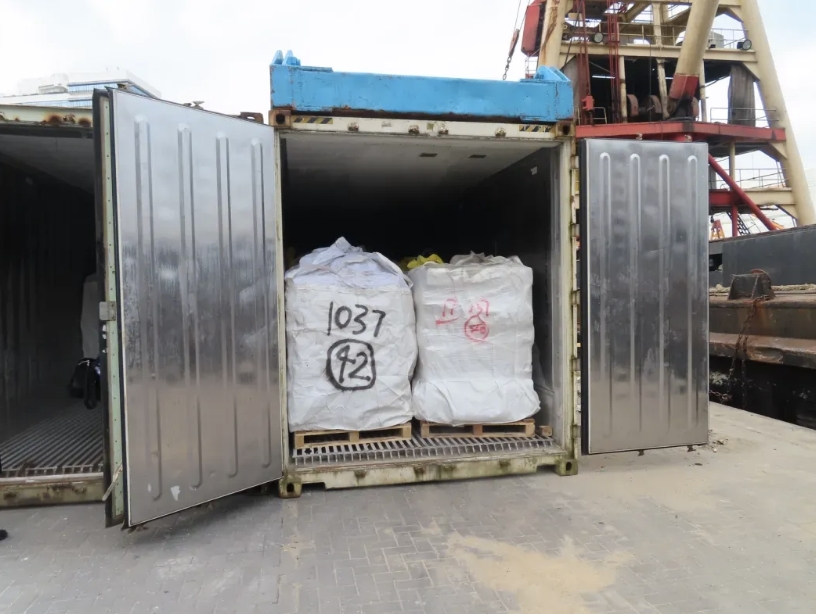
Smuggling peaked in 2022. That year, Hong Kong police seized 403 tonnes of smuggled frozen meat worth approximately HK$61 million and made 46 arrests. According to media reports at the time, the intercepted meat products included Brazilian beef offal.
Data provided to the publication by the police show that seizures of this kind fell in 2023, with 52 tonnes of suspected smuggled frozen meat recovered in just four cases, valued at HK$11 million.
IV. Sustainability: Pressure from the Demand Side
In February 2024, Lei Yu-ting, a researcher at Greenpeace’s East Asia office, told Repórter Brasil by email that Hong Kong consumers’ awareness of the sustainability of meat products “is slowly rising, but not enough to change consumption behaviour or industry supply chains.”
Mr Lei also noted that “when Hong Kong consumers consider whether meat products are sustainable and traceable, they care more about meat quality and food safety. It is difficult for consumers to determine whether the meat they eat is linked to land degradation and deforestation in countries such as Brazil.”
Mr Ng of Greenpeace Hong Kong added that while public pressure is certainly important, policy change is even more needed. “Transparency and traceability across the supply chain are essential, and it requires the joint effort of all parties.” He believes that the government, schools, NGOs, and the media should also actively engage in public education about the link between meat consumption and deforestation.
“I don’t know whether a direct ban on such products through government or corporate policy is feasible,” Mr Ng continued, “but that is exactly what we would like to see.”
At Imaflora, the Brazilian non-governmental organisation, Guyot and her colleagues are working to achieve this goal. In partnership with the Brazilian Public Prosecutor’s Office, the organisation established a monitoring system called “Beef on Track,” aimed at building supply chains free from “socio-environmental violations,” including deforestation on indigenous lands and forced labour.
Of the 158 slaughterhouses in the Amazon region of Brazil, 110 have signed the “Beef on Track” agreement, which requires slaughterhouses to ensure their direct suppliers comply with human rights and sustainability standards. Given the complex upstream and downstream relationships in the beef industry, the system is far from perfect, as it only monitors the conduct of suppliers who sell directly to slaughterhouses. But it is a start.
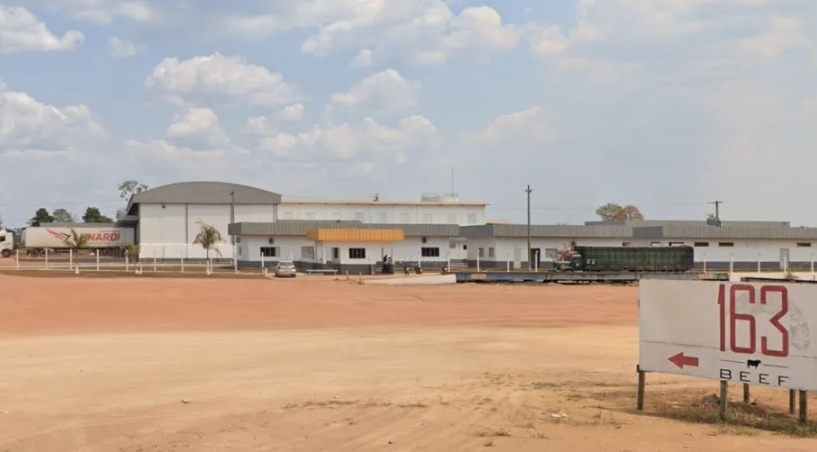
Between 2018 and 2023, 163 Beef — the slaughterhouse that Repórter Brasil and the publication focused their investigation on — purchased cattle from farms linked to Heller and his family more than 20 times, and sold beef offal to the four Hong Kong companies. 163 Beef has not signed the “Beef on Track” agreement and has not responded to requests for comment.
Heller, through the defence lawyer he shares with his daughter, issued a statement saying that “since the 1970s, their family has peacefully and undisturbedly owned their family property in the countryside of Pará state.”
The statement added: “The facts involved in the current investigation are strictly confidential.” It remains unclear which investigation he is referring to.
“We are committed to… promoting green trade between China and Brazil, and of course Hong Kong as well,” Guyot said. “If mainland China and Hong Kong also sign the Beef on Track agreement, it will be a tremendous incentive for Brazilian meat companies and the industry to sign it too.”
Translation: qiqi
Proofreading: Zean