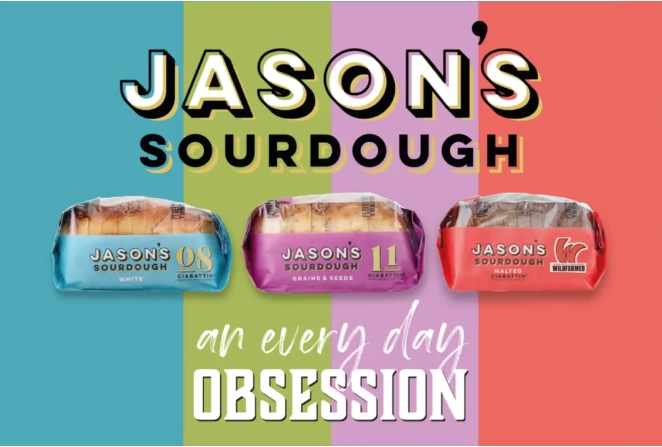
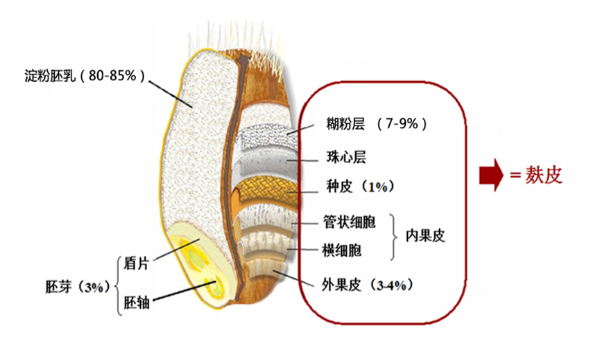
Today’s rice and flour often undergo deep industrial processing, stripped of germ and bran before bleaching agents, preservatives and other additives are added, becoming ultra-processed foods; those who want to eat knowingly can try home milling, sourdough fermentation or simple-ingredient original grains they can name.
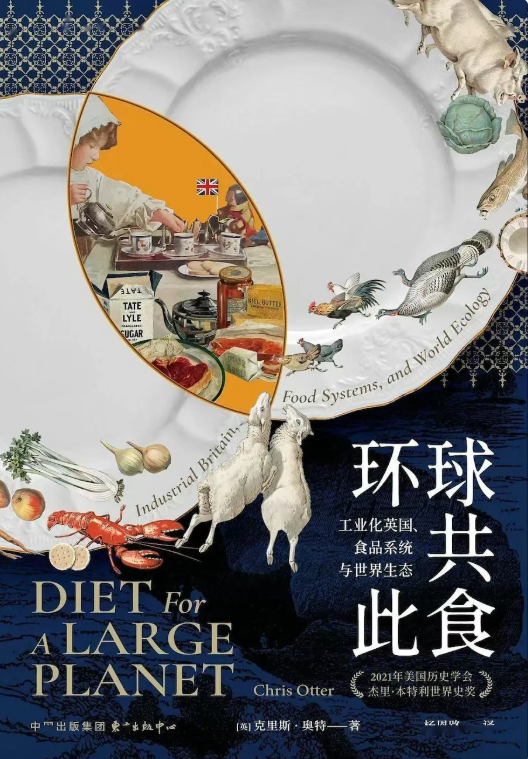
Britain’s meatification relied on global food supply chains, providing workers with cheap energy and also embedding class, race and gender inequalities, famine and slaughter violence into the food system.
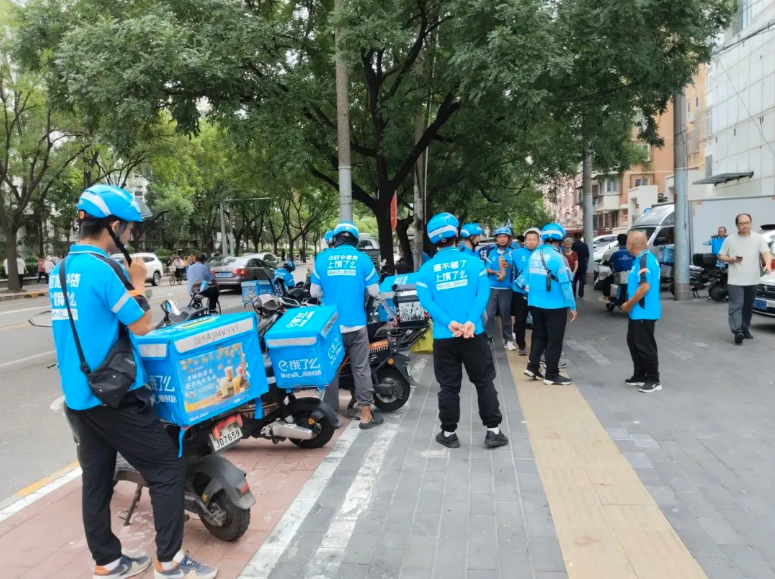
Delivery riders often skip lunch to chase orders or cook noodles on the street, missing their children’s meal times. Stomach ailments, depression and cardiovascular risks of gig work are becoming public-health and labour-protection issues the platform economy must respond to.
Sold-out sourdough bread, olive oil, sea salt and vinegar are going viral as UK consumers use ‘anti-ultra-processed food’ and social-media aesthetics to turn affordable basic staples into pricier lifestyle purchases.
Zhang Fulan, a Jieyang native in Chaoshan, recalls her childhood food memories from school-gate sweet potato starch cubes and stationery-shop ice lollies to grandmother’s Pig Trotter Rings and mother’s handmade rice cakes, linking local traditional foods, industrialised snacks and body changes linked to emotional eating.
From sugar-funded commentary by Harvard professors to obesity research backed by Coca-Cola, corporate interests have shaped US dietary guidelines, leaving ordinary people to pay the health price.
For World Book Day, Foodthink’s editors, authors and peers recommend books that connect food, land and the natural environment, including Bruno Latour’s ecological politics, French rural transformation, China’s environmental movement, vanishing foods and industrial additives.
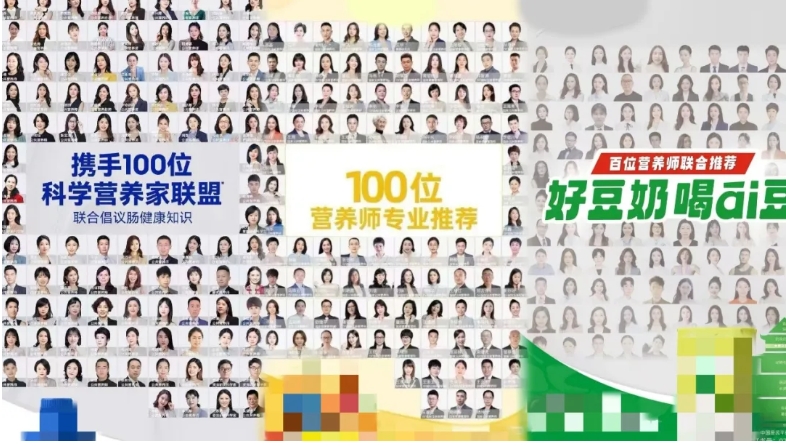
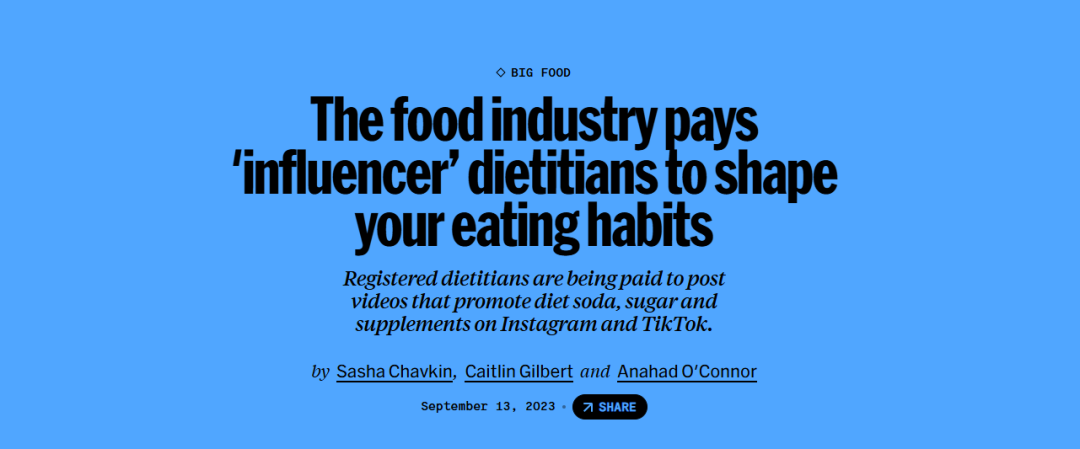
Foodthink Says A previous Foodthink article, “Have Nutritionists Become Shills for Food Giants? Perspectives from Registered Nutritionists”, exposed how North American food corporations sponsor influencer nutritionists and industry organisations to sway public perception of food through misleading, quasi-scientific popularisation. Similar issues exist in China: health supplements and food advertisements are…
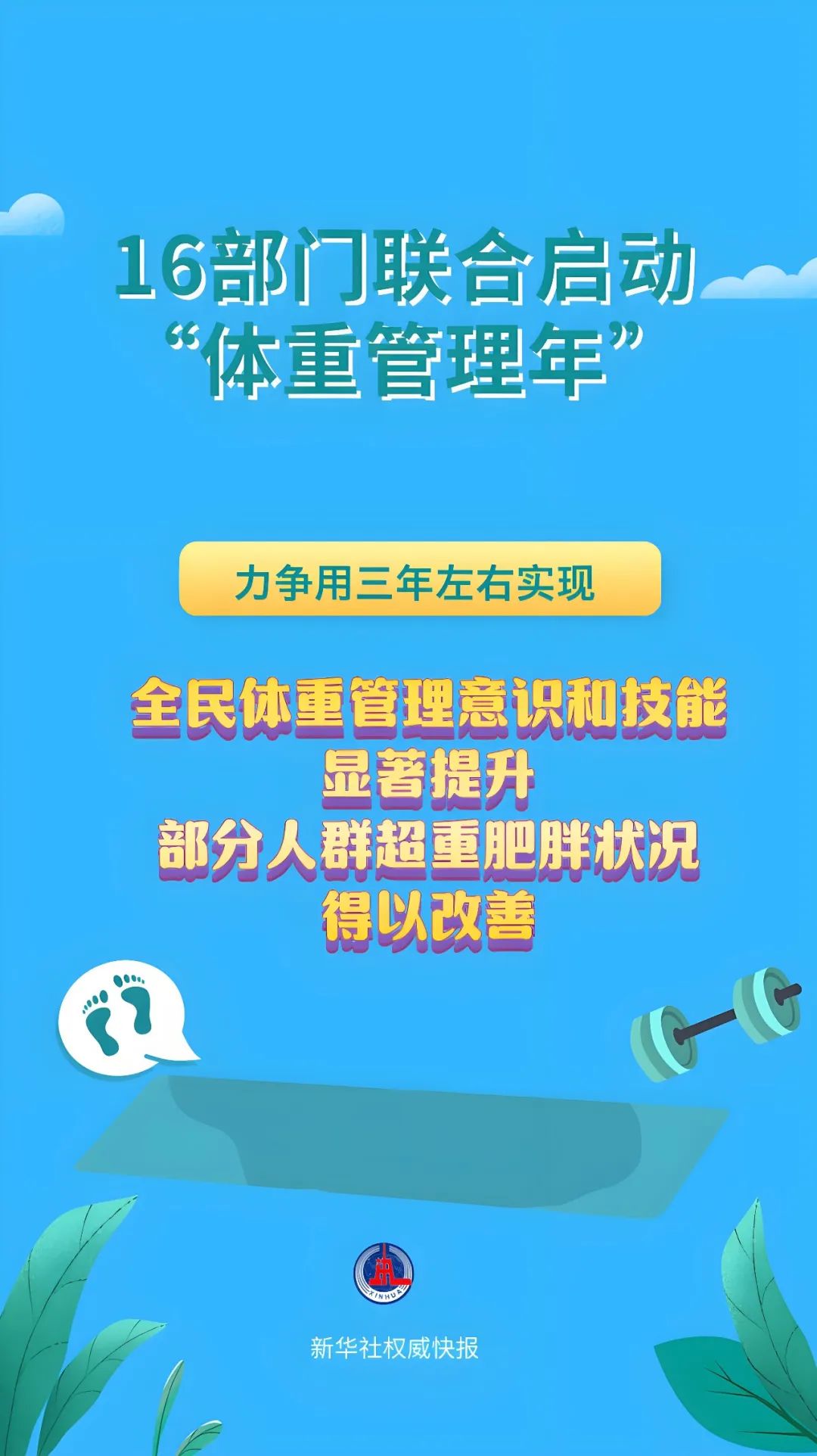
At a recent press conference during the National People’s Congress, the National Health Commission announced the launch of a three-year ‘Weight Management Year’ initiative. The campaign aims to encourage the public to prioritise weight management, adopt science-based eating and exercise habits, lose weight healthily, and lead healthier lives. Everyone should…
“Do the supplements recommended by that influencer dietitian actually work?” a friend whispered to me during a gathering. As a US Registered Dietitian, I have long been used to acting as the “last line of defence” for my friends’ nutritional knowledge. When the recommendations of high-traffic bloggers are laced with…