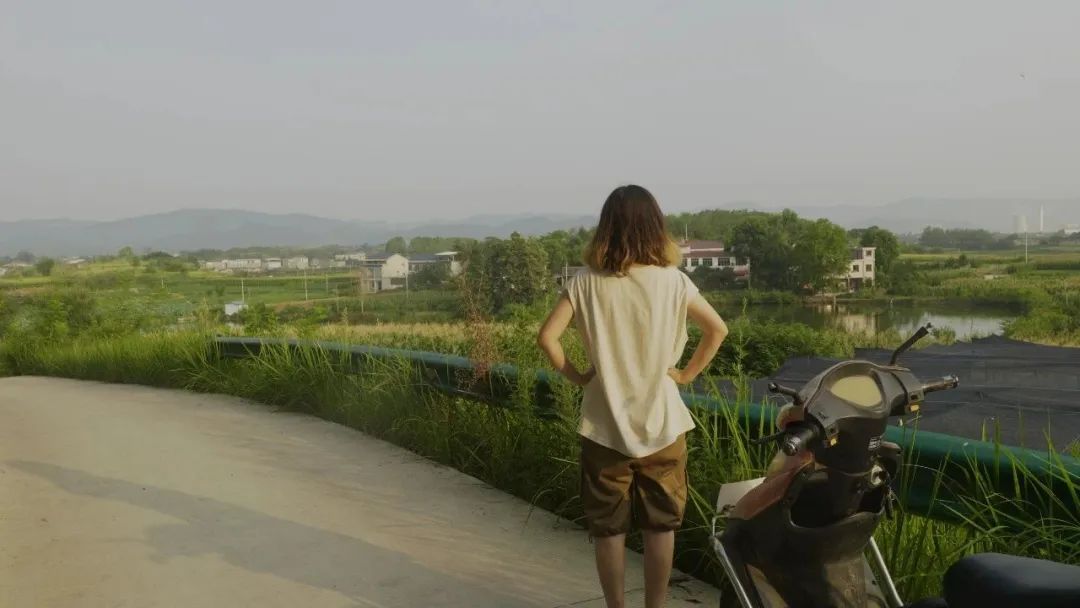
Yu Jiangang left advertising in Beijing to rear silkworms and make silk quilts in his Jiangnan village. Twelve years on, commercial agriculture and capital have pressed closer, and the question of whether a rural identity can survive outside the marketplace remains open.

Through a winter of pandemic lockdown, sudden policy reversal, and a death in the family, a mother in a small town north of the Yangtze steadies her household with the old calendar of curing pork, frying meatballs, and airing quilts in the sun.
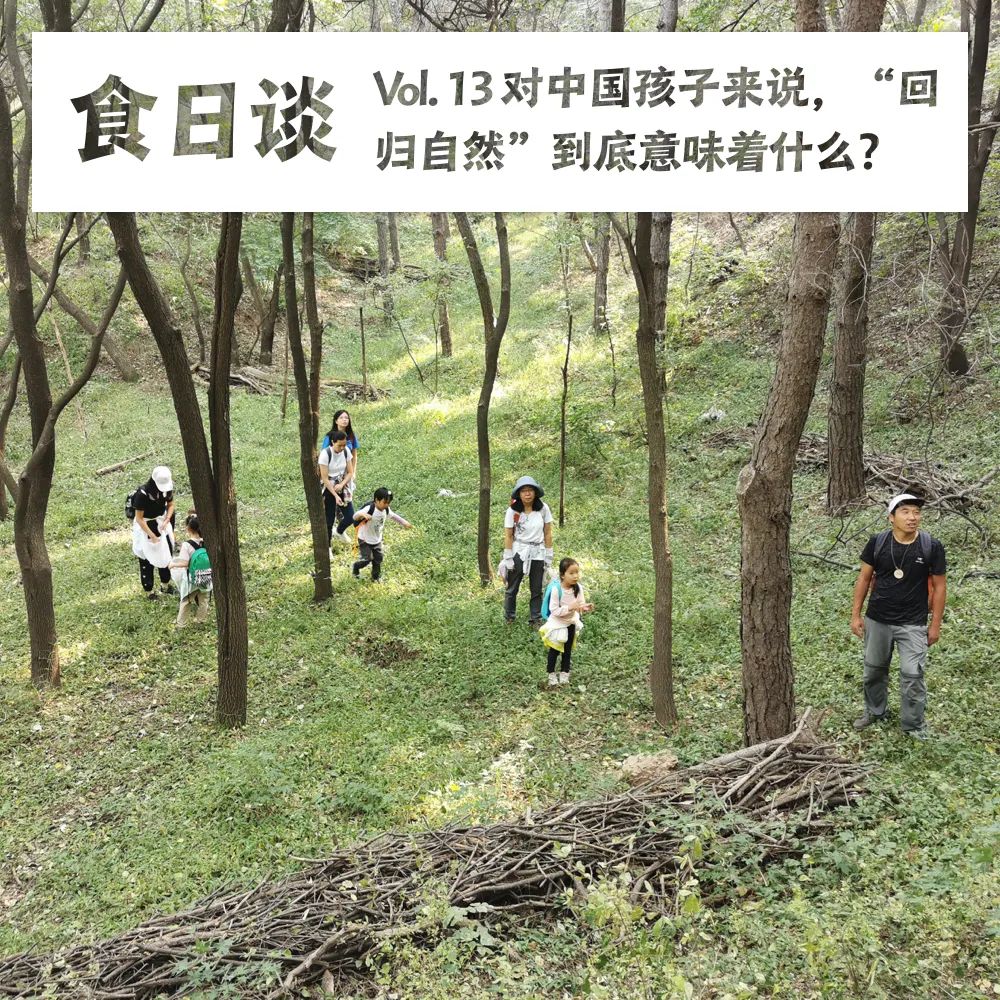
Ma Lan, who has developed forest kindergarten programmes since 2014, discusses what Chinese children gain from spending a full year sowing, tending, harvesting, and cooking their own food through farm-based nature education.
Grain that once shipped from Odesa to Africa and Asia is now funnelled into EU markets, prompting farmer protests in Poland, Romania and Bulgaria, while the developing nations that depended on Ukrainian wheat have received a smaller share.
Chen Chong spent a month at the Tang family’s eleven-person farm in Jintang County near Chengdu, where a scattered household has spent a decade finding its way back together on the land.
Foodthink recaps five years of food and agriculture writing and community events, asks past attendees to complete a survey with a set of Douban Nature tableware as the prize, and previews the Beijing Fengnianqing online series from 22 December to 15 January.
Five Foodthink colleagues and an office flatmate, sealed in a Chaoyang, Beijing office, spent seven days with clear-broth lamb, pumpkin buns, an online choir rehearsal and a midnight reading group — eating well, working as usual.
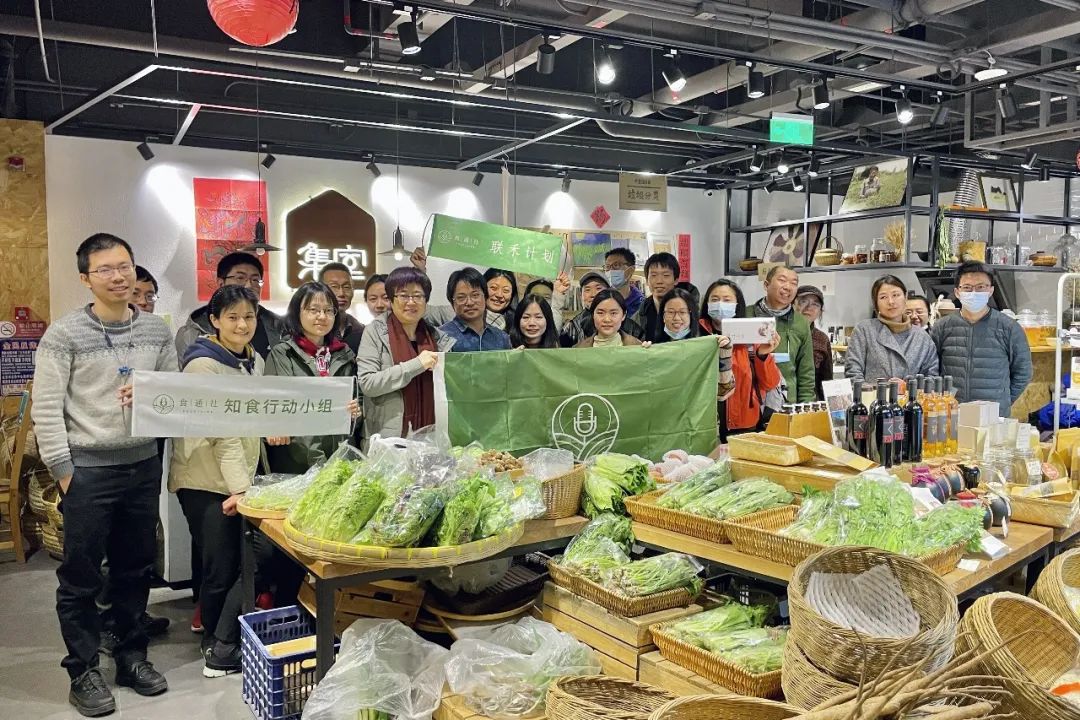
Foodthink colleagues will ‘take over’ Community Market, Beijing Organic Farmers’ Market’s physical vegetable shop, on 23 October, running the store for a day and hosting four events, including a loose goods area tour, a Bule Cheese tasting, and a decade-in-business roundtable. Join in person or online.
Foodthink’s two Beijing colleagues and two Shanghai friends chat online about life under the spring lockdowns: what to eat each day, how to steady the anxiety, and how isolation became a chance to pick up new skills in killing fish and cutting up chicken.
From Missouri’s $140 million-plus grain fraud to India’s organic cotton supply chain, a ‘pay-for-certification’ model and untraceable cross-border production chains have left the organic label repeatedly failing at multiple stages.