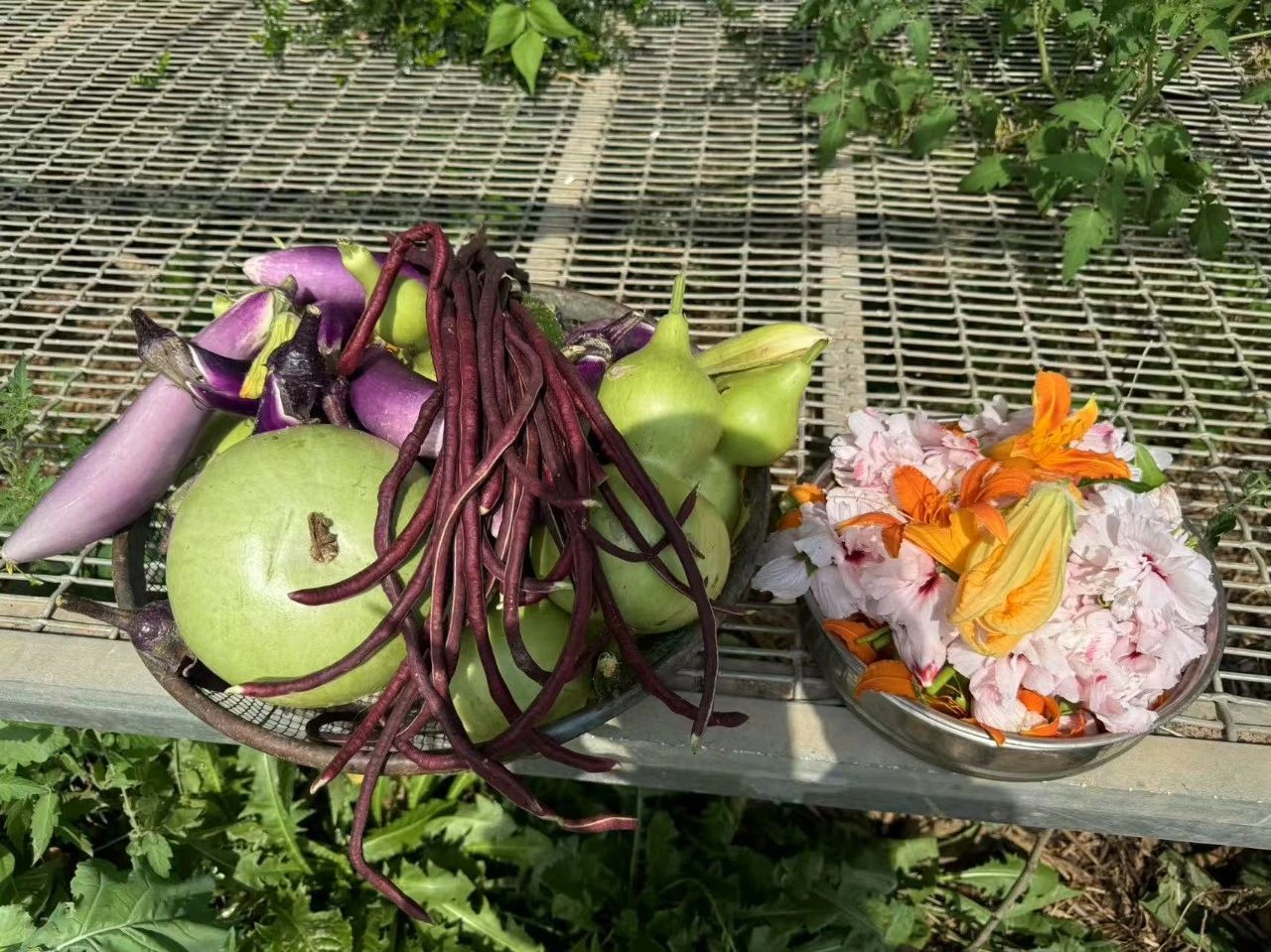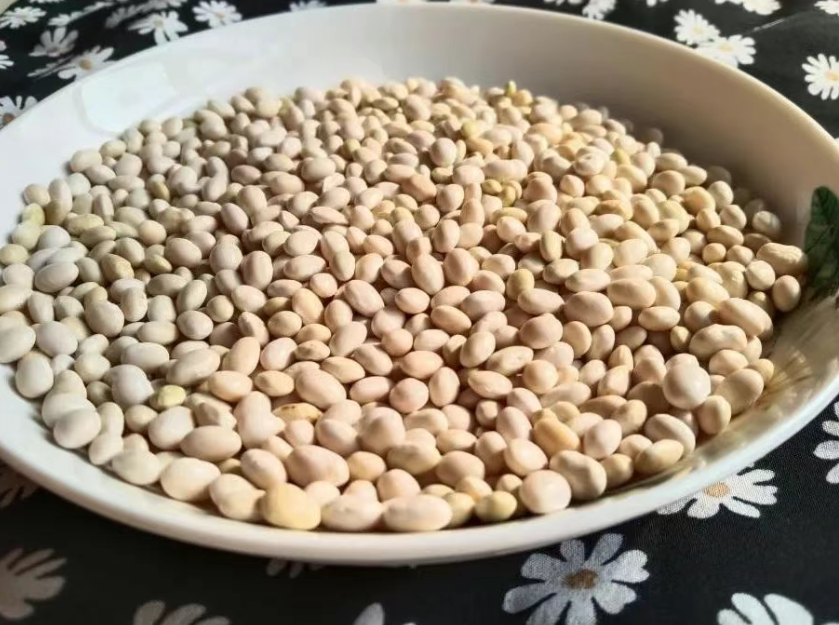
Farmer Liu Yurong in Wangjingzhuang, Shexian, Hebei, has revived the White Common Bean, nearly lost from the village, yet 171 heritage varieties in the area still face the compounded pressures of replacement by new varieties, abandoned terraced fields and extreme drought.

The “not enough waste to burn” video sparked debate, but China’s incinerators face overcapacity, not a waste shortage. Statutory dioxin monitoring occurs only annually, and food-contact plastic additive risks have long been underestimated. Zero-waste and waste-reduction practitioners urge cutting at source, not simply burning the problem away.
After her parents died in the ICU, covered in tubes, she grows beans and runs marathons in the village. She has decided to sign an advance directive — refusing CPR and a ventilator — to live sunlit and go cleanly, decisively.
Over 16 years, Louis turned a banana plantation on the edge of the Atlantic Forest in Paraná into a Syntropic Agroforestry system. Zhang Zhiwei follows him into the woodland — cutting leaves, felling pseudostems, thinning suckers — and now returns to Yunnan to root this knowledge underfoot.
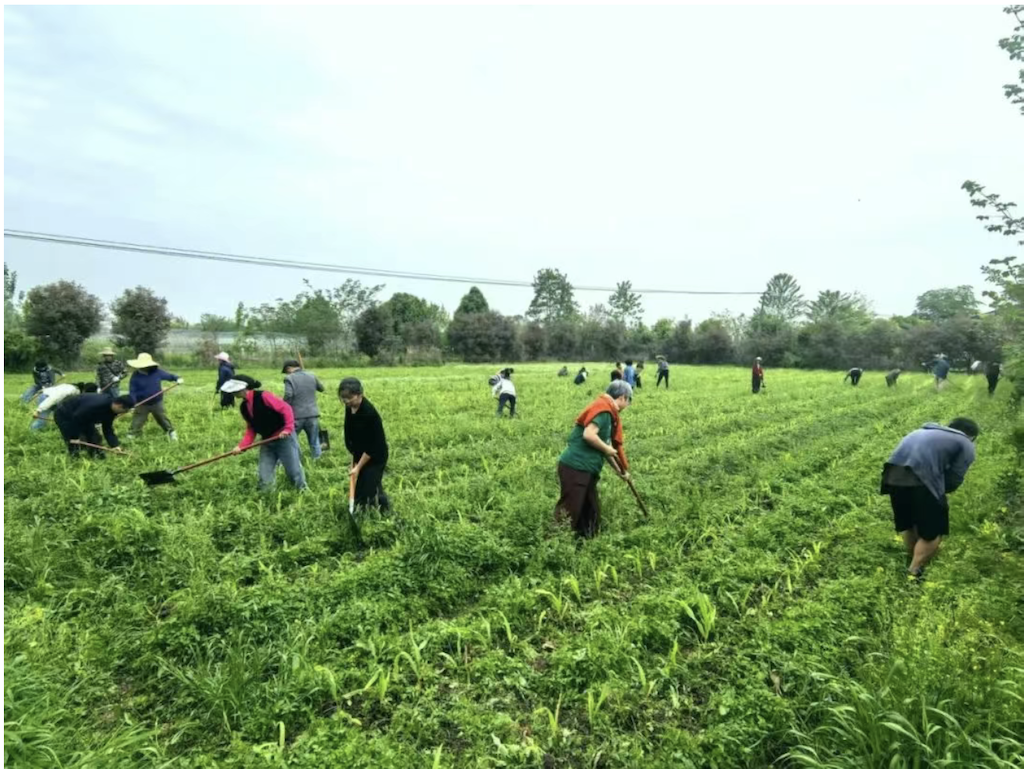
From a private school in the city to Zhaixia Village, Longyan, Fujian Province, a couple born in the 1990s are learning to grow passion fruit and peanuts in terraces surrounded by pesticides, adjusting Natural Farming, and opening a micro-shop to sell ecological products.
Former agriculture reporter Xie Xiaodan spent two and a half years at a financial media outlet, drawing most stories from listed companies’ earnings reports. A chance lead on abscessed pig meat proved impossible to trace; a ten-square-metre vegetable plot was destroyed by torrential rain; she lost her job.
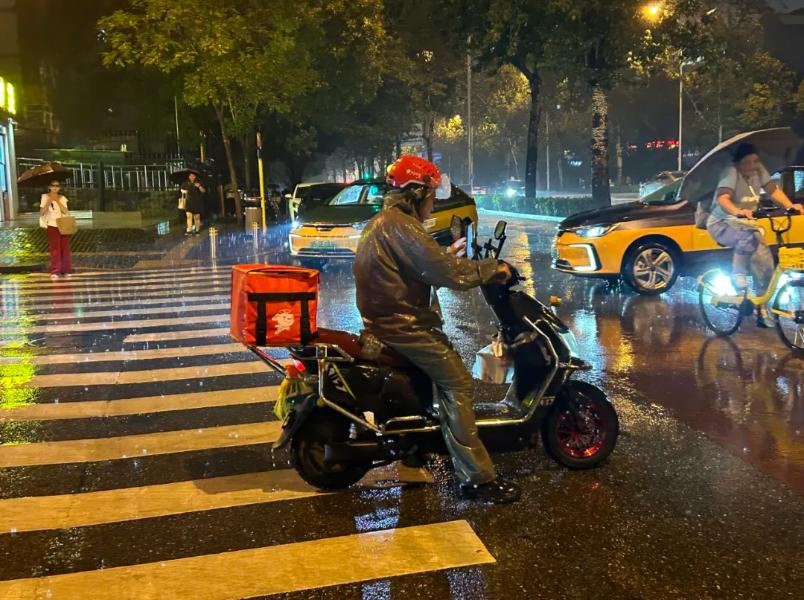
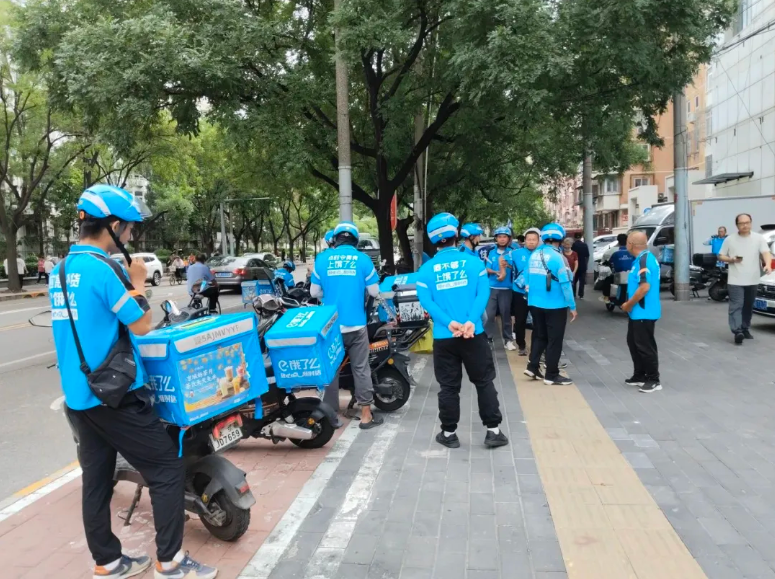
In Beijing’s downpours and heat, Meituan, Ele.me and JD.com riders are pushed to keep showing up by order assignment, fines and subsidy rules, with pain in their feet, water-damaged phones and losses and risks largely borne by themselves.
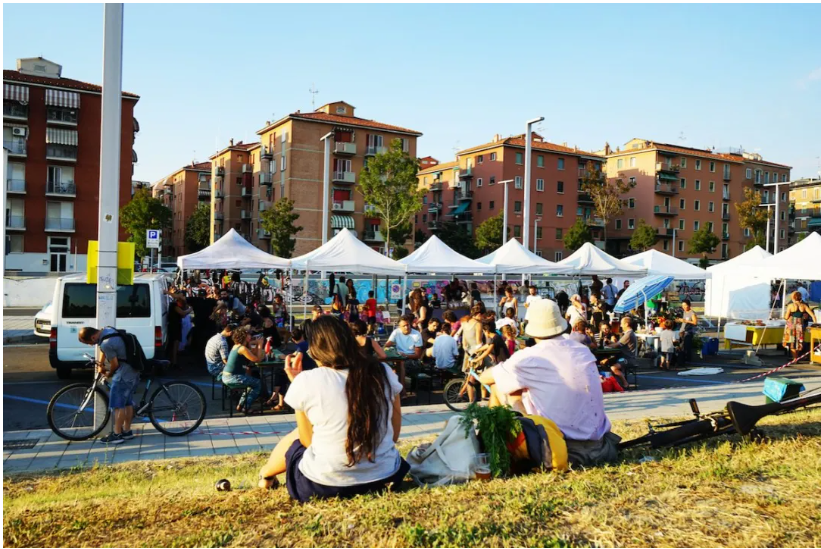
Residents in Florence’s outskirts reclaimed a former estate, restoring soil as a commons and running the farm democratically; smallholders and consumers have bypassed official certification to form the Genuino Clandestino network. Agroecology here is not just a farming method but a social movement against the industrialised food system.
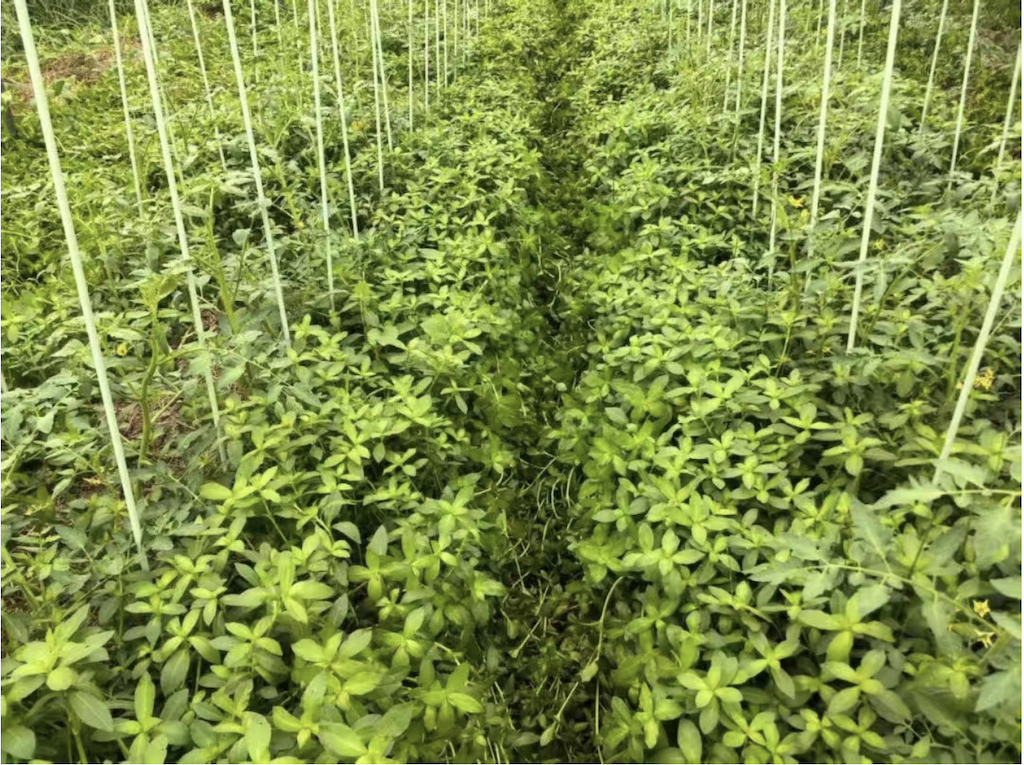
In Puer, Yunnan, a South American crop shortfall has kept green bean prices rising for a year running, but erratic rainfall and extreme weather still threaten the harvest. Some local farmers are processing their own beans, planting green manure and shade trees to cope with the climate and find steadier prices.
Riders eat only two meals a day, stomach problems are rife, and a South Korean study found gig workers eating fewer than three meals face over three times the depression risk of others. Under algorithmic scheduling and livelihood pressures, food-delivery labour runs at the cost of depleting health.