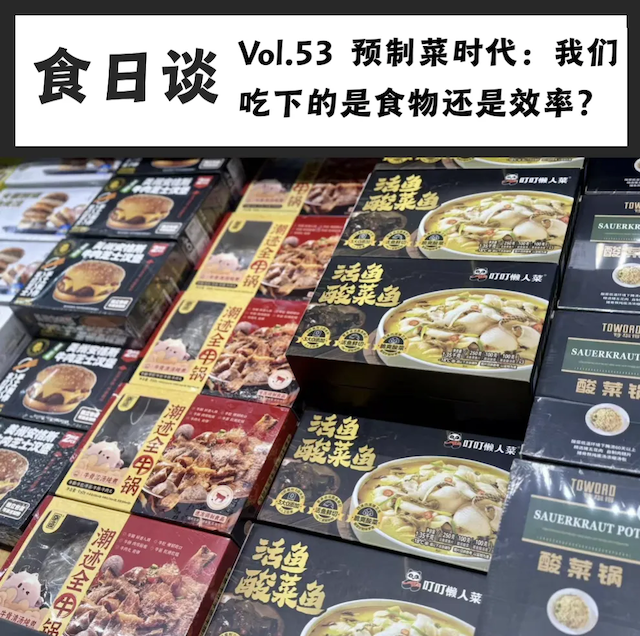
After Xibei’s chain-restaurant incident, takeaway, supermarket and freezer ready meals have put the breath of the wok, prices and the feeling of being deceived back on the table. Small eateries’ fresh stir-frying, international students’ dinners and homemade meals offer another path between convenience and freshness.
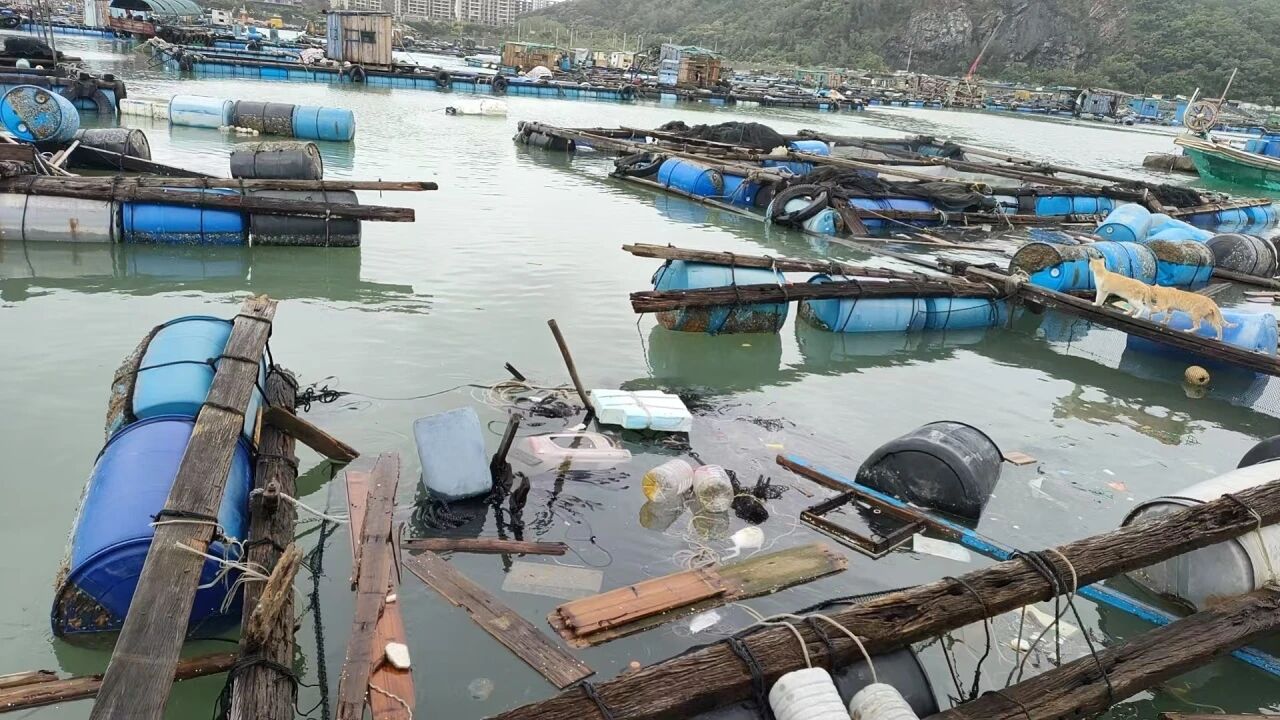
Typhoon “Kajasa” made landfall on the coast of western Guangdong, and Golden Pomfret, citrus, bananas, sugarcane and mud crabs that farmers planned to sell during Mid-Autumn Festival and National Day suffered extensive losses, while seawater inundation may salinise coastal farmland.
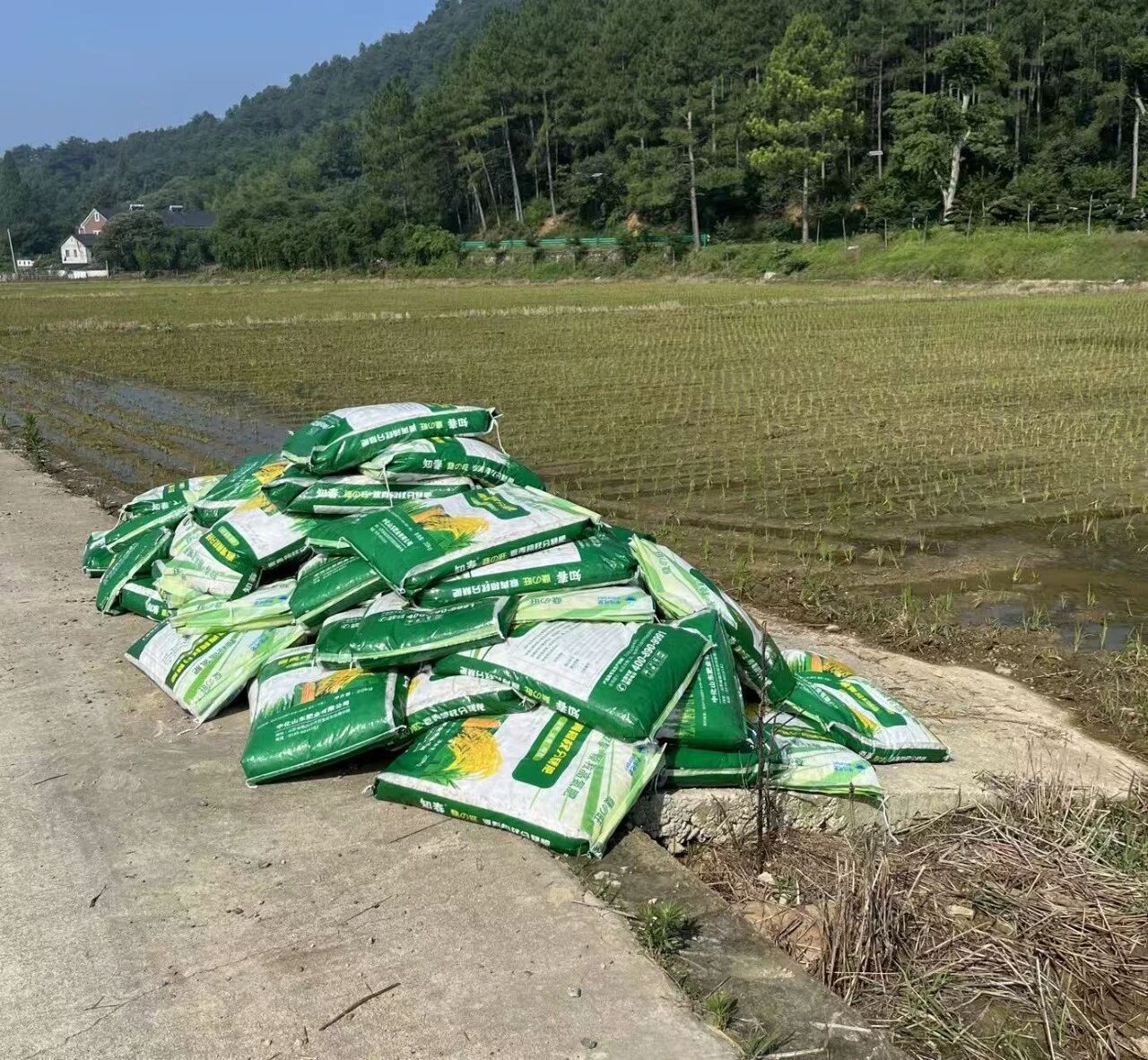
From water-source protection to a celebrity village, Lvshui Village has turned its houses, roads and fields into an ecological landscape that can be explained, but leaves chemical fertilisers and pesticides in the rice fields, an energy-intensive lifestyle and the tourism economy outside the display.
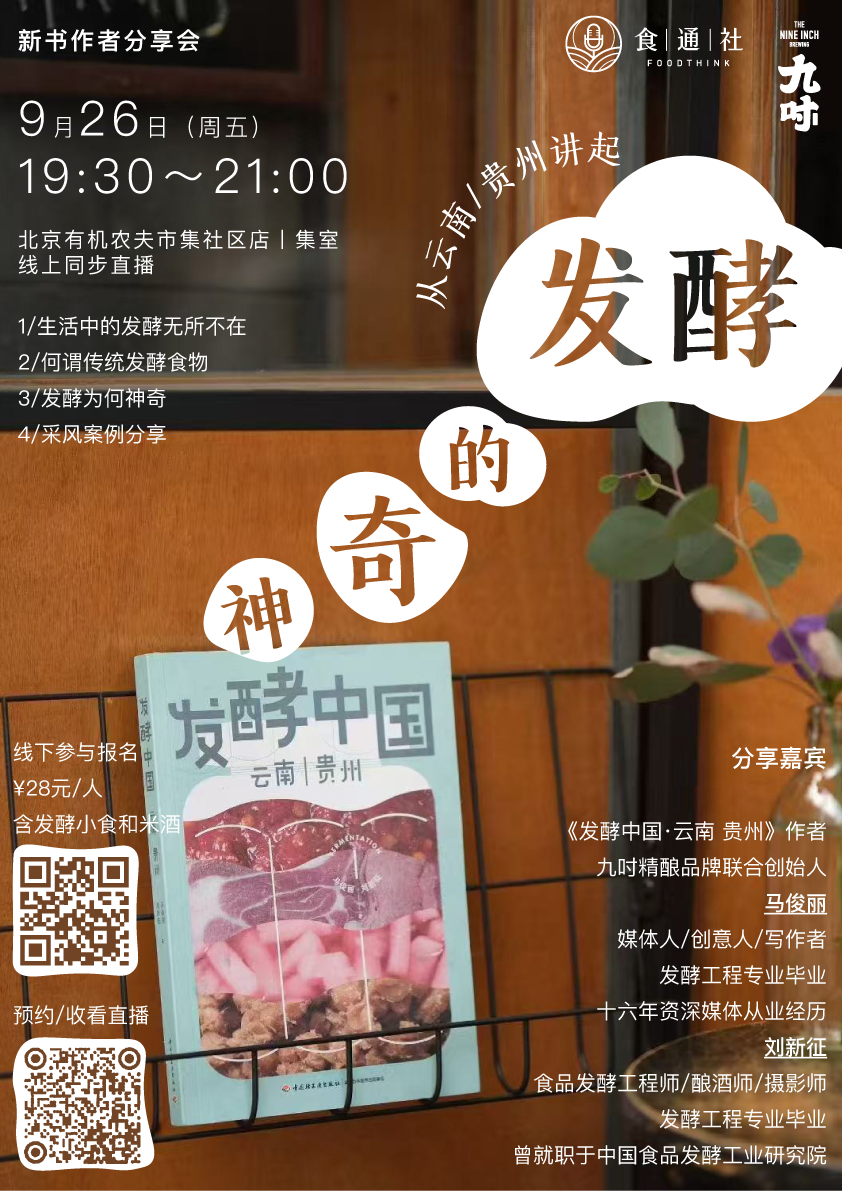
From rice-water fermentation to tomatoes and chillies in the jar, Guizhou sour soup carries the Miao people’s migration memory amid salt scarcity and a humid climate. It becomes the everyday flavour on festival tables and for people away from home.
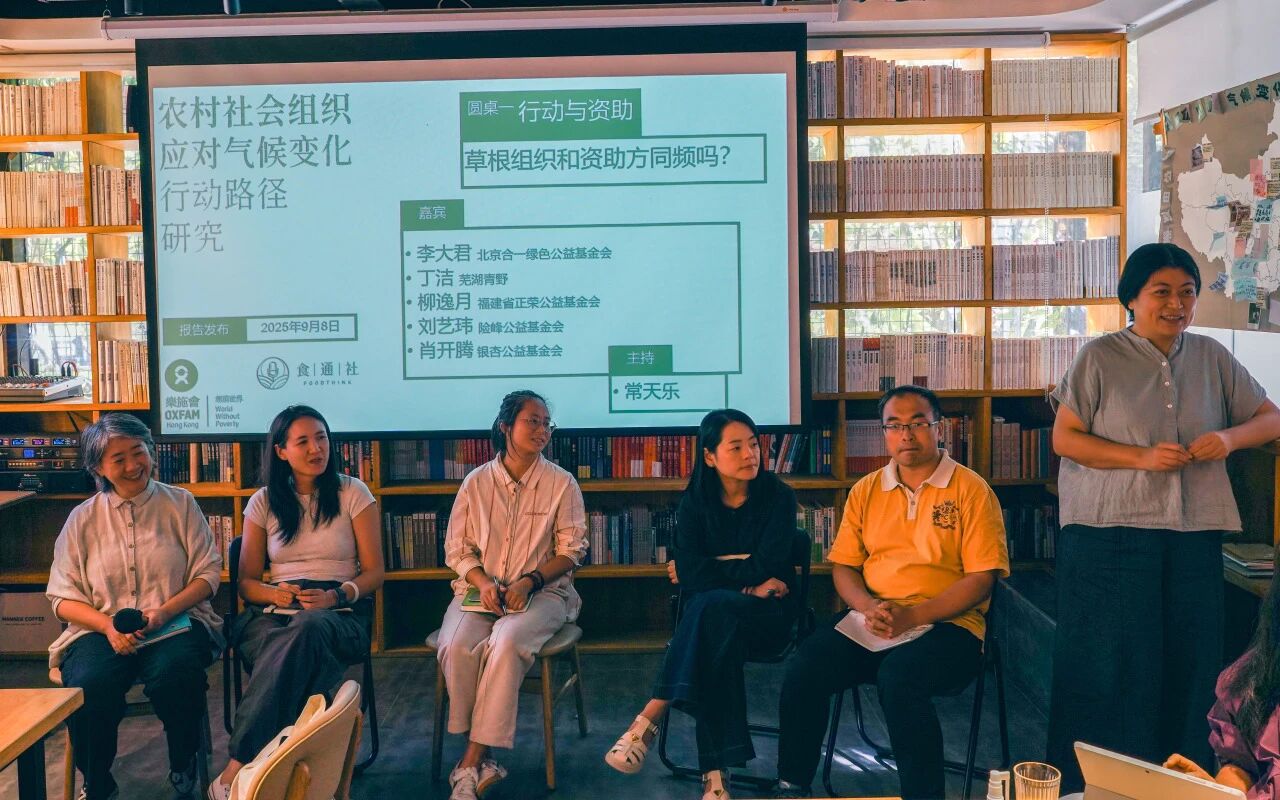
Foodthink’s research shows that rural social organisations need more than emission reduction accounting and risk assessment to build climate resilience. They must tackle livelihood issues such as hollowing out, ageing and water conservancy, and work with agricultural technology departments and grassroots governance.
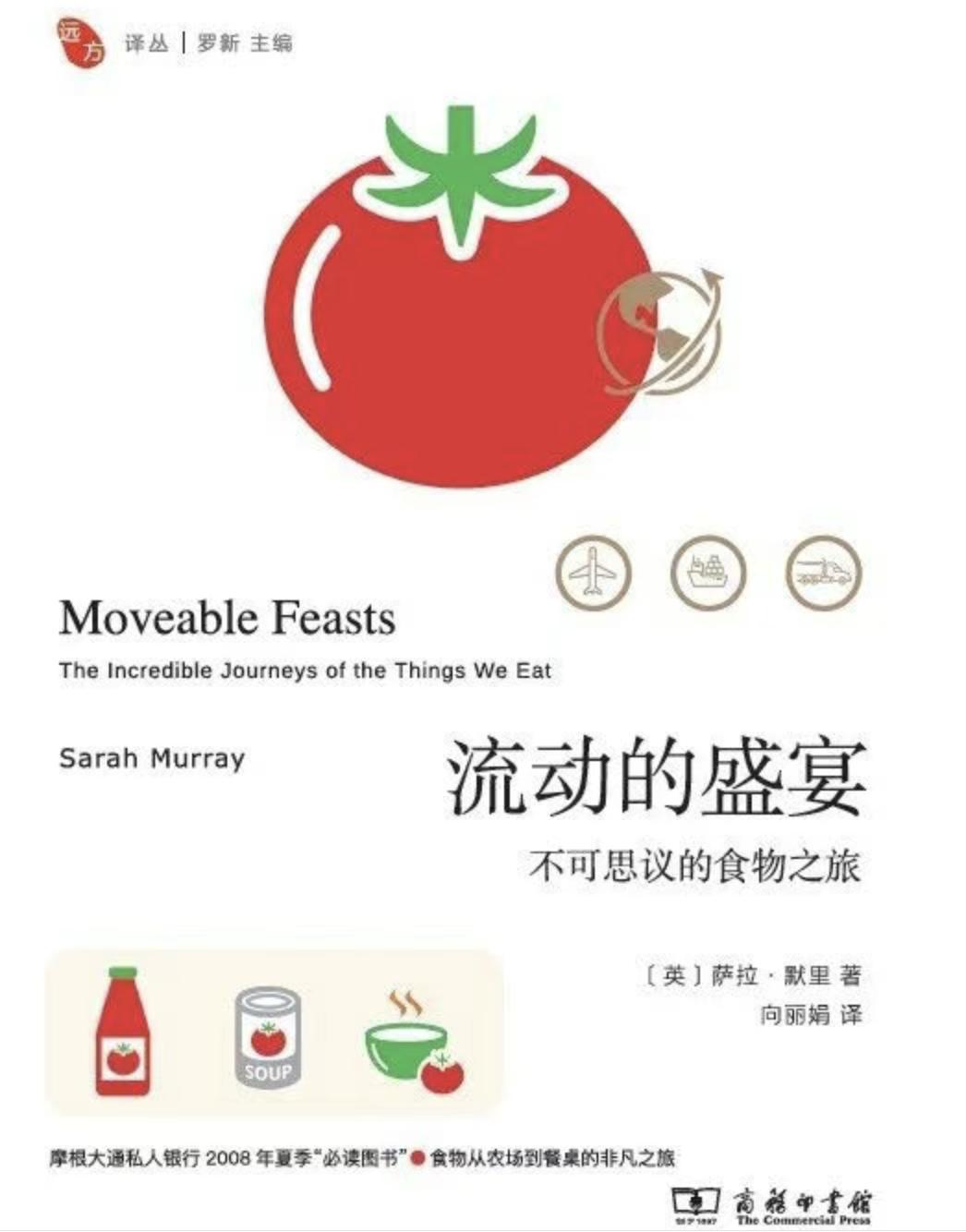
In 1953, American C.A. Swanson & Sons, inspired by food served on a plane, froze unsold Thanksgiving turkey in aluminium foil trays. The company sold more than 20 million TV dinners in a year, making frozen food a lifestyle for many families.
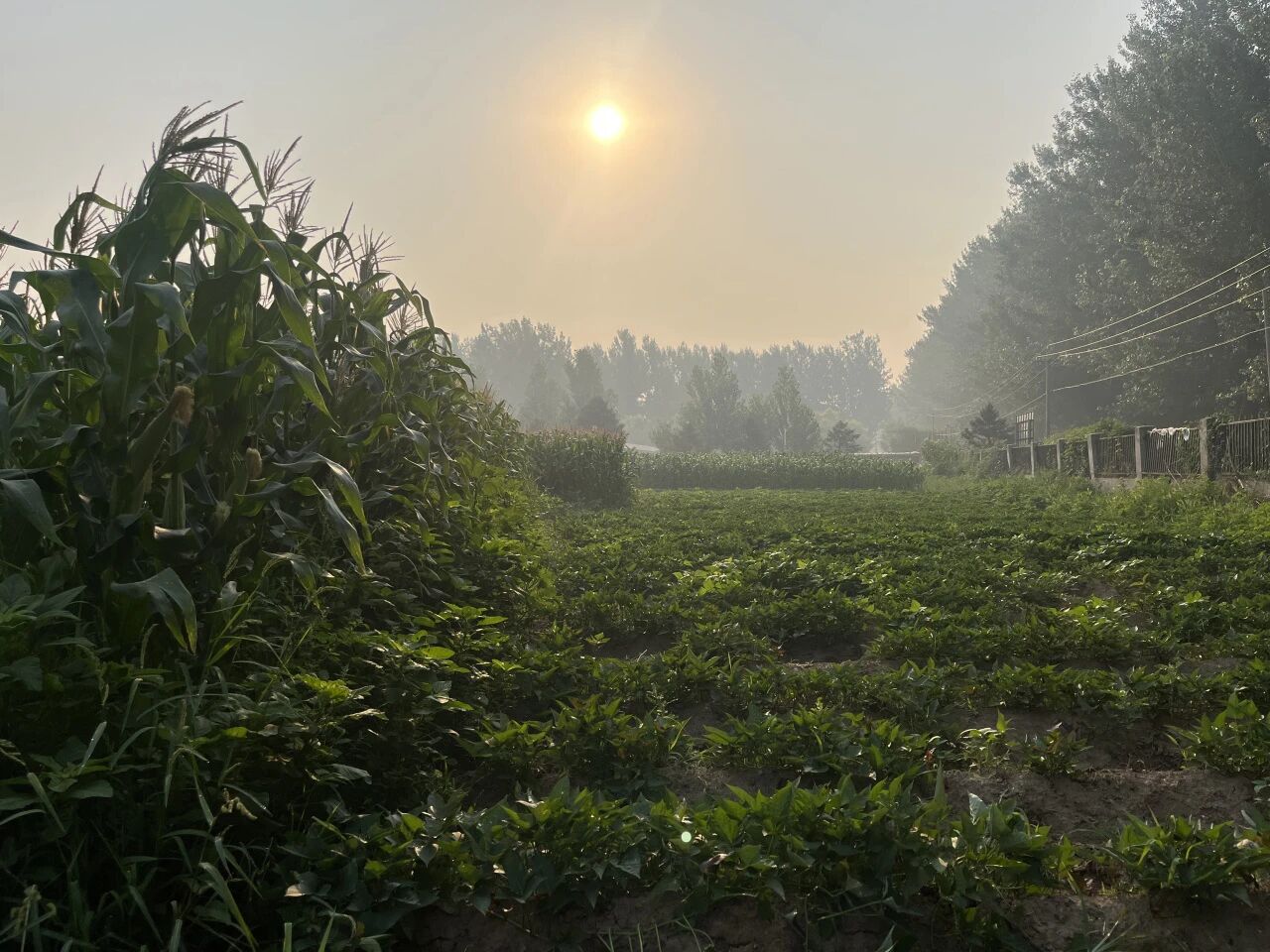
At Xiqing Farm in Changziying Town, Daxing, Beijing, a three-month ecological farming internship shows, through repeated weeding, watering and catching bugs, how the land, weeds, insects and crops work together.
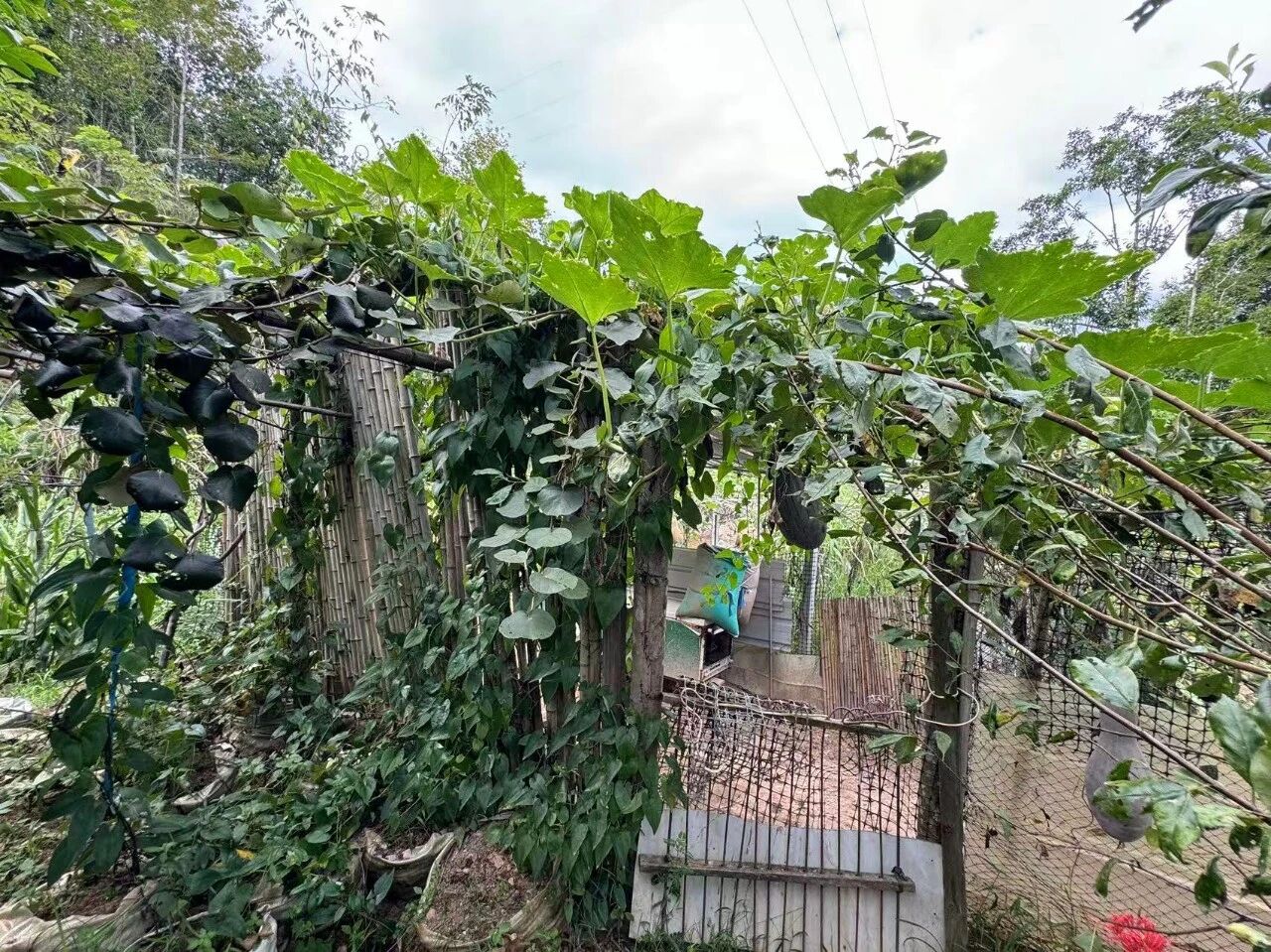
Kouzi layers bayberries, hibiscus, aquatic plants and tuber crops in Villain Valley and pursues self-sufficiency through low-maintenance lazy farming. She also makes jam and juice from the harvest and raises a group of symbiotic ducks.
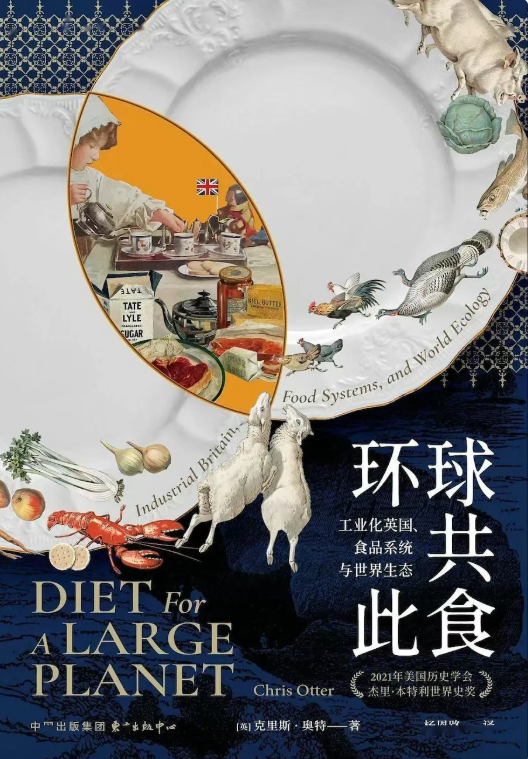
Britain’s meatification relied on global food supply chains, providing workers with cheap energy and also embedding class, race and gender inequalities, famine and slaughter violence into the food system.
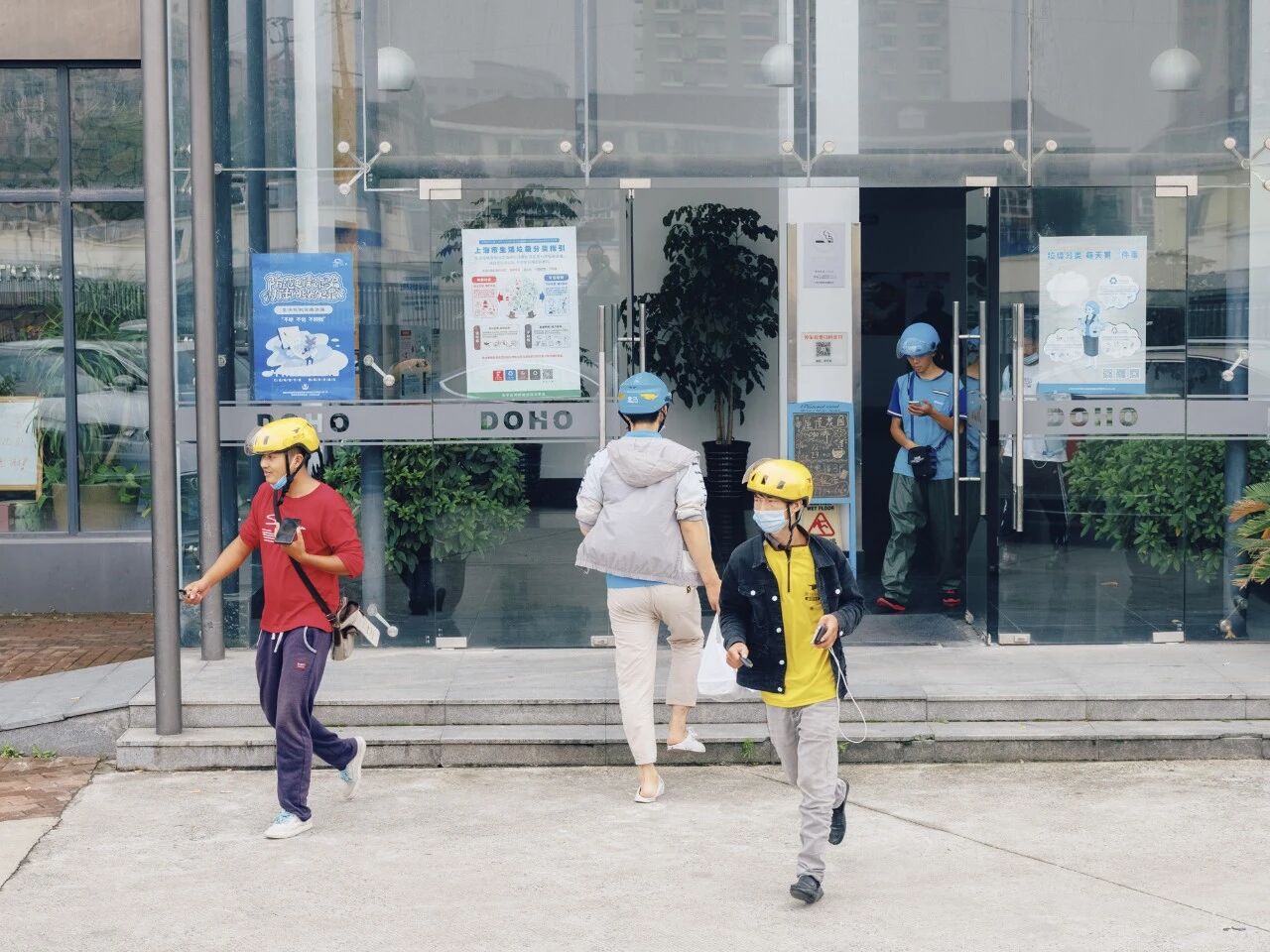
Delivery riders take orders in the rain while facing fines and the risk of accidents. A debate over responsibility among consumers, platforms and workers also asks whether platform gig work has become a safety net for the unemployed.