Chen Jingjing, a China Agricultural University graduate with 20 years in rural construction, grew a full season of rice in Qingshan Village, Hangzhou—opening every cost from raising seedlings to milling and packaging, asking why “without chemical fertilisers or pesticides” is impossible in real farm division of labour.
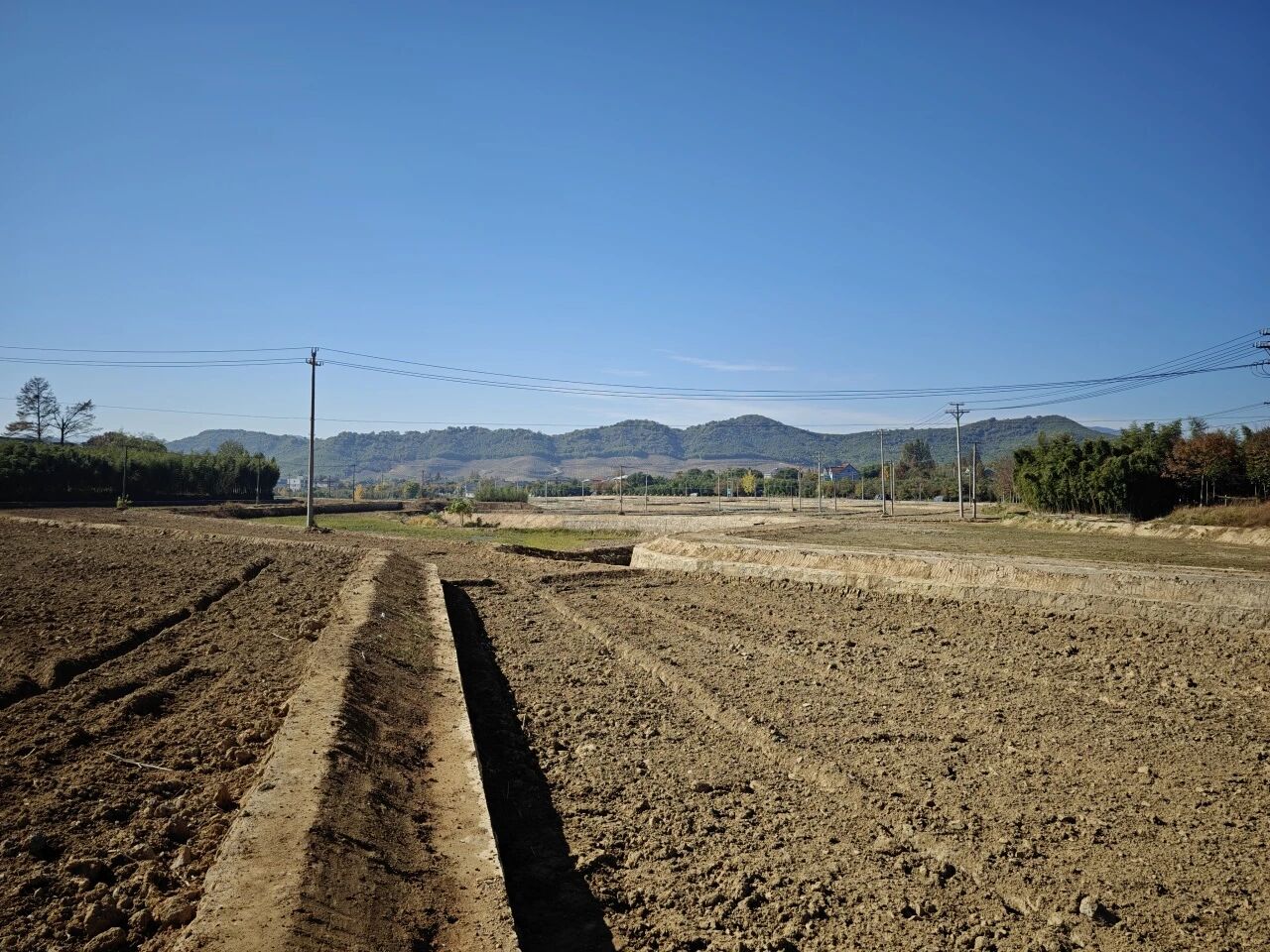
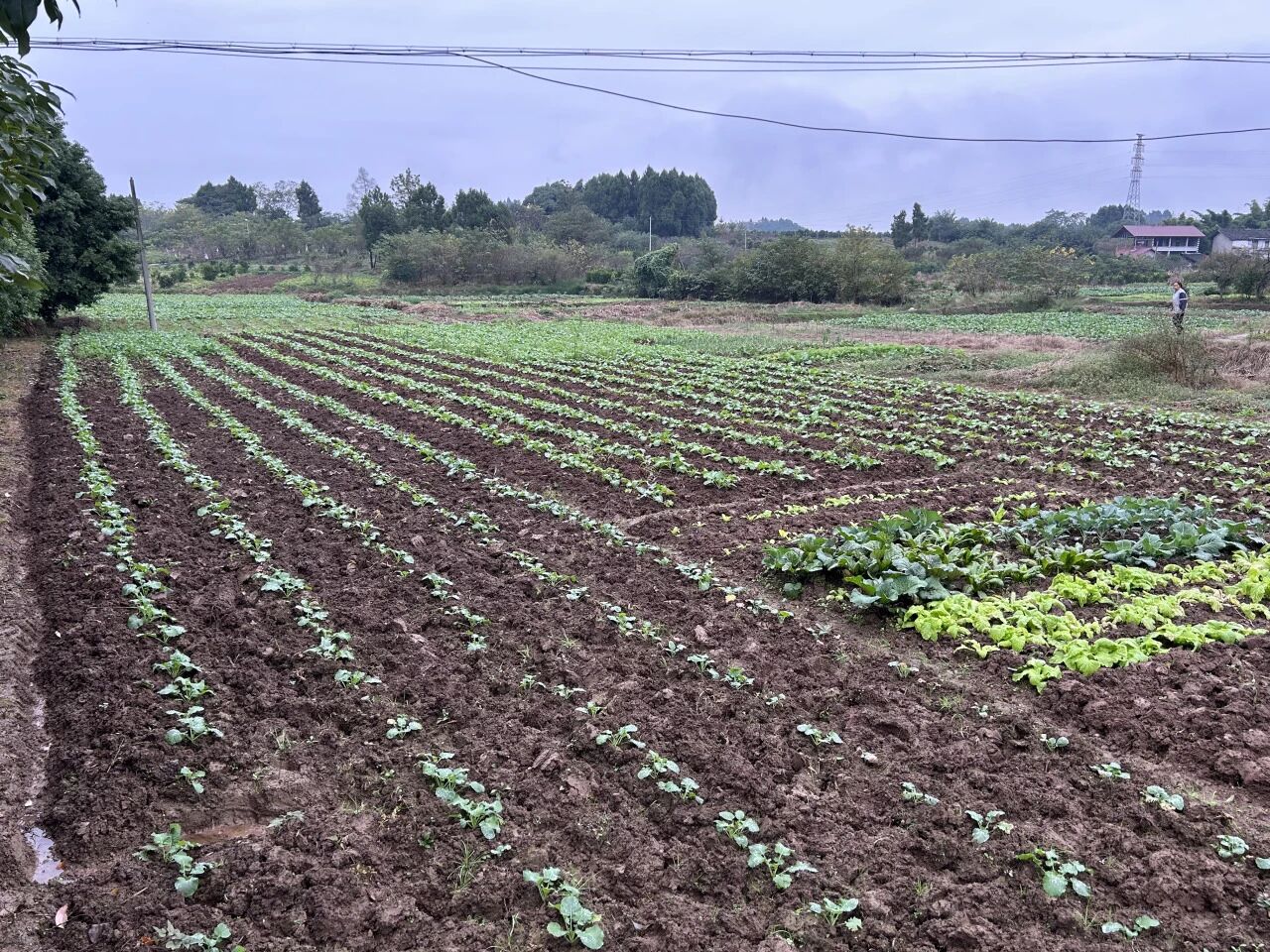
Farmers, construction contractors and researchers in villages in the southwest, northwest and central regions recount how some high-standard farmland has been abandoned because of water shortages, levelling and soil damage; they also discuss subsidies, acceptance inspection and squeezed profit margins, asking how food security can truly be safeguarded.
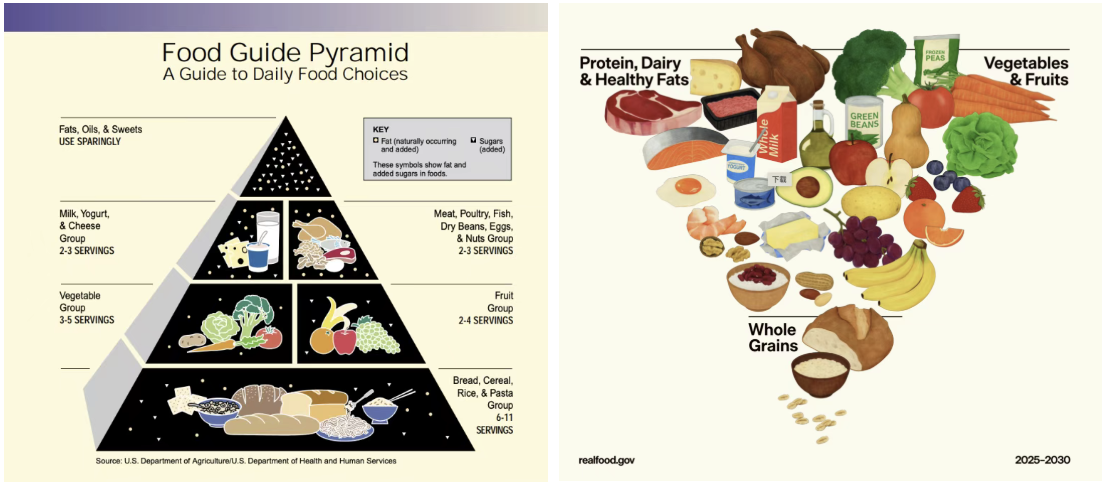
The Sugar Association bankrolled Harvard professors to publish papers claiming sugar was unrelated to heart disease, and the Seven Countries Study cherry-picked data from just 7 of 22 sampled countries. The half-century “low-fat” craze that followed left heart disease undiminished while obesity and diabetes spread.
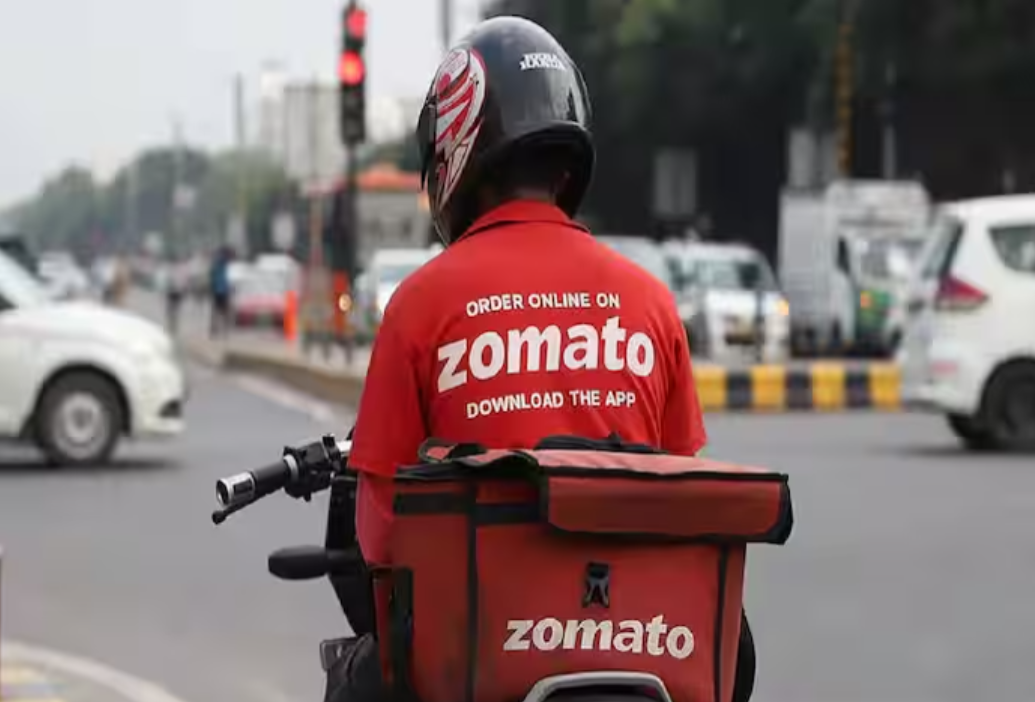
A strike by over 40,000 riders failed to paralyse New Year’s deliveries, and Zomato founder Deepinder Goyal even mocked the riders on X. Indian riders working roughly 15 hours a day with no contracts are being organised by newly formed worker associations, fighting for safety and income protections.
From Sichuan to Henan—topsoil stripped, pumped irrigation stations dry, transferred fields with no takers—”high-standard” conversions have become low standards in many places. Engineering thinking crashes against complex agricultural reality; who safeguards food security’s foundations remains unresolved.
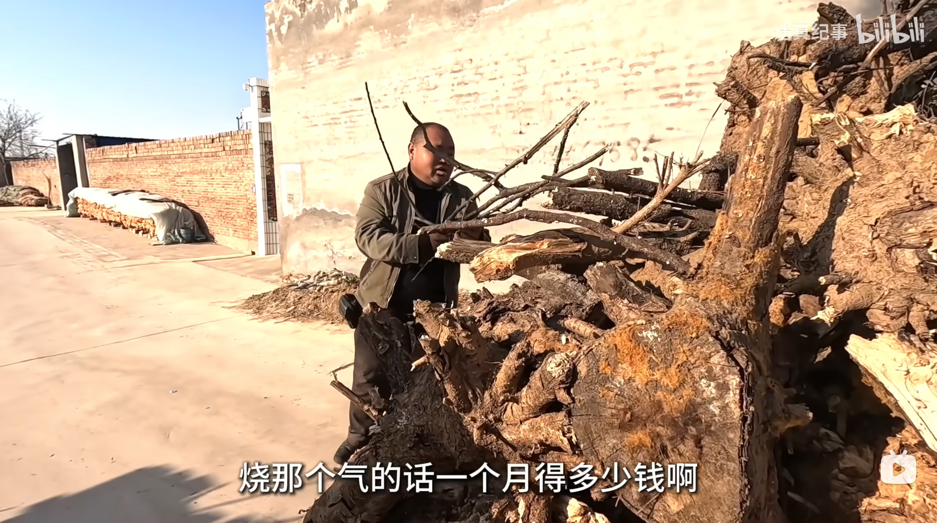
From Hebei to Shandong, subsidy phase-downs, equipment failures and high heating costs make rural clean heating hard to sustain, while the straw burning ban has led some farmers to burn straw secretly at night or push it into ditches; why does the cost of the green transition always fall on farmers?
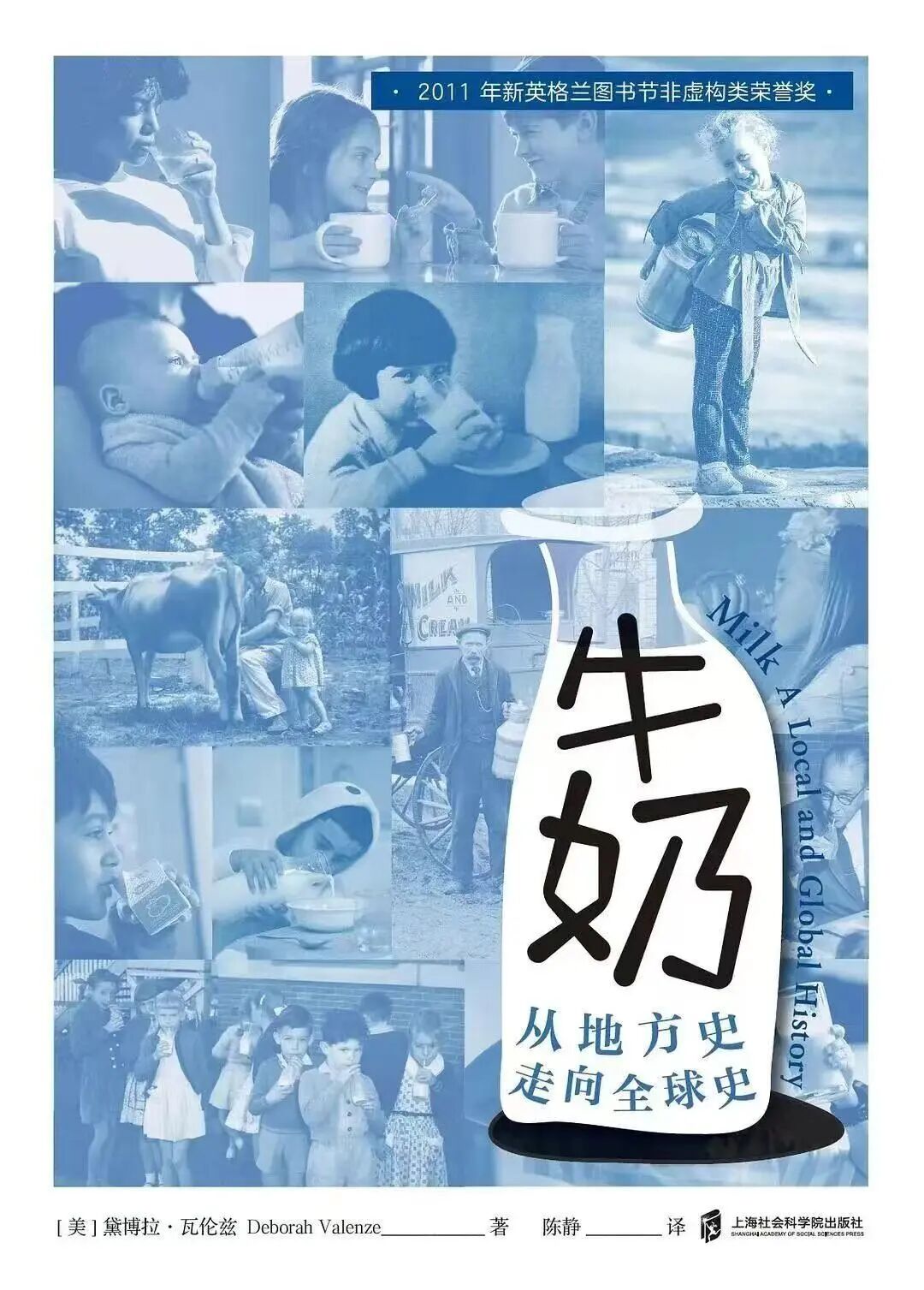
Canned condensed milk and milk powder made perishable milk portable and shelf-stable; companies such as Borden and Nestlé sold them to colonies, mines and urban households, while ice cream and chocolate pushed demand even higher.
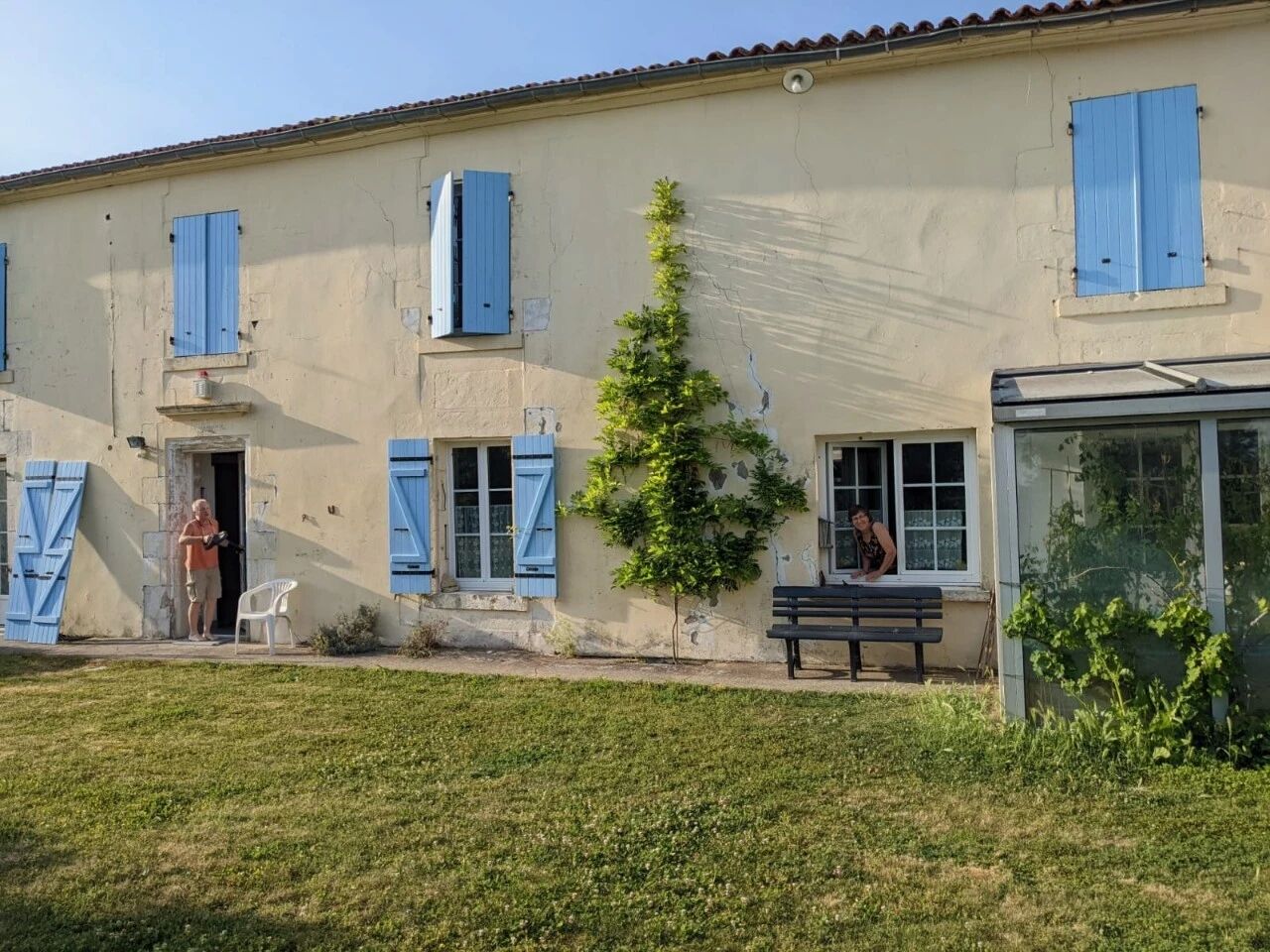
In a sixteenth-century estate in western France, a Colombian brother and sister with expired visas trade room and board, waiting for residency. One month of work exchange pits the rural imagination against the reality of labour, goodwill, and the absence of rights protections.
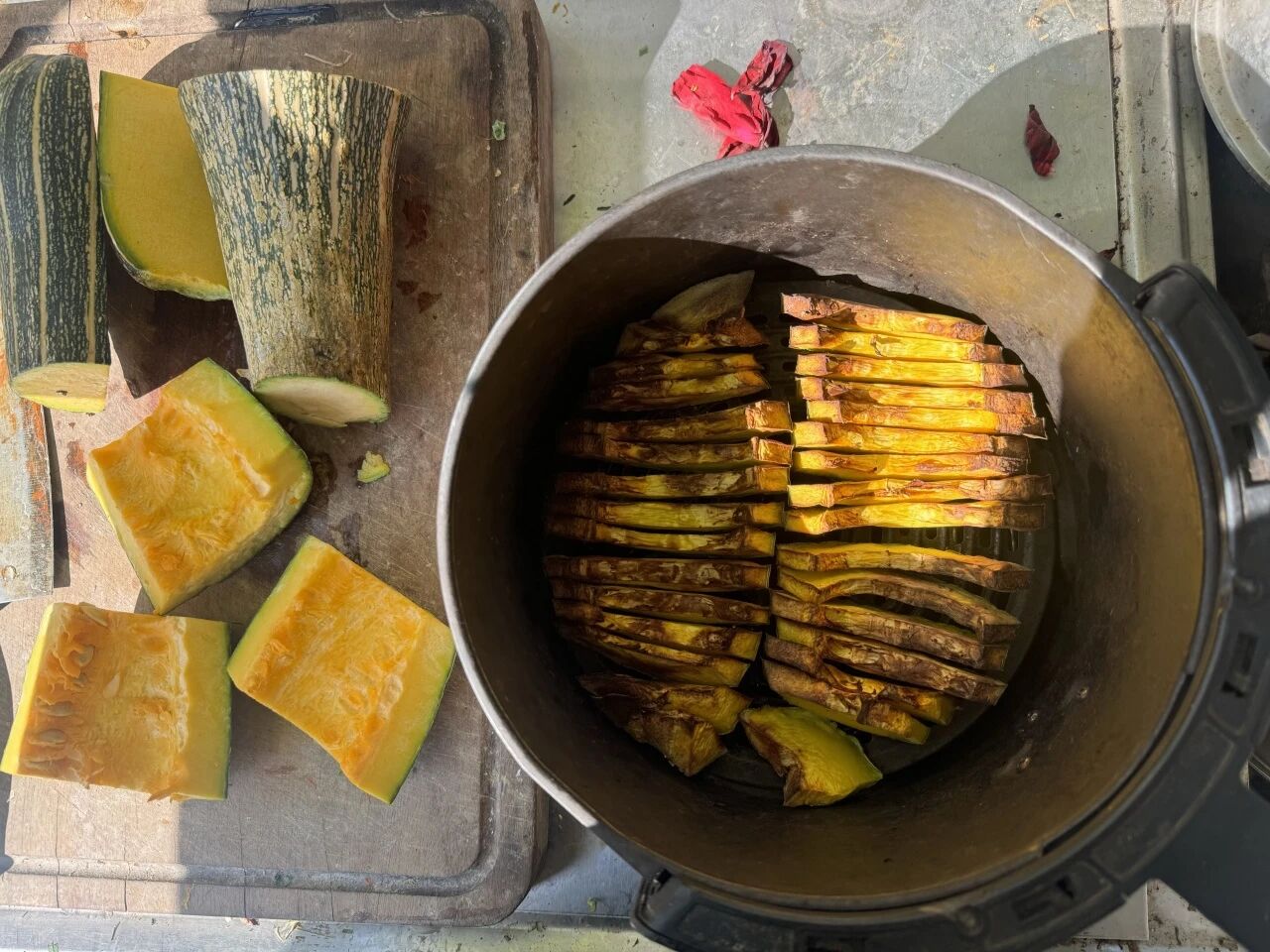
In Èrén Gǔ, Kouzi served roasted pumpkin, maize and homemade tempeh at the table, using an air fryer and a high-speed blender to make seasonal harvests into everyday staple foods.
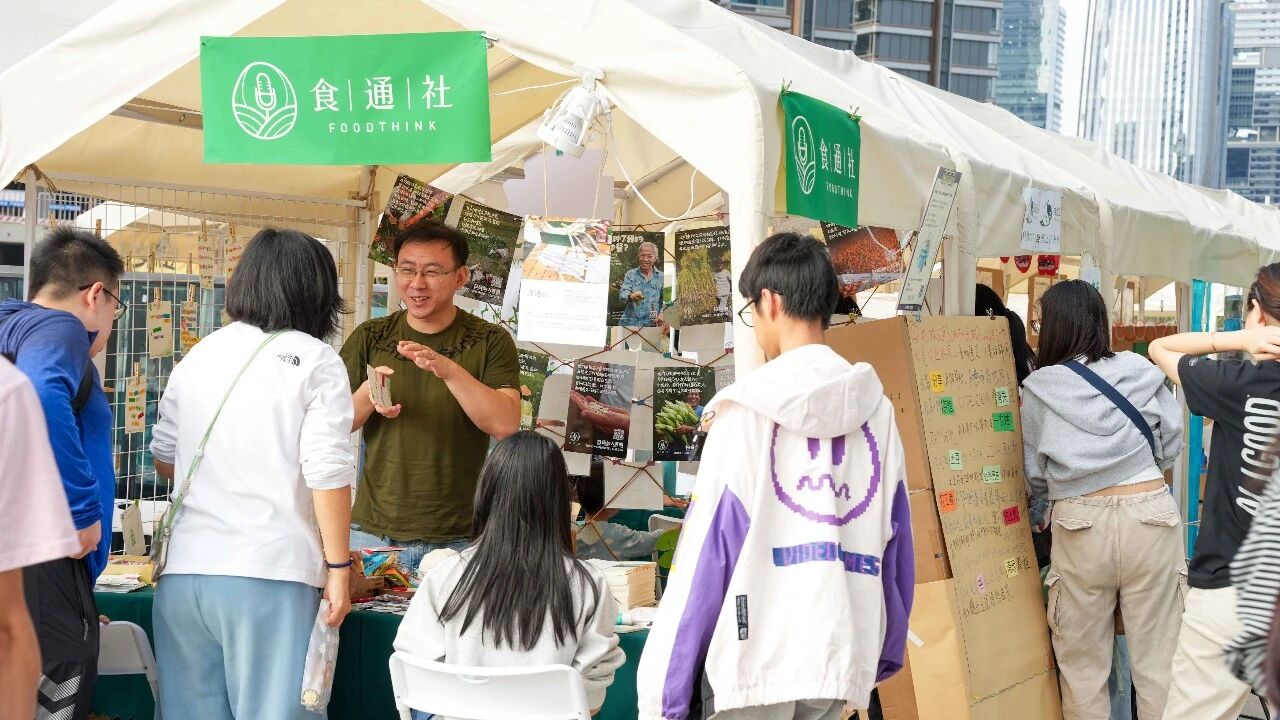
Nearly a hundred participants assembled article titles and Cantonese dishes into eight climate science fiction novellas; a documentary probes imported meat’s impact on the pastoral regions around Qinghai Lake; a forum examines extreme weather’s cascading changes to agriculture and the dining table.