
Milk travelled the world on Dutch merchant ships, came to the table in Shanghai, and over more than a century was shaped by advertising, scientific discourse and nationalism into a drink for strengthening the nation and the race; after the melamine incident, Chinese people with lactose intolerance still put it on their everyday table.
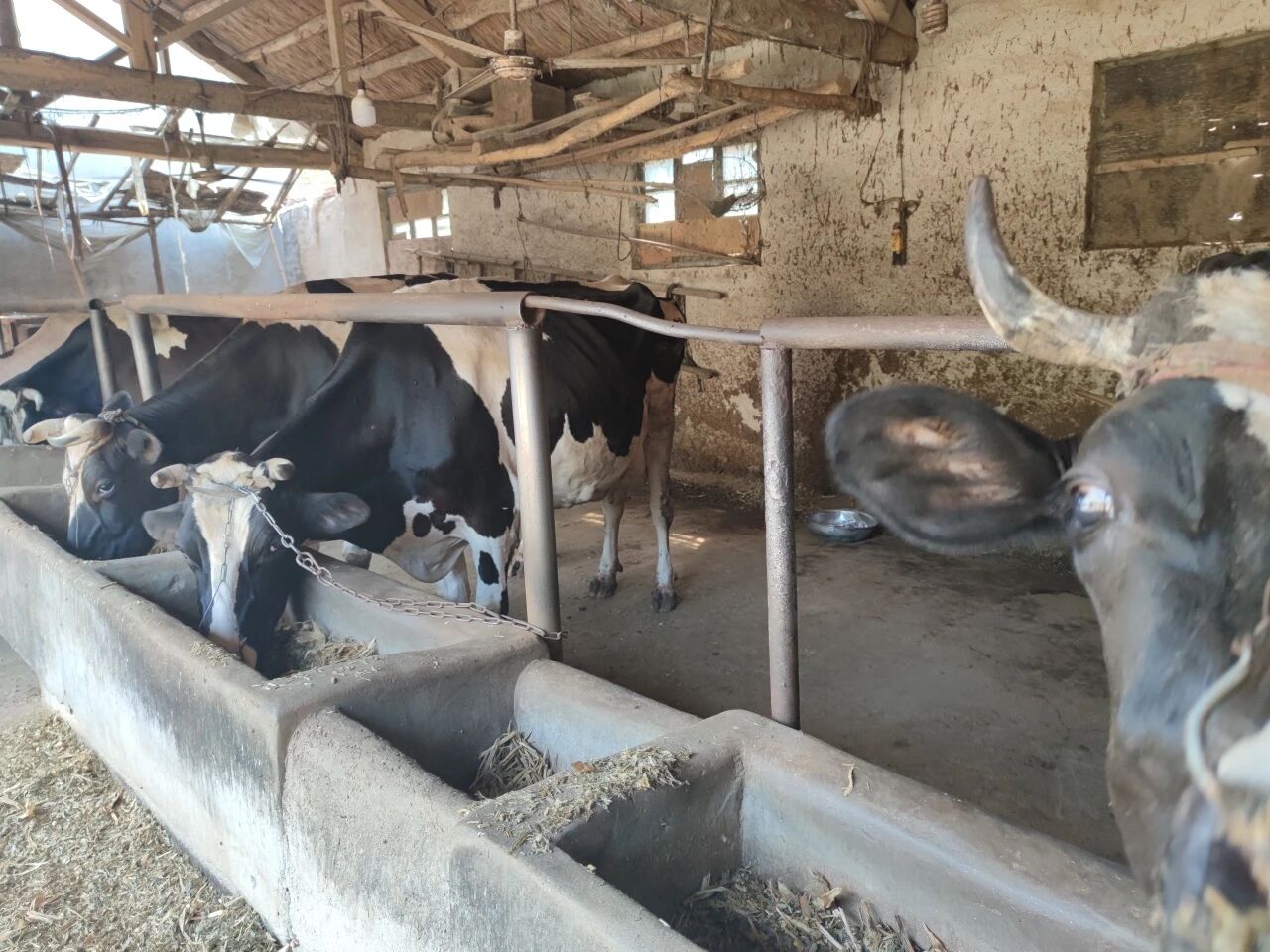
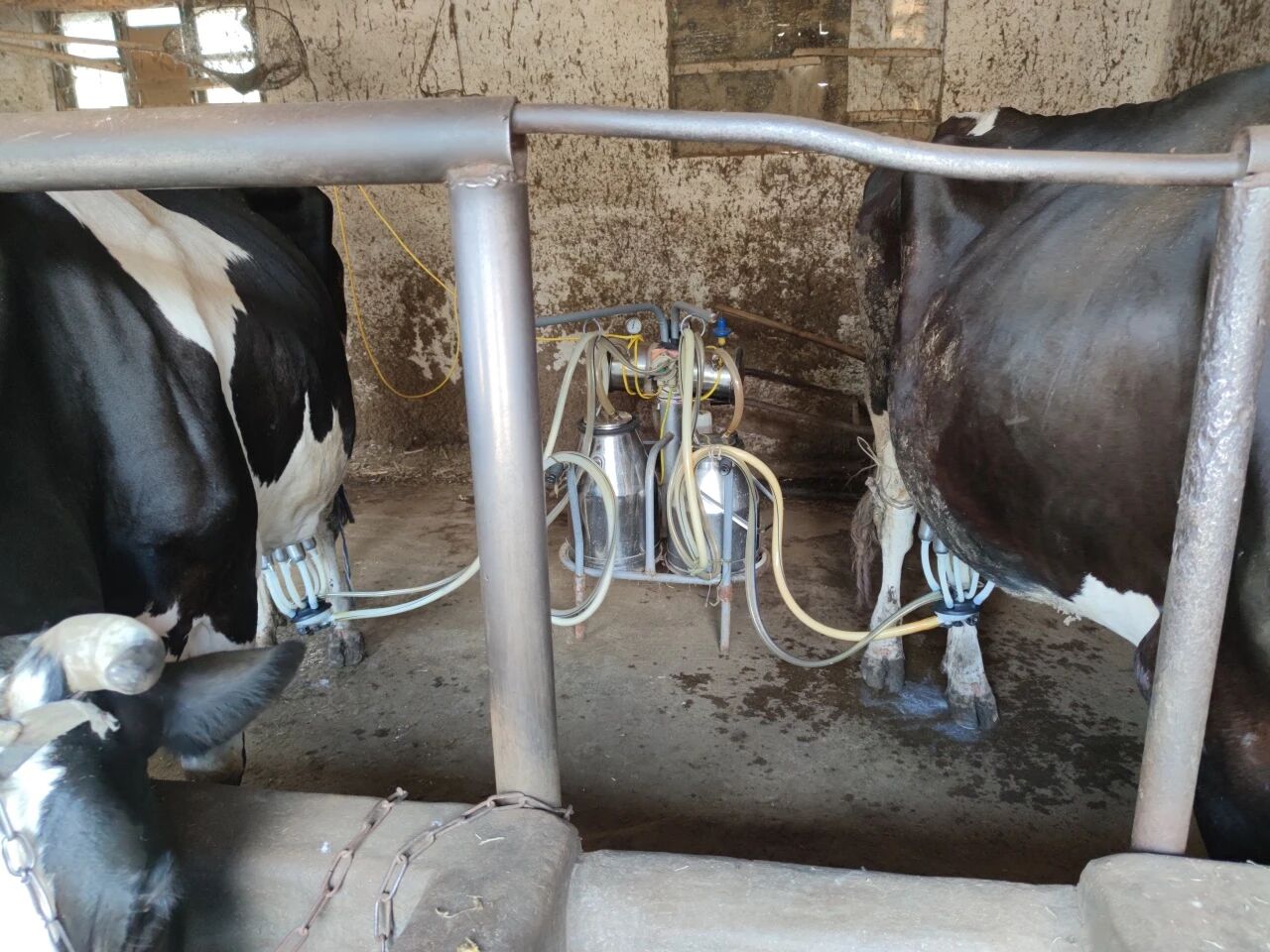
After surveying a major dairy cow farming county in Shandong, Feng Xiaojun’s team at China Agricultural University believes smallholder family dairy farms should be supported as a priority, and that the disadvantaged position of small dairy farmers can be changed by regulating dairy companies’ purchasing and supporting dairy farmers to jointly establish processing operations.
Large dairy farms have more advanced equipment and technology yet do not guarantee safer raw milk production, distribution and processing; milk from smallholder dairy farms has slightly lower protein and milk fat, but meets the national standard, and Chinese residents’ protein intake is already adequate.
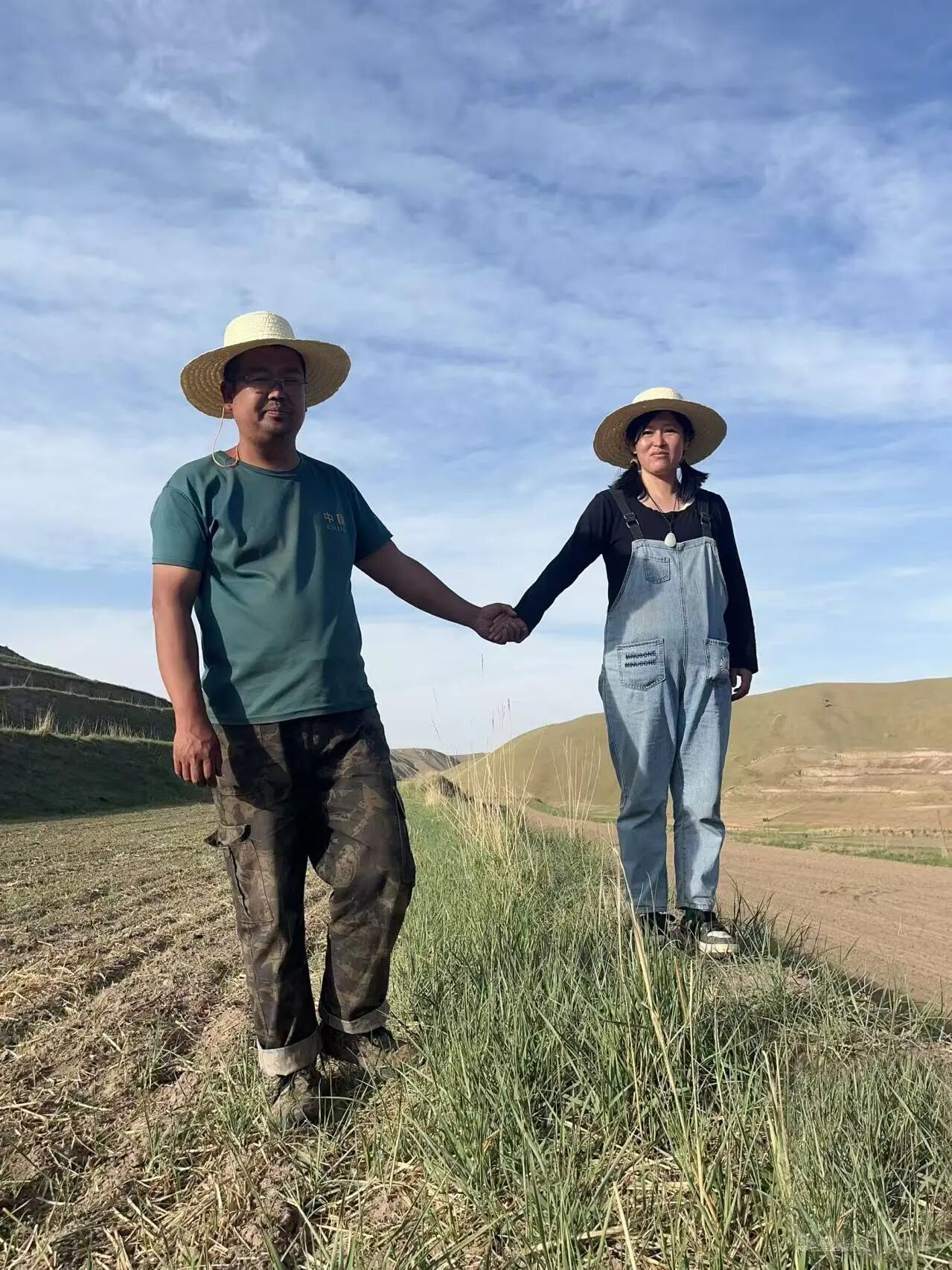
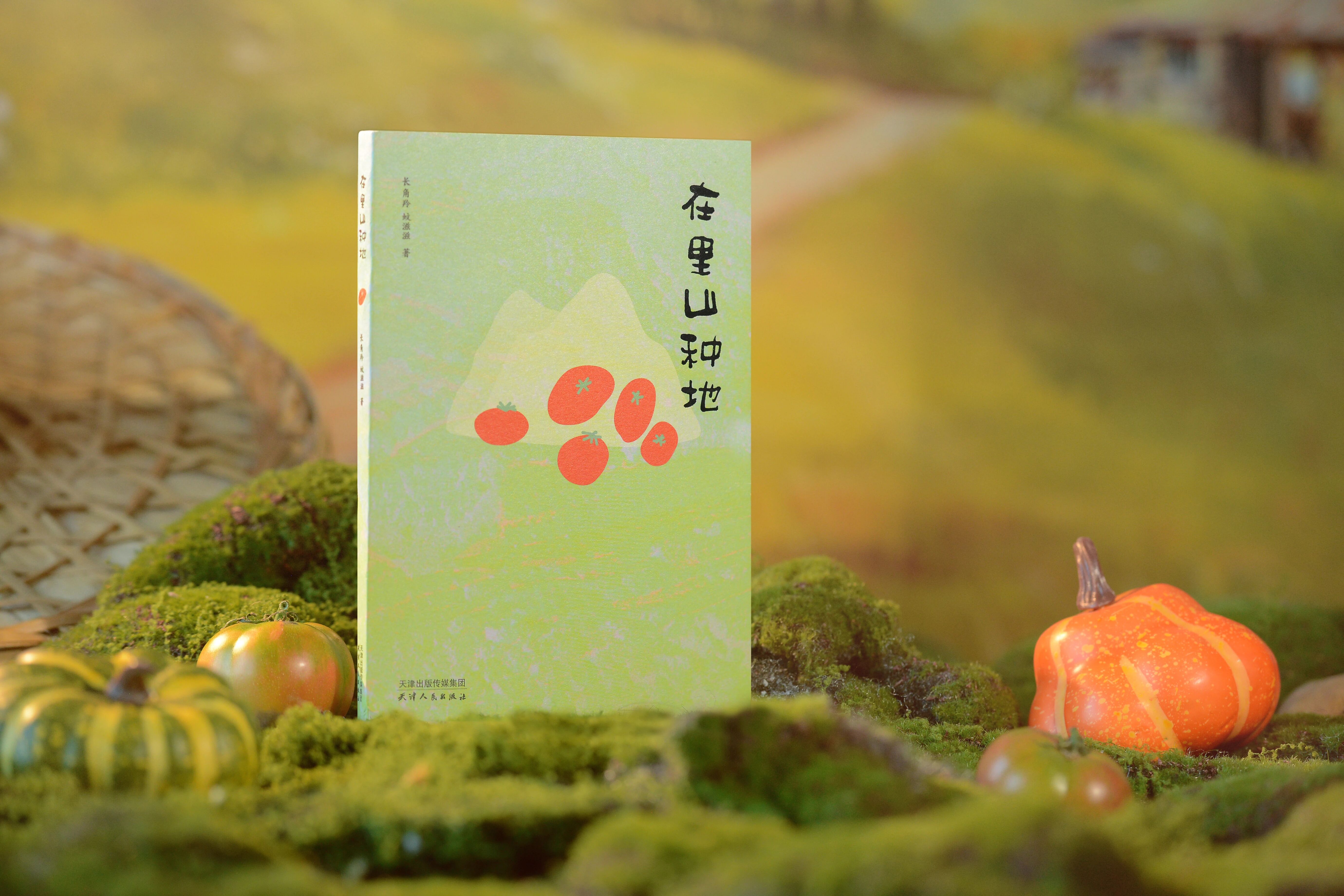
Hua Hua, whose real name is Yin Fahua, has taken over a village collective noodle factory in Gansu with his wife Shitou. He buys sandland Hongguangtou wheat and grows chickpeas in Tianzhu, maintaining ecological farming amid rainfall, weeds and purchase prices.
Two bundles of Chinese leeks casually bought at the open-air market began Uncle Li’s twenty-plus years of continuous seed saving, selection and breeding, yielding longer, whiter white parts and leeks more resistant to suburban Beijing’s downpours and floods.
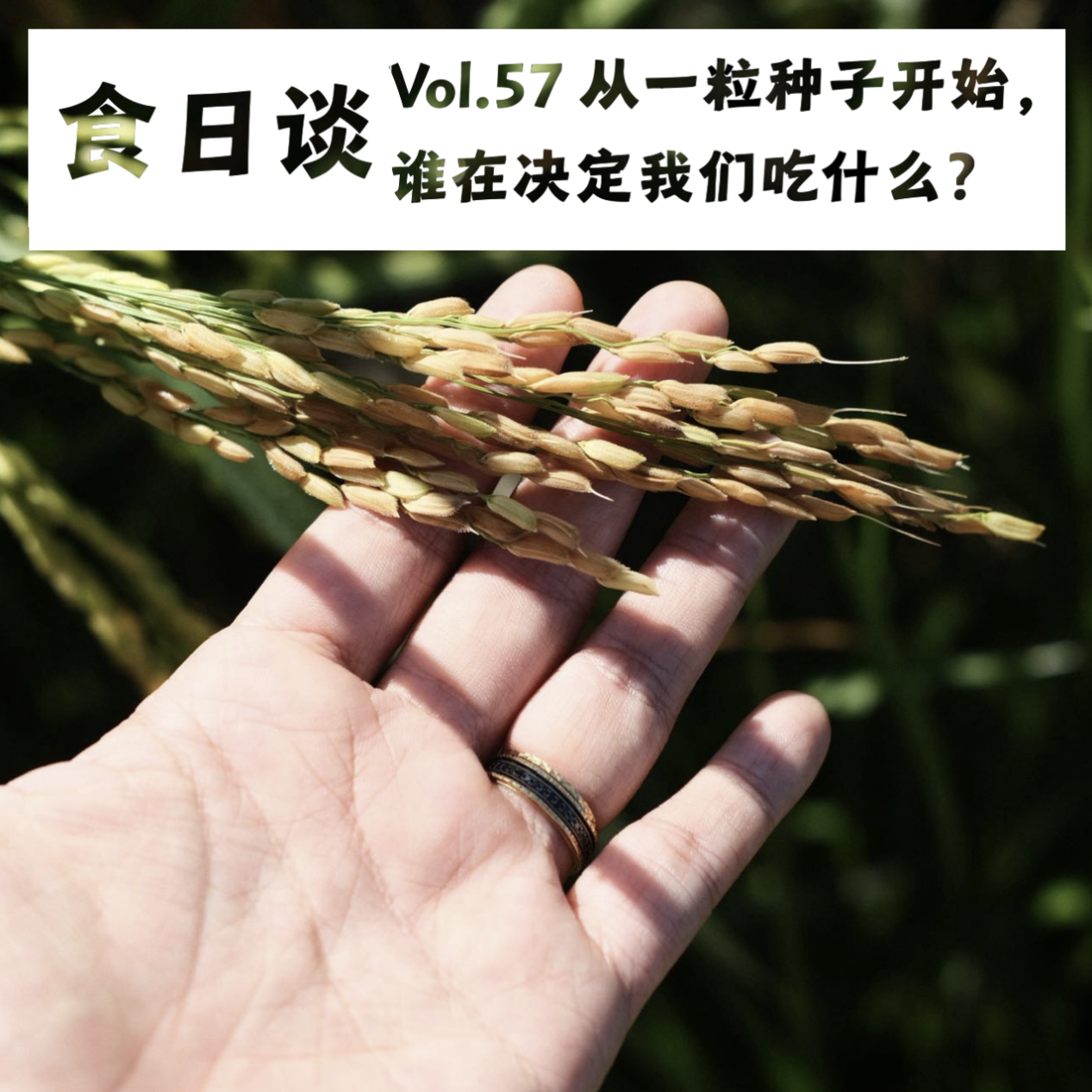
An ecological farmer from Yangdong Village, Qiandongnan, the owner of Wocuiyuan Family Farm in Baoding, and the Farmer Seed Network’s Eastern Office head discuss vanishing old varieties, seed saving difficulties, and the Philippines’ “Golden Rice” lawsuit, asking who decides what we grow and eat.
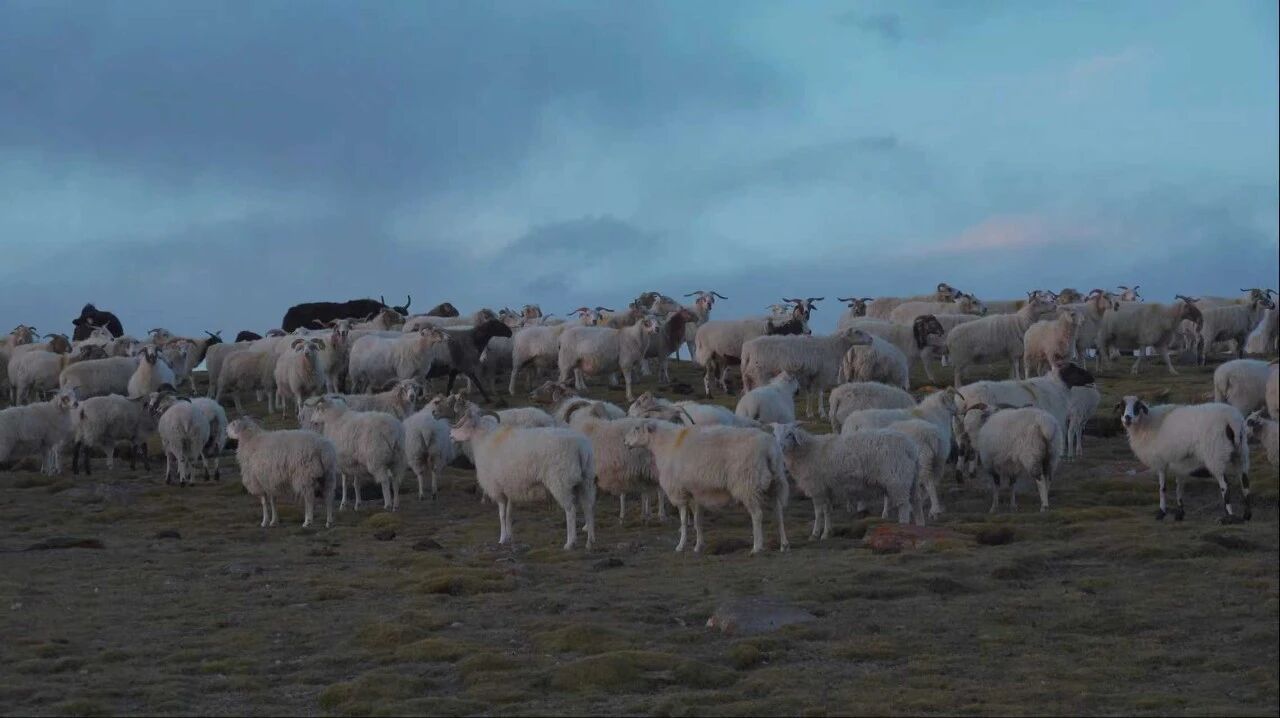
On the summer pasture by Qinghai Lake and the live-sheep trading route, Tibetan herders including Danzeng Zongzhi face the rebound in Tibetan sheep prices and the impact of imported meat: some borrow to keep herding going, while others go to Gonghe County to make a living as food-delivery drivers.
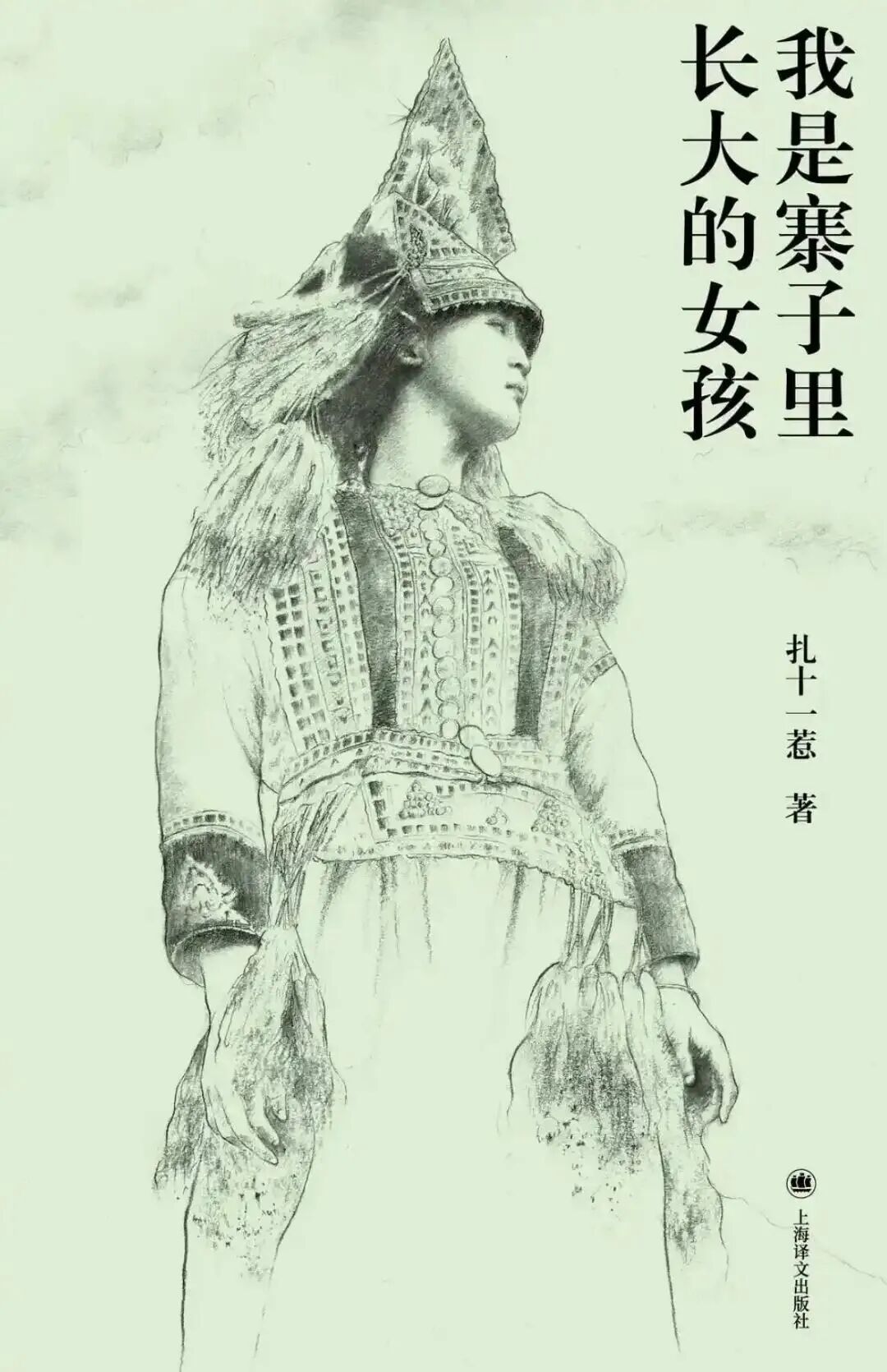
Zha Shiyi Re, a Yi girl from Shiping, Yunnan, grew up amid rice paddies, hail and flue-cured tobacco; between a mountain-village child and the natural world lay only a single eardrum.
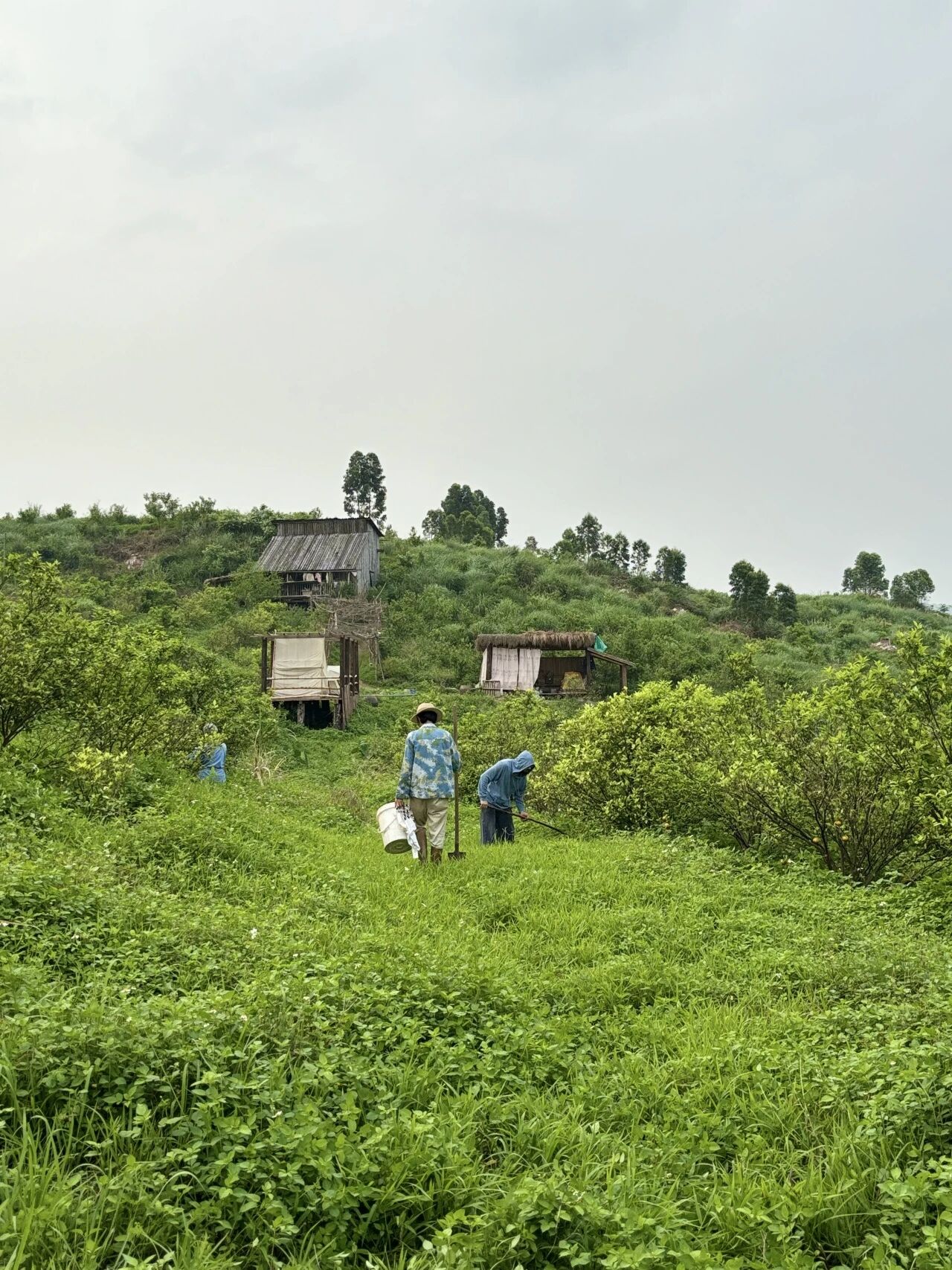
At more than ten ecological farms visited by Foodthink, weeds are not just cleared away. They are clues to the land’s condition, take part in ecological restoration, and distinguish one farm’s practice from another.
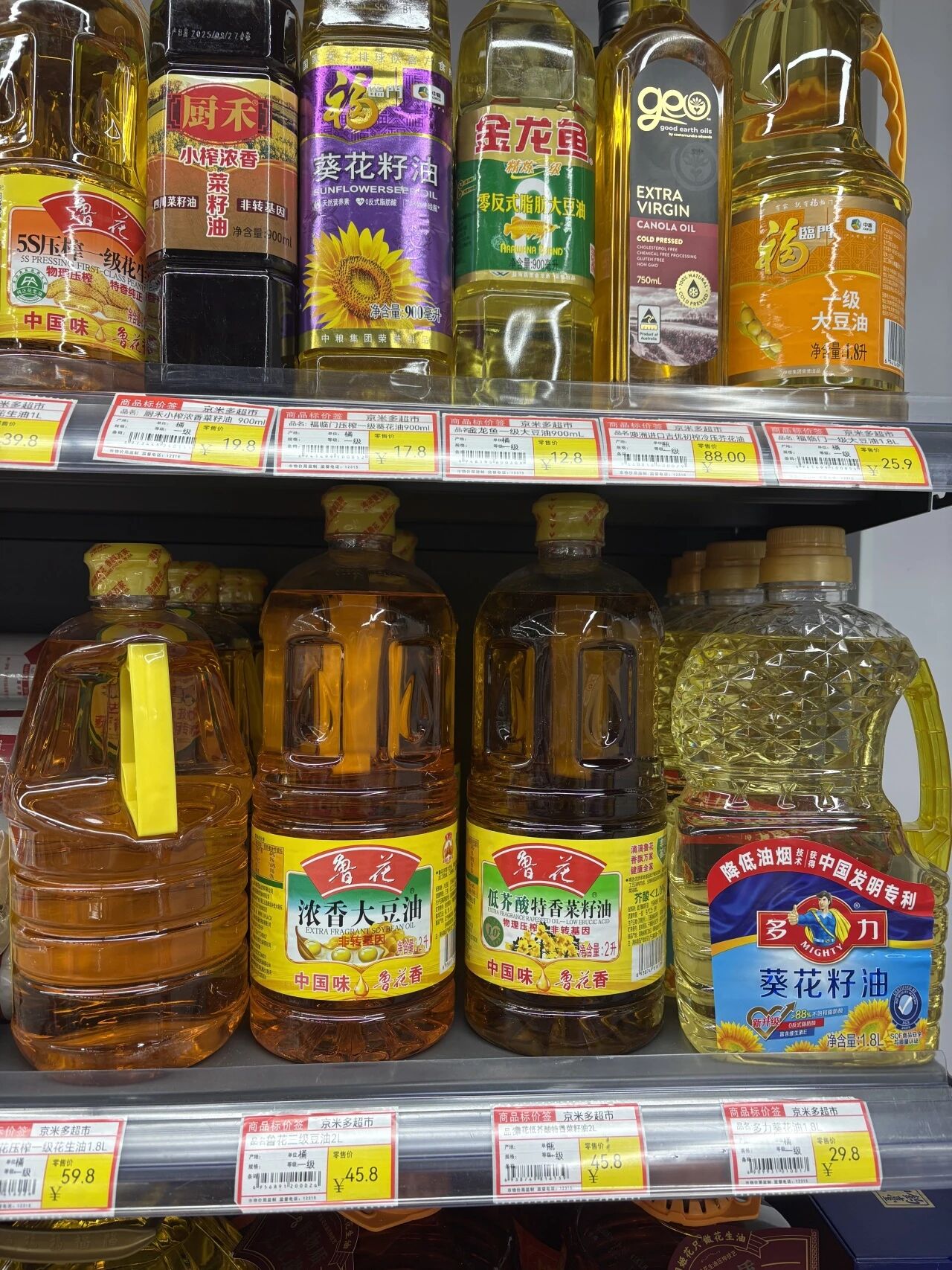
After oils are extracted with n-hexane and treated twice at high temperatures, refined vegetable oils in supermarkets may have solvent residues and trans fats. A farmer who grows rapeseed and peanuts therefore does not stir-fry and uses walnut oil, nuts and peanuts as substitutes.