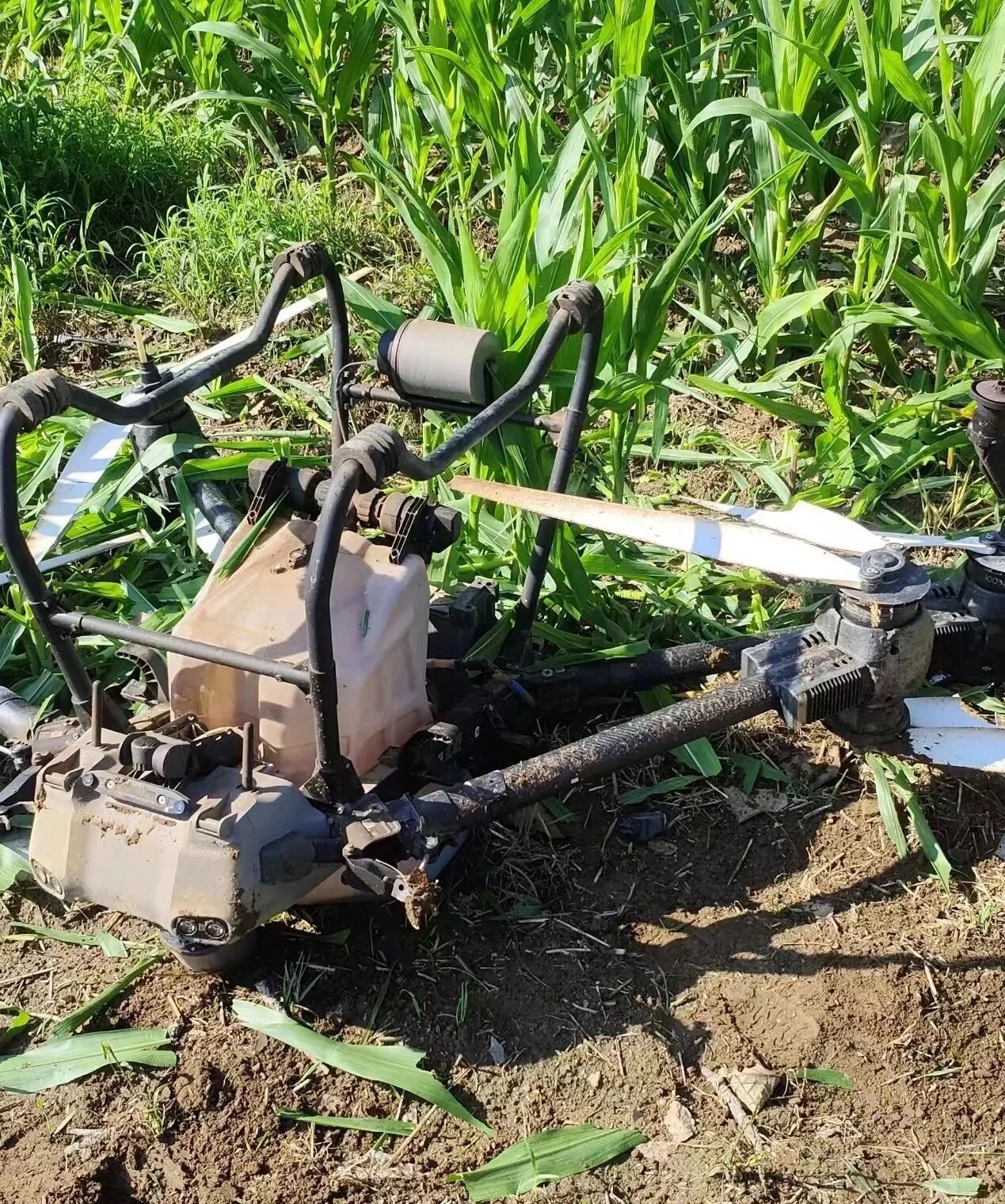
A northeast drone pilot lost fees in a power-line crash; XAG’s P80 returns dispute led large-scale grain farmer Zhao Mingliang to choose DJI. Agricultural shops and short-video streamers pitch repeated fertilising as scientific farming, but falling grain prices mean higher yields may not raise income.
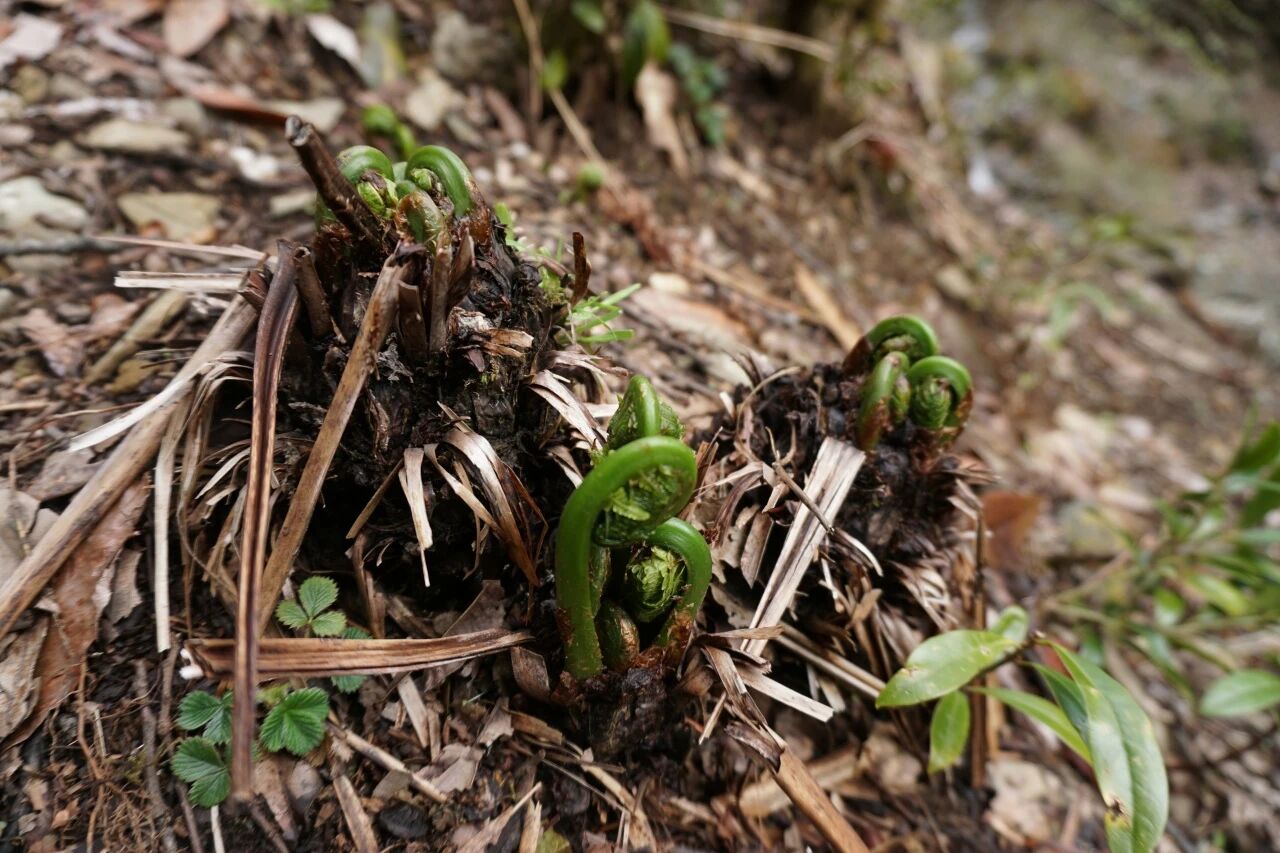
Botanist Mr Shen asks a question in Shangri-La’s spring. Li Yun, a young woman from Tacheng in Weixi, picks broom blossoms and shepherd’s purse, also buys bamboo-leaf greens, and prepares a table of omelettes, dumplings and ham soup.
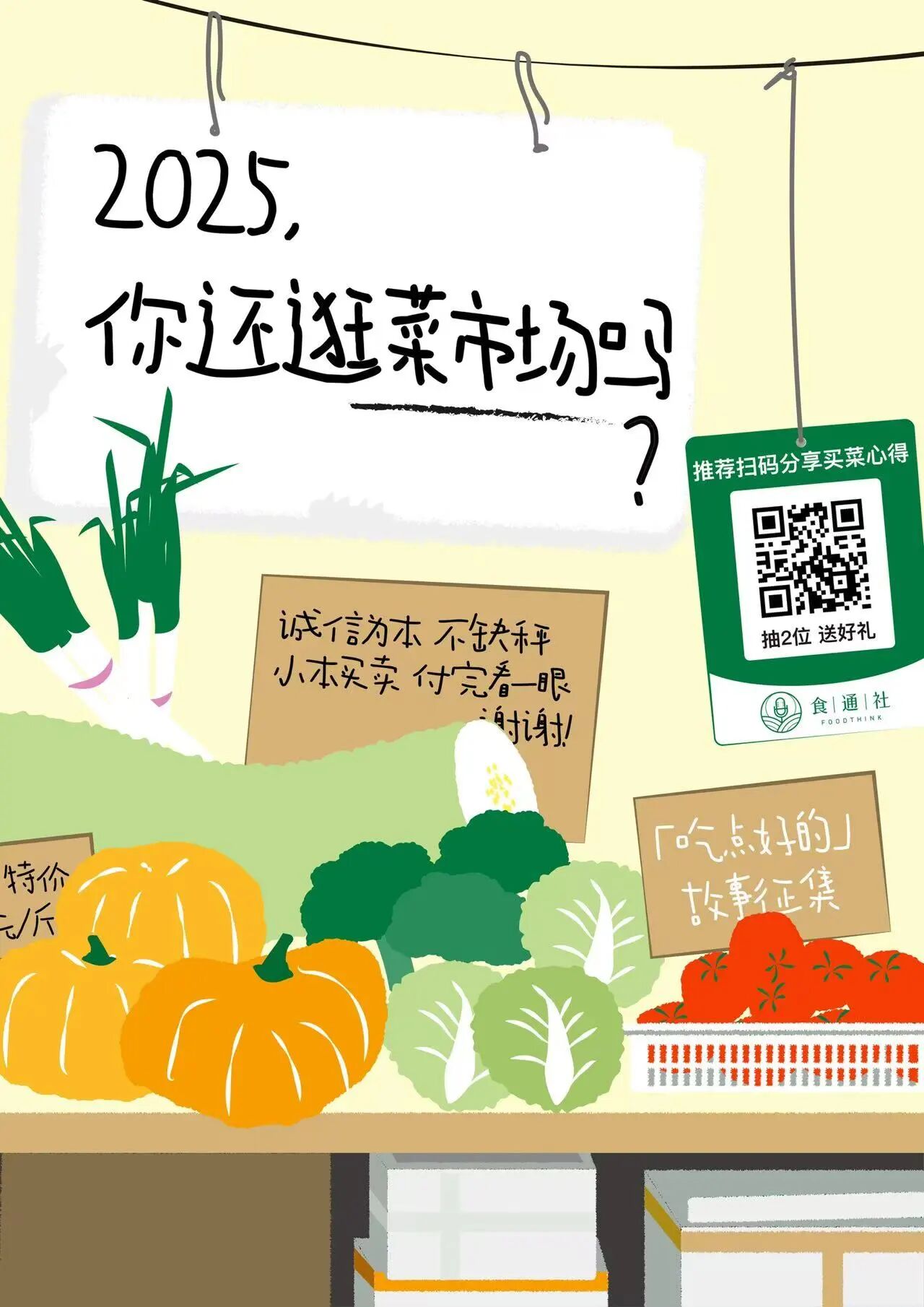
Beyond supermarkets and fresh-food e-commerce platforms, grocery shoppers in Beijing, Tokyo, Guangzhou, Chiang Mai and elsewhere see wet markets as still tied to local human touch and livelihoods through memories of stalls, know-how for choosing vegetables, and trade with acquaintances.
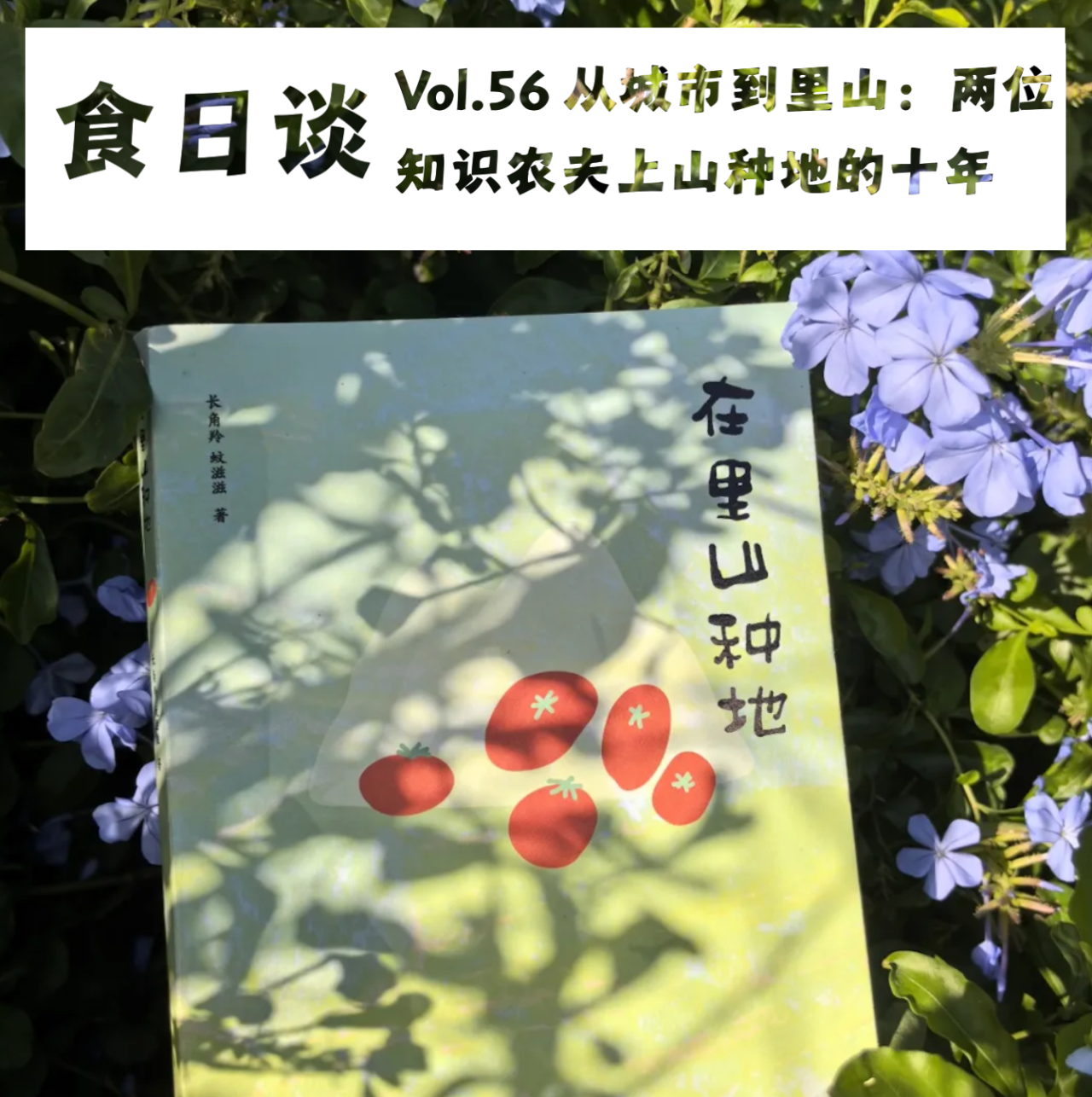
Wen Zizi and Chang Jiaoling have created Gaia Worth Garden on 30 mu of land in the foothills of the Beijing suburbs, growing vegetables, raising chickens, providing nature education, and sharing their planting experience amid climate fluctuations.
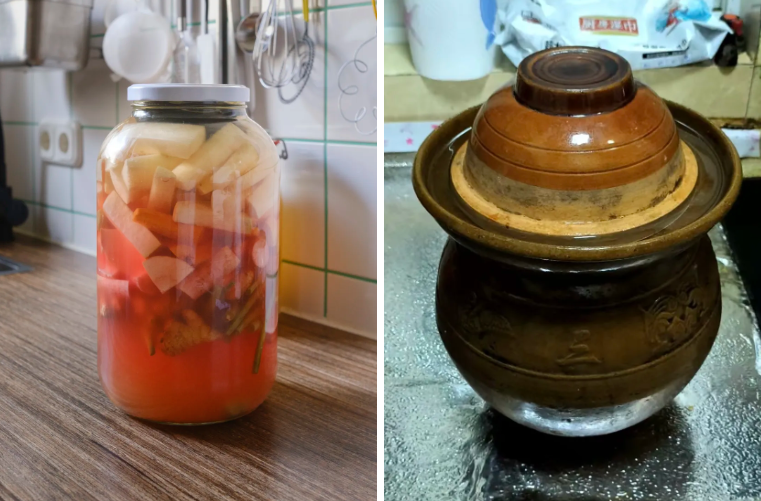
Changsha-born designer Xu Xijing tends pickles, makes bread and cultivates kombucha in a Berlin kitchen; she also borrows a ladle of jar water from Hunan and the yeast shared by friends, and feels seasons and regions again in the cycles of microbial communities.
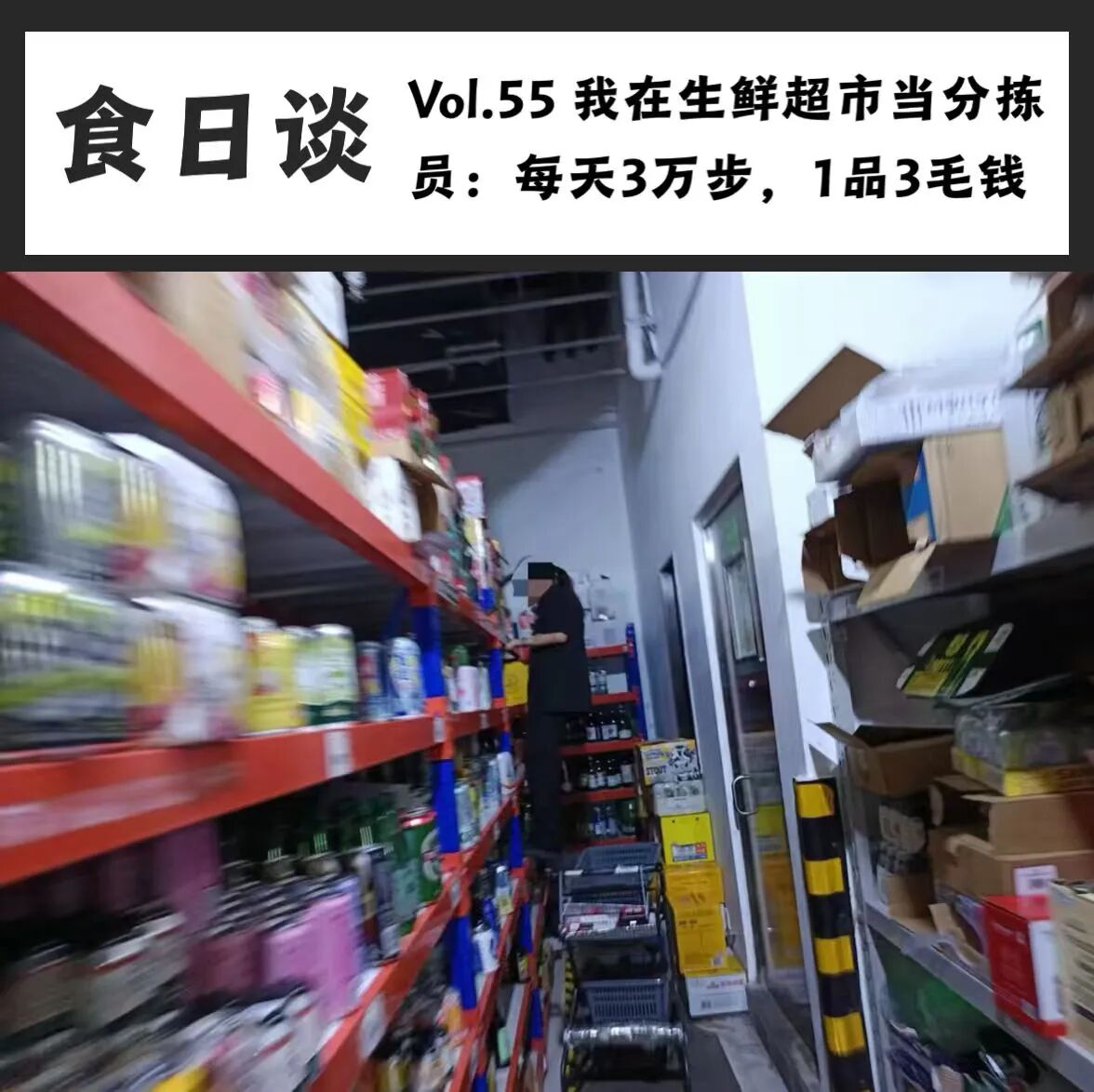
Behind 30-minute delivery, former JD 7Fresh picker He Siqi worked 31 days. He ran 30,000 steps daily, earned just 30 paise per item, had nine minutes per order, faced scolding and fines when late, and sometimes paid his own delivery fee for a supplementary delivery.
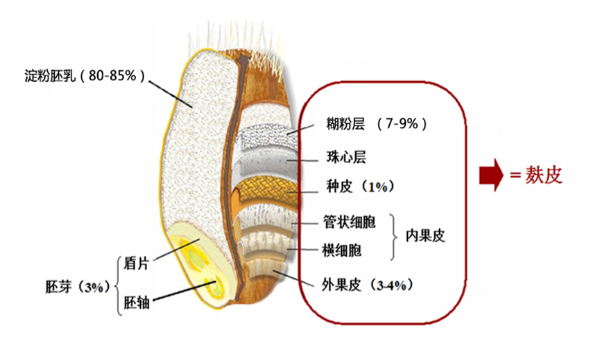
Today’s rice and flour often undergo deep industrial processing, stripped of germ and bran before bleaching agents, preservatives and other additives are added, becoming ultra-processed foods; those who want to eat knowingly can try home milling, sourdough fermentation or simple-ingredient original grains they can name.
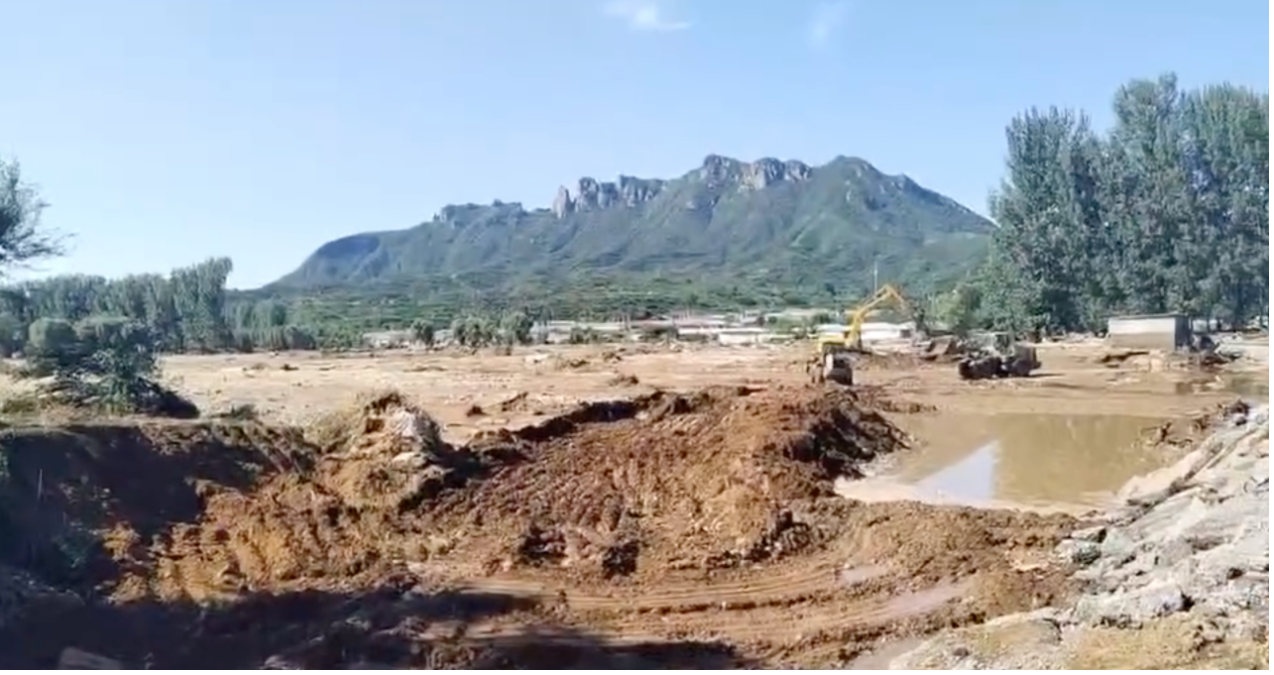
After flash floods left Sohu Farm in Miyun in ruins, Zhen Rui abandoned recultivating the original site, borrowed neighbouring land to replant sweet corn, and pressed the farmers’ climate-adaptation question as funding, insurance and land planning remain unsettled.
About 400 million Atlantic salmon are held in farming net pens along Norway’s coast, outnumbering the world’s wild population. Migration success has fallen from half to 3 per cent, and sea lice and escaped fish are making wild populations more vulnerable.
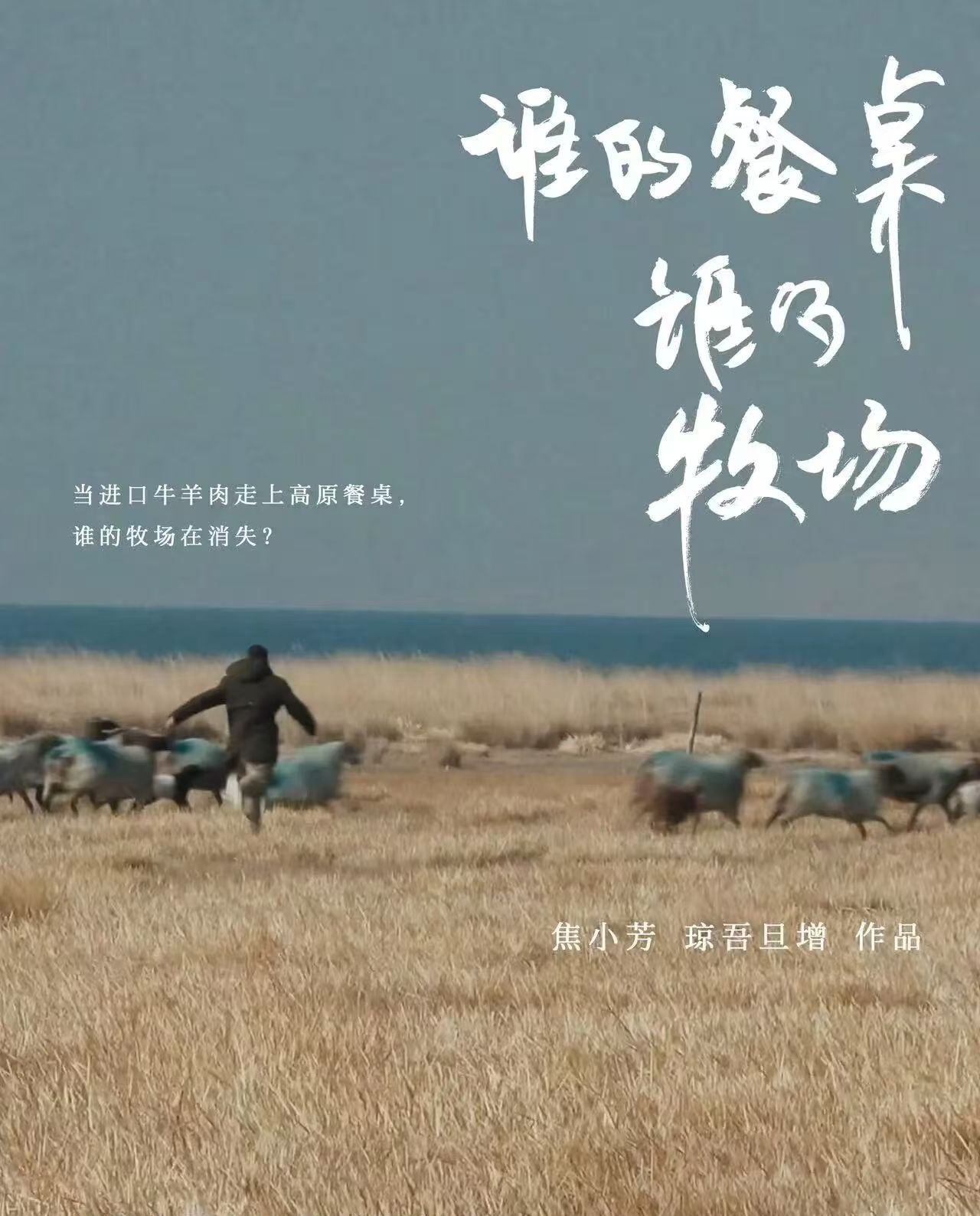
This year’s World Nomadic Film Festival was held in Jagdaqi in the Greater Khingan Mountains, and young directors from Qinghai, Inner Mongolia and elsewhere use films to show how fences, imported beef and mutton, and urban-rural movement affect herders’ livestock, livelihoods and identity.