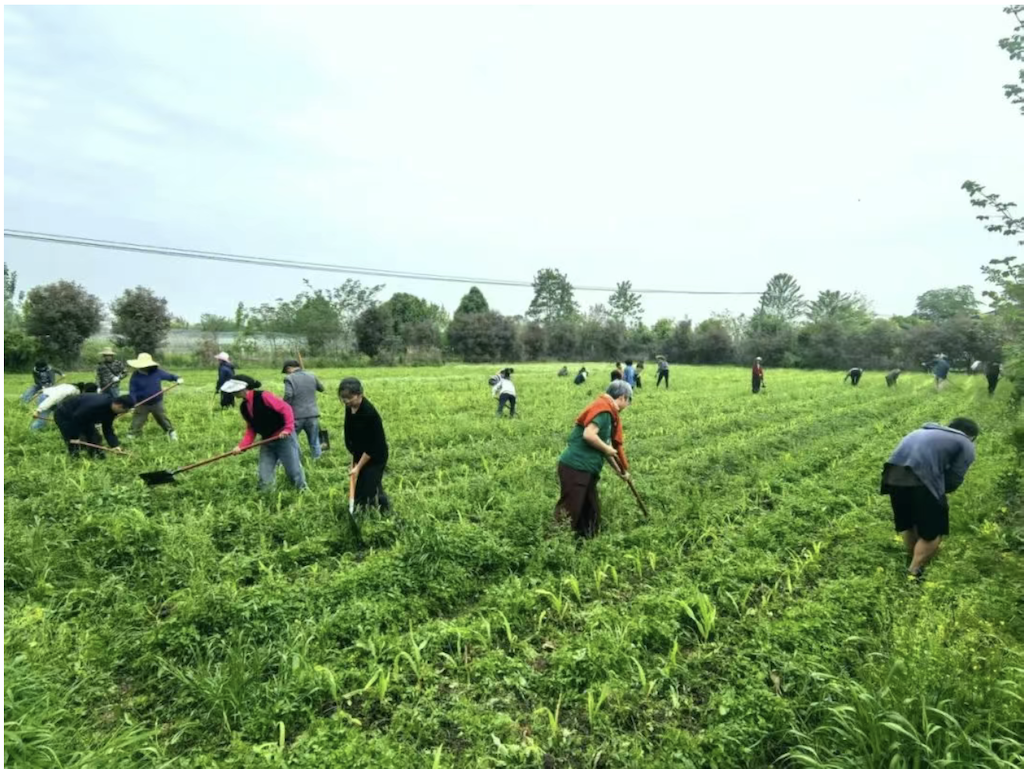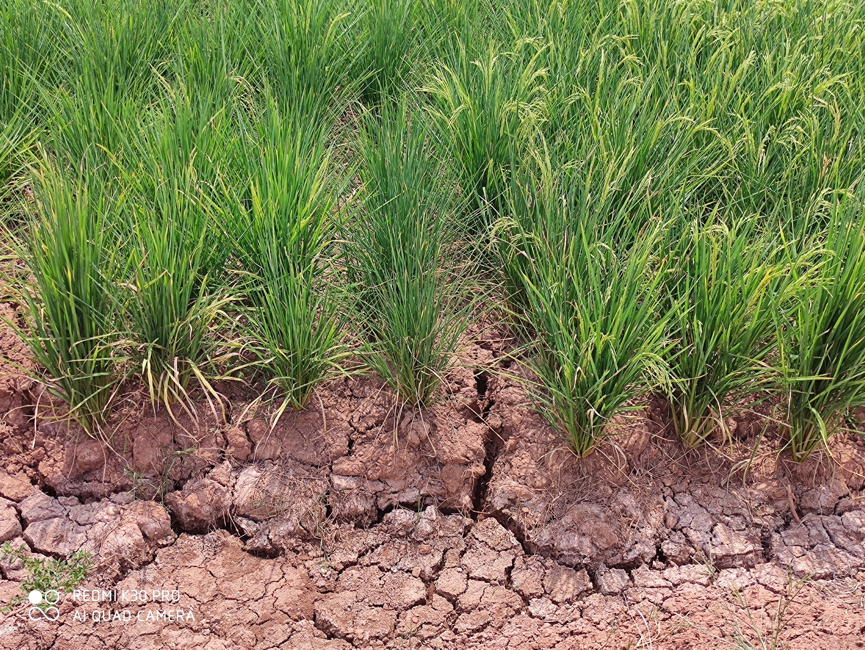
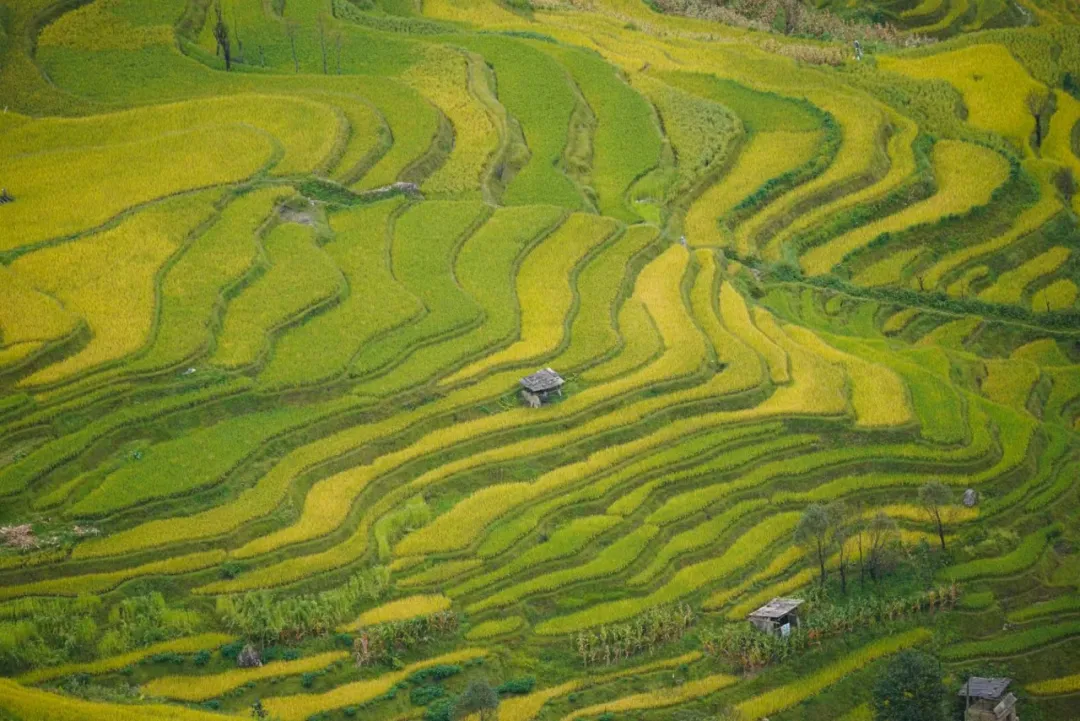
Farmers from Panzhihua, Sichuan; Wuhu, Anhui; and Fuyuan, Heilongjiang visited Sili’s project sites in Kunming, Pu’er and Honghe, Yunnan, examining whether water-saving rice methods, including ridged furrow irrigation and upland rice direct seeding, can save water and grow good rice in drought-stricken villages and terraces.

Typhoon “Kajasa” made landfall on the coast of western Guangdong, and Golden Pomfret, citrus, bananas, sugarcane and mud crabs that farmers planned to sell during Mid-Autumn Festival and National Day suffered extensive losses, while seawater inundation may salinise coastal farmland.
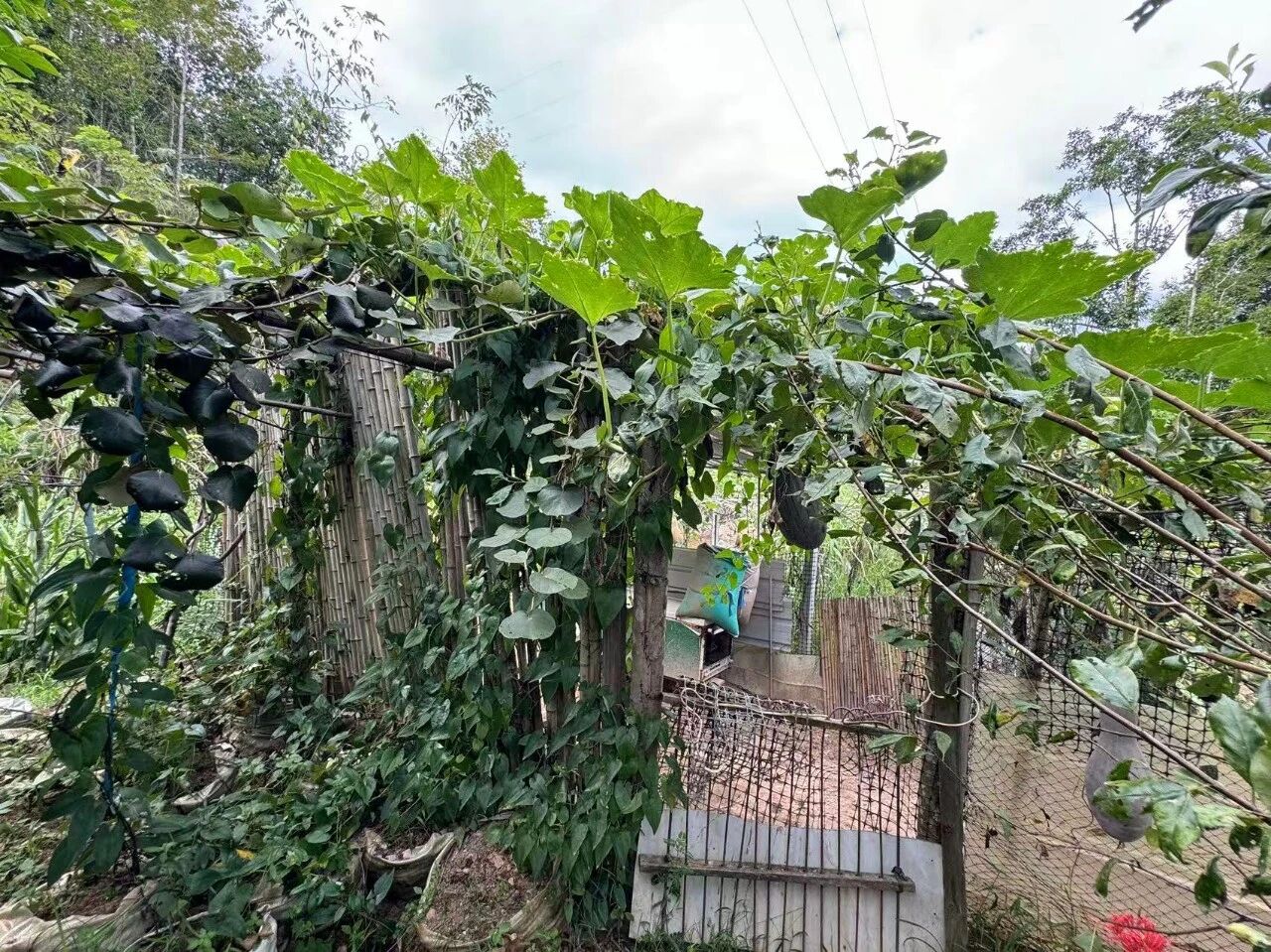
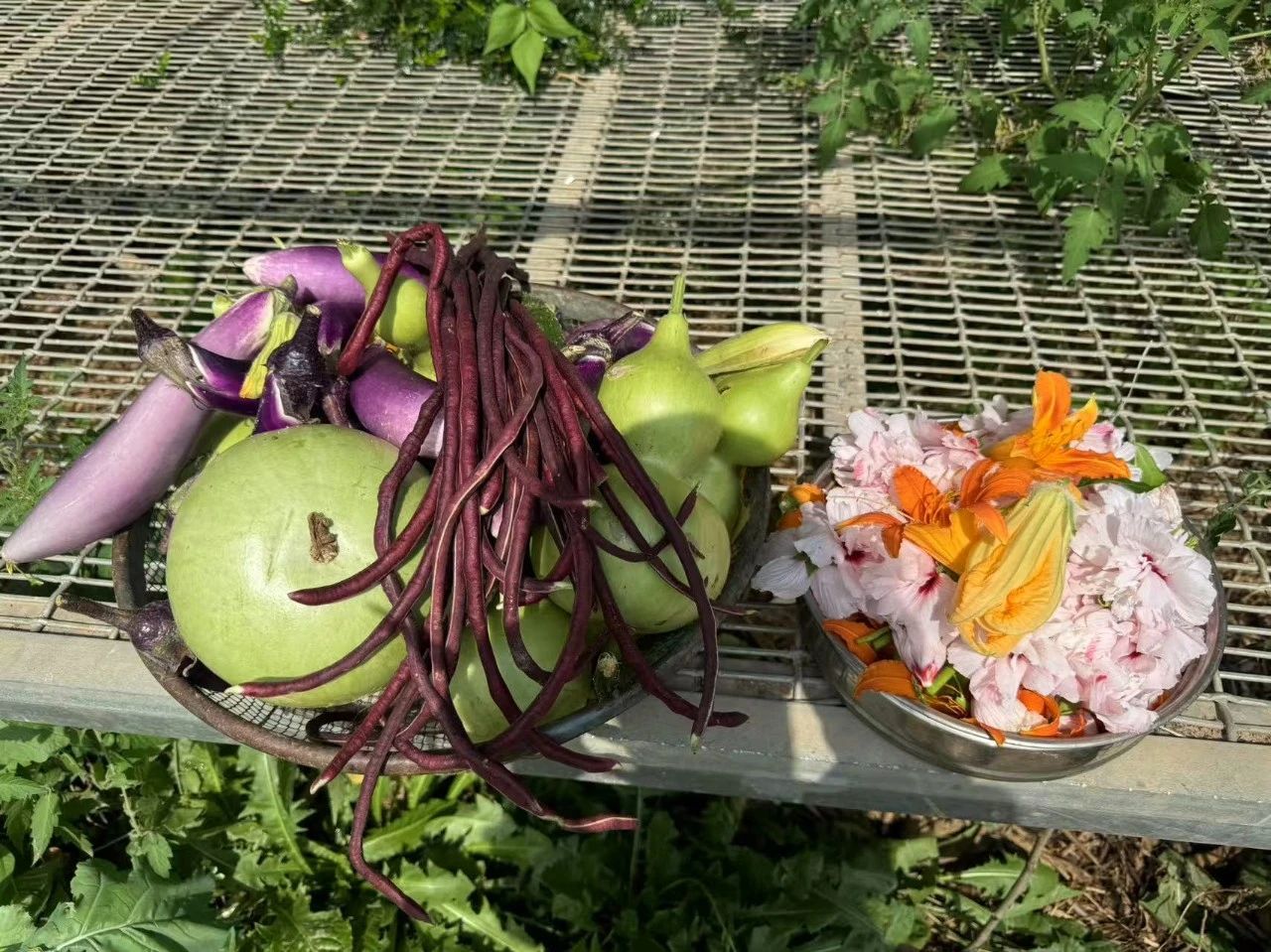
Kouzi layers bayberries, hibiscus, aquatic plants and tuber crops in Villain Valley and pursues self-sufficiency through low-maintenance lazy farming. She also makes jam and juice from the harvest and raises a group of symbiotic ducks.
Liu Yurong, a farmer from Wangjinzhuang, She County, Hebei, saves, trials and revives dozens of old bean varieties on the dryland terraces in the Taihang Mountains, keeping local varieties alive in food and local customs.
After growing beans and running, and experiencing her parents’ final days in the ICU, Grandma Kouzi sees signing a living will to waive cardiopulmonary resuscitation and the use of a ventilator as a way to fight for a natural death.
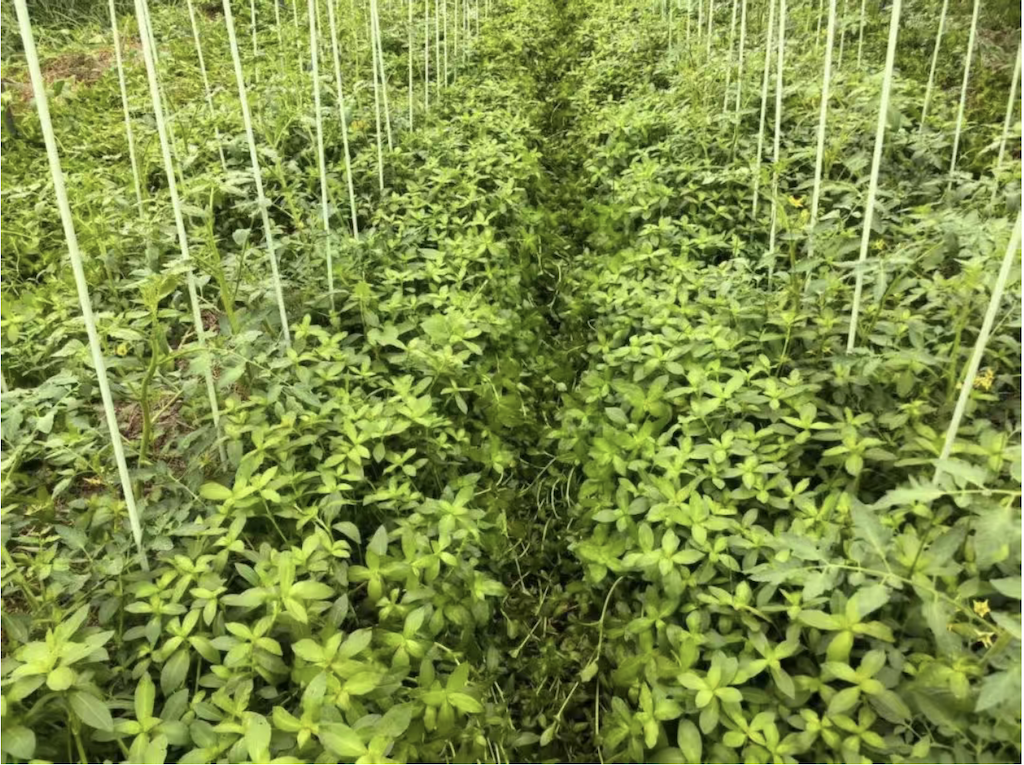
Zhang Zhiwei works on the mixed agroforestry farm of Louis, a farm owner in the state of Paraná, where bananas, cocoa, turmeric and taro form a farmable forest.
From a private school in the city to Zhaixia Village, Longyan, Fujian Province, a couple born in the 1990s are learning to grow passion fruit and peanuts in terraces surrounded by pesticides, adjusting Natural Farming, and opening a micro-shop to sell ecological products.
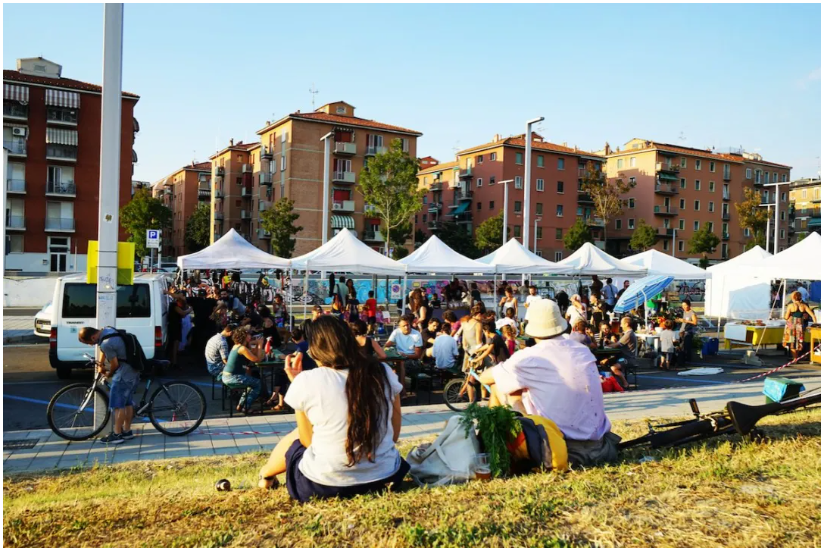
A commons in the suburbs of Florence, a student-initiated farmers’ market and an independent certification network extend agroecology from farmland into cities, bringing residents, farmers and consumers together to advance ecological restoration and food sovereignty.
In Pu’er, Yunnan, South American production cuts have kept green bean prices rising for a year, but erratic rainfall and extreme weather still threaten yields. Some coffee farmers are deep-processing beans, planting green manure and shade trees to adapt to climate and seek steadier prices.
In some villages in Sichuan, farmers and the public-interest organisation Home Action are trialling low-input, low-pesticide methods that retain local heirloom varieties, helping families eat healthily first and keeping seeds for the community to cope with heat and drought.