
In the Fields: From Unease and Guilt to a Clear Conscience | Grandma Kouzi
I. A Thousand Ideas Are Worth Less Than a Single Act
Gao Tian had no pay whatsoever, had lugged all his own equipment out into the bitter cold of the Northeast, so the least I could do was make sure breakfast was good. Steamed buns, fried cakes, tea eggs, soya milk, youtiao, millet porridge – a generous pile of cheap and wholesome food. Gao Tian sorted through the plastic bags and disposable cutlery and started doing arithmetic: “Our one meal just produced twelve pieces of plastic waste.”
I care about how environmental change affects the Earth and human survival. I pay attention to desertification, sandstorms, the living conditions of penguins, and even the more niche issue of the environmental impact of hydropower projects on the Jinsha River – I even made a documentary about it. I considered myself fairly environmentally conscious. But that morning I felt deeply ashamed, deeply sorry, deeply embarrassed – not towards Gao Tian, but towards the world, towards the Earth.
Everyone knows in theory that we should be eco-friendly, but clothing and food are basic necessities, and drawing from the world is unavoidable. Modern life is highly socialised and commercialised; the further a person’s basic needs are from their source, the longer the supply chain, the heavier the environmental damage. I am grateful to Gao Tian for waking me up on that freezing morning. From then on, “environmental protection” was no longer just an idea or an ideal. I declared war on disposable cutlery and plastic bags, and never went out without my own water bottle, utensils, and shopping bag.
In 2009, in Xiangfan, Hubei, Yun Jianli – the founder of the Green Han River movement – spoke passionately about the harm caused by phosphate detergents and proposed a practical, workable alternative: use soap and soap powder instead of hand soap, laundry powder, and liquid detergent. I put it into practice immediately. Later I stopped using shower gel and shampoo altogether. It reduced my environmental burden, eased the load on my body, left my hair fresh and dandruff-free, and saved money.
In 2018, deep in the Lishan range of Taiwan’s Central Mountain Range, I experienced Abao’s (Li Baolian, who went into the mountains in 1999 to become a fruit farmer and was among Taiwan’s earliest ecologically-minded farmers) stunningly scenic loo – but could not find any toilet paper. When I asked for a paperless solution, she scooped up a handful of water with her hands and asked me: “Is toilet paper even hygienic?” From that moment on, I stopped using toilet paper.
Wherever three people walk together, one is sure to be a teacher. I am grateful to all of them.
II. An Apology for Being Human
Taiwan’s organic agriculture began earlier than most. At that time, organically grown grain covered just 1% of cropland (online data: in 2022, organic farming accounted for 0.8% of China’s total agricultural land, of which 47.5% was grain – i.e. 0.36%), yet in Shengou the proportion exceeded half, with over two hundred organic farmers. The village had shared spaces – a farmers’ canteen, Meihong Kitchen, the Small Book-and-Veg Shop – where you could find the finest produce in all of Taiwan. Many farmers practised half-farming, half-X: for some, “X” was an urban job or remote work; for most, it was food- and farming-related craftwork or processing. They grew almost everything and made almost everything, renowned across Taiwan as much for their generosity of price as their quality. Among the village farmers there were also many opportunities for barter. As a rice farmer, village brewmaster, and food-course teacher, my fine wines and dishes were in great demand, and I could trade them for all manner of wonderful things. The highest quality of daily life was effortlessly achievable within the shortest possible carbon footprint.
I lived two years of extraordinary luxury in Shengou. Had it not been for the drainage pipe running to the paddy field, those vivid, full-blooded years would have been near-perfect.
Rural Taiwan received water and electricity on the same uniform grid as the cities, but there was no municipal sewage system. In the village, neighbours’ wastewater simply ran into the river. Fields close to the discharge point fetched lower rents.
The farmhouse I rented was some distance from the village main road. A few homesteads were scattered among the fields, and their domestic wastewater flowed directly into the paddy fields. At first I didn’t notice the problem, until a fellow farmer took me out to look at the water running through the paddies.
I was born and raised in the city. In a modern water and drainage system, you never see sewage. I had no idea where my laundry and washing-up water ended up, or what harm it caused. And that day, reality showed me plainly: the water from my drainpipe was a different colour from the paddy water. The rice seedlings near my outlet were visibly yellower and thinner.
I don’t eat meat, and by then I rarely stir-fried, so kitchen grease should have been minimal. I strictly refused single-use cutlery, reused plastic containers, and used no phosphate detergents. Even among the circle of organic farmers in Shengou, few practised to this degree. And yet, even so, the water I discharged was still damaging the paddy field.
I was terribly, terribly, terribly sorry. That regret was not only towards my fellow farmers. To be born a human being is to owe an apology to the land.
III. Resetting My Relationship with the World
Birds eat insects, insects eat grass; when a bird dies and falls to the ground, insects consume it, it rots into the soil and feeds the grass; birds also eat earthworms, and earthworms loosen the soil as they eat it and fertilise the grass with their excrement… All of this is part of the ecosystem. Animals, plants – each is a link in the cycle. But humans are the exception. Grass feeds sheep, sheep dung feeds back into the grass; wolves eat sheep, and other grass-eating animals too; when wolves die, their bodies feed the soil. But humans are the exception. Humans eat everything, dominate the world, take and demand without limit. They have not only driven countless species to extinction, but are devouring the land itself.
The cities humans build grow ever larger, steel and concrete sealing everything beneath them. Urban sprawl swallows the very land that nurtures life, creating what Hong Kong people call the “concrete jungle.” Wherever the footprint of human activity falls, the vitality of the land retreats, step by step.
I planned my dwelling in Wuren Valley carrying the guilt of being human, doing everything possible to reduce the harm to the land. No hardening unless absolutely necessary. Here, “hardening” does not only mean concrete; soil compaction caused by human footfall counts too. Concrete was used only where it was truly, truly necessary. Wuren Valley No. 1 is a house raised on a pig-dung platform, with concrete used only for the stilt feet. Later, Wuren Valley No. 2 achieves all its living functions on just ten square metres of hardened ground.
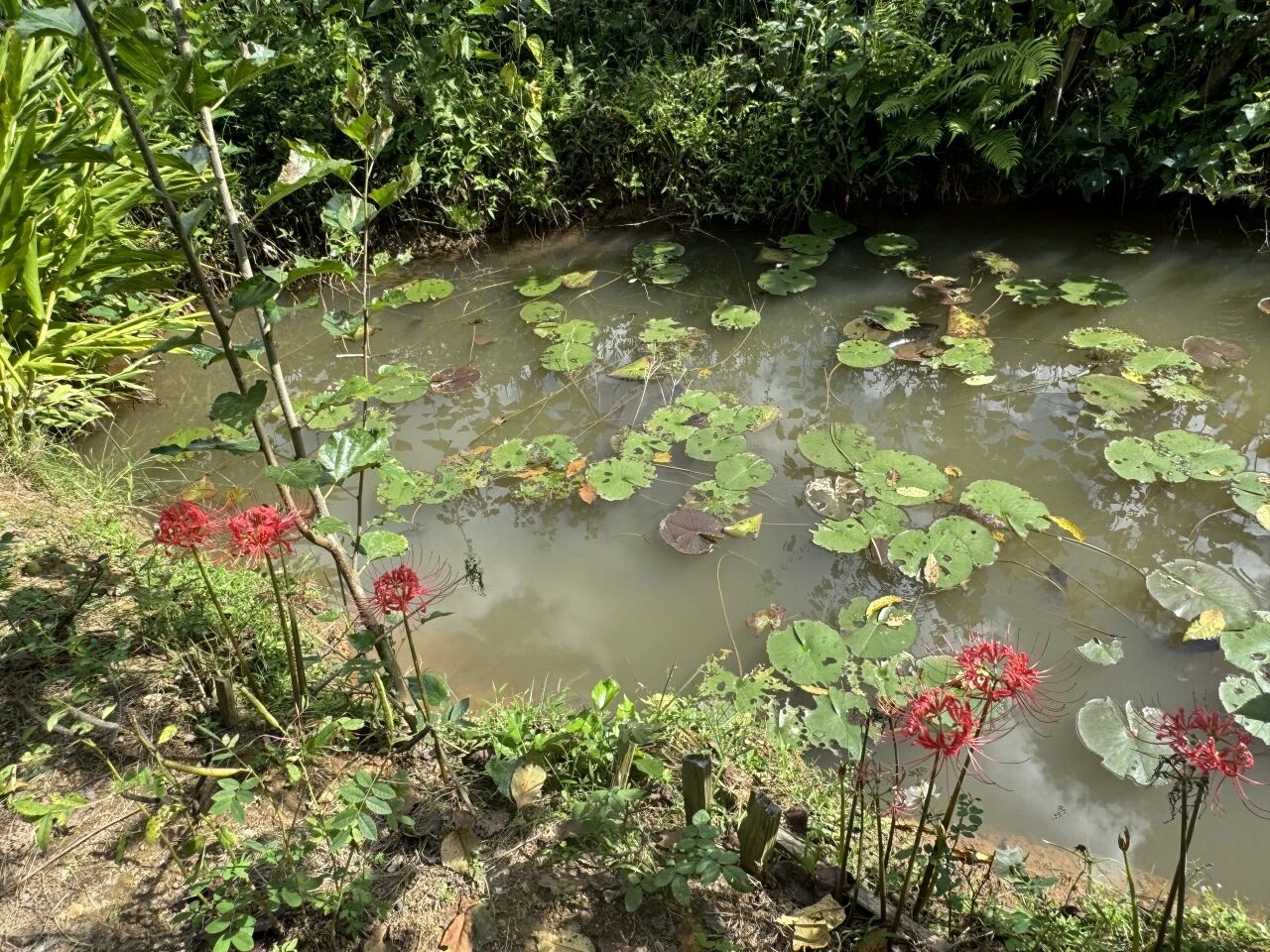
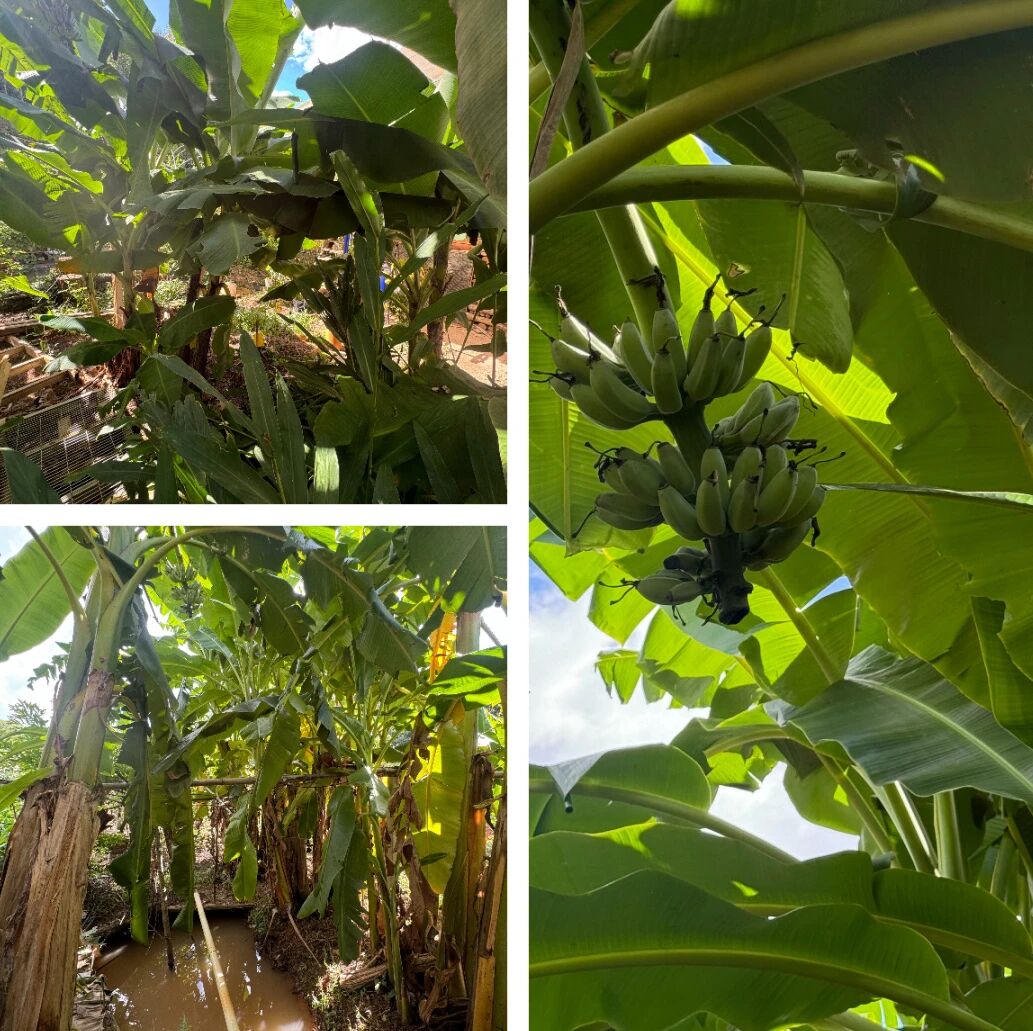
The drainage ditch at the Yilan farmhouse left me with a massive psychological scar. In Wuren Valley, domestic wastewater passes through Banana Circle No. 1, then Banana Circle No. 2, before reaching the water lily pond, and is then released into the vegetable garden as irrigation water. A young neighbour gave me a bucket of red carp fry. I was nervous, worried I might kill them. Several years on, the fish are thriving in the water lily pond, and there are new little fish too.
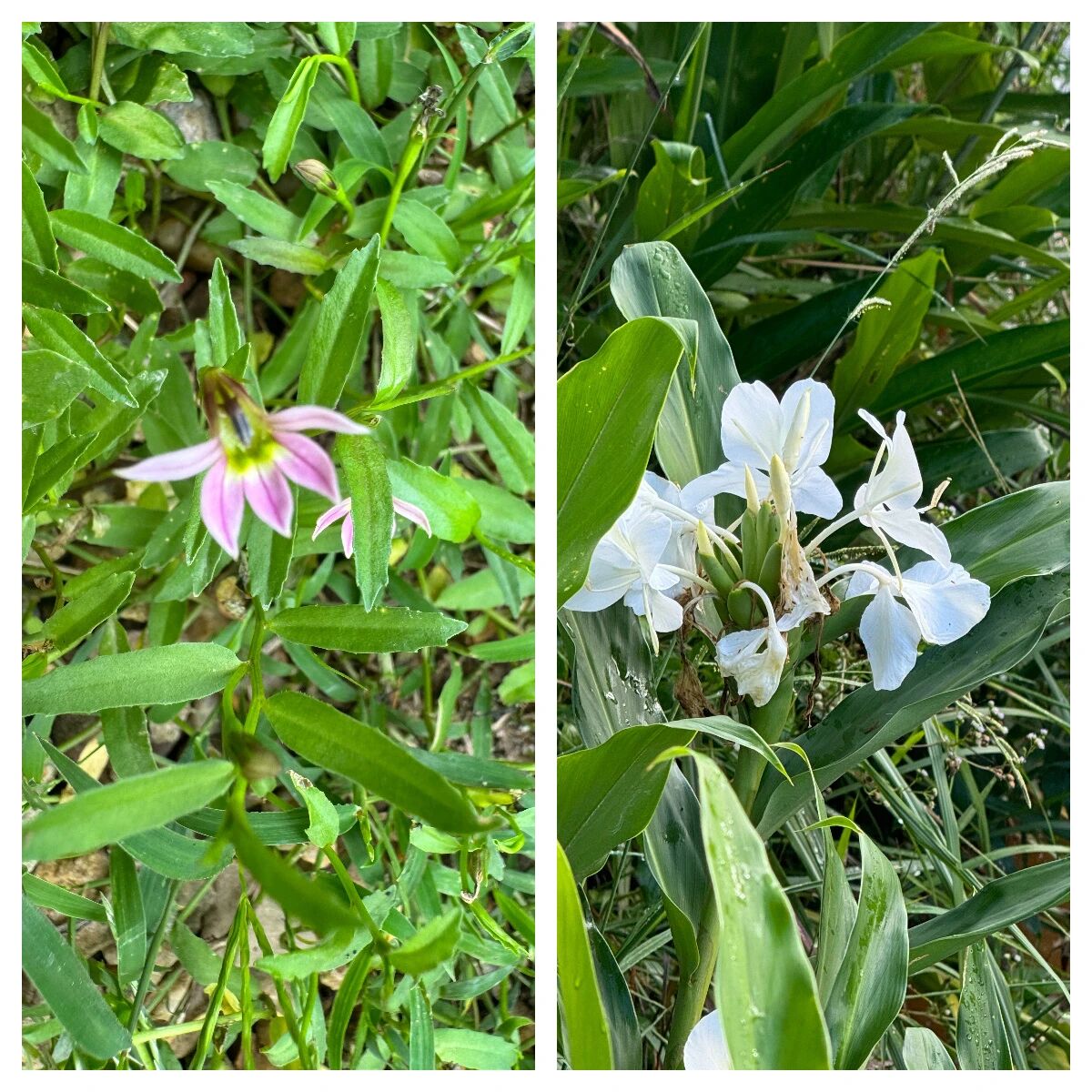
The first line of defence in purifying the wastewater is the banana plant – lush and leafy, and this year we should finally get to eat some bananas. After two stages of filtration and purification, the mulberry and wild ginger lilies along the water lily pond bank are growing vigorously. I am grateful to these living creatures: I give them wastewater, and they return to me jade trees and jade blossoms.
The pig-dung platform is absolutely a stroke of genius in rural architecture. It’s where I process my field harvests – the main working space in Wuren Valley. It has received the shells of over two hundred jin of peanuts, the pods of more than a hundred jin of assorted beans, and countless vegetable leaves, fruit stones, walnut shells, and so on and so forth. You never need to sweep up. It is an unqualified blessing for the lazy.
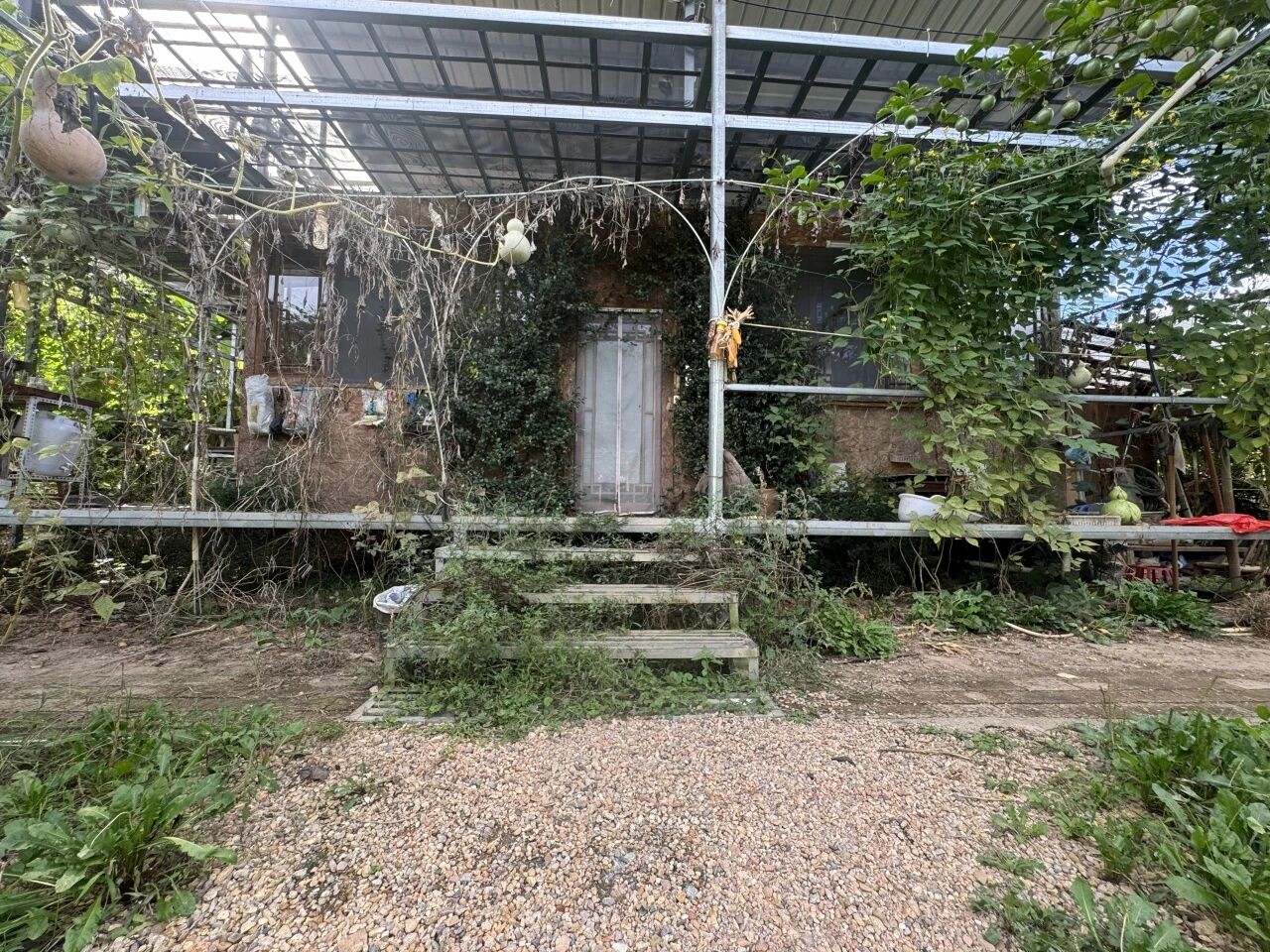
Four years on, the ground beneath the pig-dung platform has risen considerably. The permanent residents now include a bitter cherry as thick as a bowl, five low red-fruited shrubs, over twenty green-leaved white hostas, four aromatic mastic trees, two star jasmine vines, a scattering of mint and patchouli, and each year I also set out climbing crops such as yellow-flowered beans, pumpkins and loofah.
The soil was originally so thin and barren that only noxious weeds would grow there. For the first couple of years, whatever I planted looked sickly – unable to die, unable to thrive. Now, peel back the thick layer of humus on the surface and the soft black soil beneath is pure, prime growing medium. This year’s climbing legumes have done well. When I duck in from time to time to pull weeds, the weed community under the pig-dung platform is already a truly beautiful sight.
I first picked up the term “weed community” while in Taiwan, from a fellow farmer in Shengou Village.
IV. The Harem of Weeds
Fujian and Taiwan share similar climatic conditions – warm and rainy – making them a paradise for weeds. Weeds are the nightmare of every vegetable grower, the kind that will take your crops’ lives. Xingyan classified the weeds in his plot into noxious and non-noxious varieties. Noxious weeds are tall and robust: their height steals the sunlight, their bulk seizes the nutrients. Among them, those that root at their nodes or spread by rhizomes are the Abbesses of Extinction among noxious weeds – they drive the vegetables to the point of no return. To deal with noxious weeds, you must pull them out before they flower and set seed, then pile them in a designated area, cover them to block the light, and let them compost down until the fermentation kills off pathogens and weed seeds, leaving a premium seedling growing medium with a well-balanced carbon-to-nitrogen ratio.
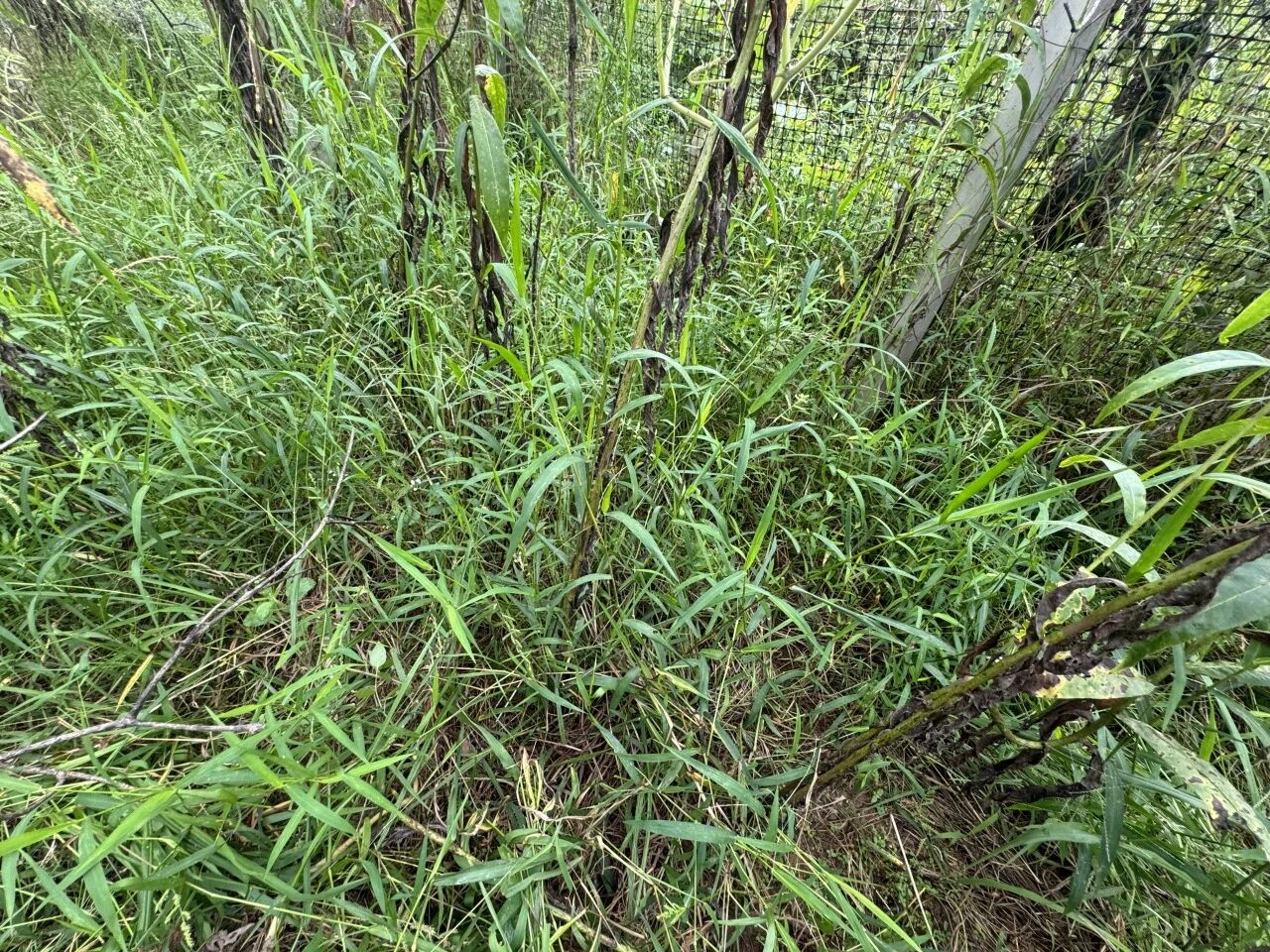
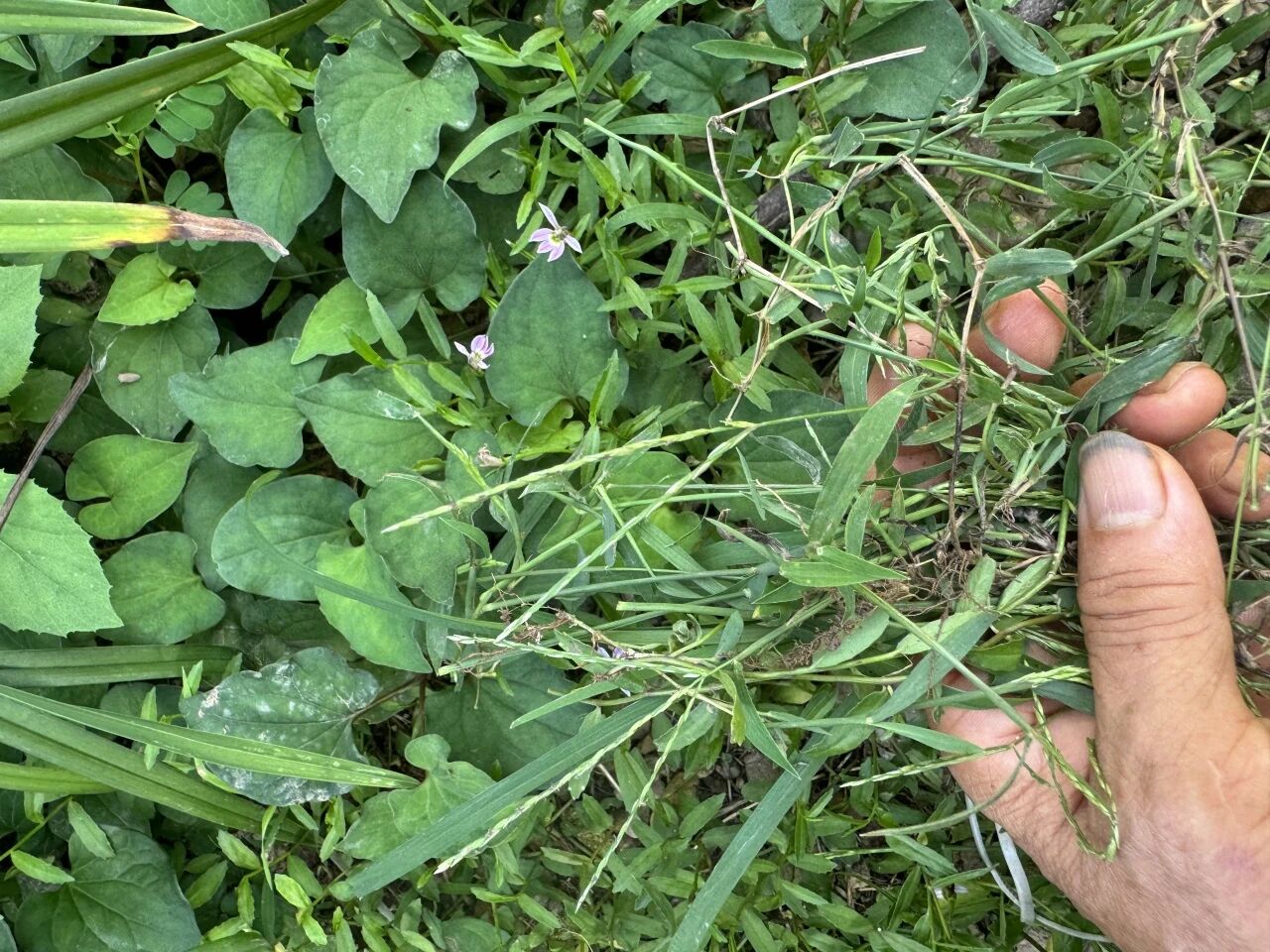
After two years of practice, the vegetable plot – just over a hundred square metres – looked markedly different from its surroundings. The vegetables were plump and vigorous, no noxious weeds in sight, and barely any bare soil showing. The ground was carpeted mostly with shallow-rooted short grass that neither stole sunlight nor took much in the way of nutrients, yet reduced soil erosion, cut down on evaporation, and supplied the land with humus. “A sound weed community has been established, at least in the beginning.”
I had always despaired of the relationship between people and the land – humans seize and ravage the earth – but Chen Xingyan’s vegetable plot showed me that a virtuous interaction between people and the land is possible. While asking the land for food, we can also give back to it and nourish it.
Wuren Valley is, in a sense, an enlarged version of Xingyan’s vision, and I pay my respects to him through my own practice.
Leaving land completely wild is actually drawing down its vitality. The scrubland at Wuren Valley lay overgrown and untended; after an excavator cleared it, the soil turned out to be thin and severely compacted. Turning the ground for planting was out of the question – the soil was not just compacted but laced with a tangled mass of cogon grass roots, so I had to call the excavator back to dig deep. Cogon grass is ferociously tenacious: a single section of root left in the soil will send out fresh shoots and keep growing forever. I hired more than a dozen women to break apart the clods and pull out the roots. We worked for a week, and the uprooted cogon grass piled up like a mountain. When I added up the cost – excavator work and labour combined – clearing the cogon roots cost over ten thousand.
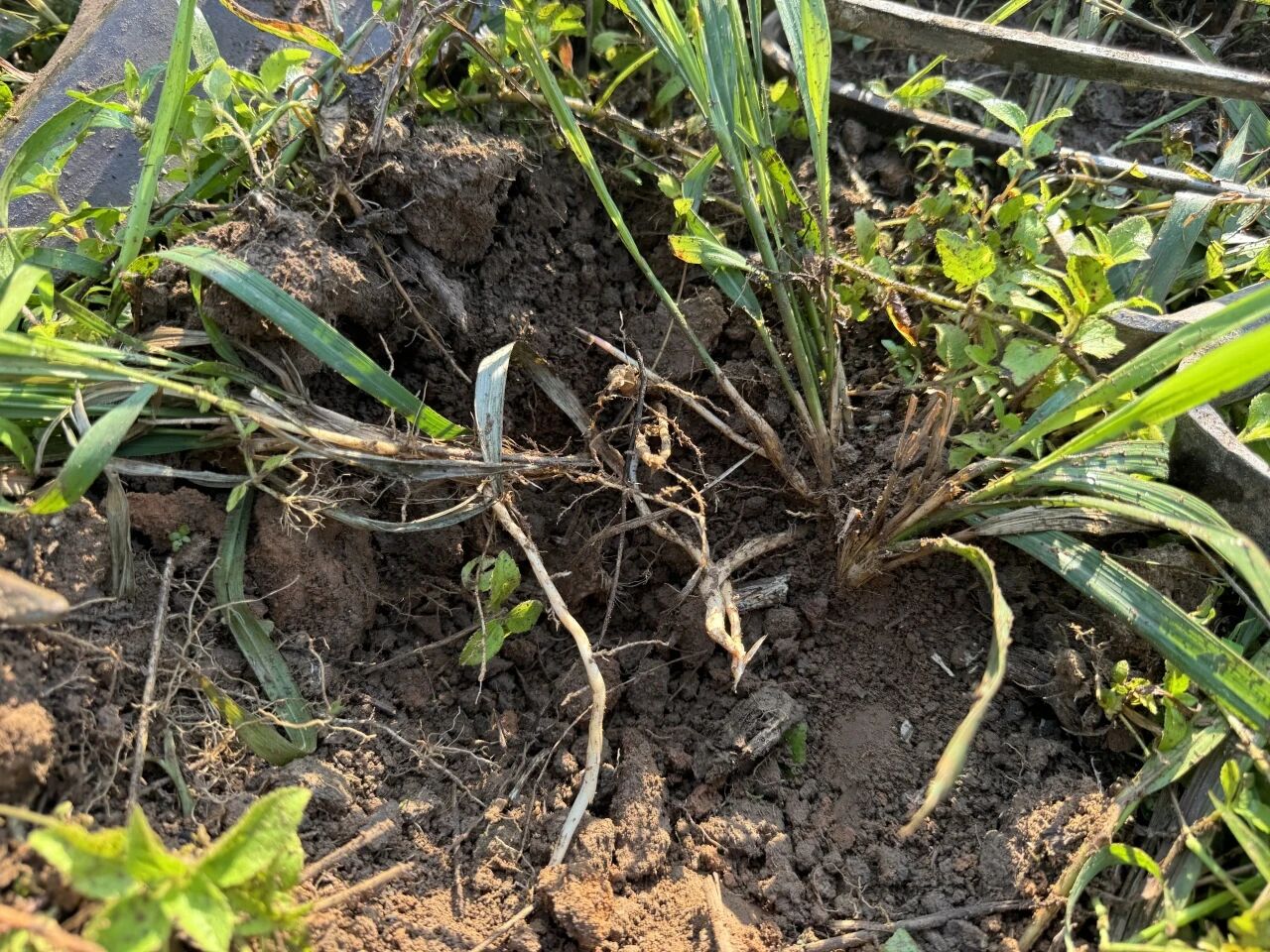
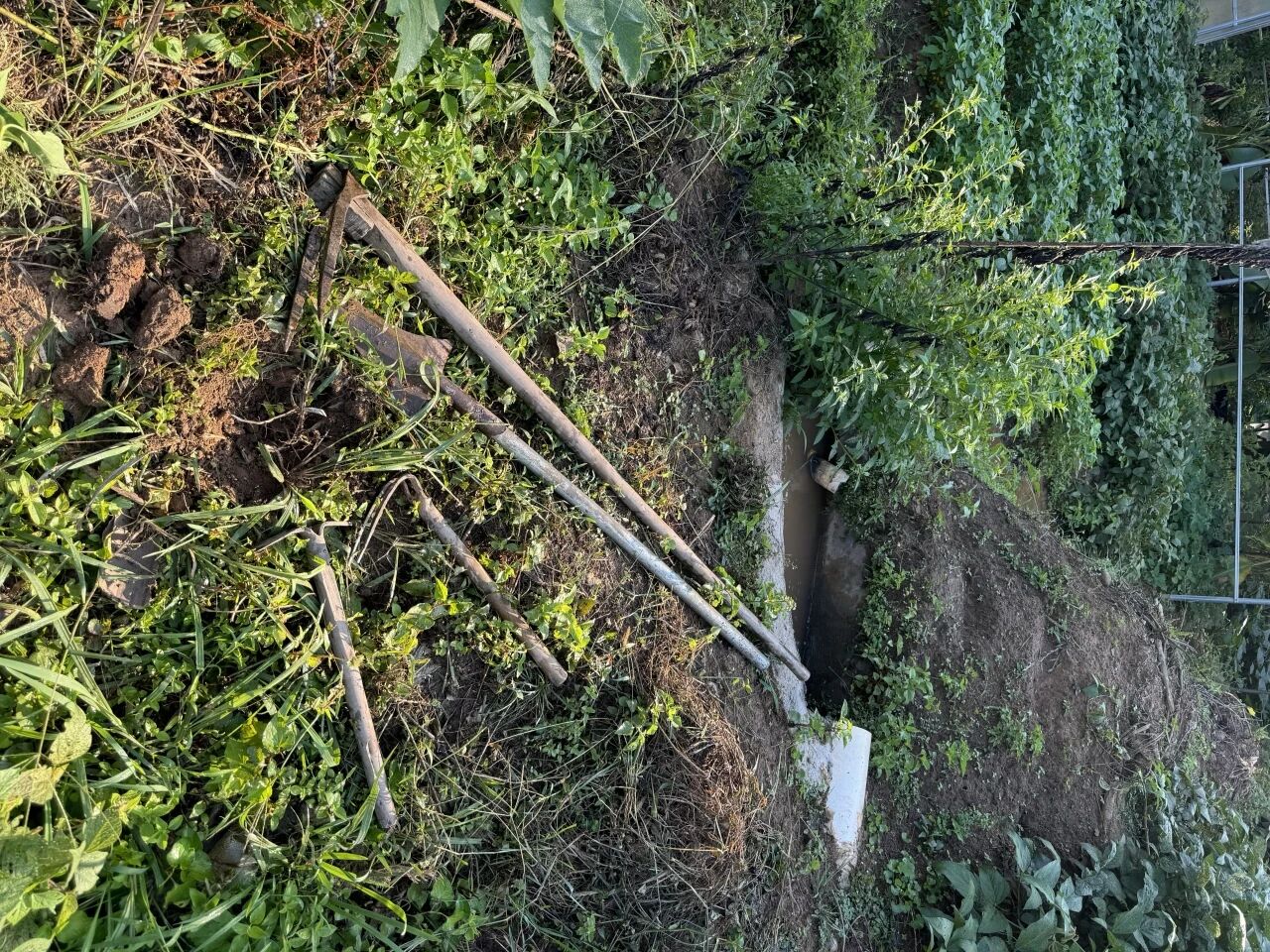
And even that was not the end of it. My war with cogon grass lasted three years. I amassed a full arsenal of specialised weeding implements, and the moment a clump appeared I went berserk: total annihilation, dig out every root, scorch it under the blazing sun, torture it to death. Now, when I want to take an explanatory photo, it is hard to find any left.
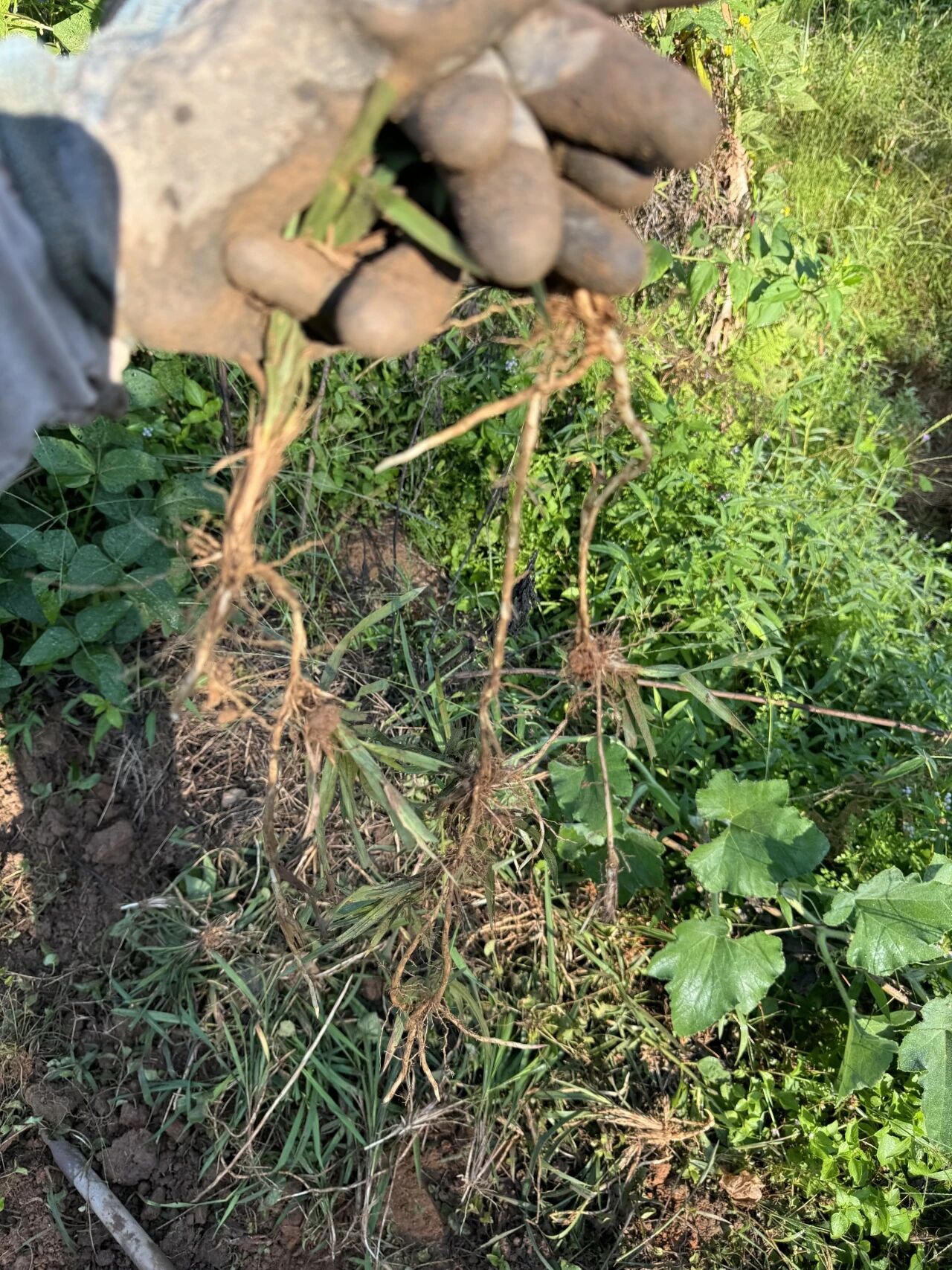
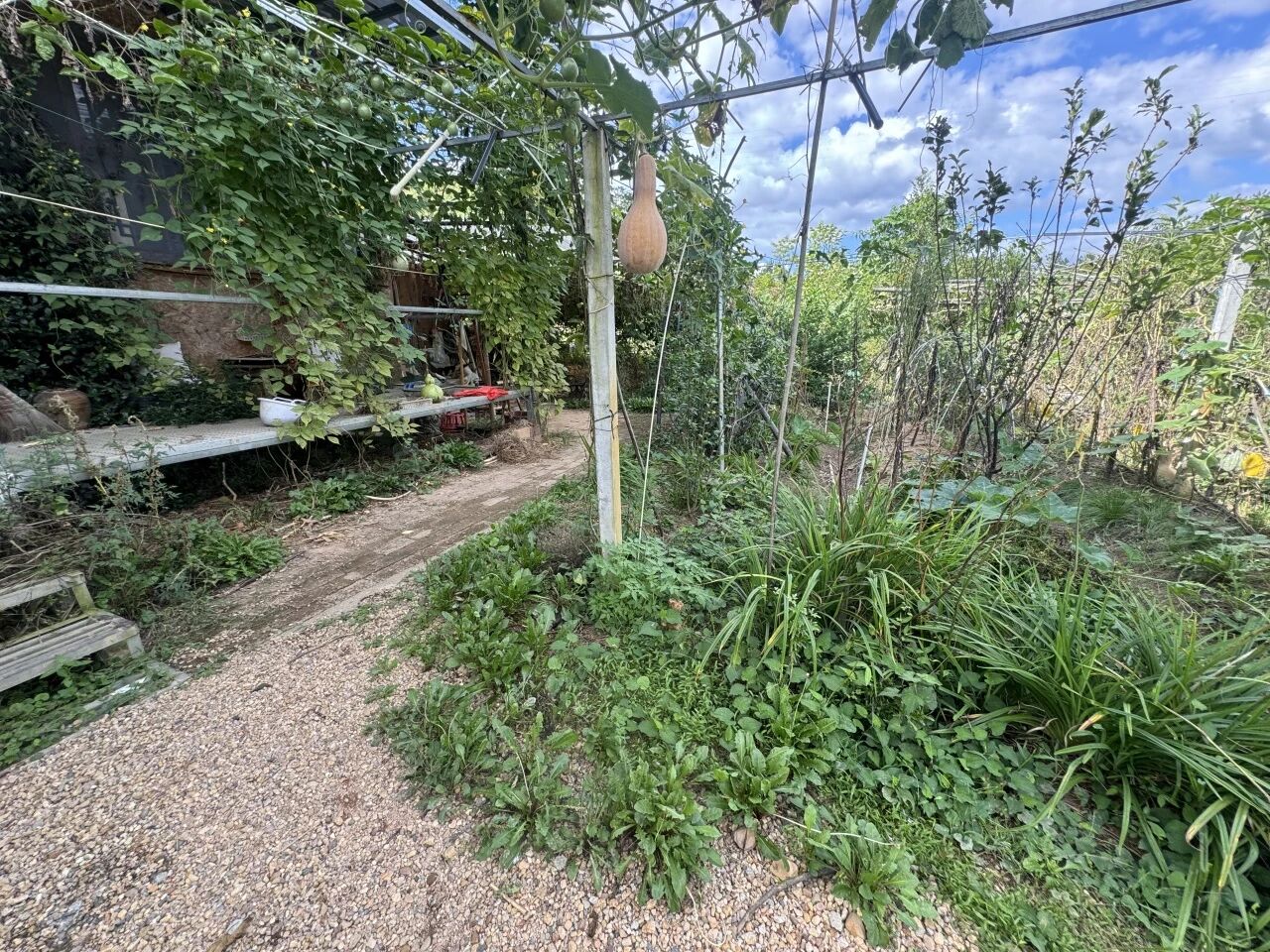
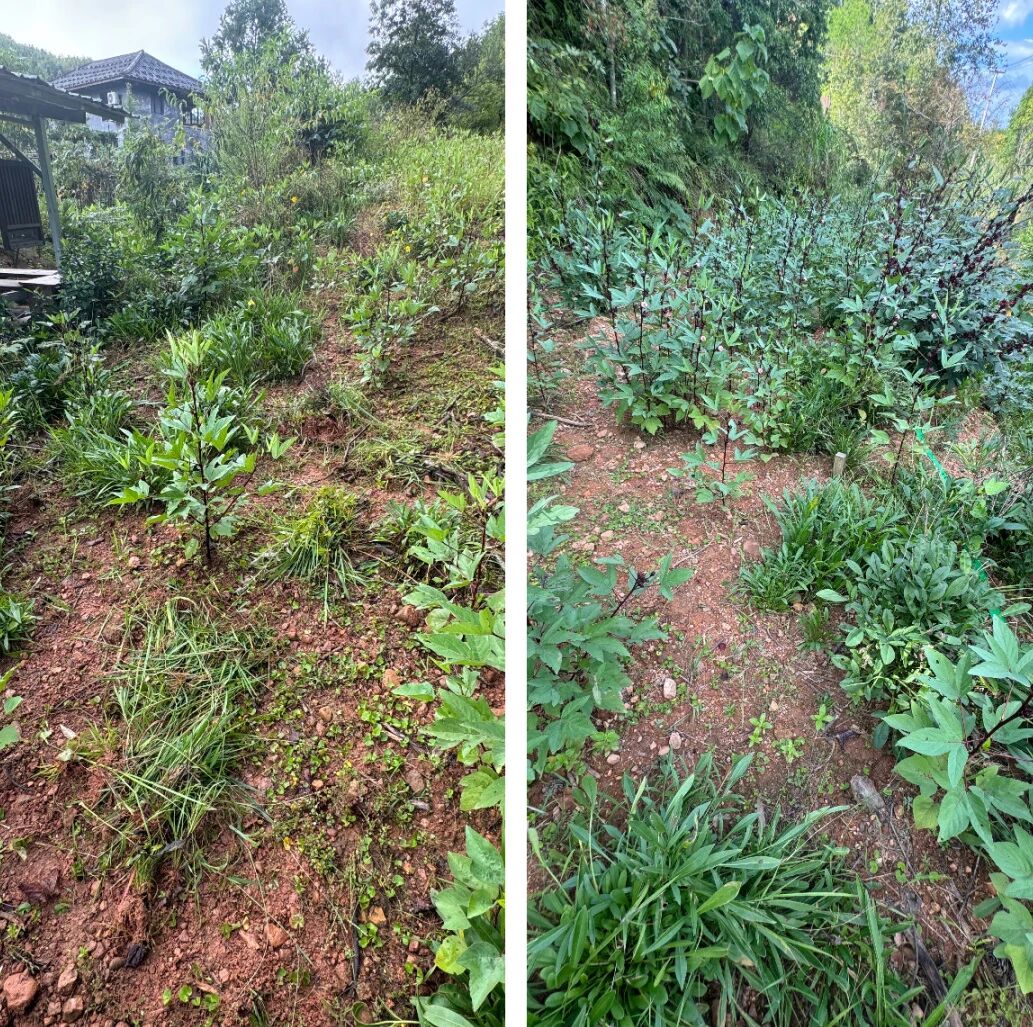
Over four years of life-and-death struggle with noxious weeds, the weed community at Wuren Valley has been transformed. The more human activity an area sees, the richer its weed community. The best is under the pig-dung platform; next best, around the house. The hillside across the stream behind the house, where I rarely ventured before, has been newly planted mainly with chestnut, oil tea, and Furong plum, but as seedlings they had no competitive edge against the rampant weeds. This year I built a new pavilion spanning the stream, and the once-overgrown path leading to it has become my harem – and I will not suffer noxious weeds to lie beside my bed. Active weeding takes place after every soaking rain, pulling roots while the soil is soft. Passive weeding means tackling the plants once they have flowered: no matter what, you must not be lazy. Even if the ground is too hard to pull, at the very least slash the tops with a sickle – and never just toss the cuttings aside, for immature weed seeds will spring back to life with the next spring breeze. They must go into the river to eliminate all risk of resurgence.
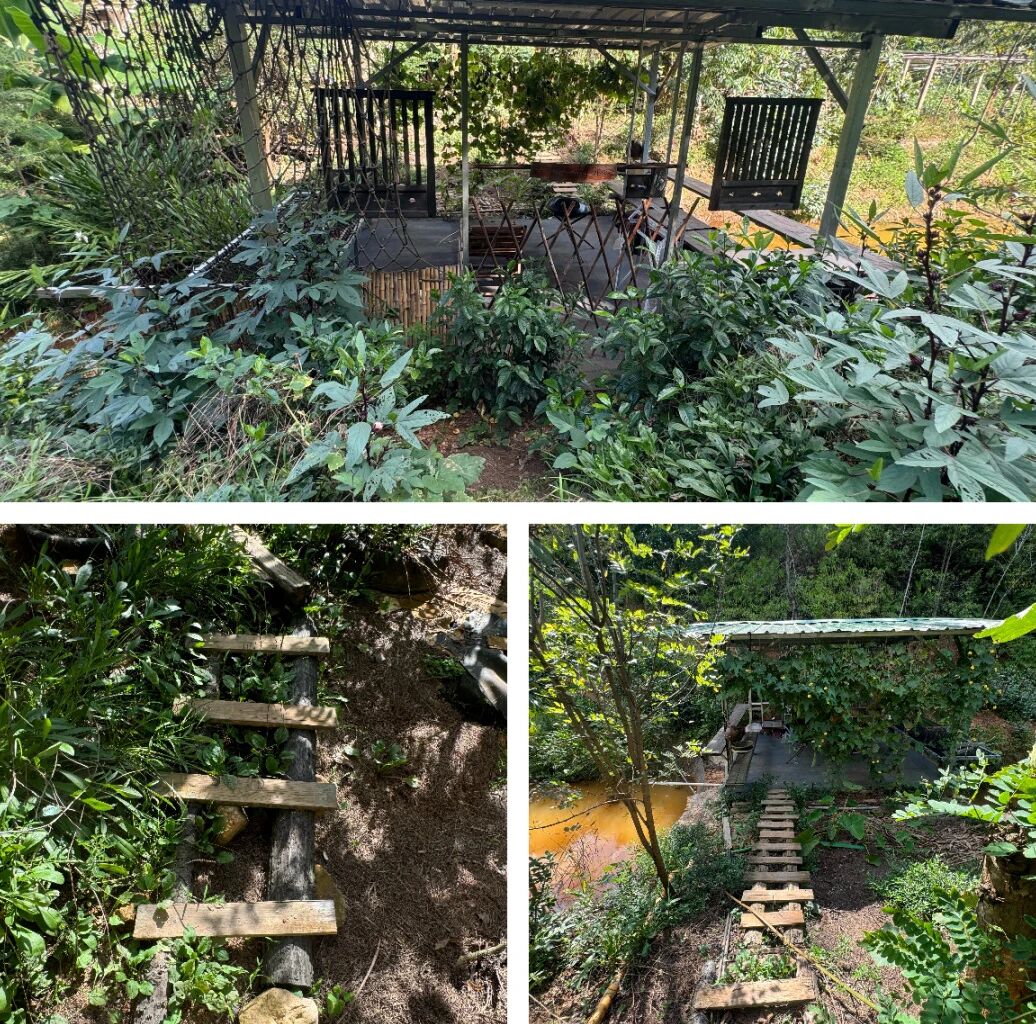
Now I see virtually no tall noxious weeds. The dominant herbaceous species are coreopsis and roselle. Coreopsis has explosive vigour – by next year it will surely carpet the entire path. Roselle is not only beautiful and edible; its thick, fleshy leaves and sturdy stems are the finest material for improving acidic soil. Humans, coreopsis, and roselle in a powerful alliance will comprehensively suppress the noxious weeds within a year or two. My harem shall become a golden carpet studded with roselle.
V. Redefining the Relationship Between People and the Land
Years ago I wrote about Wuren Valley’s Urine-Diverting Dry Toilet: Returning Human Excrement to the Field as Fertiliser. The dry toilet at Wuren Valley has been upgraded several times and is now a garden loo with lilies close by, red spider lilies in the middle distance, and pumpkin flowers beyond – a crucial part of the private, everyday life I lead behind closed doors. Every so often I carry the collected urine to dilute with water and pour over the vegetables; the solid waste is composted, dug into a pit, and buried to break down slowly. The composting bucket is heavy and can’t be carried far, so the burial sites are all within about ten metres. Even closer would be fine – there’s no real smell – it’s just psychologically uncomfortable. The plants around the burial sites show visibly superior growth. Now I truly understand why the old farmers said, “Never let the manure-water flow onto someone else’s field.”
Pulling noxious weeds is a daily routine, but the only zone I can truly cover without a blind spot is the area within a ten-metre radius around the house. I walk back and forth, spot a weed, and pluck it out. That happens to be my fruit and vegetable plot, and coincidentally, that “excretion coverage circle.” I can’t help laughing: I have finally become part of the land. As the fruit harvester at the apex of the food forest’s ecological pyramid, the life the land nourishes is simultaneously an animal that belongs to the land. The evidence proves that human activity does not inevitably harm the environment. A human life can coexist, flourish, and co-create with the living systems around it.
The land nourishes life; I make the land fertile. At last I can be at peace with it.
I give the land a beautiful weed community; it returns to me wholesome food. My land and I cannot be separated for a single moment.
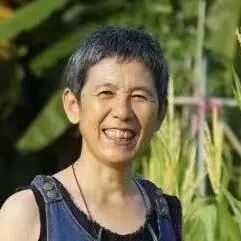
All photographs in this article were taken by the author
Edited by Xiaodan