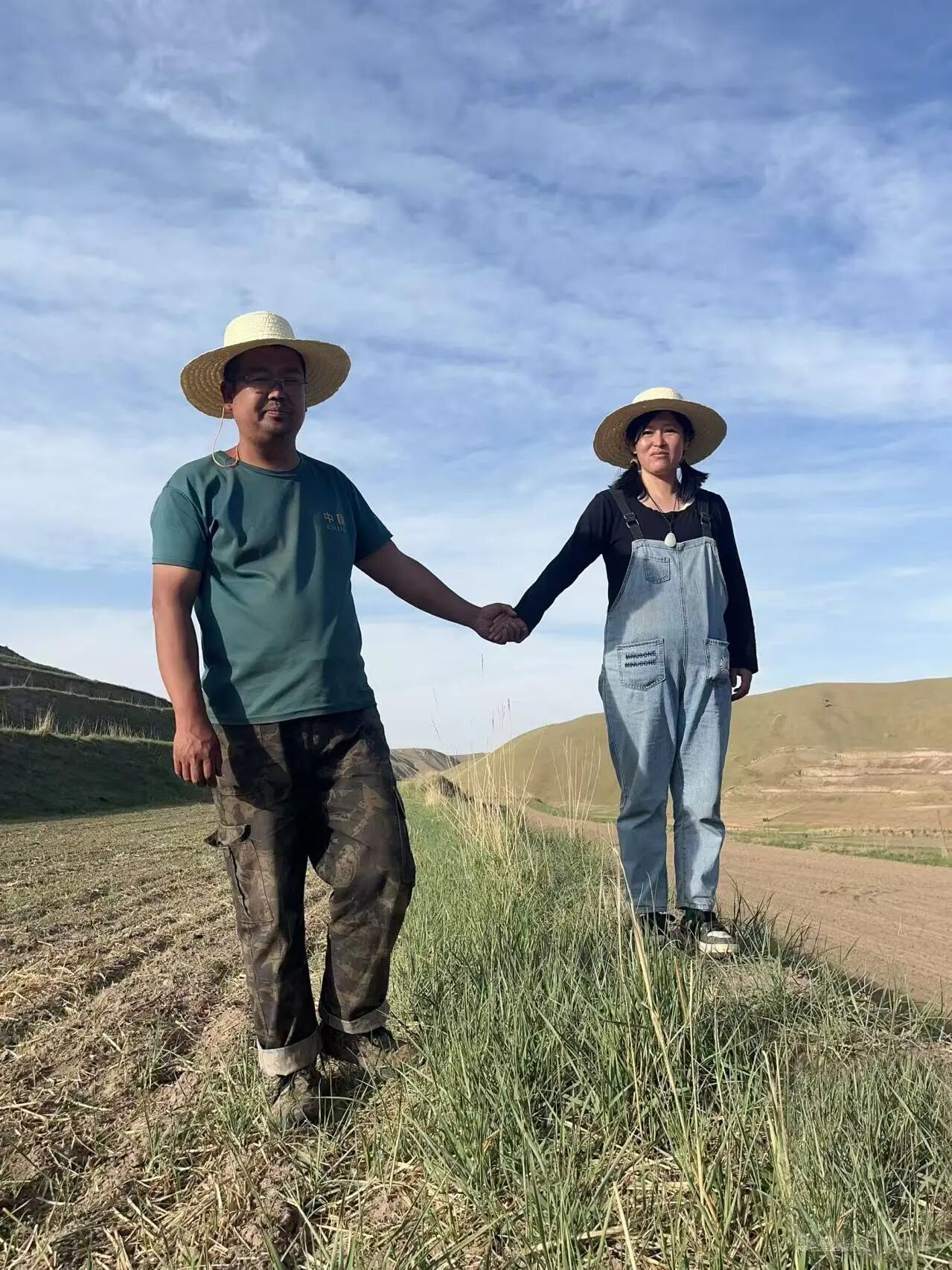
Hua Hua, whose real name is Yin Fahua, has taken over a village collective noodle factory in Gansu with his wife Shitou. He buys sandland Hongguangtou wheat and grows chickpeas in Tianzhu, maintaining ecological farming amid rainfall, weeds and purchase prices.
Two bundles of Chinese leeks casually bought at the open-air market began Uncle Li’s twenty-plus years of continuous seed saving, selection and breeding, yielding longer, whiter white parts and leeks more resistant to suburban Beijing’s downpours and floods.
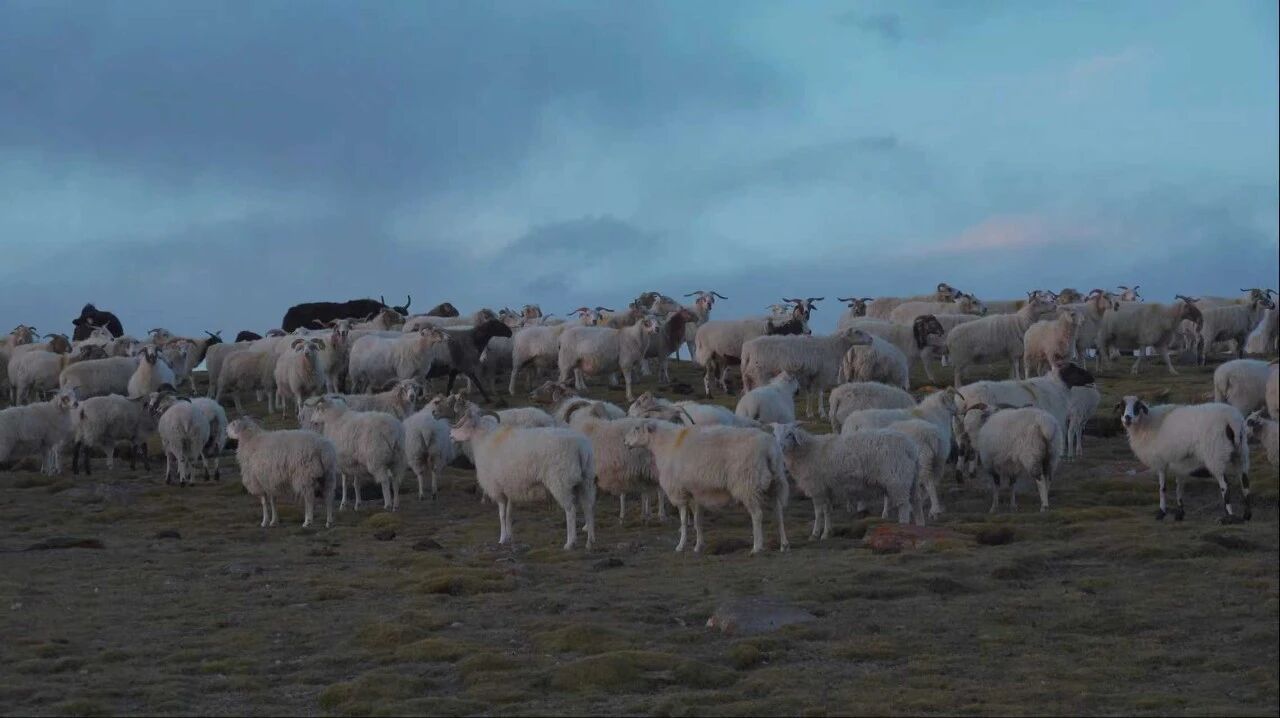
On the summer pasture by Qinghai Lake and the live-sheep trading route, Tibetan herders including Danzeng Zongzhi face the rebound in Tibetan sheep prices and the impact of imported meat: some borrow to keep herding going, while others go to Gonghe County to make a living as food-delivery drivers.
Zha Shiyi Re, a Yi girl from Shiping, Yunnan, grew up amid rice paddies, hail and flue-cured tobacco; between a mountain-village child and the natural world lay only a single eardrum.
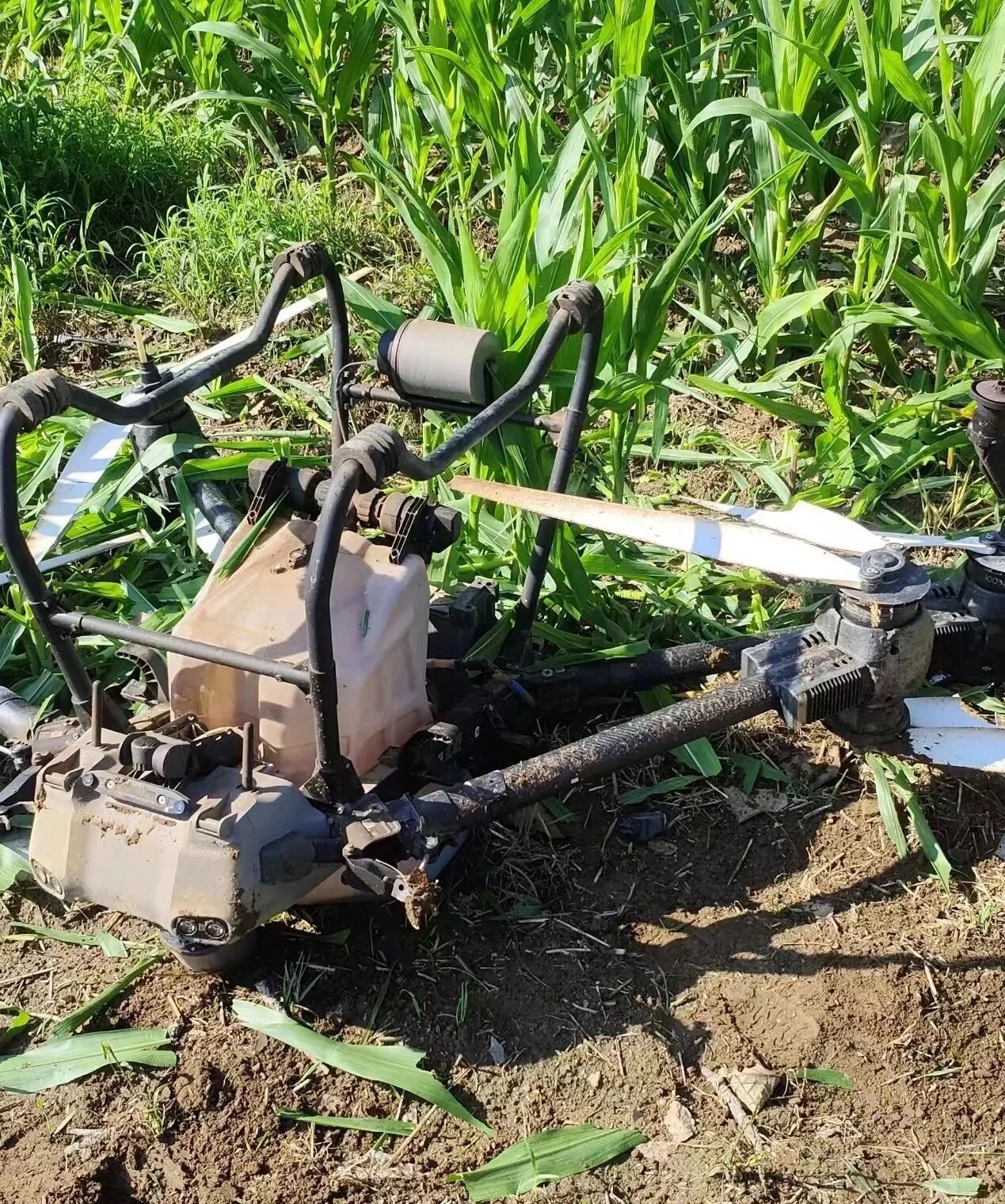
A northeast drone pilot lost fees in a power-line crash; XAG’s P80 returns dispute led large-scale grain farmer Zhao Mingliang to choose DJI. Agricultural shops and short-video streamers pitch repeated fertilising as scientific farming, but falling grain prices mean higher yields may not raise income.
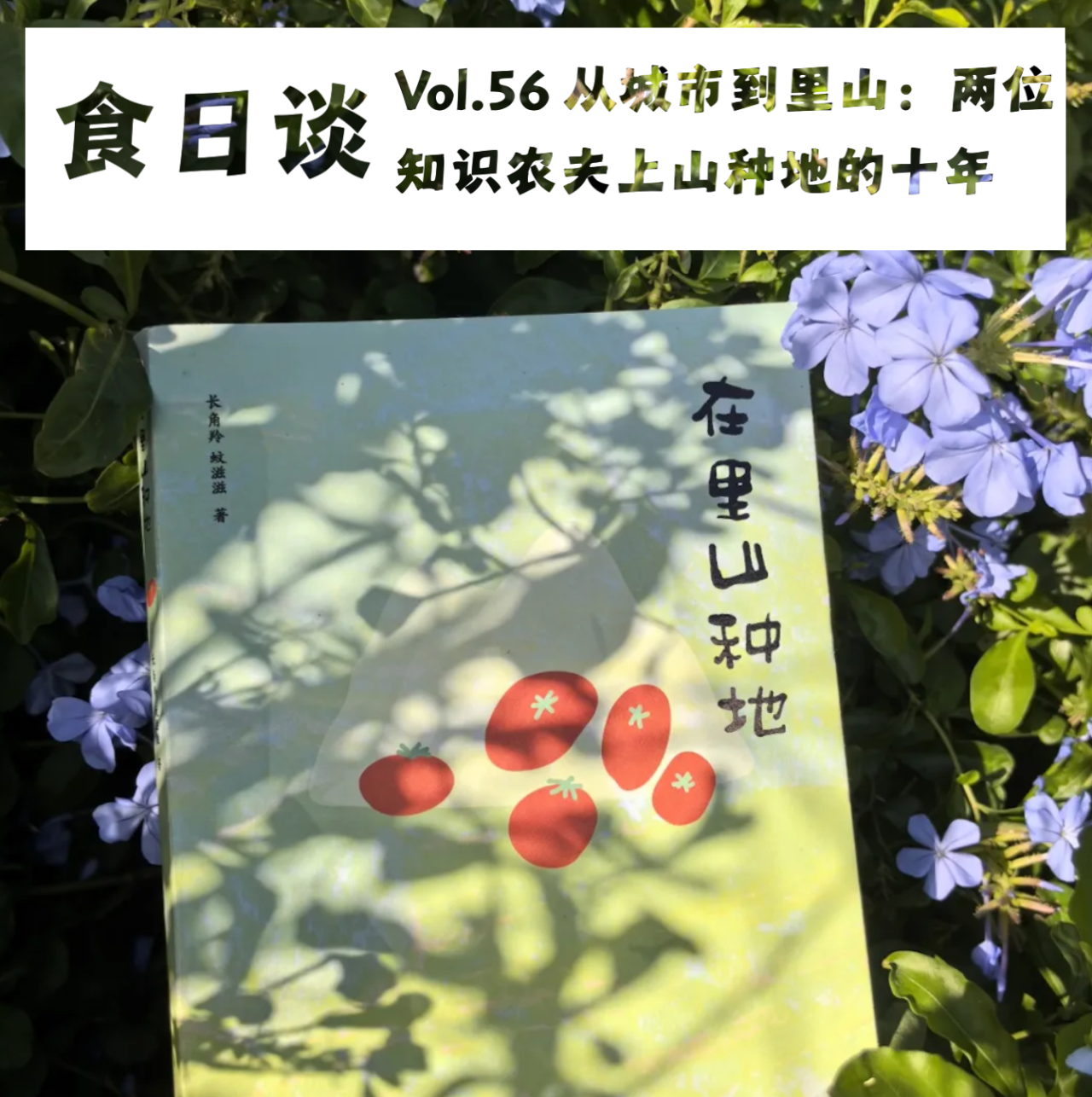
Wen Zizi and Chang Jiaoling have created Gaia Worth Garden on 30 mu of land in the foothills of the Beijing suburbs, growing vegetables, raising chickens, providing nature education, and sharing their planting experience amid climate fluctuations.
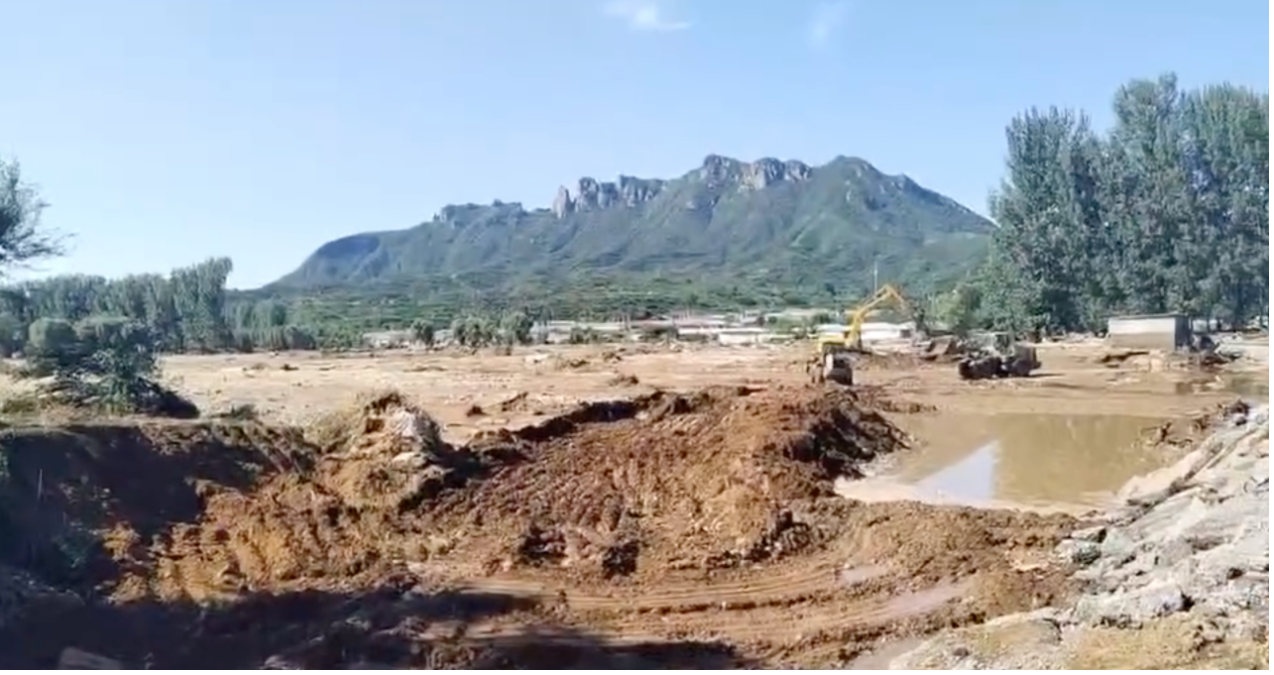
After flash floods left Sohu Farm in Miyun in ruins, Zhen Rui abandoned recultivating the original site, borrowed neighbouring land to replant sweet corn, and pressed the farmers’ climate-adaptation question as funding, insurance and land planning remain unsettled.
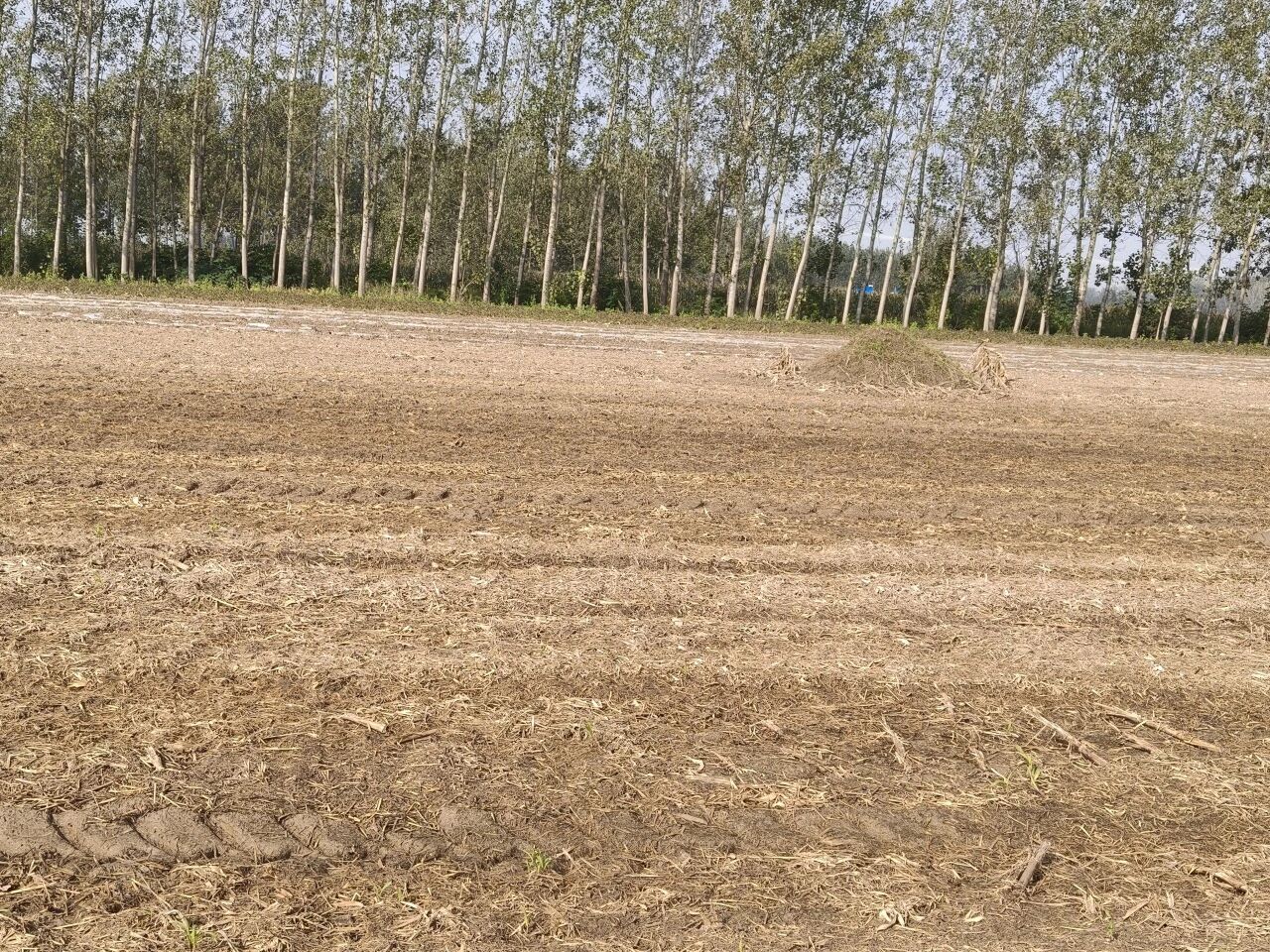
From Henan’s Shangqiu to Hebei’s Handan, persistent rain has repeatedly hindered maize harvesting, drying and kiln-drying. Harvesters have bogged down, maize cobs have moulded and sprouted; even with tracked harvesters and drying towers deployed, most growers still struggle to avoid reduced yields and low prices.
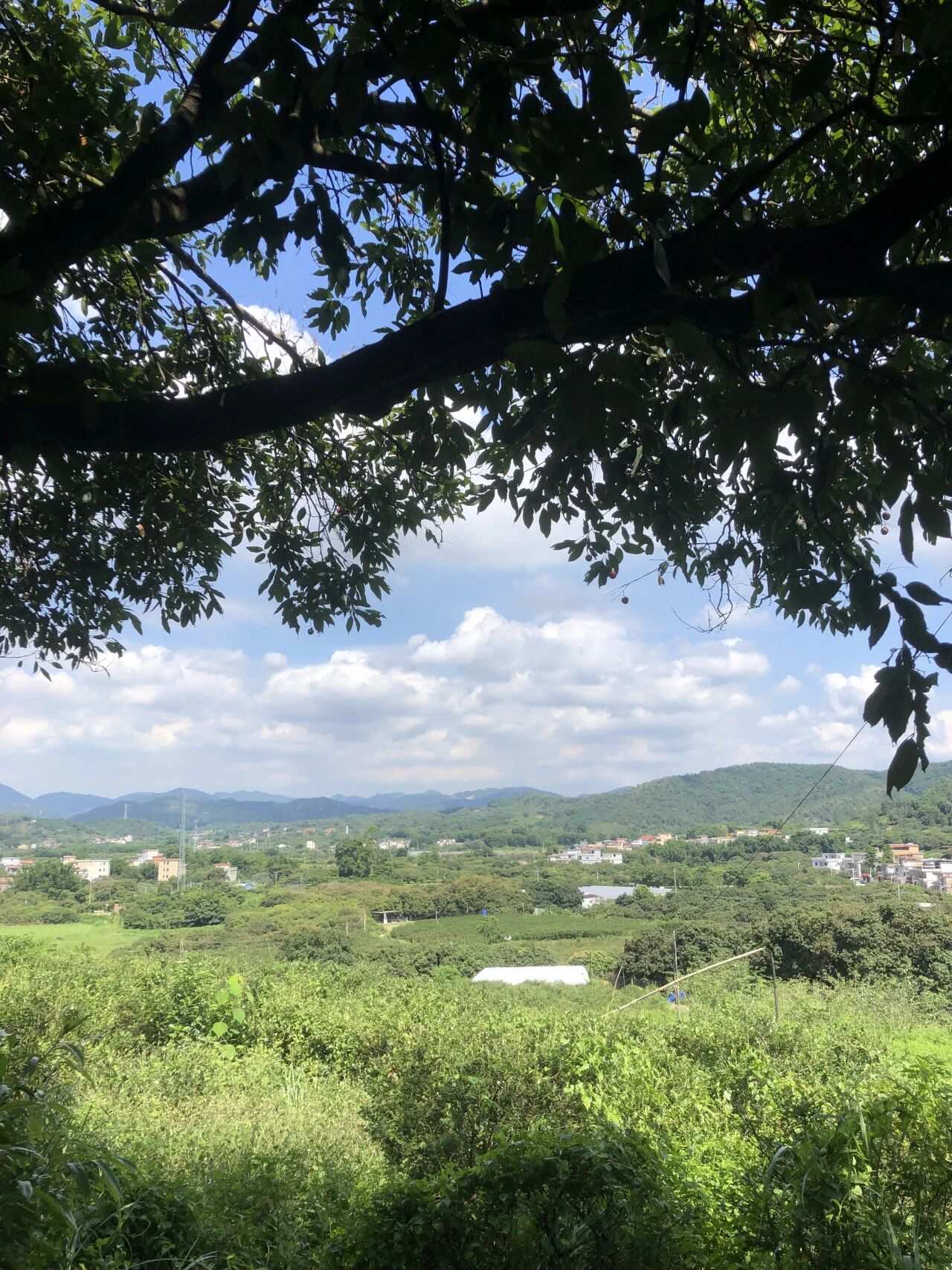
Jianing takes part in Foodthink’s Ecological Agriculture Internship Programme at Yinlin Farm in Conghua, Guangzhou, picking blueberries, corn and lychees, observing chickens, birds, black goats and villagers at work, and feeling the living connection between food and land.
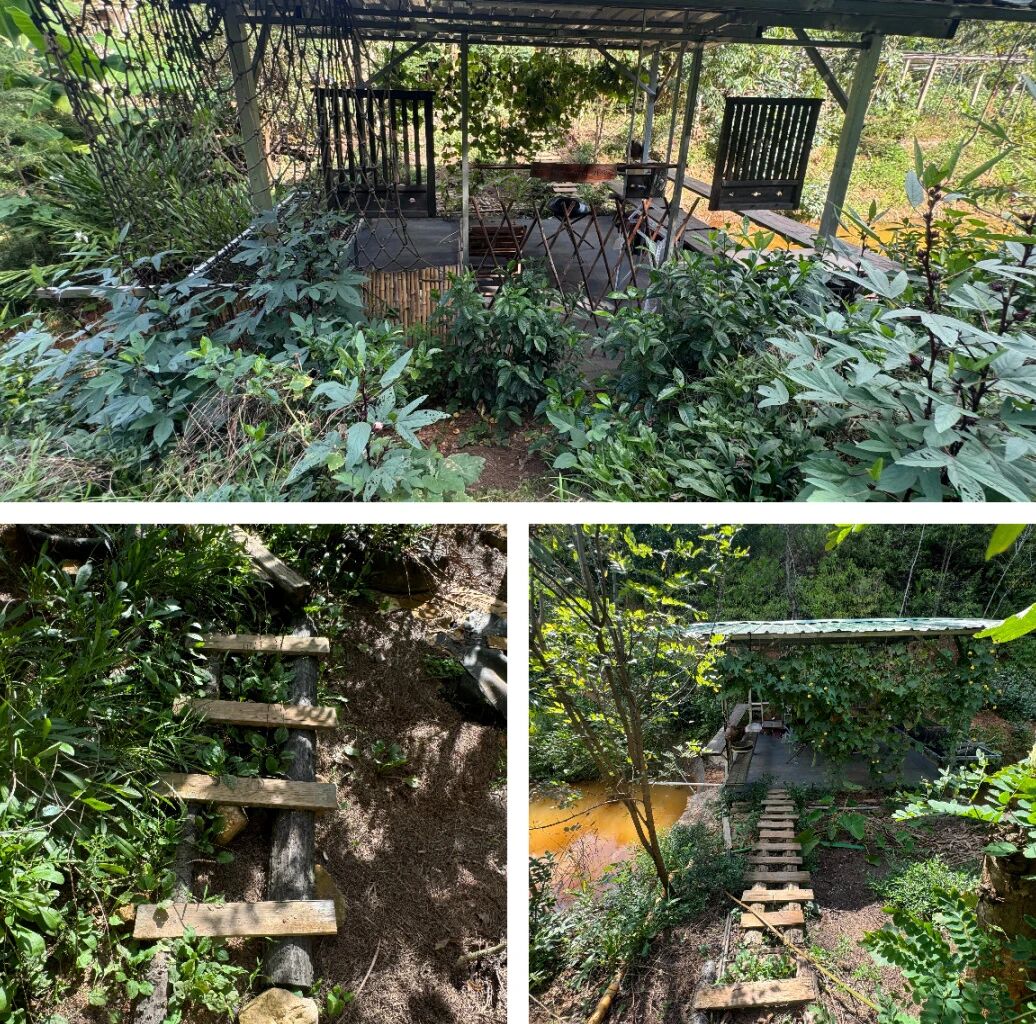
Grandma Kouzi saw that her own drainage was turning rice seedlings yellow in Shengou Village, Yilan, and in Villains’ Valley she used banana plants and water lilies to purify wastewater, rebuilding her relationship with the land through composting and managing the grass profile.