Over 16 years, Louis turned a banana plantation on the edge of the Atlantic Forest in Paraná into a Syntropic Agroforestry system. Zhang Zhiwei follows him into the woodland — cutting leaves, felling pseudostems, thinning suckers — and now returns to Yunnan to root this knowledge underfoot.
From a private school in the city to Zhaixia Village, Longyan, Fujian Province, a couple born in the 1990s are learning to grow passion fruit and peanuts in terraces surrounded by pesticides, adjusting Natural Farming, and opening a micro-shop to sell ecological products.
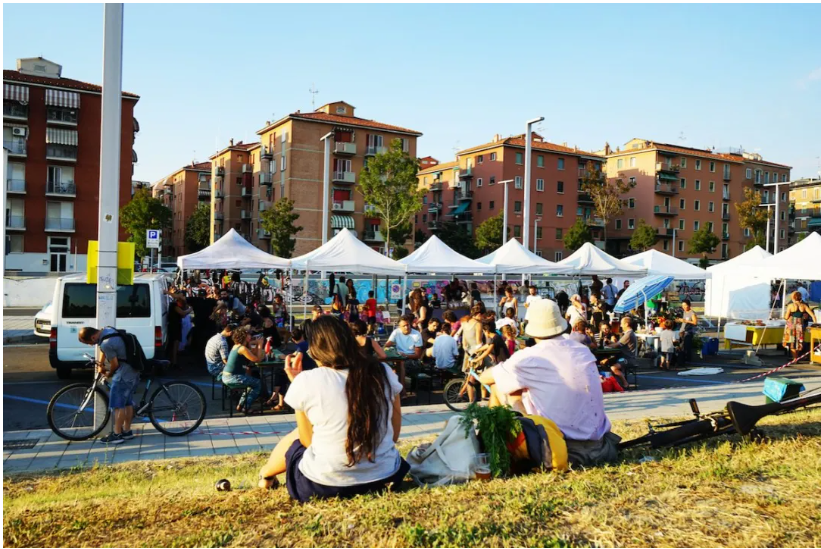
Residents in Florence’s outskirts reclaimed a former estate, restoring soil as a commons and running the farm democratically; smallholders and consumers have bypassed official certification to form the Genuino Clandestino network. Agroecology here is not just a farming method but a social movement against the industrialised food system.
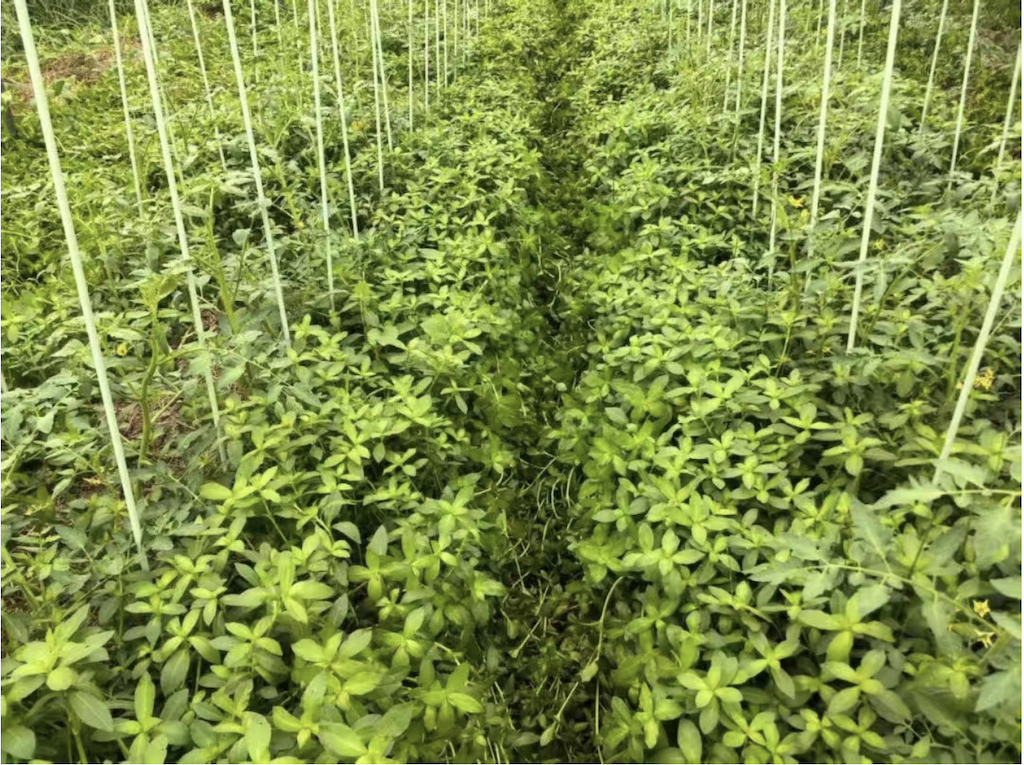
In Puer, Yunnan, a South American crop shortfall has kept green bean prices rising for a year running, but erratic rainfall and extreme weather still threaten the harvest. Some local farmers are processing their own beans, planting green manure and shade trees to cope with the climate and find steadier prices.
In some villages in Sichuan, farmers and the public-interest organisation Home Action are trialling low-input, low-pesticide methods that retain local heirloom varieties, helping families eat healthily first and keeping seeds for the community to cope with heat and drought.
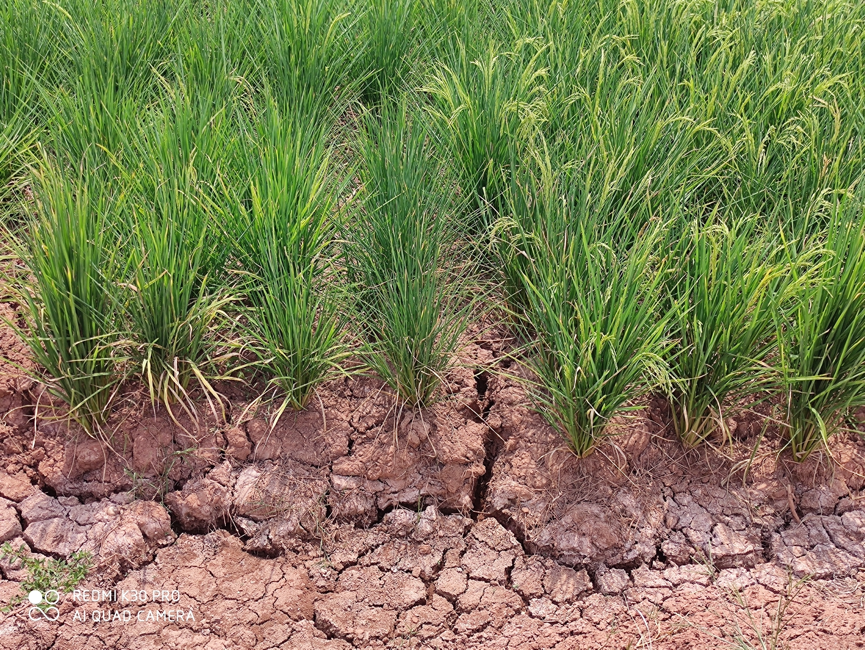
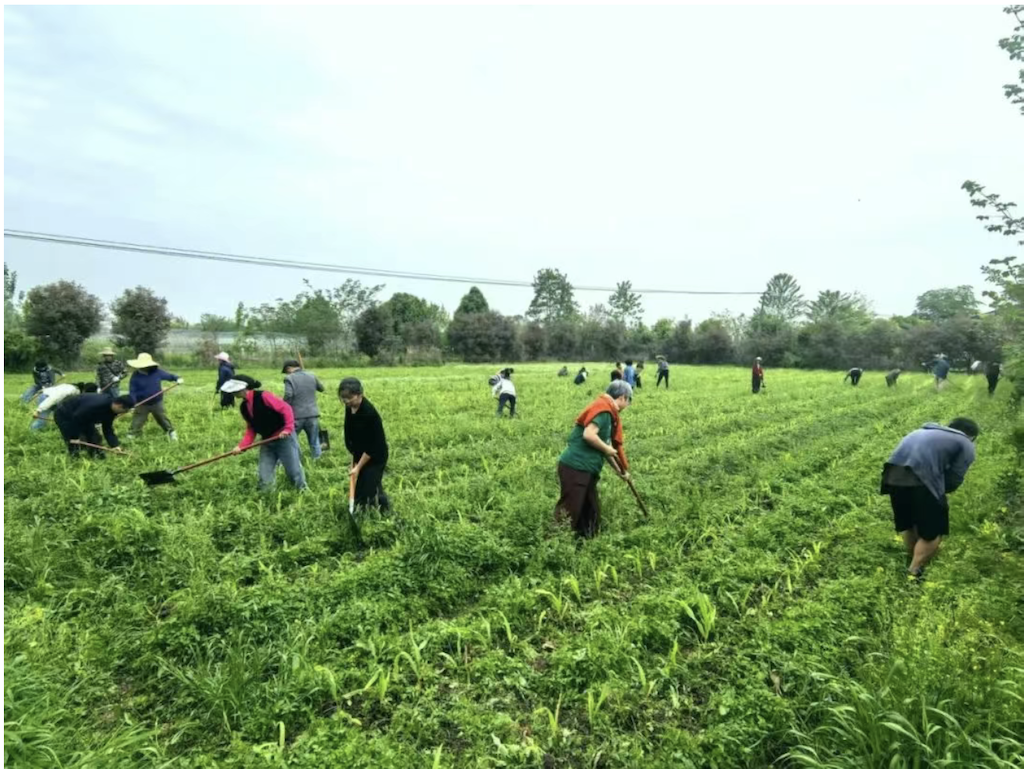
In Jianyang, Ya’an and other places in Sichuan, farmers including Yang Xiuyou and non-profit organisation Home Action use no-till cover, heirloom varieties and experience in storing grain to cope with harvest risk in persistent drought, while also sustaining village life for the left-behind elderly.
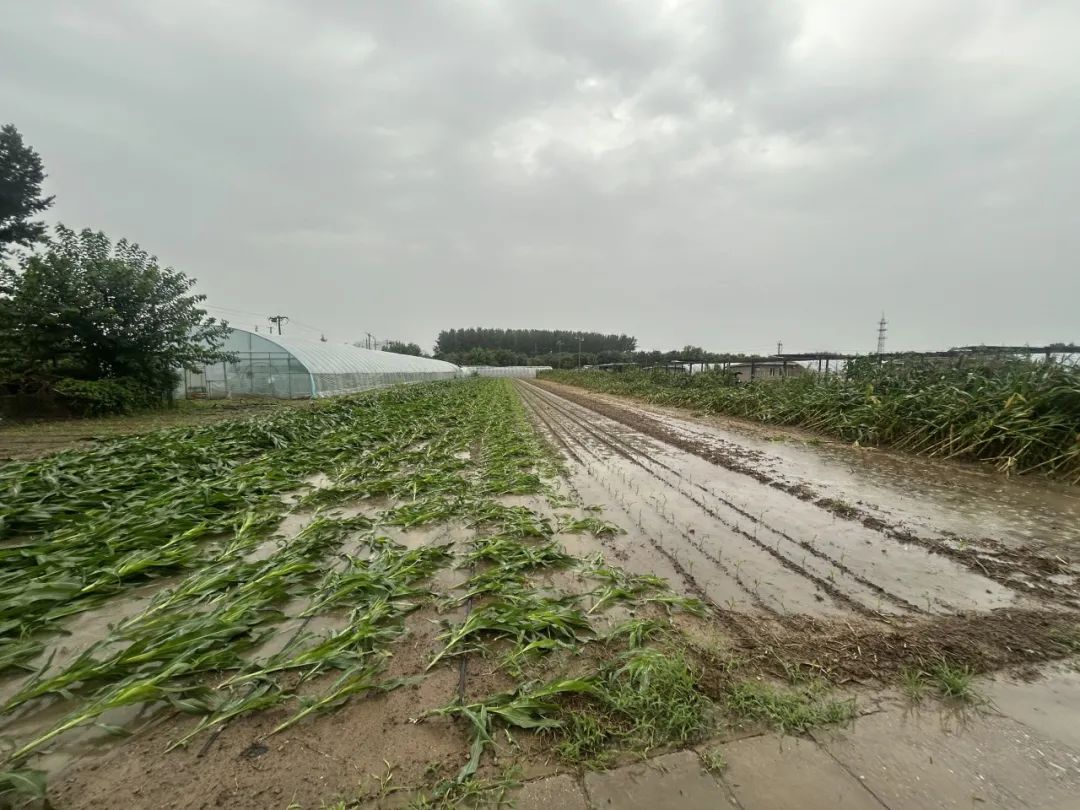
Several ecological farms in Shunyi and Changping, Beijing, and Baoding, Hebei, have reshaped land, switched crops, and reinforced infrastructure after four straight years of downpours — but with surrounding public drainage works still lacking, extra investment is squeezing already razor-thin margins.
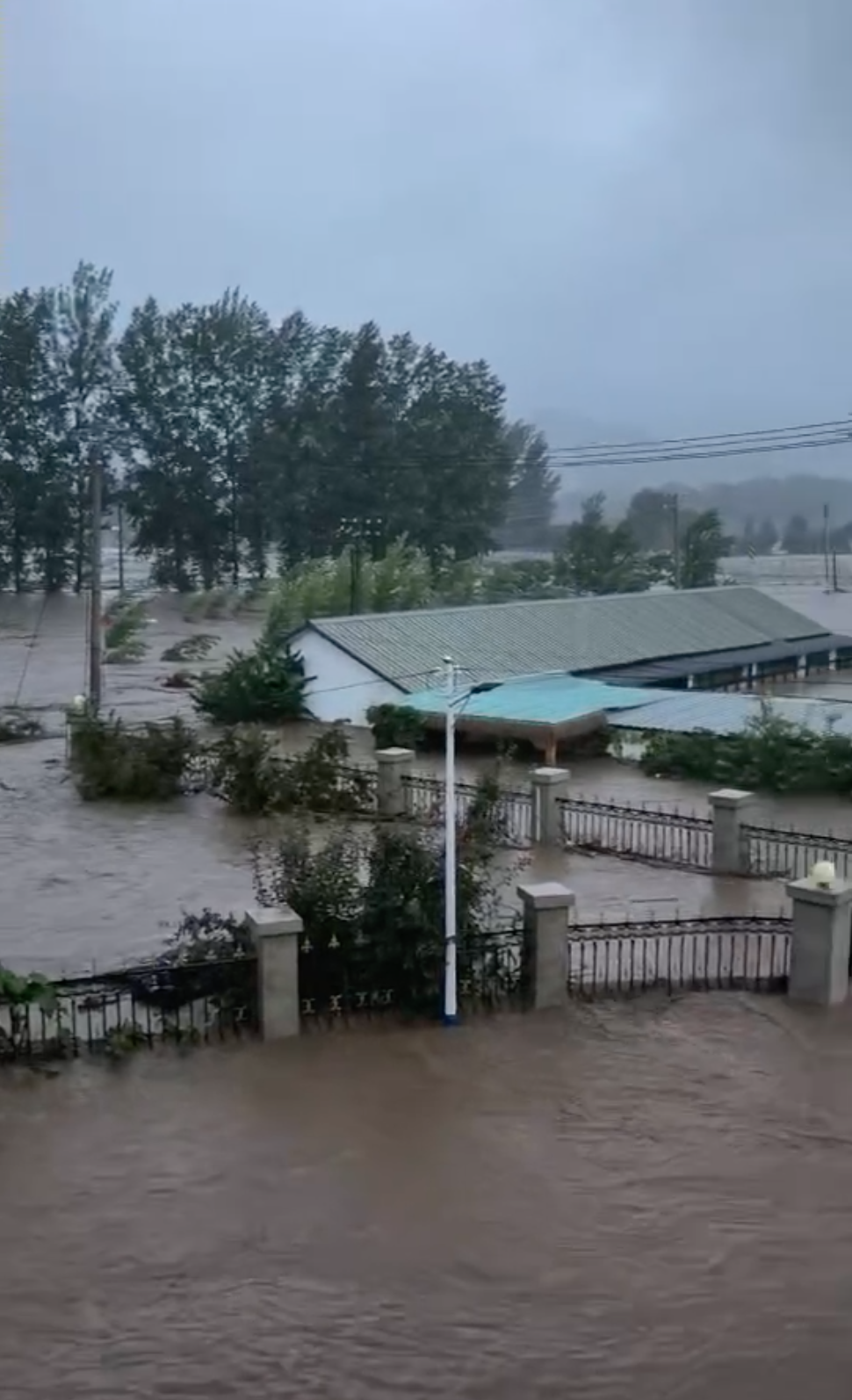
In his own words, farm owner Zhen Rui recounts how the flood struck suddenly, with no evacuation notice whatsoever. 450 mu of riverbank land, built up over more than a decade, was wiped to zero overnight — a documented investment of nearly 30 million.
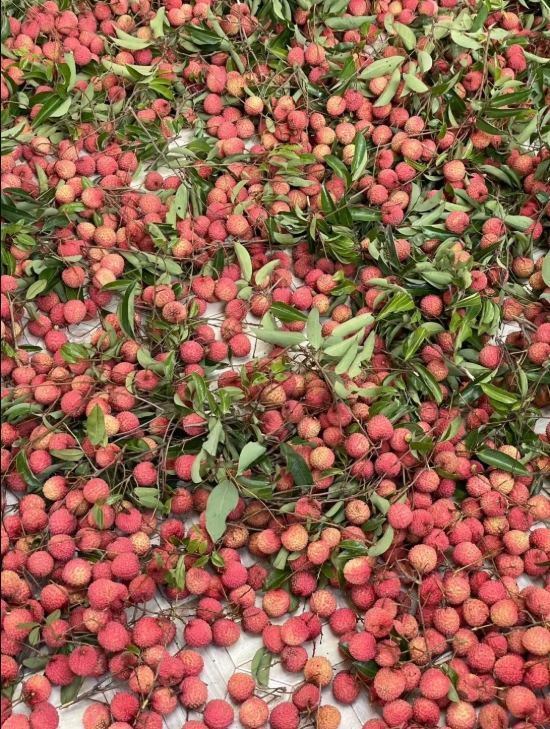
A young couple who returned home to sell lychees made 4,503 yuan from 51 orders, but shipping and packaging cost 1,526 yuan — roughly a third of their total revenue.
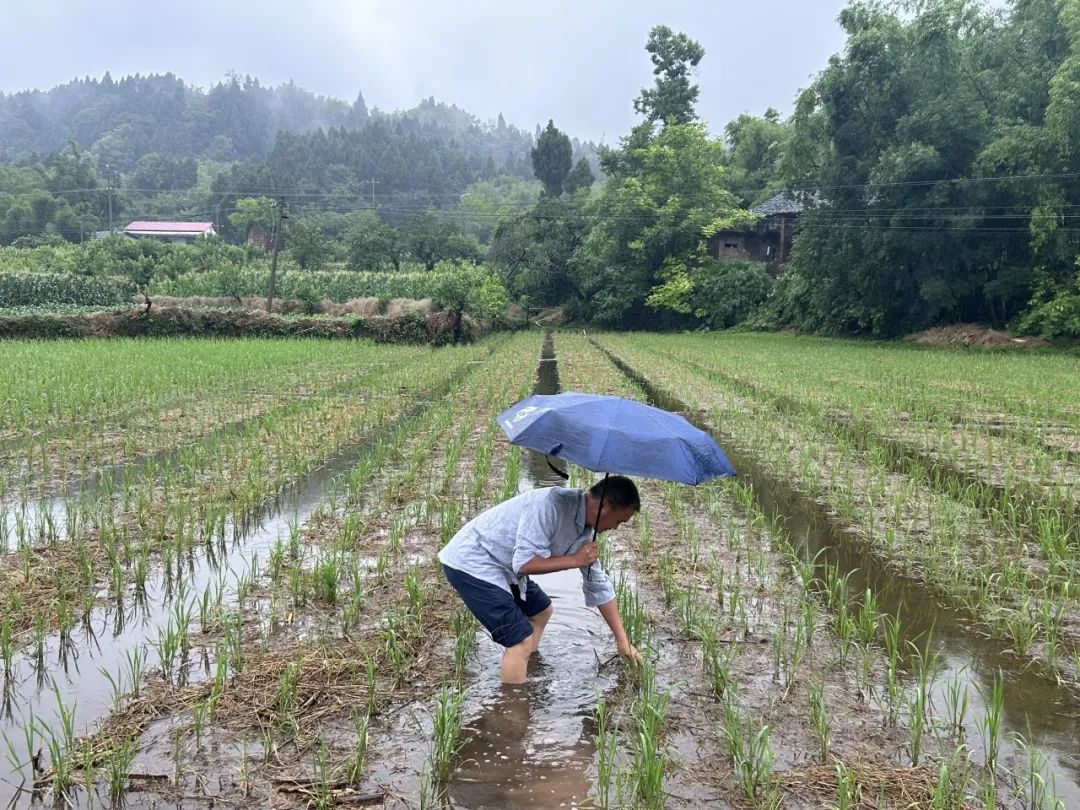
61-year-old farmer Sun Wenxiang, with his wife and father, maintains ecological farming in Qilong Village, Hongya County, keeping old rice varieties such as Red-beak Glutinous Rice, relying on black pigs, biogas slurry and daily weeding, while questioning whether old varieties will reach the next generation.