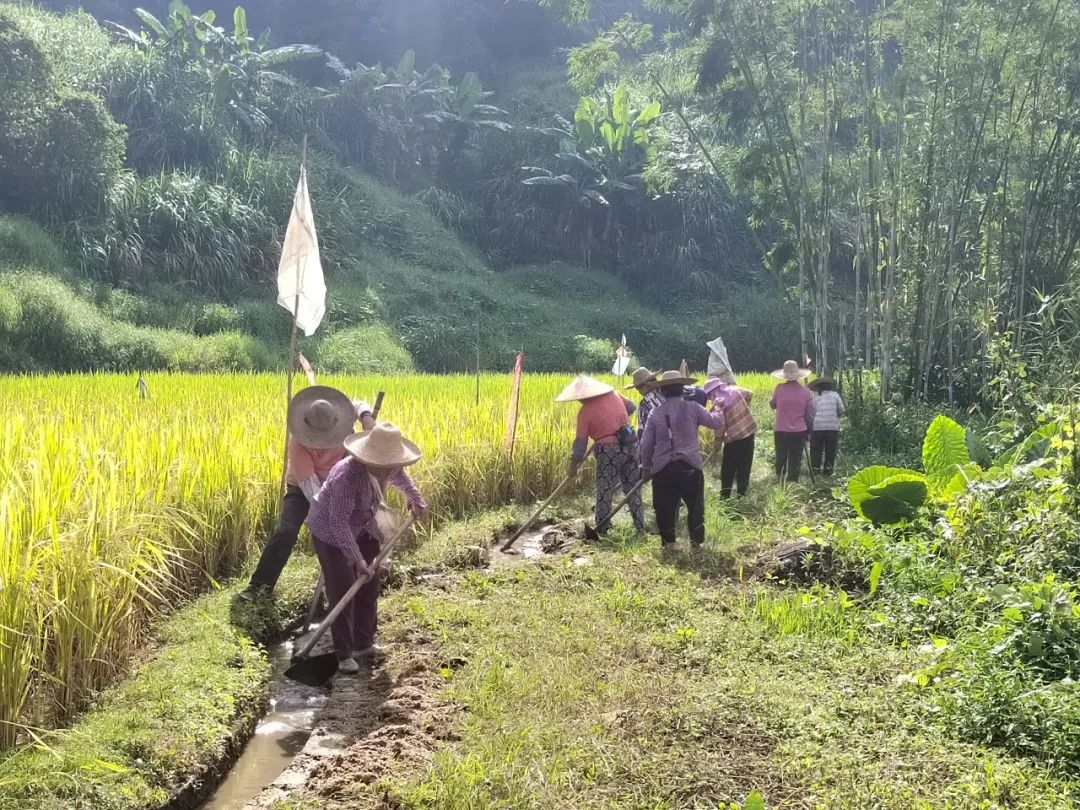
Over four years in Fujian’s Eren Gu, Kouzi hired six excavator operators, was repeatedly slapped in the face by soupy mud, wild grass, and the neighbours’ ducks—until a valley once choked with bamboo roots and wild grass finally spilled with gardenia fragrance.

Veteran BBC journalist Dan Saladino compiled 40 stories of foods at risk of vanishing into Eating to Extinction, published in Chinese by Beiye Books. At the 3rd International Congress on Agricultural Biodiversity, he stated that only by saving diversity can the Earth and humanity have more choices.
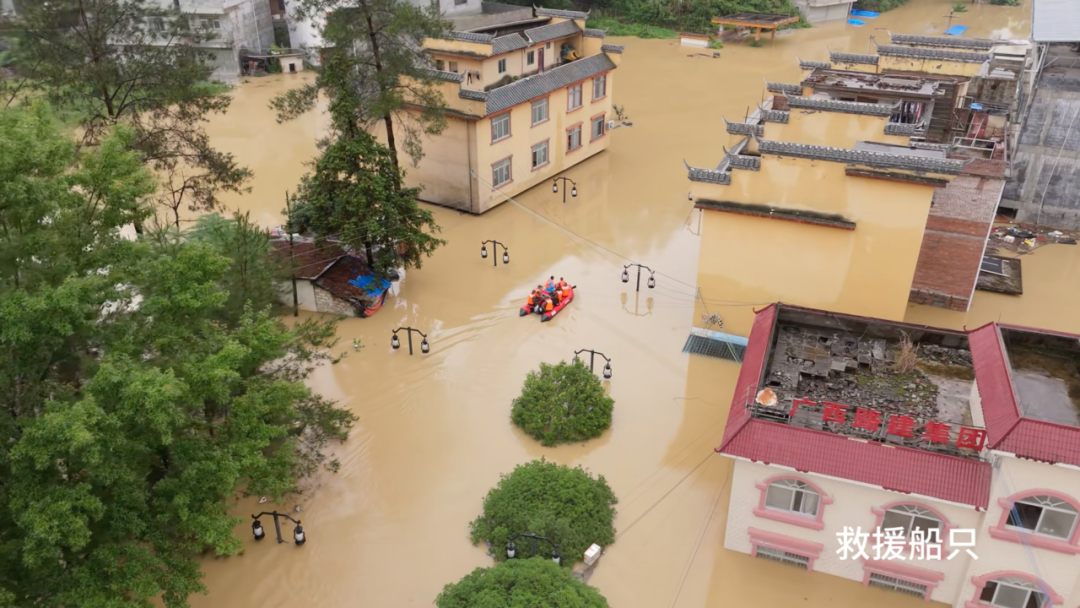
Having endured a once-in-60-years drought, farmers in Liuzhou, Nandan, and Hechi in Guangxi now face sustained torrential rain. Four first-hand accounts describe water sources washed away, livelihoods disrupted, and fears that the abrupt shift from drought to flood is becoming the norm.
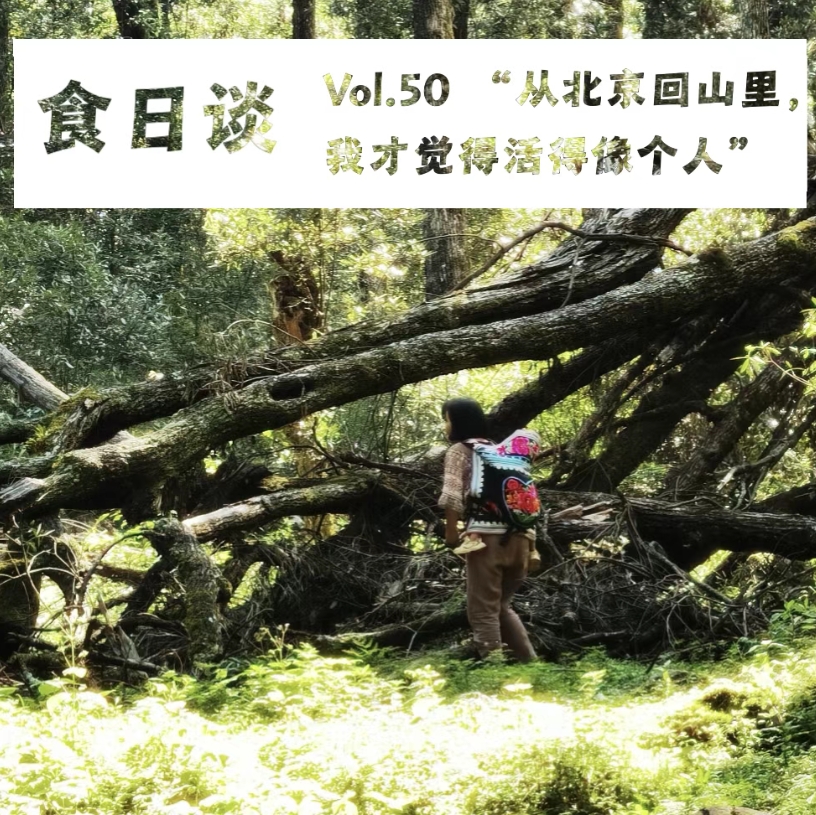
Yi woman Kangli and Greater Khingan Range forager Jin Peng discuss pricing mountain produce, the drain of people from mountain villages, and the challenges and hopes amid climate change.
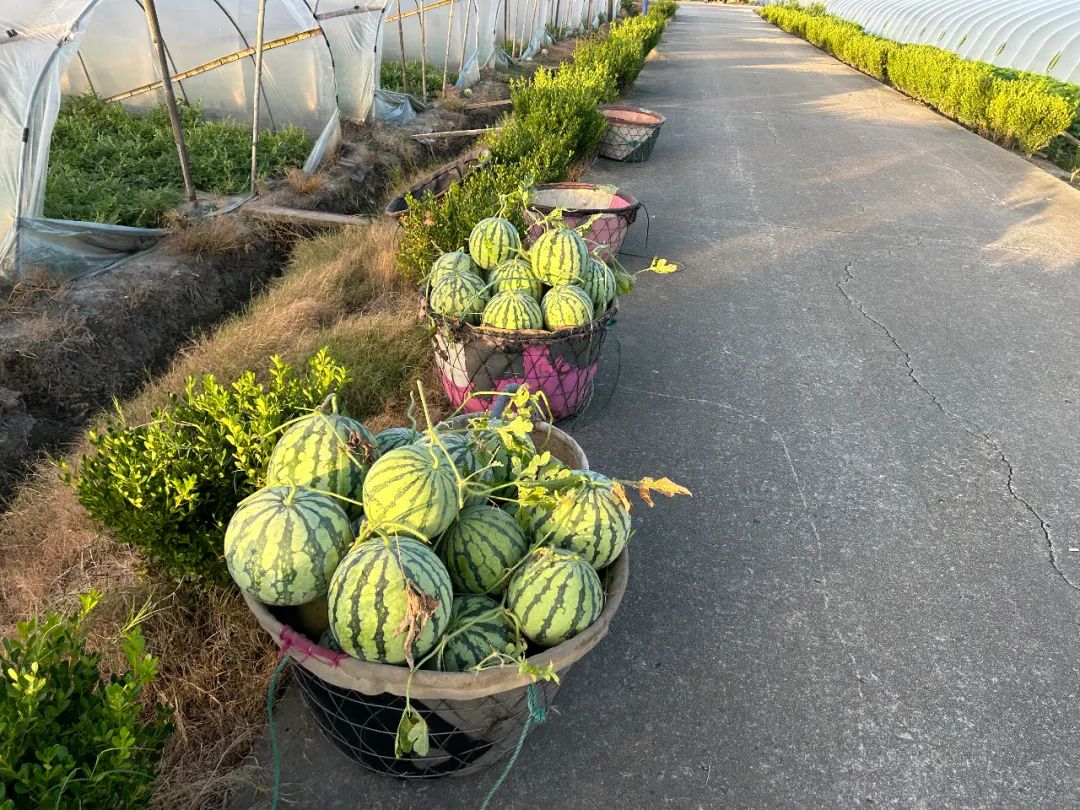
Summer arrives, and with it, another season for watermelon. Watermelons are inseparable from summer, just as the farmers behind the fruit evolve alongside their crop. Wherever there is land, you will find the watermelon farmers of Taizhou. Their history of enterprise dates back to the 1980s, forming another chapter in…
I. Flowers in Early Bloom On 3 May, in Jinqu Town, Mei County, Shaanxi, Xu Yuanlin spotted the messenger flower in his vineyard first thing in the morning. He was stunned. The so-called messenger flower is the first blossom of the season; like a herald, it warns farmers to begin…
Farmers, grassroots social organisations and funders at the Nanning workshop discussed cases such as Huanglongbing (citrus greening disease) in navel oranges and pasture degradation in grazing regions: market conditions and policy gaps often shape rural climate resilience more than extreme weather.
Passed down since the collectivisation era by farmers saving their own seeds, Guanzhong’s “Baituwa” melon helped growers make fortunes in the 1980s. Now unable to withstand storage and transport, and not “attractive” enough, it has retreated from city shop shelves, glimpsed only at rural markets.
Udon Thani’s sugar mill was shut down for accepting excess burnt cane, stranding nearly 2,000 trucks and leaving 50,000 tonnes of cane to rot — a loss exceeding 50 million baht. Fresh harvesting, though, costs three times as much as burning, and small farmers cannot afford it.
Social enterprise “Muyunpo”, rooted in Xiaojin County, Aba Prefecture, Sichuan, organises Jiarong Tibetan region villagers to independently forage matsutake, free-graze yaks and grow apples, returning sales surplus to villagers’ groups at year-end. Yunhui and Xixi share how they found a different path.