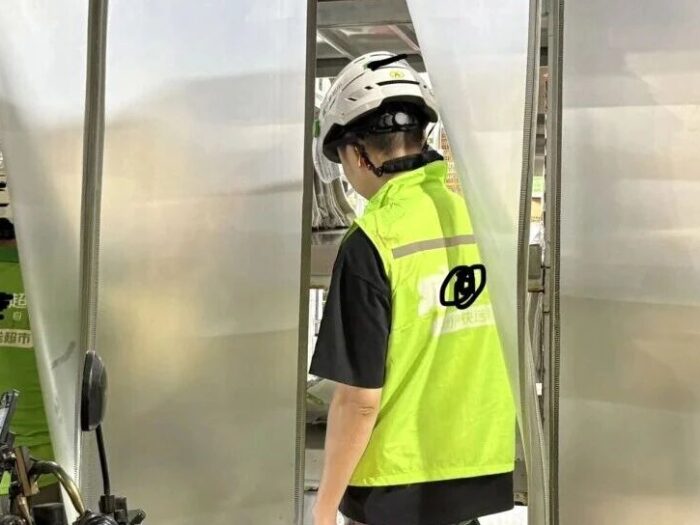
After Hema’s mistaken delivery of daffodil bulbs, Meituan’s Xiaoxiang Supermarket sorters still have to complete an order within three minutes. Cold rooms, climbing shelves and piece-rate deductions make mis-picked or omitted items a structural issue under speedism.
Sustainable food and agriculture content platform Foodthink resumes at Grain Rain, documenting smallholders’ livelihoods, field workers, climate change, biodiversity and policy changes. It clarifies this year’s focus: the International Year of Women in Agriculture, the International Year of Rangelands and Pastoralists and climate resilience action.
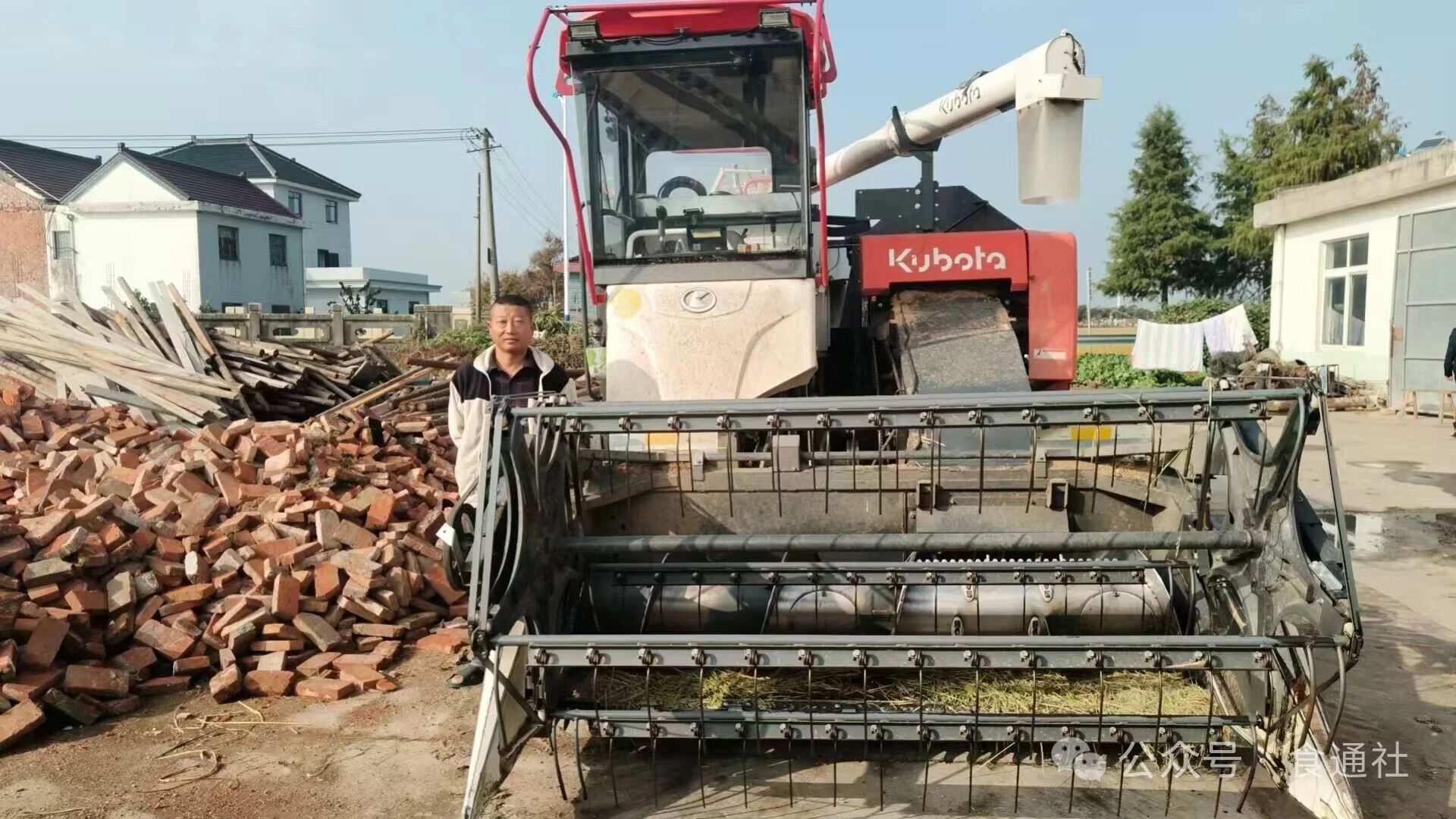
In northern Anhui, old harvesters are being replaced by new machines with large grain hoppers and air conditioning. Bag collectors and workers who spread fertiliser and spray pesticides are losing work, one after another, but high prices leave smart agricultural machinery farther from smallholders.
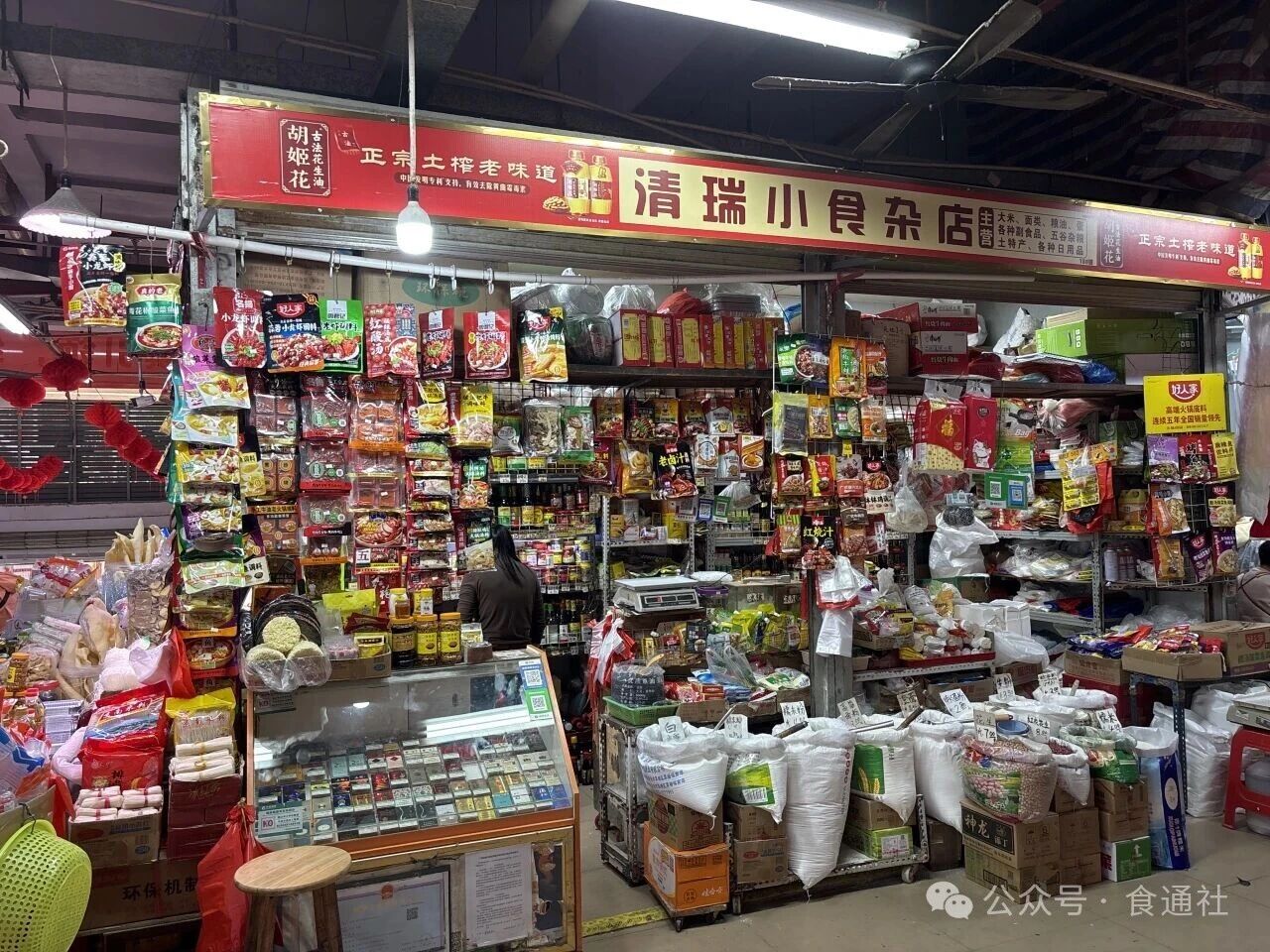
Yijing Market, Wuzhou, Guangxi: Juzi’s grandmother opened the shop with the market in 1995; Juzi’s mother now opens at dawn, portions spices late at night and wins repeat trade by remembering regulars’ tastes, as Wuzhou’s wet markets decline and the small shop awaits its fate.
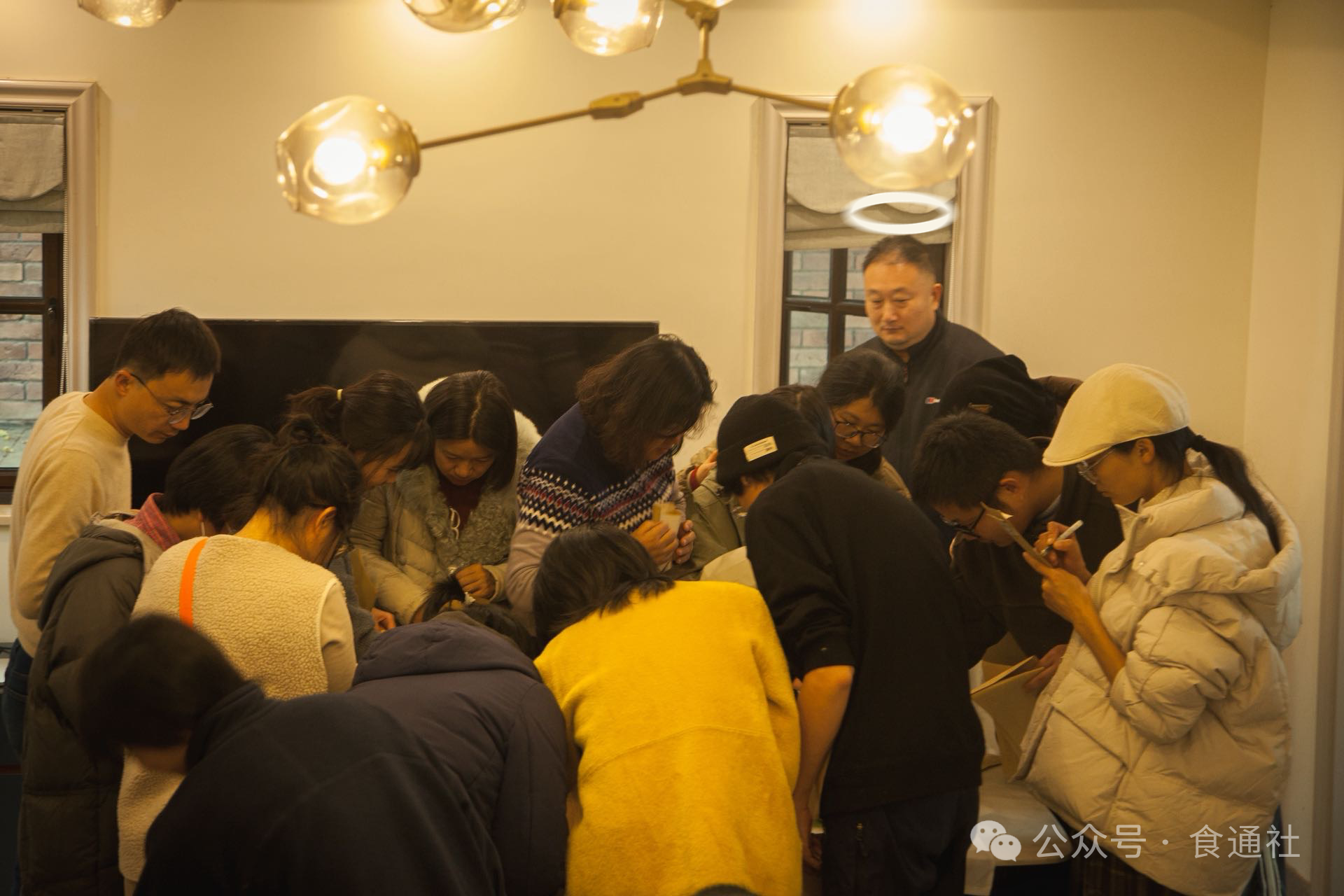
After Guan Qi’s unexpected passing on a business trip in Qinghai, several friends and colleagues recall this core figure in the Farmers’ Seed Network. Their memories span traditional seed conservation, document sharing, craft beer and local specialities, and show why he is deeply missed.
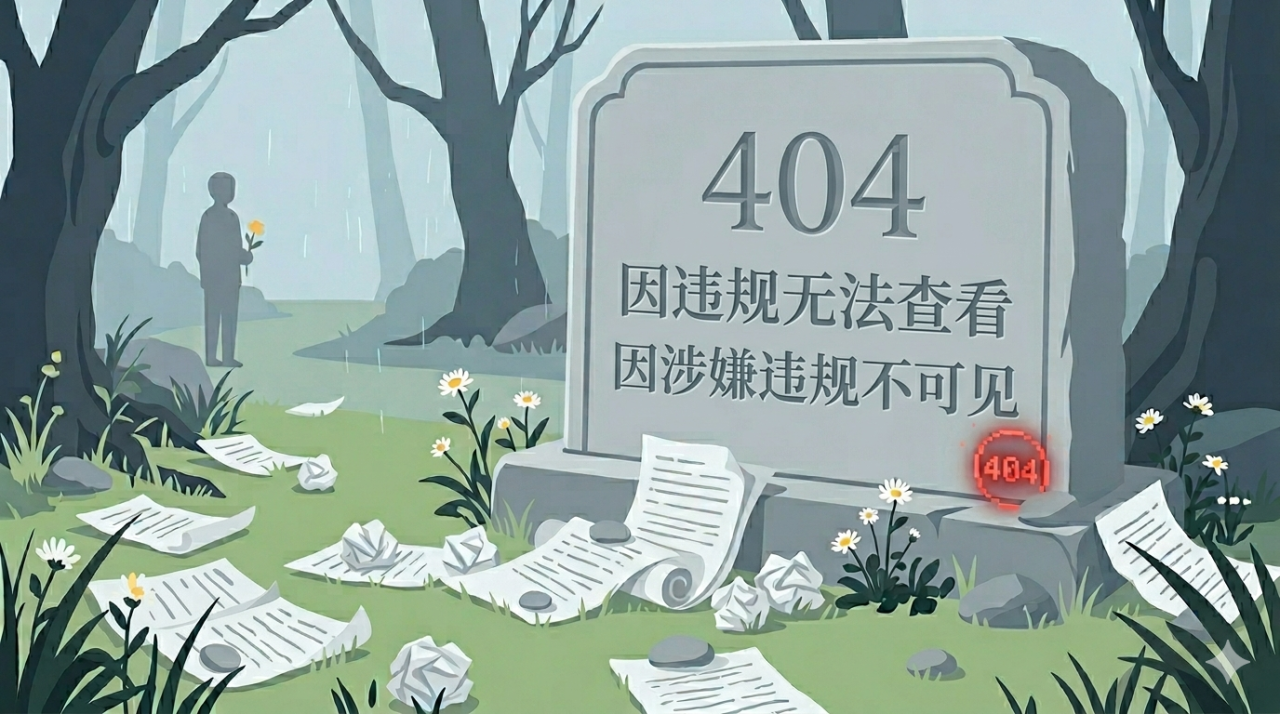
Over the past year, articles deleted from Foodthink have covered delivery riders, mouldy corn in North China, rural heating in Hebei and high-standard farmland. Reader comments have been quickly blocked, and the space for public discussion has narrowed.
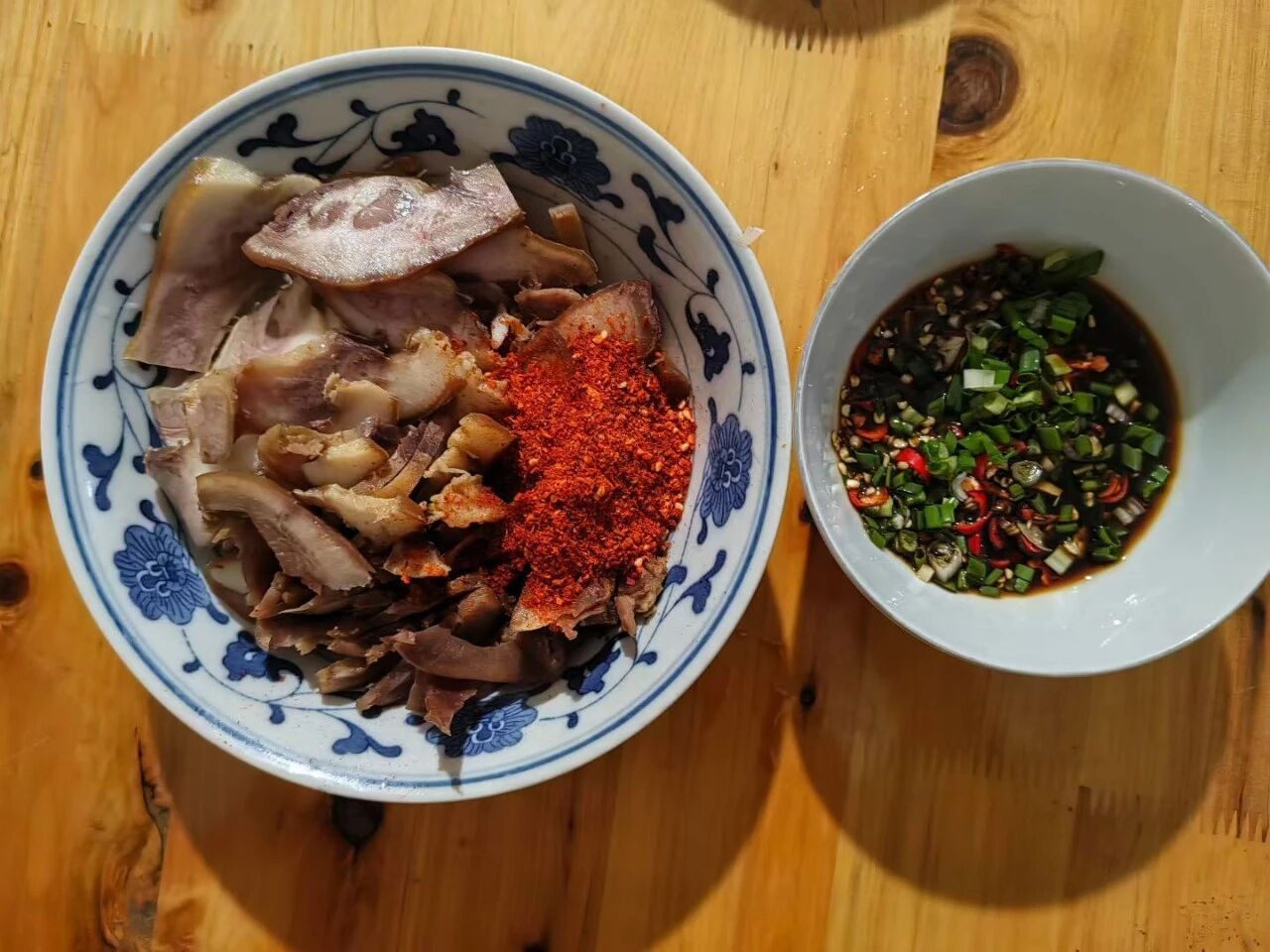
Shuer’s family returned from Wenzhou to Wutong Village, Zhangjia Township, Weiyuan County, Sichuan, for the Spring Festival. There, market visits, fishing and picking pea shoots, with pork, crucian carp and seasonal vegetables, made up a rural dining table where food is both plentiful and scarce.
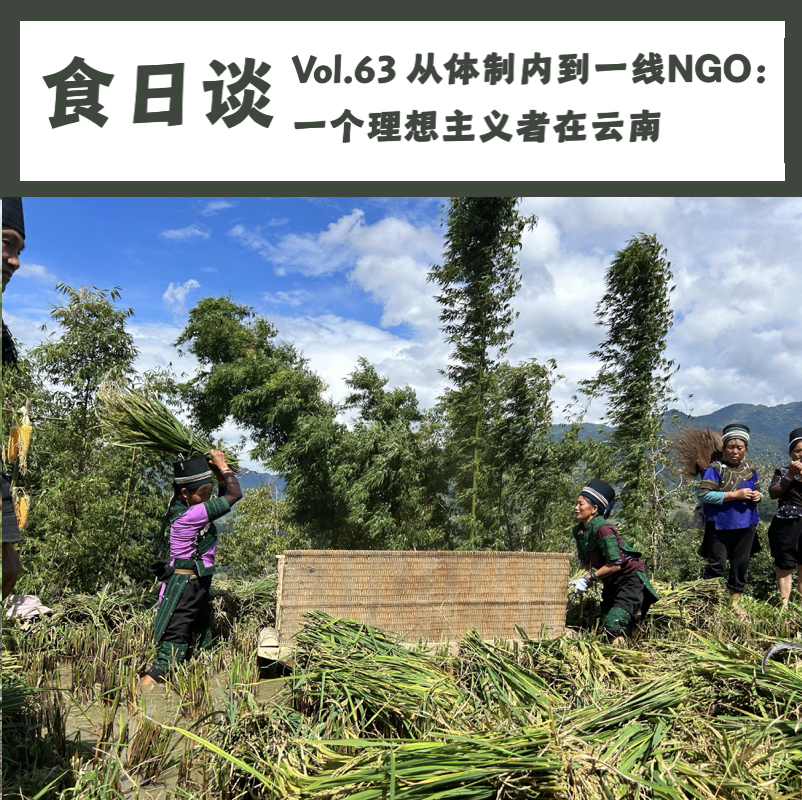
Zuo Zhi, executive director of the Yunnan Sili Centre for Ecological Alternative Technologies, teaches farmers out in the fields to use fewer pesticides and grow heritage rice varieties, building trust by ‘speaking plainly’ while promoting climate-friendly rice.
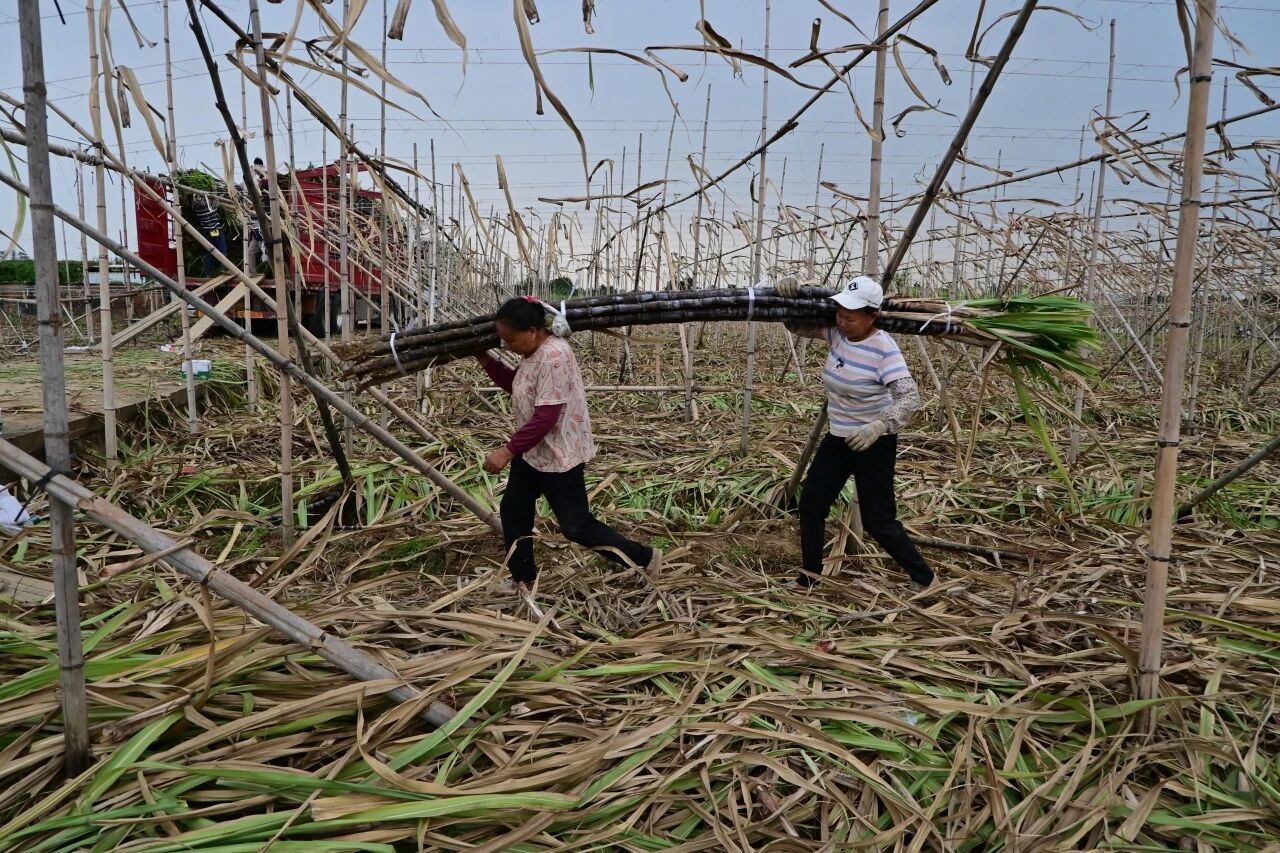
After bananas were cleared out in Nansha, Guangzhou, elderly sugarcane farmers are selling black-skin table cane for one or two yuan a stalk, relying on livestreaming, stalls and cane cutting to recover some costs, but still have to plant next season after losses.
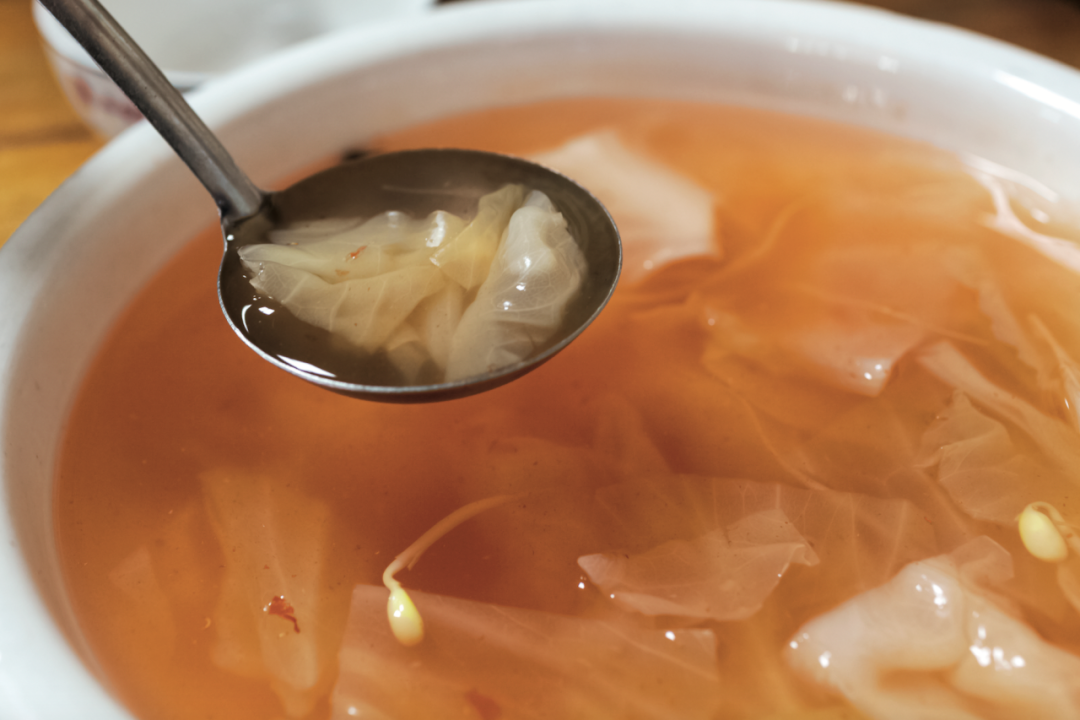
Zheng Yuyang’s mother returned to a village with only seven or eight households and, in the old house, saw the crockery cupboard and pickled-cabbage jar, weeping. In Beijing, he made his first bucket of pickled cabbage, trying to reconnect Northeast’s daily life with city life.