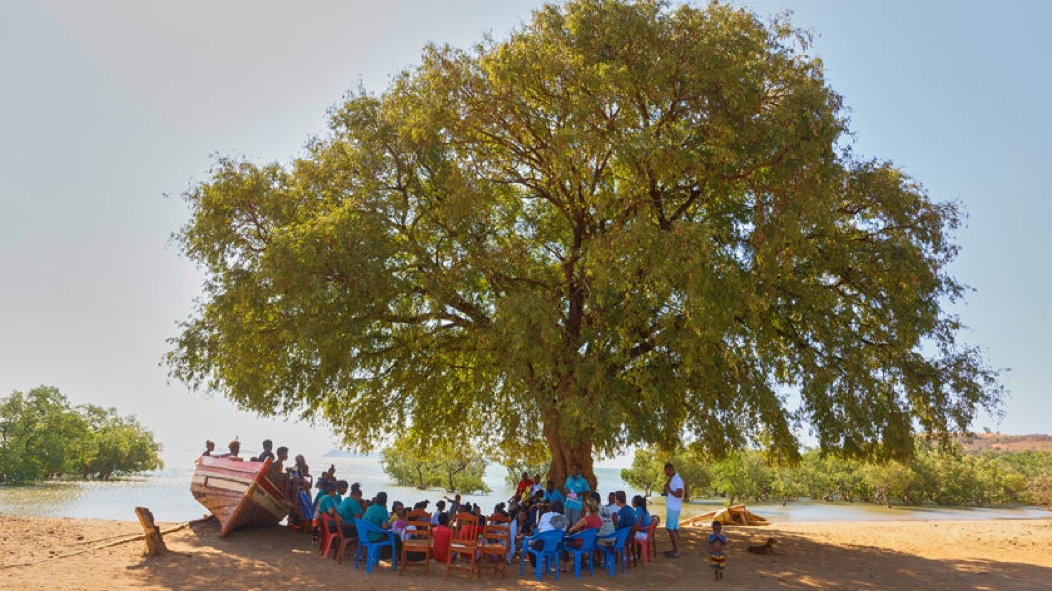

From gathering shellfish in mangroves to guiding tours in a national park, southern Thai fishers are turning resources in community conservation areas into a restaurant, a processing group and tourism income, so that protecting seagrass beds, fish havens and more can also support families.
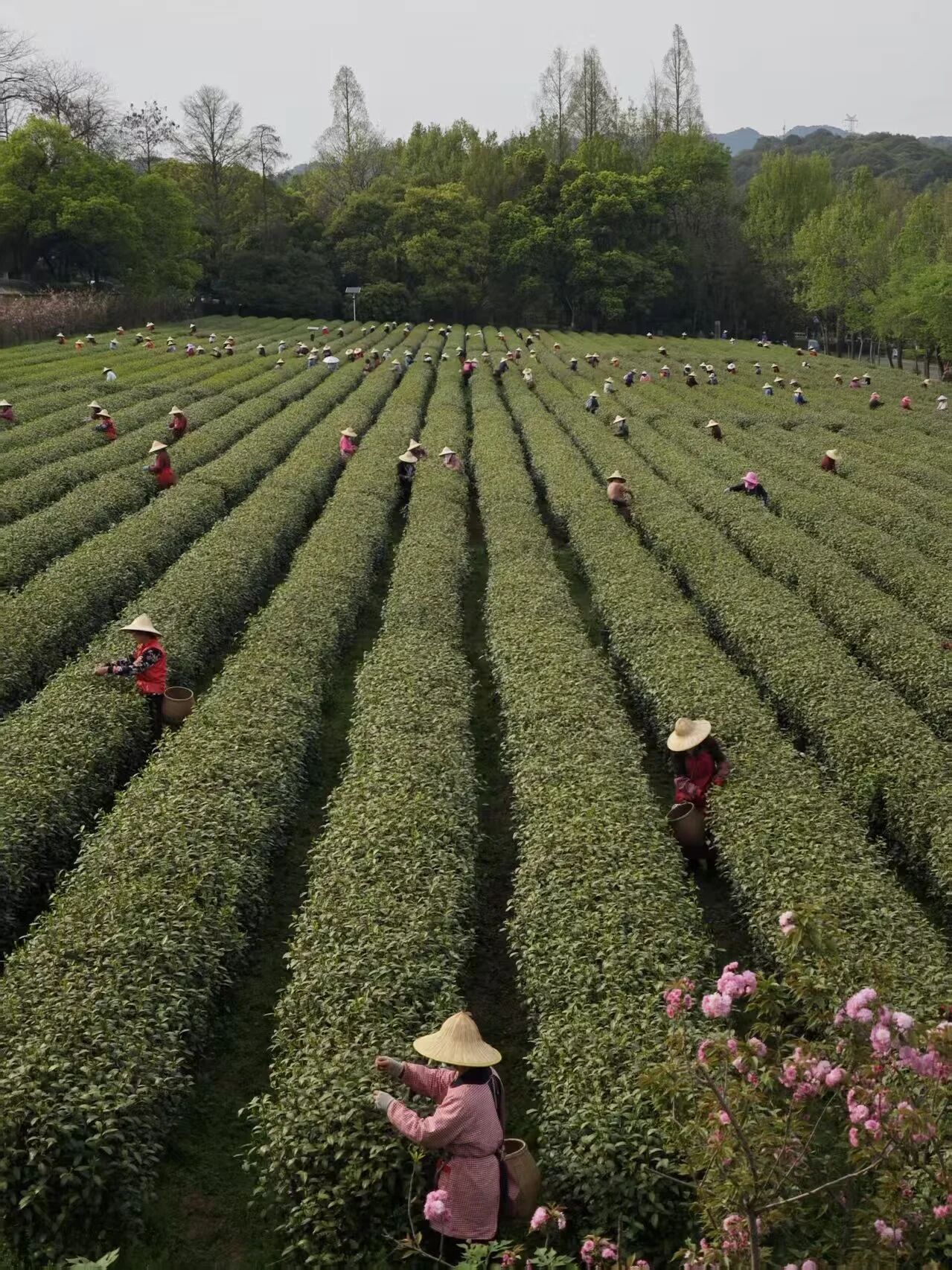
From sugarcane fields in the south, Wuhan rice fields and tea gardens to an insect lab, four agricultural science students, recent graduates or those about to graduate, share their love of crops, the disconnect between agricultural science and real-world farming, and uncertainty about employment.
In fishing villages on Thailand’s Andaman Sea coast, fishers and environmental organisations such as the Save Andaman Network use community-managed conservation areas to protect mangroves, seagrass and blue swimming crabs, while resisting dredging works and carbon sink projects that erode resources and livelihoods.
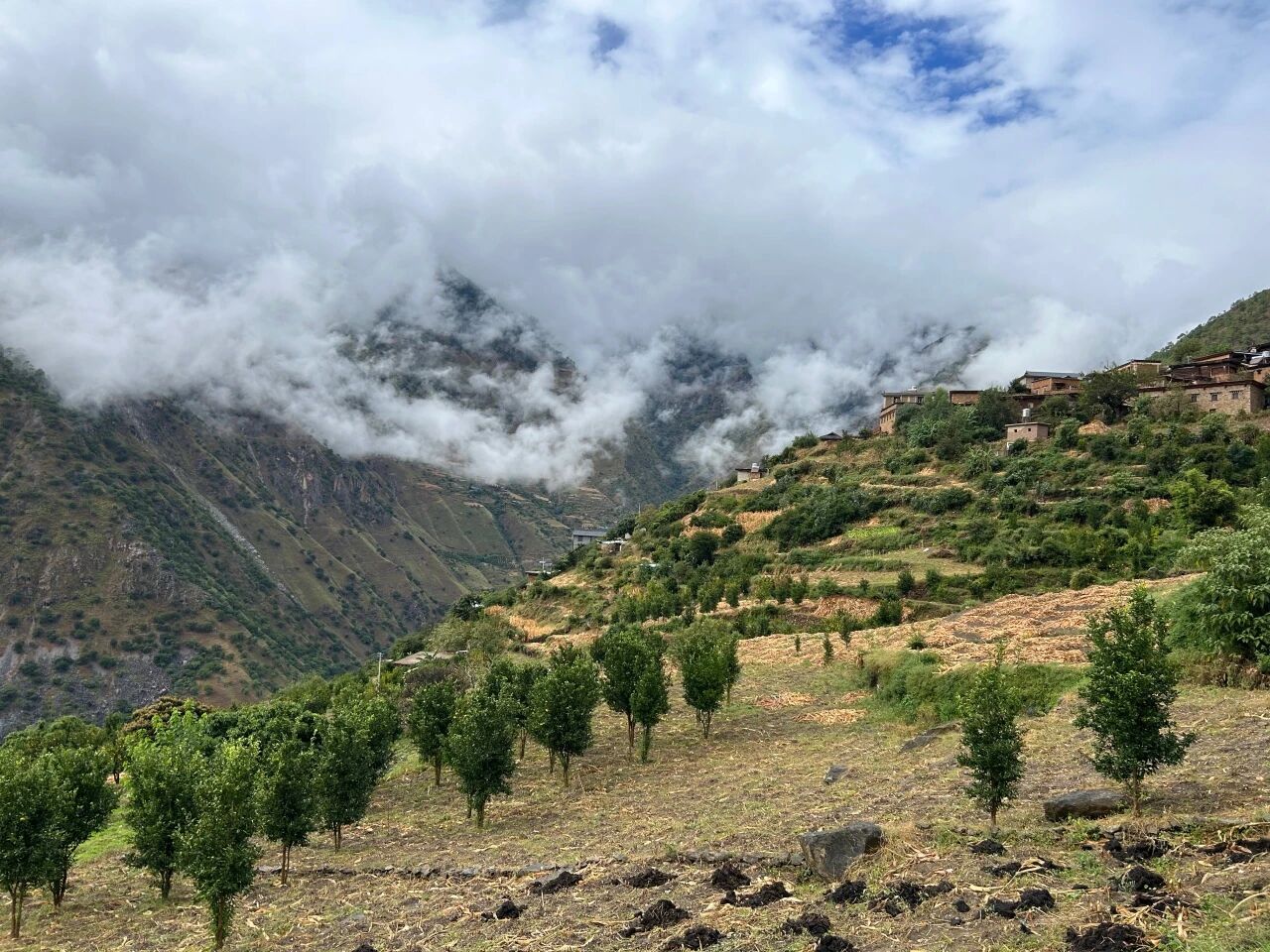
In Youmi Village, north-west Yunnan, left-behind women, including Yuting and Ga Tu, are trialling water-saving upland rice. The NGO Farmers’ Seed Network, through Jinghong-based restaurant owner Haimei, found an old Jino variety, Sickler Rice, from Xishuangbanna, leaving a spark for staple food and rice-growing culture.
As the EU–Mercosur free trade agreement was about to be signed, EU farmers in Brussels hurled potatoes at the EU headquarters building, asking who should bear the costs of the grain-price shock and green transition; Chinese smallholder farmers also face a similar cost-sharing question.
Xiao Jing, Yu Yang and Li Ye, three heavy users of digital mealtime content, discuss whether watching it while eating can ease loneliness. Research teams found this way of eating increases total caloric intake by 15% and may cause gastrointestinal dysfunction, indigestion and nutritional imbalances.
From Trang Province to Satun Province, fishers’ associations and grassroots NGOs are working together to establish community conservation areas. They combine anti-trawling action, patrols and fisheries-legislation advocacy to balance conservation and livelihoods, and are now planning a response after the fine-mesh provision was approved.
Sucrose, high-fructose corn syrup and other added sugars hide in sweet drinks, pastries, savoury puffed snacks. Excess fructose, mainly liver-metabolised, can easily trigger fatty liver; long-term high-sugar diets raise diabetes and heart disease risks. Checking labels and skipping sweet drinks can cut daily added-sugar intake.
At the free agricultural machinery training in Fuyang, Anhui, Wu Ting, born in the 2000s, learned to drive tractors, combine harvesters and drones. She saw female trainees hesitate, assuming that only men can drive them, and older agricultural machinery operators’ urgency to update their skills.
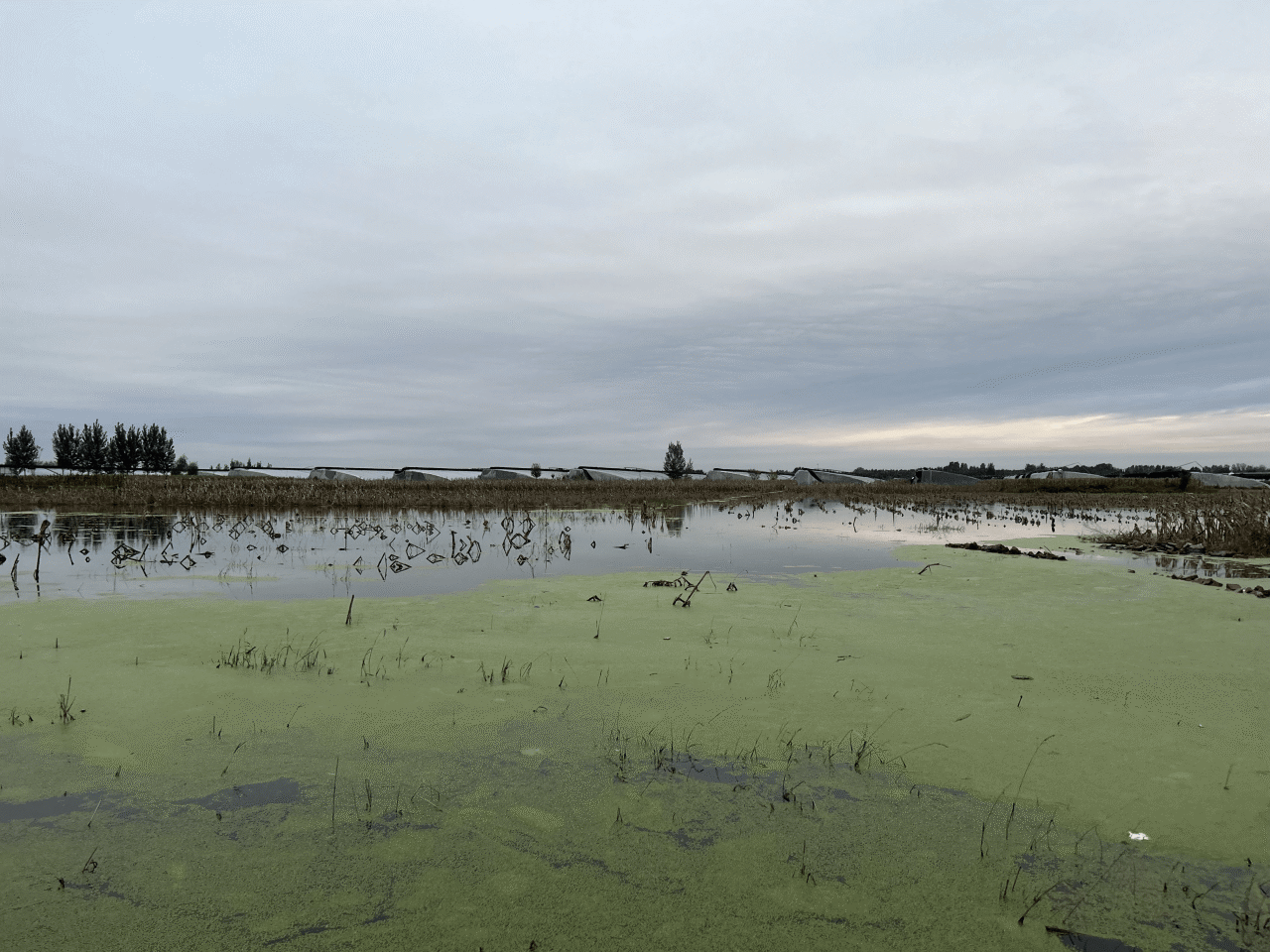
Extreme weather in the north, including flooding and successive droughts, has pushed the No. 1 Document to strengthen disaster prevention. The first appearance of low-carbon agriculture moves the climate agenda from adapting to risks to emissions reduction; the key remains involving small farmers and ensuring they benefit.