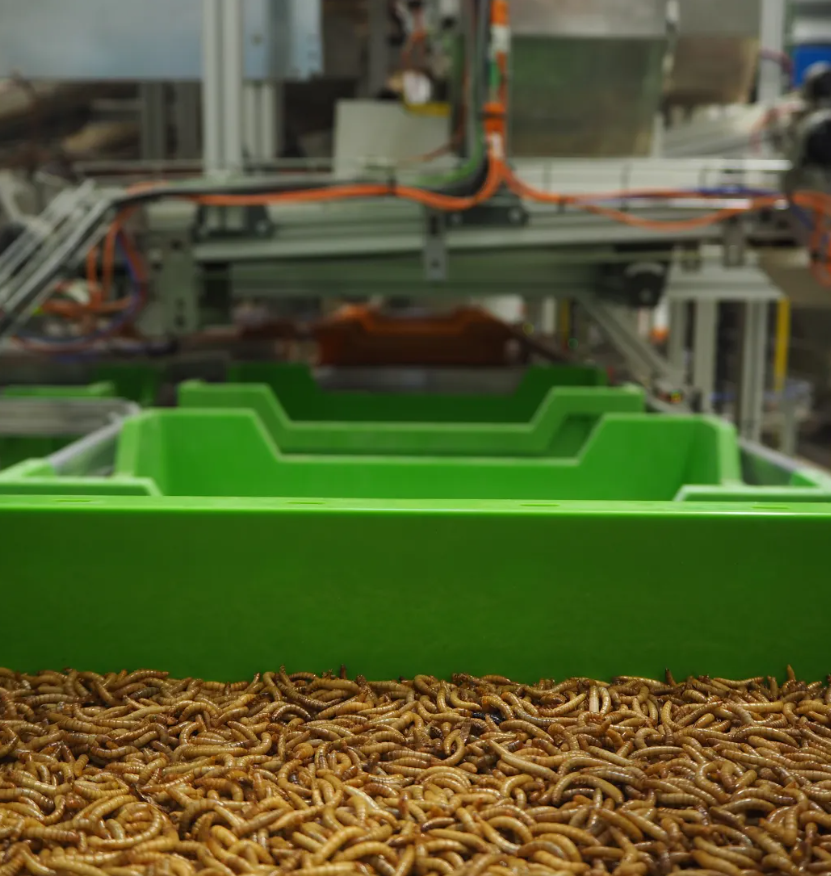
From American cockroach coffee to the bankruptcy of the European insect protein unicorn Ÿnsect, insect protein has been packaged by capital as low-carbon feed and the answer to the food crisis; the energy costs, research disputes, and regulatory easing in industrial farming are moving “eating insects” from science fiction toward the dining table.

Farmer Kou Yanding has sued for defamation after Baidu AI generated a fake “judgment” saying he had been sentenced for extortion. The Beijing Internet Court has heard the case, making it the first AI defamation case in China with documented records.
Chen Jingjing, with 20 years of rural construction experience, worked in the fields for the first time in Qingshan Village, Hangzhou. By avoiding herbicides and relying on sun drying, he incurred extra labour costs and calculated that the cost of a catty of rice exceeded 30 yuan. The accounts uncover how land rent, grain subsidy and division of labour are changing ecological rice cultivation.
Farmers, construction contractors and researchers in villages in the southwest, northwest and central regions recount how some high-standard farmland has been abandoned because of water shortages, levelling and soil damage; they also discuss subsidies, acceptance inspection and squeezed profit margins, asking how food security can truly be safeguarded.
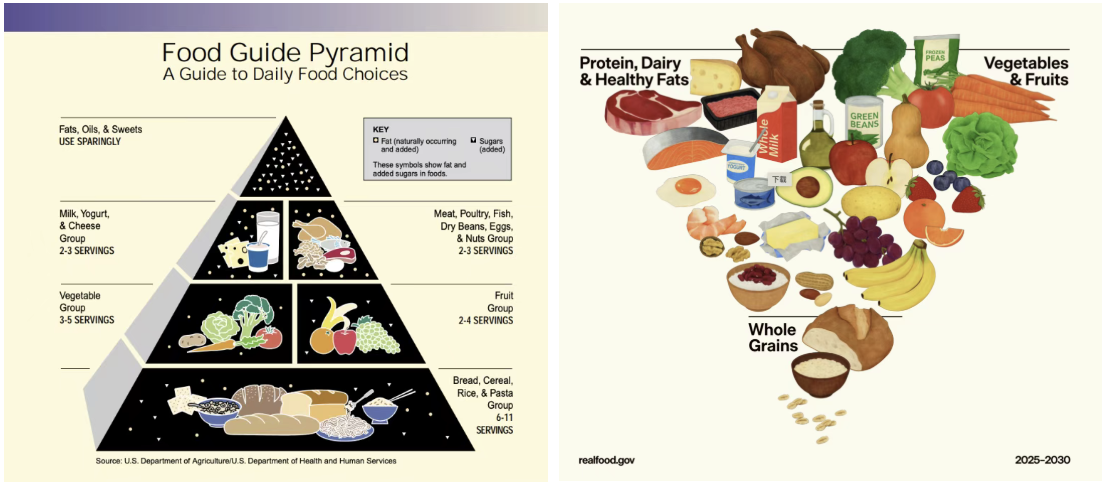
Research funded by the US Sugar Association, the selection of data in the Seven Countries Study led by Ancel Keys, and the promotion of low-fat guidelines collectively shaped the food industry’s trend of replacing fat with sugar, while the new Dietary Guidelines for Americans explicitly advise against consuming any amount of added sugar.
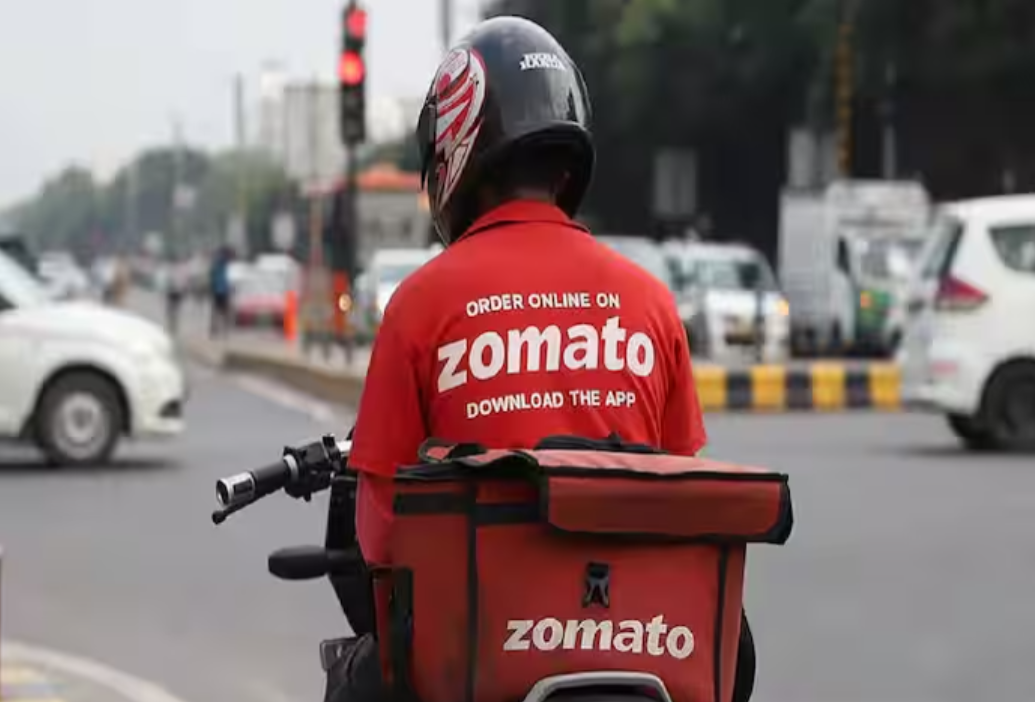
A 40,000-rider stoppage failed to paralyse New Year’s delivery, but exposed platform price suppression, small shop owners joining the rider ranks, and protection gaps, prompting regulatory deliberations in several parts of India.
From unharvested rice fields in Meishan to villages around Chengdu where land preparation is being redone, the good topsoil is turned over and buried by excavators, some water conservancy facilities have failed, and some large fields under unified land transfer are left uncultivated after outside contractors leave. High-standard farmland has even become a reason for farmers to abandon cultivation.
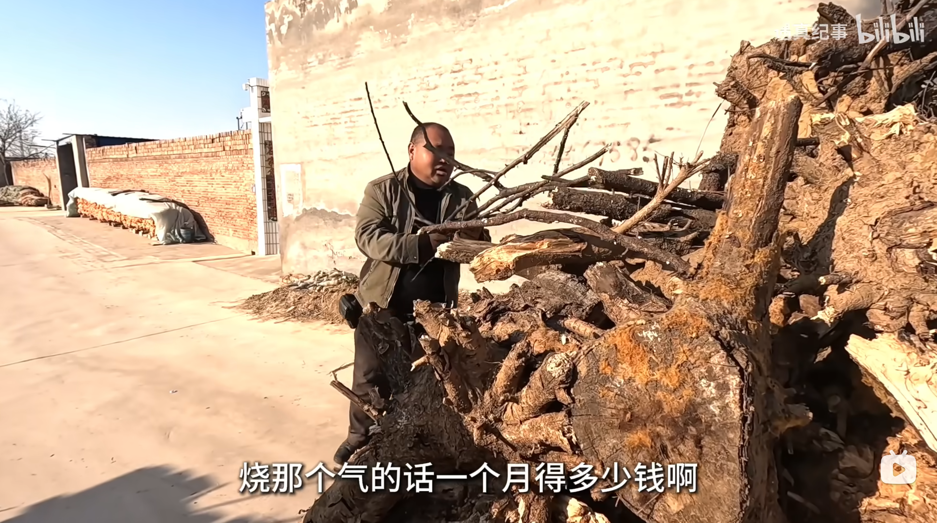
From Hebei to Shandong, subsidy phase-downs, equipment failures and high heating costs make rural clean heating hard to sustain, while the straw burning ban has led some farmers to burn straw secretly at night or push it into ditches; why does the cost of the green transition always fall on farmers?
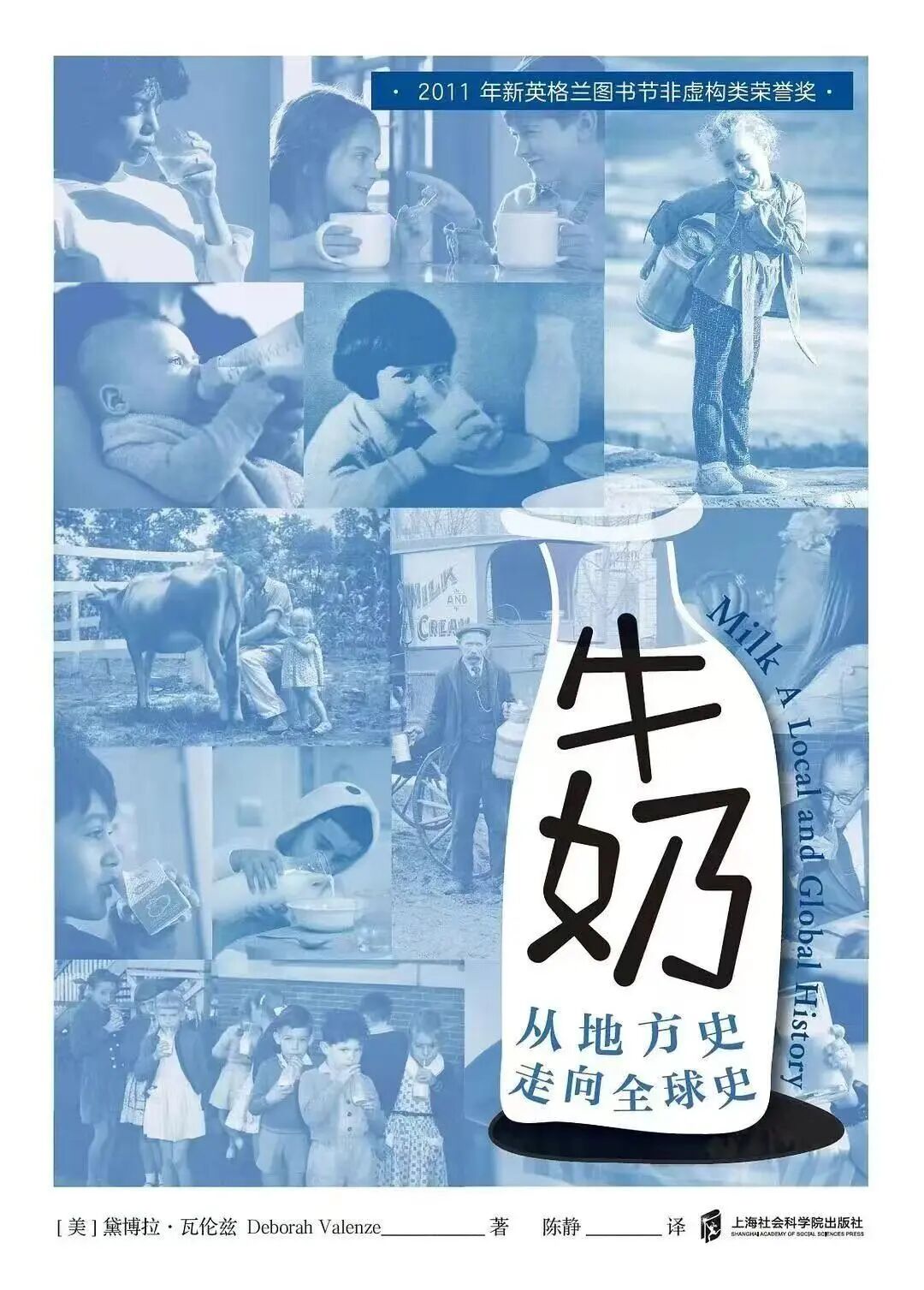
Canned condensed milk and milk powder made perishable milk portable and shelf-stable; companies such as Borden and Nestlé sold them to colonies, mines and urban households, while ice cream and chocolate pushed demand even higher.
In a sixteenth-century manor in western France, a Colombian brother and sister with expired visas were working in exchange for board and lodging and waiting for residency; a month of work exchange made the fantasy of rural life collide with the reality of labour, kindness, and a lack of rights protections.