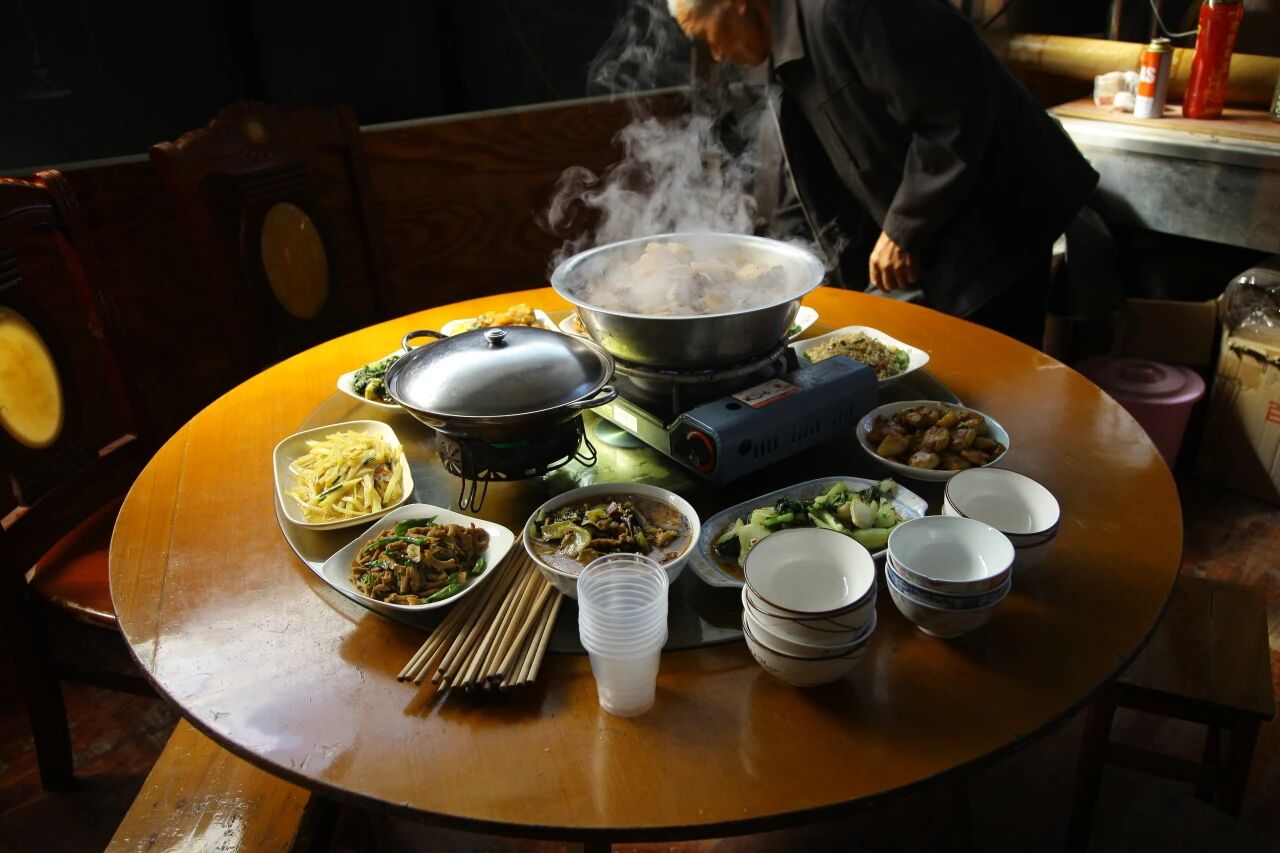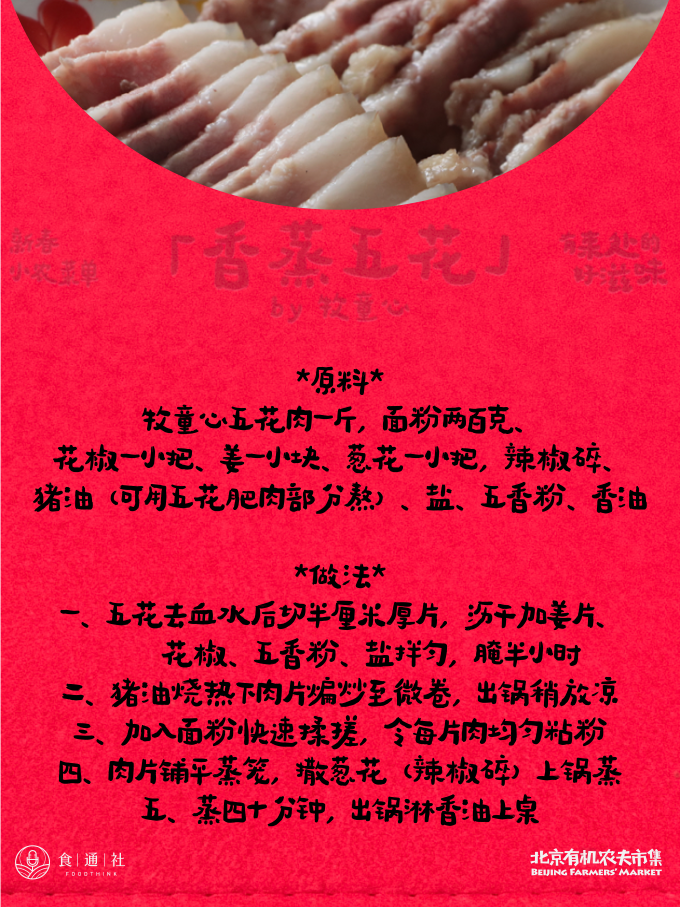
Wu Longlong from Mutongxin Farm personally shares his method for Fragrant Steamed Pork Belly. From the second to the seventh day of the New Year, Foodthink, together with farmers from the Beijing Organic Farmers Market, presents a New Year Recipe Collection – one dish each day.

From the second to the seventh day of the Lunar New Year, Foodthink is teaming up with farmers from Beijing Organic Farmers’ Market to share six New Year recipes made with their own ingredients, helping use up leftovers while adding a new dish to the table each day.
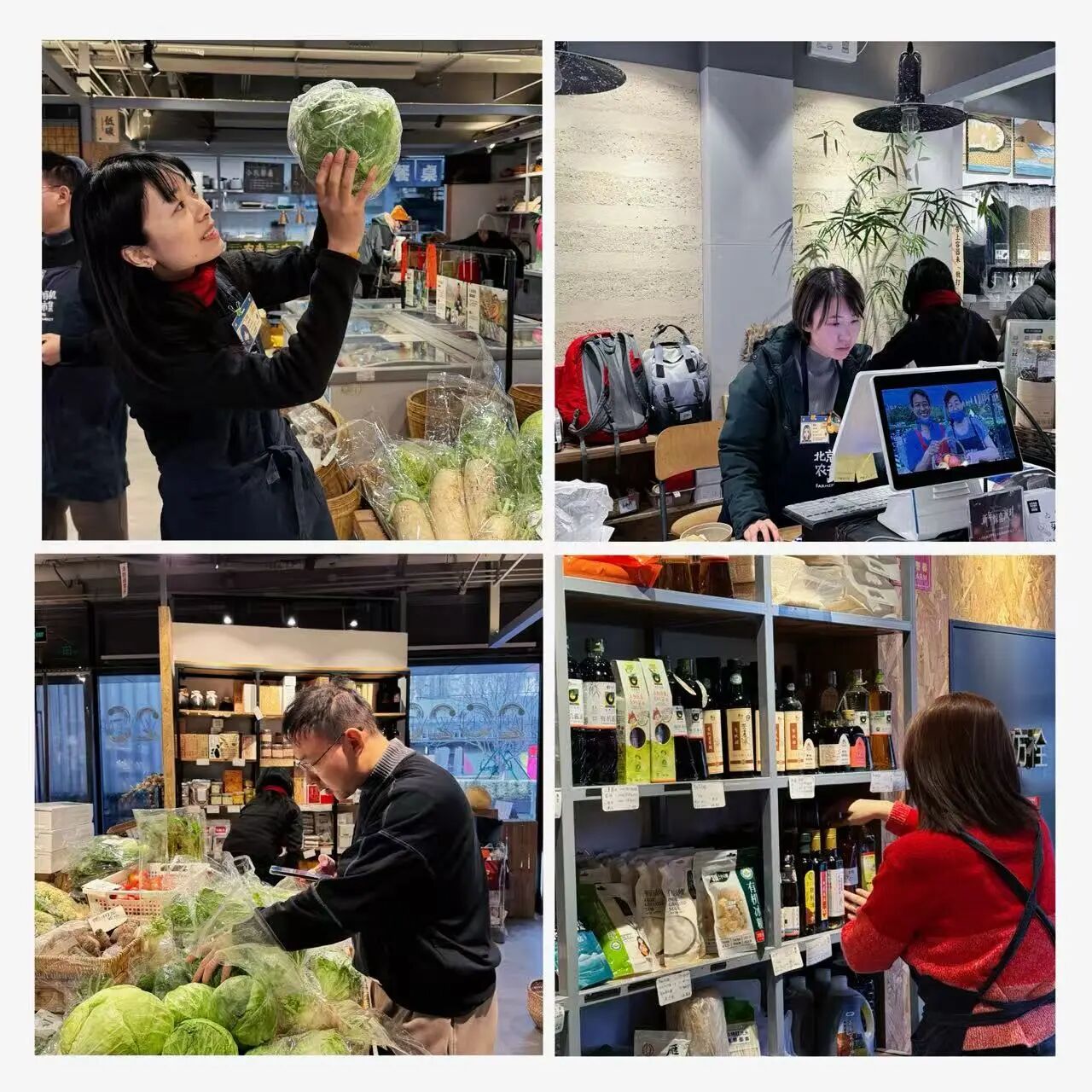
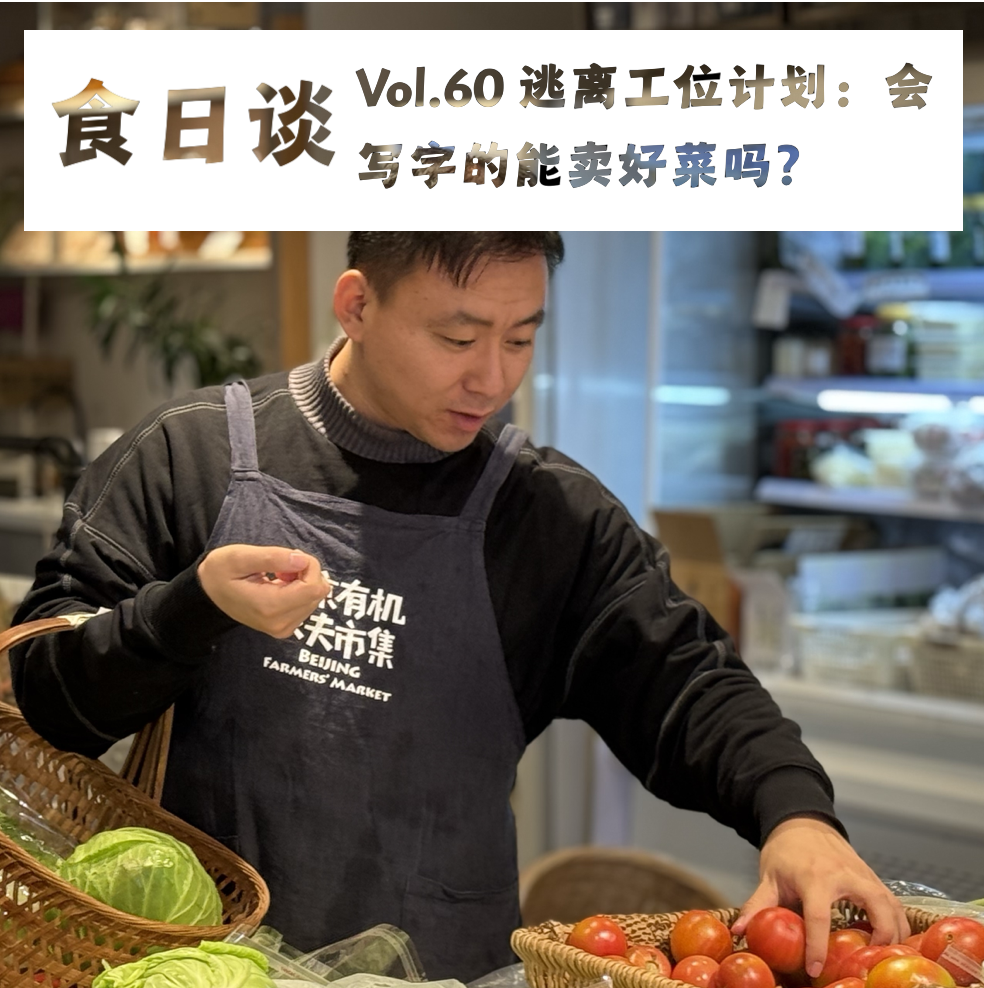
At Jishi, an eco-organic vegetable shop in Beijing, Foodthink’s eight members transformed from consumers into shop staff for 12 nonstop hours—identifying vegetables, packing, live-streaming, washing lamb broth bowls—and saw how selling vegetables ripples through shop service, supply chains, and domestic labour.
Once the Start of Winter passes, Songyang dries starch, hangs persimmons, sets up wine vats for New Year’s Eve: Sister Zhuhua has steamed cakes for nearly thirty years; Xu Yeyin tends a hundred jin of glutinous rice into red yeast rice wine; Songzhuang’s feast begins, as ever, before breakfast.
Shaanxi’s drought robs the land of its fruit, torrential rain over North China washes out rice paddies, delivery riders sprint to the algorithm, Brazilian ‘fake meat’ lands on Qinghai–Tibet herders’ tables – in 2025, climate, capital and trade all tighten, squeezing smallholders into the narrowest corner.
The “plantationocene” logic clears land through large-scale monoculture and severs people from ecology. From colonial tea estates to the Green Revolution, rural communities and ecosystems bear the cost. The Qimin Yaoshu’s mixed cropping and the decentralised Ming–Qing tea industry point to an agriculture of care, not control.
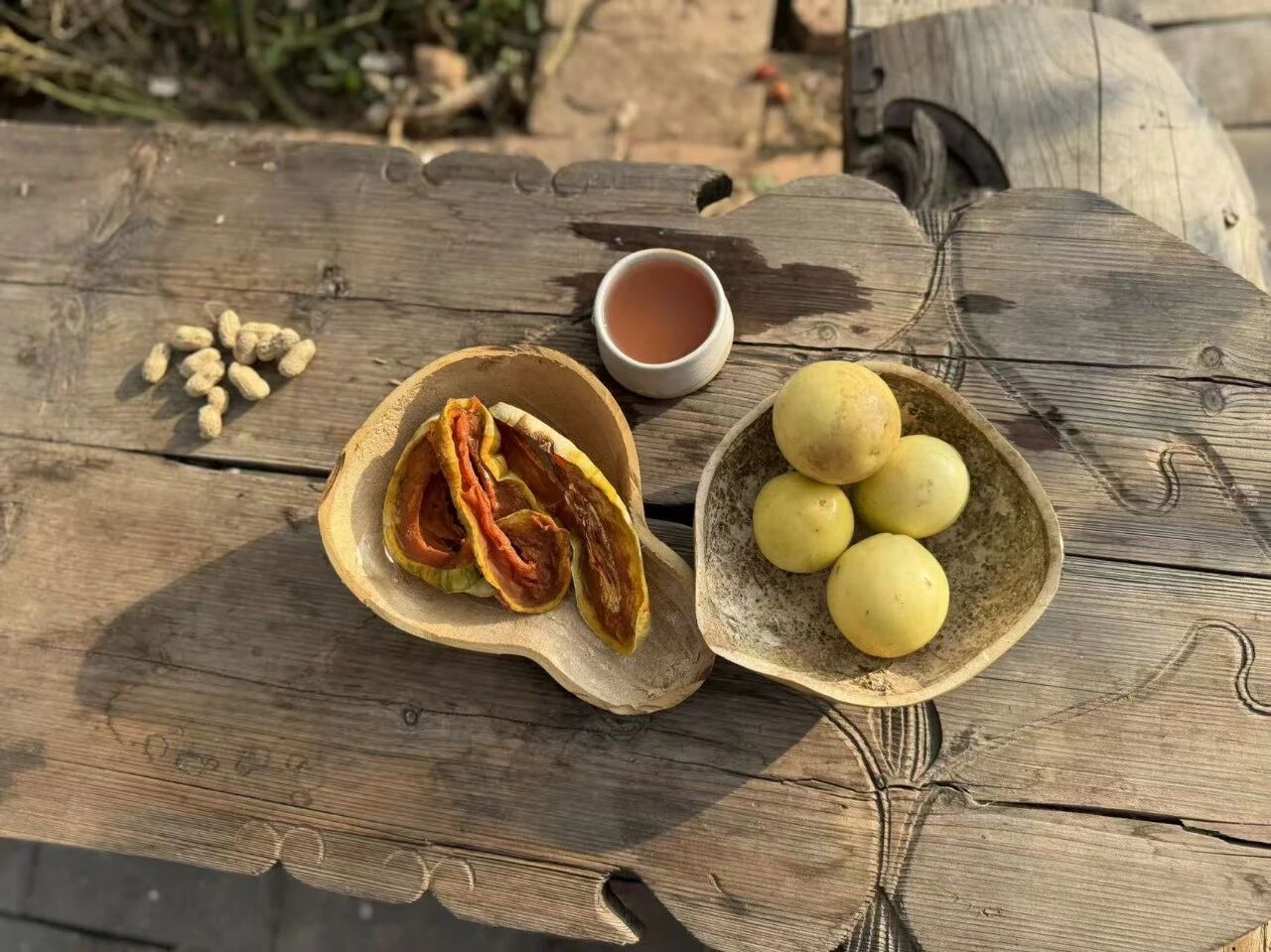
Kouzi’s sixth winter in rural Fujian puts the rocket stove and the big kang, the polytunnel and the old granary, radish, ginger and jujube soup, and dried pumpkin to work, turning the damp cold into warm, easy days.
Former Caixin assistant editor-in-chief Huang Chen and two Foodthink colleagues stock shelves, sort produce, and serve customers at the Jishi grocery, discussing how food spaces reknit scattered city-dwellers after shifting from data narratives to concrete labour.
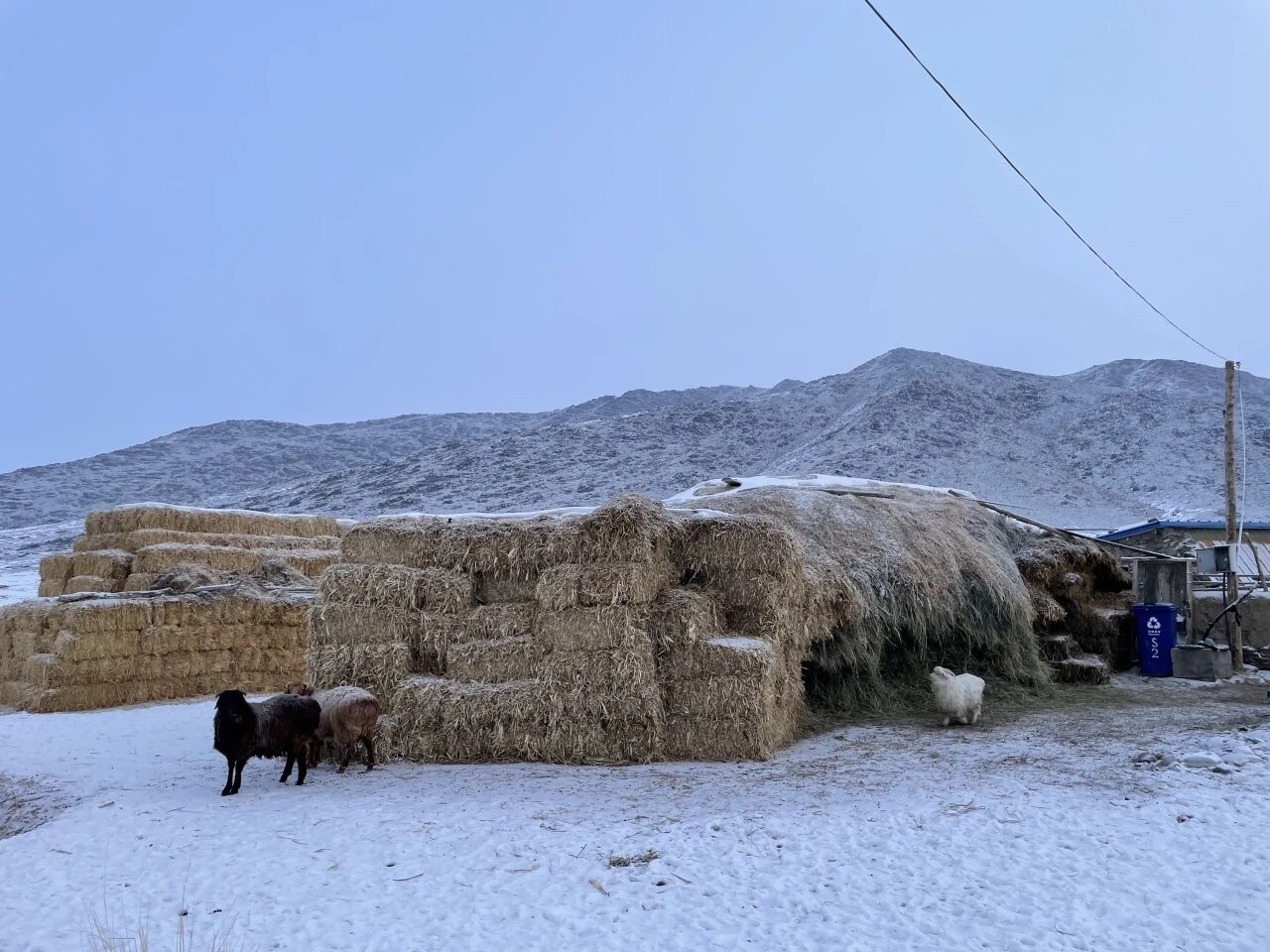
Grassland contraction means Kazakh herders’ cattle and sheep can no longer rely on haymaking in hayfields alone to get through winter; watering, harvesting, planting and market purchases all push up winter costs.
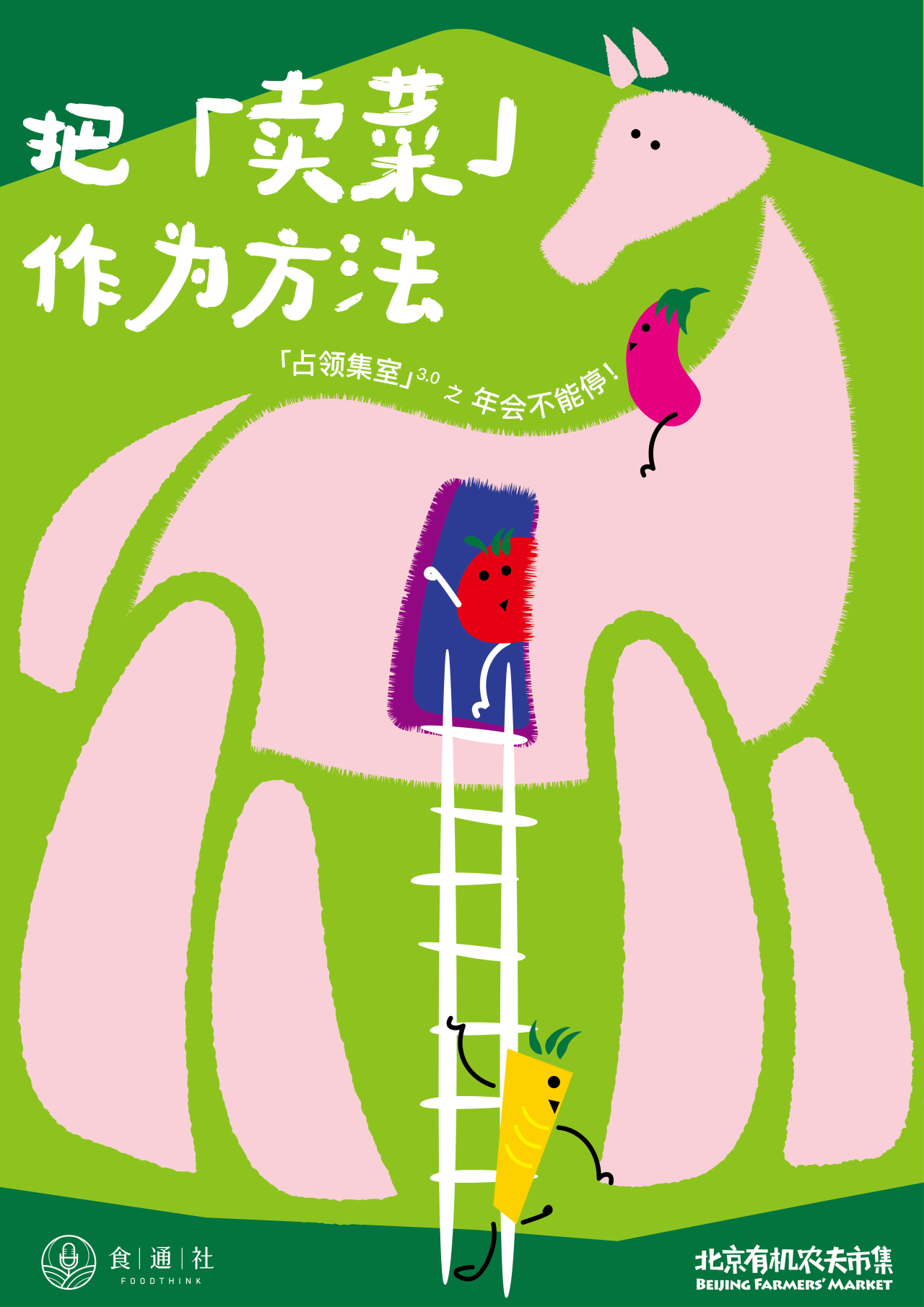
On 7 February, Foodthink’s editorial team takes over the Jishi grocery shop in Sanyuanqiao for 12 hours — with a year-end review, a sharing session on selling produce as a method, a Chinese New Year provisions livestream, and a documentary-and-lamb-broth dinner, in person and online.