
The Myth of Modern Agriculture: The Myth of Scale and Ecological Rupture
I. Dispelling the Myth of Modern Western Agriculture
To the authors of Crop Migration in World Civilisations (hereafter Crop Migration), the answer is no. Crop Migration was co-authored by four agricultural historians; the English original was first published by Yale University Press in 2023. The authors challenge the Western-centred, progressivist teleology of traditional historical narratives. This postcolonial critical perspective can, to some extent, help us dispel the myth of “faster, higher, stronger”, including on agricultural questions: is a larger scale necessarily more efficient? Are high yields necessarily good? Is genetic breeding necessarily more advanced?
Francesca Bray, one of the book’s authors, specialises in Chinese agricultural and scientific history and was an early contributor to postcolonial critique in the field of Chinese history. By excavating the close relationship between science, technology and society, she challenged the dominant claim that late imperial China’s “technological backwardness deserved to be beaten”. As the chief author of the “Agriculture volume” (1983) in Joseph Needham’s Science and Civilisation in China, she vindicated ancient Chinese biotechnology.
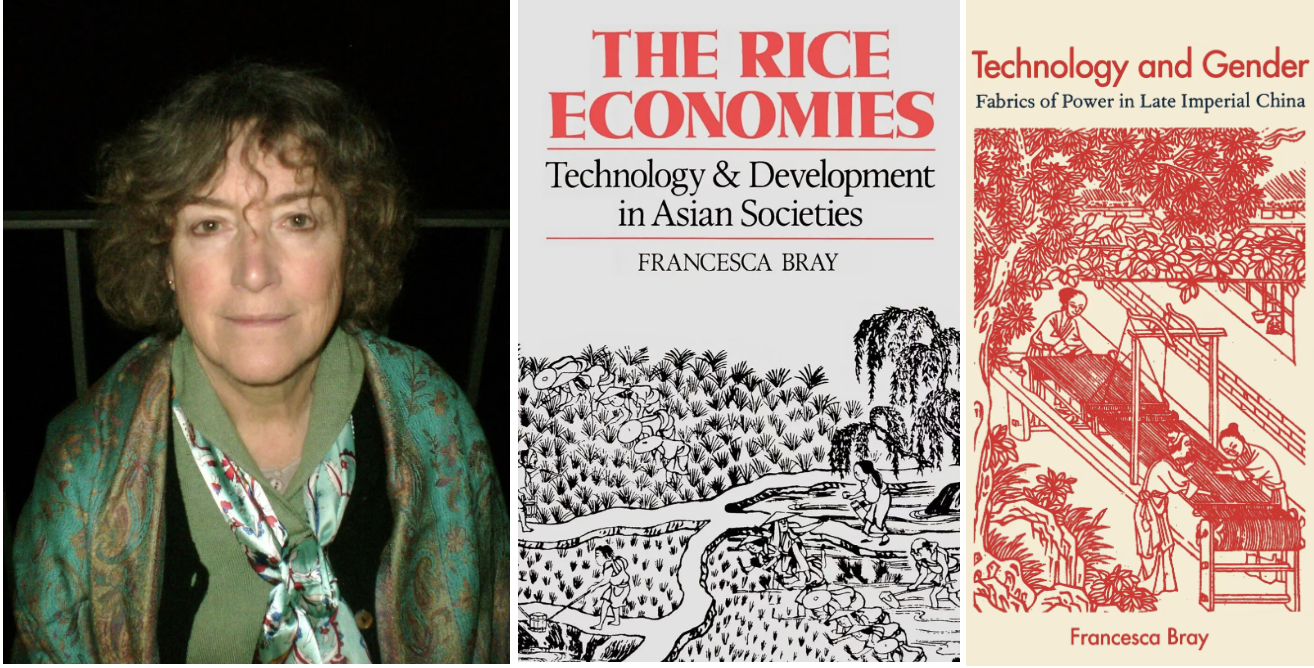
In her celebrated works such as The Rice Economies and Technology and Gender: Fabrics of Power in Late Imperial China, she emphasised the embeddedness of technology in society, culture and institutions. She found that East Asian rice societies had long since developed division-of-labour organisations in the form of “sprouts of capitalism”, yet these never replaced the smallholder model of intensive cultivation—small, household-managed plots supported population growth, technological progress and commercial and cultural flourishing. She argued that mechanisation and large-scale production were not the only way out, nor were they suited to all societies.
Crop Migration does not merely concern itself with East-West comparison; by writing about “migration”, it shows that the seemingly “far ahead” mainstream modern Western agriculture was not isolated from a “benighted and backward” non-Western world. Crops such as wheat, tulip and cinchona, which symbolised the “advancement” of capitalism or modern technology, did not have such “Western” origins; the actual operation of large-scale industrialised agriculture was also not as monolithic as imagined. From small vegetable plots beside rubber plantations in Southeast Asia, where multiple species were rotated, to the tuber crops by which sugarcane workers in South America obtained their daily “cheap calories”, the stories in the book reveal that global commodity supply chains and large-scale intensive cultivation are not a panacea for development; rather, they require the maintenance of “primitive” modes of production and life in order to extract surplus value.
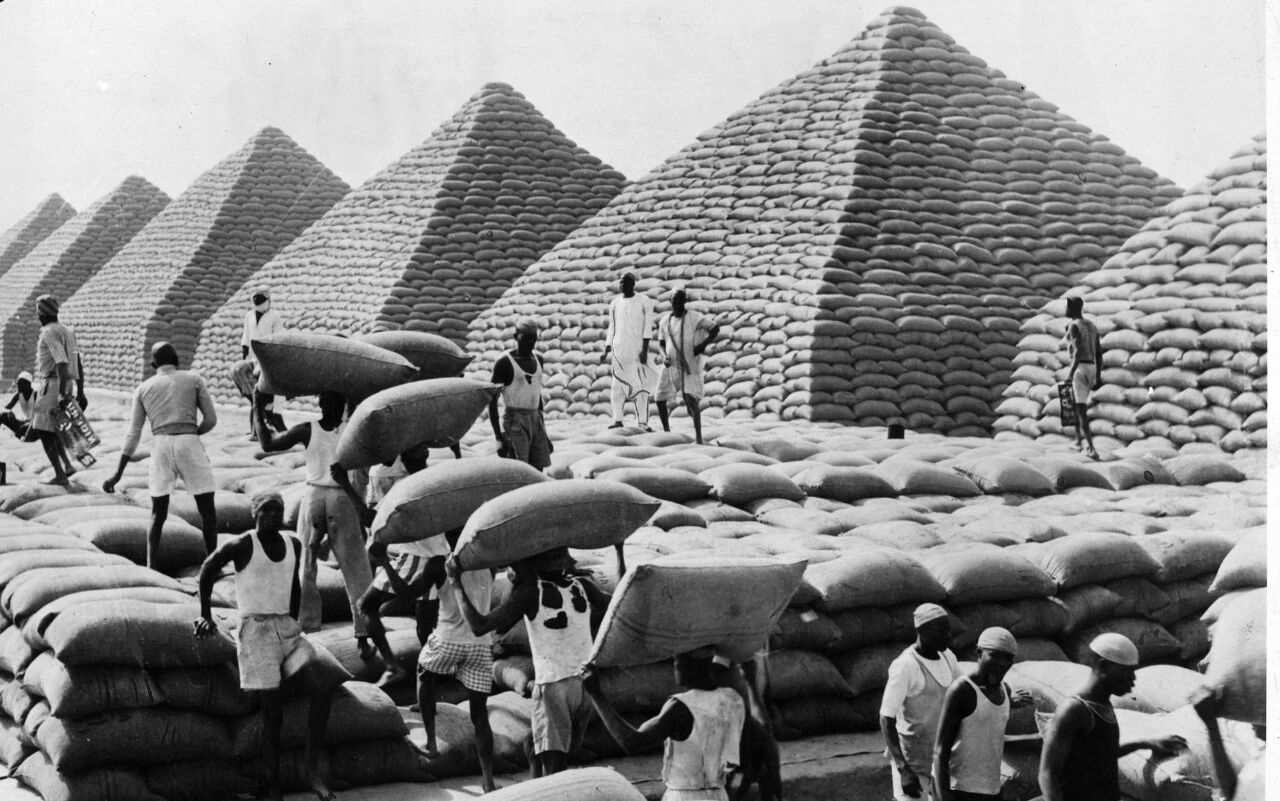
Having finished this book, I think, it is time to stop dwelling on the old question of “whether the West is the centre”. Agricultural history needs to dissect this more directly: how, since the colonial era, has large-scale monoculture continued to expand globally, transforming the agricultural landscape, deconstructing rural communities and reshaping the relationship between humans and nature—and what ruinous consequences has it left behind? At the same time, we must ask what forms of knowledge production and institutional arrangements have brought about ruptures across generations, knowledge and values, making other modes of production and life unimaginable.
II. Plantationocene: Past and Present
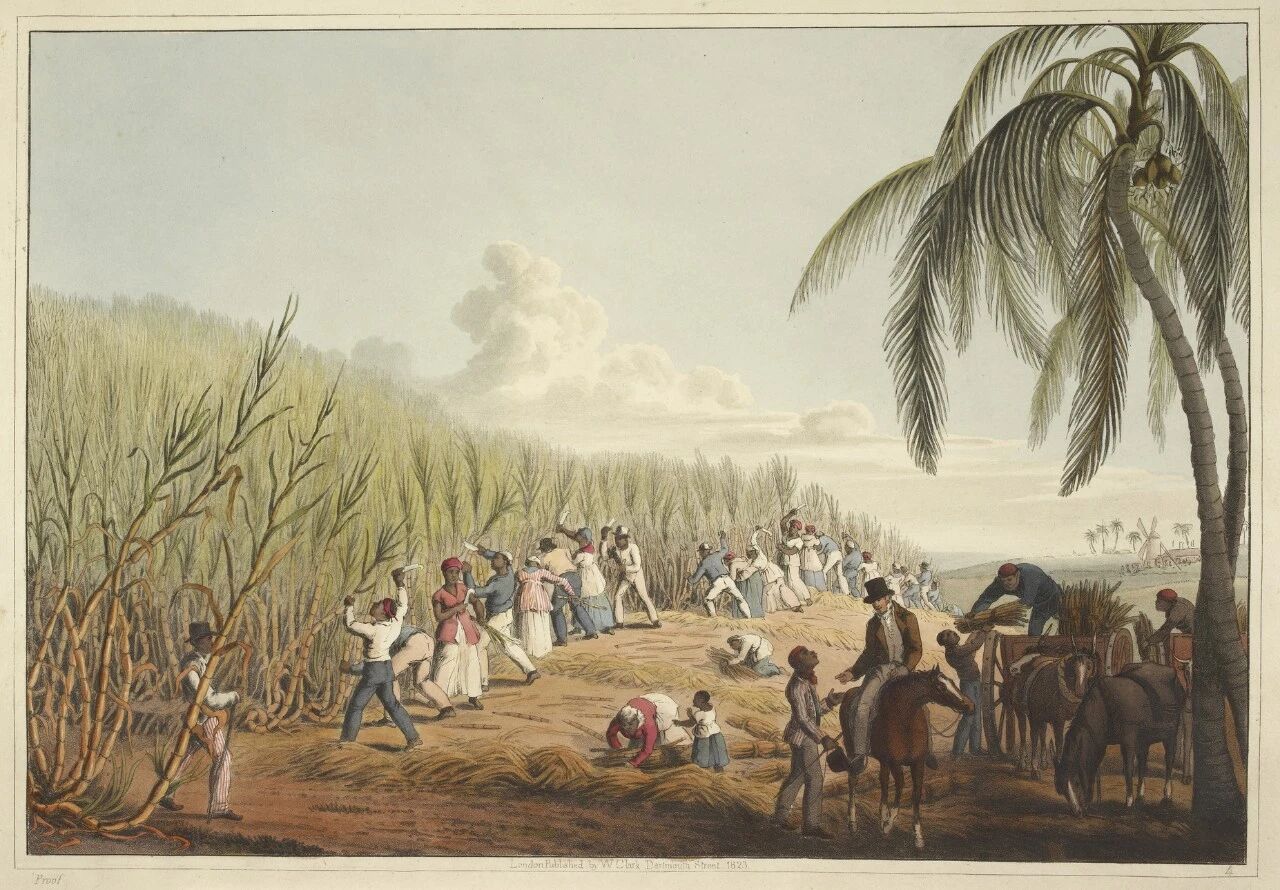
Novel terminology is merely a handle for discussion; for now, let us continue to use the “Anthropocene” to refer to the most urgent ecological issue of our time, the one most in need of scholarly intervention. On the topic of agriculture, I suggest introducing a more useful concept: the “Plantationocene”, proposed by Donna Haraway, Anna Tsing and others. The word “plantation” sounds like something from a distant colonial era in South America or Southeast Asia, yet what scholars are trying to elucidate is a form or logic of agriculture: large-scale monoculture aimed at commodity production. This form of agriculture is ubiquitous around the world and continues to expand.
Plantation agriculture rests on extensive ecological simplification and the forced labour of multiple species: it requires the complete clearing of a land’s original inhabitants—including forests, wildlife and human communities—and the introduction and disciplining of the crops (usually introduced plants, even genetically modified crops), animals and migrant labour that human beings need. Imagine a vast blueberry plantation: here only one plant is allowed to exist, in order to serve global commodity chains; off-season cultivation is achieved through processes that consume vast quantities of natural resources, such as temperature control and cold-chain transport; it requires intensive investment from external capital, employs seasonal temporary workers, and labour is deskilled into simple, repetitive movements.
Plantations degrade soil, exhaust water, encroach on wildlife and plant habitats, and often bring crop and livestock diseases; the wear and exploitation of farm labour also lead to widening inequality and social injustice. Some scholars have found that it was precisely intensive single-species plantations, livestock farms and slaughterhouses that inspired the assembly lines of modern factories. The plantation logic decomposes complex life forms into standardised components for control, presaging the disciplining and alienation of employees under corporate systems. For example, on the Ford Motor Company production line, car assembly was broken down into subdivided movements at fixed stations, with artificial lighting and shift work serving the rhythm of round-the-clock machine production.
The reason the plantation logic has been promoted—apart from capital’s profit-seeking nature—is the efficiency of this management model and its promise of a future of “material superabundance”. Yet is it only through large-scale industrialised agriculture, by raising efficiency and output, that the world’s population can live more comfortably? In chapter three of Crop Migration, Scale, the story of how Chinese tea was transplanted to British colonial India is an interesting example.
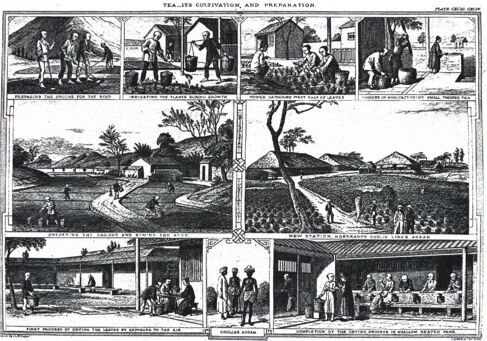
In the Ming and Qing periods, the tea industry was a dispersed network composed of smallholders and medium-sized farm households (household-managed, with seasonal workers), local processors and tea merchants. At every node of the network, tea planting, tea making and tea drinking were part of local community life and customs, while also enabling flexible responses to the vast domestic market and the shifting external market.
After British plant hunters “stole” Chinese tea plants, they attempted to transplant them to British India and develop the tea industry, which received substantial investment from a large number of British-based capitalists. The capital-intensive sugar industry, with its economies of scale, had already brought substantial profits to shareholders in the colonies, and could also be used to demonstrate the advancement of the British Empire and the legitimacy of colonisation. Why not apply plantation logic to tea gardens?
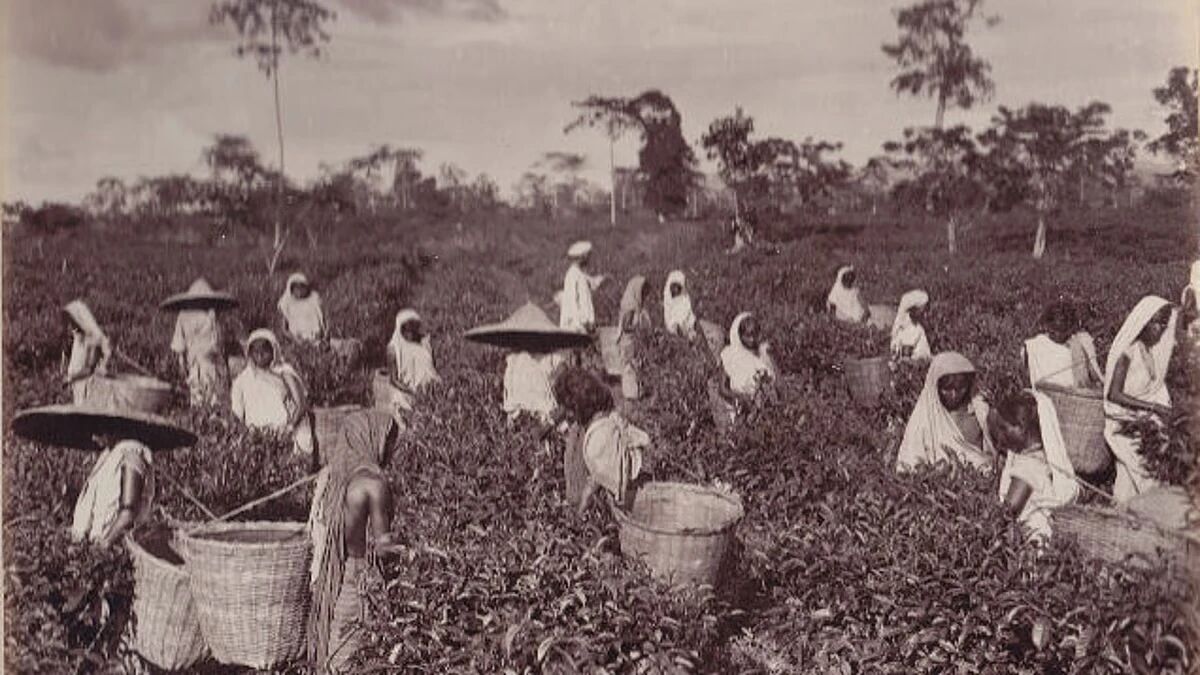
However, unlike China’s tea industry, long embedded in society, Indian tea gardens were artificial landscapes shaped at extreme speed: operators usually felled forests over vast areas in remote regions, tamed the wilderness, and hired workers from elsewhere. In this process, they encountered a succession of problems: attacks by local animals, malaria caused by standing water, and so on. For a long time, the venture was volatile and failed to yield stable returns. In the end, the success of Indian tea depended on contingency and marketing: the domestication of wild Assam tea allowed it to be processed by machine, saving labour costs; successful marketing led people of all classes across the British Empire to start drinking tea. At the same time, Chinese tea still maintained decentralised, small-scale cultivation, and although it did suffer setbacks in exports to the British Empire, it actively adjusted, launched new products such as oolong tea, and was not eliminated in the competition.
In this story, the diverse, small-scale growers in China’s tea industry showed stability and resilience on ecological and market dimensions, and were also producers of a rich tea culture. In India, by contrast, the success of large-scale tea gardens was not inevitable; it was driven by ideology and market competition; the process was full of twists and turns, and in the end it was a series of contingencies that brought the possibility of profit.
However, as the ideology of capitalism was translated into economic terms such as “economies of scale” and “increasing returns to factors of production”, plantation logic was transformed into a more efficient and universally applicable template. After the Second World War, Western countries and international organisations launched a series of development aid programmes in the Third World, and the agricultural model of “hybrid seed + fertiliser + pesticides + irrigation + mechanisation” spread under the name of the Green Revolution.
This technical package was likewise built on the plantation logic of ecological simplification, large-scale production and highly controlled cultivation: it pursued comparative advantage by growing single crops and integrating them into the global commodity market. Although it claimed to improve farmers’ livelihoods, this series of interventions in fact favoured capital-driven agriculture, prioritising urban needs over those of smallholders, at the cost of the disintegration of rural communities and ecological degradation.
Whether in the form of colonial exploitation or development aid, plantation agriculture abstracted crop cultivation into calculable inputs and outputs, thoroughly reorganised land, crops and labour, thereby raising production efficiency and seeking profit in commodity markets. The globalisation of this mode of production constitutes the past and present of the Plantationocene.
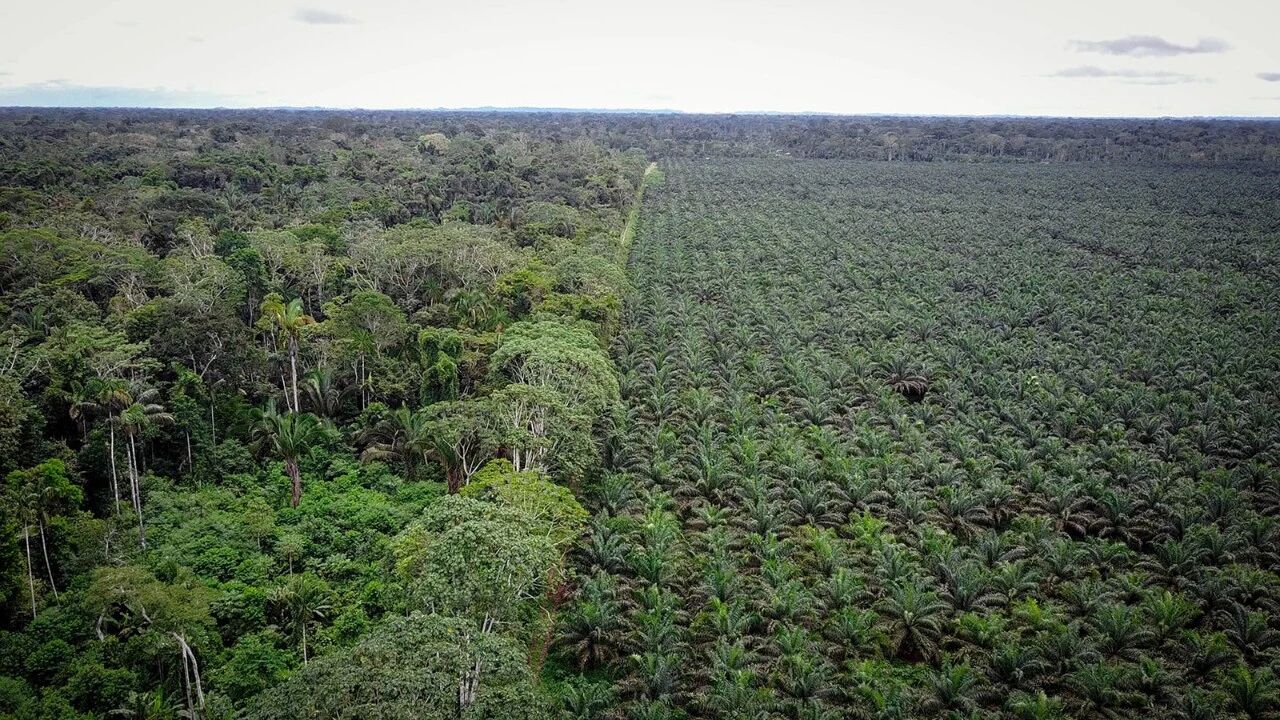
If we have already seen that small-scale, at least partly local-market-oriented, non-plantation agriculture is better for the environment and for people, historians should more firmly expose the ruses of the Plantationocene and go in search of the forgotten “non-plantation”: What social support systems, institutions and cultures in history made “non-plantation” practice possible, and how was it denied? Is it possible for us to move beyond the collective unconscious of “bigger and stronger”, to make the “non-plantation” new and imaginable?
III. Searching for the “Non-Plantation”: The Possibility of Care
Within plantation boundaries, the originally complex interspecific interactions and dependencies among organisms are artificially reduced to a minimum; only what human beings need is allowed to exist. Specialised agriculture has become an aggregate of external inputs: it takes in commercial seed, machinery, fuel, chemicals and pollinators, and produces ever higher yields. However, this model’s simplification of ecology is fragile and unsustainable.
Chapter four of the book, “Actors”, reveals complex, agential non-human actors in crop history, and modern agriculture’s neglect of this agency often has disastrous consequences. Eucalyptus is a good example: for the purposes of landscaping, railway sleepers, mine “remediation”, and papermaking, Portugal has ceaselessly carried out large-scale monoculture of this tree from Tasmania, Australia. However, as the climate warms, in 2017 wildfires swept through Portugal and took a long time to extinguish. The authors even imply: who defines “invasive species”? Is eucalyptus not an “invasive plant”?

The “arsonist” eucalyptus shows non-human resistance to the human desire for control: every organism has its own tendencies or preferences; it has its own purposes and temporality; it may even be a non-teleological being. In this regard, multispecies studies and feminist science and technology studies point out that we need to face absolute otherness.
The Anthropocene’s Earth-remaking projects, including modern agriculture, assume that human reason can calculate, design and master everything, thereby achieving unlimited growth and expansion. However, feminist theorists have proposed the logic of “care”, and argue that it is the disregard for care that legitimises the violence of the Anthropocene, so that human relations to others and to other species are reduced to arrogance and oppression. Traditionally, caring for others has been belittled as women’s work, as maintenance and repair. However, care relationships are indispensable for human society to be carried on from generation to generation. It is precisely in care relationships that the carer must first pay close attention to the needs of the cared-for as an “absolute other”, patiently listen to their thoughts, and provide as much assistance and service as possible, even when the other is often weaker in power. In fact, the English word care can also be translated as concern; the precondition of care is close attention. Care is both demanding labour and emotional expenditure, and a less self-centred ontology.
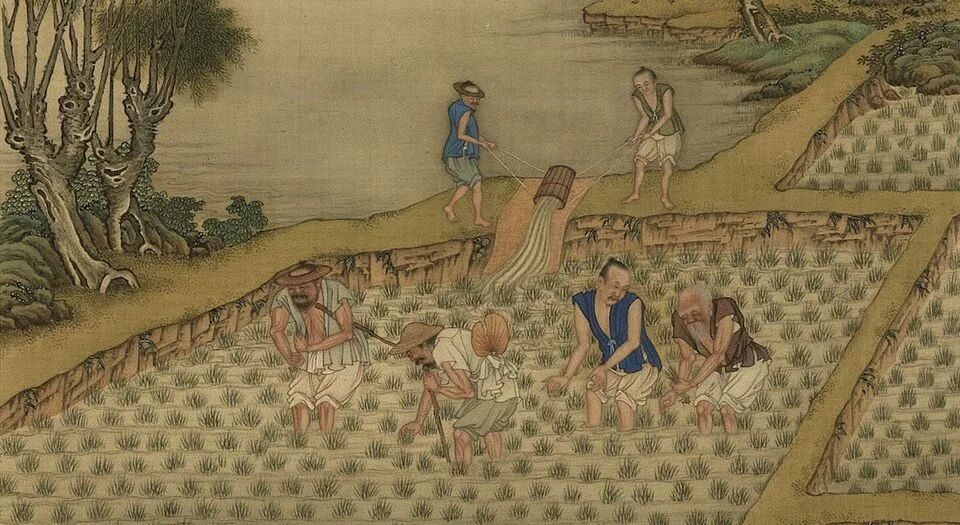
The logic of care has in fact long existed in agronomy and farming practice. Chapter five of the book, “Composition”, introduces a perspective of care. In this regard, China’s past agrarian civilisation has made rich contributions.
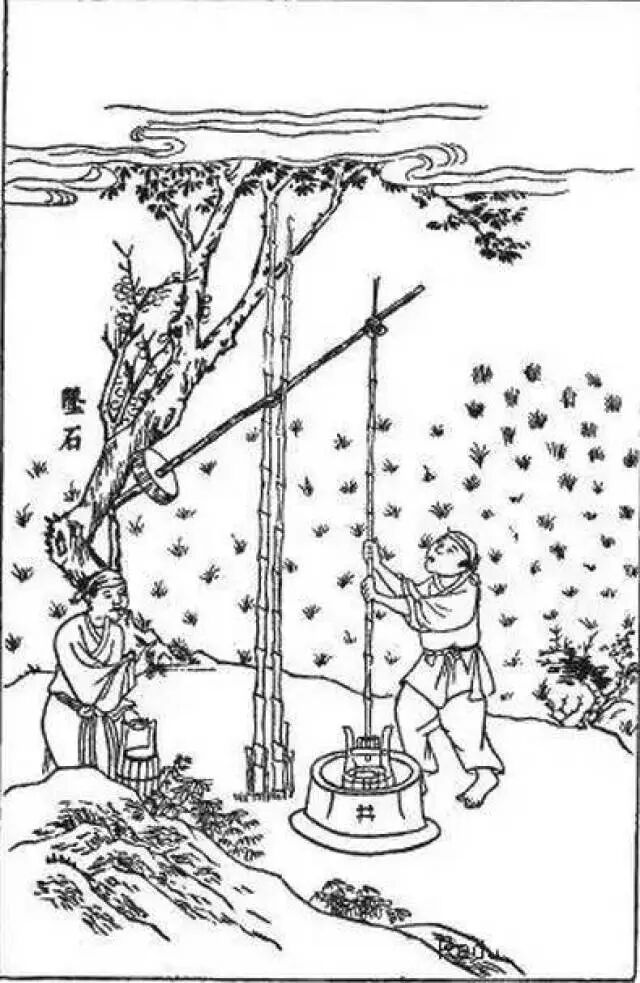
The Northern Wei “Qi Min Yao Shu” already records mixed cropping and intercropping; it asks farmers to observe carefully and care diligently, attend to all the subtle signs in the fields, and respond in time. Facing the impact of a growing population and natural and human-made disasters, the Ming-dynasty scholar Xu Guangqi, who bridged China and the West, advocated in the “Nong Zheng Quan Shu” composite, multifunctional farms, in which diversified crops and other factors were mutually interdependent and flexibly complementary, so as to withstand shocks and maintain prosperity. Here, human livelihoods depend on forming complex networks of relations with crops, wild non-crop organisms, soil, weather and other factors, rather than managing agriculture by rigidly using an input-output formula, as if operating a machine.
The cases in the book remind us: farming methods wholly different from the plantation—and a series of associated ways of life and cultures—are possible, but have been gradually erased in the process of moving towards capitalist modernity.
More than a century ago, the American soil scientist Franklin H. King visited China, and also witnessed how smallholders, through intensive cultivation, ensured subsistence while protecting the soil. He wrote “Four Thousand Farmers: Sustainable Agriculture in China, Korea and Japan”, hoping that American agriculture would reflect on its unlimited extraction from soil fertility and instead learn from East Asian experience, making good use of nature’s gifts.
However, today, those who care about ecology and agriculture often feel bewildered and without a model to draw on. Over this period of more than a century, How has the ecological wisdom of traditional agriculture been denigrated, suppressed and even made to disappear? As for what constitutes good agriculture, good production and life, are there still, in history, alternative forms of knowledge production and reflection?
And after history has been taken apart, the final question remains: what should we pursue, and how should we do it? In the face of the plantationisation of the Earth’s surface, how should we come to rest in “care” rather than “rupture”? In this respect, although the perspective of care and historical research can enrich our imagination, theories and concepts are ultimately pale—reasoning on paper can now even be delegated to AI. If the word “Anthropocene” carried from the outset the air of “ecological apocalypse”, then a non-apocalyptic future and a non-plantation Earth can only emerge from concrete choices and real practice.

Author: Qieyi
Editor: Jieni